
Some people have asked about how I've learned to imitate the style of Yoji Shinkawa, and since I've done some introspection on the subject myself anyway, here's a thread about it (1)
It started with fascination and copying. I think I tried to imitate the feel instead of understanding where it comes from. I feel like I kept thinking that messiness is just a part of the style. (2)
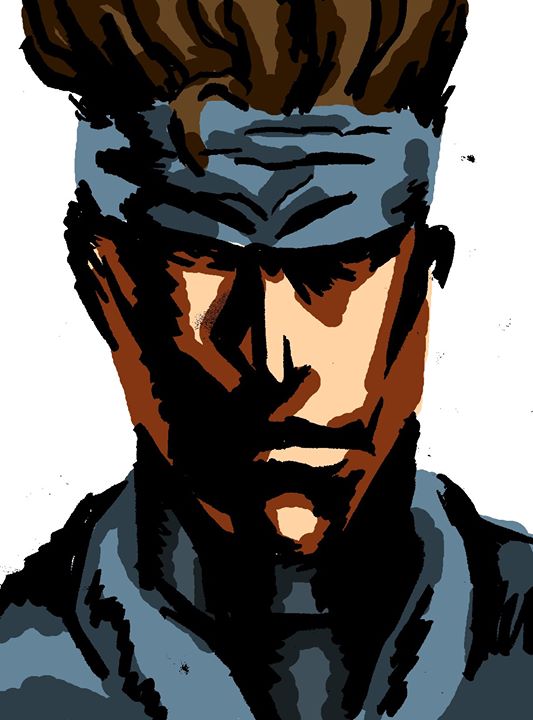
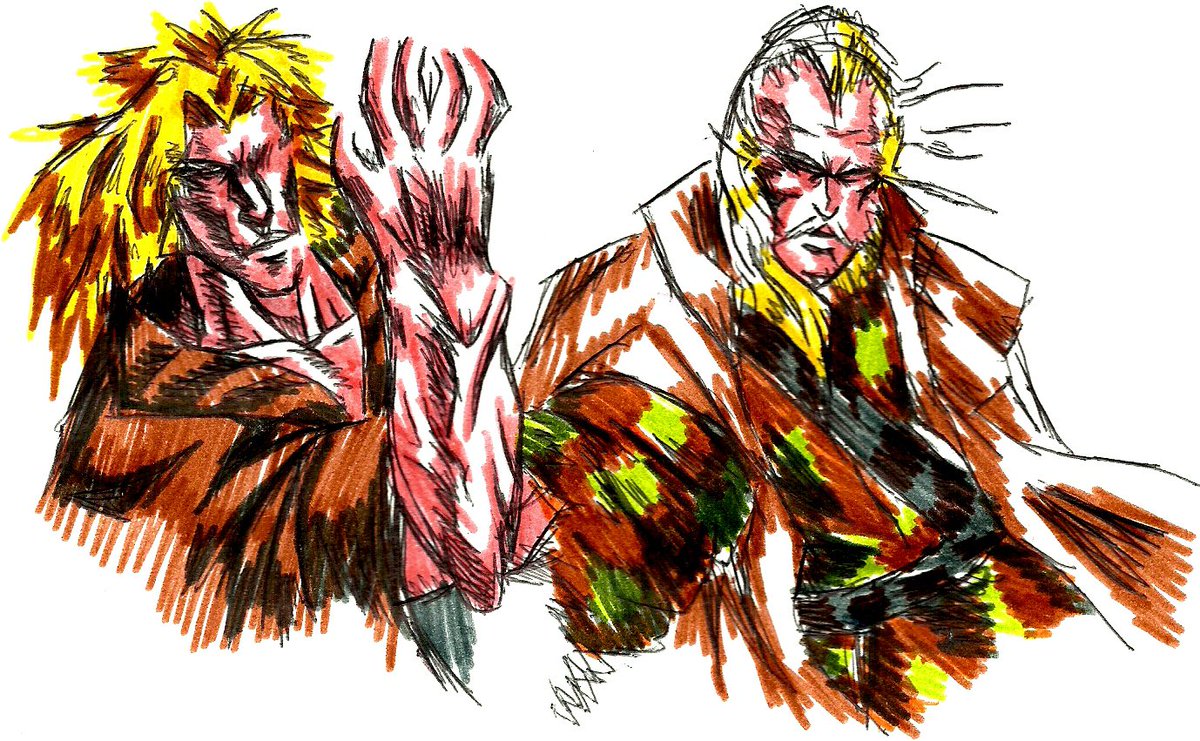


This venom snake was a turning point The trailer for MGSV had come out and I wanted to draw the "horned Snake", and it ended up looking pretty good for that time. And so I got inspired to keep going. Another reason I kept going was that it was fun and a bit painterly. (3)
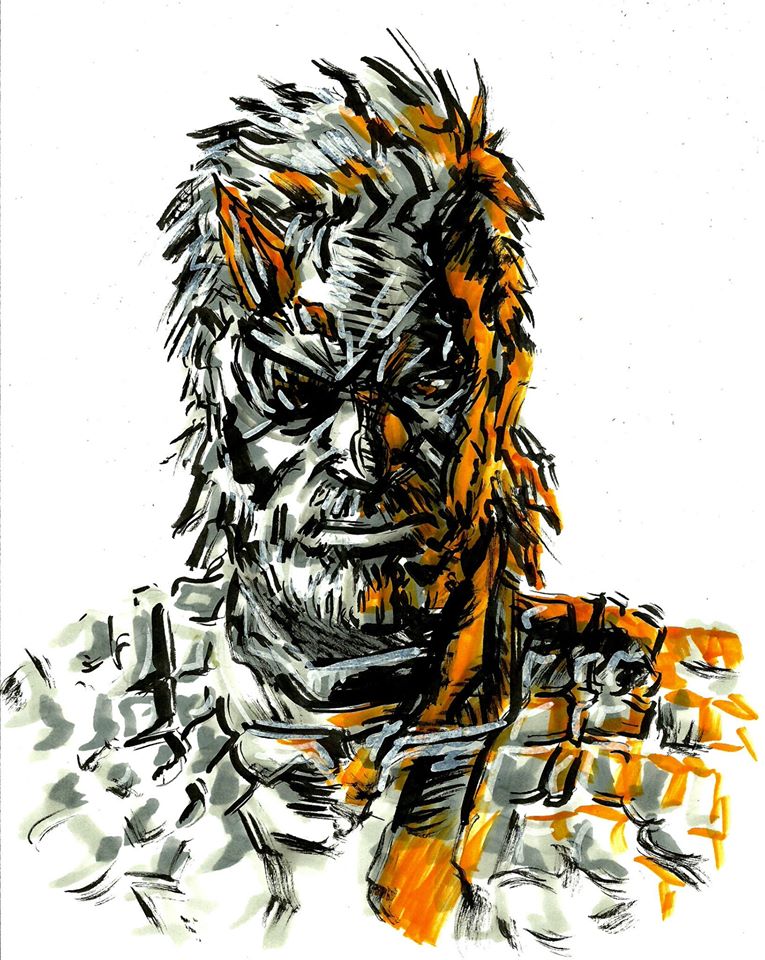
At that point I was picking out bits and pieces from the works of Shinkawa and trying to piece them together to form the drawing I wanted. It worked somewhat, but I had trouble with things Shinkawa hadn’t drawn, since there were no references to look at. (4)
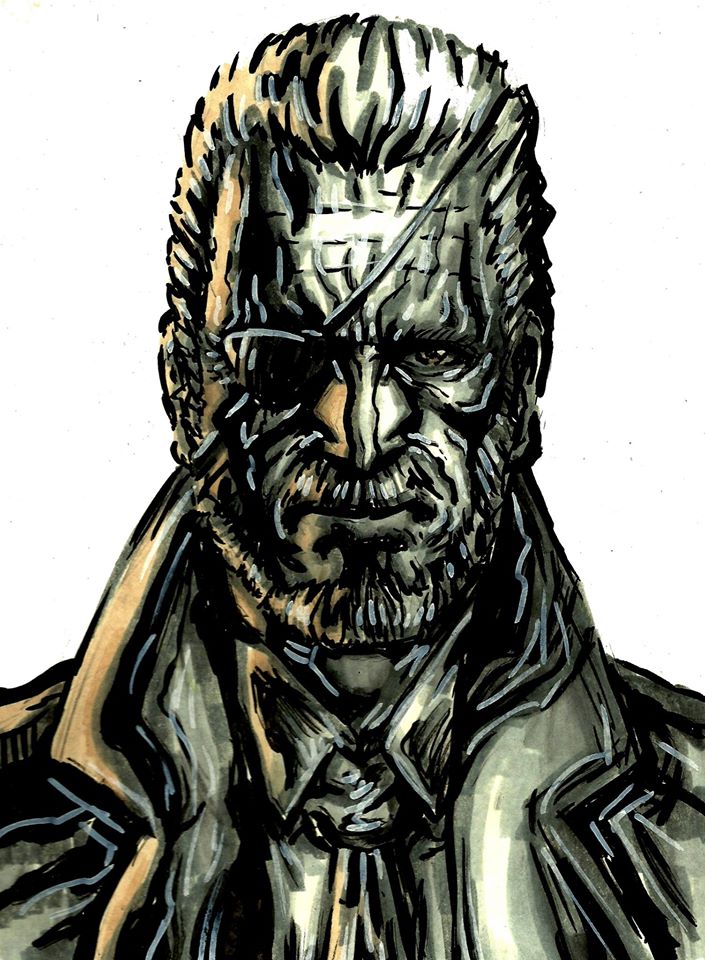
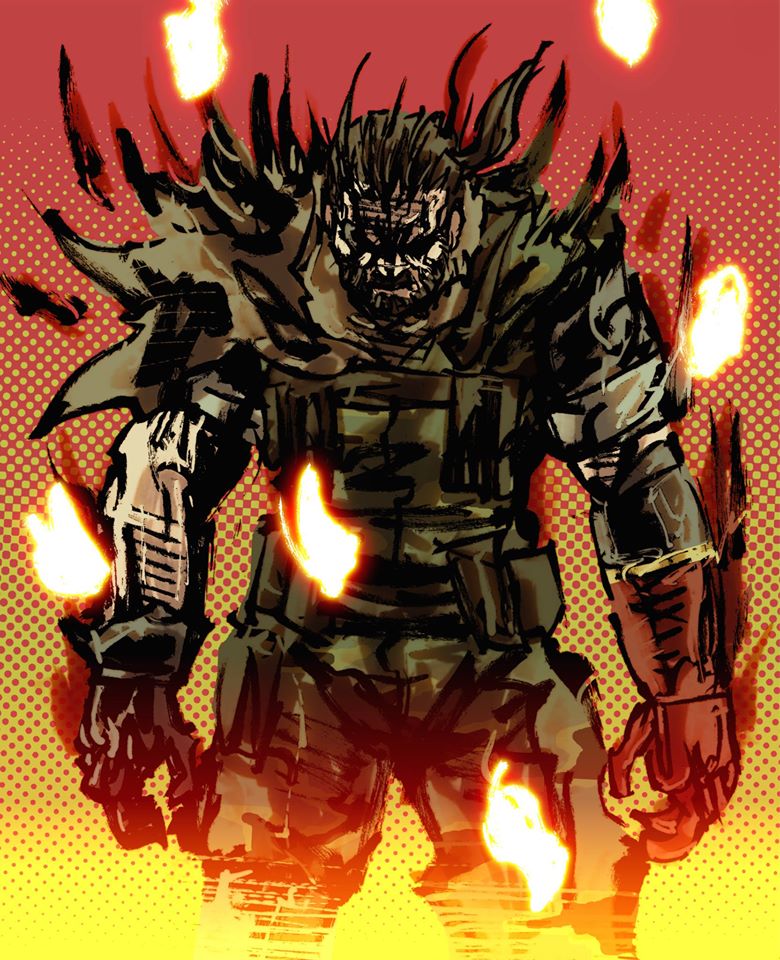
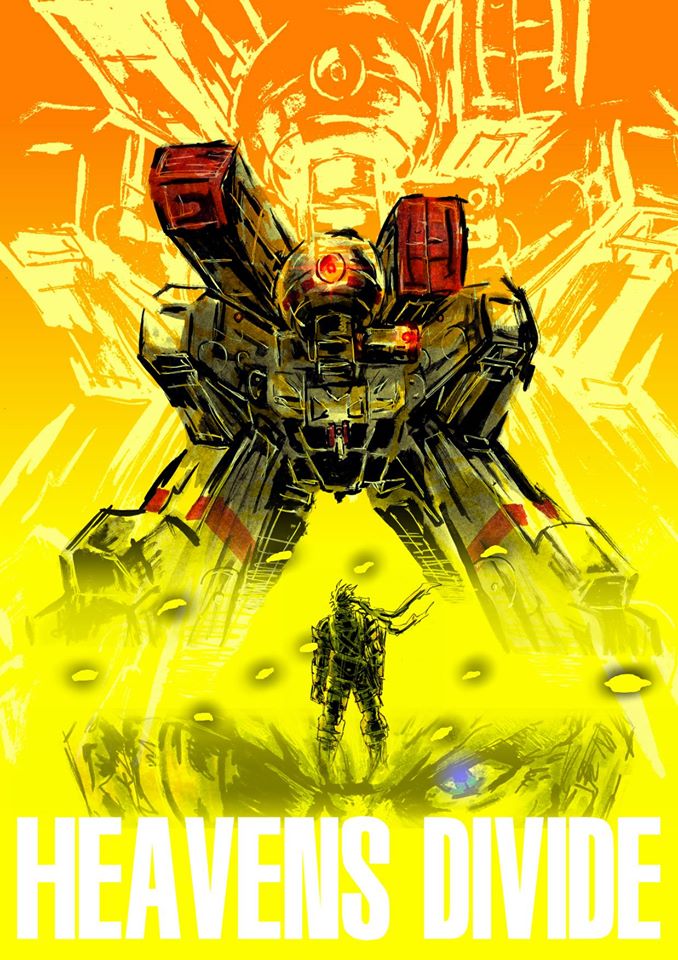
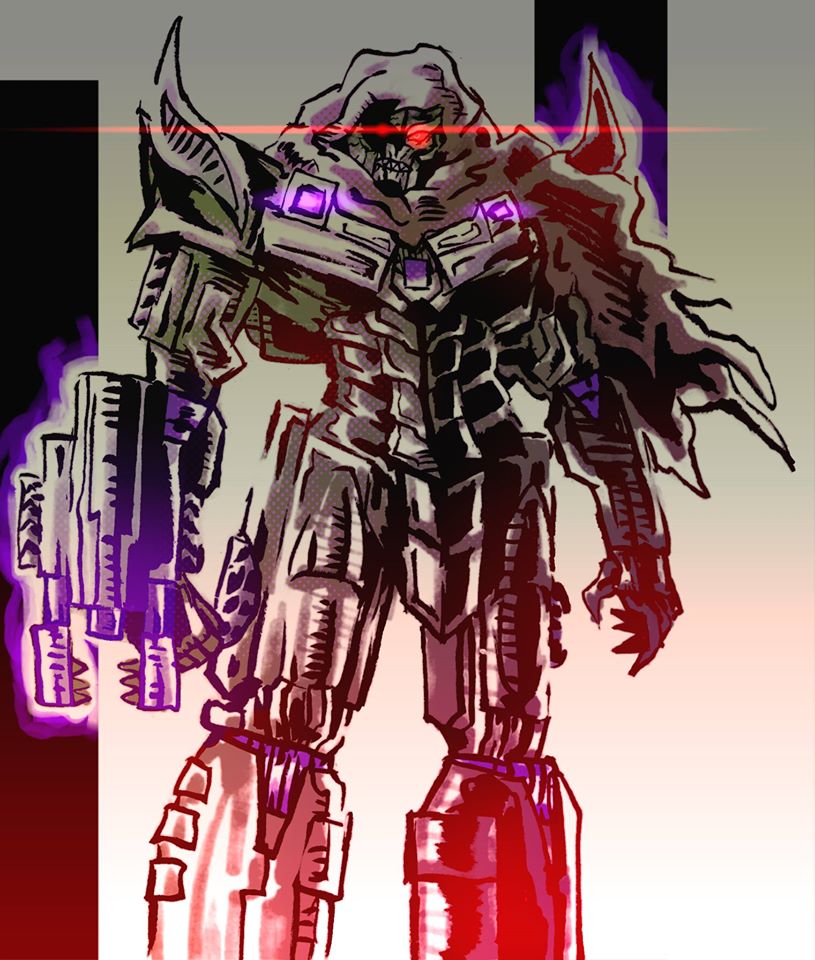
Due to the massive amounts of drawings I made in the style, I started gradually realizing and understanding the purpose of how Shinkawa draws things. (5)
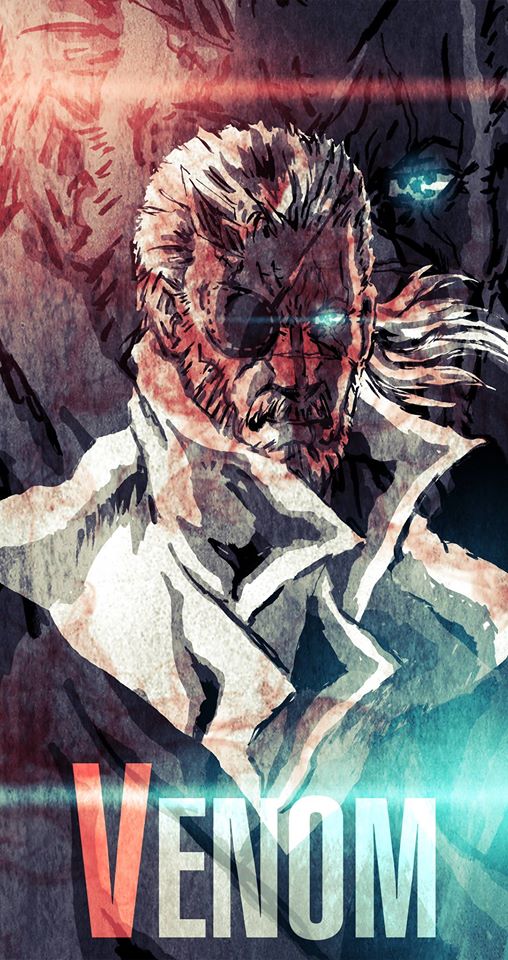
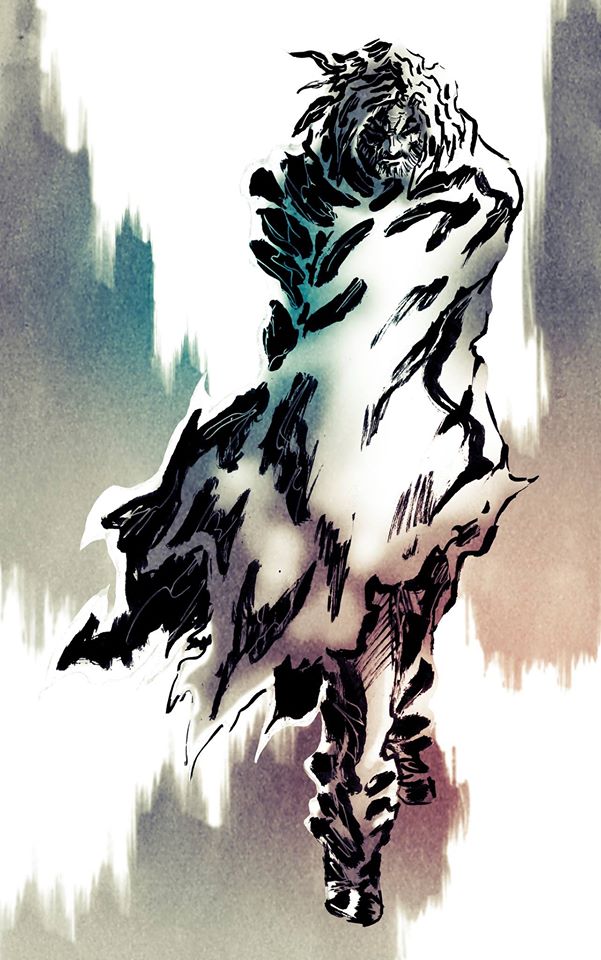
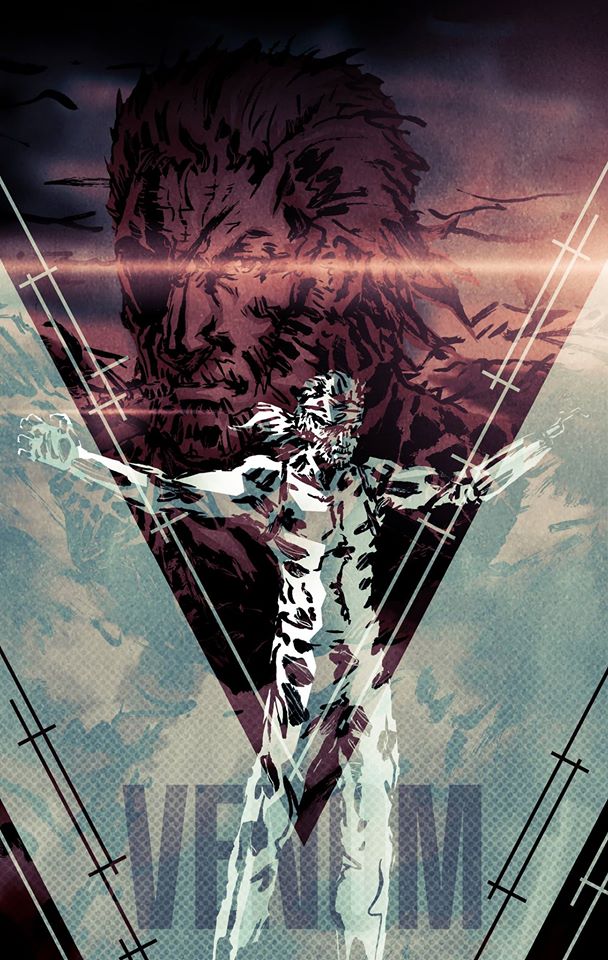
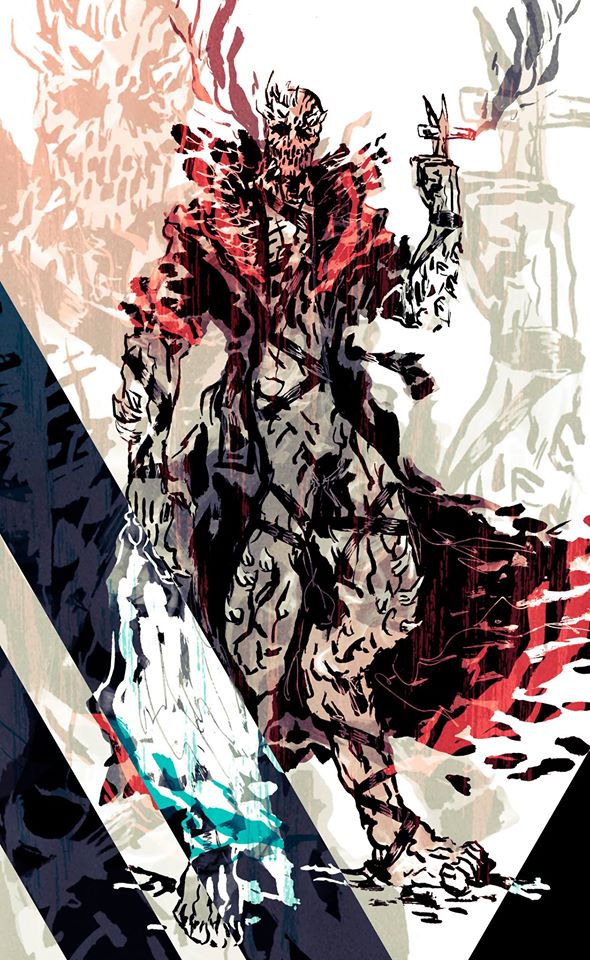
Instead of surface level imitation, I started developing my own visual way of thinking, which is heavily based on how I assume Shinkawa approaches different shapes and forms Ironically I realized that because of this I started in a way veering away from the apparent art style (6)
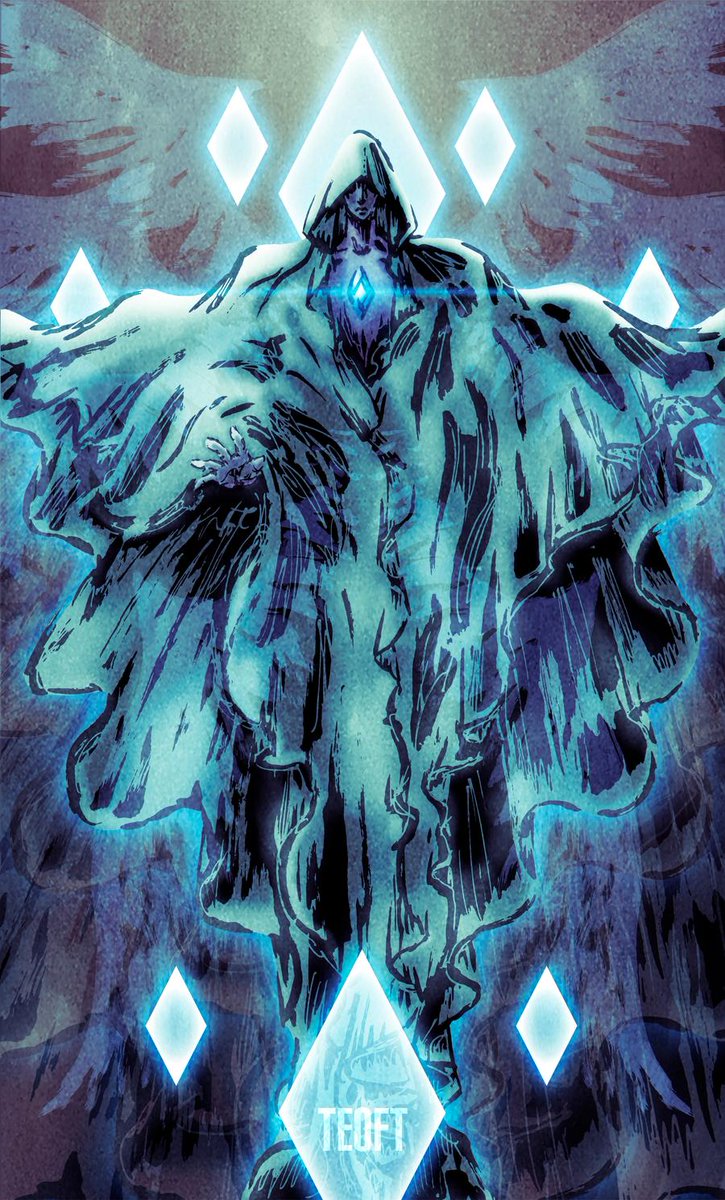


I had to eventually admit to myself that I can’t really achieve the exact style of Yoji, because to do that I would have to think exactly like him. Instead I need to master the concept of the style, so I could use my own intuition while drawing, instead of relying on his art (7)
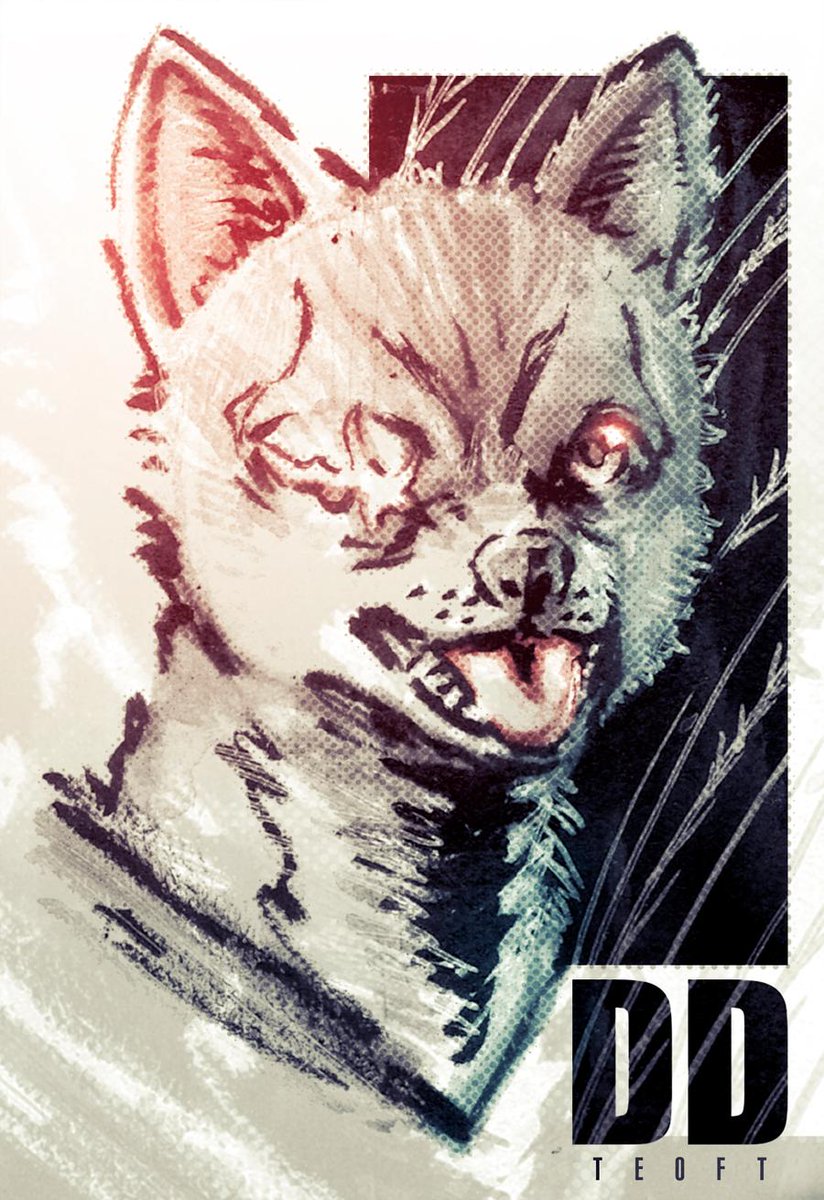
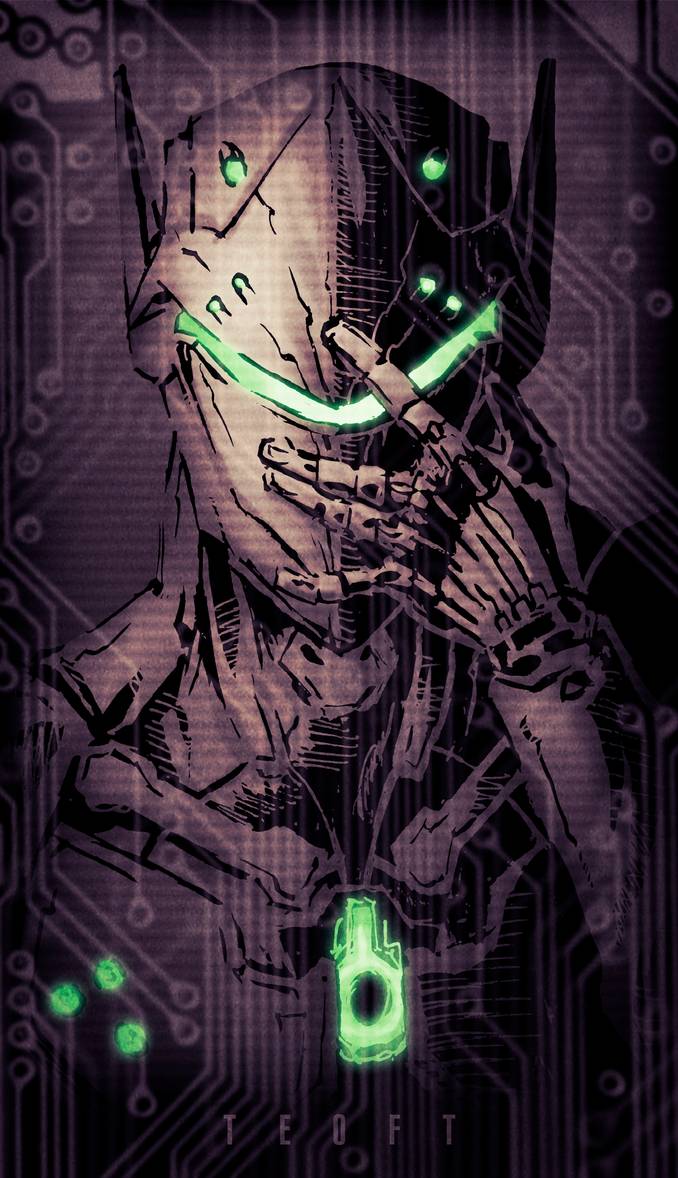
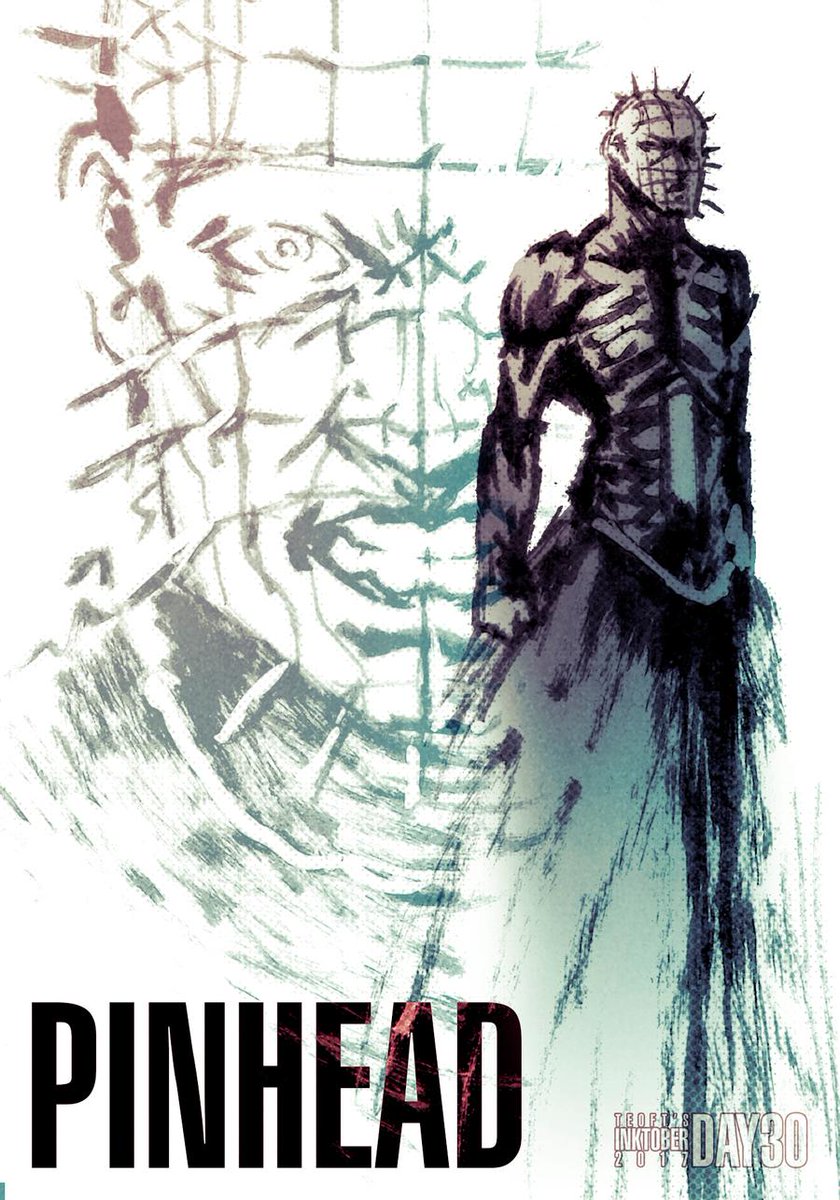
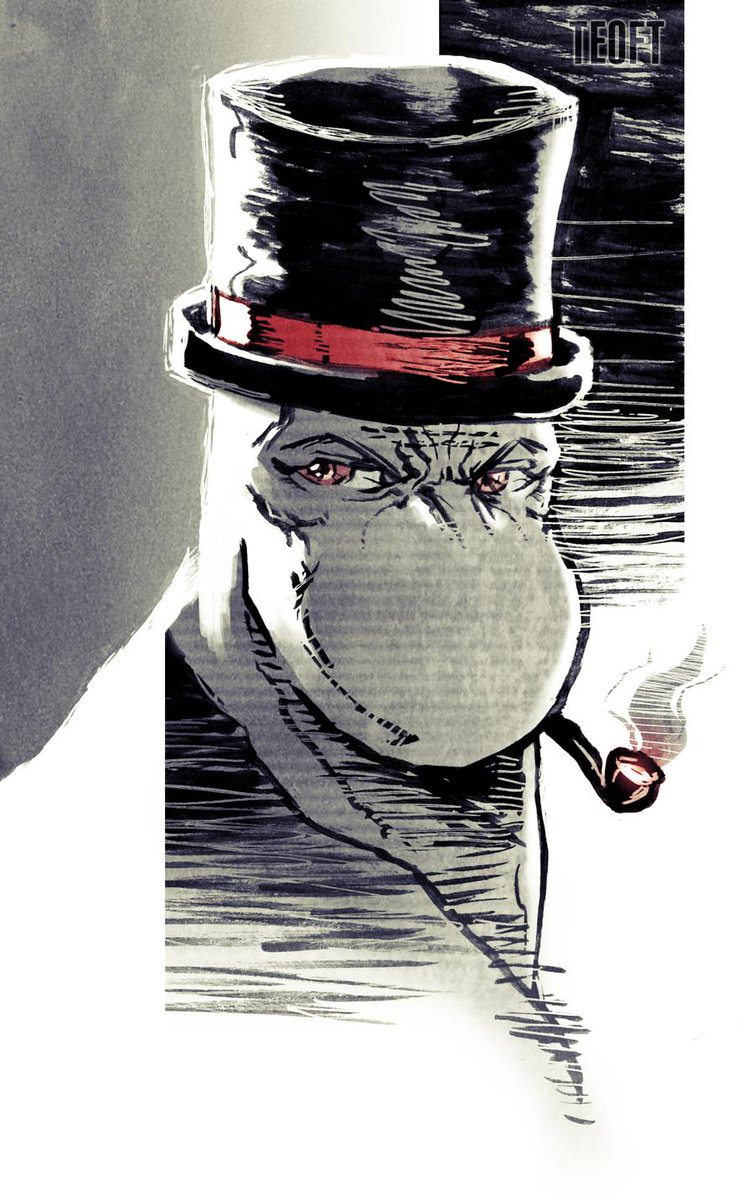
And as a result, I am less restrained in a way, and I feel like my style is now more flexible, as I can just apply my visual way of thinking to any subject and draw it the way I want. (8)
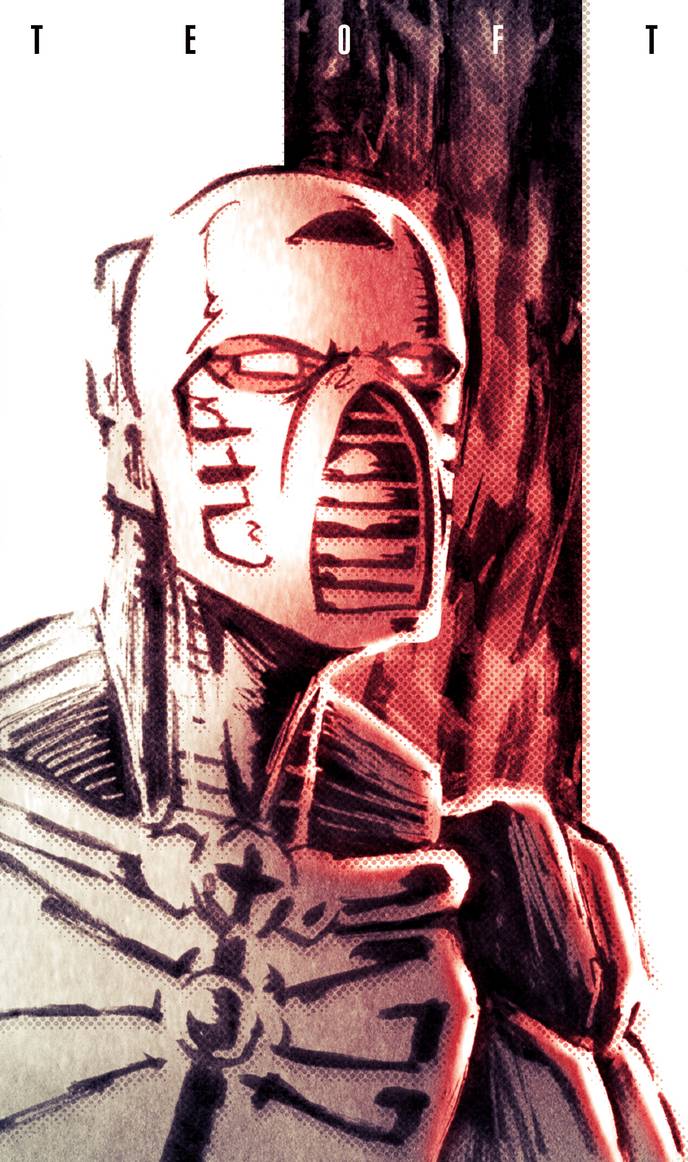
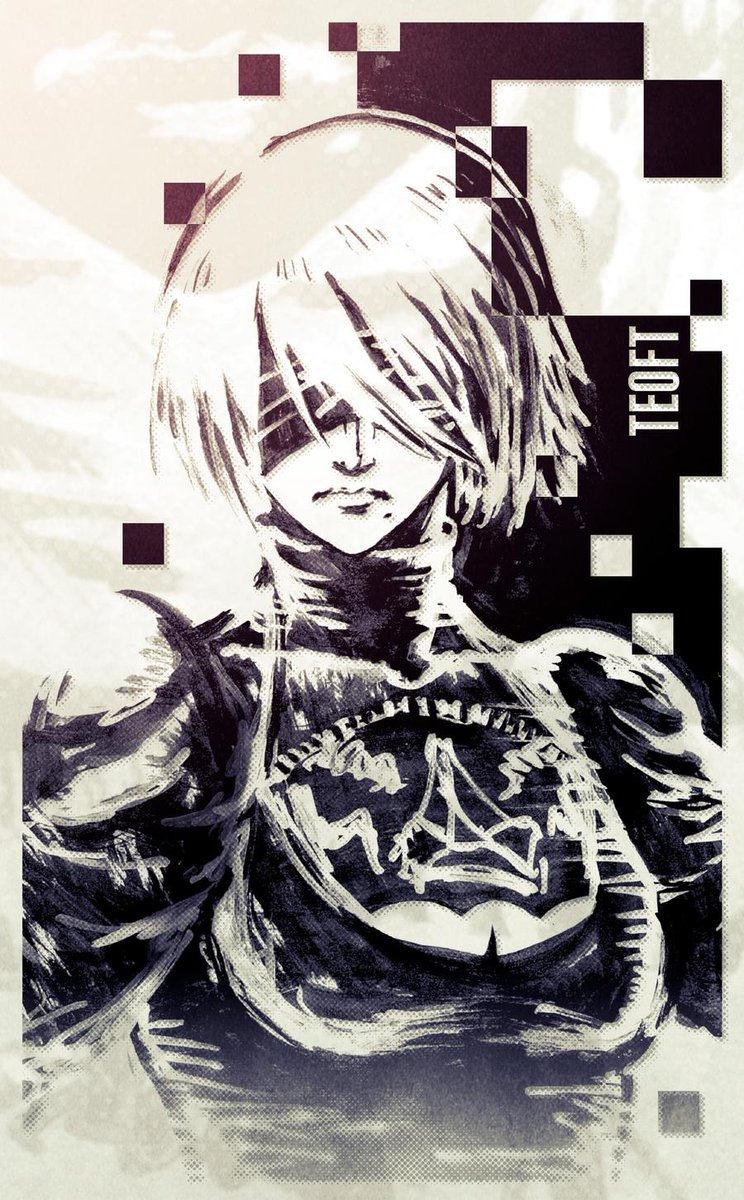
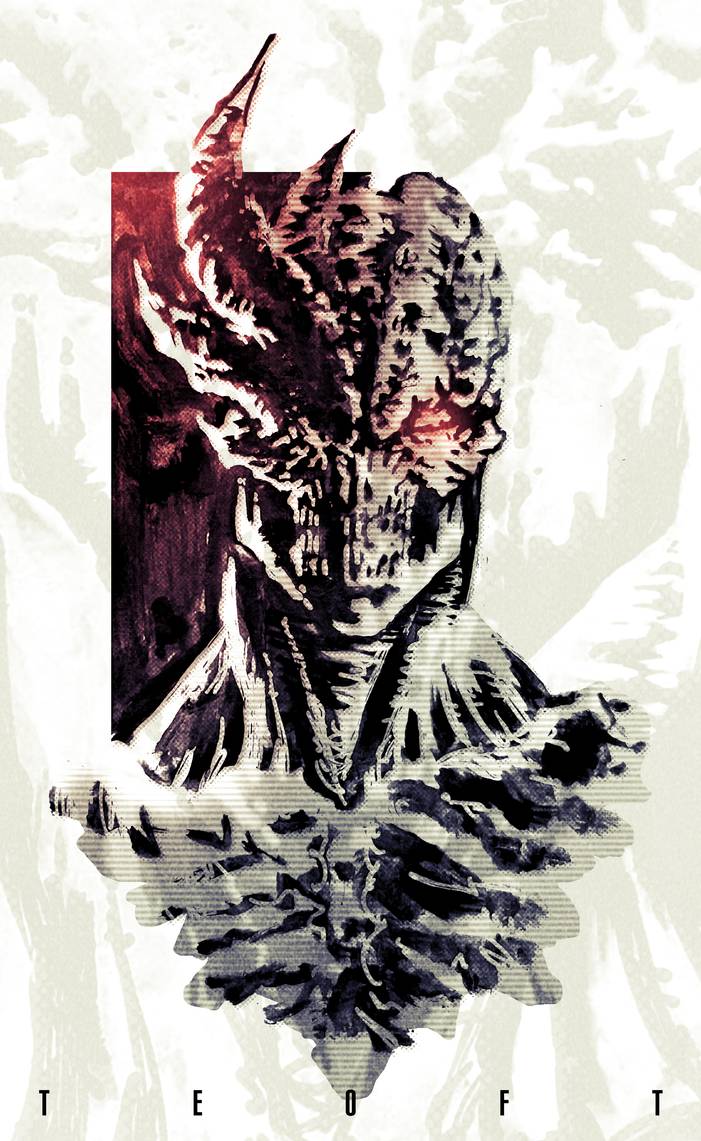
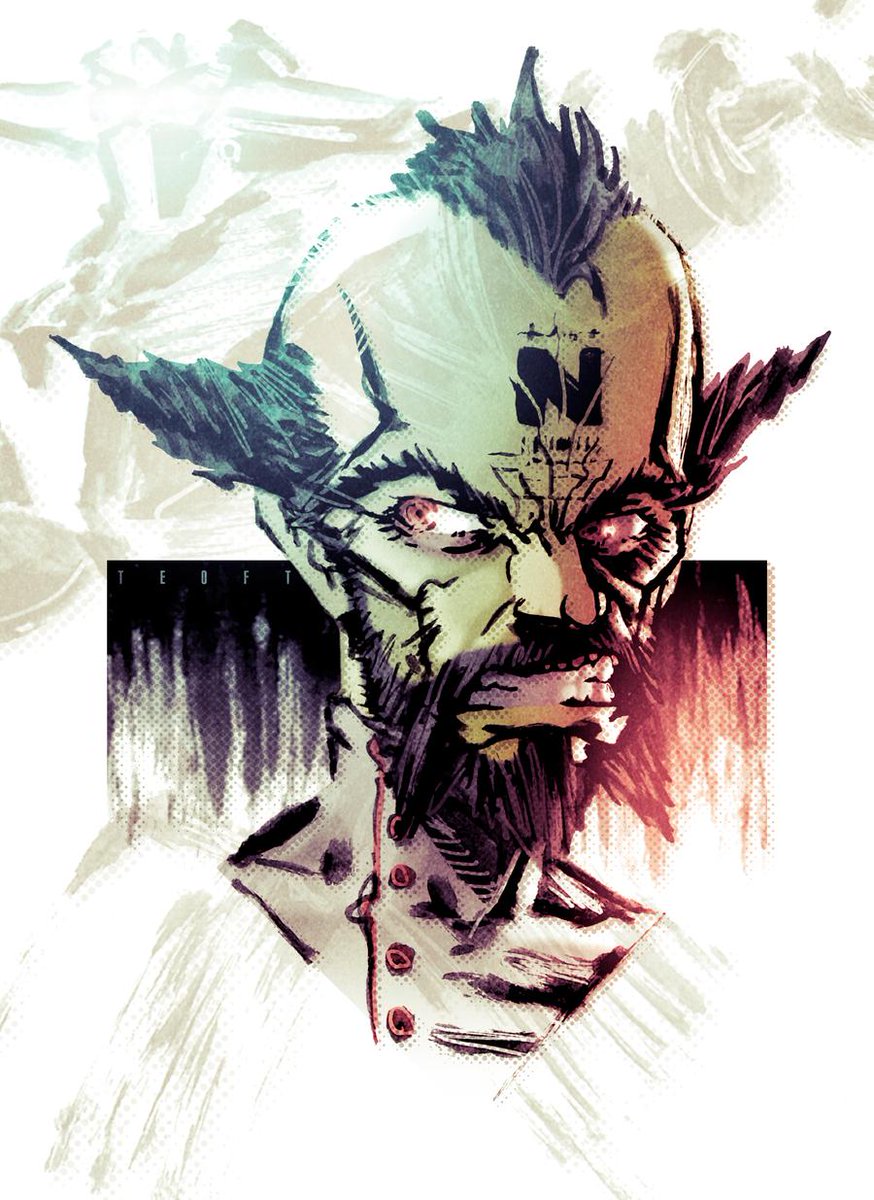
In conclusion, I started off with "how to draw like Shinkawa?" and moved on to "why does Shinkawa draw x like this?" and eventually to "how do I, as a Shinkawa-influenced artist, want to draw this?” (9)
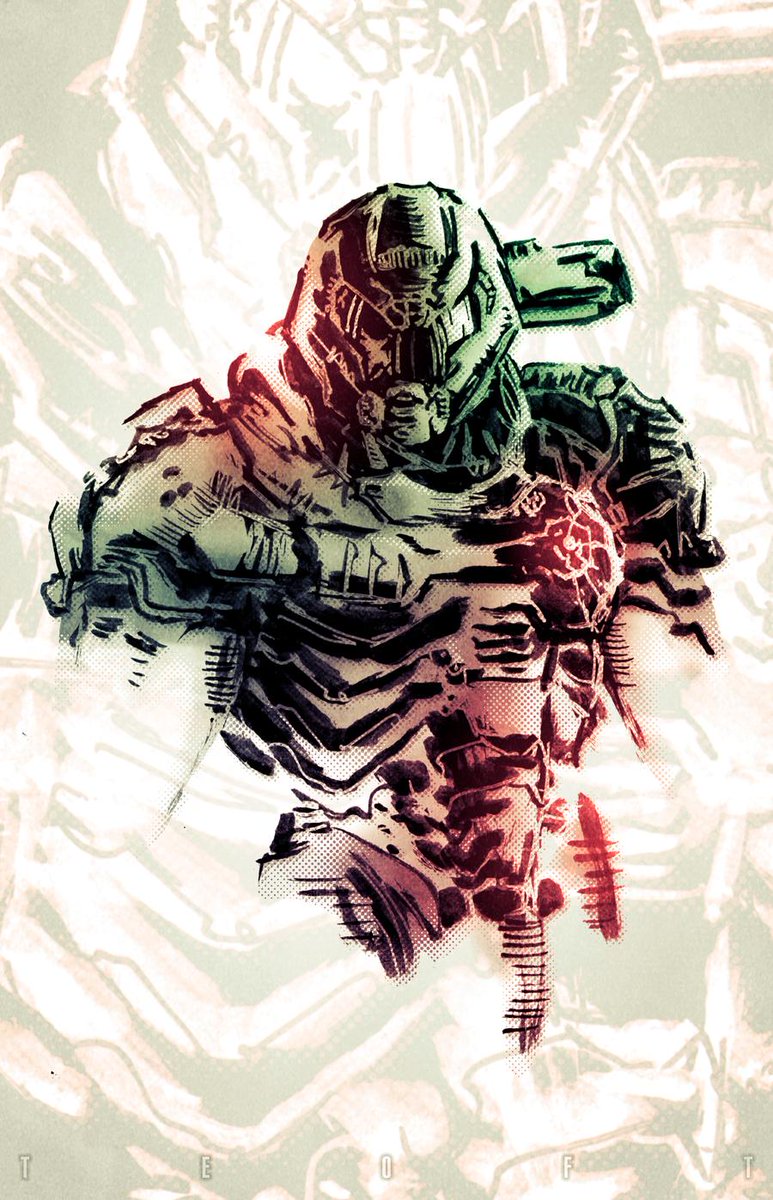


Hopefully this at least somewhat answers the initial question. (10)
In addition, my graphic studies along the years have introduced and taught me concepts of art and design that have greatly improved my understanding of Shinkawa's style and art in general: optical contrast, visual interest and variation, the laws of Gestalt, and many others. (11)
One of the biggest things I picked up is visual interest; For example, what elements are actually necessary to portray the thing I want to, the contrast of black and white in the line art, the emphasis on elements of the drawing, etc. (12)
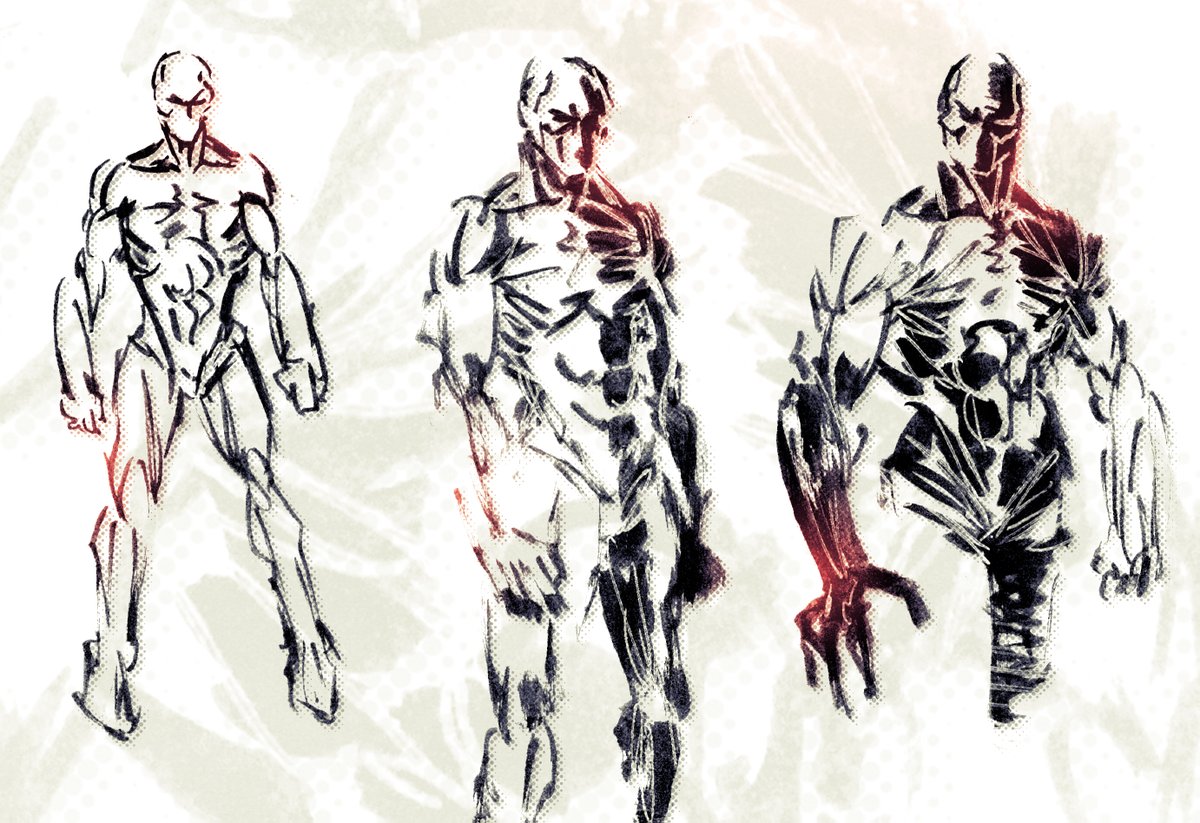
I realized that "logical/realistic stylized shading" isn't always absolutely necessary, rather it can make the drawing "heavy" on just one side, and thus imbalanced. (13)
These are of course just personal observations, and can't be applied just everywhere without consideration. (14)