
If you're a content creator on YouTube, you probably heard this: Higher retention = More views Well you've been lied to, this is 100% wrong ❌ Here's why and what will truly get you views: (thread)
I've done many things in my life. Besides being a content creator, I also have a good experience in market trading (a lot of football trading & a bit of crypto). This is why my vision of YouTube is "market-oriented" and why I came up with the concept of "Attention Markets".
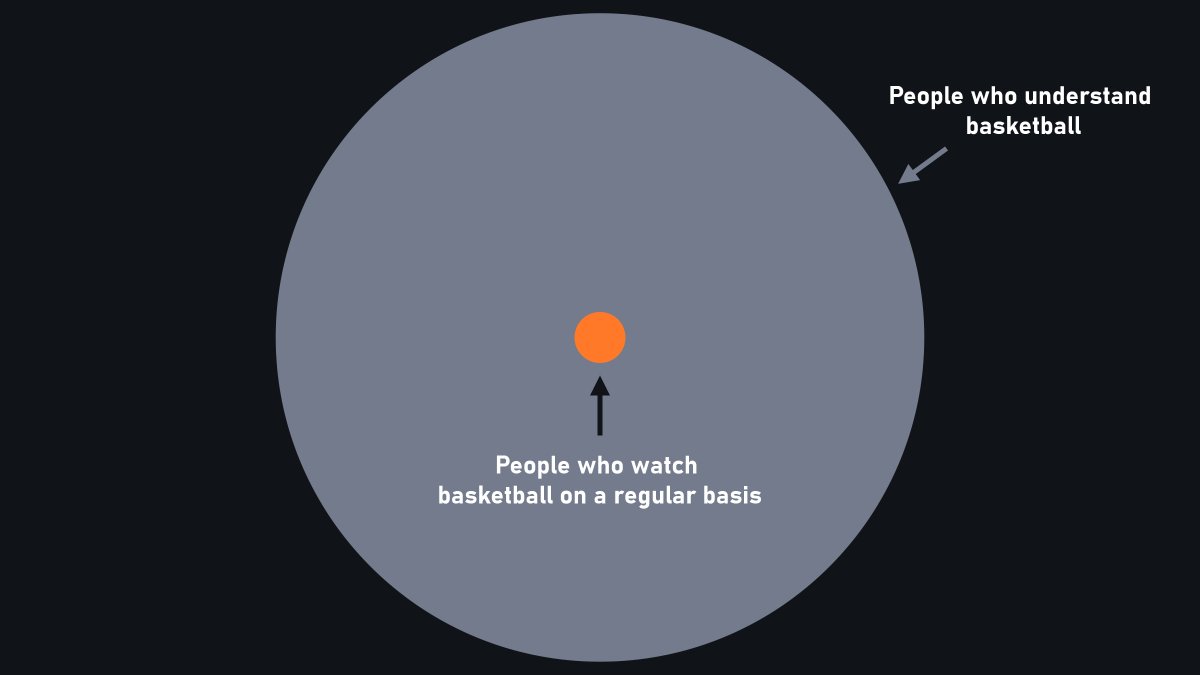
1. "Niches" vs. "Attention Markets" I don't use "niche" but "attention market" because the former is static and lacks the supply/demand dynamic. • "Basketball" is a niche • "People who understand basketball" is an attention market It's a subtle yet critical difference.
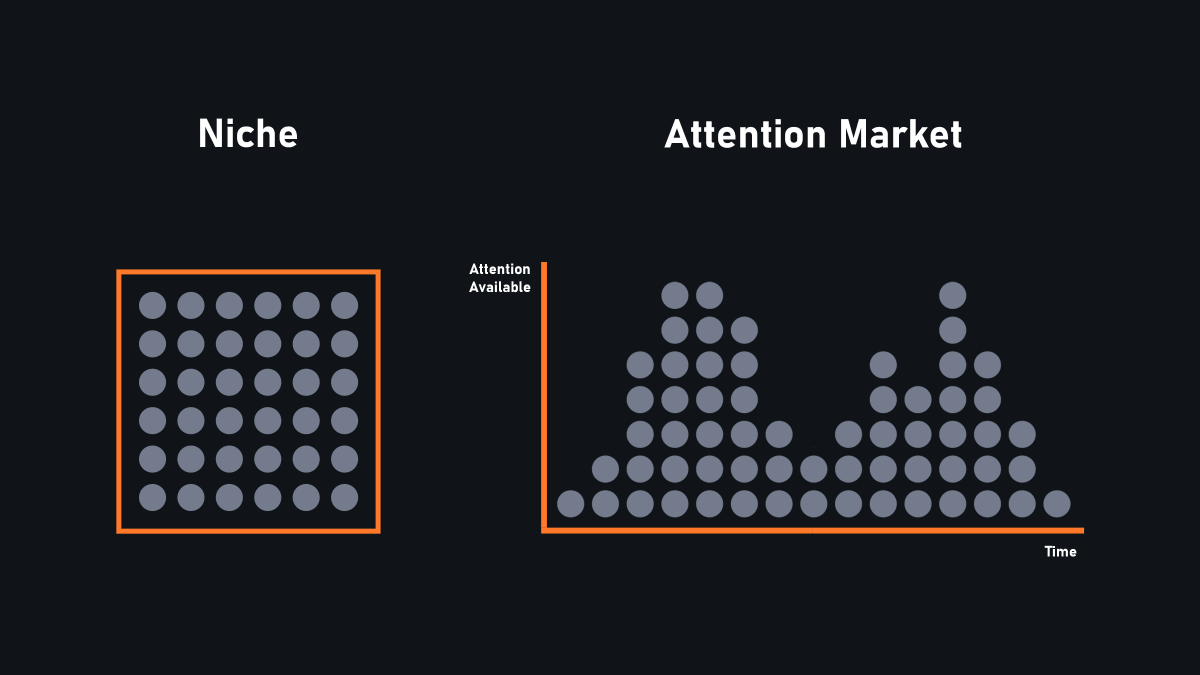
If you make basketball content with "niche" in mind, you will make content for basketball fans. But if you keep "attention market" in mind, you'll never forget that there's a whole world of people who may not watch basketball, but they still get it.
2. Zero-Sum Market This is something so fucking essential to understand, and YouTube gurus are clueless about it. That's why they are parroting each other non-stop, spreading pieces of advice that are both wrong and dangerous.
Such as: - Higher retention = more views/impressions - If people watch until the end = more views All of the nonsense that people say when they don't understand how a zero-sum market works. Here is how it works:
When someone opens up YouTube, they're here to spend some attention (watch time). Let's say they've got 60 minutes to spend (the demand). The algorithm shows them a selection of videos (the supply) that they're most likely to click on.
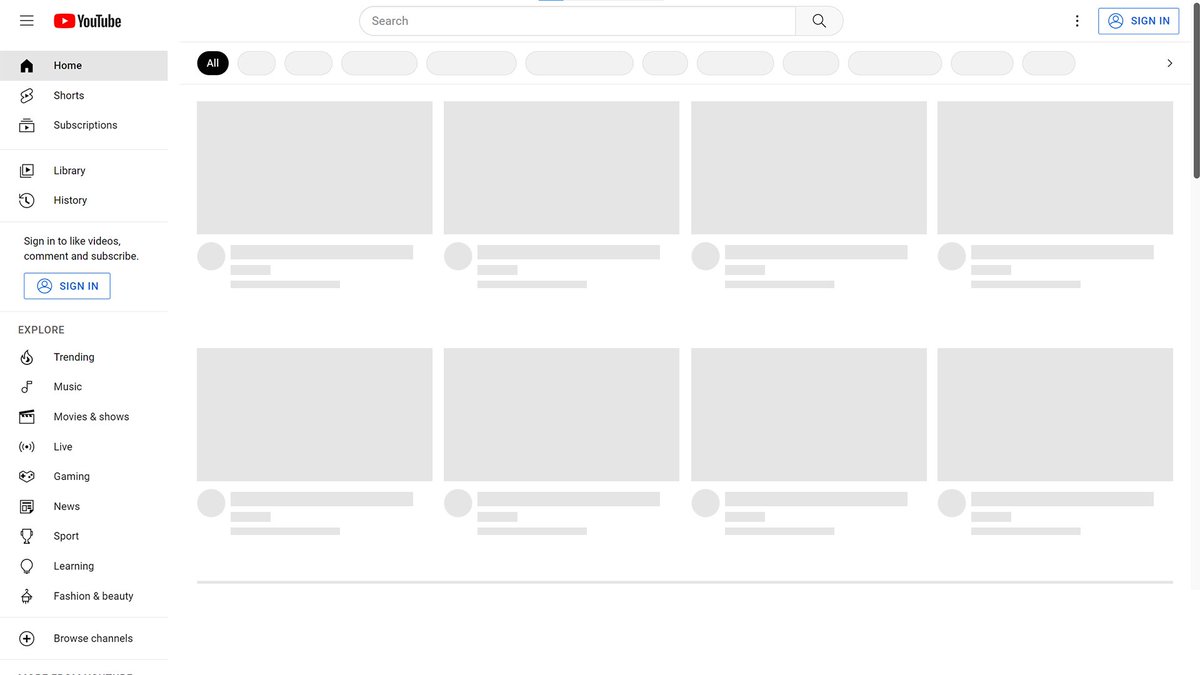
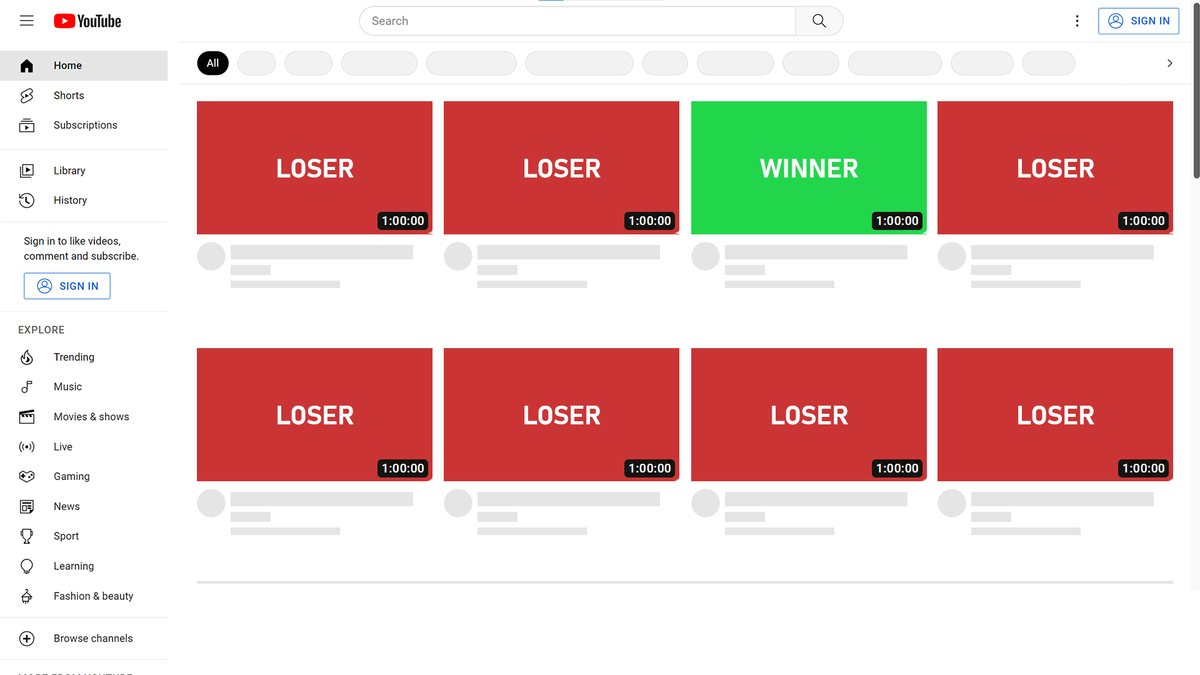
In this example: 8 videos are selected by the algorithm. They compete against each other for a portion of the 60 minutes of watch time available. When a video gets to compete, we call that "an impression." Every single one of these 8 videos receives one impression.

To keep things simple without getting into complex dynamics, let's assume each video is 1h long. In this configuration, we have: - 1h of attention available (demand) - 8h (8 x 1h) of content available (supply)
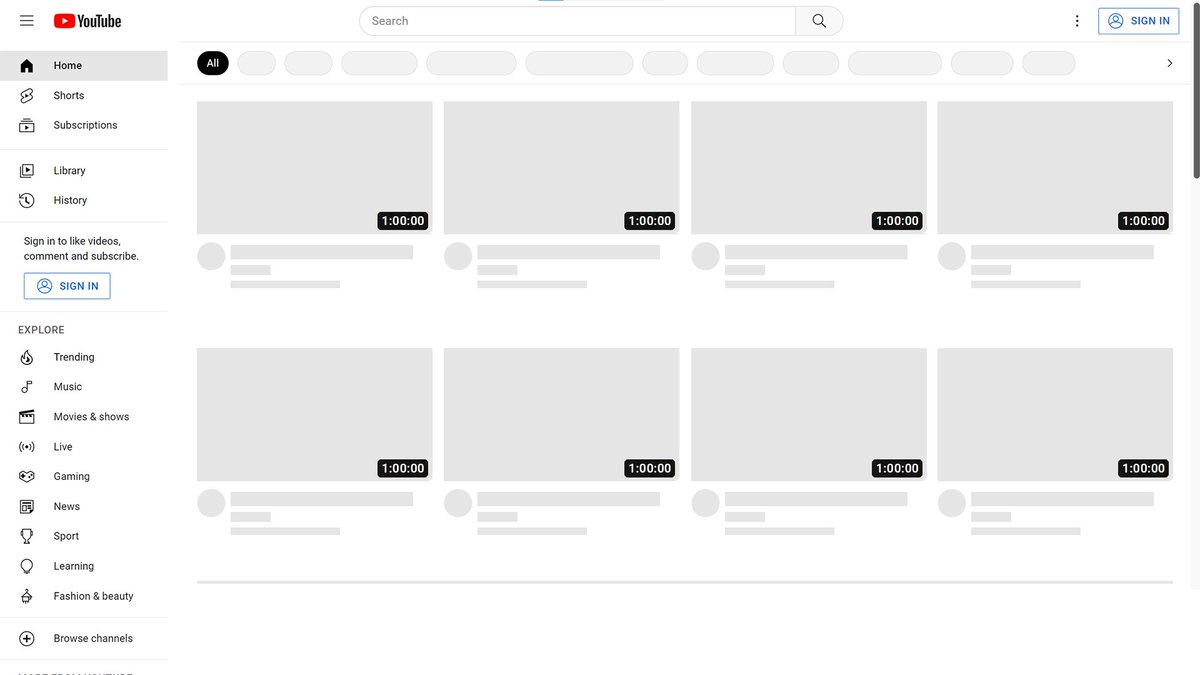
It doesn't matter how the viewer spends his attention, there will be losers. Either: - One video wins the whole 1h watch time & 7 loses - 8 videos get 7.5mn each (or any other combination) - The viewer decides to leave youtube & spend his attention elsewhere, nobody wins
That's a zero-sum market. Attention is a limited resource because it is tied to time, and humans' time on earth is limited. Now some of you will say: "But wono, he still can watch them all later, everyone can win!" Yes, but nope. Here's why:
Once spent, these 60 minutes are gone forever. The 5 minutes you spend reading this thread come at the expense of everything else in terms of attention. That's 5 minutes you'll never get back, and once you're done, you'll be 5 minutes older. Your time is limited.
Yes, you can spend 5mn more elsewhere, but that's 5 MORE minutes of your time. If you spend $5 somewhere, sure you can spend another $5 somewhere else, but that totals $10, which is $5 MORE of your wealth. On YT the attention demand is limited, it is not infinite.
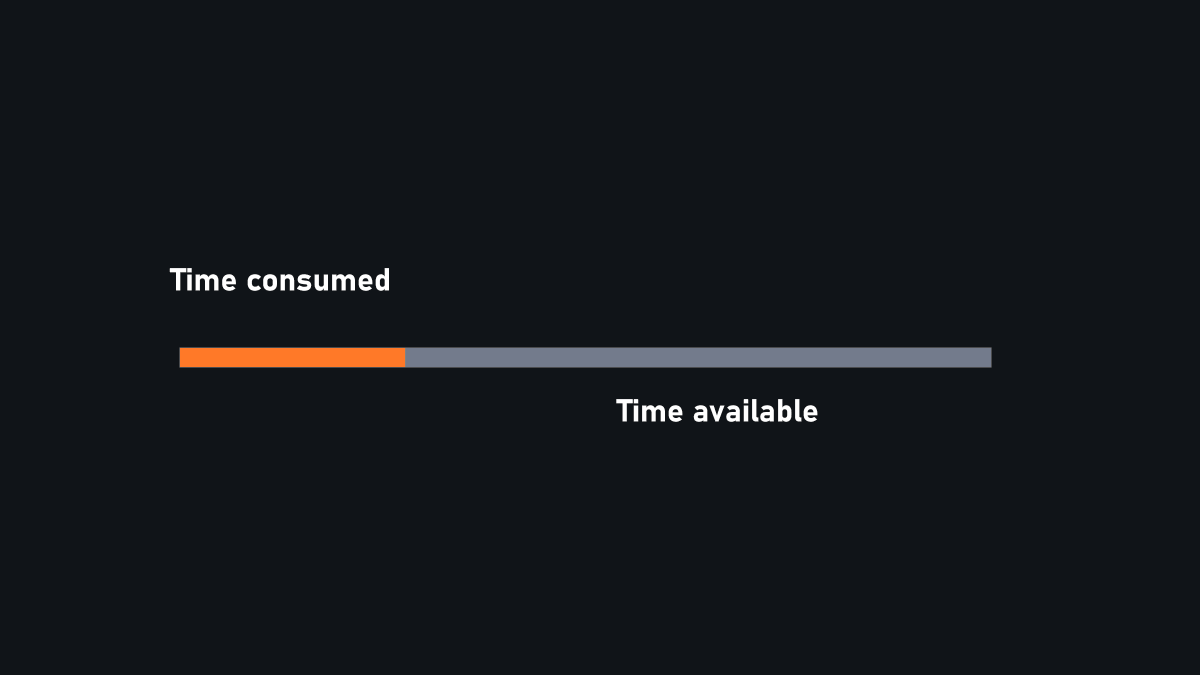
That means if one video competes for 1h and loses, it will never be able to win them back. That hour is gone and the next hour is another competition, they are two different battles.
Back to our example: the "attention pie" at this very moment (where each video gets 1 impression), is limited to 1h. If someone gets a bigger slice (or the whole pie), it's taking away from everyone else. It's a zero-sum market - if someone wins, someone else gotta lose.
Now, let's see why "retention = views" is wrong, or rather, why it can't be true.
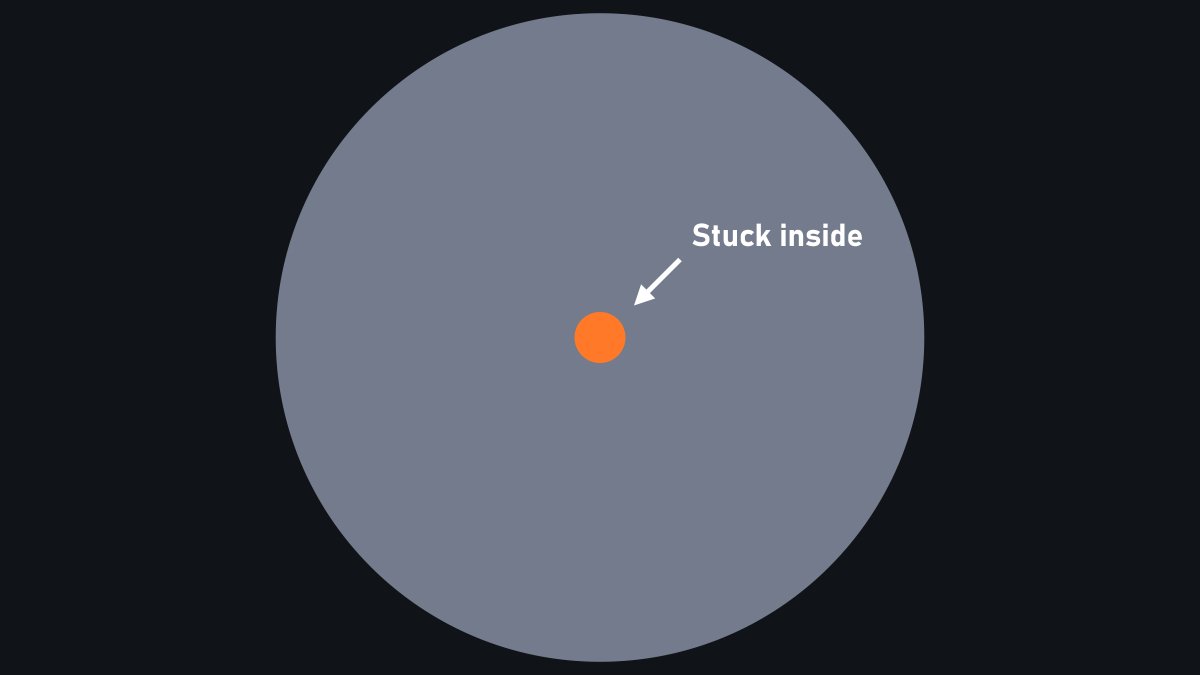
3. Attention Market Size Depending on what content you produce and how you produce it, every video will compete in its own attention market. If you trap a video inside a super tiny market, no matter the retention, you'll never outreach it. (like my basketball example above)
For example, if you make a guide on how to play a game only 100 person play, good luck going viral. There are many ways to trap your content in a small attention market that are far more subtle than this obvious example. 99% of the time, this is the reason behind low views.
4. Markets are incredibly efficient Anyone who's spent a good amount of time in a zero-sum market knows this, especially swing traders. Markets are extremely efficient and incredibly hard to beat consistently.
The power law applies in these markets, I already covered the power law here if you haven't read it check it out:
90% of all uploaded YouTube videos will never reach 1,000 views. Only 0.77% of videos get 100k+ views. And I can tell you I know something about it, I uploaded 1500+ videos on youtube for a total of 260M views (173k/video average).
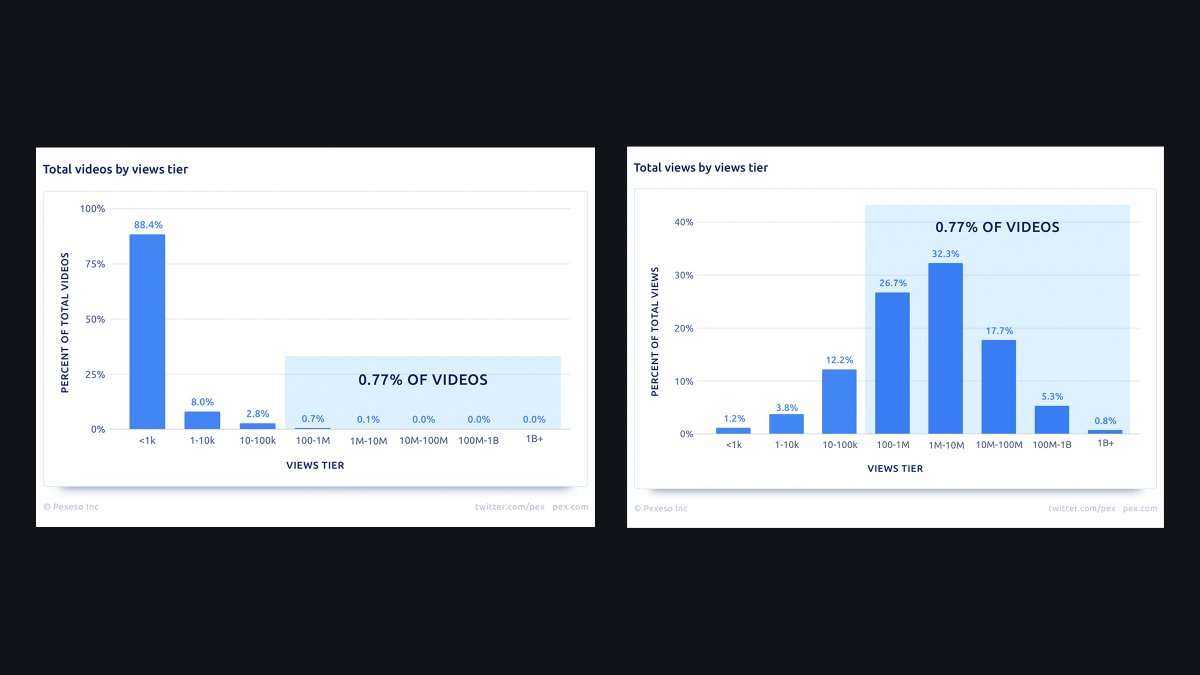
I crossed the data left & right and retention alone had nothing to do with "more views." In a zero-sum market where the power law applies, the competition is so high that by pure common sense, the answer to getting more views can't be retention. Because:
Anyone can learn story-telling, retention techniques, etc. There are infinite free and premium resources out there about that, anyone can master it. This is why many filmmakers (who, by the way, are master storytellers) spend 4 years working on a film you'll never hear of.
Because the "power law" applies, a minority of videos will get 88.4% of the total views. To beat such a market and join this minority, you must have an edge (competitive advantage) that only you (ideally) can access.
If everyone has access to something, it becomes average, & average is boring. The opposite of average is remarkable, as Seth Godin puts it: "something worth making a remark about". If your video were a car, "remarkable" would be the engine & "retention" would be the comfort.
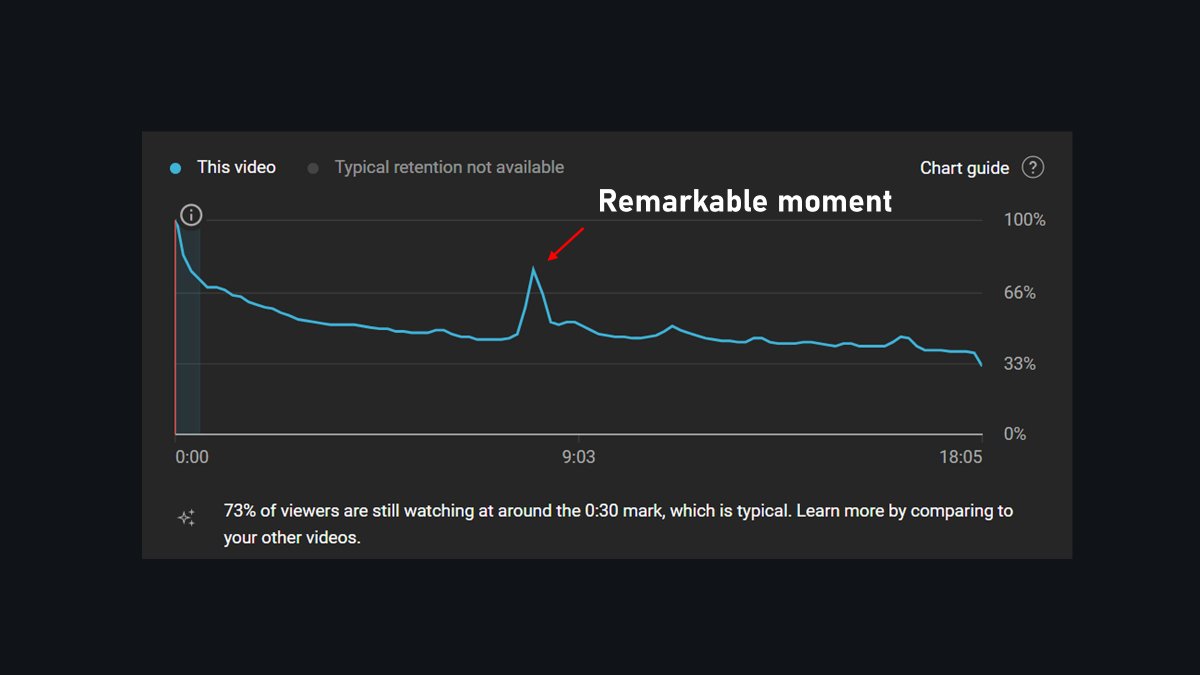
If your video has something remarkable (doesn't have to be the whole video), it will get views if it's clear enough in the title & thumbnail. Here are a few examples from a channel I ran in 2017–2019 in a highly competitive market (pro gaming gameplays):
I made the thumbnail/title about an impressive decision-making moment by a pro player in Dota 2 "World Cup" final. Many didn't see it live because it happened too fast. 18mn total video, ~40 sec remarkable moment Result: 508k views (with 103k subs at that time)
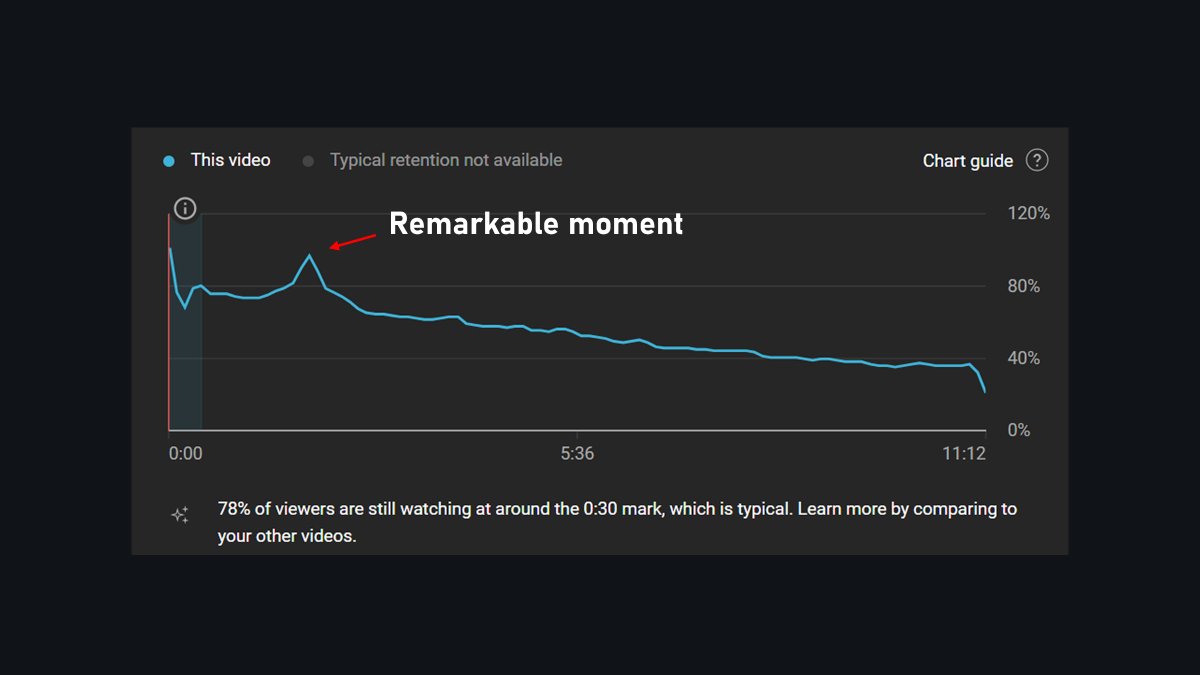
Same here: World cup match, again I focused the title/thumbnail on a specific impressive play. 11mn gameplay, ~30 sec remarkable moment Result: 300k views (100k subs)
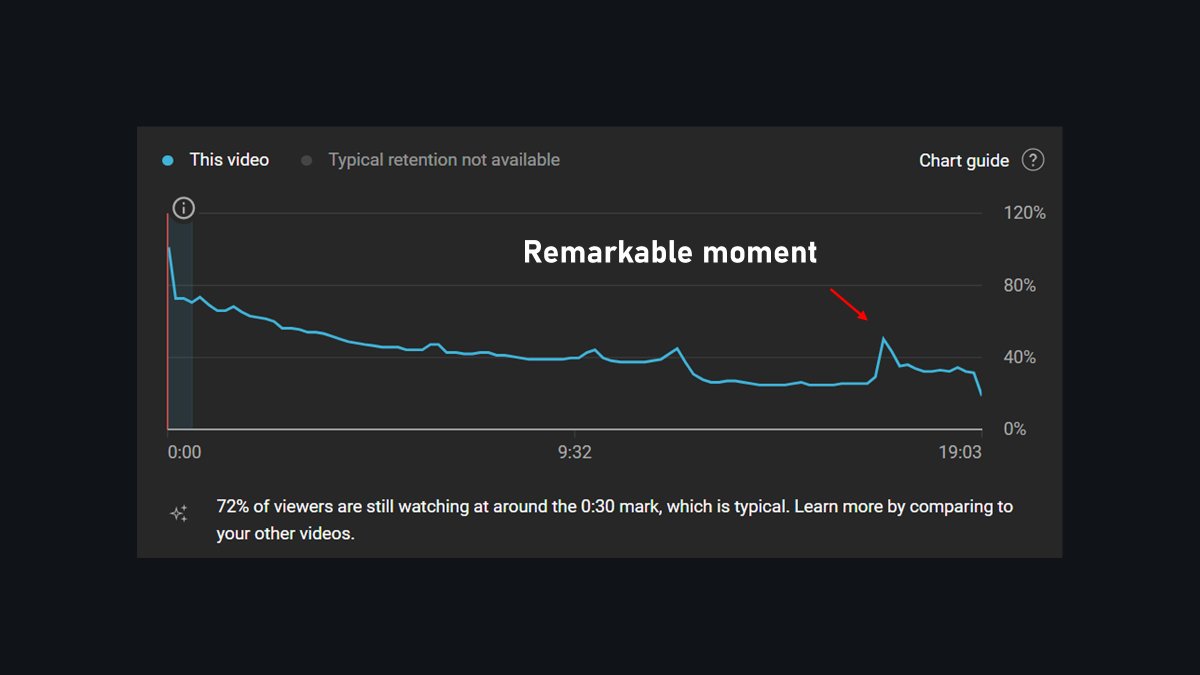
Same here: 19mn video ~12s remarkable moment 362k views (103k subs)
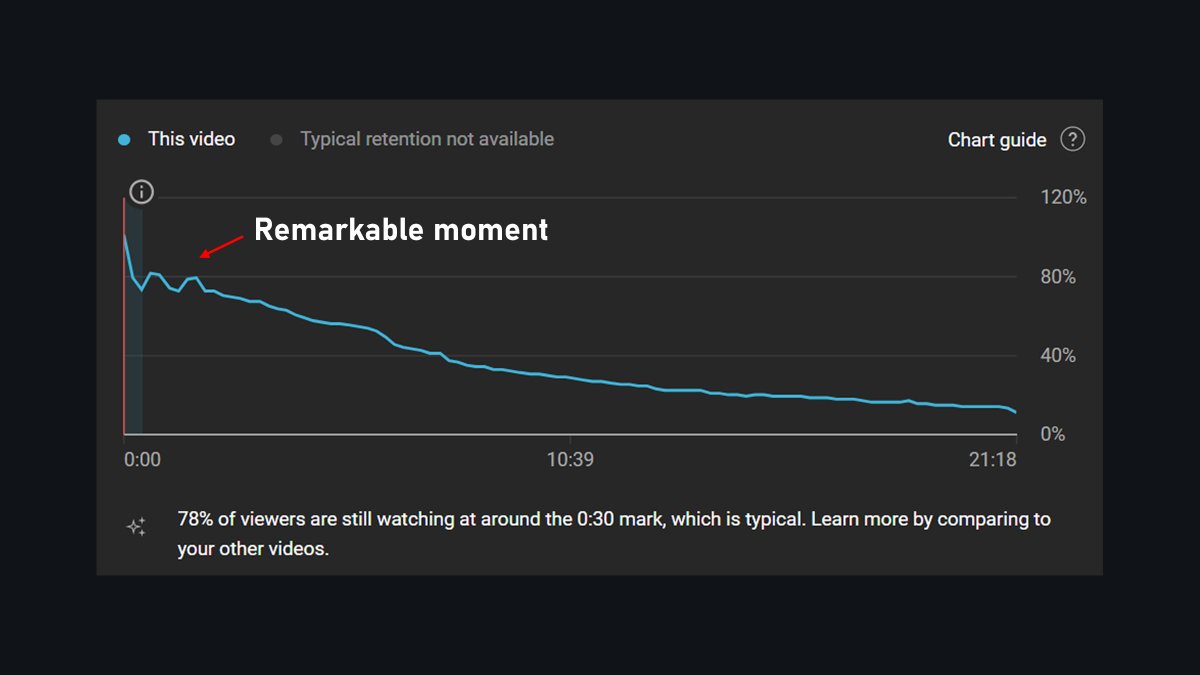
Here (another channel): One of the worst videos I've ever made in terms of quality (rushed editing, shit retention). It was a glitch hard to execute (needed 5 coordinated people to do it), so people wanted to find out about it. 21mn → 3 remarkable mn 1.7M views → 160k subs
I could continue like this all day long, as I have over 1500 videos and like 100 different angles. But my goal is to give you a big picture so let's continue with the last pieces of the puzzle: