
Thread about the inevitability of a new world war🌍🌋 (1) At the moment I am reading a book about wars. Just as we see with crypto, there seems to be patterning and cycle repetition Piepers mentioned that we are currently on the eve of the next system crisis and here is why ...

(2) In the period 1480-1945 we see 4 war cycles in Europe. Each cycle consisted of a relatively stable period, which in all cases was followed by a critical period in which the system produced system war.
(3) The first cycle was 1480-1648. We see a relatively stable period with occasional 'non-system wars' whose function was to restore balance and keep the system afloat. This works for a period of time, until a point is reached where the system has reached its expiration date ..
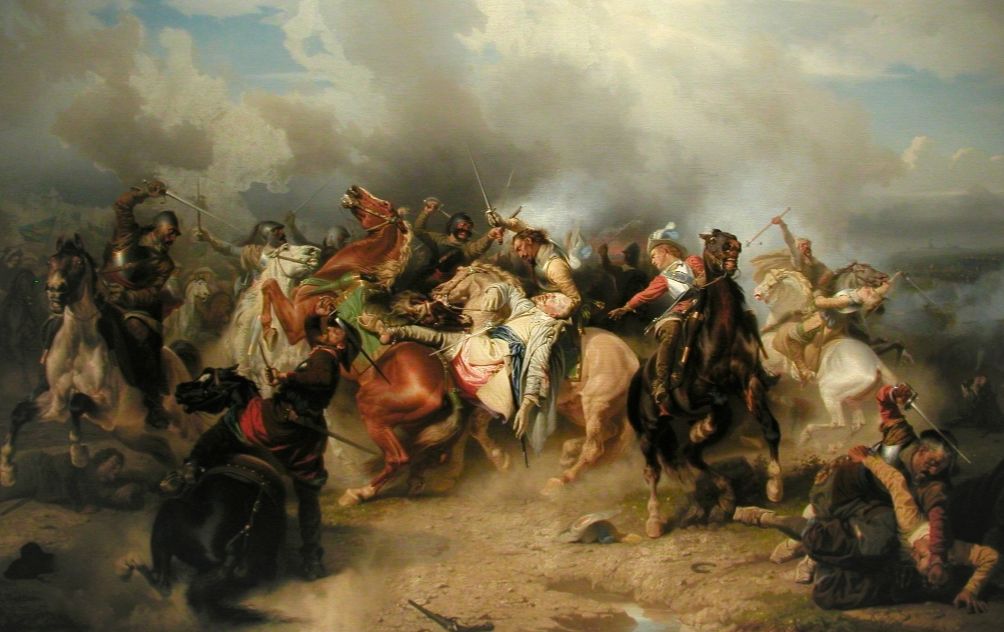
tensions rise and a system crisis ensues. 1618, the start of the Thirty Years' War. (The very first world war). This war produced a new international order.
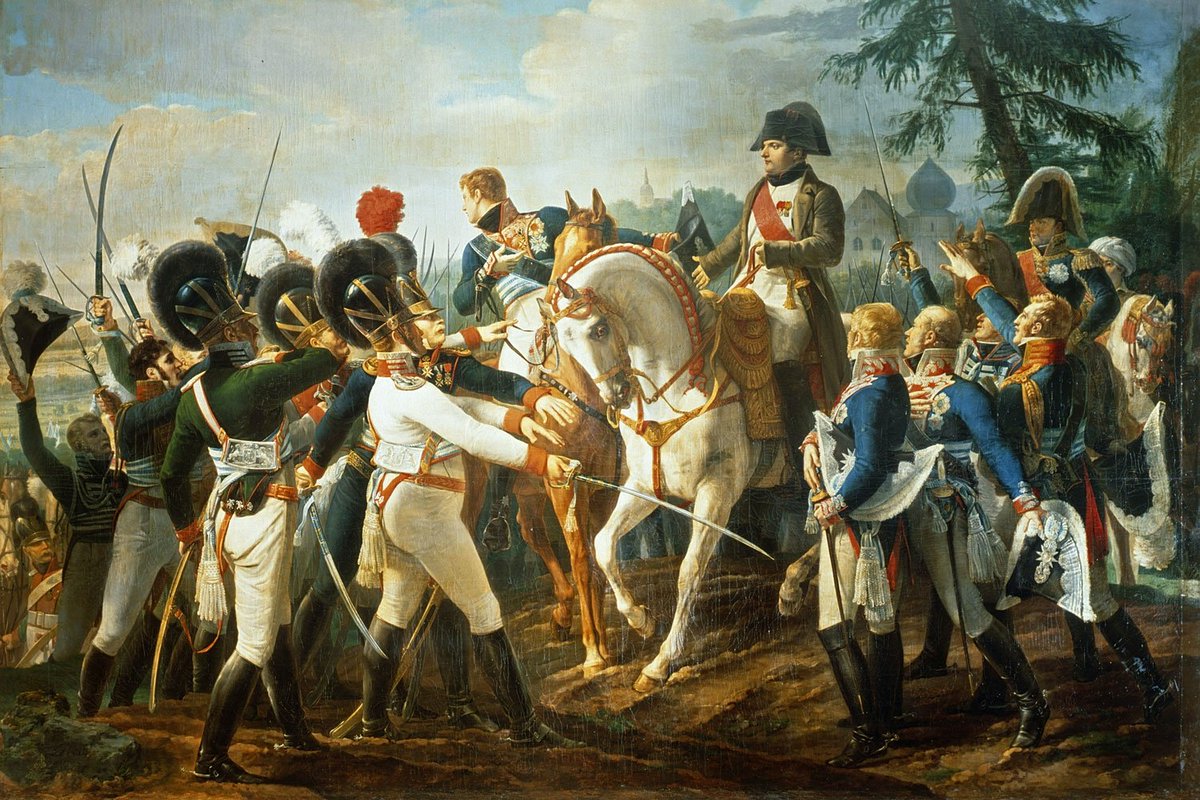
(4) A second cycle starts. A stable period begins - 'non-systemic wars' take place to keep the system in balance - unsustainable: French Revolutionary and Napoleonic Wars.
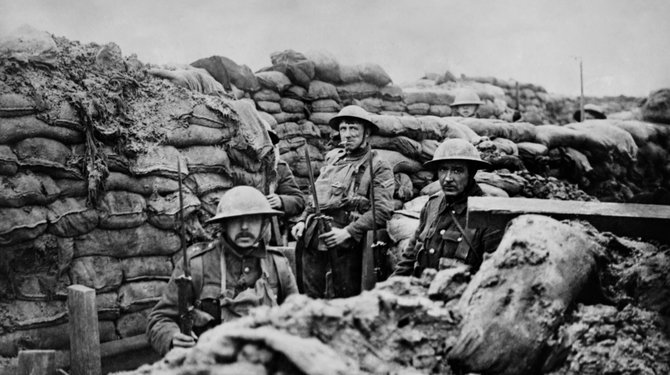
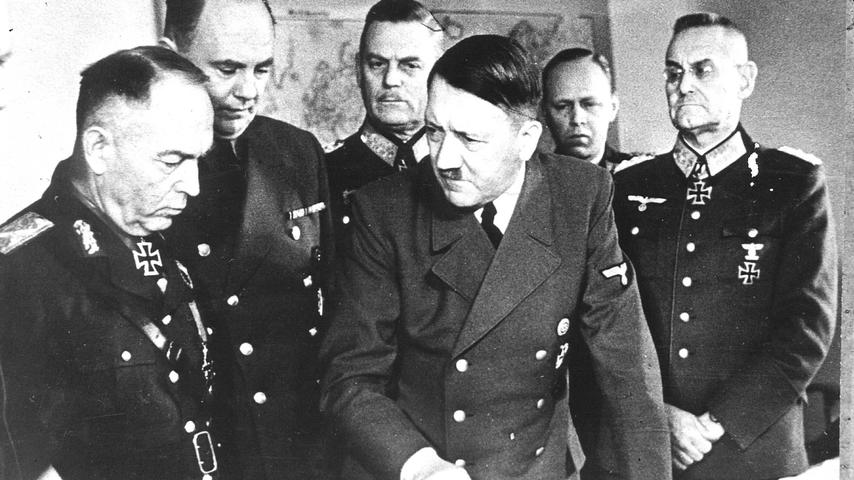
(5) And so it goes on. Stable period comes, and is followed by WW1. Another stable period and the Second World War begins. It is interesting that the stable periods got shorter and shorter and the 4 system wars got bigger and bigger in size and casualties.
(6) Wars often seem like an individual decision by a great power. But Piepers stated that we should look at wars from a different perspective. He indicates that a system by definition has an expiration date, and in the long run it always will be replaced caused by a system war.
(7) I citate: 'Without Hitler, Roosevelt and Churchill there would not have been the Second World War as we know it today, but there would have been a fourth systemic war'. The question is therefore how big is the role of individuals on events.
(8) According to Piepers, we humans only have a limited leeway. This is basically saying that whatever happens, whoever is in power, a system is temporary and system war is inevitable. And whether a new world order becomes communism/capitalism or fascism, that is our leeway.
(9) Back to the wars. We see 4 system cycles in the years 1480-1945. In 1945 the first dissipative structure ended. This is because the properties of cycles developed towards zero: the number of 'non-system wars', the number of major power changes and the life cycles.
(10) While at the same time there was an exponential increase in military casualties and the frequency of systemic wars. So cycles became shorter very quickly and at the same time much more intense. This marks the end of the first structure.
(11) At the moment we are in the next structure and we are moving towards a new system war according to Piepers. Since 1945, we have been in a relatively stable period, seeing a number of "non-system wars" to keep the system going. Think of the Vietnam War and the Korean War.
these wars were only to restore the balance of power. But in 2011 we see a turning point: we are moving towards the final phase of the cycle. From this year, tensions accumulate and the state system takes a run-up to a critical state.

(12) States and societies look for certainty, which politicians cleverly capitalize on. Social and political volatility is also increasing between states and within national borders. (In the Netherlands you see this very strongly). Piepers mentions a number of reasons for this.
(13) The biggest reason he mentions is the intensification of rivalries between great powers. This concerns, for example, the nuclear program of Iran, which the US and Israel want to put a stop to at all costs. Also think of the US and China,
where China claims sovereignty over the South China Sea and Taiwan. Also dont forget the tensions between Russia and NATO, now that Russia has started a war with Ukraine.These are all superpowers that are in intense rivalry with each other.
(14) It only takes 1 Russian missile to land on NATO territory and we have a world war. China has only to attack Taiwan and we have a world war. Tensions have never been so big, and whatever the war begins, it will certainly come, Piepers intends. The system is unsustainable.
(15) This book taught me to look at wars from a different perspective. Normally we (rightly) shift the blame onto the persons who started the wars. But this book provides insight into the fact that systemic changes are just needed to end rivalries and replace the old system.
(16) For me it was an eye-opener to to look at wars from this perspective. However, if you read the Bible on it, this is not so new at all. Matthew 24 already says that kingdoms will rise against each other and there will be rumors of wars.
(17) Never before on this earth has a system been permanent. Although in our pride we keep thinking that we NOW really have the best system and the truth on our side. Until you realize that this is just fiction.
The coming months I probably will publish more threads. Simply because it forces me to know the red line and meaning of the book.
@fibothegreat Interesting yes indeed ⬆️
@Earthnode_261 Definitely. It's not the most easy book to read I would say, cause its an thesis in bookform. But yes interesting view of @IngoPiepers.