
Human breathing mechanisms are remnants of those found in fish. Your sternocleidomastoid and trapezius were originally one muscle, the cucullaris, which elevates the gill flaps. Similarly, your ancestral gills elevate the rib cage, clavicles, and scapulae upon inhale.
While the diaphragm gets plenty of attention, these muscles are neurologically superior. Innervated by the accessory nerve (CN XI), an extension of the brain that has an intimate connection with the vagus nerve and the parasympathetic nervous system as a whole.


The phrenic nerve, which innervates the diaphragm, actually passes behind the SCM. Should the gills be weak and/or inhibited, the phrenic nerve can become compressed, interfering with communication to the diaphragm.

The SCM and trapezius are also some of the main catalysts in craniosacral rhythm, helping to expand the skull during inhale by pulling on the temporal bones and the occiput. This ensures adequate CSF flow through the brain and entire spine, protecting and nourishing the tissue.
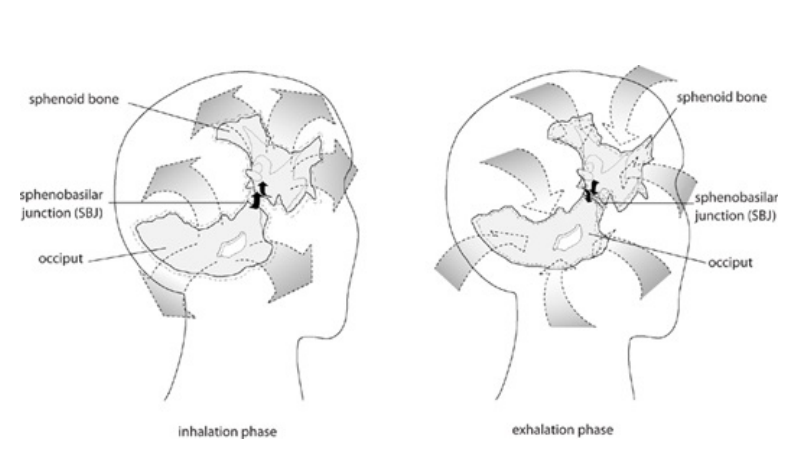
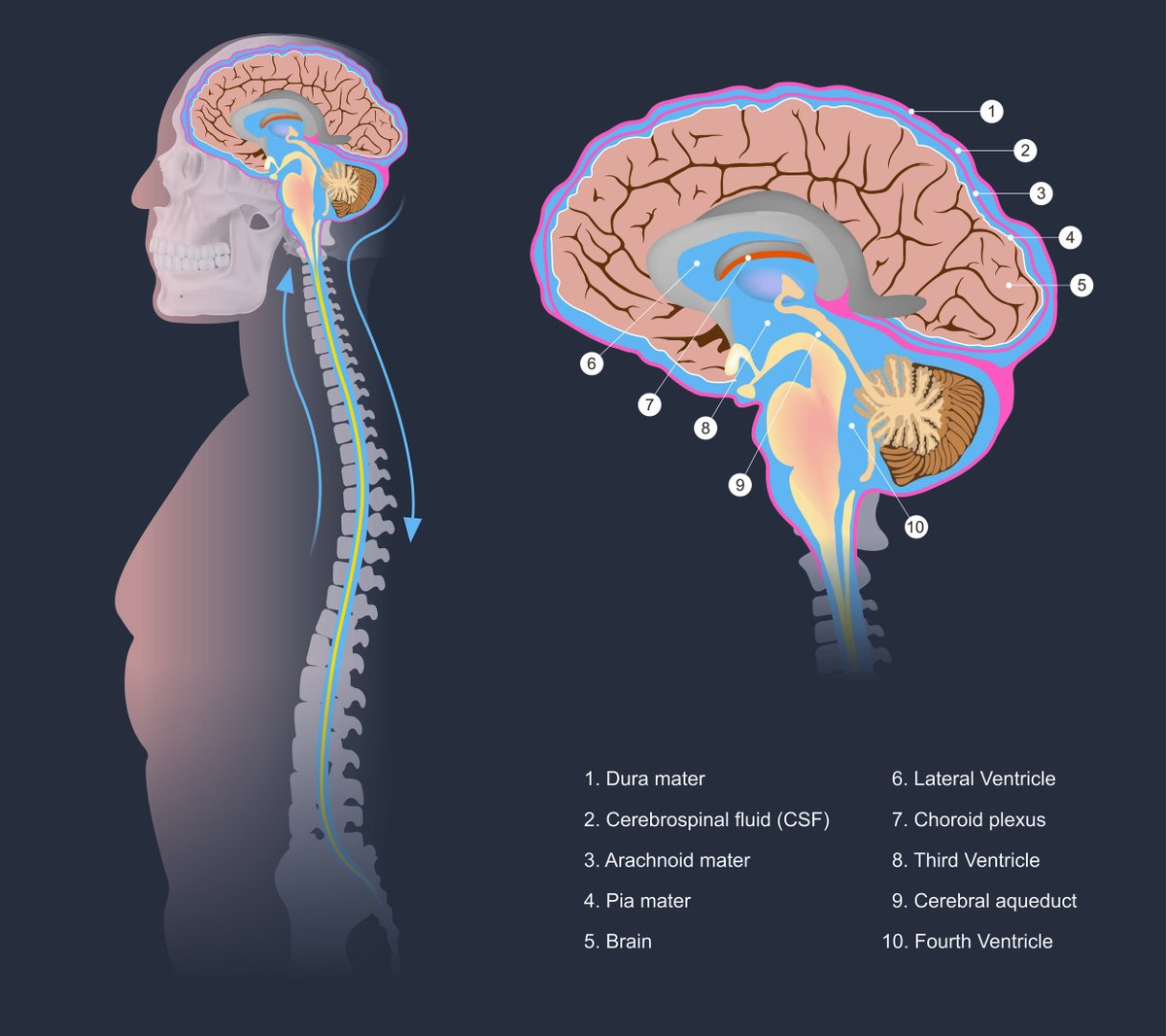
While these muscles will function subconsciously, damage to the accessory/vagus nerve or systemic ANS dysfunction can impair them along with both breathing and craniosacral rhythm. Other issues such as gut irritation can also negatively affect this process, especially if chronic.
The vago-accessory relationship also has implications for the thyroid gland which is innervated by the laryngeal branch of the vagus nerve. In the embryo, the thyroid also arises from the pharyngeal arches along with the vagus nerve. Lower vagal tone = less active thyroid.

The vago-accessory nerves can be accessed via small intestine 16 and 17 (SI 16/17). Massage, light, and topical nutrients can help restore metabolic function in the region, improving respiration, thyroid metabolism, and CSF flow.


I think removing any irritation in the gut is important, also getting sunlight/red light on the region can help. Tight muscles are energetically deficient and need to be nourished. An indirect way to train the traps would be sprinting since the traps stabilize the head.
Thread video:
Contact/combat sports are inherently risky, and being choked often can definetly cause problems in the neck, potentially including the thyroid. I don’t think it’s reason to stop unless you’re dealing with injuries. Something to be aware of though.