We have been using bricks since 7,500 BC and we now produce more than 1 trillion of them every year. Why? You can build almost anything with bricks, they're cheap, easy to make, and last for ages. Bricks also look great — and there's a very specific reason why...

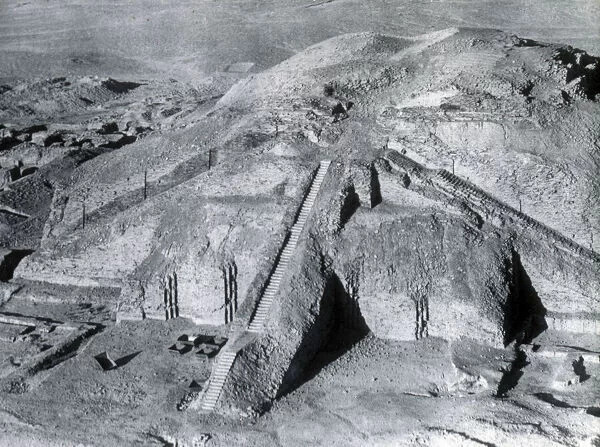
We have been making bricks since the dawn of civilisation — literally. Use of bricks as a construction material goes back to at least 7,500 BC, before the invention of writing or the wheel. The Ancient Mesopotamians later used bricks to build their colossal ziggurats:
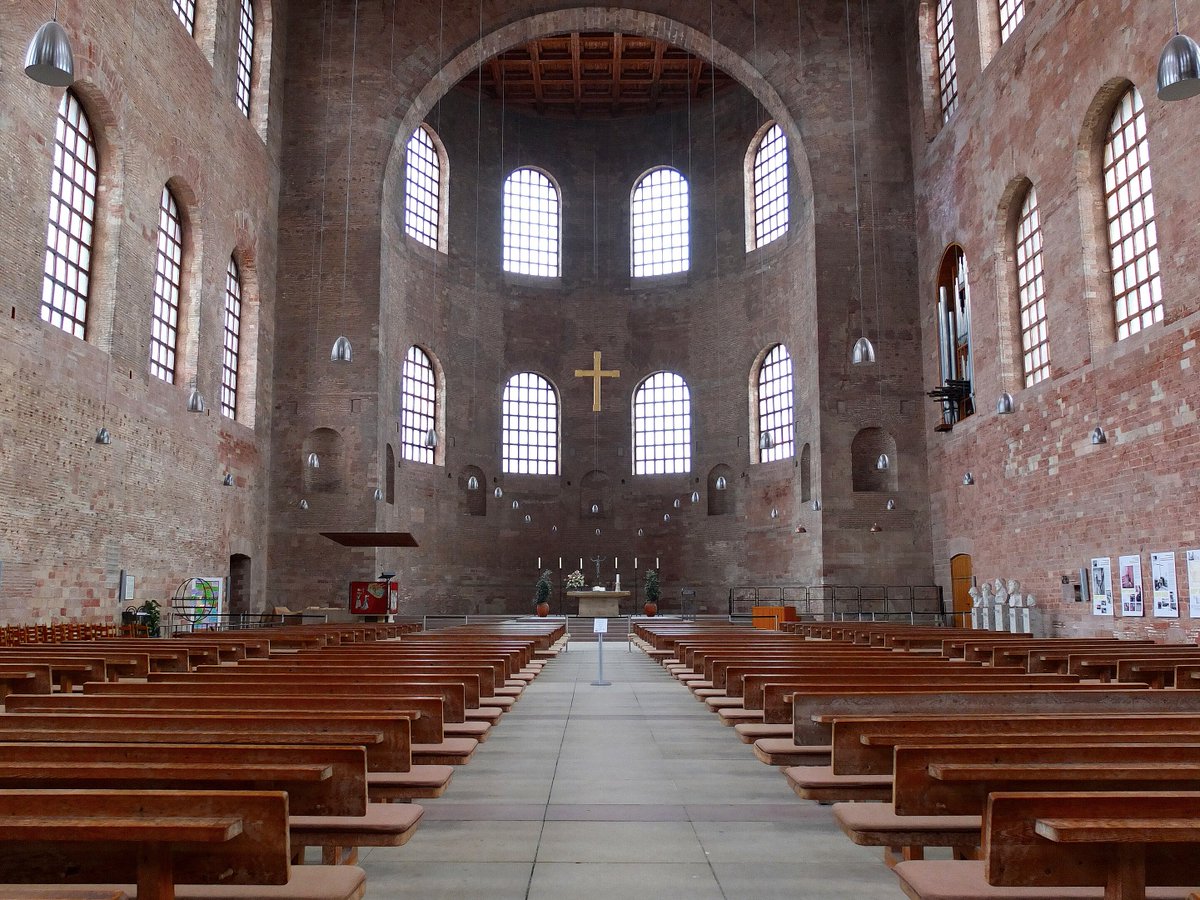
The Romans loved bricks too, whether for their walls, viaducts, or arenas. Brick is what they used for the huge Basilica of Constantine in Trier, Germany, built at the beginning of the 4th century AD.
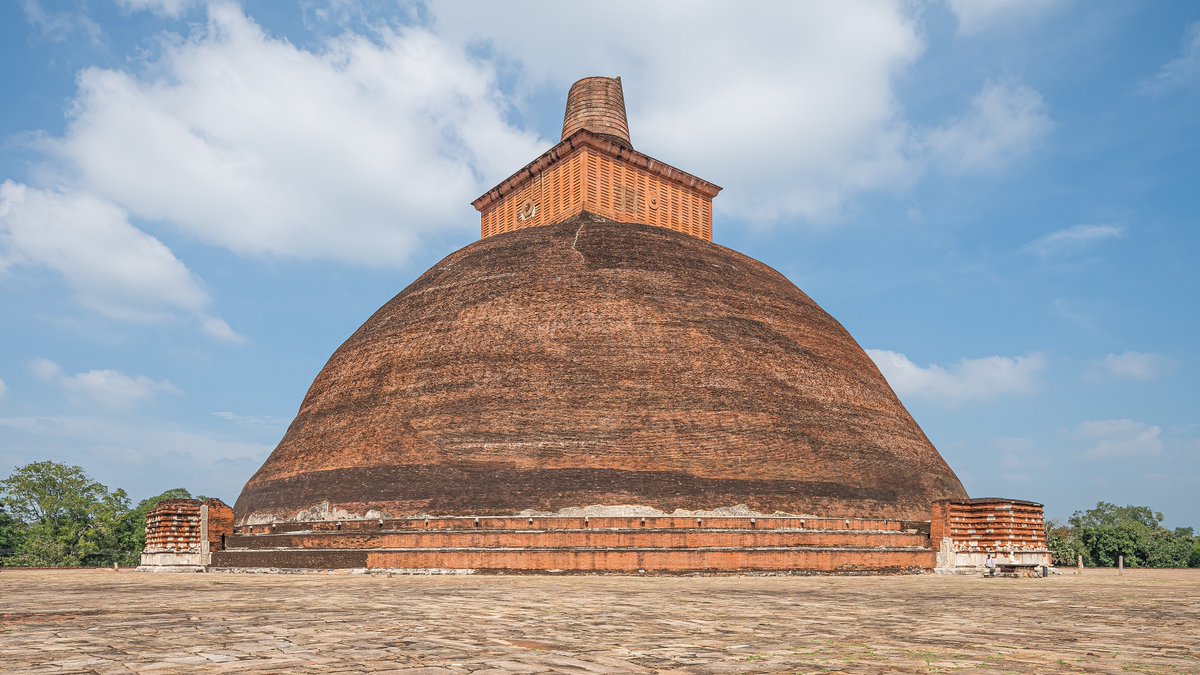
Bricks are essentially a universal feature of human architecture, all over the world and in every era. Consider something like the Jetavanarama stupa in Sri Lanka, built in the 3rd century AD and once the world's tallest brick building:
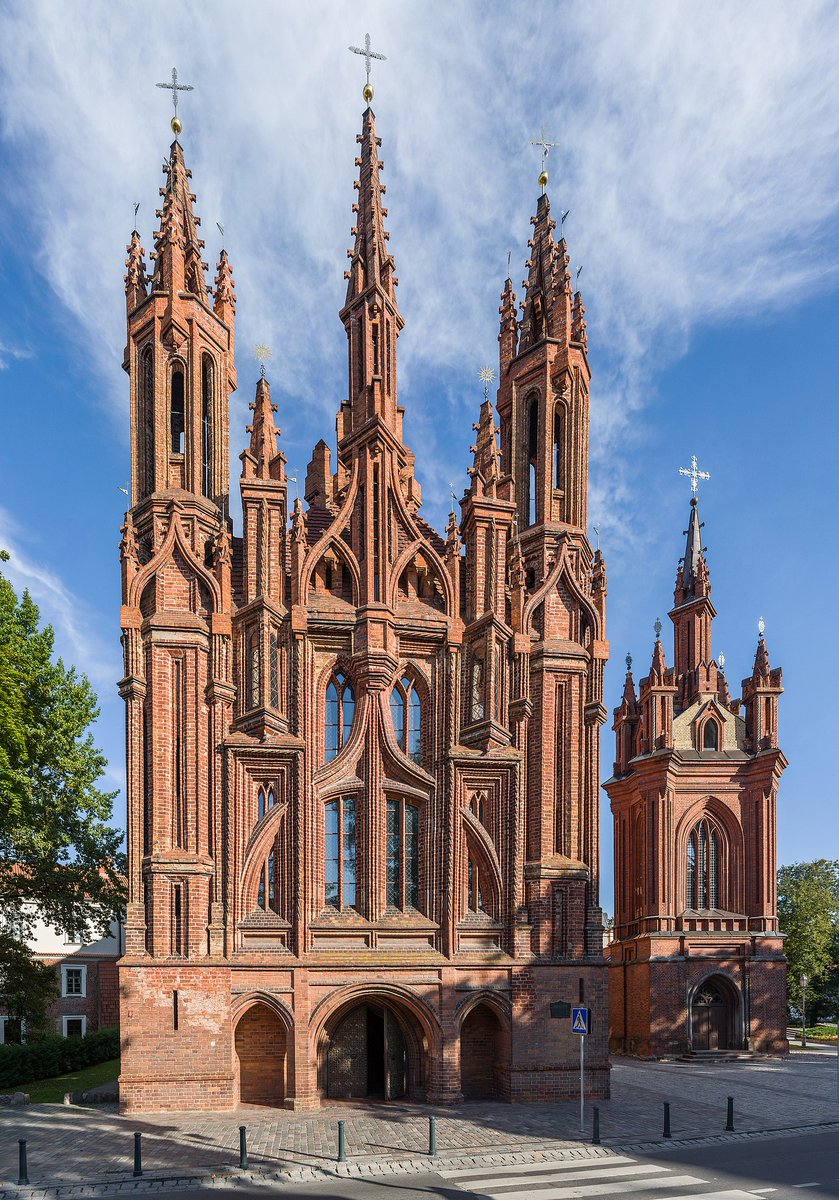
In the Late Middle Ages there was a phase of architecture known as "Brick Gothic", which is exactly what it sounds like. The best example is probably the Church of St Anne in Vilnius, Lithuania, completed in 1500.
There's also industrial architecture, whether factories or chimneystacks, plus skyscrapers, cottages, and castles. There is nothing we can't build with bricks and nothing we haven't built with them. Look around... and you will inevitably find bricks nearby.

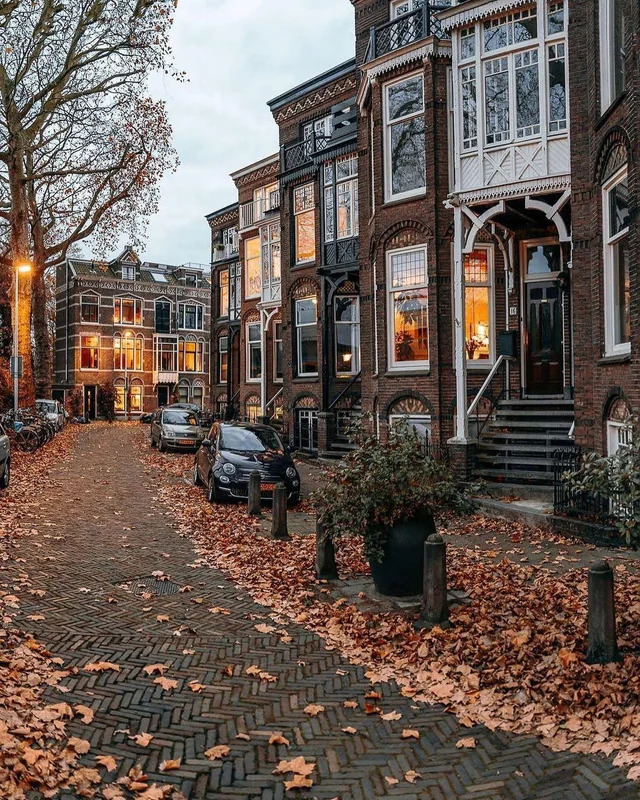
Even roads can be made with bricks, as they famously are in the Netherlands:
And so our use of bricks, which started 10,000 years ago, shows no signs of slowing down — more than one trillion bricks are produced every year. Why so many? Because bricks are strong, durable, cheap, readily available, and incredibly versatile. The ultimate building material.
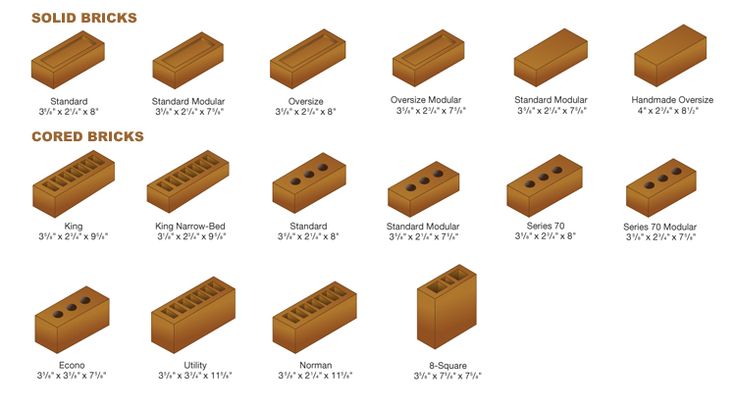
But there's no such thing as "a brick". Rather, bricks have an almost unlimited variety — and this is why they are so aesthetically pleasing. First of all: the dimensions of a brick can vary massively.
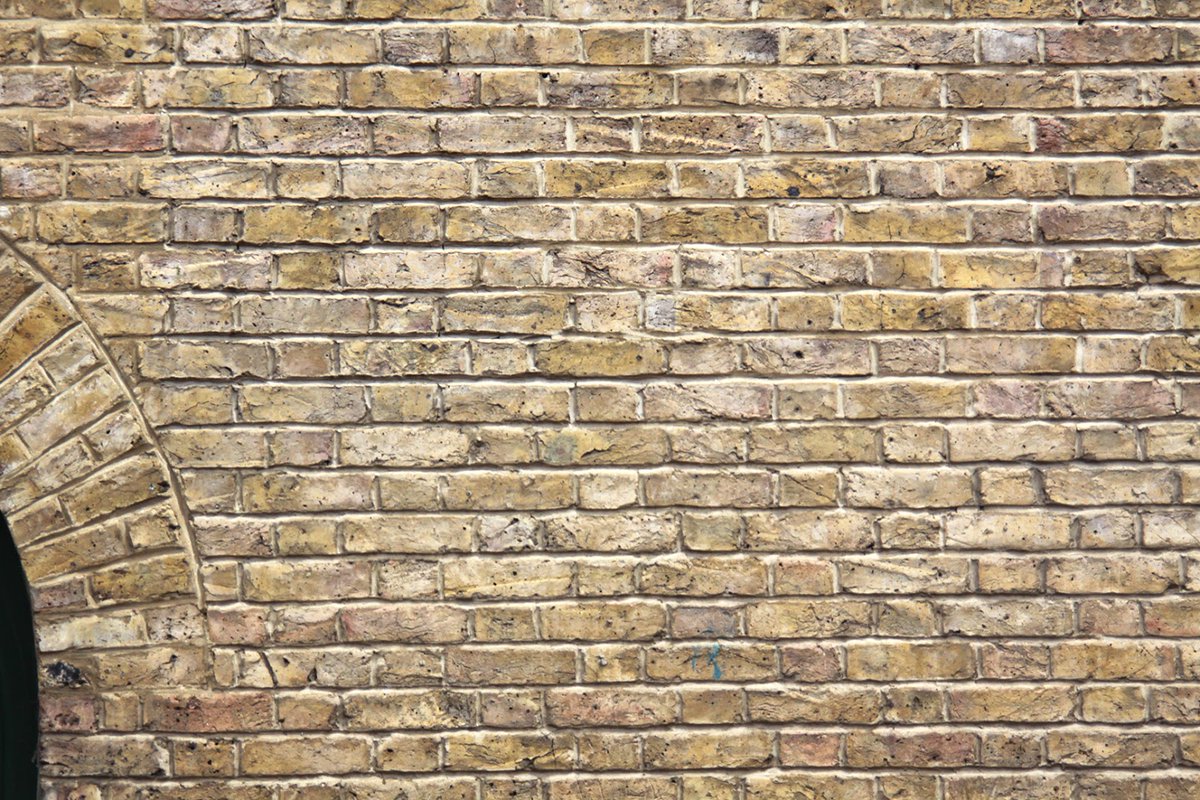
Plus the colour of a brick can change depending on the materials that go into it. Alongside the typical "red bricks", which themselves have a great range of shades, there are also the famous yellow bricks of London:
While clinker bricks, with their distinctively dark appearance, were used for the Chilehaus in Hamburg. This building is also a wonderful example of "Brick Expressionism", an architectural movement unique to Northern Europe in the 1920s.

Bricks can also be painted or glazed, thus making them green, purple, blue, or any other colour. This technique was particularly prevalent in Victorian Britain and in Islamic architecture, for example at the Mausoleum of Khoja Ahmed Yasawi, a masterpiece of Timurid design:

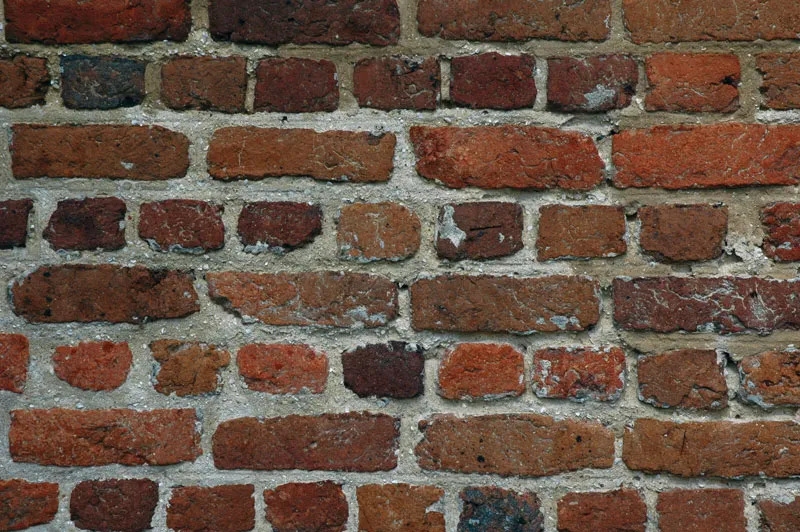
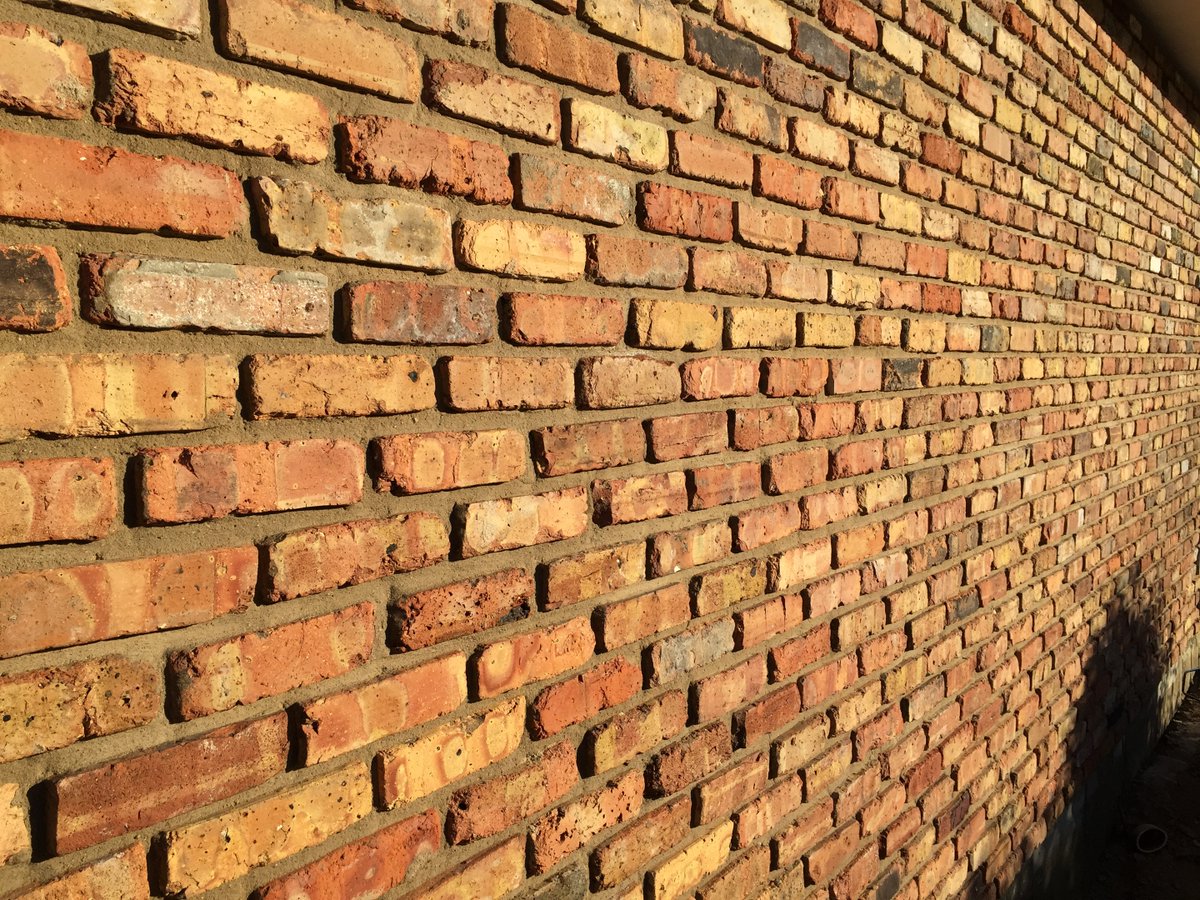
And even when bricks are ostensibly the same colour they usually have plenty of subtle variation. This isn't something you ever consciously notice — but look at any brick wall and you will find it. None of the bricks in this wall are identical.
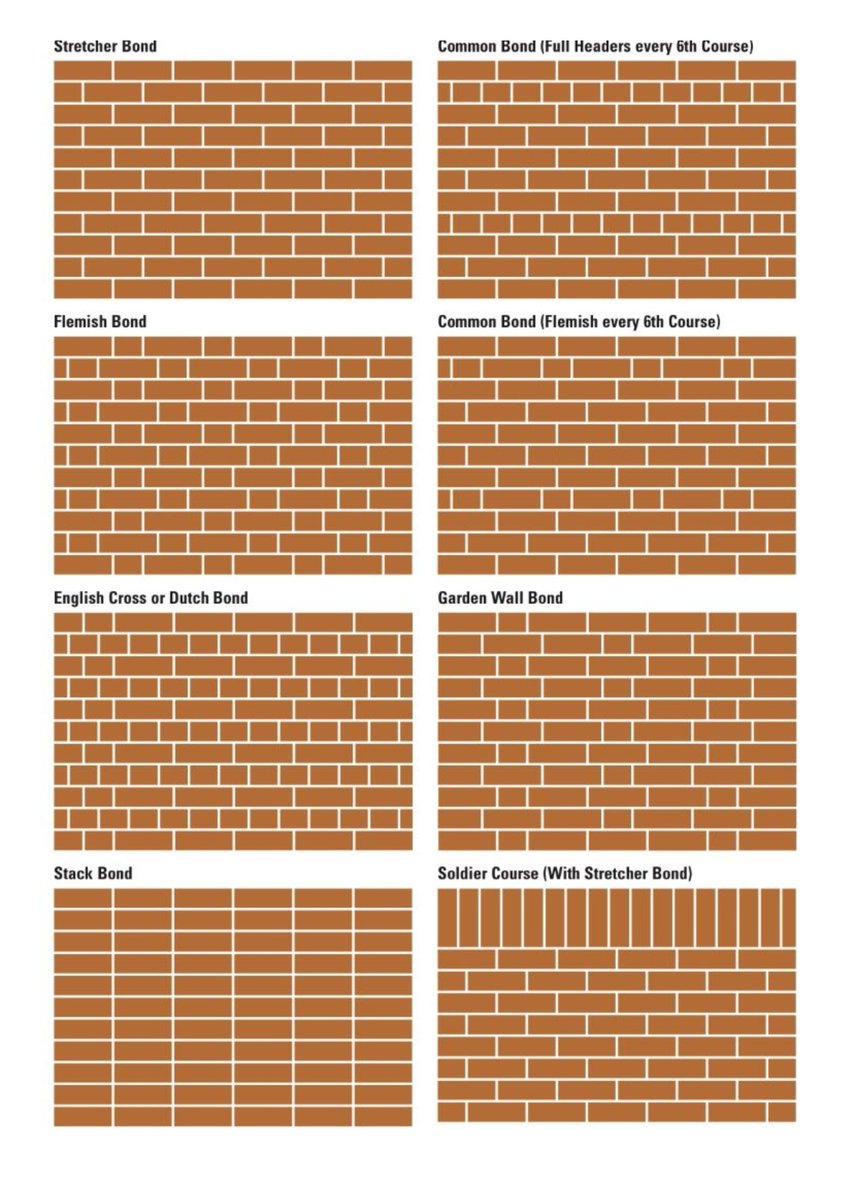
After size, shape, and colour there is also how you actually put them together. See, there are dozens of ways to lay bricks, called "bonds".
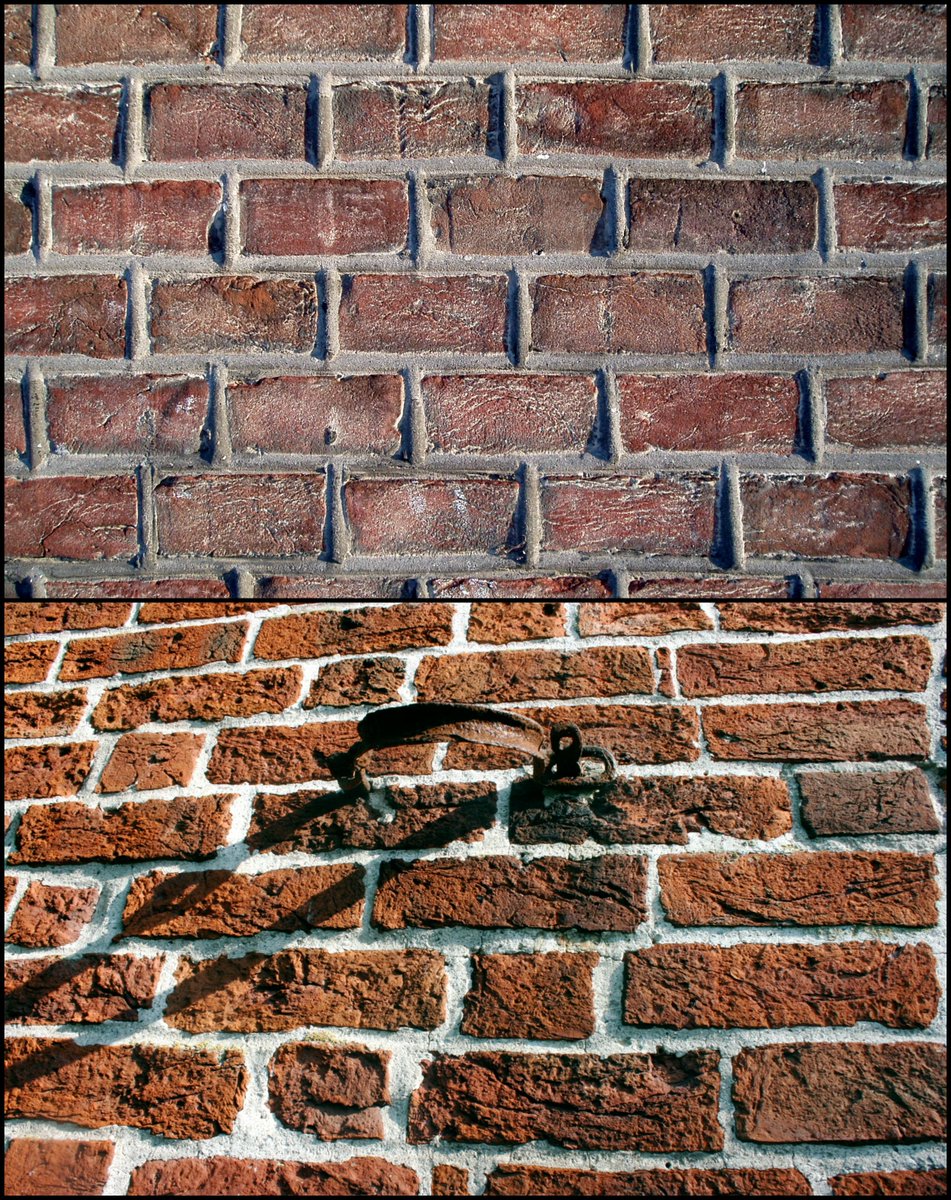
And then there is the mortar binding the bricks, which can also vary in colour, size, and texture. These combinations are multitudinous and they make a major difference to the appearance of brick walls, from charming to imposing and everything in between.
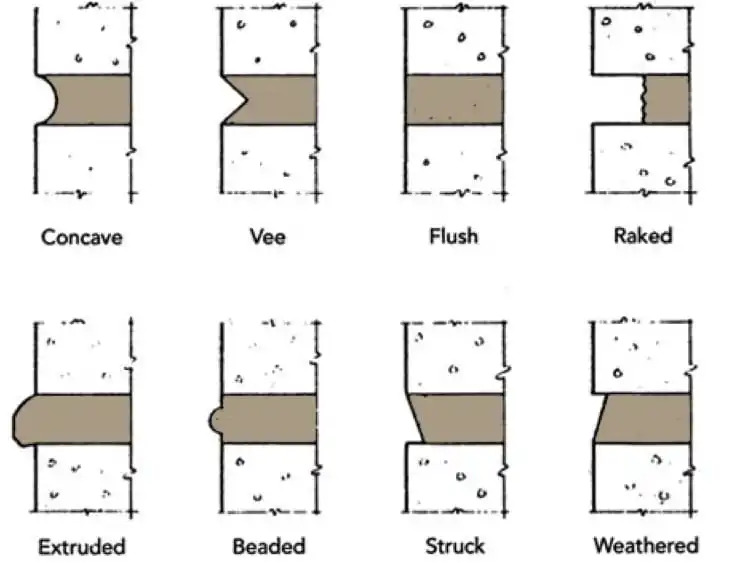
And, of course, there are also many ways to shape the mortar:
That might seem like a trivial factor, but consider this image. See how the slightly recessed mortar creates shadow beneath and around the bricks, thus outlining them against one another. These minute details multiply together and create a thousand different impressions.

When you add up all these variables, the options for how to build with bricks become uncountable. Rarely are two brick buildings the same — there is a near infinite variation of form, colour, texture, size, and lighting, plus the endless decorative possibilities.

Even within a single brick wall there is still a litany of variation. As bricks age they each gain different textures and hues, thus enhancing the sense of change and detail, the interplay of light and shadow.

You can also make delightful patterns with bricks. Consider the famous Kharraqan Towers in Iran, built in the 11th century. There is nothing luxurious or fancy here, and yet the patterns produced by the interlocking bricks are enchanting.
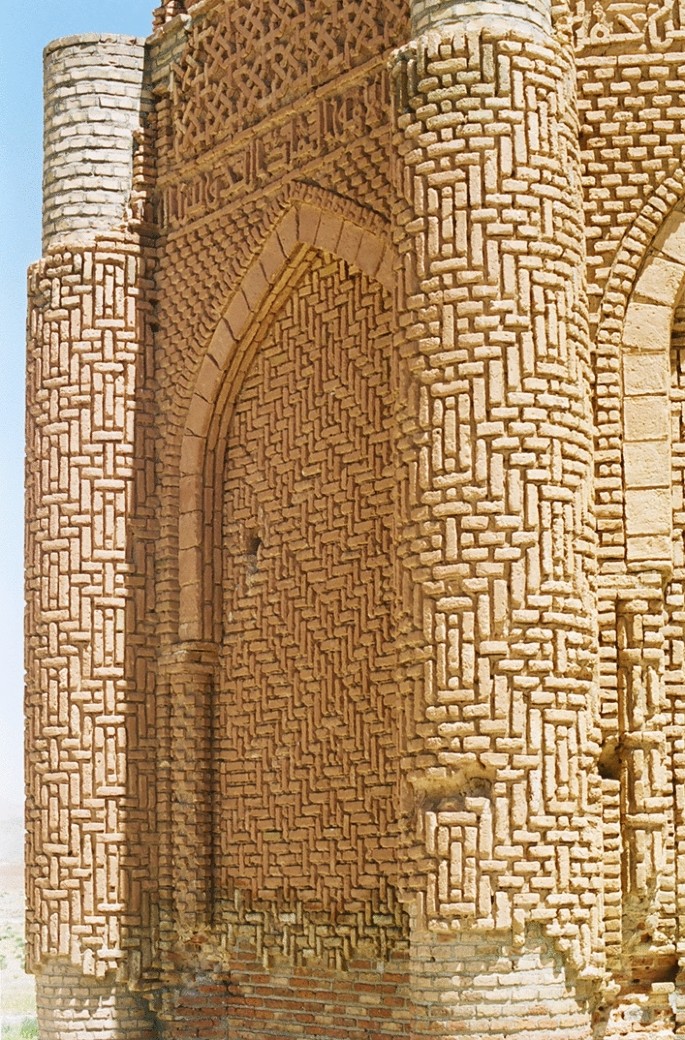
And you can introduce a variety of colours to enhance the patterns. They don't need to be complicated; the beauty of bricks is that just a little bit of imagination can transform what would otherwise be boring into something elegant, charming, or playful.

Variation is a law of nature — no two leaves, even from the same tree, are alike. Whether the trees and flowers of the forest, the clouds of the sky, or the grains of sand on a beach, the natural world is defined by eternal, subtle variation of colour and form.

We rarely "notice" these things, but they are always there when you look for them — and we are accustomed, biologically, to such detail and variation. So bricks perfectly reflect the appearance of the natural world — they give human architecture the aesthetics of nature.

They may not have the grace of marble, sleekness of steel, might of stone, or massiveness of concrete, but what bricks do have is unique. They are ancient, humble, and beautiful — instead of bland, featureless surfaces they give us a symphony of endless, detailed variation.