TRON was released 42 years ago today. A groundbreaking blend of concept and digital effects, and a film that launched the career of actor Jeff Bridges, the story of how it came to be is as thrilling as a Light Cycle… 1/47
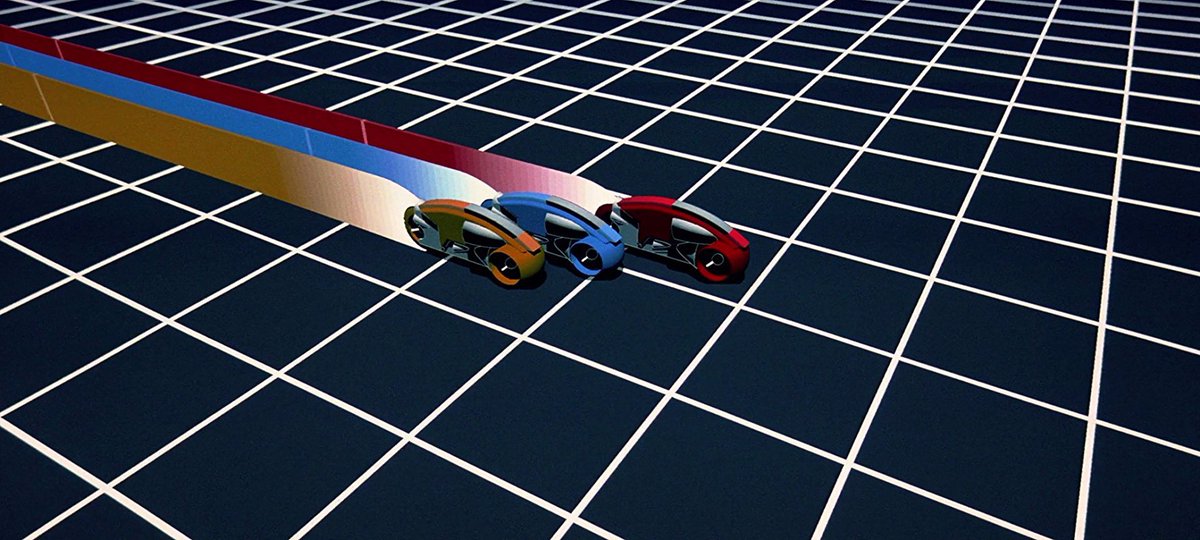
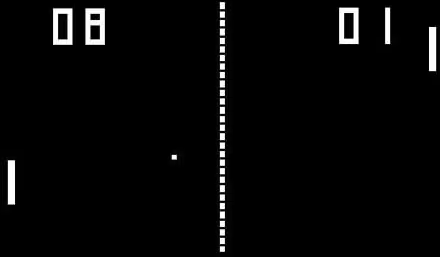
In 1976, animator Steven Lisberger came across the now-classic Atari video game Pong, and couldn’t stop playing it. Fascinated by the idea of computer-generated graphics, he had the idea for a movie set entirely within a digital-based world. 2/47
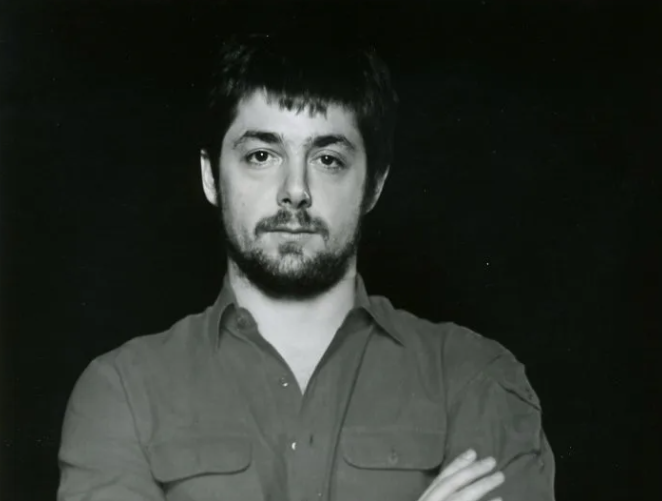
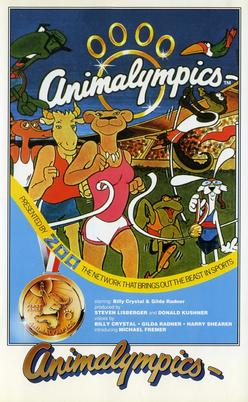
Lisberger Studios created a 30-second showreel animation of a character called Tron and, after having a hit with animation Animalympics, Lisberger used the profits to develop Tron into an idea for a full-blown animated movie with co-producer Donald Kushner. 3/47
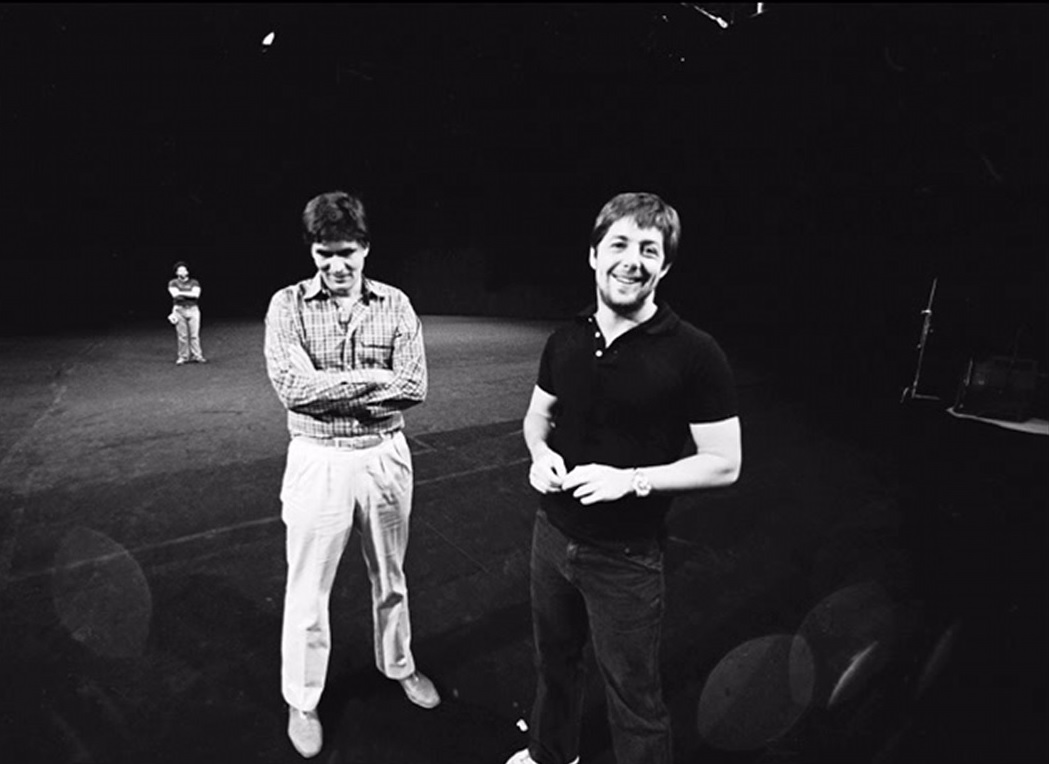
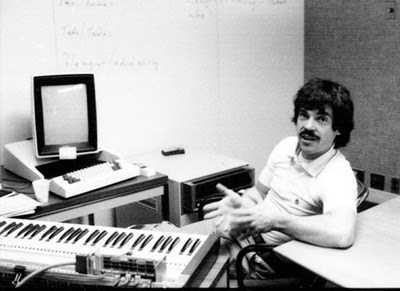
Development of Tron was mentioned in Variety, catching the attention of computer scientist Alan Kay. He got in touch with Lisberger and Kushner, offered his services as consultant, and convinced the two men to use real CGI instead of hand-drawn animations. 4/47

Lisberg and Kushner pitched their groundbreaking idea round Hollywood and, after being turned down by MGM and Columbia, Disney invested in a test reel. Impressed with what they saw, Disney greenlit Tron with Lisberger as director and a $17m budget. 5/47

Computer programmer Bonnie MacBird worked at Lisberger Studios and had experience in film, having worked as a story executive at Universal Pictures. As such, Lisberger hired her to pen the screenplay for Tron. She wrote a few drafts, and it was finished by Lisberger. 6/47

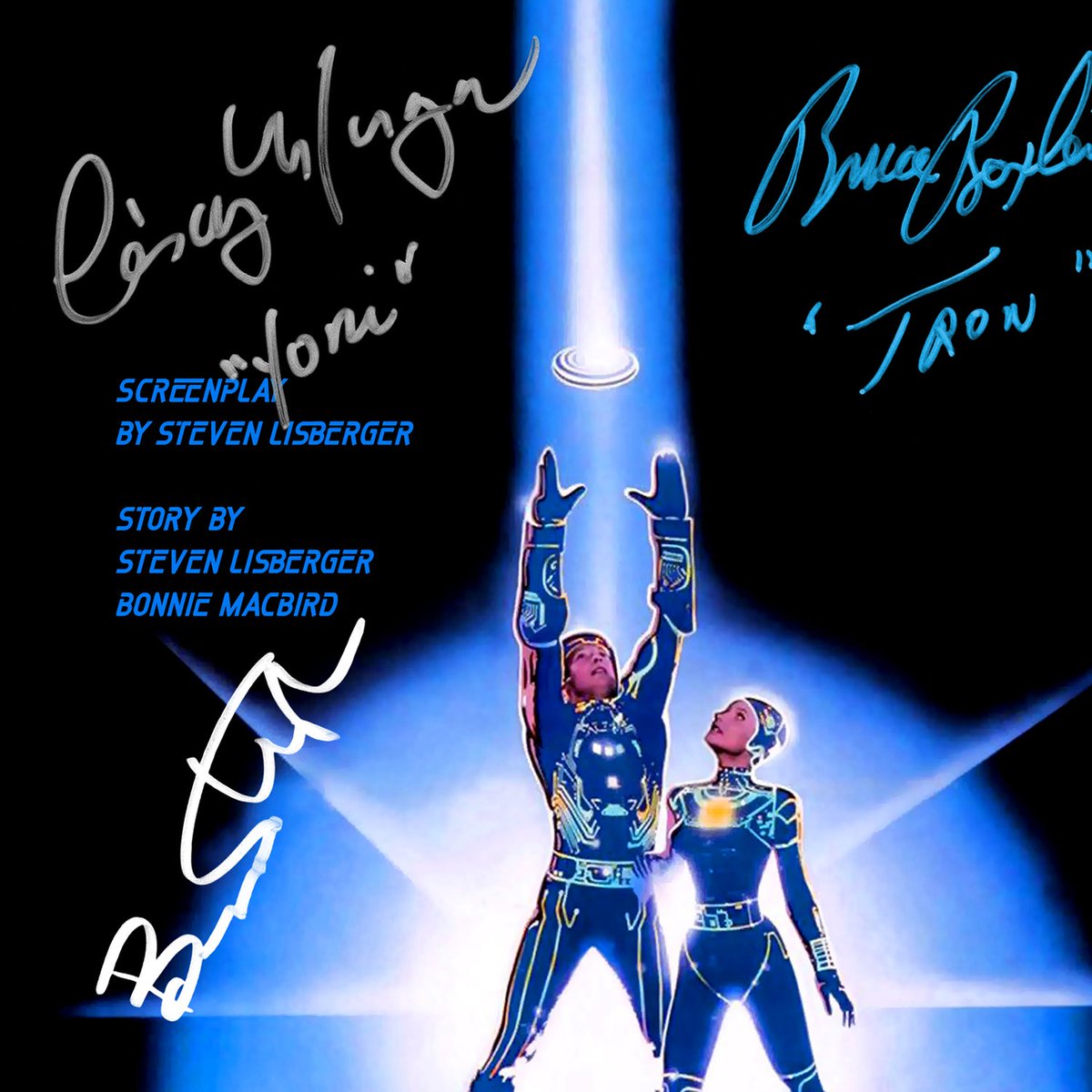
MacBird did make some major contributions, like fleshing out the title character and introducing religious themes. And she went on to marry Alan Kay, after they met on the film. 7/47

MacBird’s first choice for the lead, video game developer Kevin Flynn, was Robin Williams. Lisberger felt him too comedic and instead cast Thunderbolt and Lightfoot star Jeff Bridges in the role. 8/47


According to reports, Bridges was the best video game player on the set and also caused a costume issue. He produced a bulge in the crotch area in his computer-world outfit, so had to wear a dance belt to conceal it. 9/47

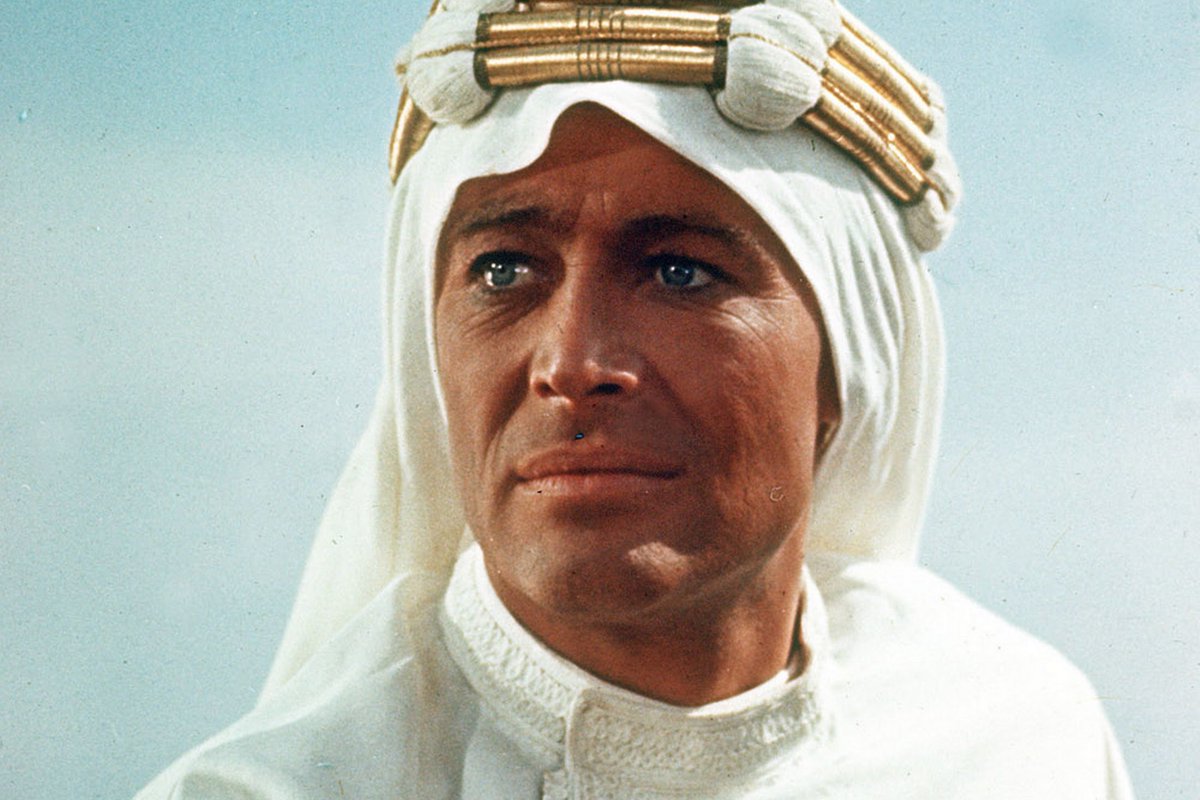
Acting legend Peter O’Toole was approached to play ENCOM VP Dillnger/Sark, but insisted he wanted to play Tron. In a meeting with Lisberger, O’Toole reportedly stood on a chair and shouted "I can do this!" He said he wanted Tron on his tombstone next to Lawrence of Arabia. 10/47
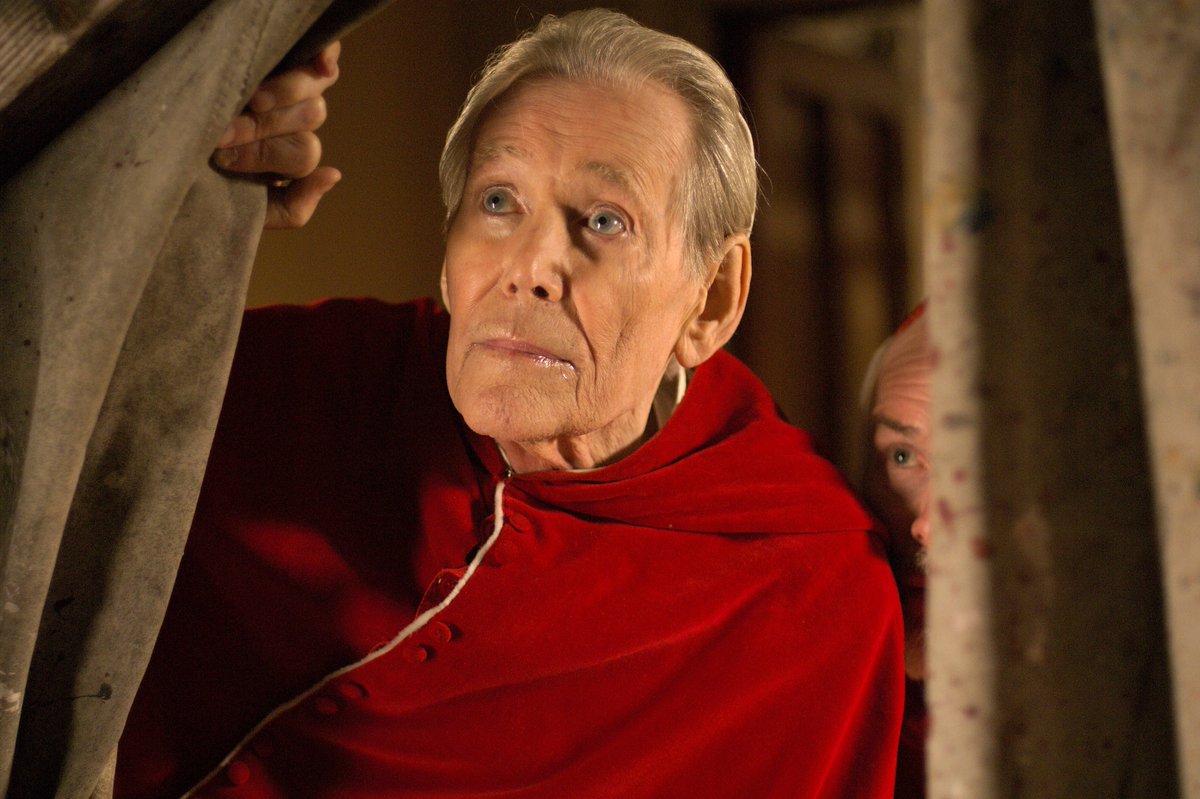
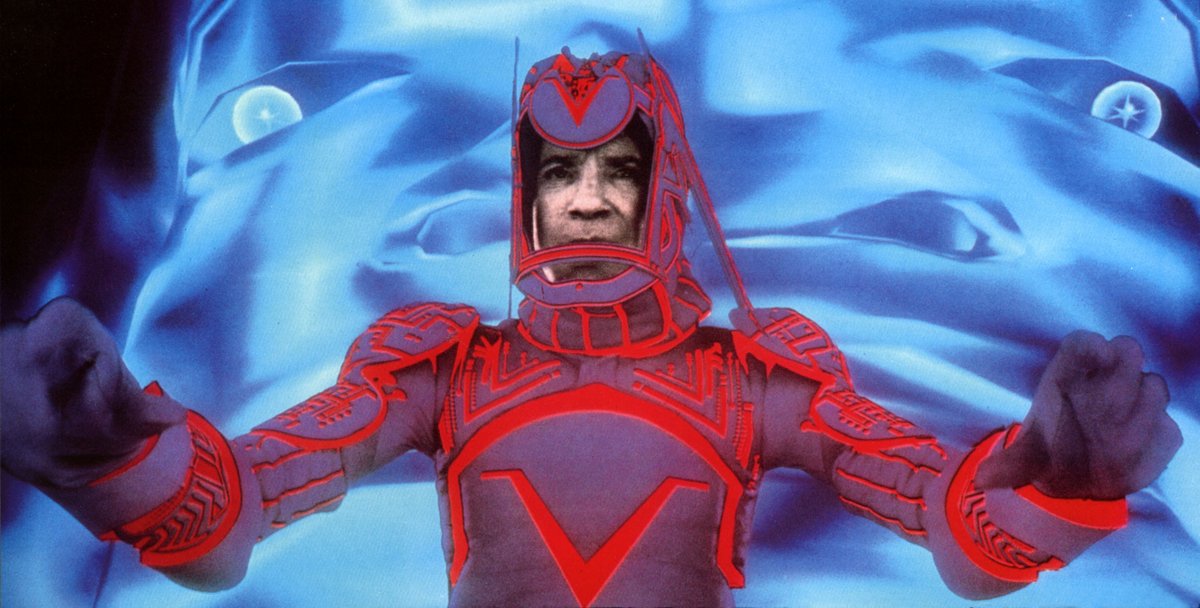
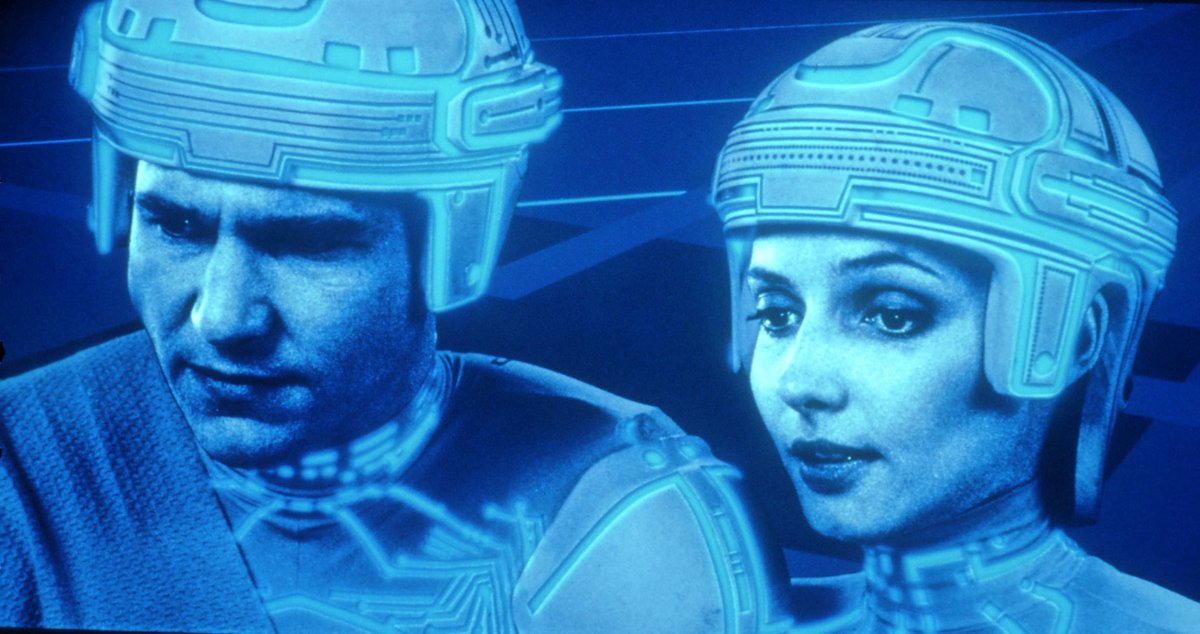
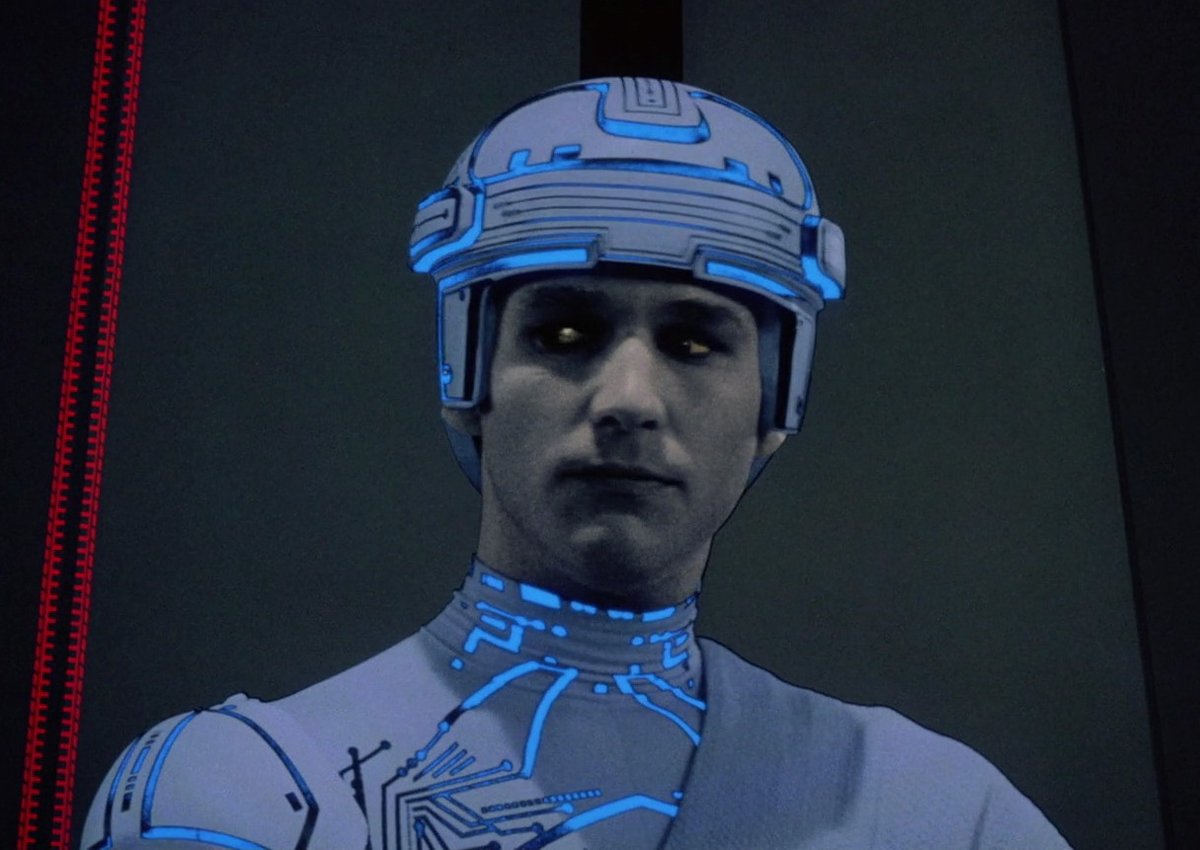
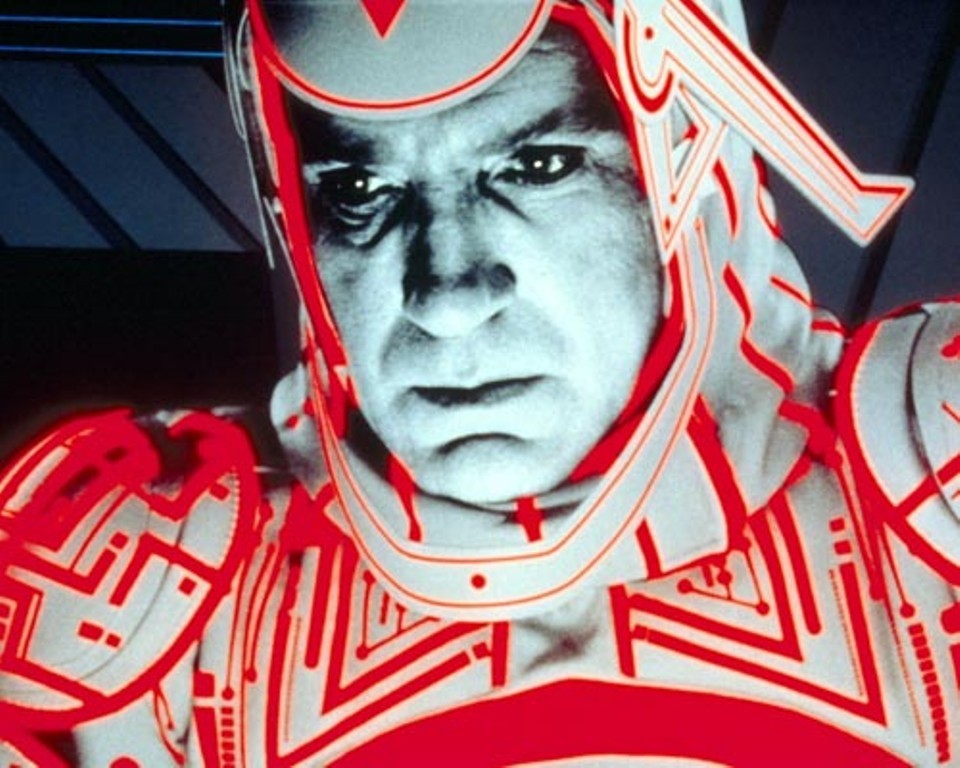
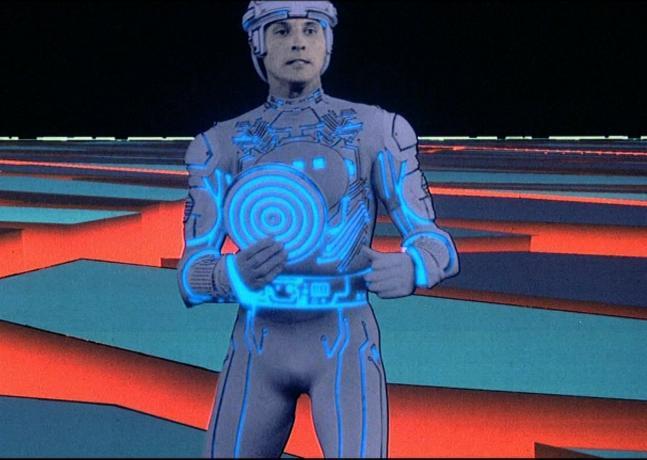
Instead, Lisberger turned to RSC-trained David Warner to play the part of Dillinger/Sark, and Bruce Boxleitner (best known for TV hit How The West was won) as Tron/Alan Bradley. 11/47
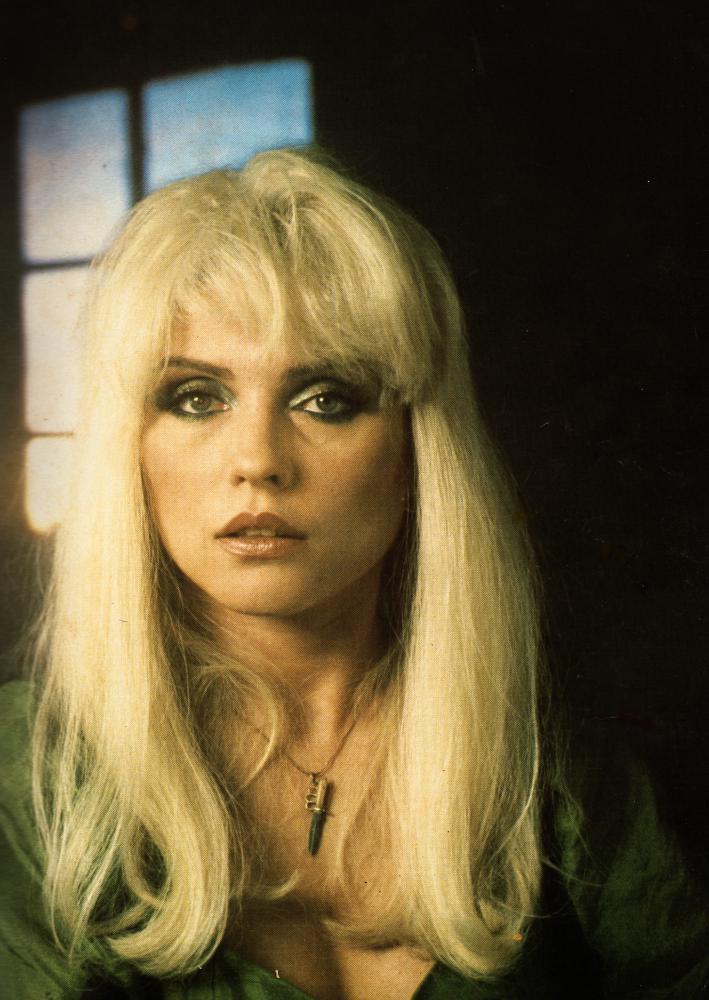
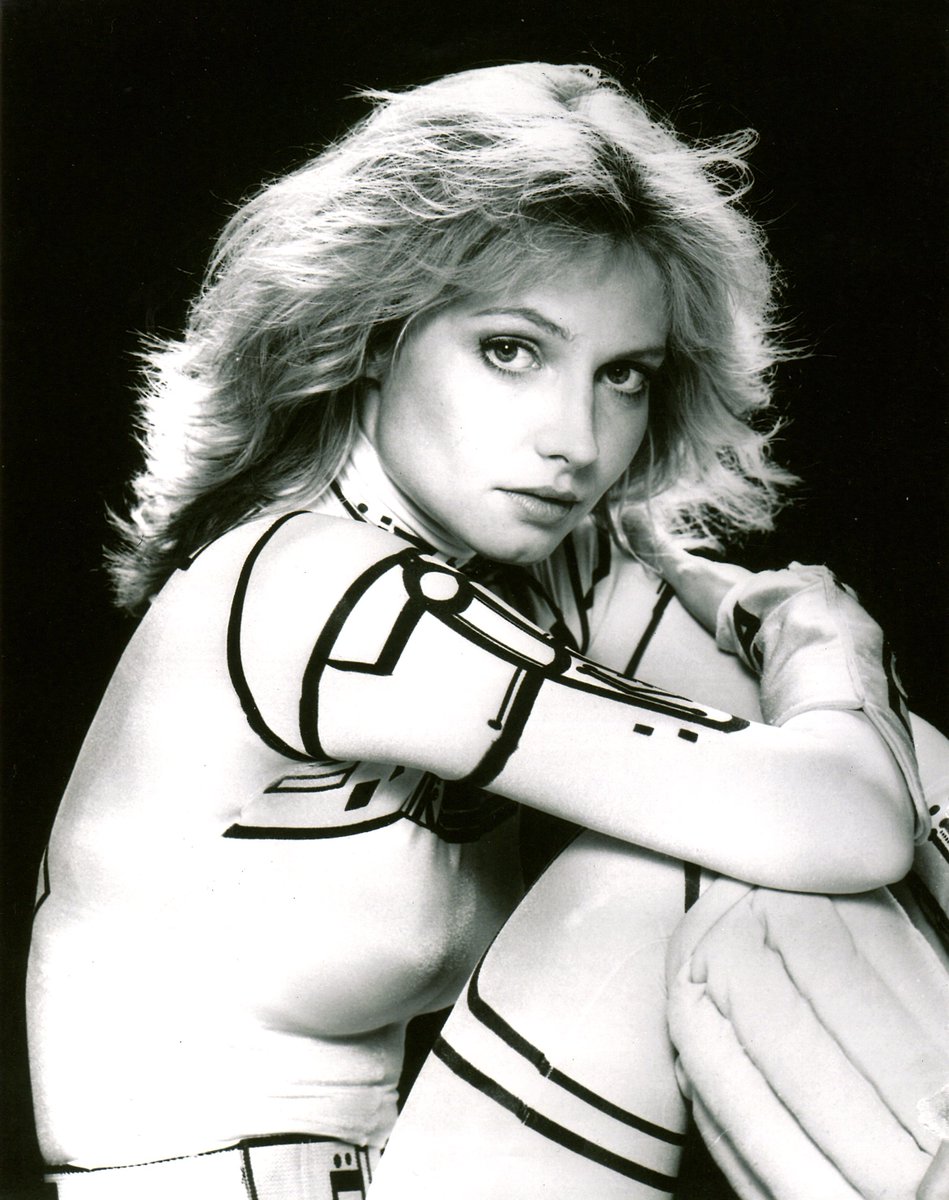
In casting the main female role of Dr Lora Baines/Yori, many actresses auditioned. The most well-known was Blondie singer Debbie Harry, but young American actress Cindy Morgan was hired, being cast just days before production began. 12/47
Lisberger has a cameo in the film too. We see him in Flynn’s arcade dressed all in black. He grabs an employee in a blue t-shirt and his face is glimpsed briefly. 13/47
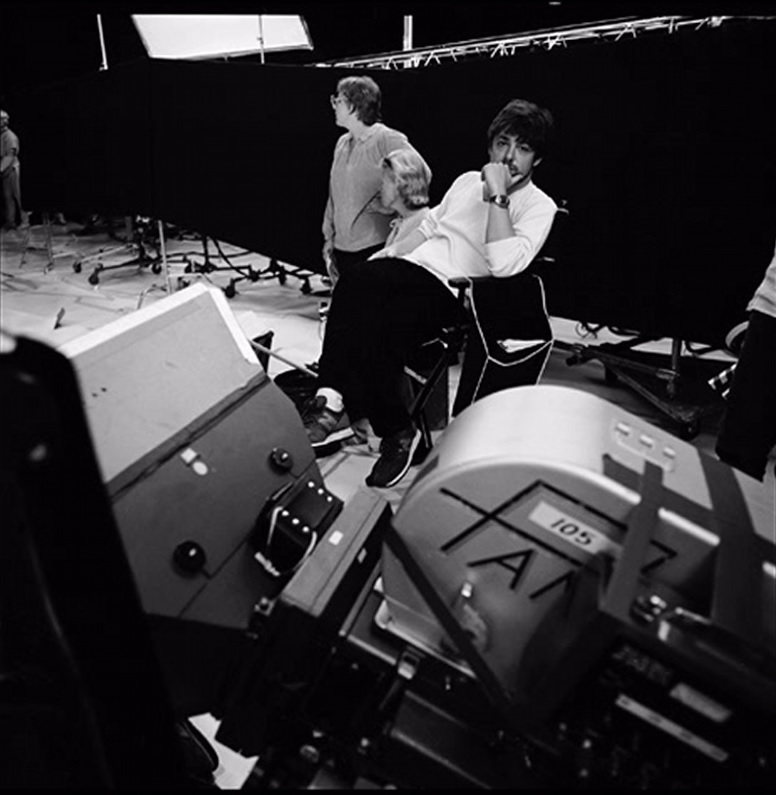
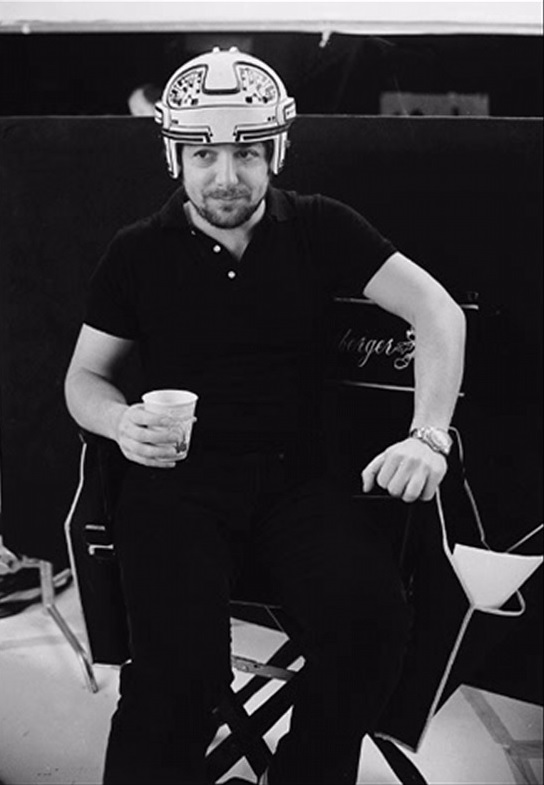
‘Tron’ is a command in programming language BASIC, leading to speculation that is where the title of the film came from. Lisberger said that wasn’t the case, it was merely a shortening of “electronic.” 14/47


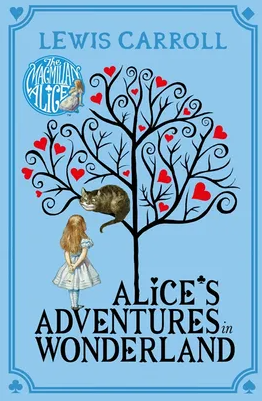
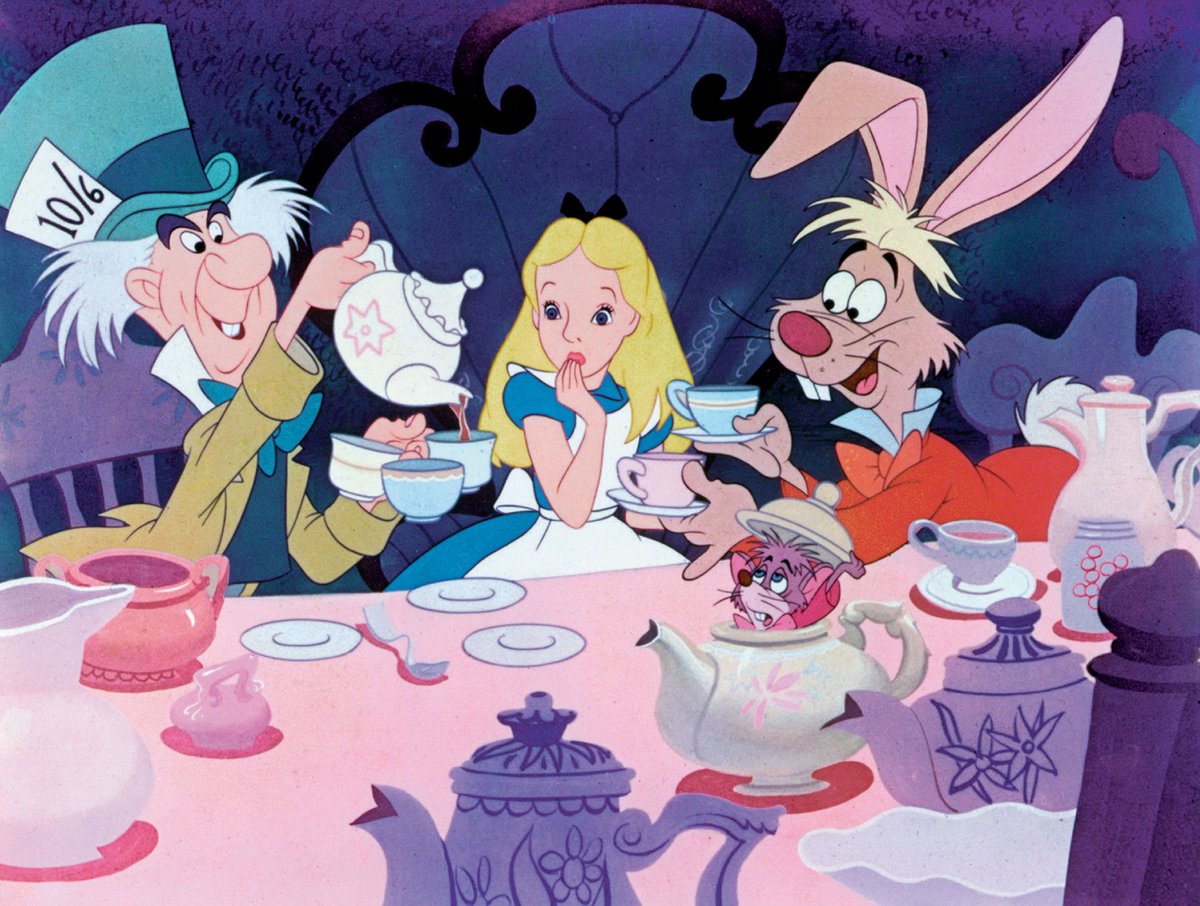
Despite its futuristic theme, Lisberger also took inspiration from classic literature. He based some of the narrative beats on Alice’s Adventures In Wonderland, written in 1865 by Lewis Carroll. 15/47
The character name Alan Bradley was based on real life. Allen-Bradley was a company that created factory automation equipment founded in 1903. It was purchased by Rockwell Automation after the film came out. 16/47
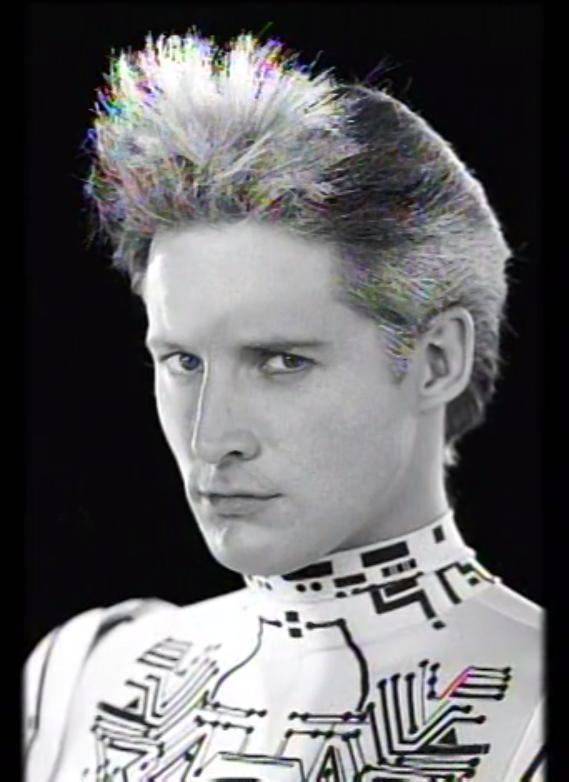

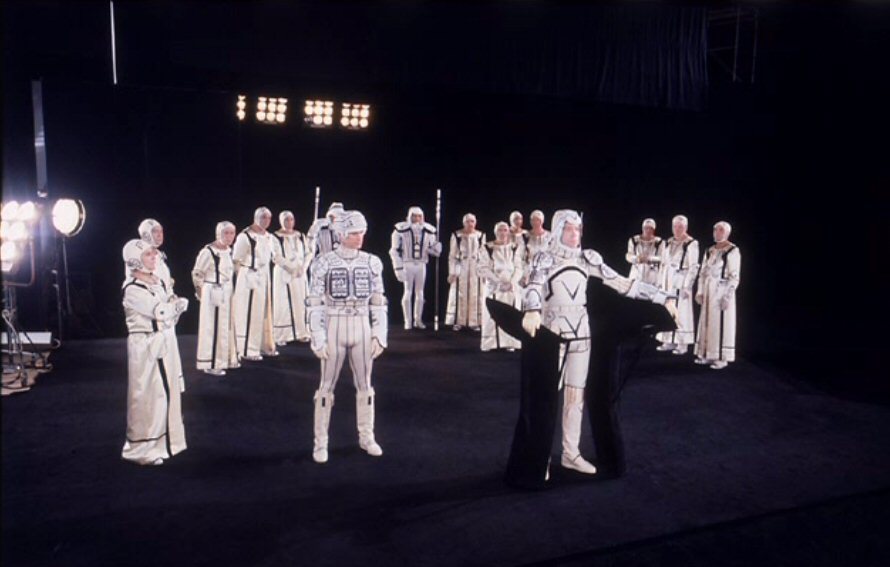
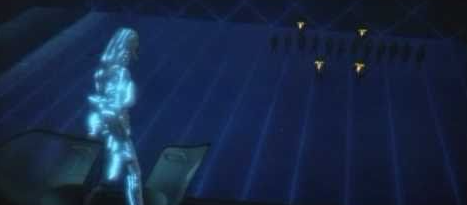
The cyberspace sequences were shot on the Disney lot in L.A. The actors were filmed against white backgrounds until Director of Photography Bruce Logan stepped in. He said there wasn’t "enough lights in Hollywood" to light an all-white set, so it was changed to black. 17/47

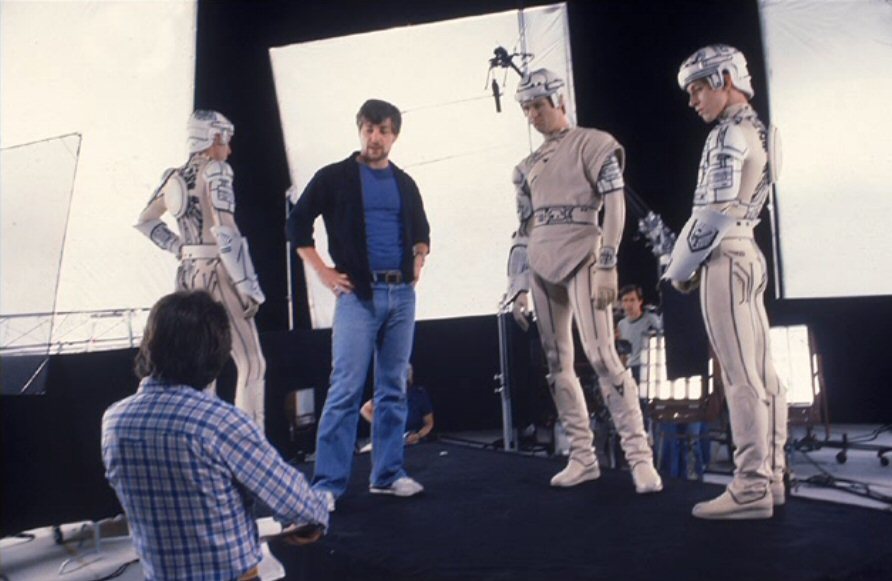
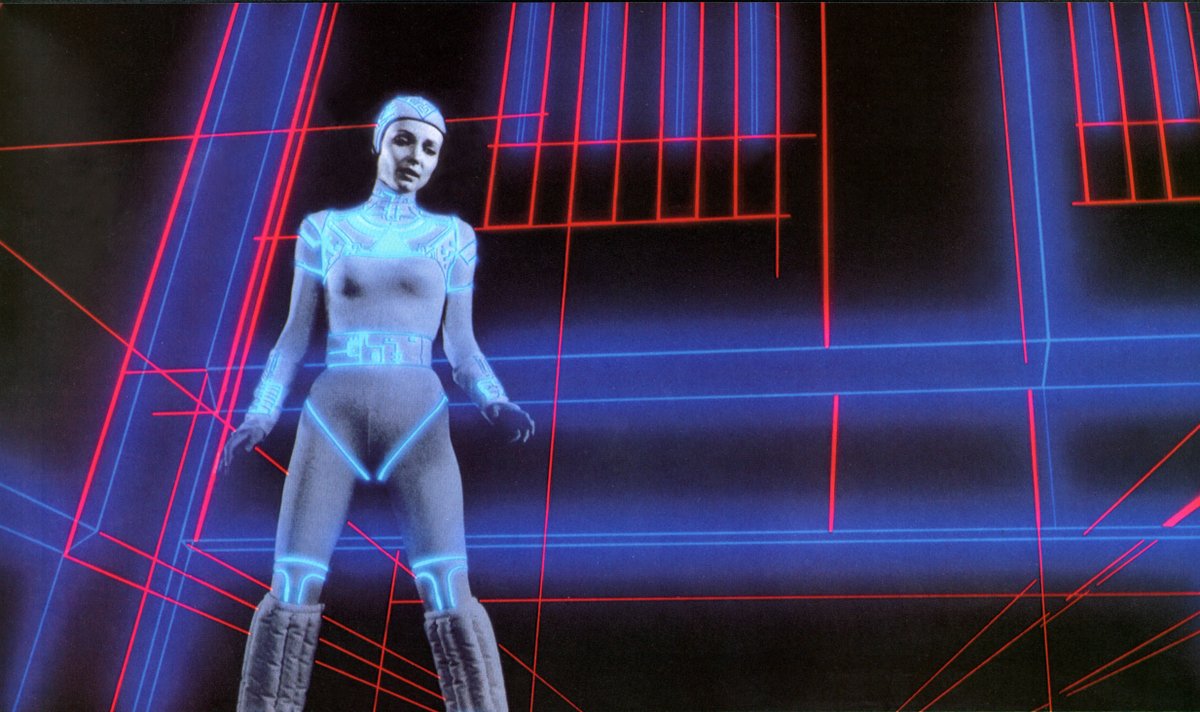
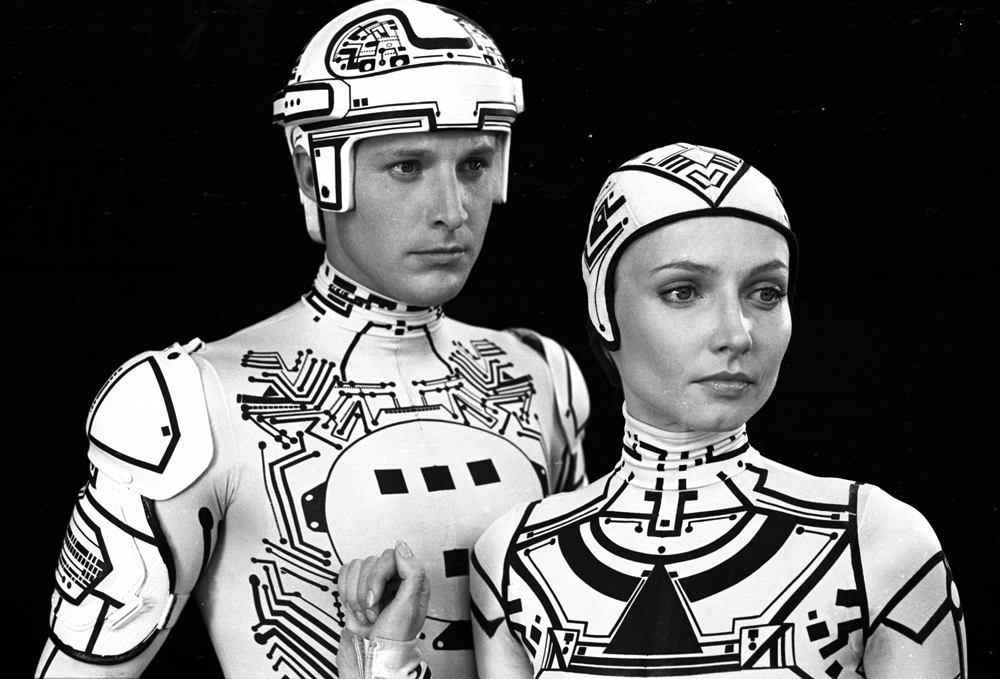
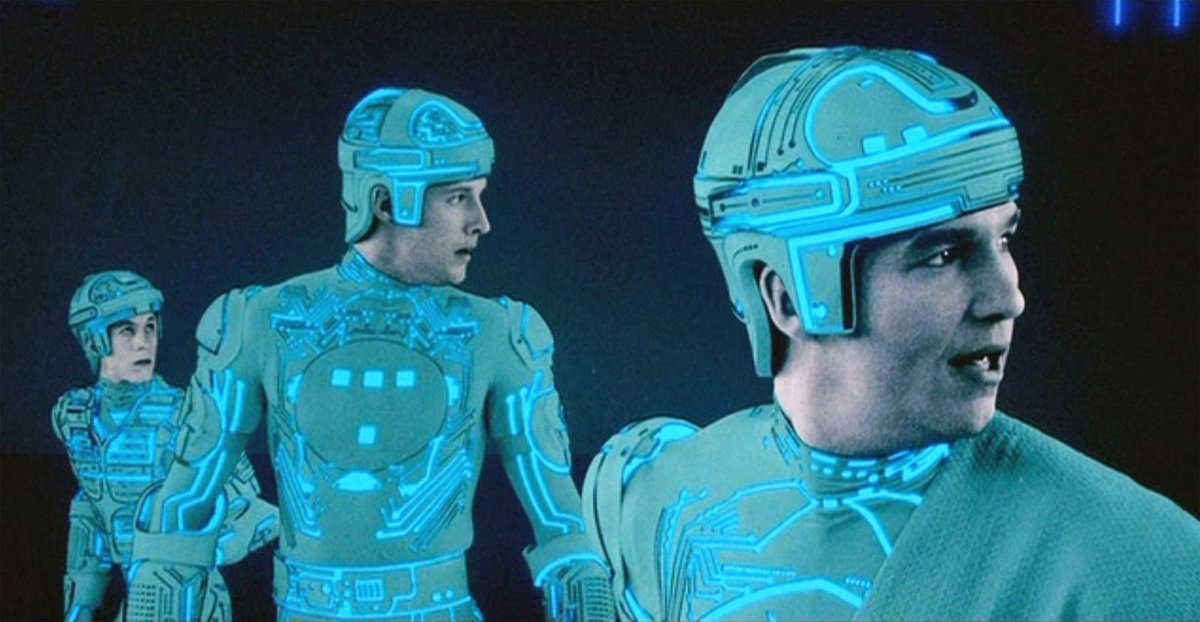
The cyberspace scenes were filmed in black and white, and the colour manually composited on top afterwards using rotoscoping. Due to the darkened set, Bridges set he felt "bombarded by color" every time he left the soundstage. 18/47
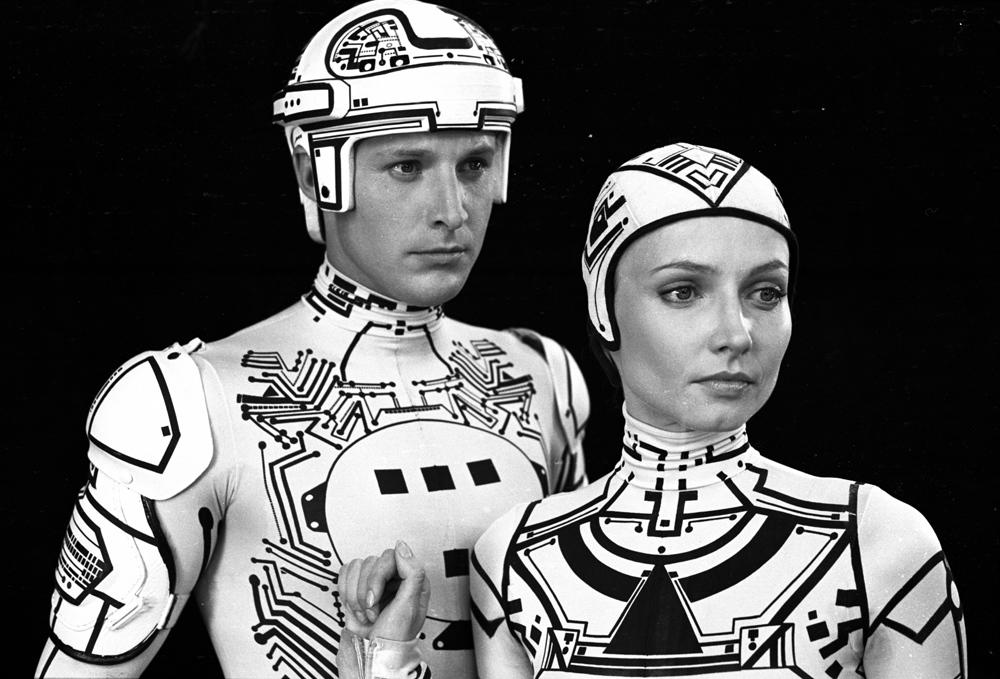
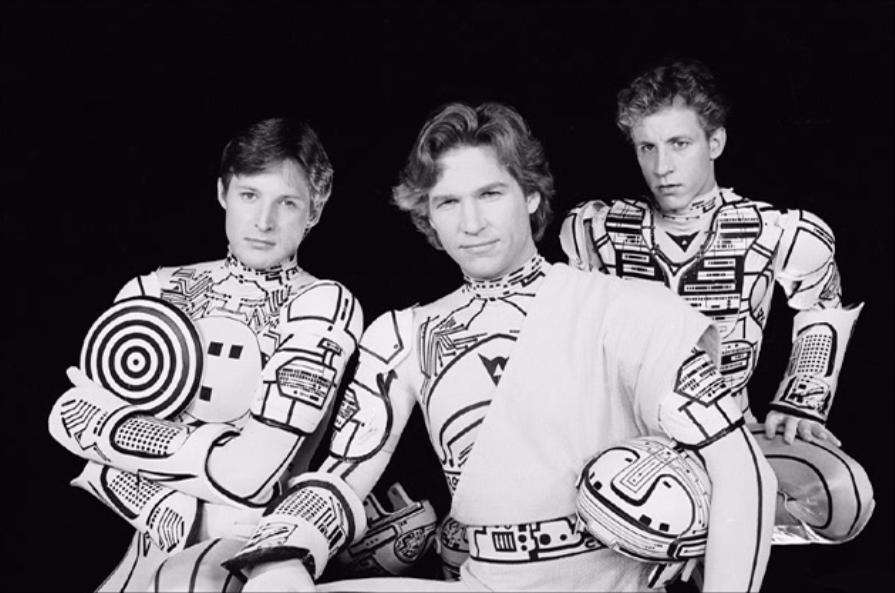
The actors’ costumes were completely white with black lines drawn on them. This was done to allow the colour to be manually rotoscoped (drawn) on them afterwards. 19/47

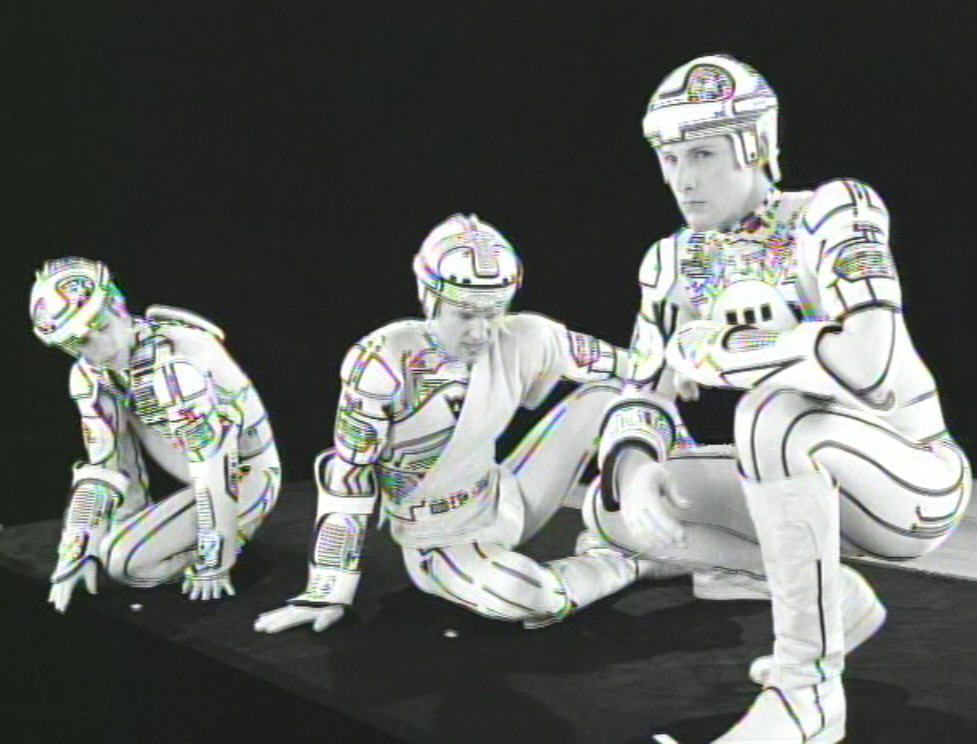
Pretty much every shot in the film where we see an actor against a CGI background is static. This is because the technology did not yet exist to adapt the background’s perspective while the camera moved. Often the tripods were nailed to the floor. 20/47

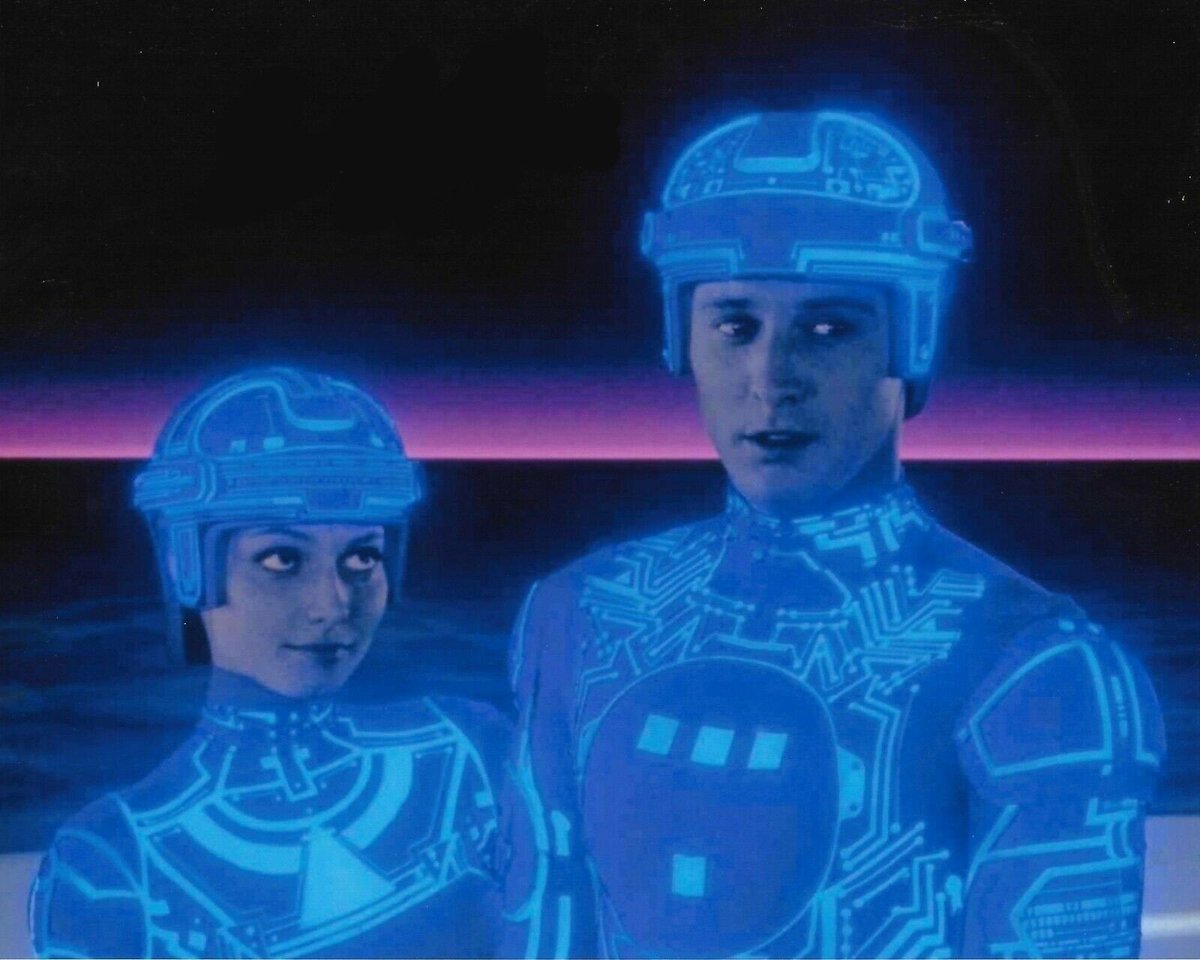
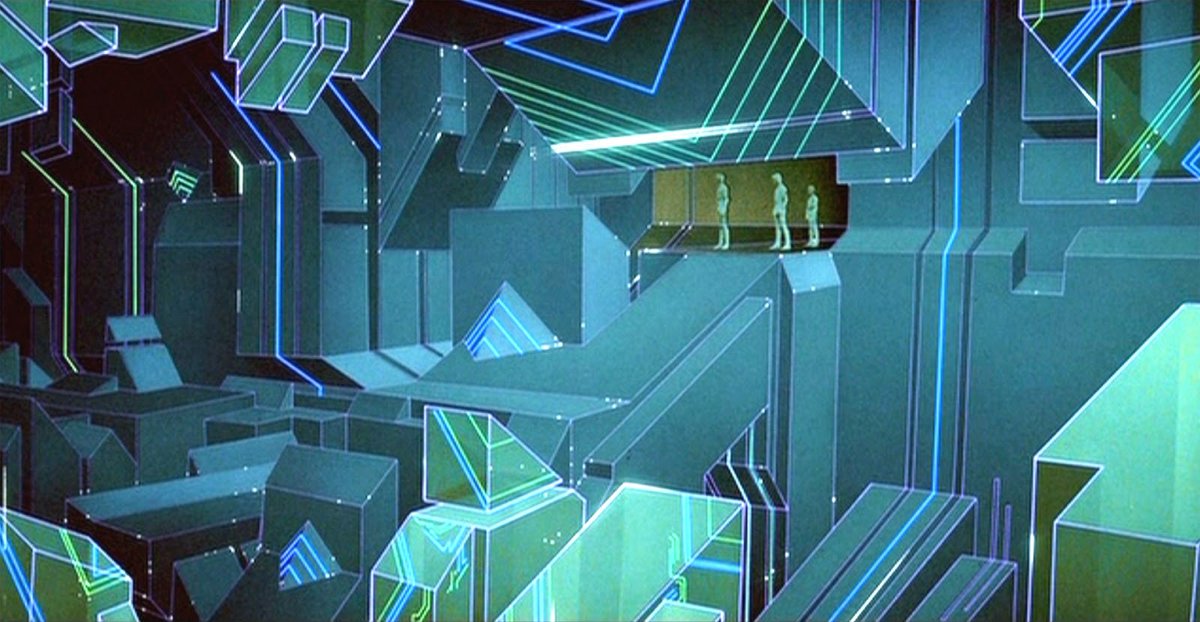
To make up for this, Lisberger and DP Bruce Logan made sure to have a lot of animation in the shots that were all CGI. Lisberger called it "a cornucopia of camera movement." 21/47
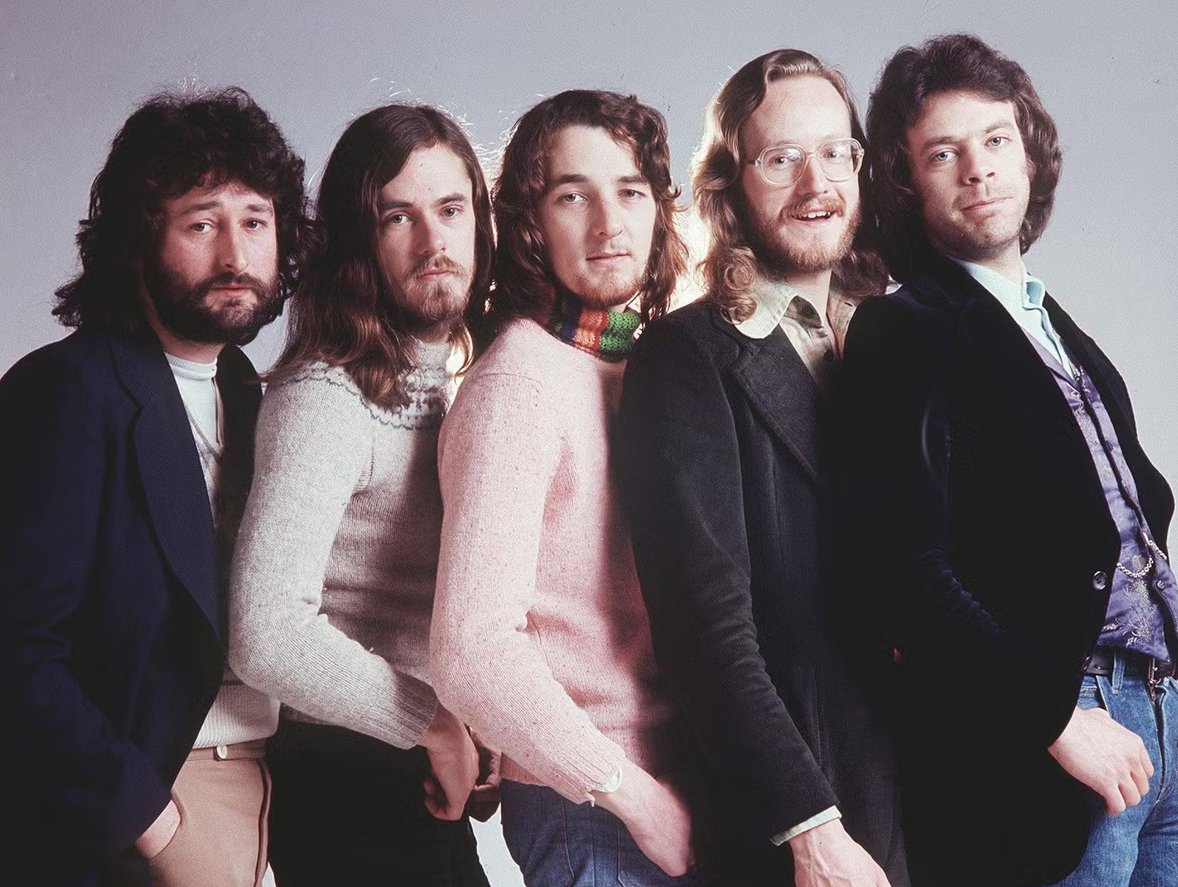
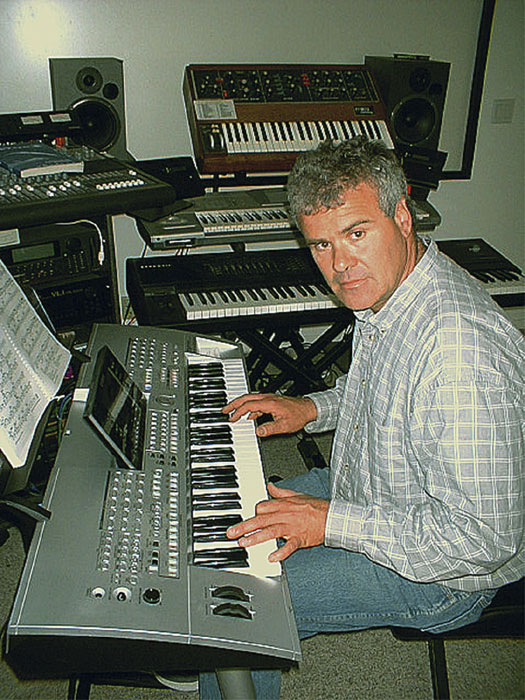
Lisberger wanted British rock group Supertramp to work on the score, but they were unavailable. Instead, Wendy Carlos (famous for her synthesised scores on Stanley Kubrick films) was brought in. 22/47
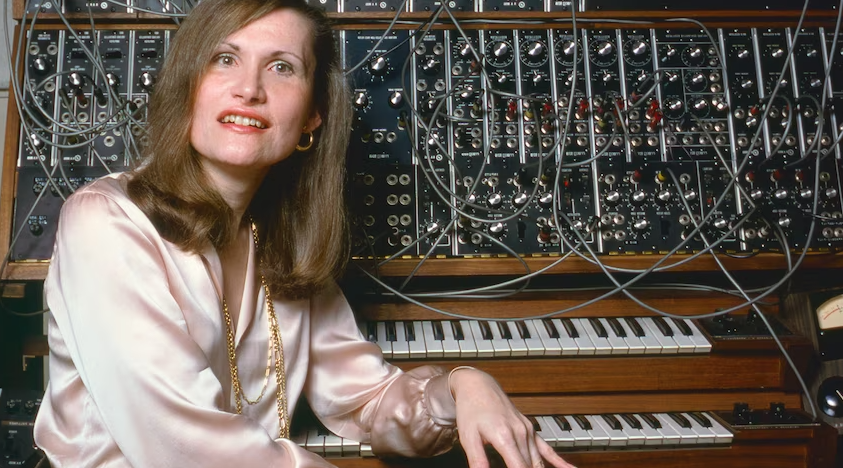
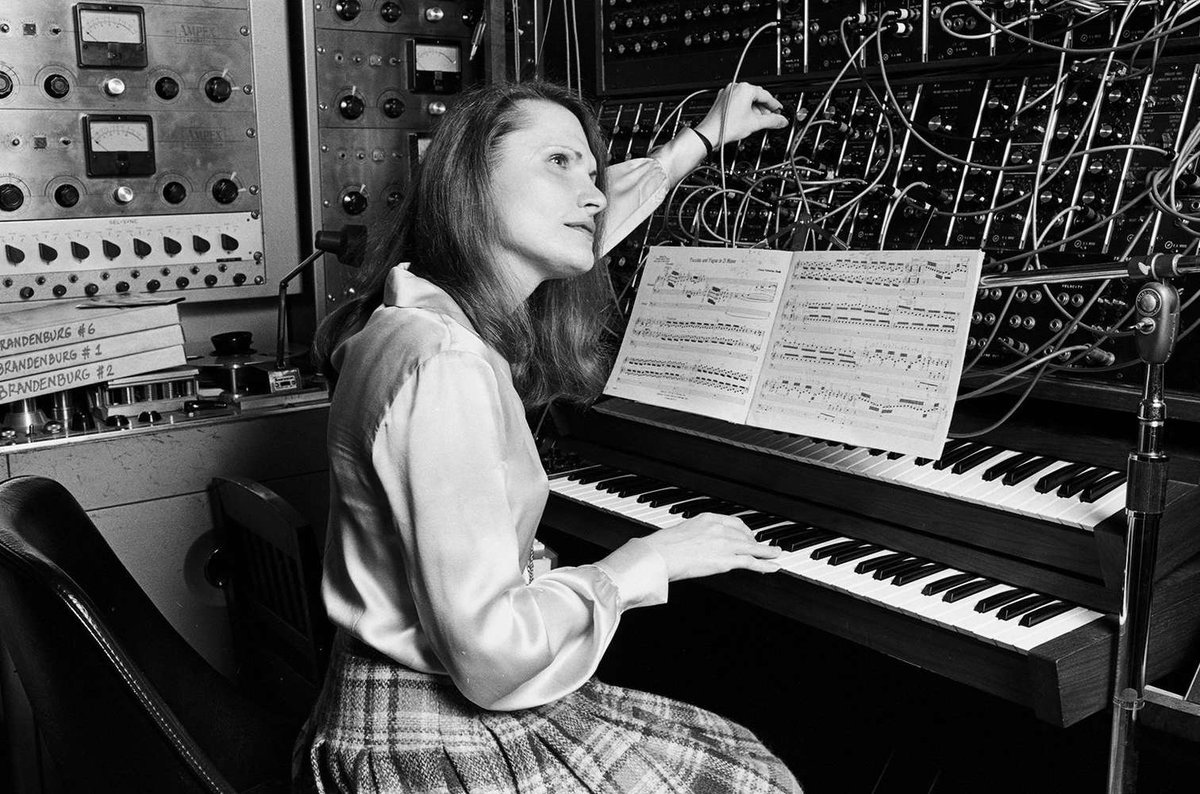
Carlos' music was recorded using the Moog modular synthesizer. This was the same instrument she used on her groundbreaking Switched-On Bach album from 1968, and her score for A Clockwork Orange. 23/47

Sound designer Frank Serafine processed noises through a Fairlight digital synthesizer to make electronic sounds. The Master Control Program rumble came from Lisberger’s cat purring. And screeching monkeys were used for the noise of the Identity Discs. 24/47
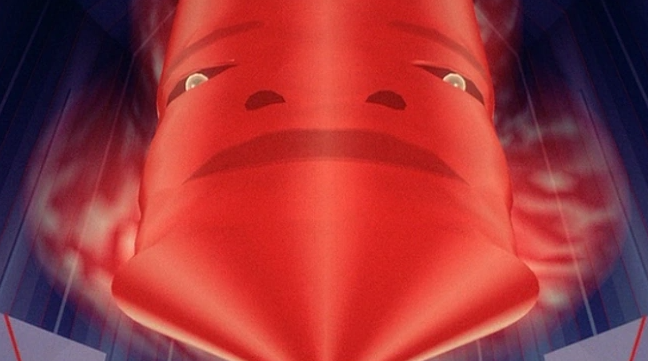
When Disney first greenlit the film, many of their in-house animators refused to work on it, fearing that computers would eventually put them out of work. That wasn’t the case entirely, but CGI certainly reduced the number of hand animators employed by Hollywood. 25/47

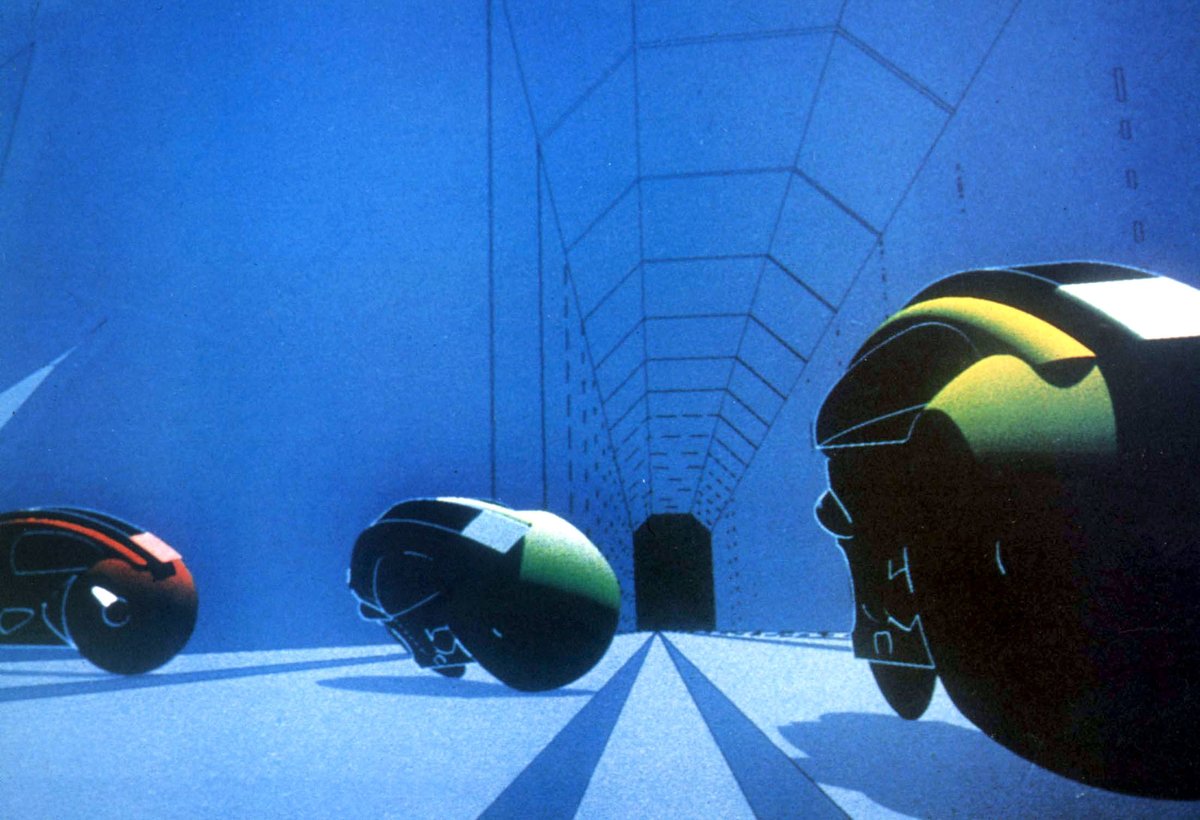
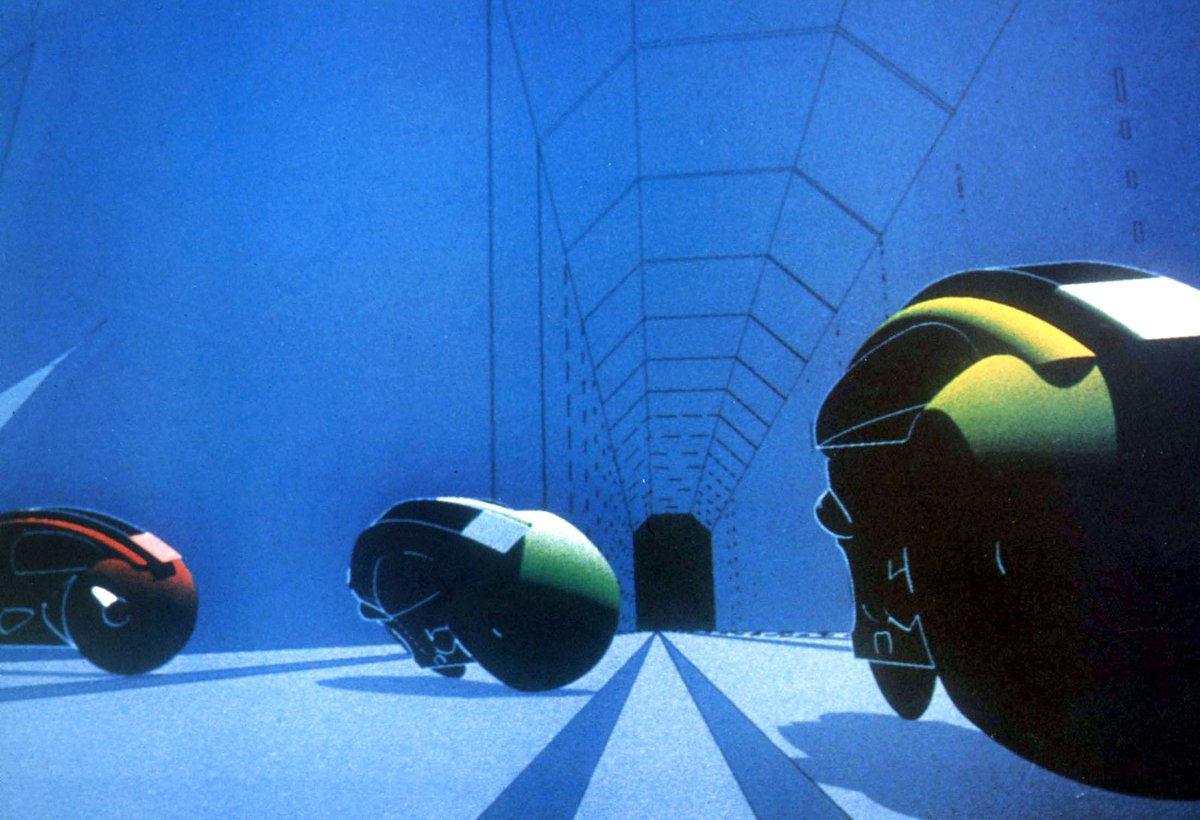
Instead of animators, Lisberger had to find other means to design the film. He brought in famed concept artist Syd Mead and French artist Jean ‘Moebius’ Giraud to work on costumes, storyboards, and other design work. 26/47
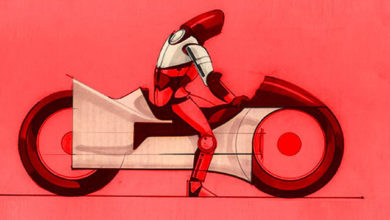
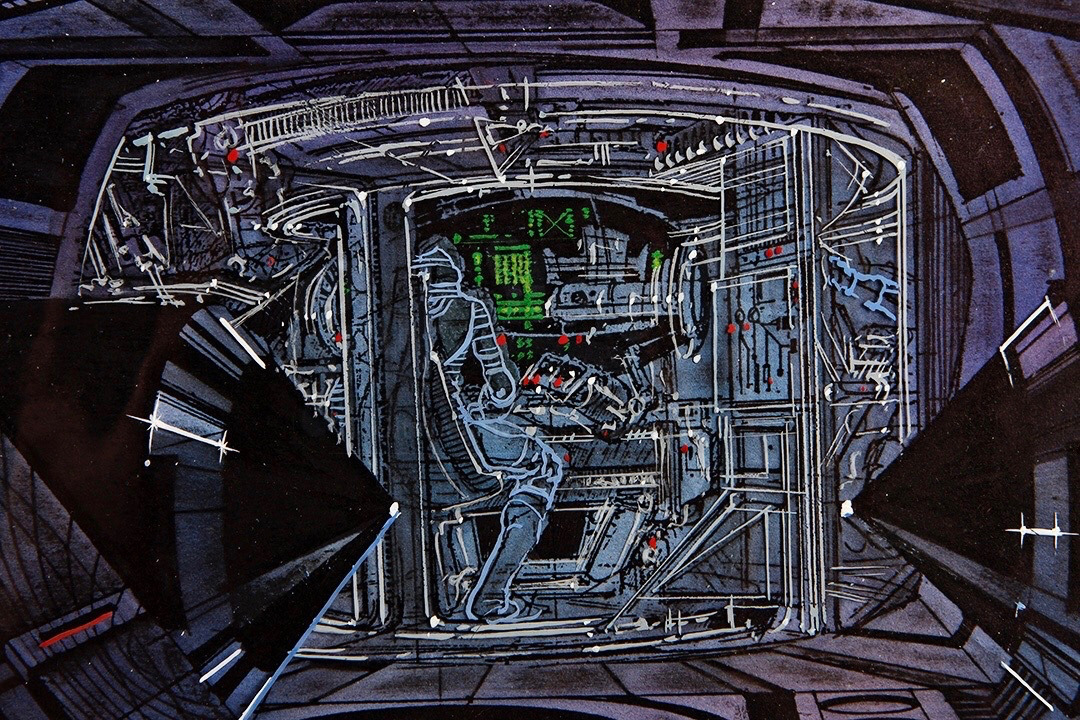
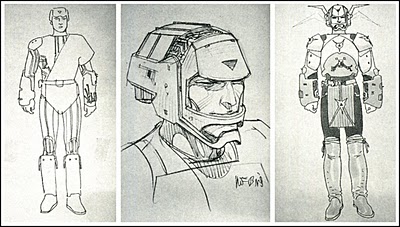
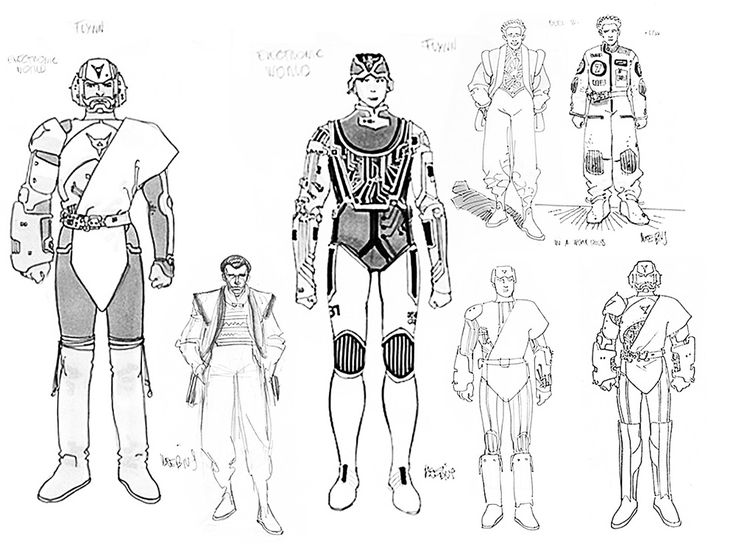
Moebius moved to L.A. for three months to work on the film and was mostly given free design reign. He designed Yori’s head cover and, though it gave Cindy Morgan blisters, she said “who's going to question Moebius?” 27/47
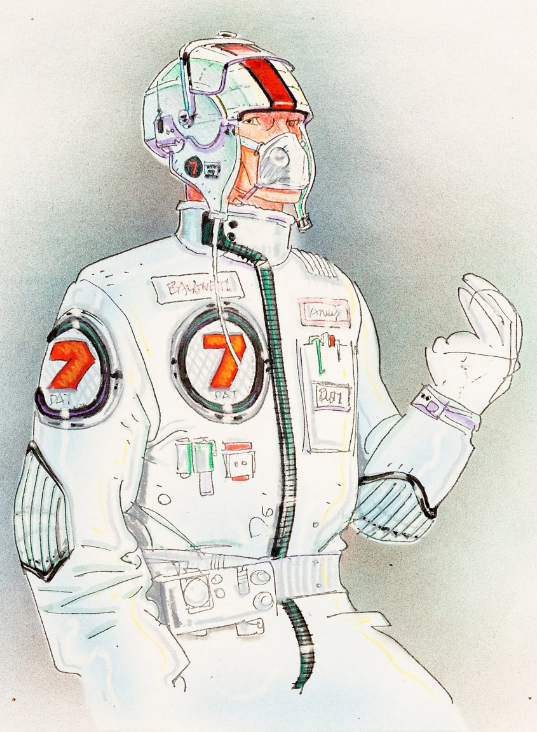

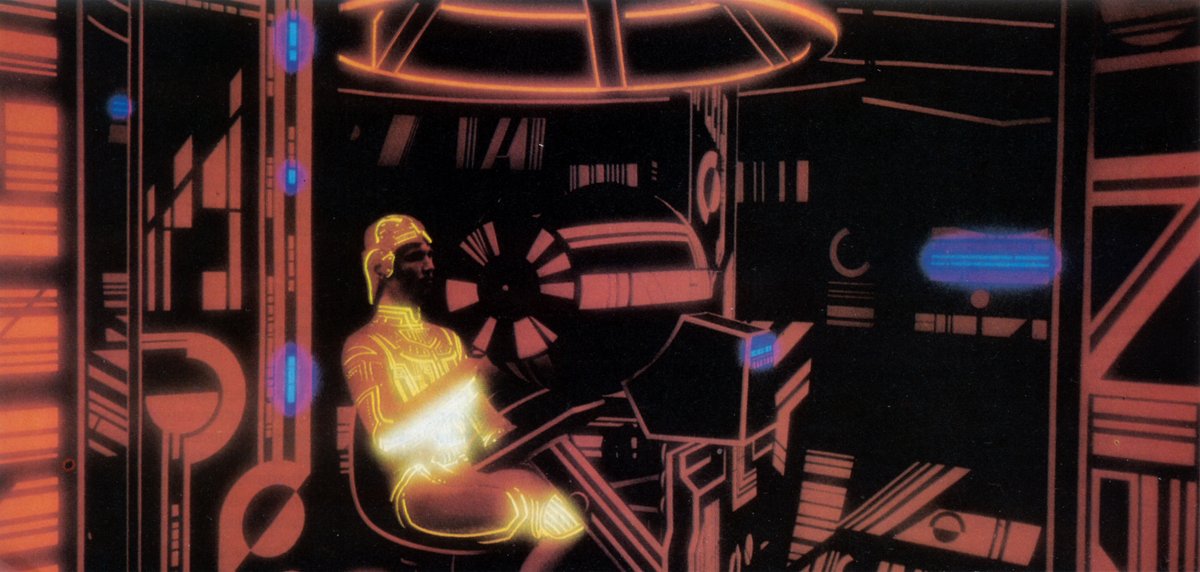
The famous glow of the costumes was achieved through backlight animation. The shot was photographed normally, then the black lines made transparent. Finally, a light source was shone through the transparent elements, creating the effect. 28/47
Four animation studios worked on the film: Magi Synthavision, Digital Effects Inc., Information International, and Robert Abel and Associates. A TV monitor was set up with a telephone wire, meaning Lisberger could see what they produced – and give feedback – in minutes. 29/47

The technology was state-of-the-art for the time. To put it in perspective though, the main computer used for rendering the movie’s digital effects had 2MB of memory and 330MB of storage. 30/47
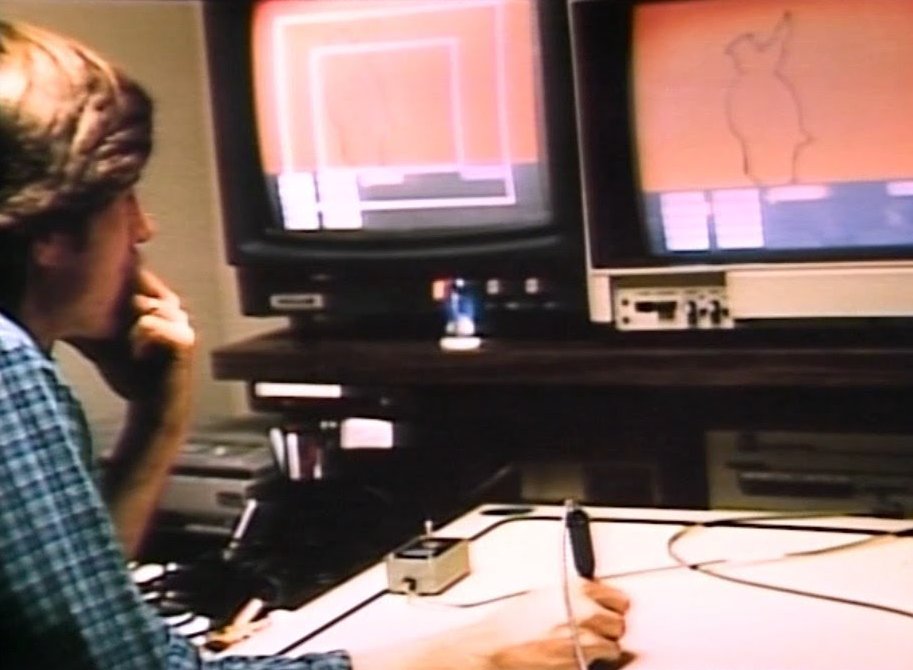

Roughly 75,000 frames were used in the animation/compositing process, an astronomical number back then. In the end, there were 1100 special effects shots in the film, 900 involving actors interacting with the digital environment. 31/47