
Jews and the LGBTQ Movement Thread 🧵:

The LGBTQ movement unofficially started with the creation of a secret British society in the 1890s called the “Order of Chaeronea” that campaigned for the legalization of homosexuality. It was founded by Jewish writer George Cecil Ives. One famous member was Oscar Wilde.

The first organization to publicly promote LGBTQ rights was the Scientific-Humanitarian Committee, founded in 1897 in Berlin by Jewish sexologist Magnus Hirschfeld. The committee's efforts laid the groundwork for modern LGBTQ advocacy.

Magnus Hirschfeld was a pioneer in the fields of sexology and LGBTQ rights. He founded the Institute for Sexual Science, coined the term “transvestite” and facilitated the first “sex change” surgeries in Europe. A significant portion of his work was destroyed by the Nazis.

The first Institute for Sexual Science, where many of the researchers focused on the unprecedented subjects of “Sexual Orientation and Gender Identity”. It was also the site of the first recorded 'sex reassignment surgery' in Europe. The key figures were all Jewish.

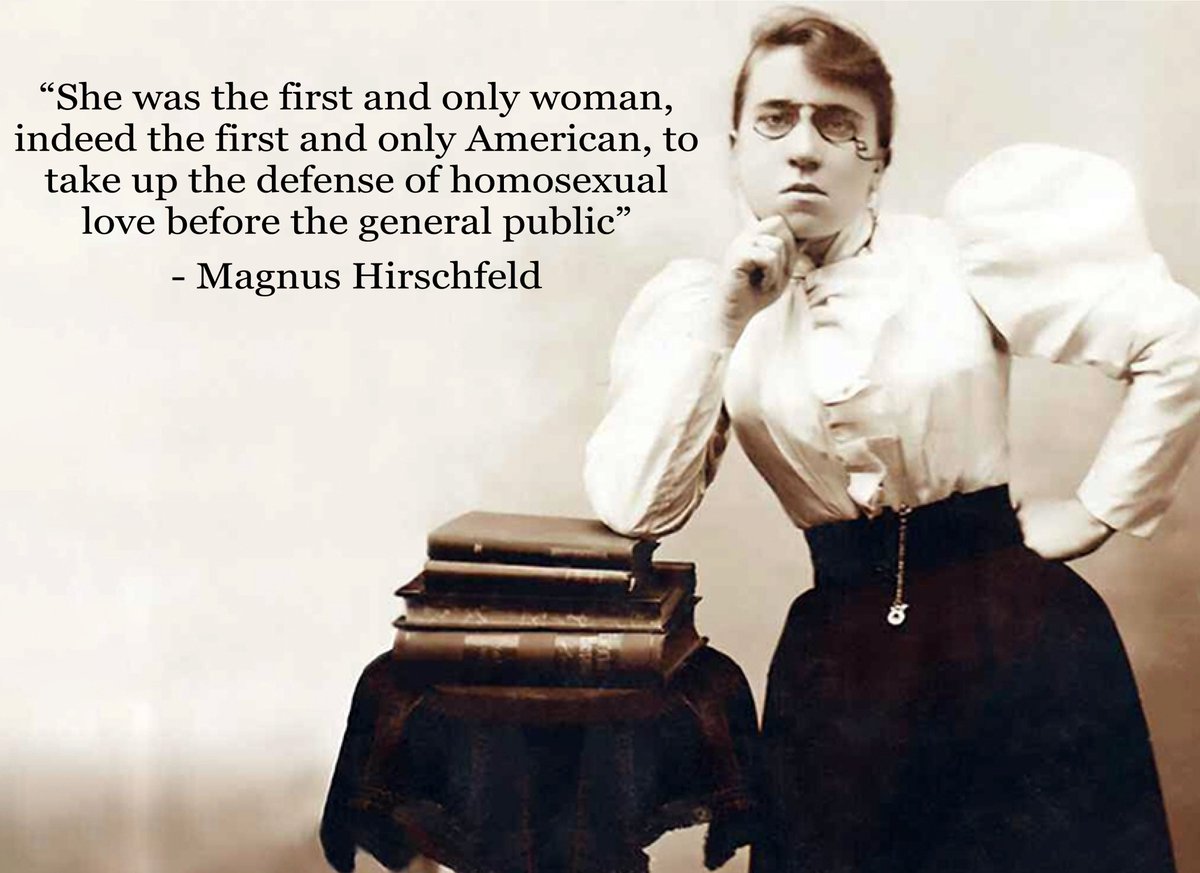
One of the earliest political activists to speak in defense of homosexual relationships was Jewish anarchist Emma Goldman. Her belief that “social liberation” should extend to gay people was unheard of at the time, even among anarchists. She was expelled from the US in 1919.
The first public homosexual organization in the US was the “One Institute” which was bankrolled by wealthy Jewish transsexual, Reed Erickson. He later created the Erickson Educational Foundation, which contributed millions of dollars to the early development of the LGBTQ movement

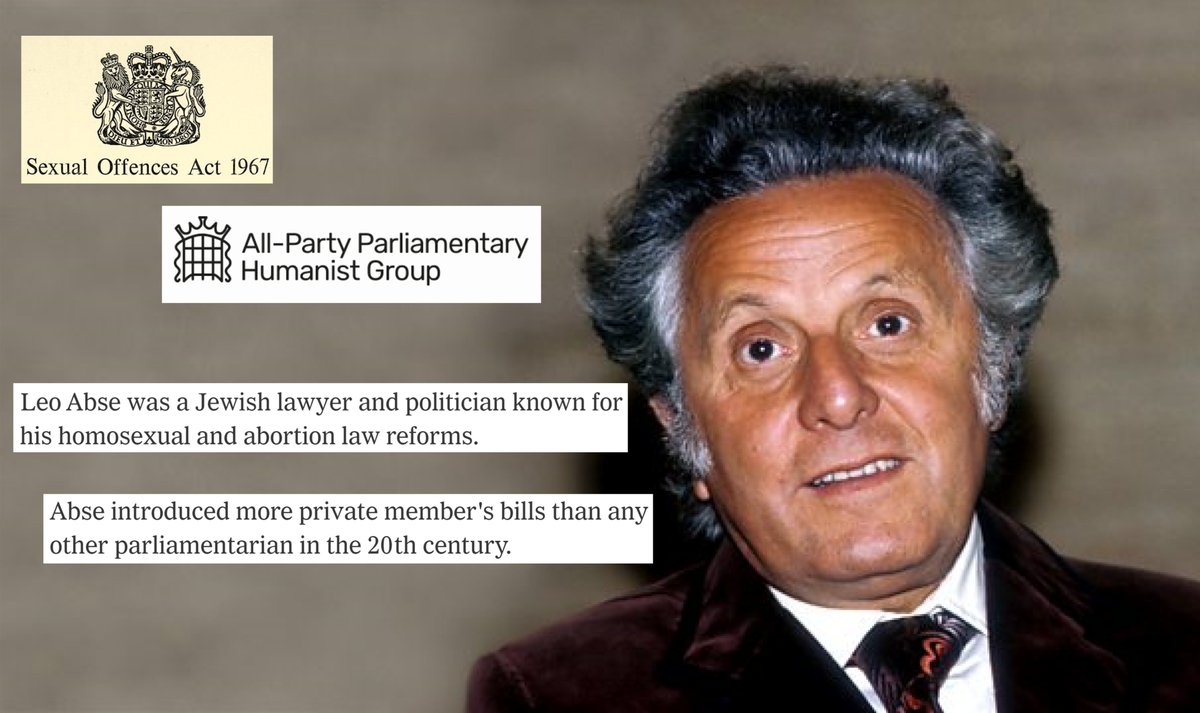
The first law to decriminalize homosexual acts in Britain was the “Sexual Offences Bill 1967” that was introduced by Jewish lawyer and politician, Leo Abse. Abse later founded a humanist group that promoted homosexual and abortion law reforms as well as “racial equality”.
The essay by Jewish writer Paul Goodman, “The Politics of Being Queer” has been credited as the ideological basis that set out the aims for the fledgling gay liberation movement of the late 1960s and was also responsible for reclaiming the word “queer”.

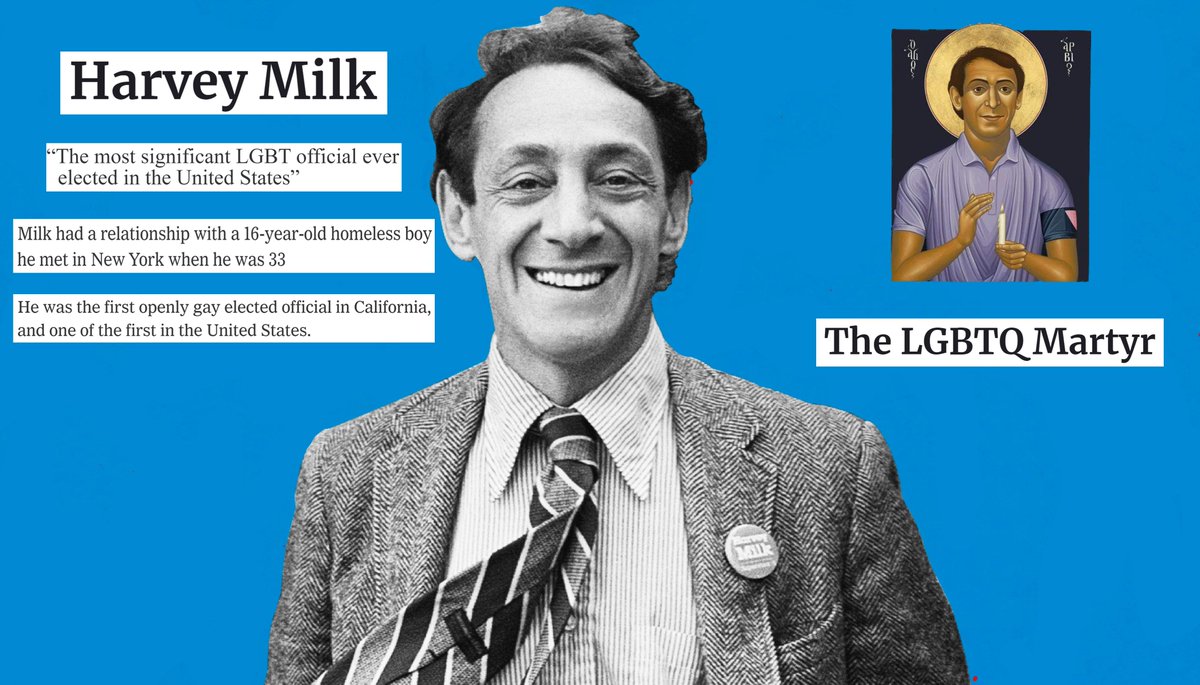
The person who has been described as the “most significant” in the US LGBTQ movement is the Jewish politician Harvey Milk. He was accused of pedophilia, in addition to numerous despicable acts. He was assassinated in 1978 and was portrayed as a “martyr” for the LGBTQ movement.
The use of the term “Gay Pride” to characterize homosexual festivities was popularized by Jewish activist Brenda Howard. Her work laid the foundations for the global Pride movement, and her legacy is still celebrated for its profound impact on “LGBTQ history”.

The manifesto that is often credited with having sparked the transgender movement is the pamphlet titled “Transgender Liberation: A Movement Whose Time Has Come” by Jewish activist Leslie Feinberg. Feinberg is considered one of the most important figures in the LGBTQ movement.

George Weinberg, a Jewish psychologist, coined the term “homophobia” in the 1960s. His work opposed the notion that homosexuality is a mental illness and significantly influenced the depathologization of homosexuality in the mental health field.

Evan Wolfson, a prominent LGBTQ rights attorney, founded “Freedom to Marry” and led the campaign for marriage equality, culminating in the 2015 Supreme Court decision that legalized same-sex marriage nationwide.

Jennifer Pritzker is the first transgender billionaire, he established the Pritzker Pucker Family Foundation to support LGBTQ causes and has donated millions to transgender studies and organizations that “help fight anti-trans laws”.

The existence of numerous organizations dedicated to LGBTQ advocacy and political lobbying is a major factor in the success of the LGBTQ movement. The most prominent ones seem to have something in common, their leadership is almost always Jewish.

The same thing is also true for “LGBTQ health” organizations, the Gay Men's Health Crisis (GMHC), the Trevor Project and Fenway Health. The most prominent LGBTQ health care, research and advocacy groups in the United States have Jewish leadership.

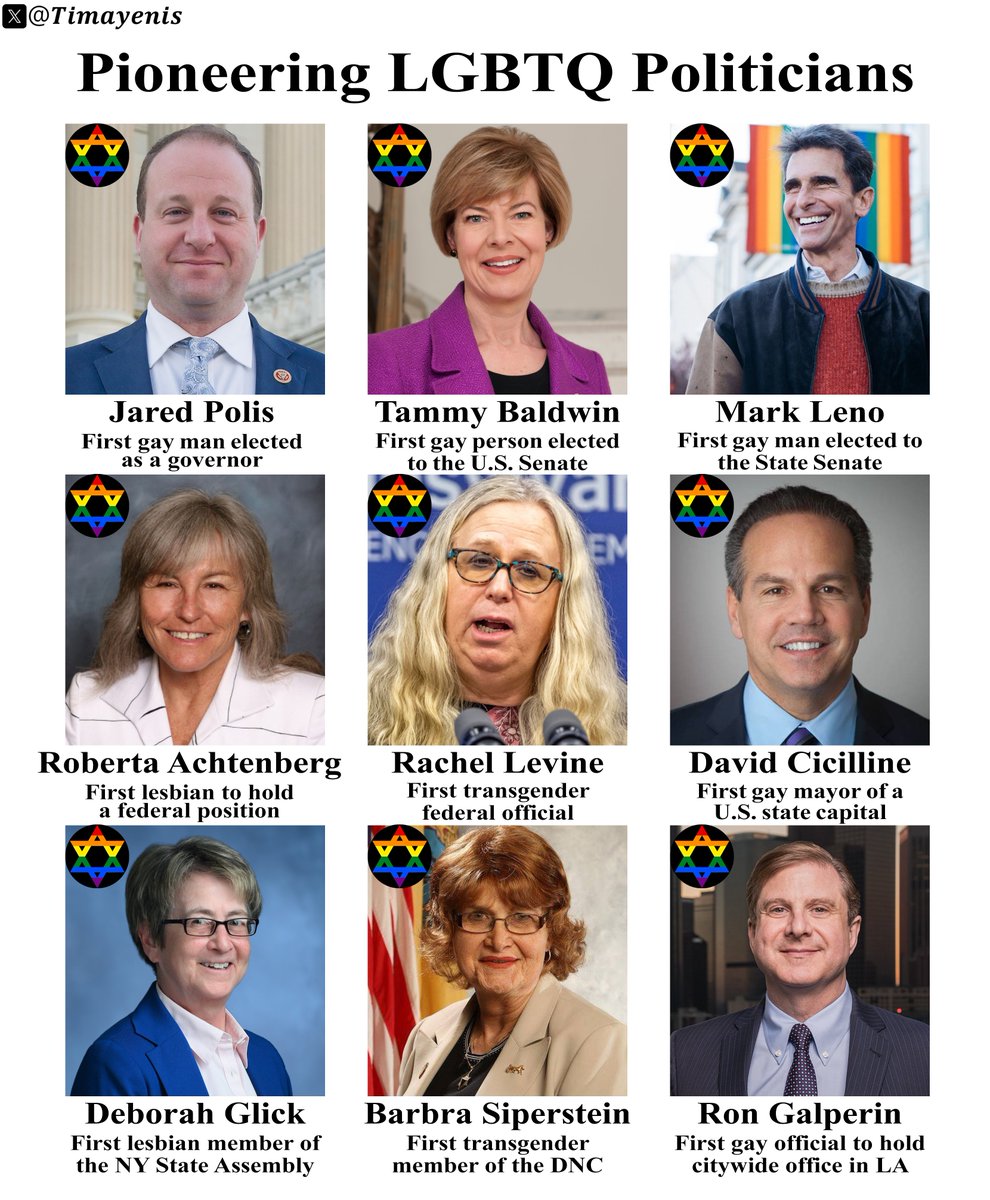
There is a significant Jewish overrepresentation among the pioneering LGBTQ politicians. Through these positions, the biggest legislative changes for LGBTQ issues have been made, such as the legalization of gay marriage, of sex-change surgery, and of same-sex adoption.
A perfect example of Jewish political influence on LGBTQ issues is Scott Wiener, a Jewish member of the California Senate, who sponsored two pieces of legislation that resulted in harsher penalties for “pronoun violations” than for knowingly spreading HIV.

The founder and CEO of the first and largest LGBTQ dating app is Israeli-American tech entrepreneur, Joel Simkhai. Simkhai's innovation significantly impacted the way LGBTQ people meet and interact, making him a key figure in modern “Queer Culture”.

There is an enormous Jewish overrepresentation among the most prominent Drag Queens. Harris Kornstein, better known as “Lil Miss Hot Mess” is a main organizer of Drag Queen Story Hour and has authored two children’s books about Drag.

The main reason why most companies in the West promote LGBTQ and Diversity is the ESG criteria imposed by major investment management firms like BlackRock, whose founders are all of Jewish descent.

What’s the reason behind this huge Jewish overrepresentation? Journalist Charles Silberman argues that Jews support cultural tolerance, including gay rights, because they believe Jews are safer in a society that accepts diverse attitudes, behaviors, and ethnic groups.

Another explanation for the enormous Jewish overrepresentation in the LGBTQ movement is the modern interpretation of the Mishnaic and Talmudic concept of “Tikkun Olam” which refers to various forms of action intended to repair and improve the world.

✡︎🏳️🌈 Jews and the LGBTQ Movement - A Religious Duty