
Da Vinci's Last Supper is a keystone of Christian art. It inspired centuries of awe and speculation — over its subtle symbols and concealed messages. But there's something hidden that nearly everyone overlooks... (thread) 🧵

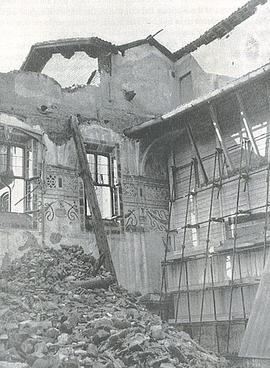
Many aren't aware it's a mural, painted on the wall of a church refectory in Milan. It's survival today is a miracle — it came inches from destruction in WW2, and has faded so much that monks once felt happy to knock through Christ's feet for a new doorway.

But what makes it such a masterpiece? Unlike most paintings of the Last Supper, Leonardo decided against a calm dispensing of bread and wine. Instead, the Apostles reel in shock at Christ's announcement: "One of you will betray me"...
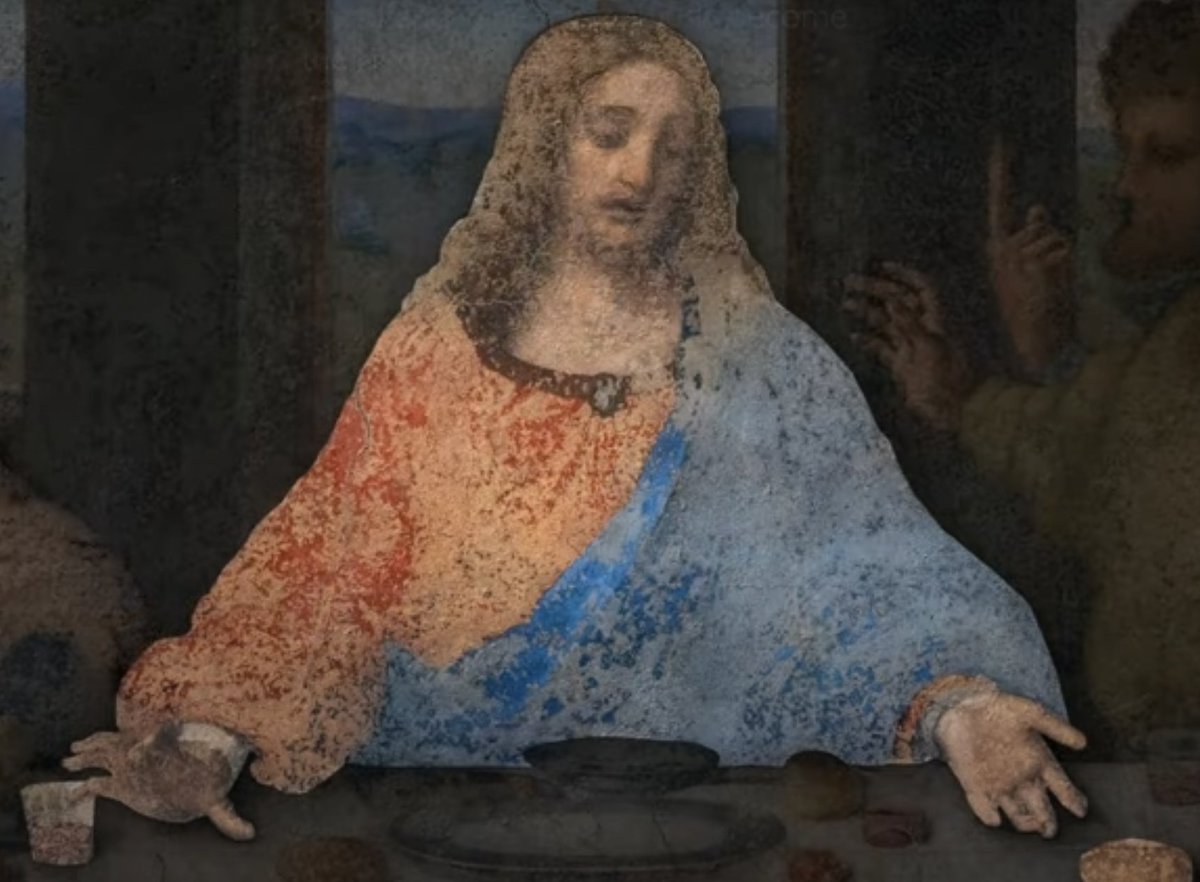
It's the complexity and symbolism woven in that has had people speculating ever since. And as ever with Leonardo, nothing is accidental. For one, Christ's posture forms a triangle, symbolic of the Holy Trinity — as he reaches for the bread and wine of the Eucharist.
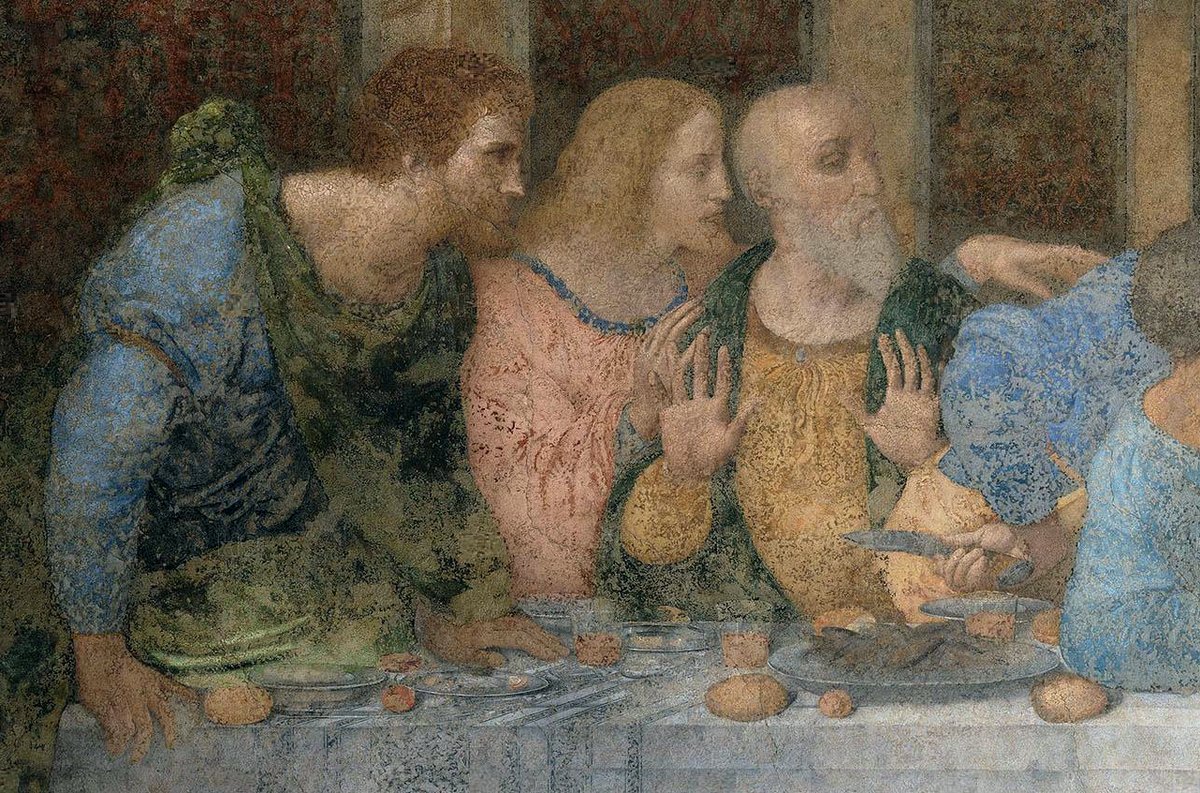
Then there are the fascinating reactions of each Apostle. Saint Peter clutches a knife: foreshadowing the demise of Judas, and that Peter will himself attempt to save Christ by slashing the ear of Malchus during his arrest.
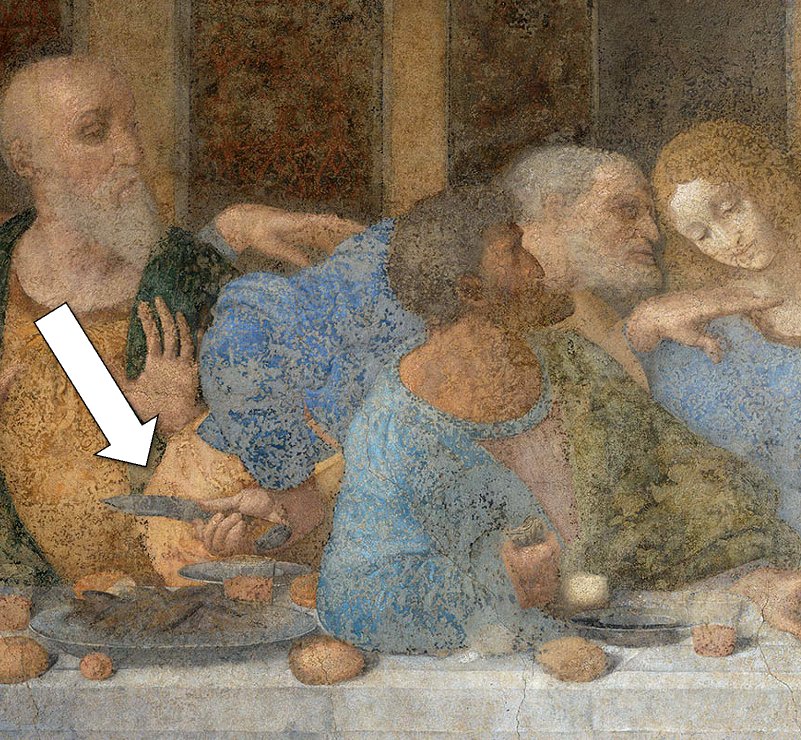
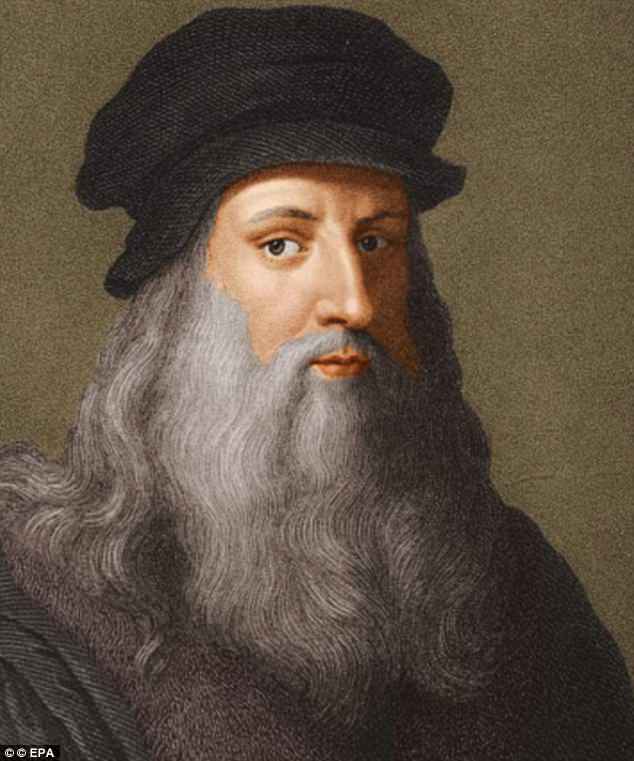
Or Saint Thomas, whose finger is raised curiously in the air. He's the one who demanded proof of Christ's resurrection by placing a finger into his wounds. Some say it's a self-portrait of Leonardo — possibly a skeptic himself...

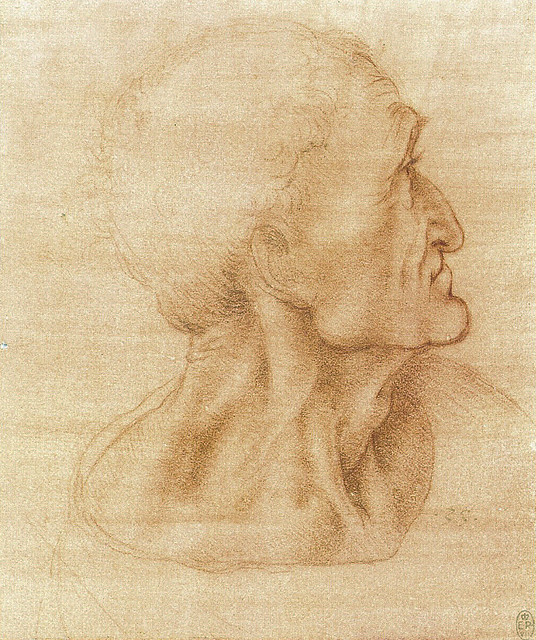
And of course, the traitor Judas is cast in shadow. He clutches the silver he was paid to betray Christ, and knocks over a salt container — a symbol of his broken covenant with God. Leonardo took great care to make him the ugliest person in the room...
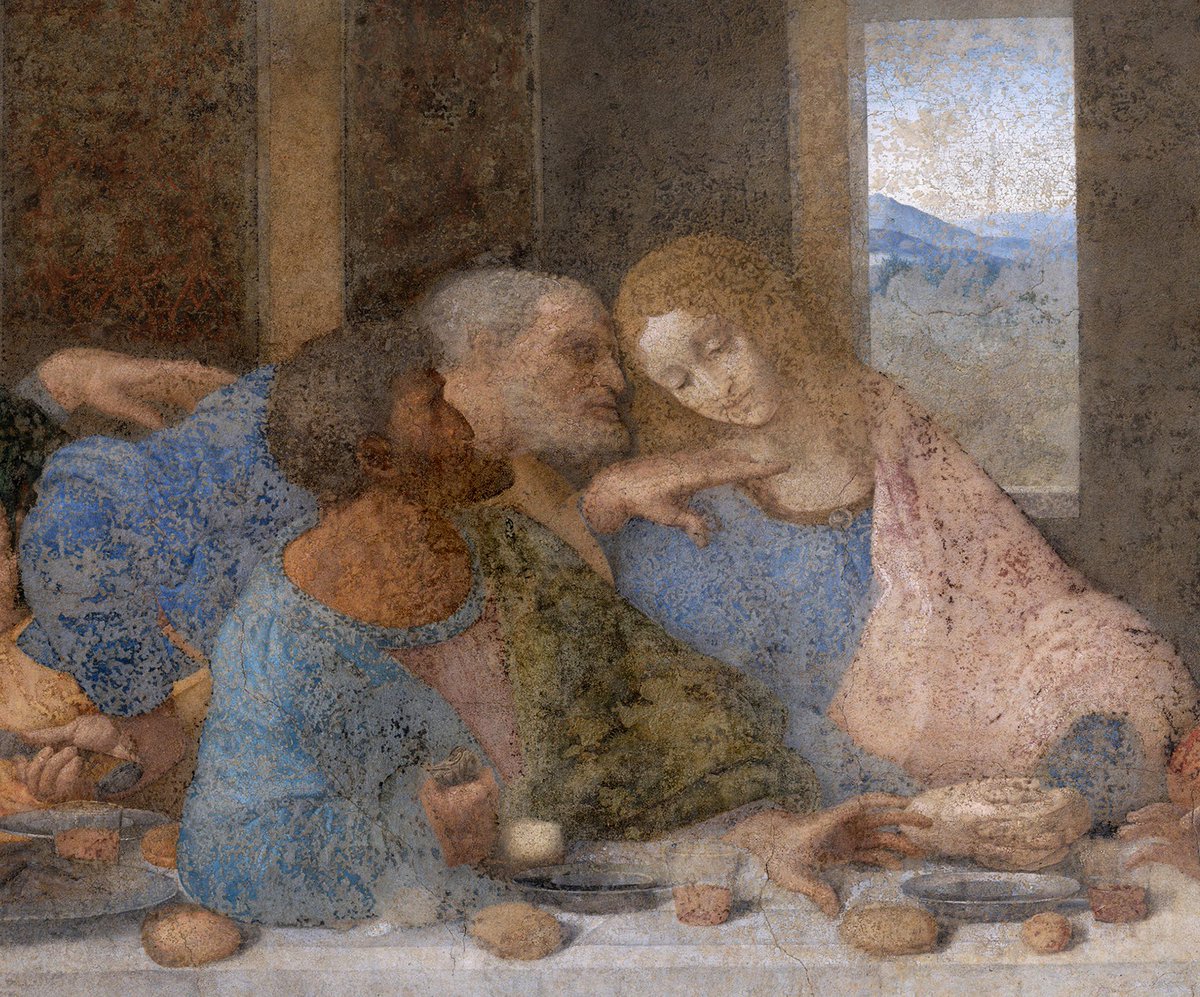
Beyond the more obvious hints, there are too many alternative theories about the painting to count. The biggest of all is this: Who is the woman next to Christ?
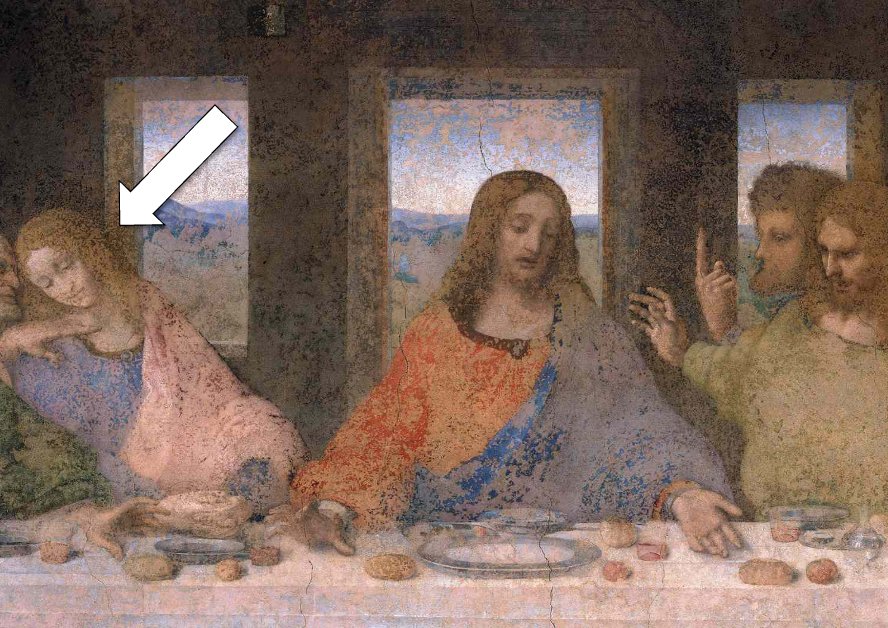
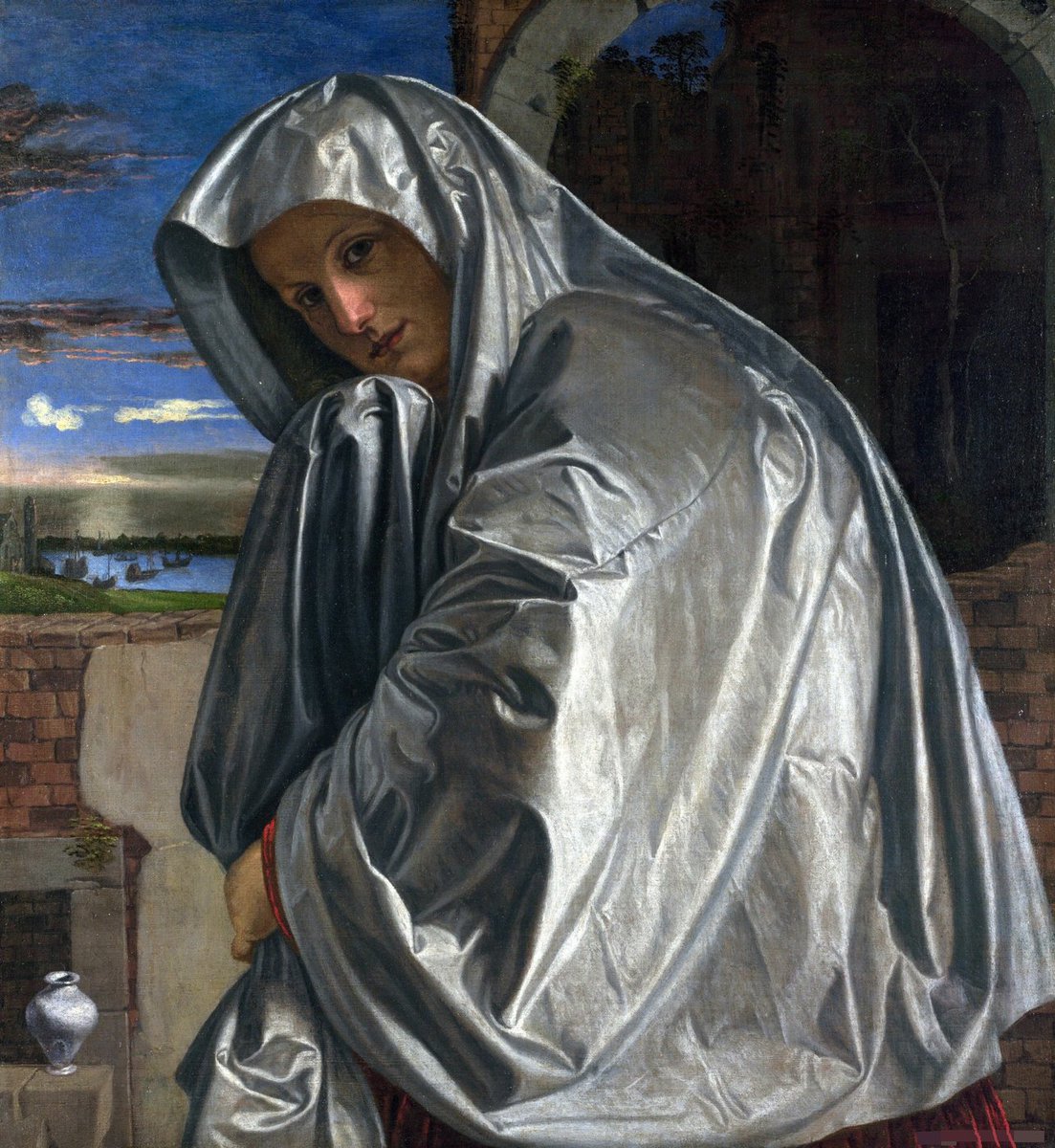
The supposition of Dan Brown's Da Vinci Code (and other writings) is that it's Mary Magdalene. The only person present at both Christ's crucifixion and burial — but about whom little is known. Did Leonardo seat her right next to Christ?
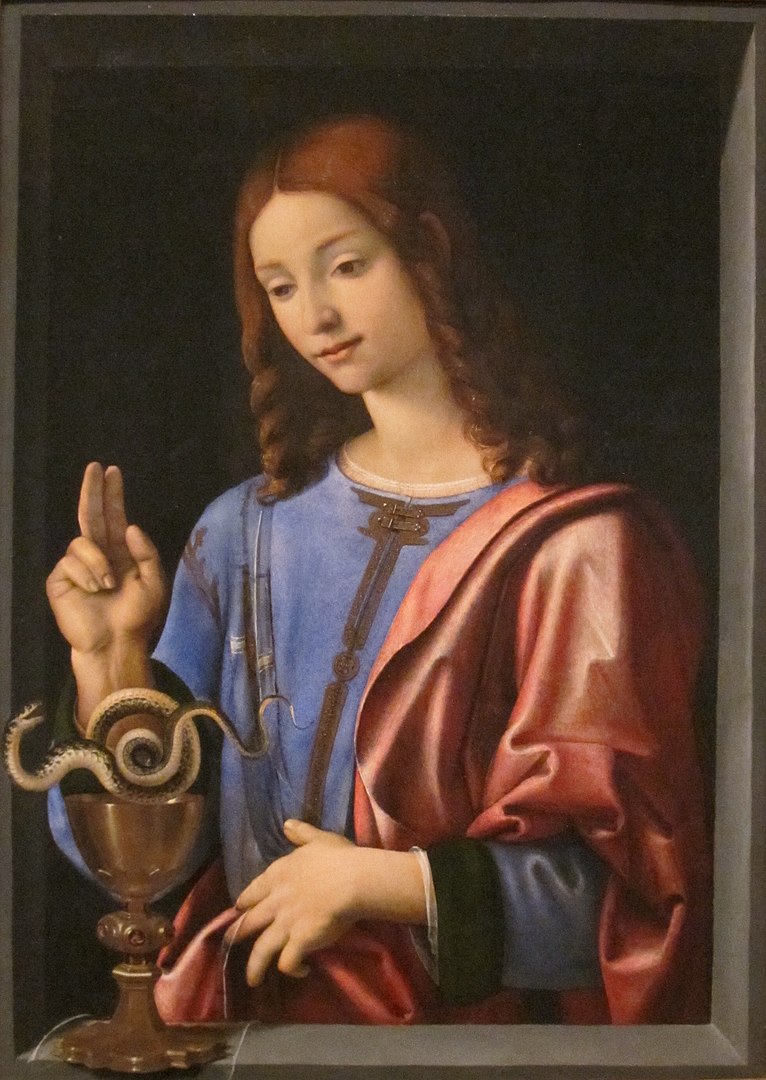
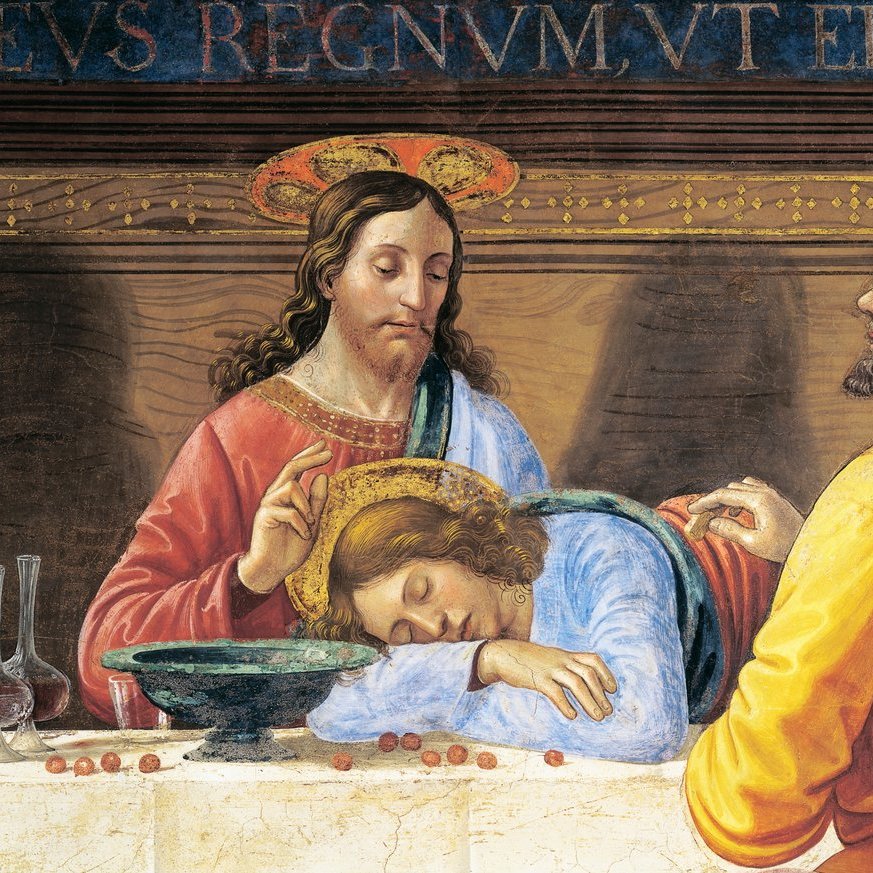
Maybe, but there's a much more likely explanation: this is simply Saint John. It was common to depict John as feminine, reflecting his youth and gentle persona. Besides, would Leonardo really just leave him out of the picture?
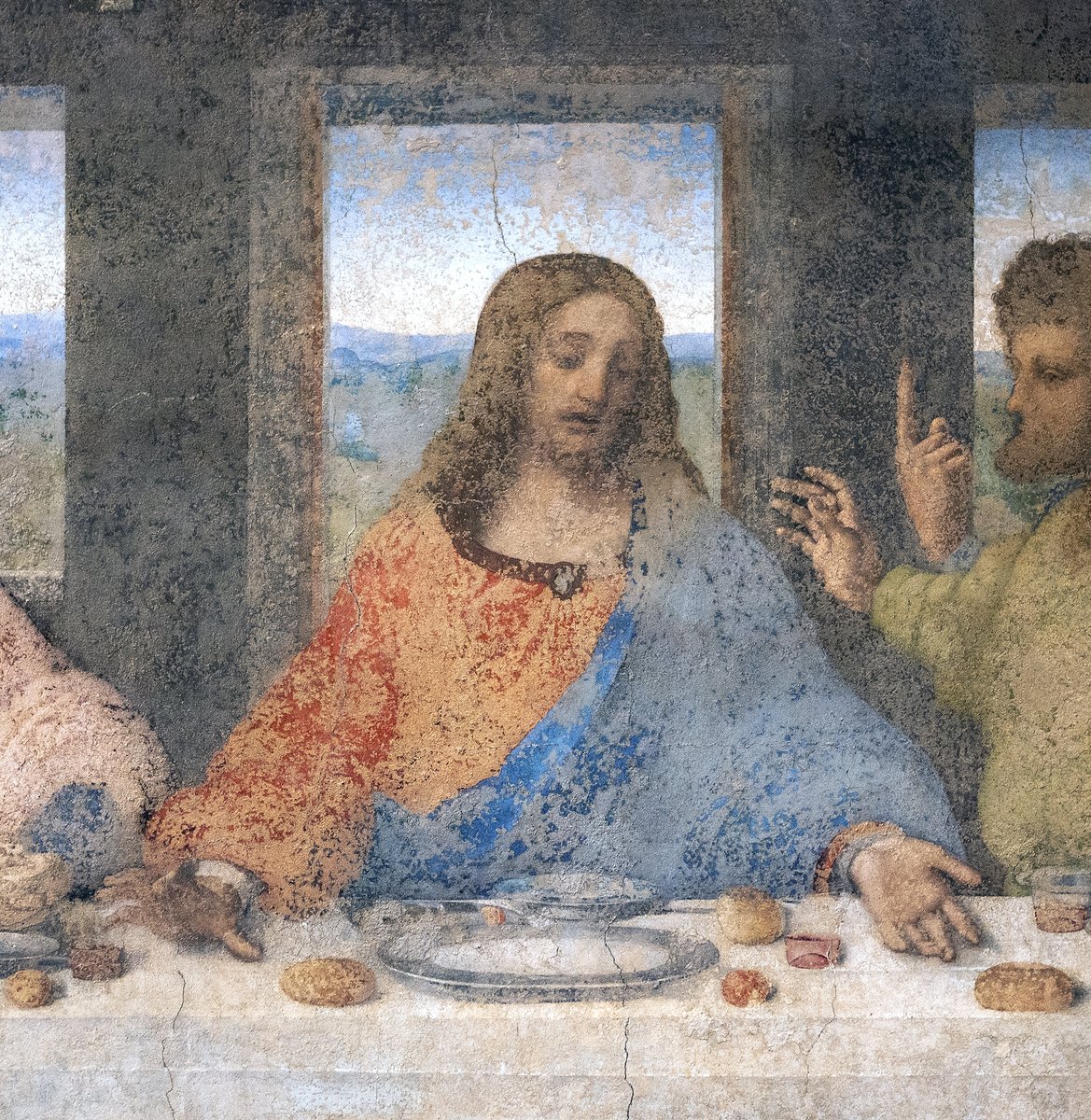
Then, some say, the lack of halos reflects Leonardo's skepticism of Christ's divinity. But Leonardo was far more profound. He brings Christ to an earthly understanding with a natural halo: framed by the window to nature behind him. Christ, God and nature are one and the same.

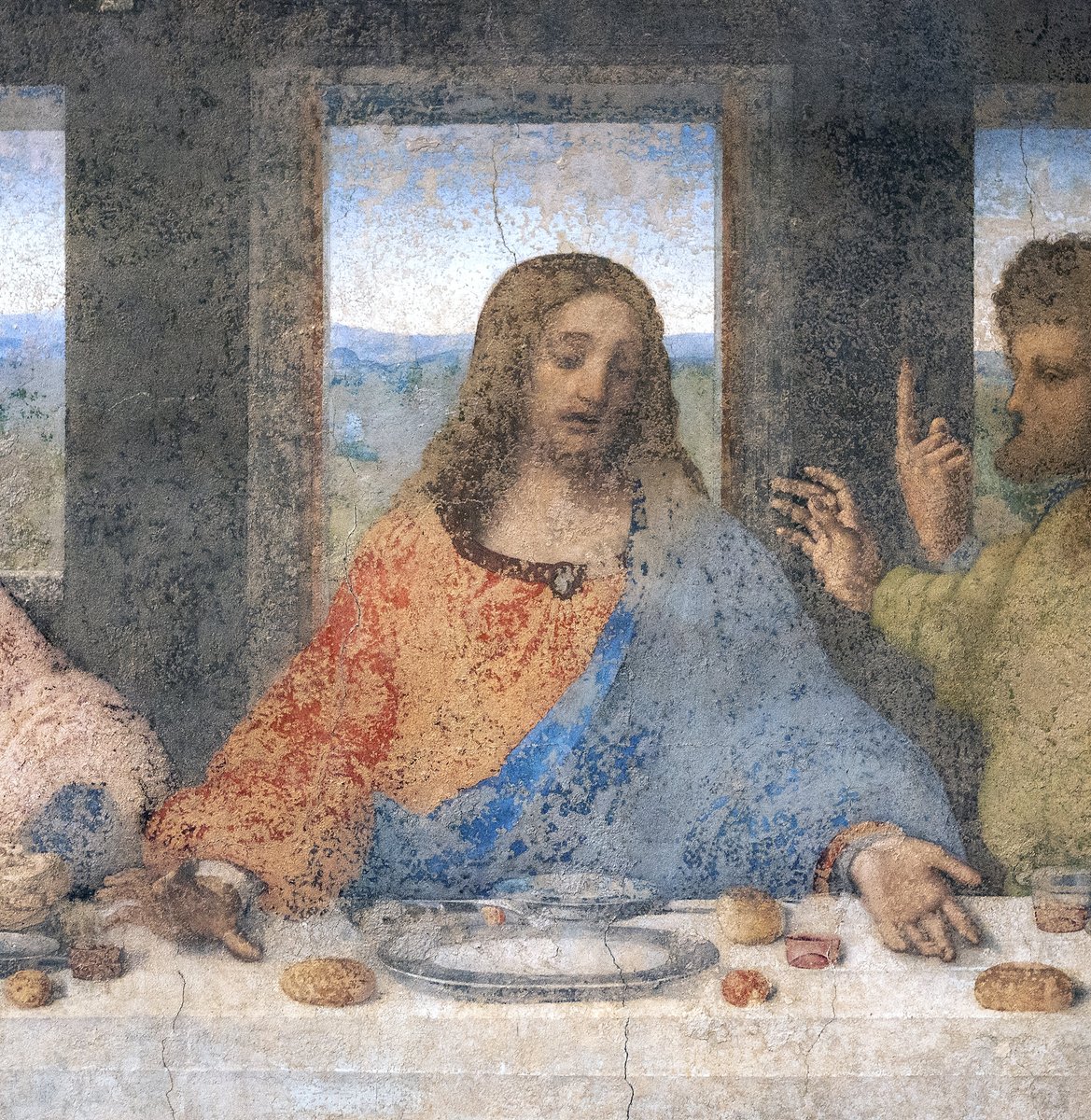
There's no mistaking Christ's divinity here. Linear perspective leads you right to him as the center of all things, and his calm expression is distinct from the others: A sense of serene perfection amidst the chaos of humanity.

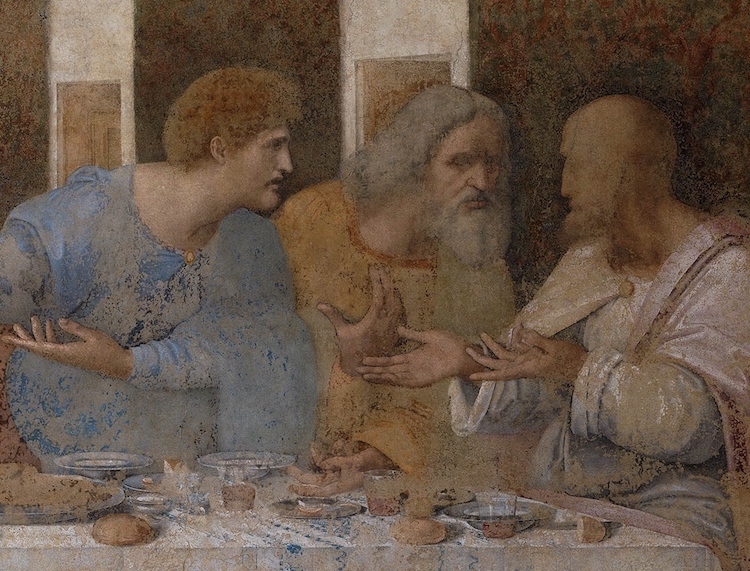
But there might be one more message in the composition. Notice the Apostles are grouped into sets of three, with Jesus alone in the center. What's the significance of that number?

Some say it points to this: Lamentations 3:31–33. "For no one is cast off by the Lord forever." Is Leonardo suggesting that although he may have had his doubts (like Saint Thomas did), that he too will ultimately see God's grace?

That's perhaps the ultimate message of Christ's serene presence at the center: forgiveness. He's saddened by Judas's treachery, but come to terms with it — and the shortcomings of human nature...
I go deeper on topics like this in my FREE newsletter — you do NOT want to miss tomorrow's email! 60,000+ people read it: art, history and culture 👇 https://www.culture-critic.com...