There is a difference between a convert Jews & ethnic Jews. Today, ethnic Jews don't exist because a period of 3000 years is enough to assimilate or outbreed. Ethnic Jews outbred other with other ethnic groups, which is a standard evolution of ethnicities with normadic tendencies
Any ethnic group that moves from place to place can outbreed or outcross with foreign ethnicities, affecting their phenotypic and genotypic invariability. Ethnic Jews have been outbreeding for over 3000 years.
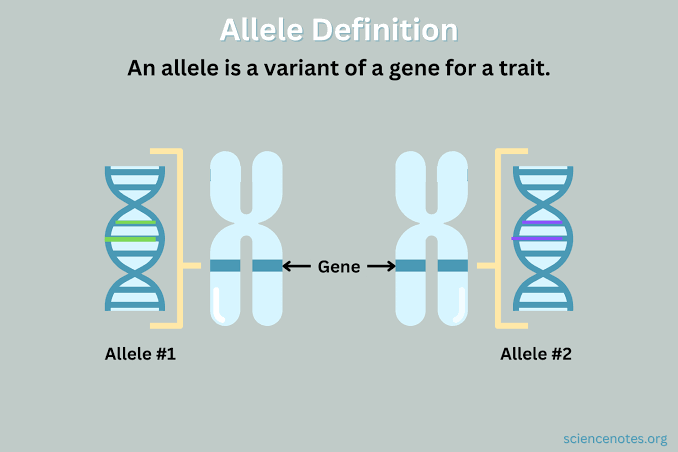
Outbreeding leads to the inheritance of foreign alleles, which leads to something called polymorphism.

To avoid confusion, let me explain this step by step: The software or the engine of life is DNA. But DNA is a molecule with two strands that coil around each other. In the picture attached, the red and blue are the two strands I am talking about, depicting the structure of DNA

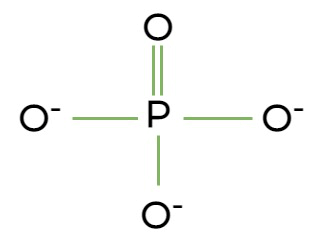
Each strand is composed of smaller units called nucleotides. Each nucleotide includes: 1. Phosphate group ----- The Phosphate group connects to the sugar molecules through bonding, leading to the strong sugar-phosphate backbone

The phosphate group is a functional group that consists 4 oxygen atoms and a single-atom phosphorus. It's derived from foods we eat that are rich in phosphate-related compounds like phosphoric acid. Such foods include, milk, meat, whole grains, nuts and more.
The process of digestion has all the necessary logic in processing the preliminary stages needed to derive phosphoric compounds crucial for various biochemical processes and the DNA structuring.
3. Deoxyribose sugar ---- This is a biochemical compound with 5 carbon atoms, 10 hydrogen atoms and 4 oxygen atoms.
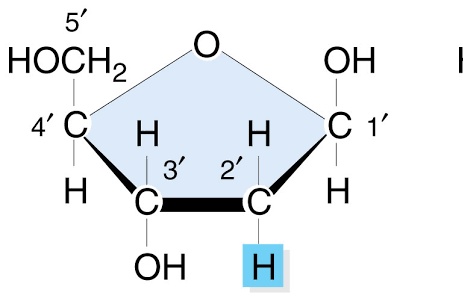
Deoxyribose sugar is also derived from dietary sources with the process of digestion doing the preliminary processing through enzymatic activities. For example, glucose is converted into ribose, which could eventually lead to deoxyribose derivation.
3. Nitrogenous Bases (A, T, C, G) --- These are biological compounds that contain nitrogen. They can form the nucleosides in the absence of the phosphate group. Once the phosphate group is present, they lead to the formation of nucleotides.
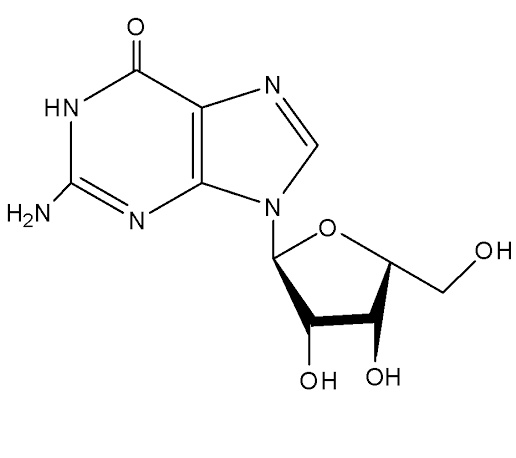
In the context of DNA, there are four nitrogenous (nucleotide) bases: -- adenine (A) -- cytosine (B) -- guanine (G) -- thymine (T) These bases are derived from dietary sources with the digestion as the core preliminary processing stage through enzymatic activity logic.
For example, a process called purine biosynthesis could assemble the purine ring from molecular compounds like amino acids, which leads to the derivation of nitrogenous bases like adenine and guanine.
On the other hand, the pyrimidine biosynthesis forms the pyrimidine ring from sources like carbonyl phosphate and aspartate, which leads to the derivation of thymine and cytosine nitrogenous bases.
Now, each of these bases can form a pair known as the base pair. A base pair is when two nitrogenous bases are bound to one another by the hydrogen bond.

For example, guanine (G) pairs with cytosine (C) and adenine (A) pairs with thymine (T).

The nitrogenous base pairing allows the DNA helix to maintain a regular helical structure that is subtly dependent on its nucleotide sequence.

THE ENCODING OF THE GENETIC INFORMATION. Genetic information is the instructional logic that guides the development, growth, functioning, and reproduction in living organisms like humans.
The nitrogenous bases: thymine, adenine, cytosine and guanine carry the encoded the genetic information within the DNA structure. The pairing of these bases is critical for information redundancy purposes.
Genetic information like traits (eye color, blood type and susceptibility to disease, etc) are encoded and packaged as genes. Each gene is made up of nucleotides, containing the four nitrogenous bases: thymine, adenine, cytosine and guanine

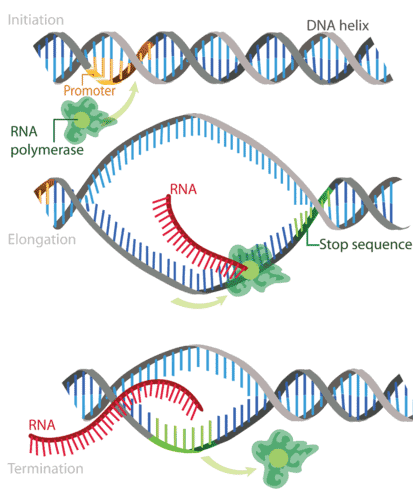
THE DECODING OF THE GENETIC INFORMATION The decoding process of the genetic information starts with translating the sequence of bases into amino Acids, which are further translated into proteins.

Technically, the decoding process involves stages like mRNA transcription, maturity and transportation to the cytoplasm for protein synthesis ( see the image above).
GENETIC INHERITANCE IN HUMANS --- A set of genetic material in our body is packaged as a genome & includes DNA (genes & non-coding sequences). The size of genome is measured in base pairs for example, it has been established that a human genome has roughly 3 billion base pairs

Before you understand how the inheritance happens, you need to first understand something called cells. A cell is a basic unit of life.

One of the most important parts of the cell is the nucleus, which contains all gnome nuclear DNA, found in multiple chromosomes. This means that the DNA structure is part of the chromosomes. And chromosomes are part of the nucleus. Nucleus is part of the cell.

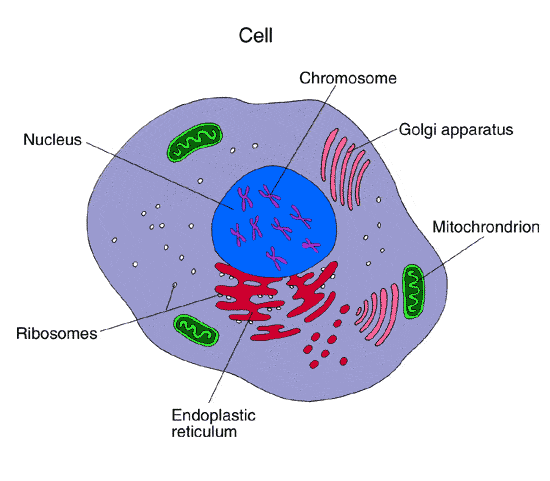

But also, proteinous organelles like ribosomes are part of the nucleus. In this context, ribosomes perform functions like performing protein synthesis through the translation of messenger RNA (mRNA). This way the encoded genetic information is decoded
How are genetic traits transferred to the next offspring? A cell is the core structure that houses, the nucleus, chromosomes, DNA ribosomes and

Genetic traits are transferred through reproduction in humans. During reproduction, specialized cells called gametes are formed when male sperms and female eggs come into contact
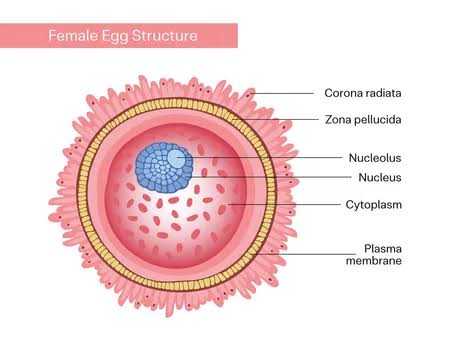
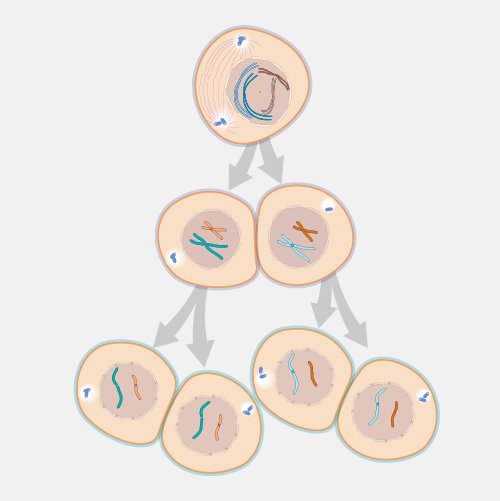
The formation of the gamete is possible because of a process called meiosis, which involves cell division. So the hyploid cells have the copies of the necessary chromosomes of the male (xy) and female (xx), creating a zygote, which is a cell with two copies of each chromosome.

THE BASICS OF ANCESTRY DNA Within the mainstream scientific community, they categorise various people by establishing their associated haplogroup. A haplogroup is a group of hyplotypes.

However, a hyplotype is of gene variants called alleles that originate from a single parent. Alleles are variant forms of genes.

For example, a gene for an eye color might have different alleles for blue, brown or green.