
Contrary to what you might believe, Humans have lived in the Siberian Arctic since almost 50.000 years, starting with the IUP and then the Gravettian/MUP. Interrupted by the Late Glacial Maximum, but then Recolonized after 20.000bp by ANE and East Asians.
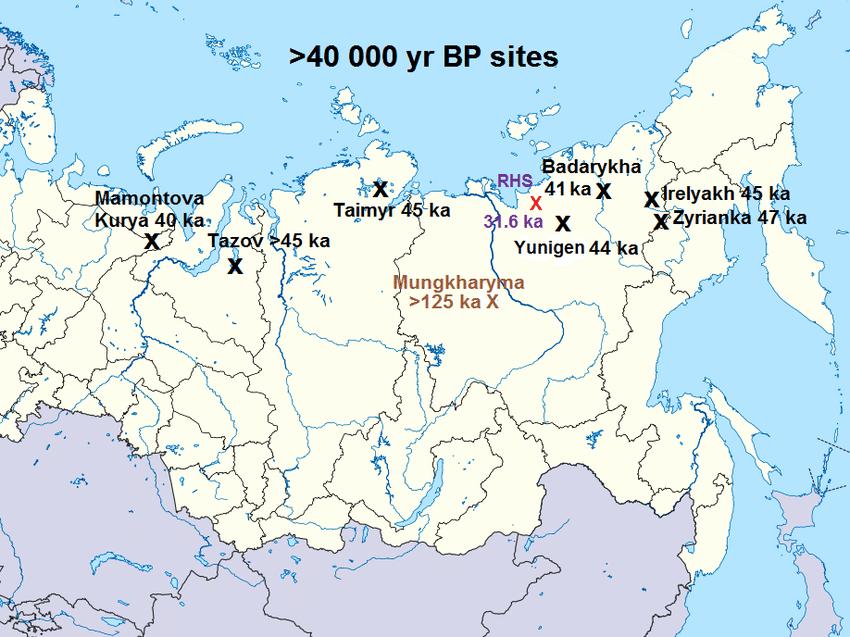
The arctic was a very desirable enviroment where, through hunting the Megafauna such as Mammoths and Wooly Rhinoceros, you could keep a large population of hunters satiated with relatively little effort.
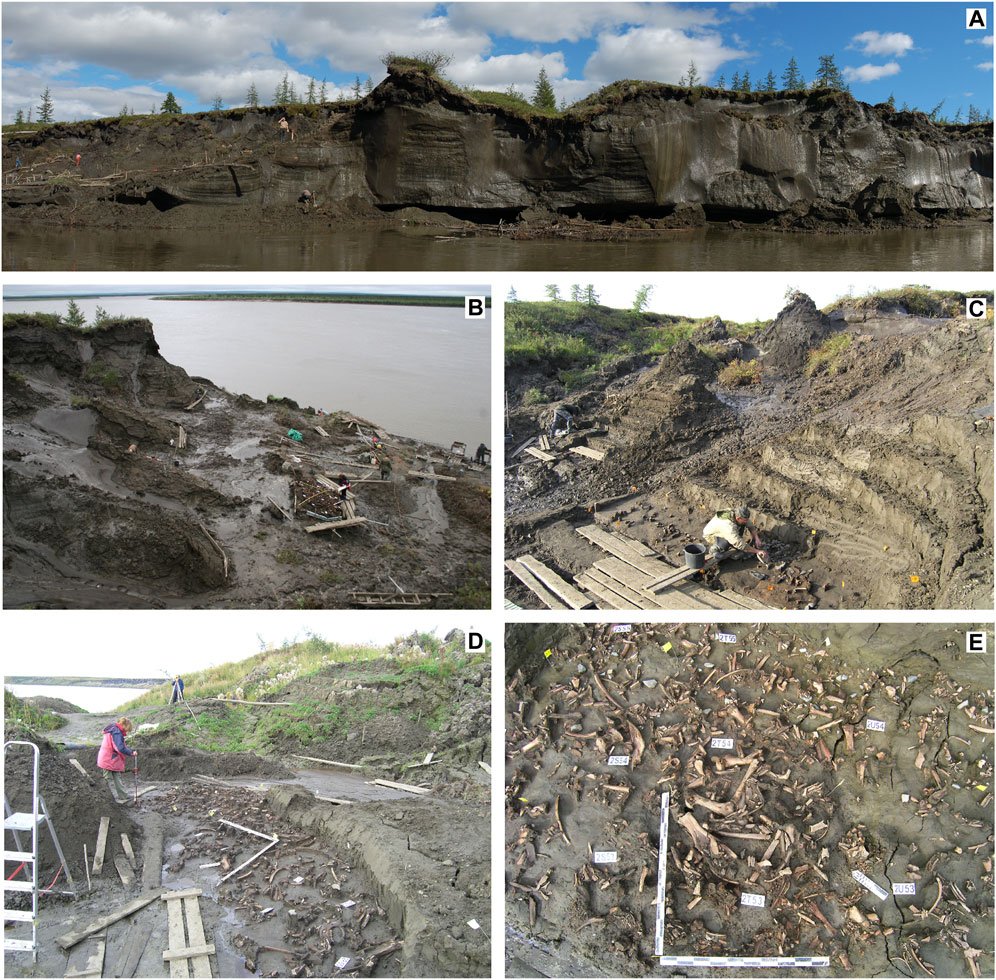
An obvious highlight is the Yana Rhinoceros Horn Site (Yana RHS), where the bones of large variety of now extinct megafauna were found in a human settlement, and nearby over 1000 mammoth bones in the Yana Mass Accumulation of Mammoth site (YMAM)
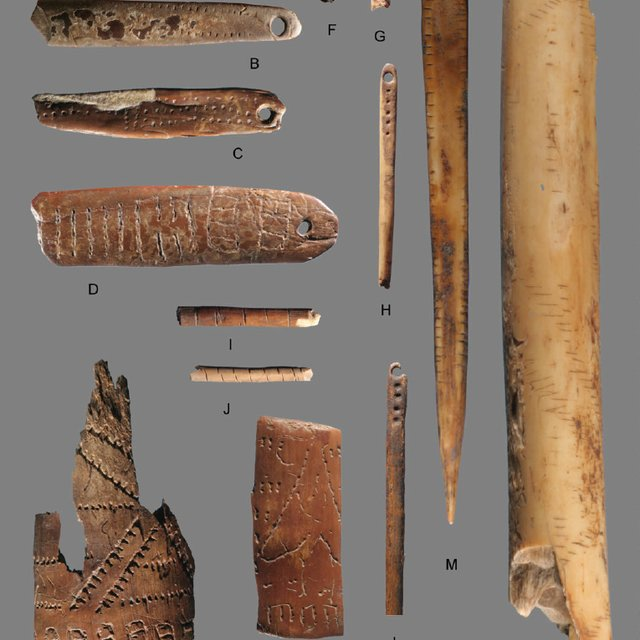
The people at the Yana Sites made Personam Ornaments out of Mammoth ivory, and a peculiar type of Tally marking on the Mammoth tusks, a practice which has close paralells in Eastern Europe.

Not only that, but Human Remains Analysed from the Yana RHS site were primarily of WESTERN EURASIAN Ancestry! Closely related to the later Mal'ta-Buret-Achinskaya culture and the earlier Kostenki and Sunghir clusters in Europe, Associated with the Gravettian.
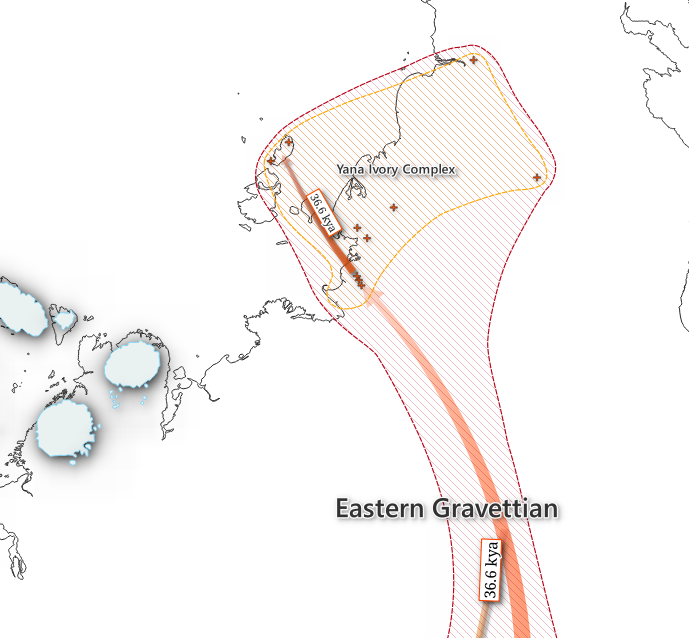
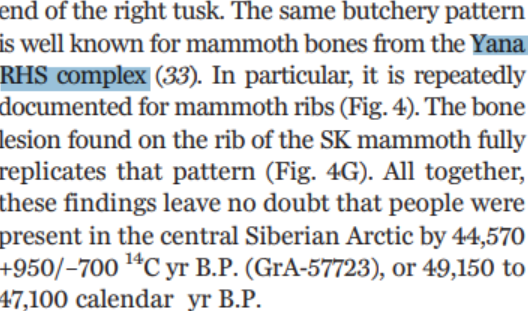
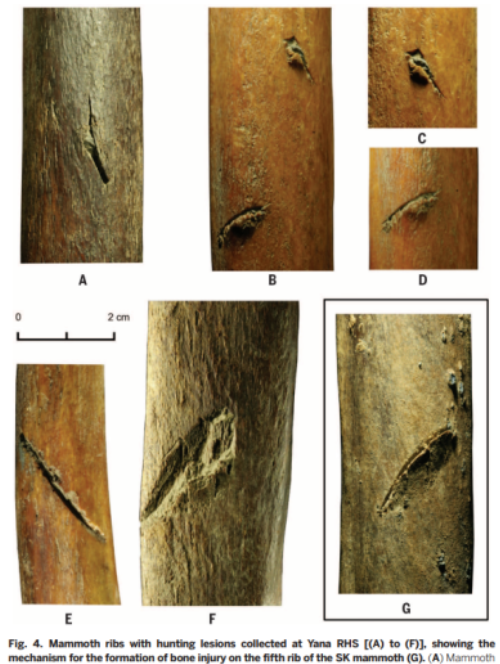
The specific type of Mammoth hunting and Ivory decoration the Yana used is also found in other nearby sites dated to the Same period (Or even earlier, to 36.600bp!)
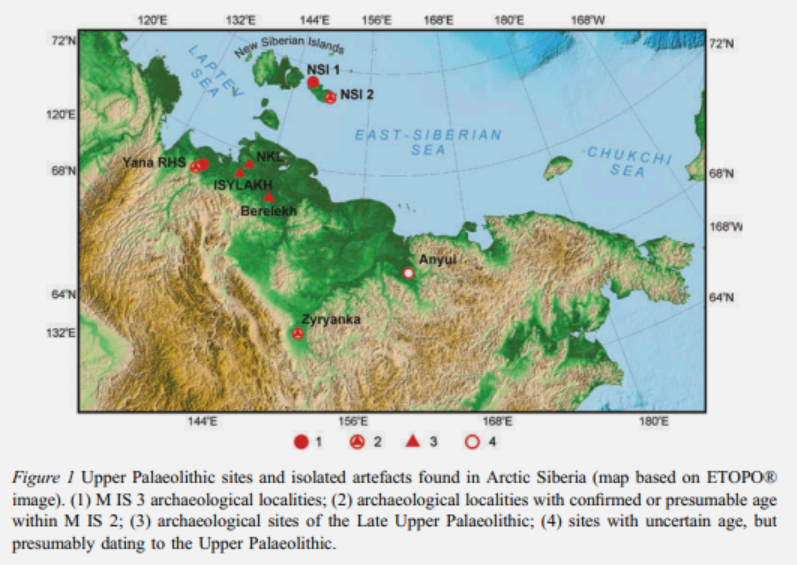
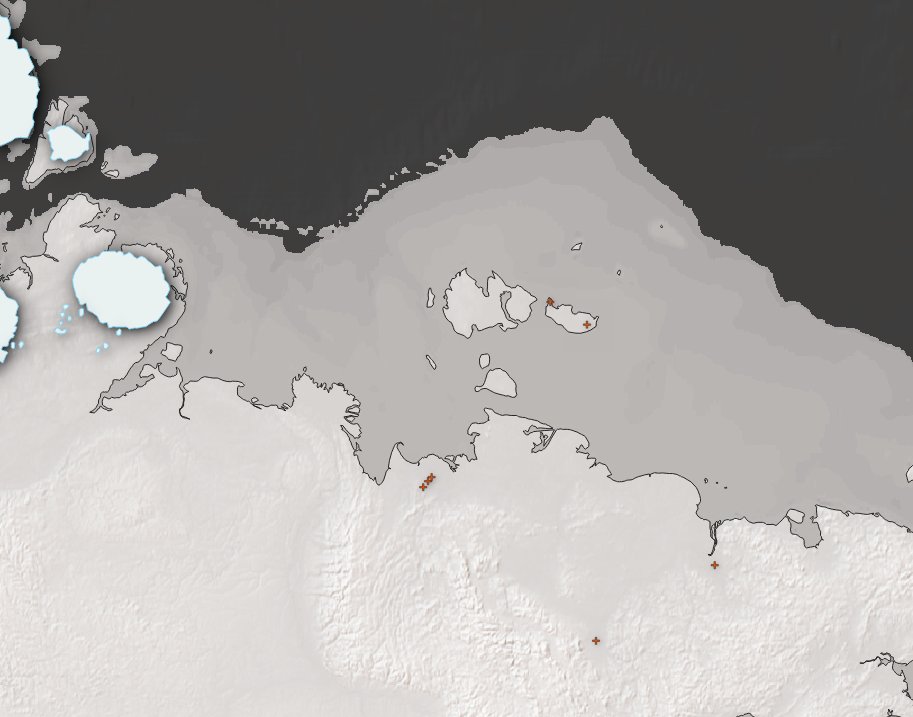
It should be noted that during this time the Arctic Coastline was much further north, Yana and related finds partially covering an area connecting America and Beringia dubbed as the "Great Arctic Plain", A mostly completely flat steppe-tundra enviroment perfect for Mammoth herdes
@VVeltkrieger Siberia was not covered by ice(contary to Eurpoe and NA)because its relatively arid climate
@DeusEXE1 indeed

@VVeltkrieger Unglaublich
@VVeltkrieger Come home, White Man
@VVeltkrieger I think it might be easier for them to survive winter in those conditions where meat, that could be stored in freeze, is abundant then in warmer areas, what do you think?