
Throw the goat carcass into the giant bowl, while riding a horse and beating your opponents with a whip — this is the objective of the game. Kok Boru is the national sport of Kyrgyzstan. Its violence proves why nomadic warriors once dominated the earth. A 🧵 on nomadic sports

In the days when Khans ruled and the nomads freely roamed without border, Kok Boru came into existence. As the nomads would herd their livestock through mountain passes, wolves came to kill. The nomadic herdsmen banded together to chase and vanquish the wolves with clubs.
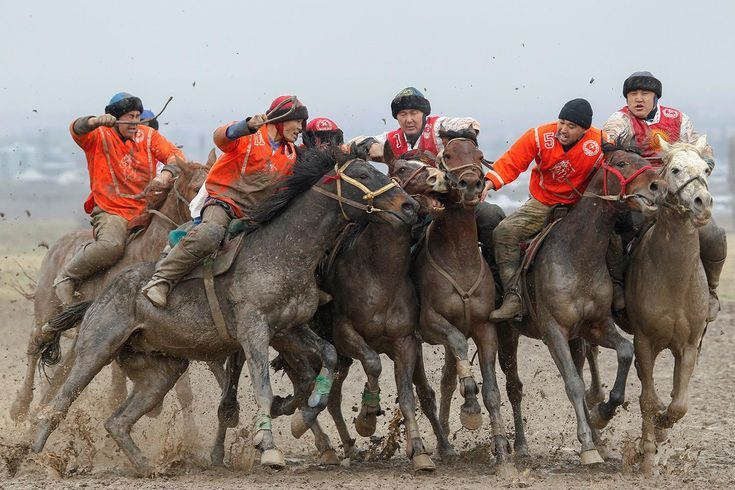
The shepherd to achieve the final blow would then reach down to pick up the carcass and hold it between the neck of the horse and his thigh. The other nomads would then chase and try to retrieve the carcass. This process evolved into a game they called Kok Boru or "gray wolf".
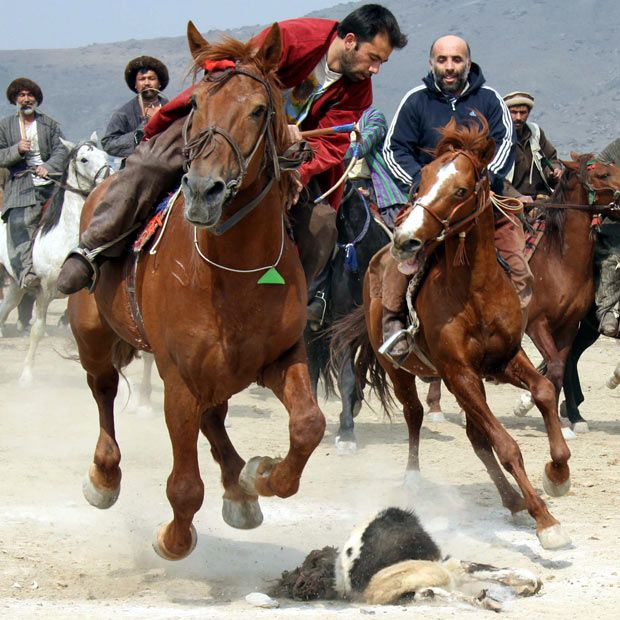
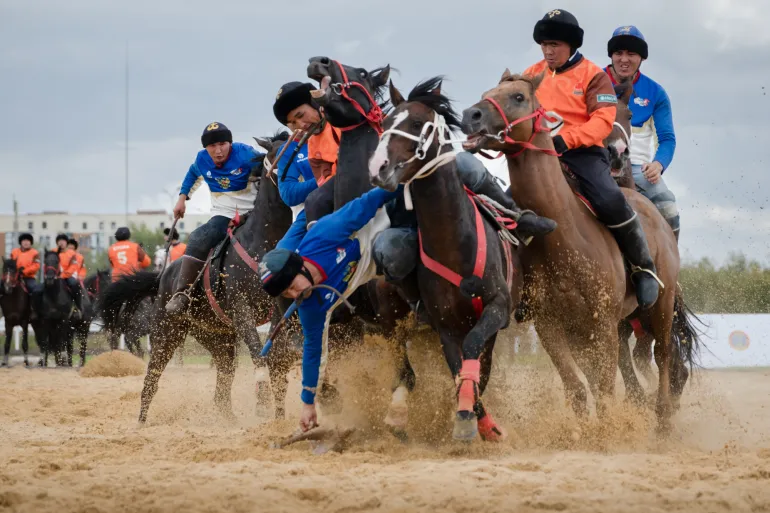
Two teams of 12 players on horseback fight for dominion of the carcass. They tightly hold whips in their mouths, as they ride, and then beat the opposing team with full force. The goal post called a “tai kazan”. It’s a round circle made of concrete, a giant bowl in appearance.
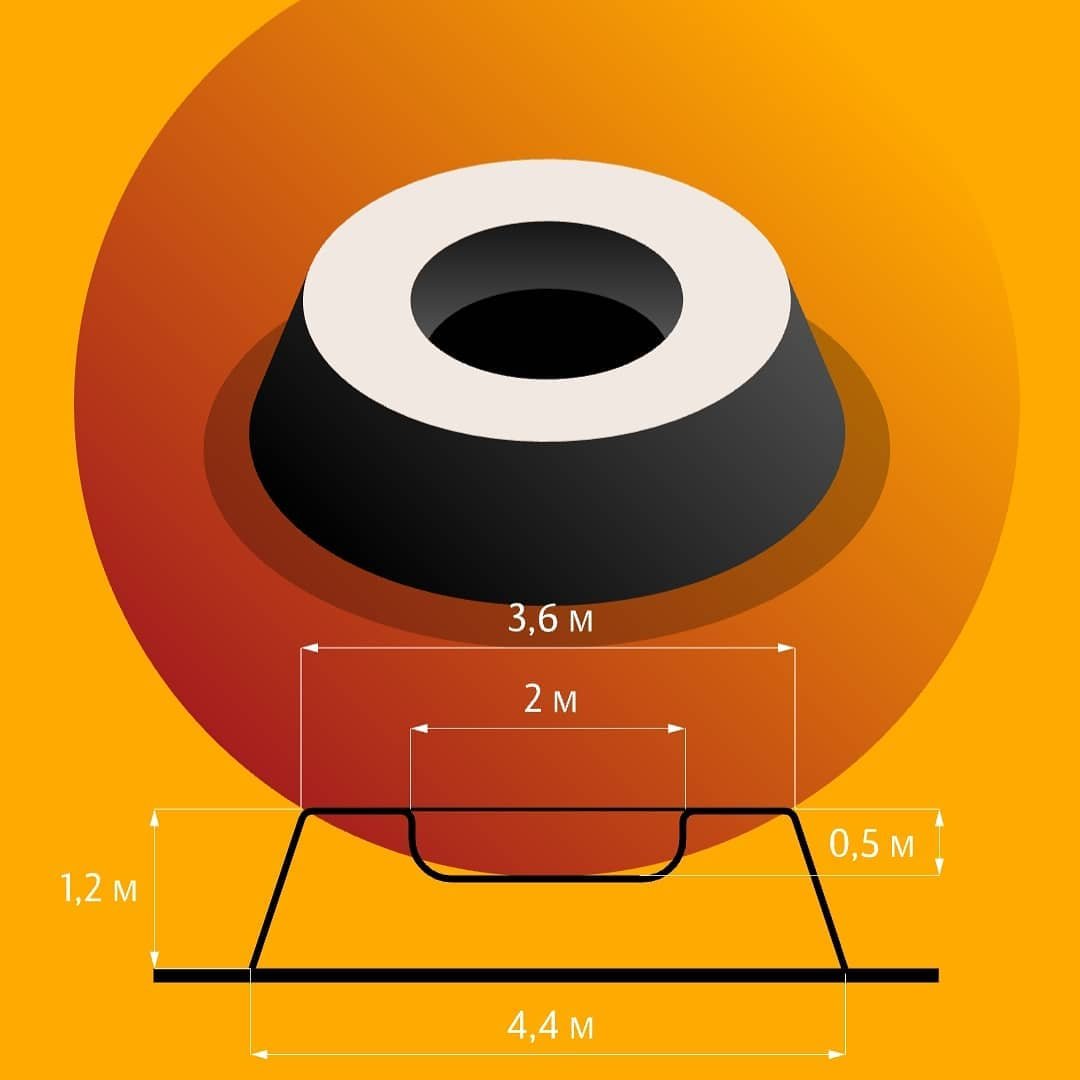
Players so passionately throw the carcass into the tai kazan that they themselves fall off the horse and dive head-first into it. In modern times, the carcass has been replaced with a gutted sheep The killing of a sheep is akin to a sacred sign of respect in Kyrgyz culture.
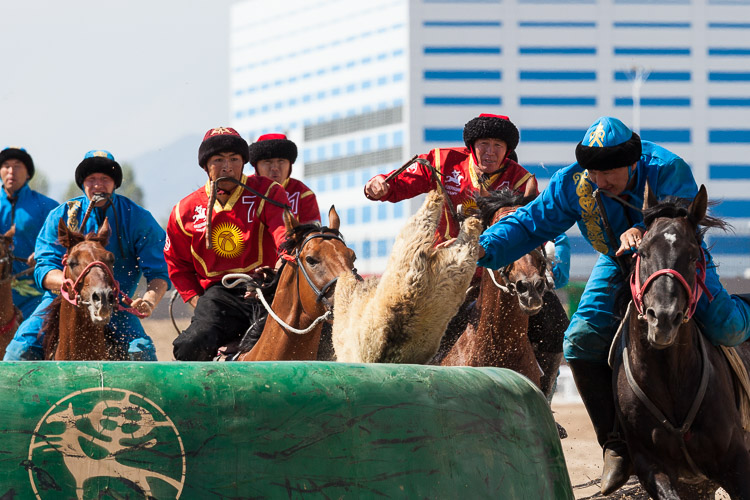
At weddings, for example, newly wed couples are gifted the brain of the sheep to consume. As devout traditionalists, the Kyrgyz exclusively use real sheep carcasses in their games. The Kazakhs, however, refuse. Instead, they use a rubber dummy that weighs roughly 20kg.
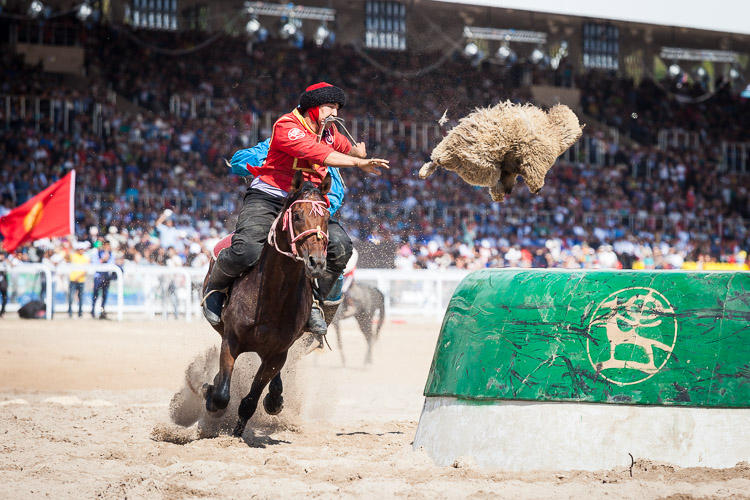
The dummy has the shape and size of a sheep, but it is certainly not a sheep. Central Asia is a battleground of ideology. The “sheep quandary” — to be modern or traditional — best represents the division between Central Asian mentalities, particularly between Kazakhs and Kyrgyz

While the modern Kyrgyz may live in a city, he does so purely out of necessity. He prefers to position himself in the great beyond of frontier lands unknown to anyone other than himself. The Kazakhs, in contrast, too often pursue progress at the behest of their unique culture.
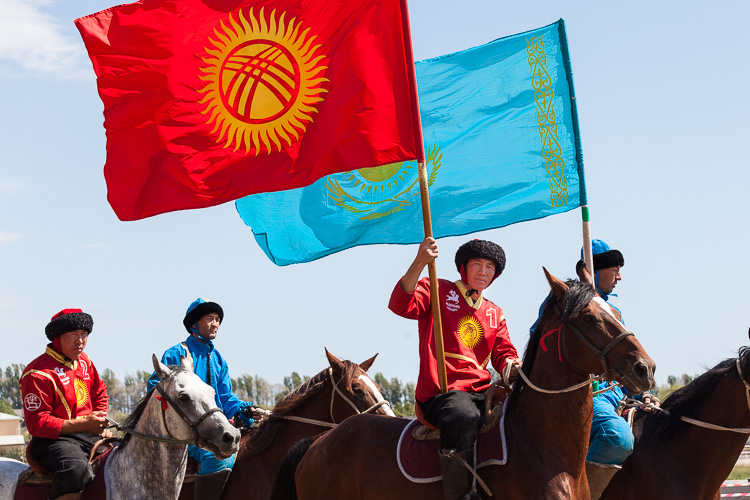
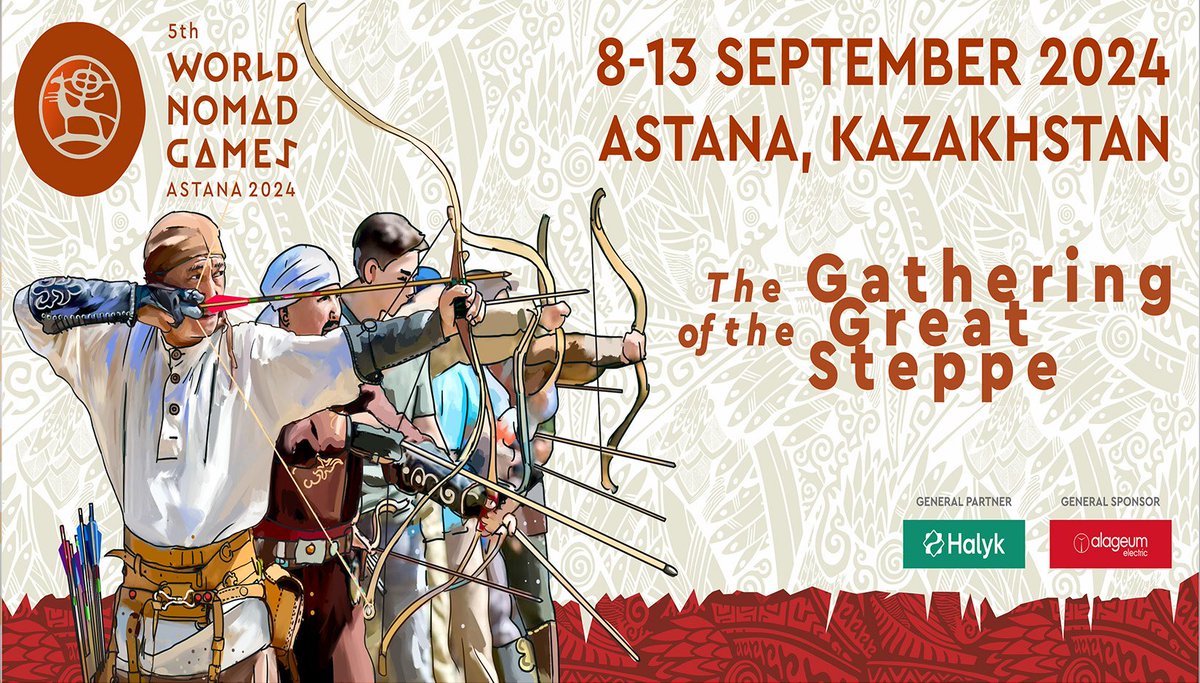
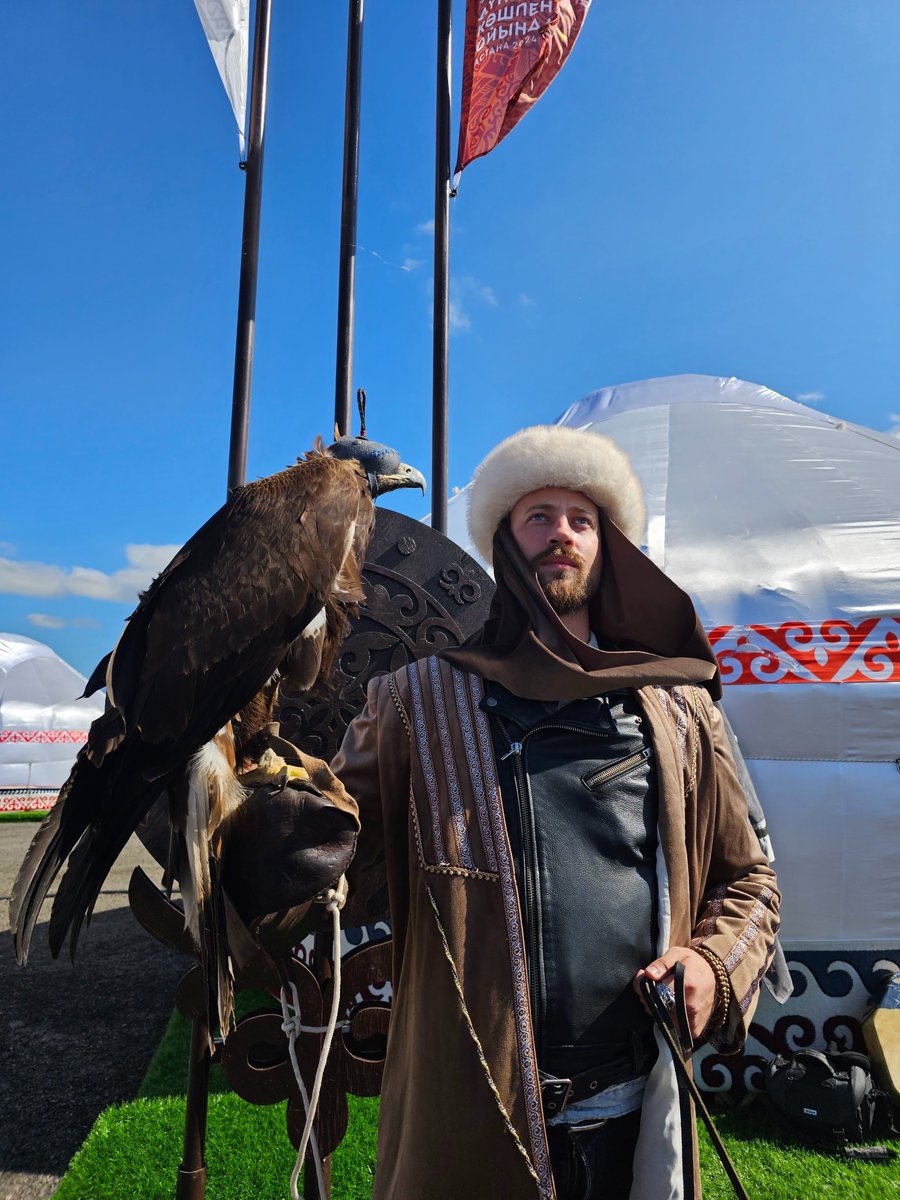
In September, I flew to the capital of Kazakhstan, to watch my first Kok Boru match at the World Nomad Games. Originally created by Kyrgyzstan in 2014, the event hosts traditional nomadic competitions, ranging from horseback wrestling, falconry, archery, and sheep bone throwing.
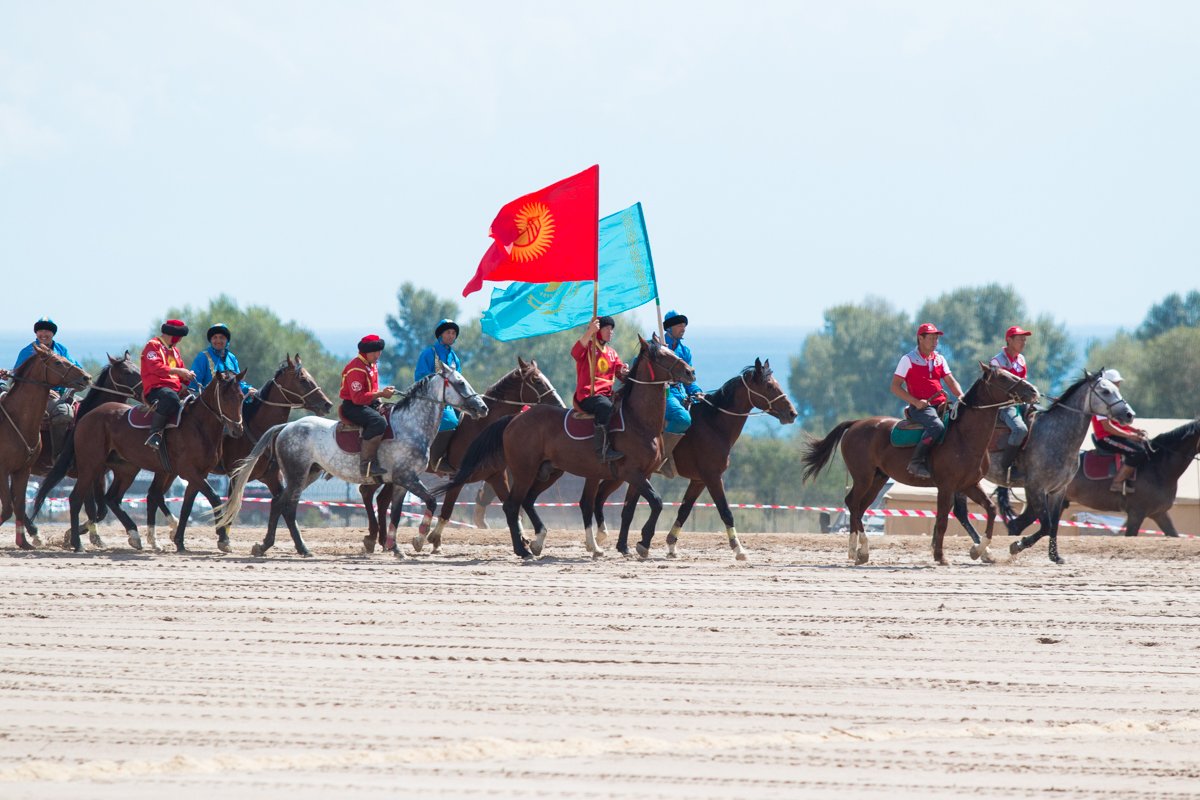
Day 1 features the Turks vs the Kazakhs. The teams of 12 march in two uniform lines that criss-cross in the center, as the crowd chants "Kazakhstan!". The Turks take to the left and the Kazakhs to the right. The sheep carcass is placed on the field and the game begins.
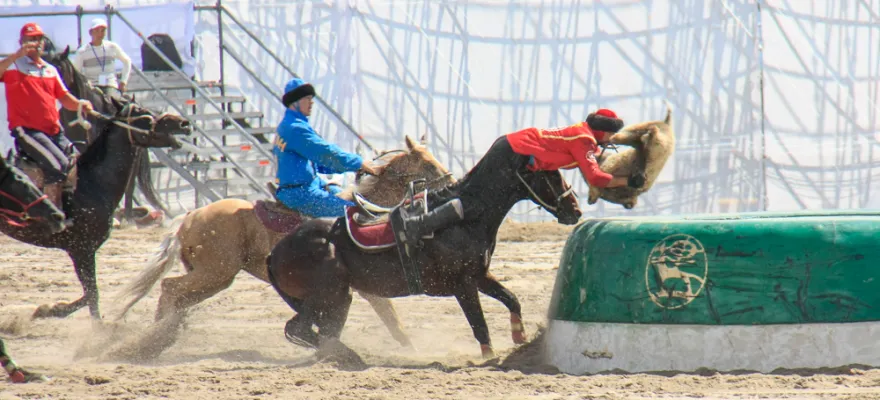
Each team selects one representative to "wrestle" the other for possession of the sheep. The players surround the two champions, as they violently whip each other and fight to pick up the carcass. With a dozen lashes firmly into the Turk, the Kazakh leader, Alma takes the ball.
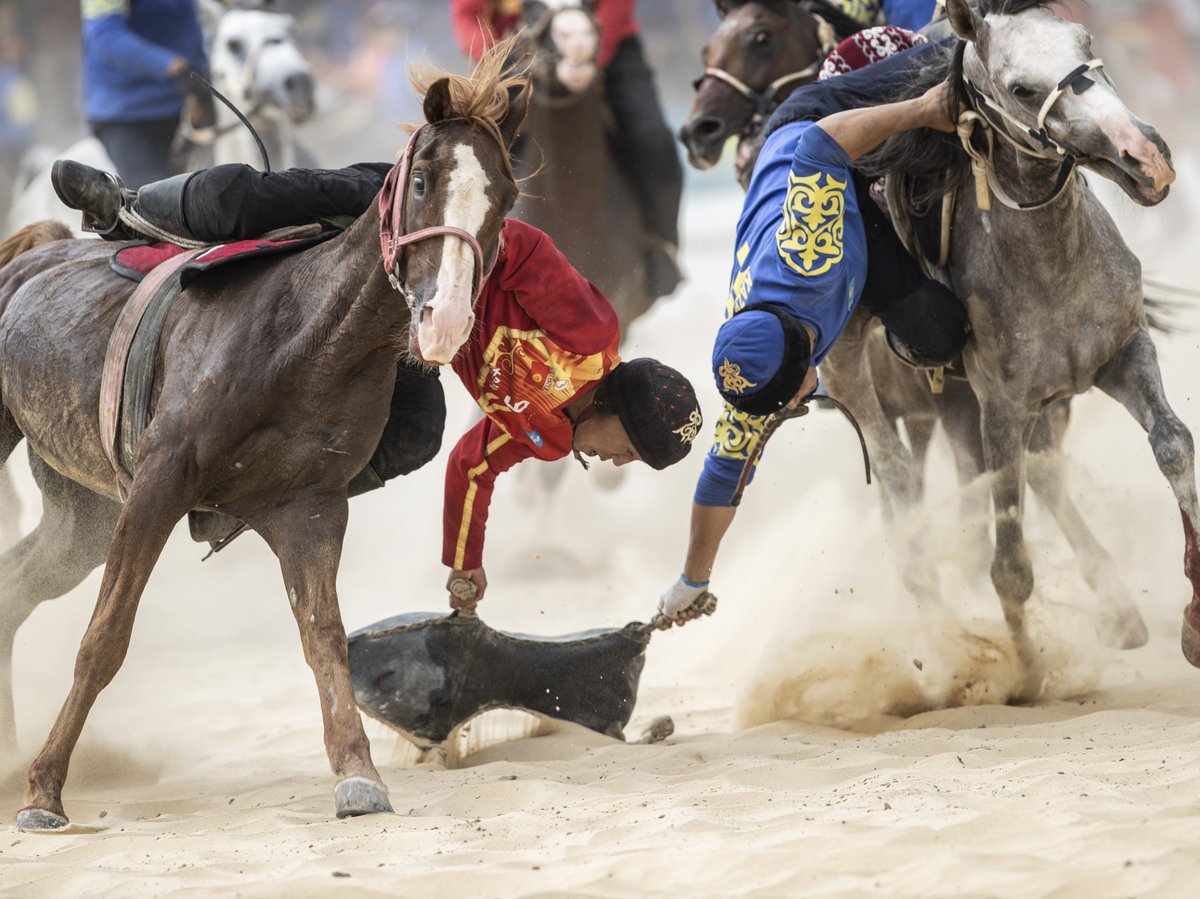
Alma gallops to the left of the field at max speed. Not a single man can touch him. He repeats this process 16 times, across a period of 30 minutes without a scratch. You may think that you’re manly, but you will never be as masculine as Alma, carrying a goat carcass to victory

The heavens opened and the god Tengri descended to bless Alma with glories beyond the reward of any mortal man. He represents an exemplary caliber of warrior known only to the steppe. Alma next faces Kyrgyzstan in the grand finals of Kok Par, the Kazakh variant of the game.

Kok Par, or "brave riders", replaces the tai kazan goals with rope circles. This is an extreme challenge. Normally riders throw the sheep into the goal at hip level or jump off their horse to dive in But now they must firmly stop their house and bend down to toss in the sheep.
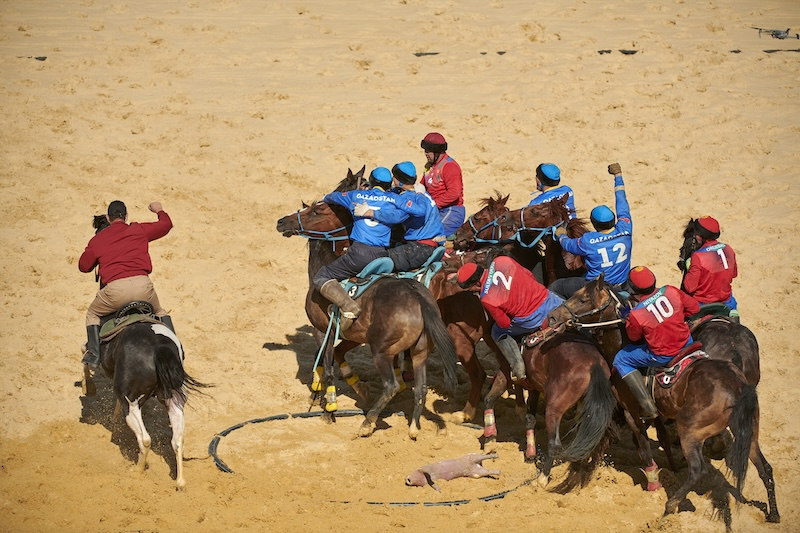
Unlike before, both champions wrestle and whip with a series of such extreme blows that neither makes progress. But then, the Kyrgyz steal the carcass. The leader dashes to the right, and signals to his teammates to fight the defenders. Horses plow into each other and pile up.
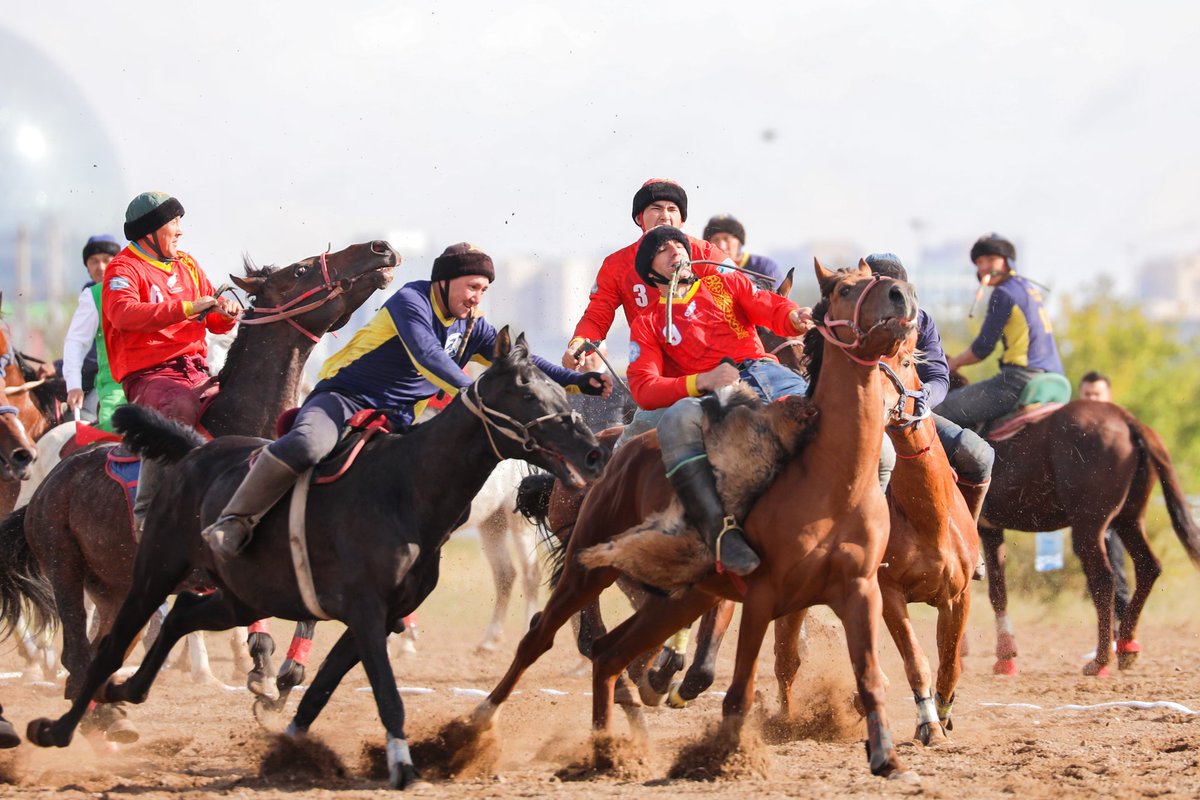
The riders congeal into a blob of screams, shouts, and whips. "Chu! Chu!", faster, faster, they yell to their horses. The Kyrgyz overpower the opponents and push them each down to the goal until they finally score a total of three consecutive points within 15 minutes.
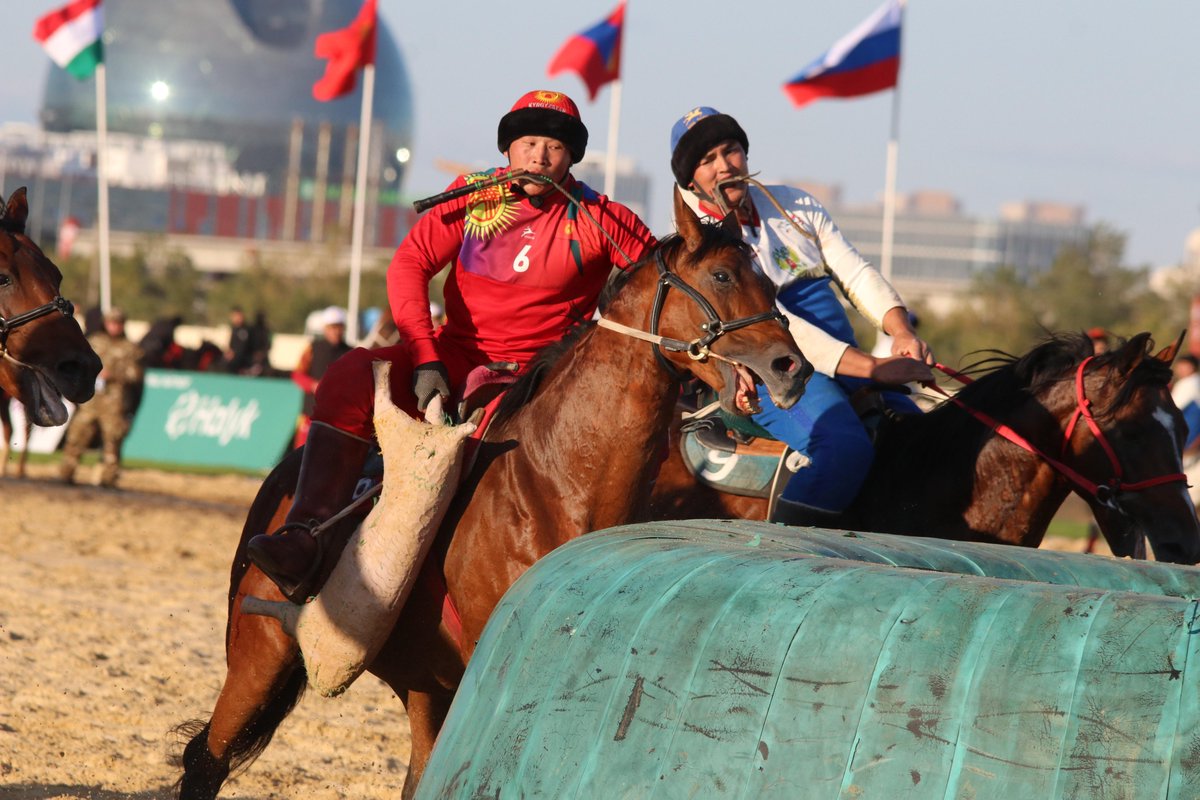
The Kazakhs defeated both the Turkish and the Americans this week without a single point scored against them. They were so rough with the Americans, one rider appeared to break his arm. The Kyrgyz appeared destined for victory until the officials decided to pause the match.

In an unprecedented twist, the game completely stopped for 50 full minutes. Officials took to white tents to deliberate the rapid scores of the Kyrgyz. They decided that one point was void but that the match would continue. After, the Kyrgyz players simply gave up.

They allowed the Kazakhs to have the ball to start every new round. One, two, three points scored and won. The points were not scored in a mad dash to victory, nor through the blob mob technique, but instead made with vast expanses of distance between the teams.
The game was sent into over time, and the hero Alma scored the final "golden point". It was clear the match was deliberately staged. It is easy to imagine that the Kyrgyz very kindly agreed to forfeit the match, so that the greatness of he Kazakhs was not offended.
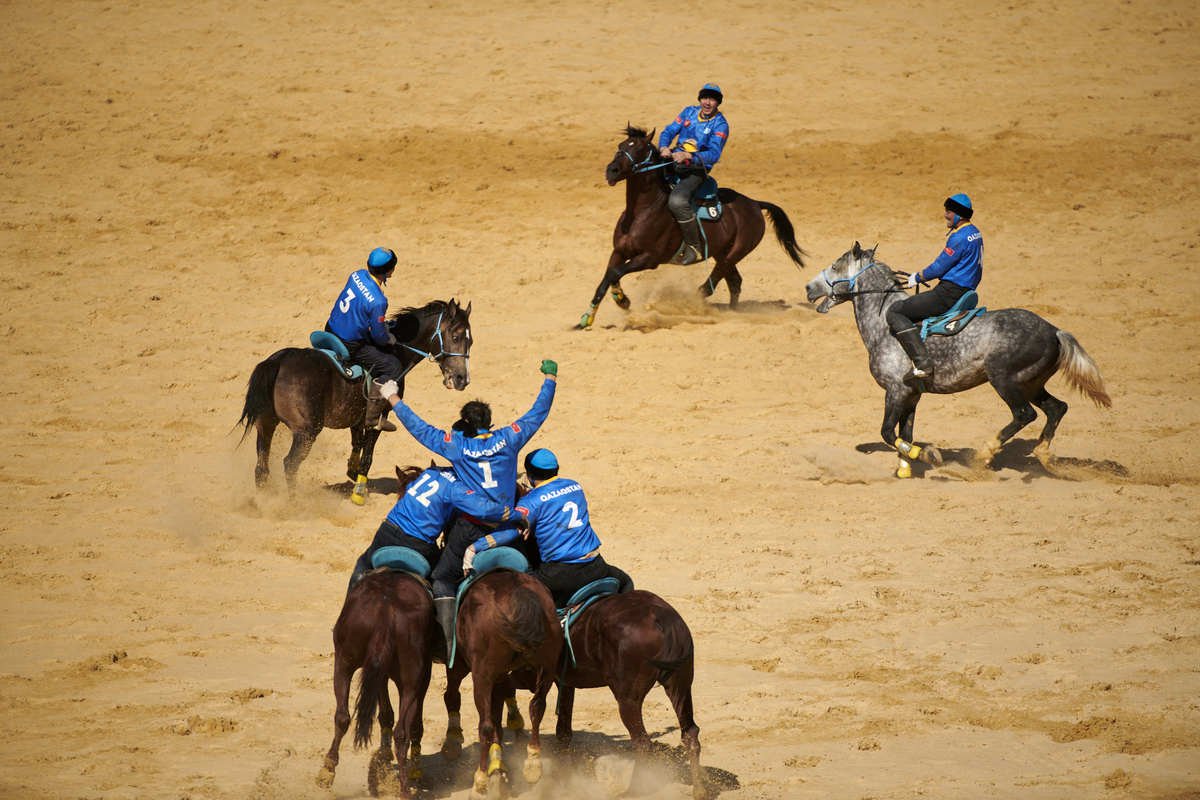
This "loss" for Kyrgyzstan shows that the nomad warrior prizes ties with his clan as true power. Physical strength, is of course, a blessing. Of greater importance are the social connections of the tribe and how loyally the connections show support to the tribe across time.
Central Asian presents both a haven of traditionalism and the final expanses of untouched frontier lands in the world. Join me for more adventures, as I continue to explore this vast region, integrate with the local traditions, and attempt to build my own clan here.
@RoguesPhilo We have an American team?! That's wild!
@TheBlueHairCure And I believe the team is lead by a Jujitsu martial artist and former marine
@ohmedays Yessir~
@RoguesPhilo Crazy Thread Rogue! Thanks for sharing it!