
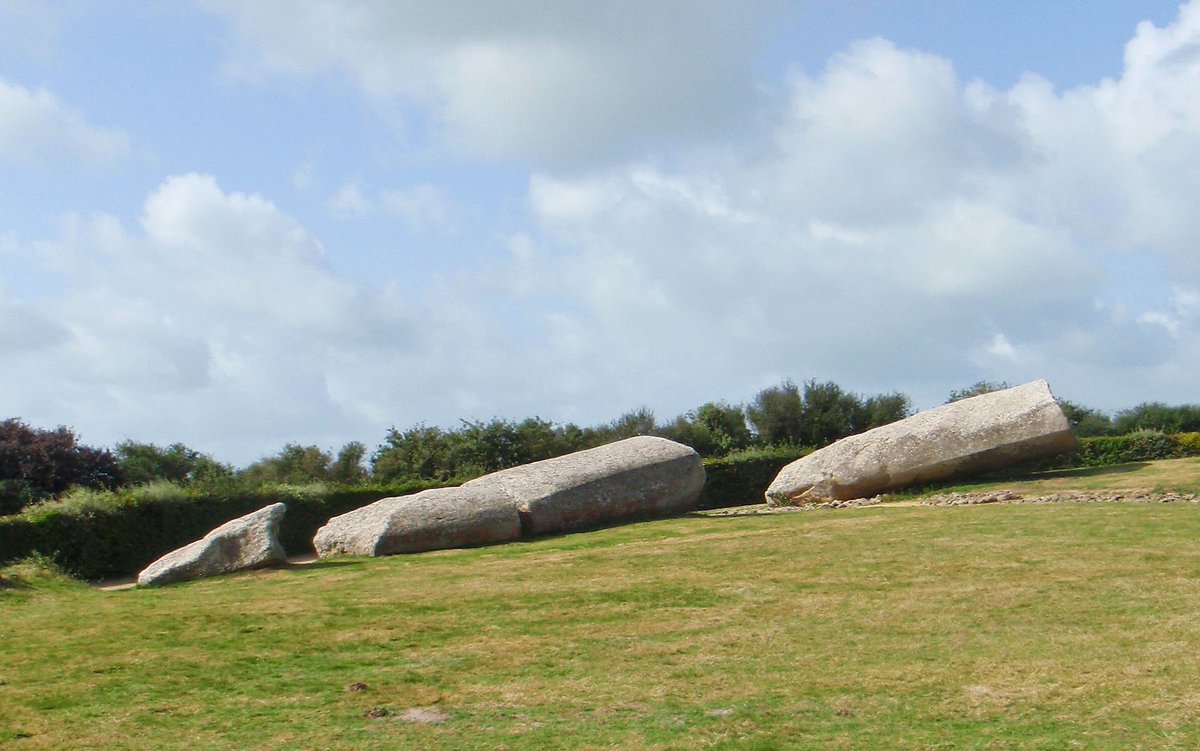
One of the largest monoliths ever erected, the 330-ton Grand Menhir, weighting more than Pompey's pillar and Trajan's column was not put in place by any large empire but by Neolithic farmers in France 6500 years ago.🧵

It now lay fallen down and broken.
Similar symbols on the Grand Menhir are found in the burial complex near it, possibly the burial site of the powerful chieftain responsible for it.
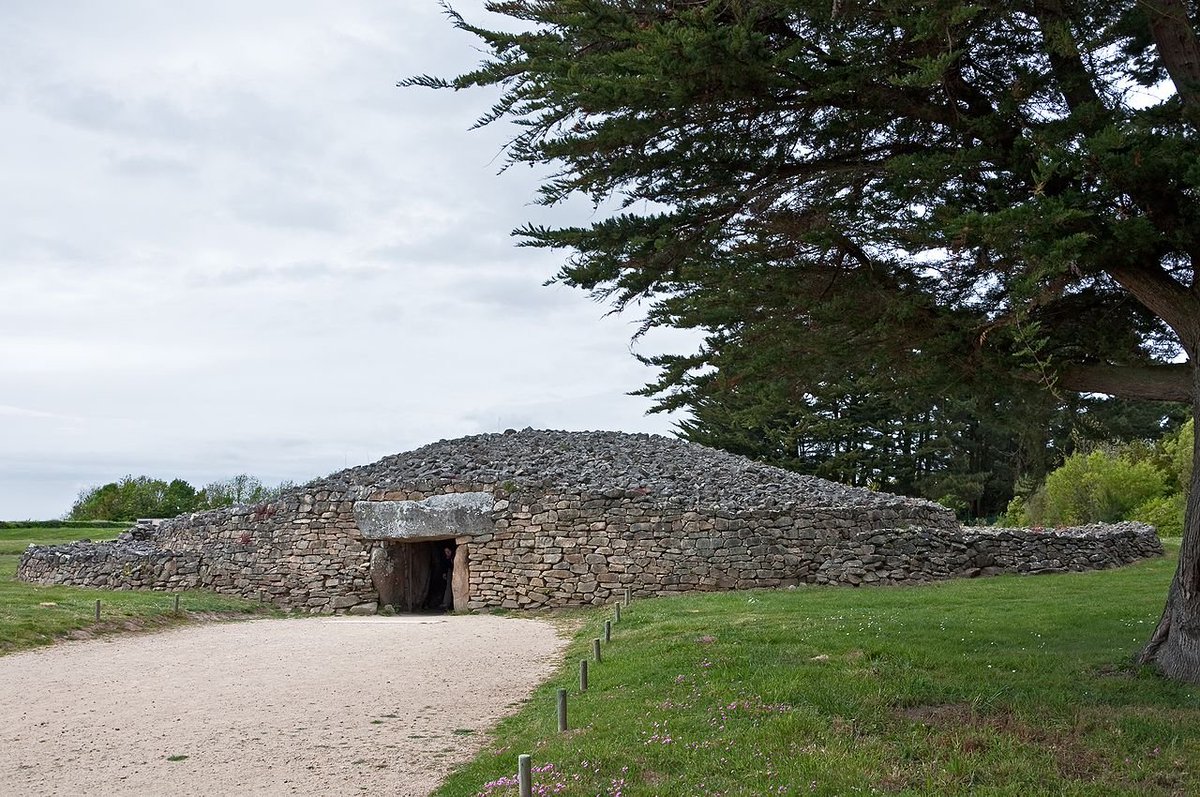
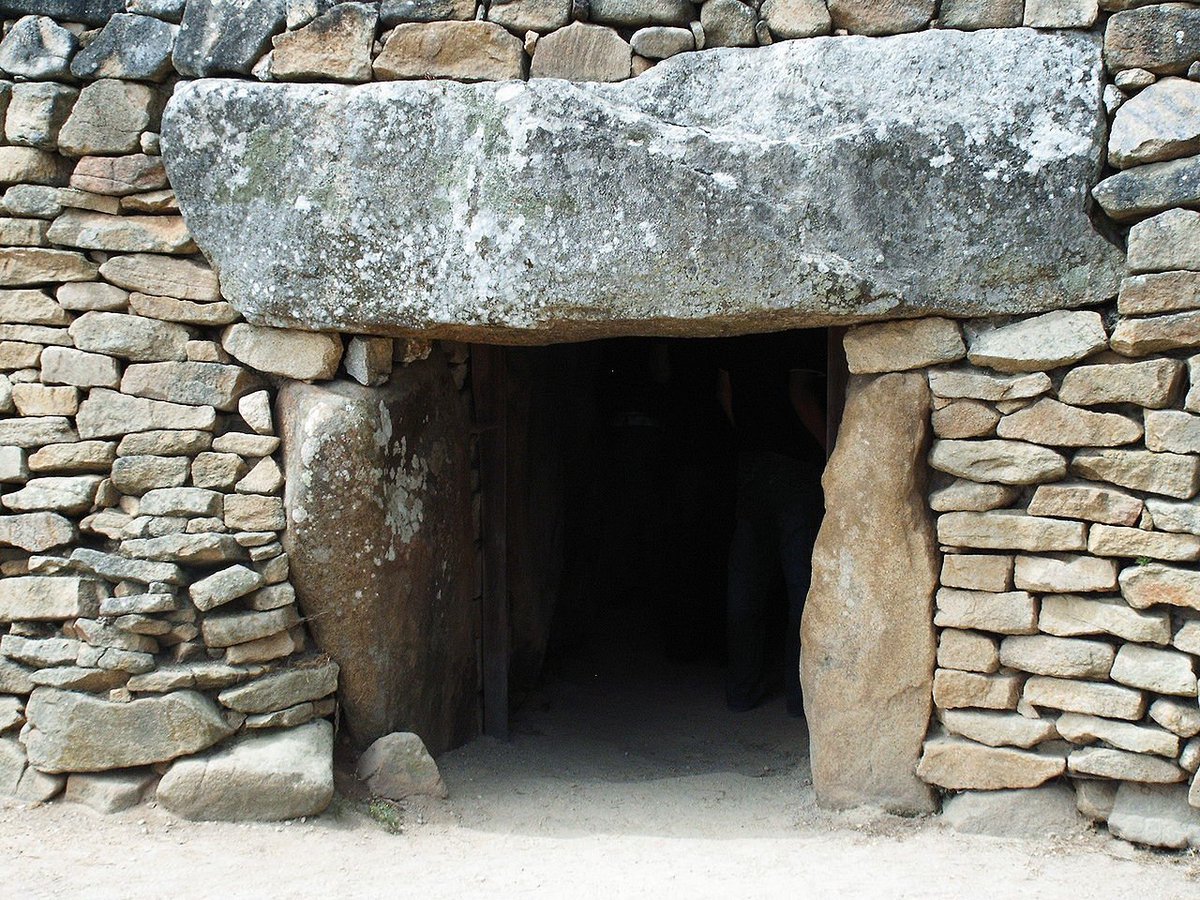

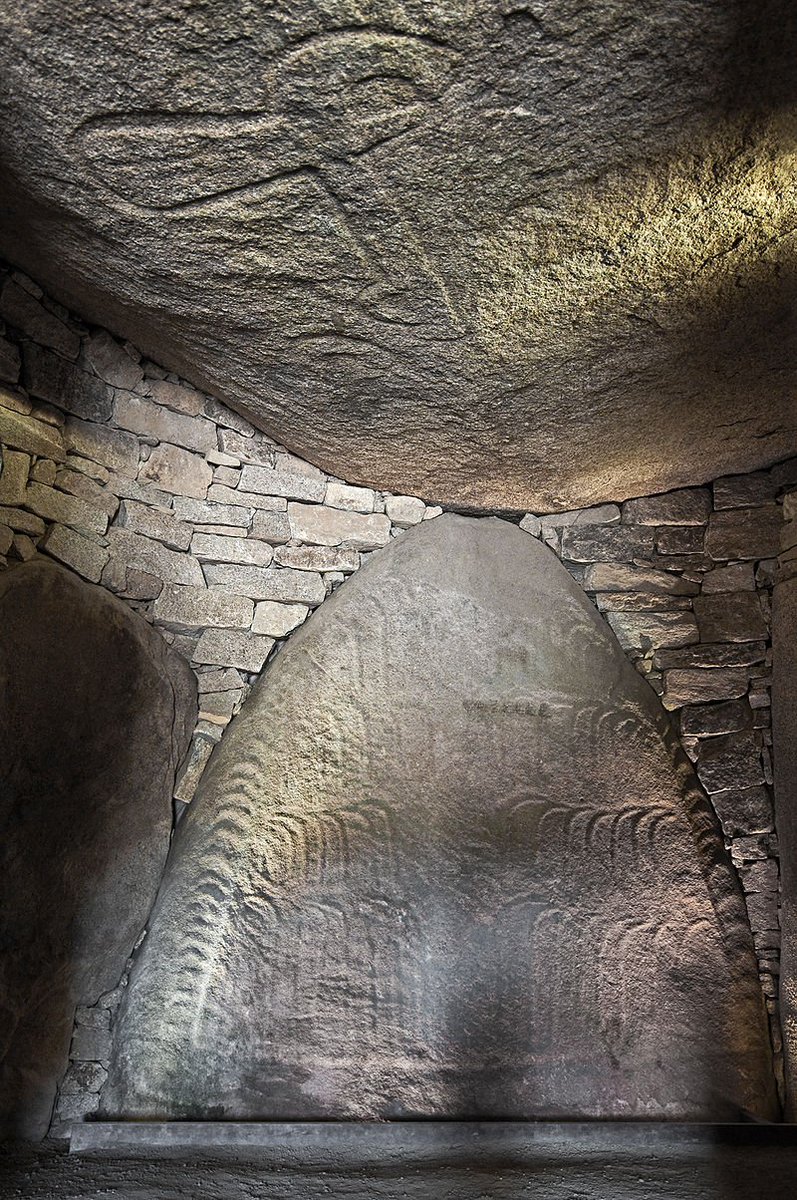
Genetic analysis of people buried in France's Megalithic monuments 6000 years ago finds father and son pairs, indicating that they were used as the burial sites of male lineages.

Megalithic structures were common in neolithic Europe, especially toward the Atlantic regions.
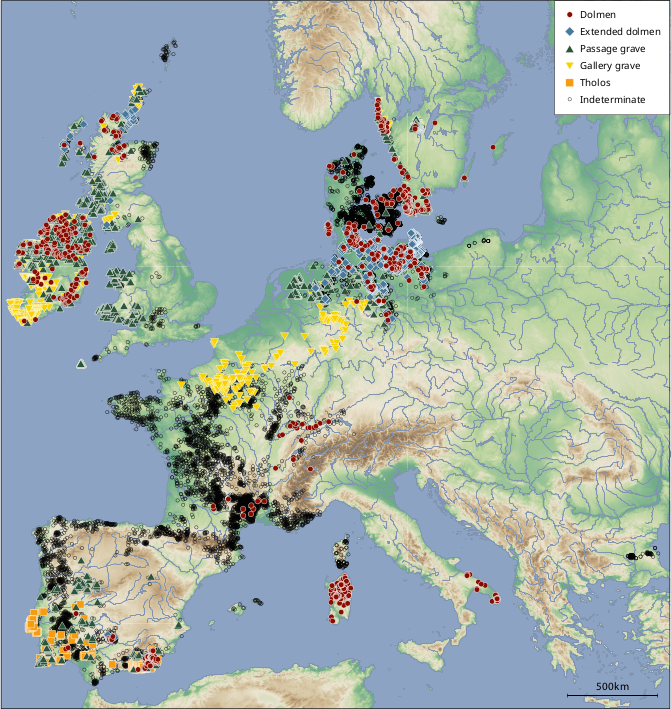
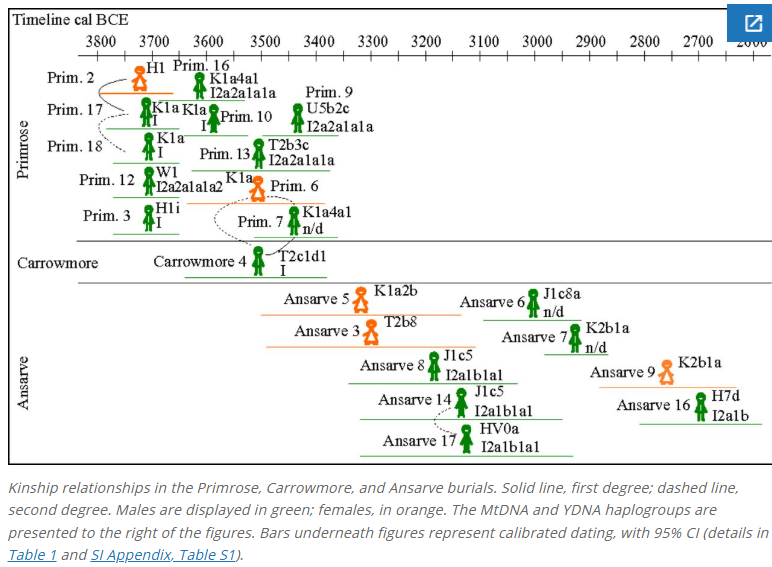
And another larger studies of individuals buried in megalithic tombs in North West Europe found the same pattern of close kin paternal lineages buried in the tombs,
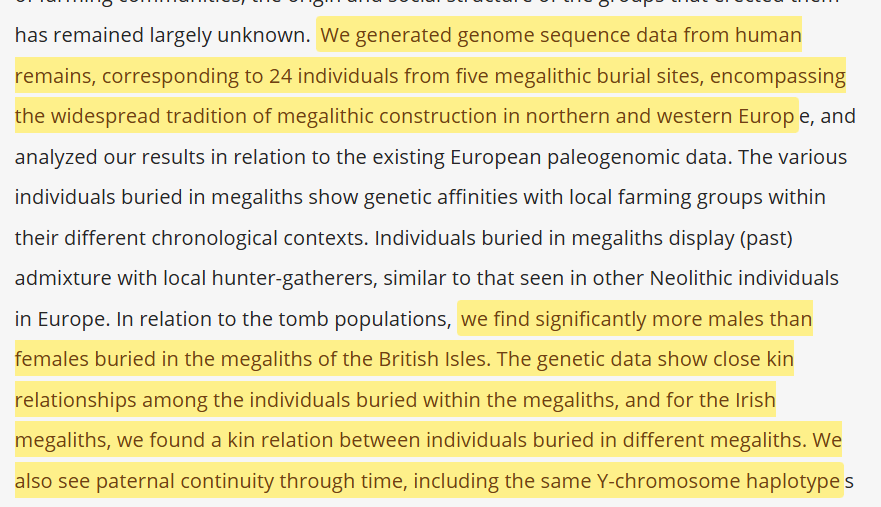
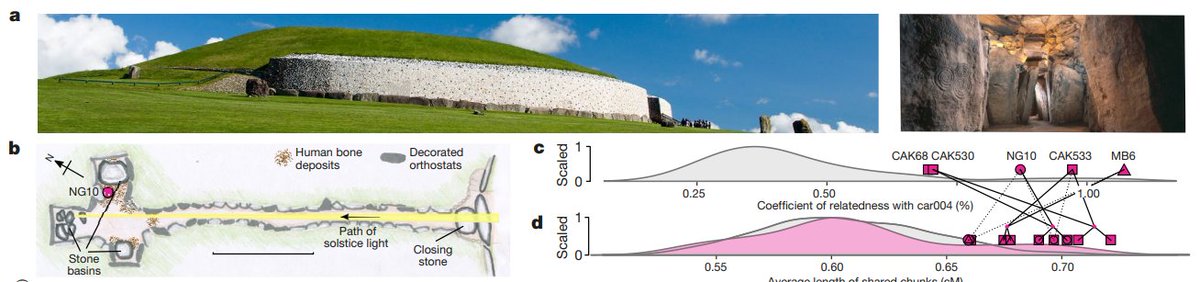
in Ireland genetic relations even extended across tombs, possibly indicating that powerful families may have exhorted control over a wide area, kings of the Stone Age.
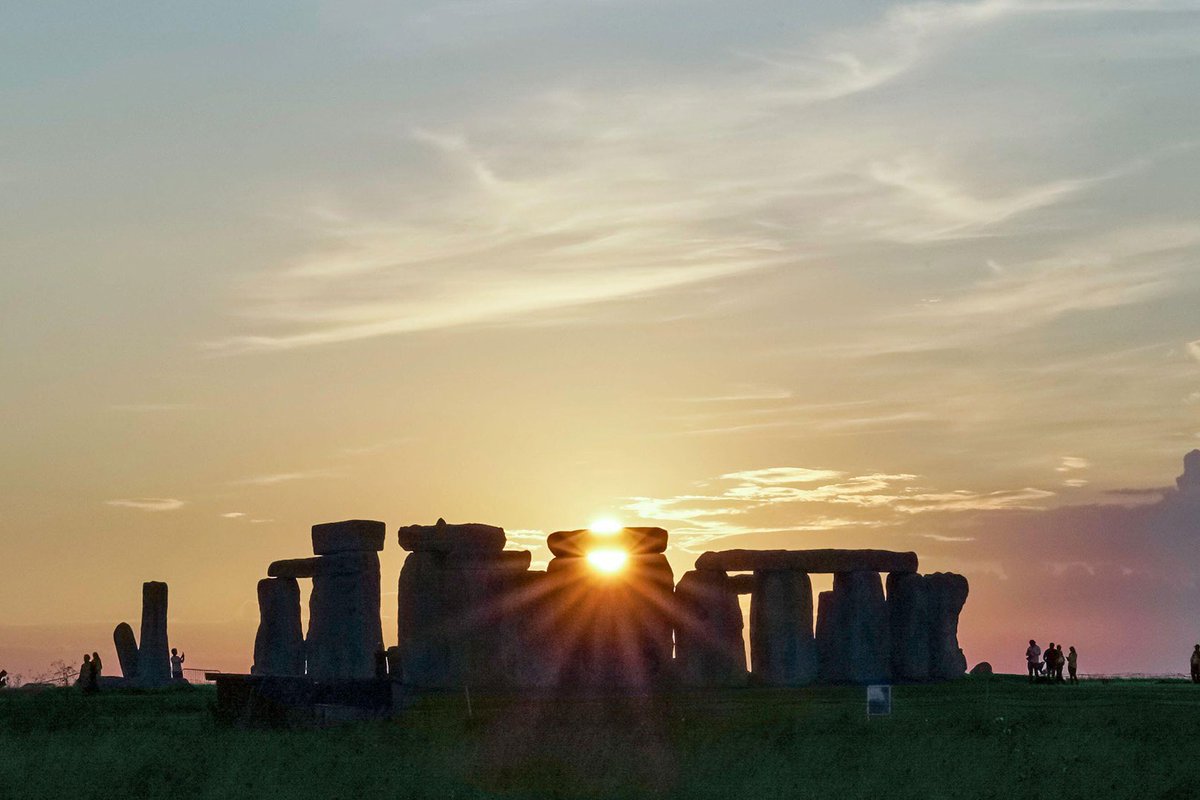
Megalithic structures may have also held a religious significance as they tend to face the rising sun. https://x.com/lefineder/status...
And structures like Stonehenge coincide with the setting of the sun in the Autumn Equinox and Summer Solstice.
More on the Neolithic elite in Ireland: https://www.nature.com/article...
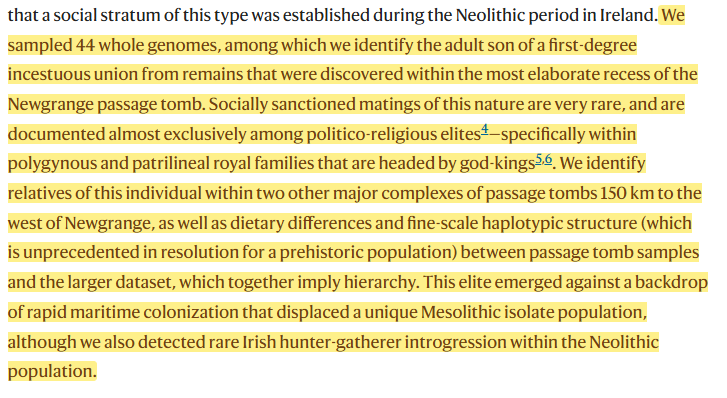
Newgrange passage dynastic tomb in Ireland; it aligns with the solstice.
"The Broken Menhir of Er Grah", the largest known single block of stone to have been transported and erected by Neolithic people. #The_Broken_Menhir_of_Er_Grah class="text-blue-500 hover:underline" target="_blank" rel="noopener noreferrer">https://en.wikipedia.org/wiki/...
@lefineder This recently gota mention in a new Stefan Milo video! Worth a watch for sure! https://youtu.be/jOBmfHkcWj8?s...
@lefineder Perhaps these stones were not put in place by simple peasants, but large kingdoms and empires of bygone past, empires we will never know about (even if they had writing, it was on tree bark or other perishable materials)