
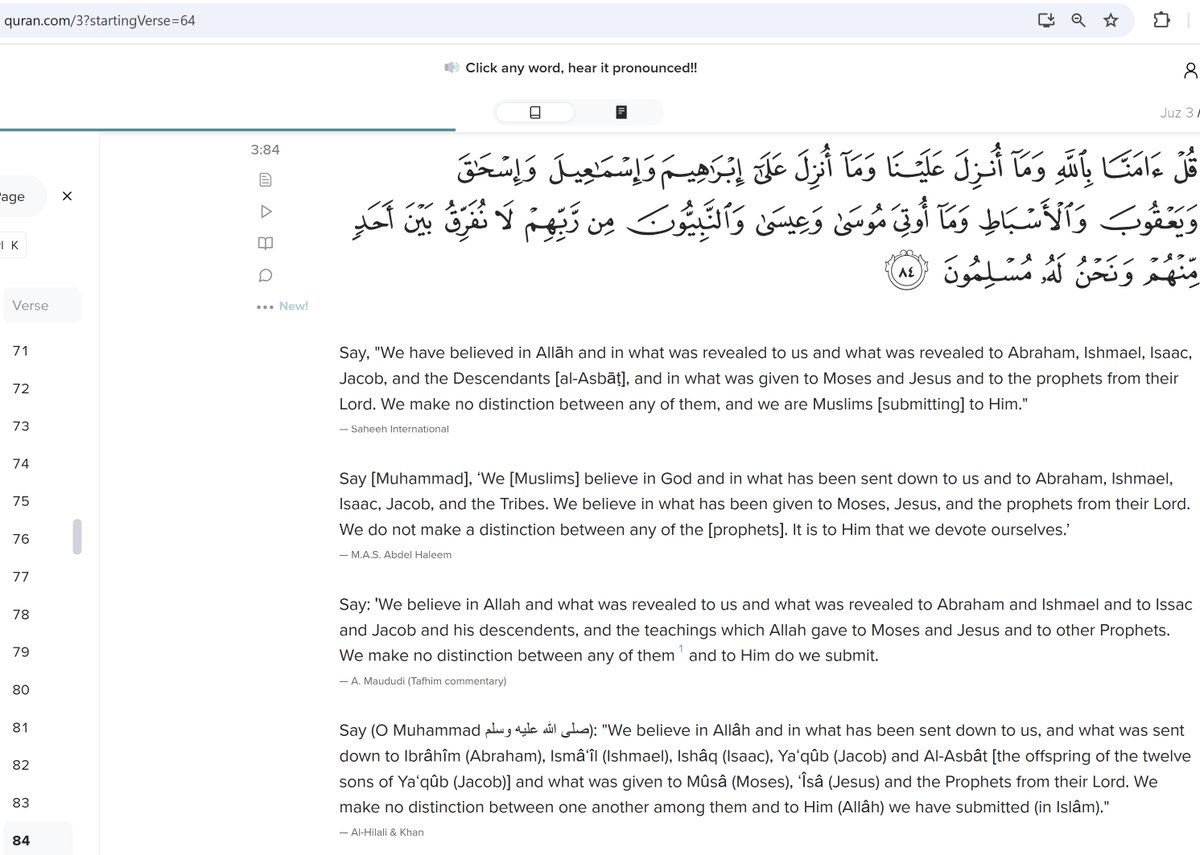
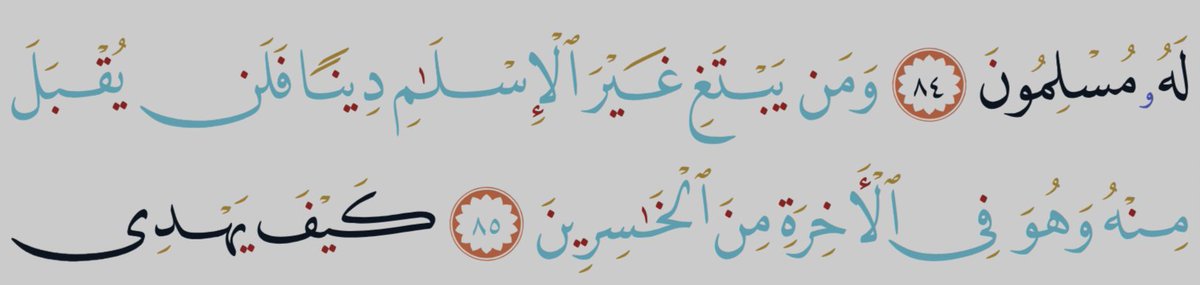
1/11 Is islām ever the name of a distinct religion in the Qur’an? Those who think so often cite the following: “dīn with God is islām” (Q 3:19) “whoever seeks a dīn other than islām, it will not be accepted of him” (Q 3:85) But I think these texts simply insist on monotheism.


2/11 In the Qur’an, islām’s basic meaning is “giving all” (not “submission”), namely, giving all of one’s worship to Allāh—AKA monotheistic worship. https://x.com/MohsenGT/status/... And dīn mostly means “worship” (not “religion”), sometimes “recompense.” https://x.com/MohsenGT/status/...
3/11 If dīn mostly means “worship” and islām signifies “monotheistic worship,” then “dīn with God is islām” means “[proper] worship with God is monotheistic worship.” Not “[true] religion with God is Islam” or “[true] religion with God is submission.”

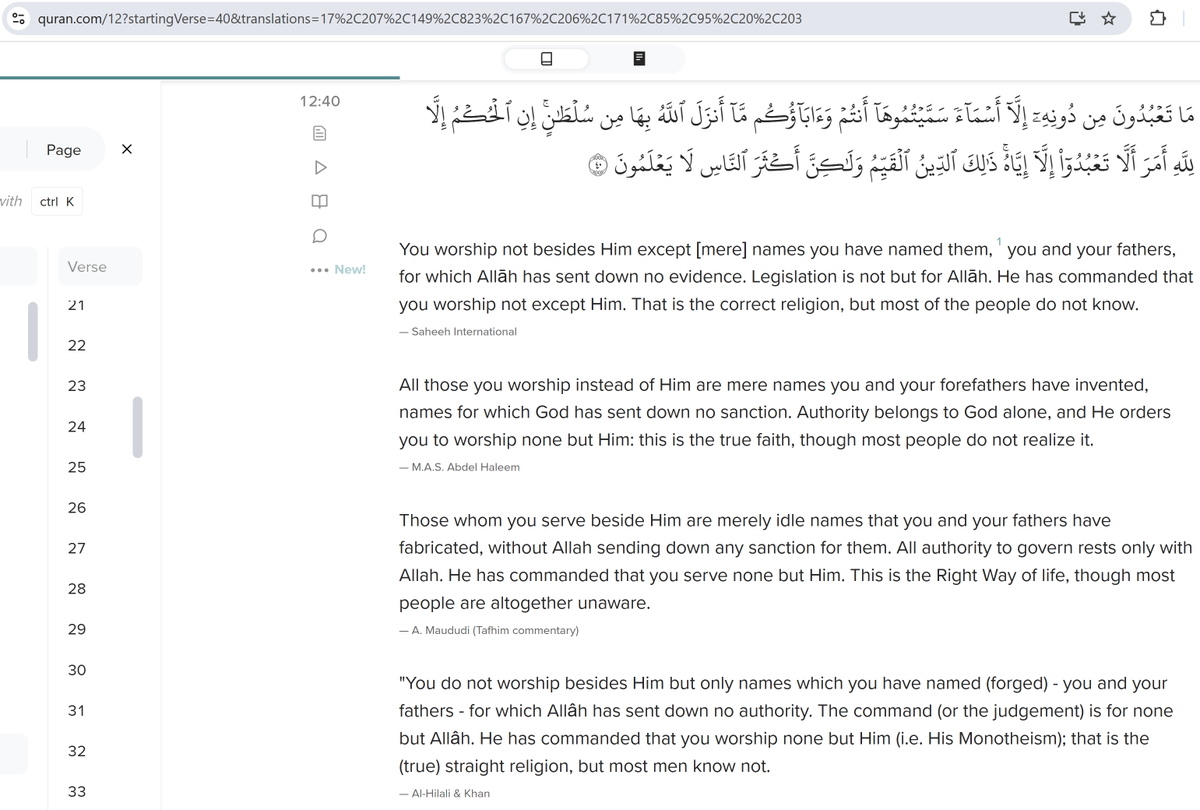
4/11 The idea that monotheistic worship is the only acceptable way of worship is expressed frequently in the Qur’an. For example, in Q 12:40 Joseph declares: “God has commanded that you serve none but Him; that is the upright dīn (way of worship).” See also Q 10:104.
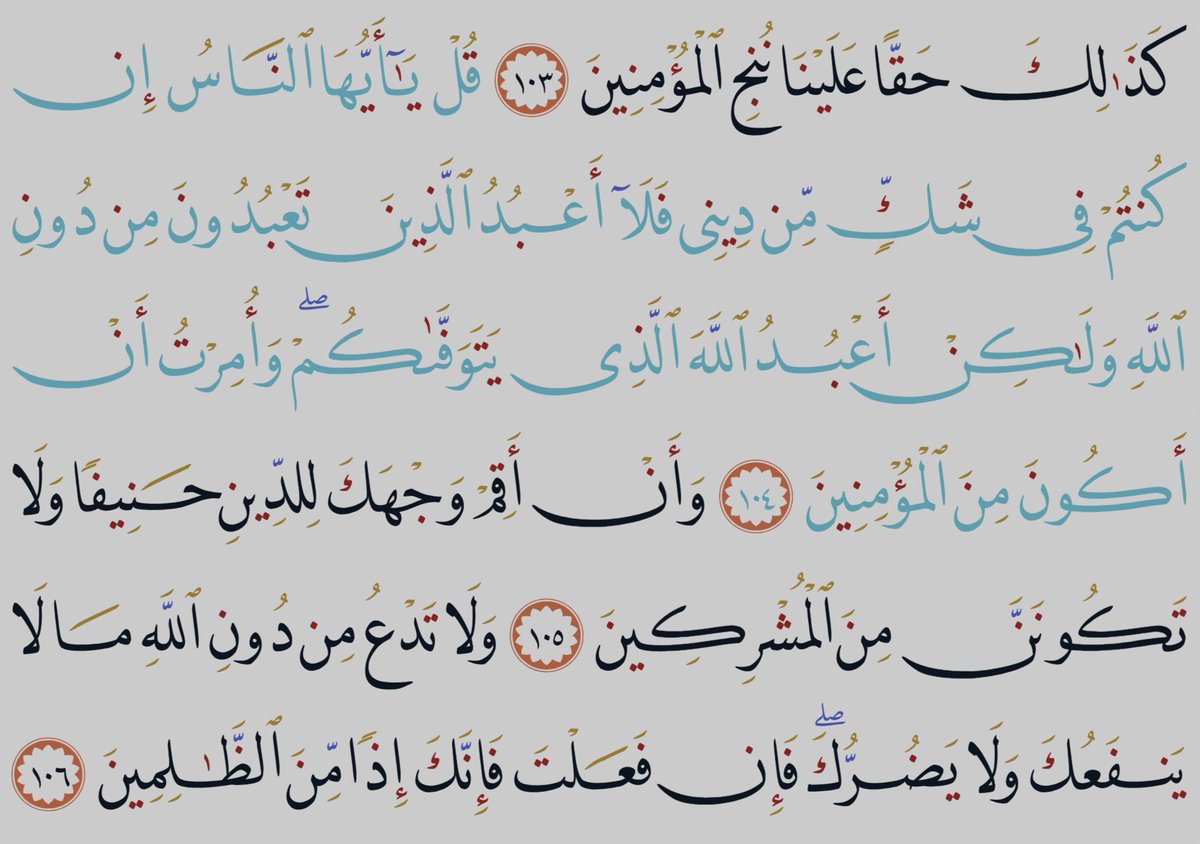
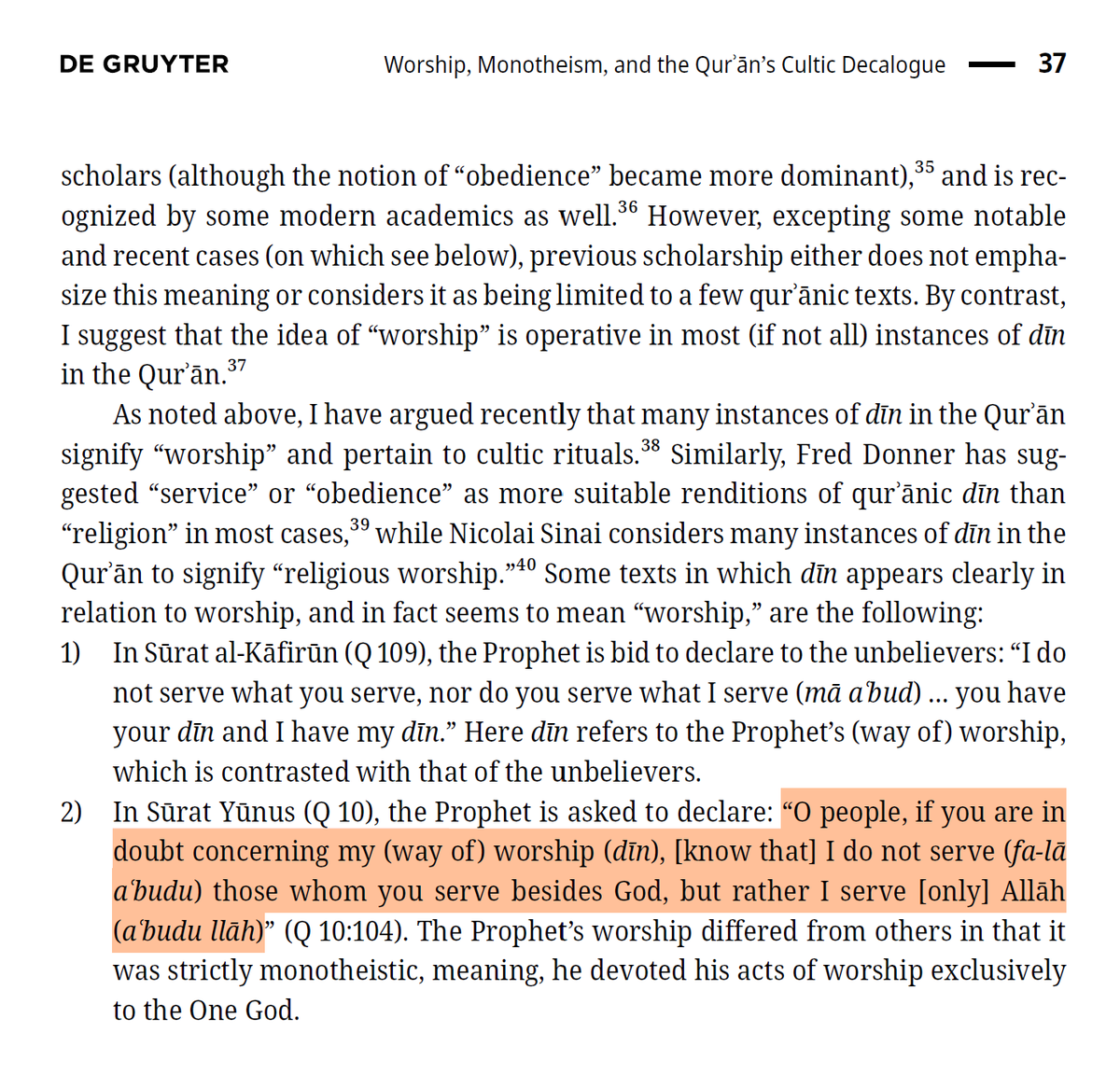
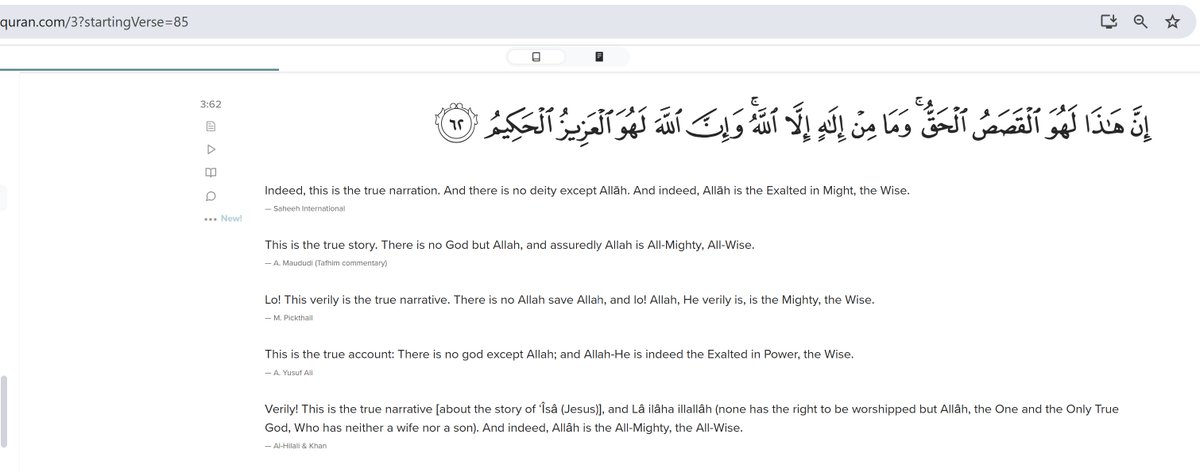
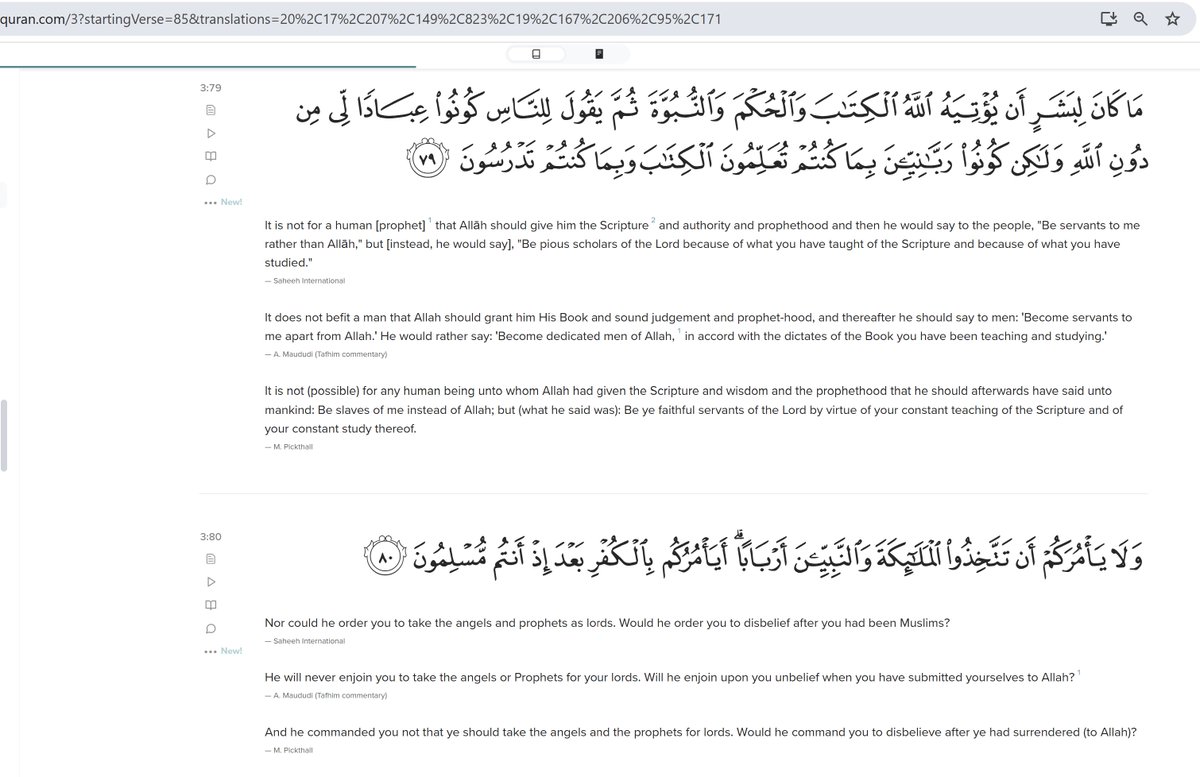
5/11 The above texts (Q 3:19 and 3:85) appear in surah 3, which criticizes the worship of Christ, claims that such worship contradicts Christ’s teaching, and invites the People of the Book to commit to strict monotheistic worship as a common ground with the Believers.
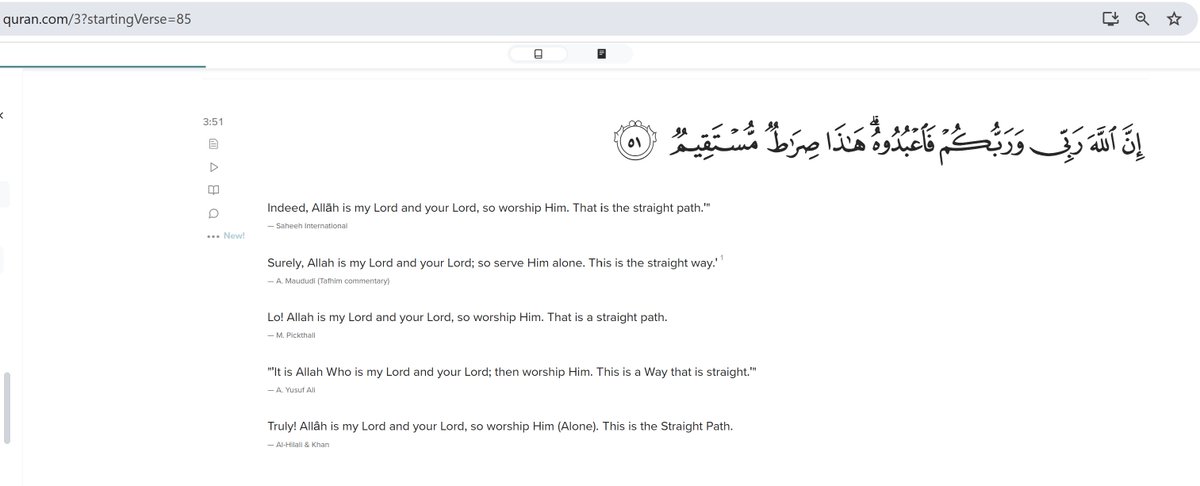
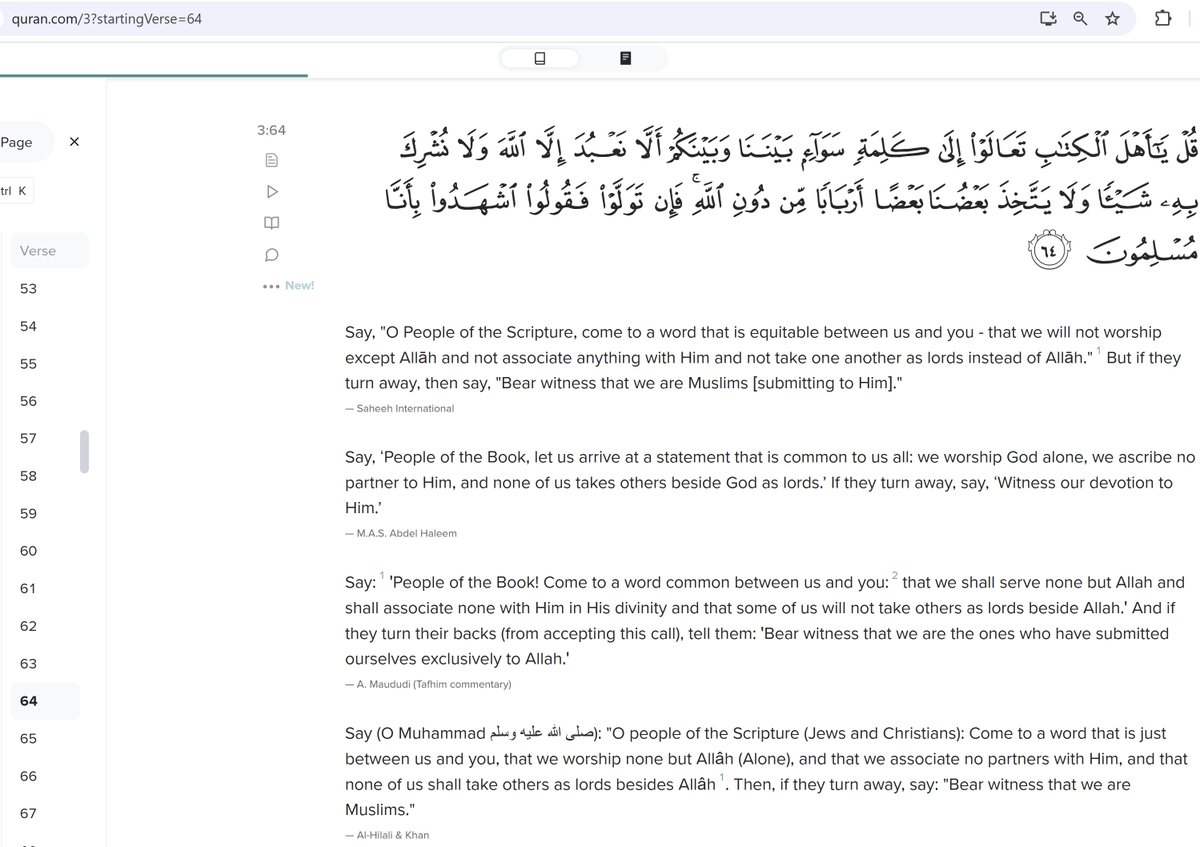
6/11 The surah asks rhetorically if some People of the Book oppose the Prophet because they are reluctant to accept his call to monotheism: “Do they seek something other than the worship (dīn) of God, while all in the heavens and earth devote [worship] wholly (aslama) to Him?
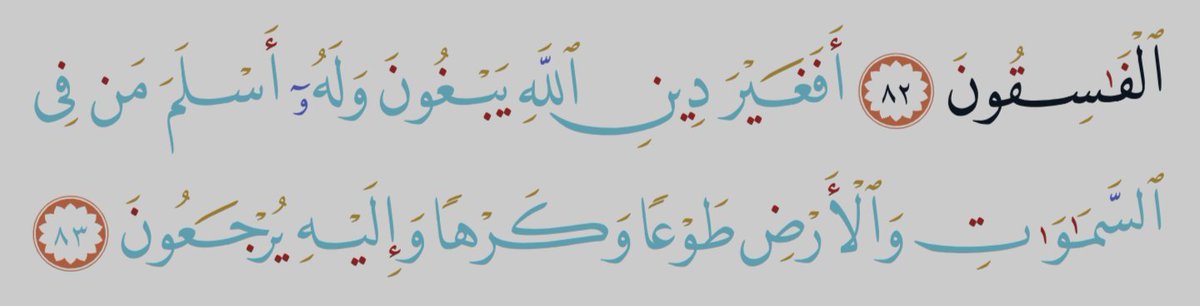
7/11 Yet if they reject the Prophet, the Believers have faith in all of God’s prophets and devote their worship entirely to Him (lahu muslimūn). Then follows Q 3:85: “Whoever seeks a way of worship (dīn) other than monotheistic worship (islām), that will not be accepted of him.”
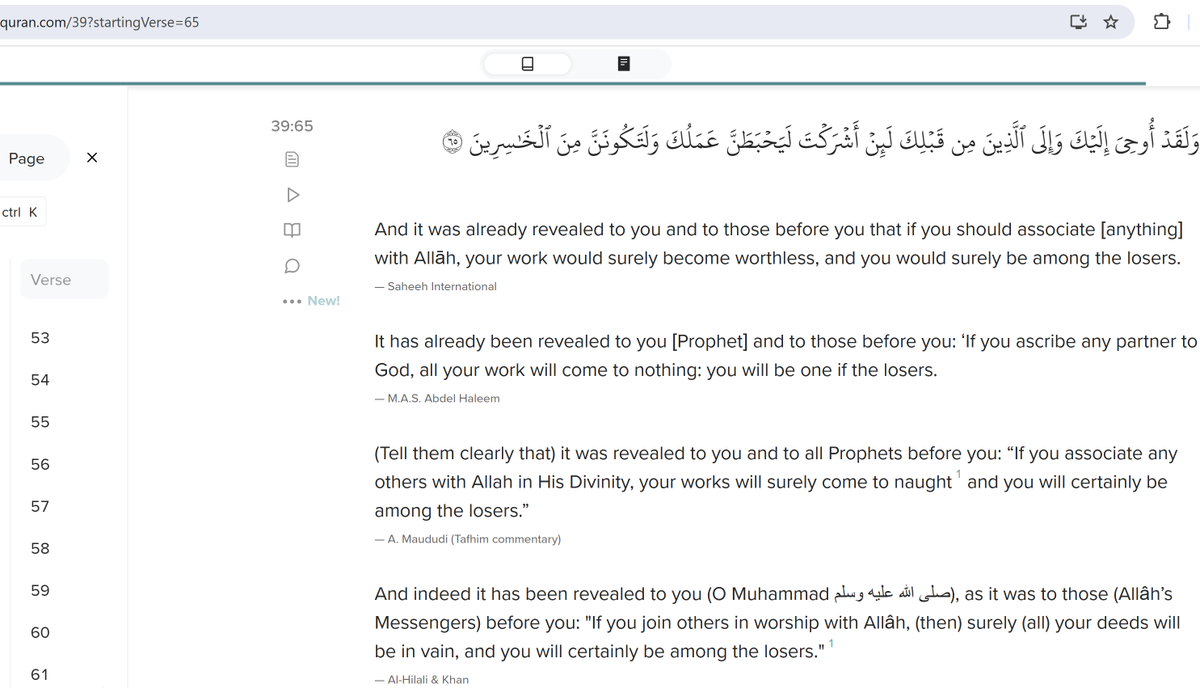
8/11 The notion that non-monotheistic worship is unacceptable also occurs in several other verses, for instance, in Q 39:65 (which also has a similar ending to Q 3:85).
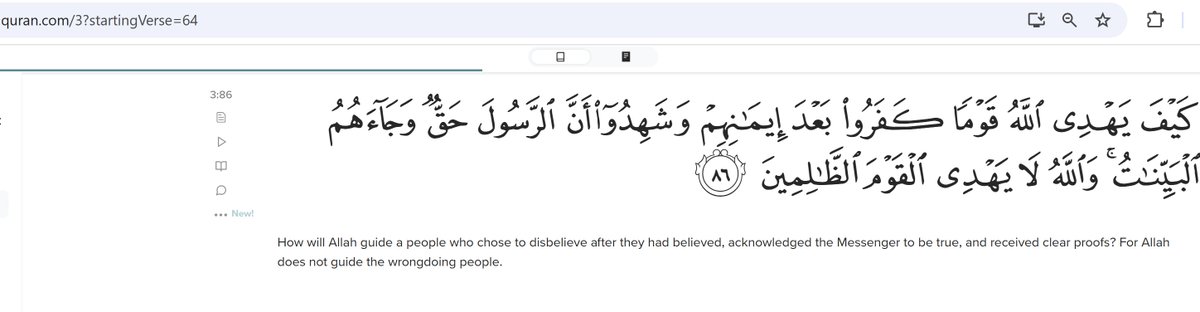
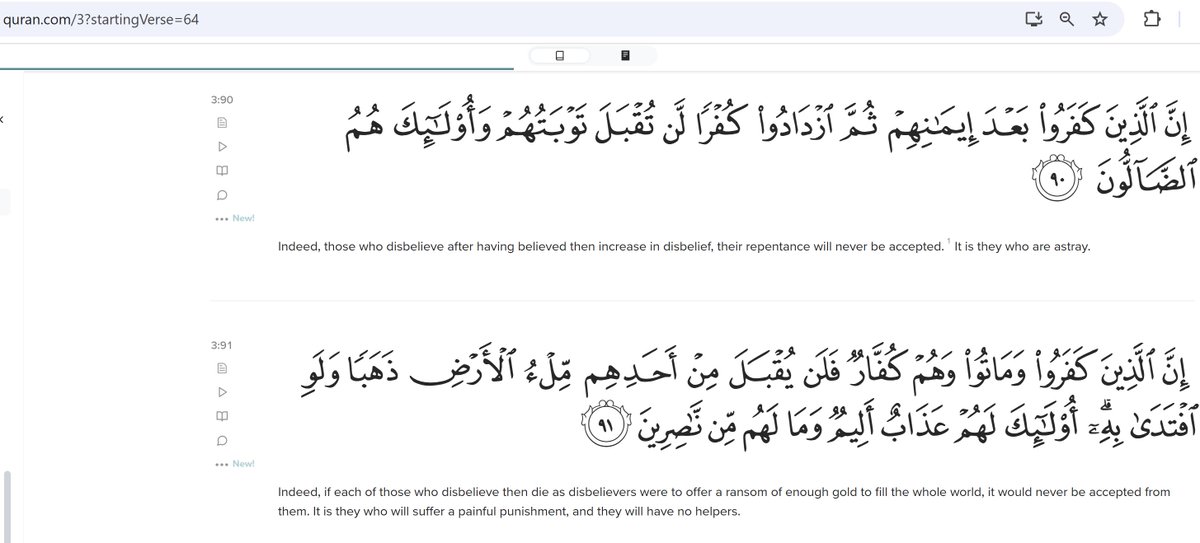
9/11 Some People of the Book had started out with proper, monotheistic faith (īmān), then had deviated from that faith (committing kufr), and when the Prophet came & called them back to strict monotheism they rejected him and deviated further (kufr 📈). https://www.degruyter.com/docu...
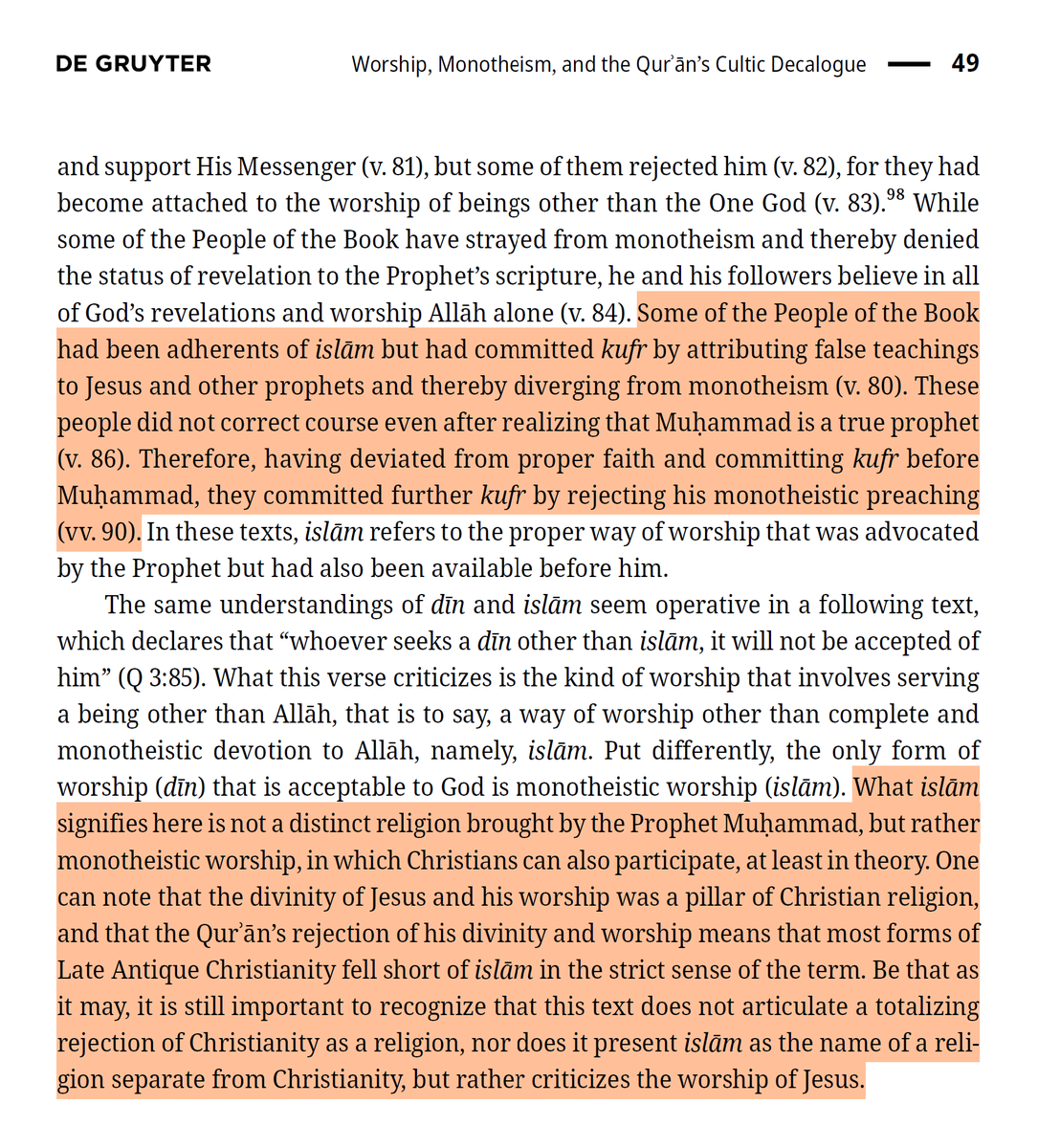
10/11 The surah portrays the Prophet as a champion of monotheism and suggests that his opponents reject him because they have deviated from monotheistic worship (islām). But the surah does not use islām to denote a distinct religion, nor to signify “submission.”
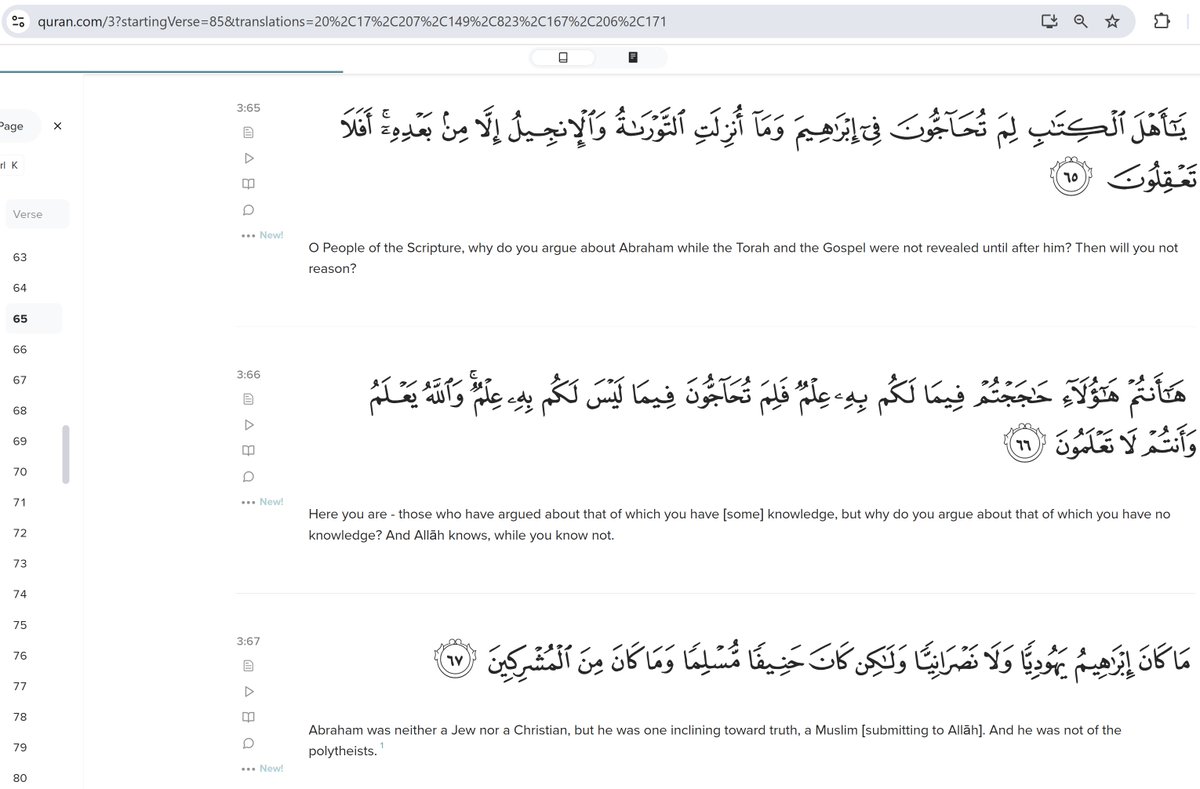
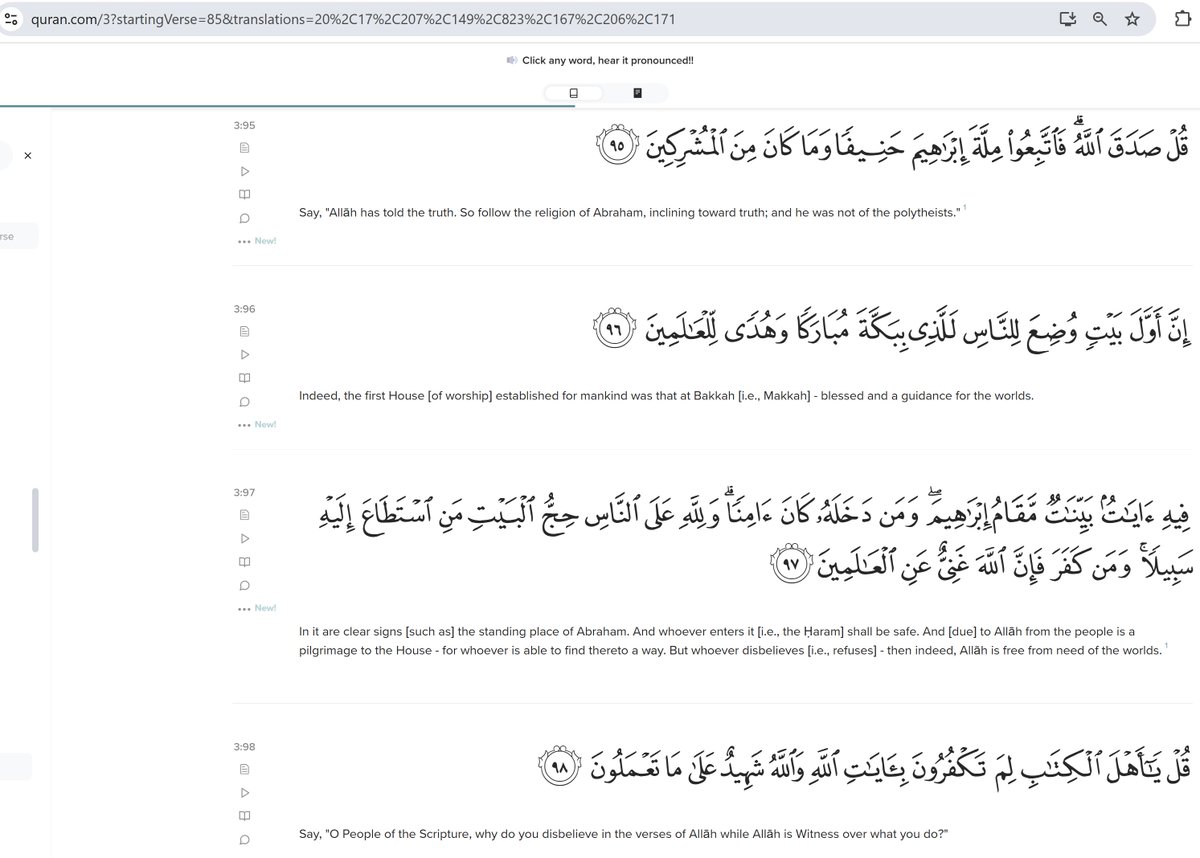
11/11 Finally, in questioning the monotheistic commitment of some Christians (& Jews?), the surah seems to return a similar criticism of the Believers’ Ka‘ba-focused worship, which the earlier surah 2 had attributed to Abraham. More on this later ... https://www.degruyter.com/docu...
@MohsenGT I watched your video on the same topic but found the argument unconvincing. It seemed largely subjective and appeared designed to align with a preconceived conclusion.
@JawharDawood It is not designed to align with any preconceived conclusions, but thanks for sharing your impression.
@MohsenGT So following strict monotheism includes following the final commands (book) of God and accepting the Prophet whom He sent (2:89 and 5:12-19).
@1Rebii More or less. But accepting the Prophet doesn't necessarily entail abandoning one's Jewish or Christian identity, at least not in theory.
@MohsenGT Thank you! This is very fascinating. Does this mean that according to Quran, anyone, Jewish or Christian or someone who practices a non-Abrahamic religion, can be a Muslim as long as he practices strict monotheism regardless of the name/term he/she uses for that God?
@Gypsy_heart8 Thank you. My impression is that the name of God is not a key issue. Strict monotheism is foundational. But next to the "who" of worship, its "how" (i.e., which rituals) also matters, though there things get complicated (see pages 63-65 of the paper: https://www.degruyter.com/docu...
@MohsenGT So you don't think that the Quran requires following the Prophet Muhammad, peace be upon him? Being required to follow him, after he comes, is enough to create a new religion.
@OmarMirza6741 Certainly the expectation is to accept and support the Prophet, though "following" can be defined more expansively. As to a "new religion," we can certainly describe the Prophet's movement as such, but it's another thing to claim that the Qur'an describes it as such.
@MohsenGT Why arbitrarily and unnecessarily limit the broader meaning of the word Dīn to just "worship"? Dīn encompasses a "way of life" that is determined by one's judgment through the critical faculty of intellection, which naturally includes worship but is not confined to it. The
@MohsenGT The Qur'anic phrasing "al-dīn ʿind Allāh al-Islām" leaves no ambiguity. The inclusion of the definite article "al-" in "al-Islām" and "al-dīn" signifies a specific, complete system rather than a generic principle of monotheistic worship.
@MohsenGT إِنَّ الَّذِينَ آمَنُوا وَ الَّذِينَ هادُوا وَ الصَّابِئُونَ وَ النَّصارى مَنْ آمَنَ بِاللَّـهِ وَ الْيَوْمِ الْآخِرِ وَ عَمِلَ صالِحاً فَلا خَوْفٌ عَلَيْهِمْ وَ لا هُمْ يَحْزَنُونَ
@MohsenGT Islam is a life of devotion to God according to the teachings of his messengers. While the remnants of the teachings of previous prophets exist, there is no truly reliable reference for Islam other than the Quran and Sunnah.
@MohsenGT 1/ In the Qur'an, Islam means two things: A) The general "monotheism" of all the previous Messengers. B) The religion of those who follow Muhammad (peace be upon him) - who Allah named "Muslims".
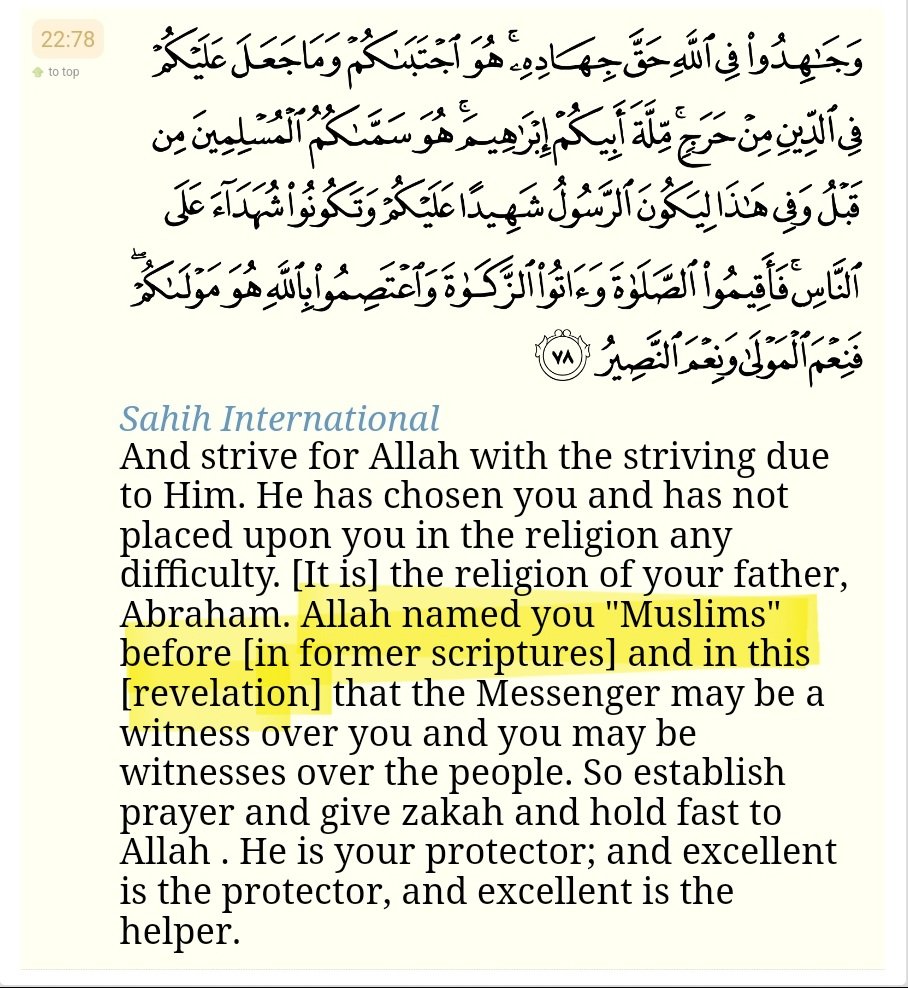
@MohsenGT Shaykh Idris Samawi Hamid talks about 'Islam' and 'islam' in his books on walayah.
@MohsenGT Great thread!
@MohsenGT At whom is this argument directed? The Muslims slaughtering Christians in Africa, or the ones slaughtering Jews here and there and celebrating it? At Saladin’s followers at Jerusalem? Would that all Muslims could be convinced.
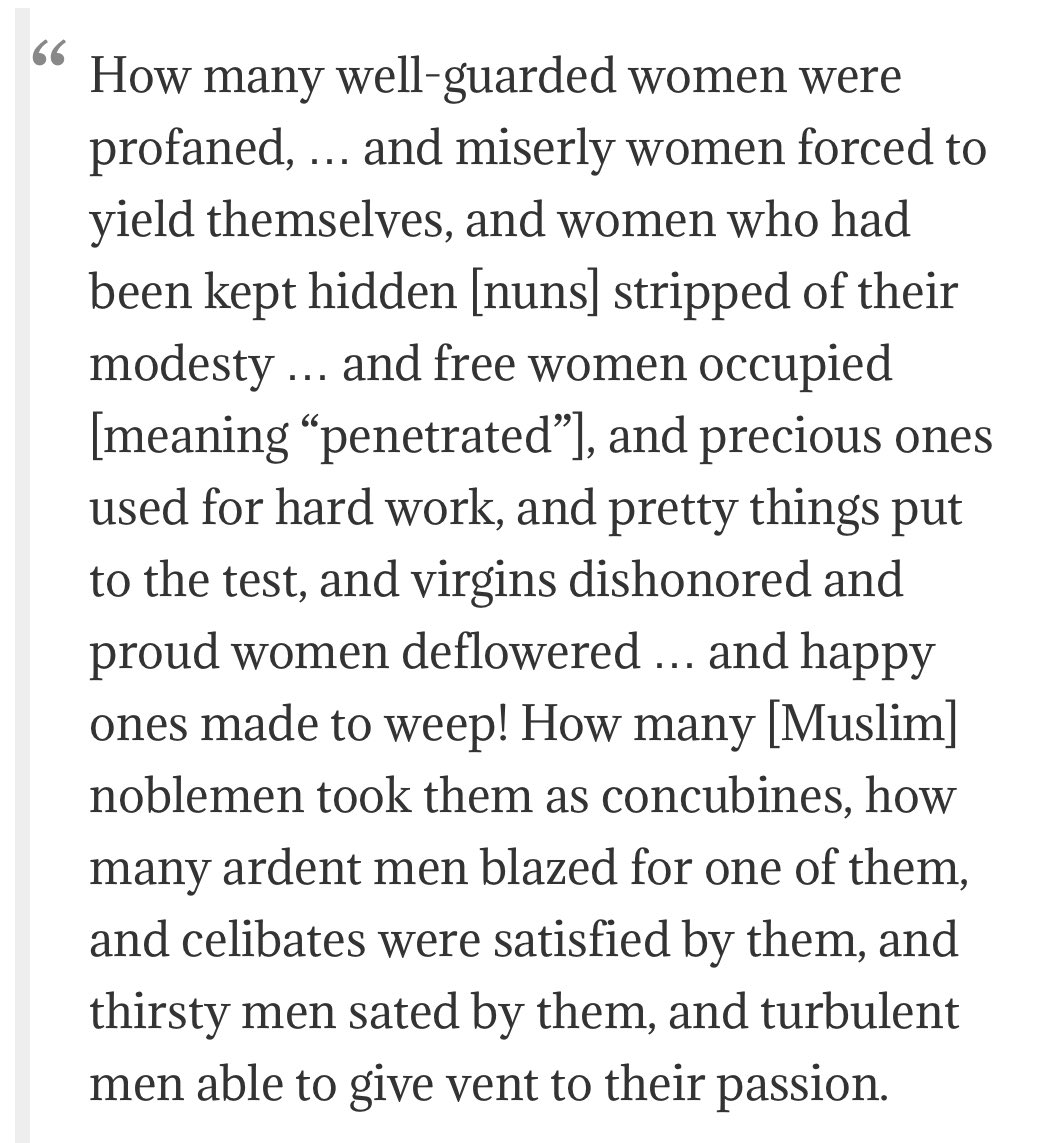
@MohsenGT الدين - the established order
@MohsenGT @AbdalQaim Is Christianity a distinct religion in the bible?
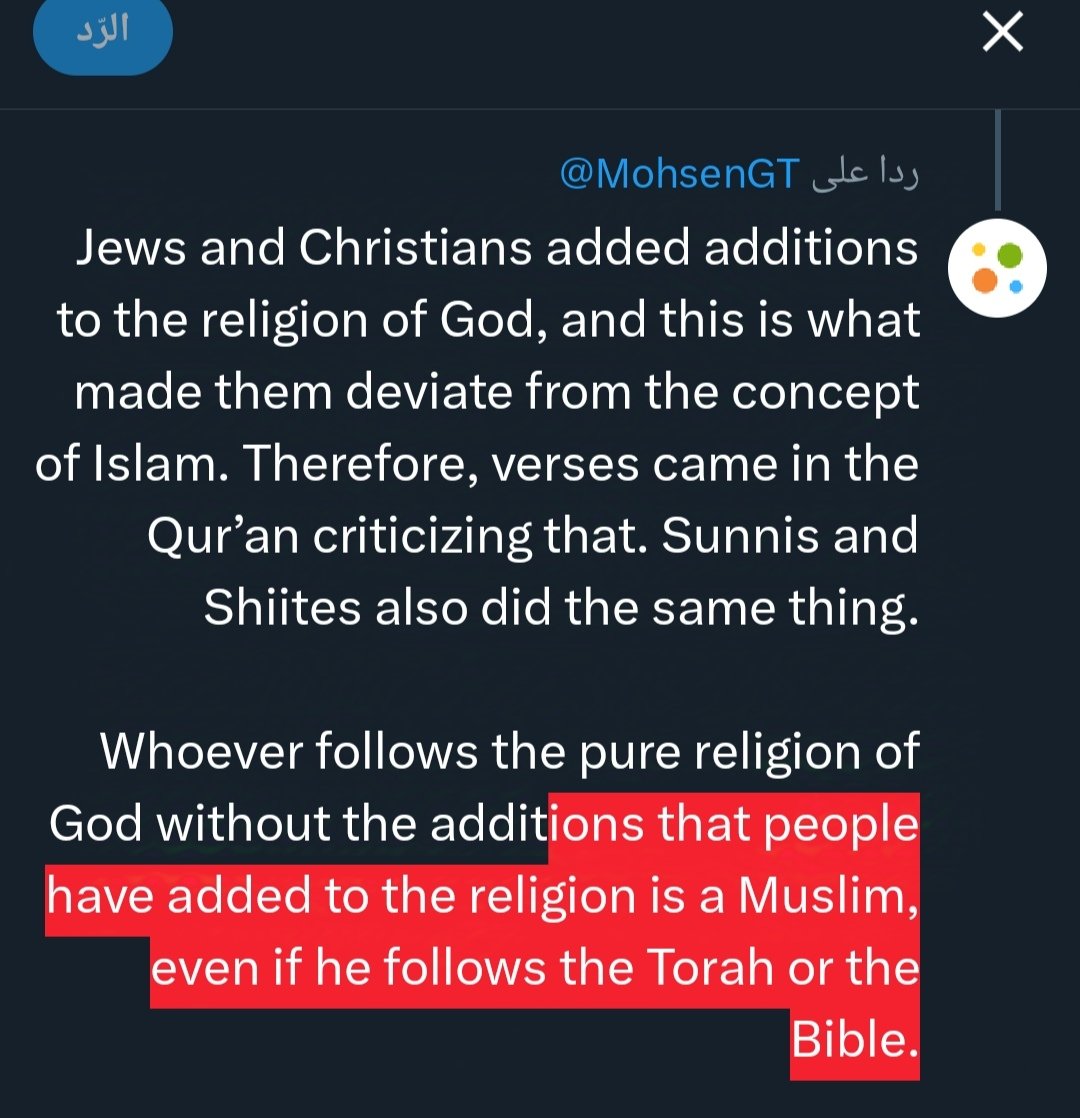
@MohsenGT Of course it refers to monotheism, since that all that Islam truly is. People only get confused because of the man-made Sunniism and Shiism cults added on top of Islam.