The India They Saw - Vol 4: 18th-19th Centuries Our final segment: 🇮🇳 at the eve of colonization was a sight to behold for adventurous Europeans. The prize of the world attracted missionaries, merchants, mercenaries, & metaphysicians who wrote in detail about what they saw. 🧵

The explorer, Fraser, gives a stunning description of Gangotri - being the first European to ever lay eyes on the holy site. The account continues after the below page: “…now reached the holiest shrine of Hindoo worship which these holy hills contain. These are surely striking


Another riveting description of the site. The Gangoti temple built by the Gurkha General Amar Singh Thapa is still there today.


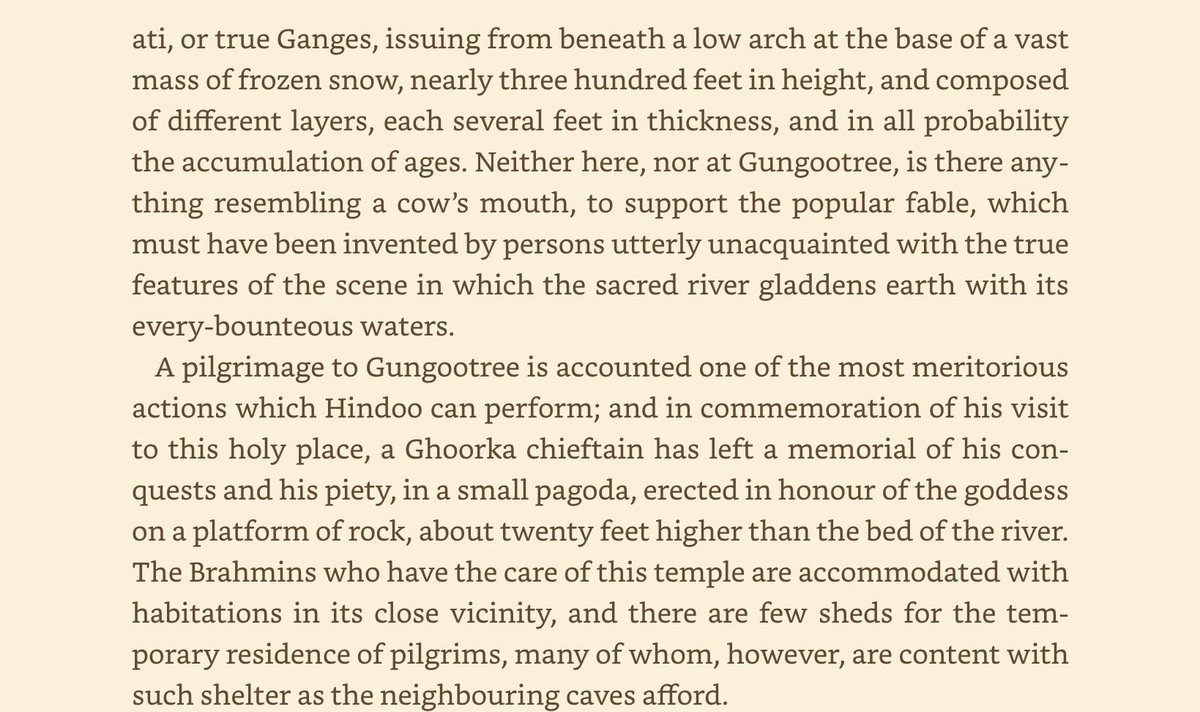
Had no idea but Yamunotri apparently has hot springs that mingle with the glacial water. This of course is a very holy site for pilgrims but also produces unique geological rocks. Painting below is by the aforementioned Fraser.


An early European account of the beauty of the Himalayas as mapping commenced. Explorers would center at famous sites such as Badrinath, Kedarnath, etc... & venture outwards. One peak, Hebe assumed to be THE famous Meru, but it's actually another peak named Meru.

Bengal & Gujarat had some of the worst climates in India for travelers. One due to humid heat, the other due to dry heat.


Bengali villagers created an interesting bow and arrow trap to kill a man-eating tiger who enjoyed toying with his food over days.


Accounts of the Asiatic lion population dwindling in the early 1800s. Near west UP/east Punjab, entire villages would basically go to war against a tiger if it took up residence next to their village.


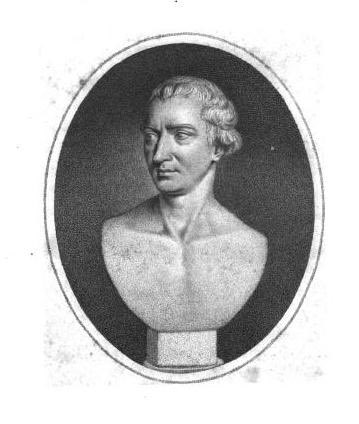
Robert Orme, an 18th century British historian of India notes how India is unique because it has a continuation of character and civilization in contrast to other countries or lands. Additionally, he claims what unites India is the idea of Hinduism.

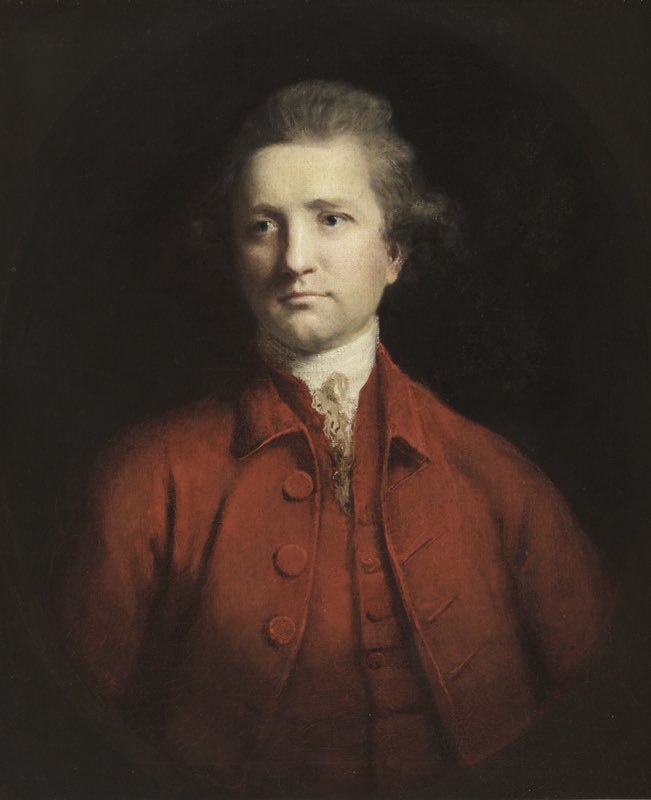
William Hodges, an 18th century British painter (see painting of Agra below), noted how India was very clean and detailed the differences between Hindus and Muslims in terms of their hospitality.

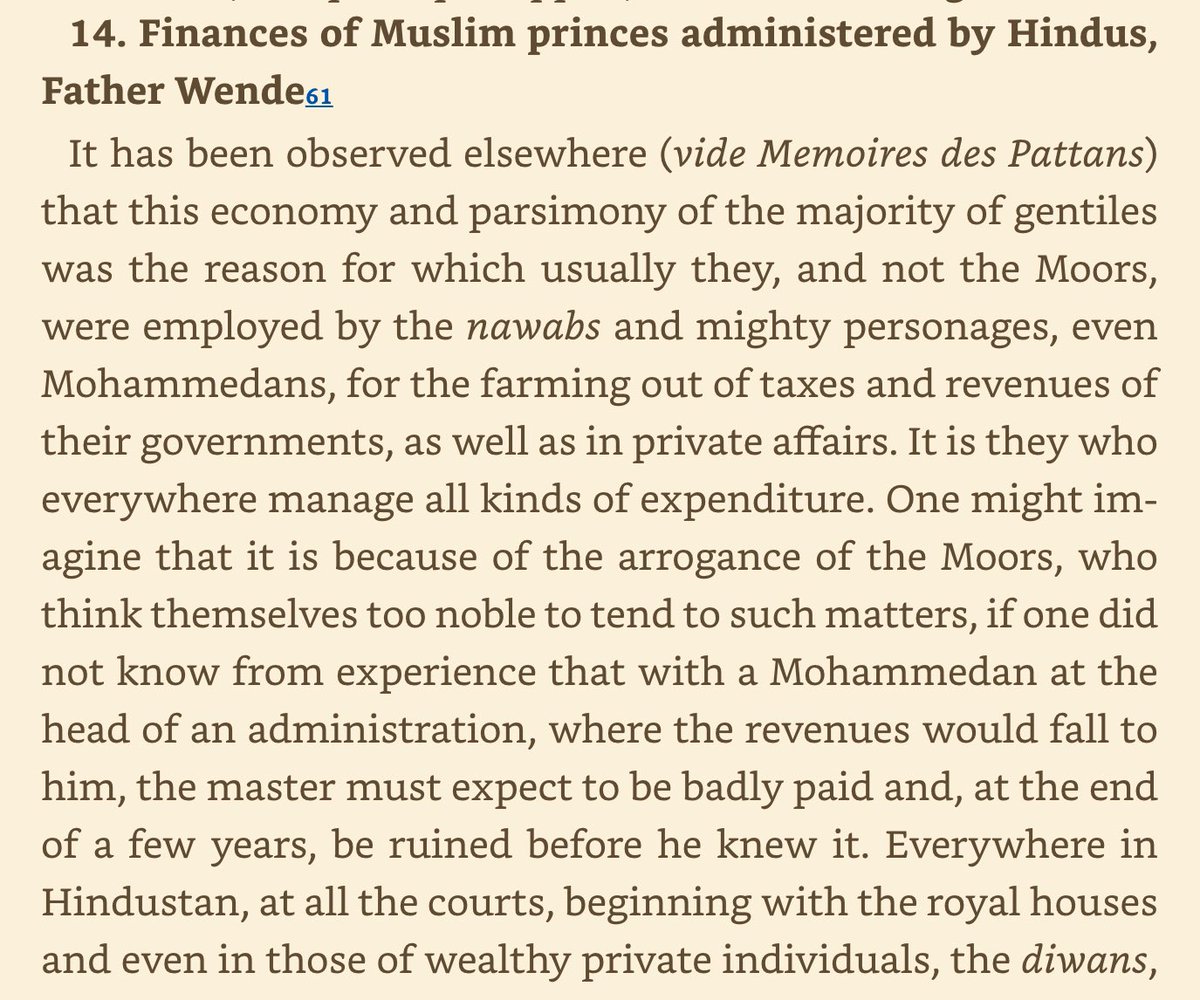
Father Wendell was an 18th century Jesuit missionary & noted how Indian extravagance & luxury was more popular amongst Muslims. Hindus lived more simple lifestyles. He compares Delhi to Babylon due to its excess & misery. Not much has changed here 😜


Wendell describes how Hindus handled the finances of Muslim princes. In some cases, princes who couldn’t pay their debts would LARP as ascetics (faqirs) upon collection of costs.

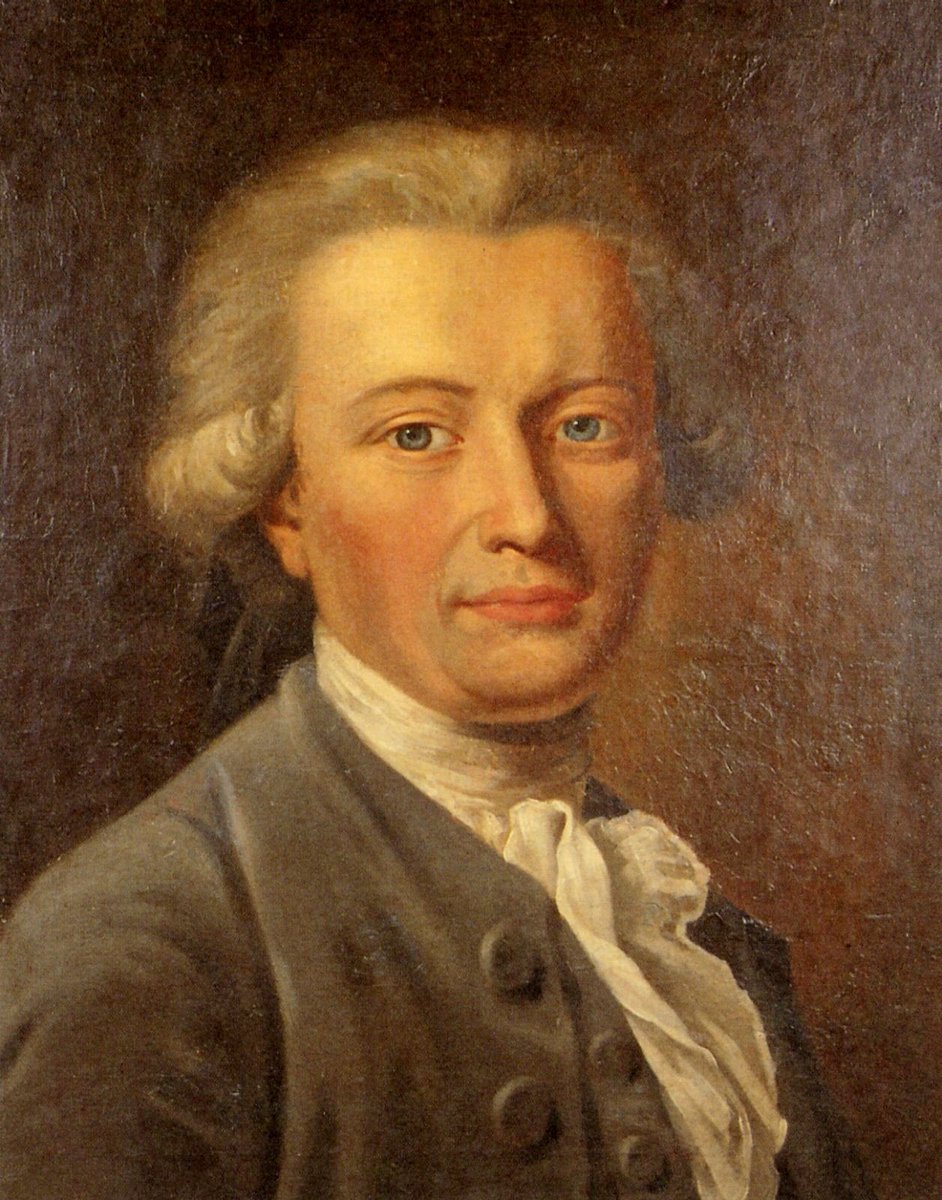
George Forster, a German ethnographer, gives a fairly Hindutvadi assessment of India: An old glorious civilization now decimated by invasions. The mentality of its people, capacity for science, philosophy, & art all destroyed. He then compares the Indian fall to that of Greece.

Mirror of today where some found Indian customs as cheerful & colorful while others saw them as “lamentably degenerate.”

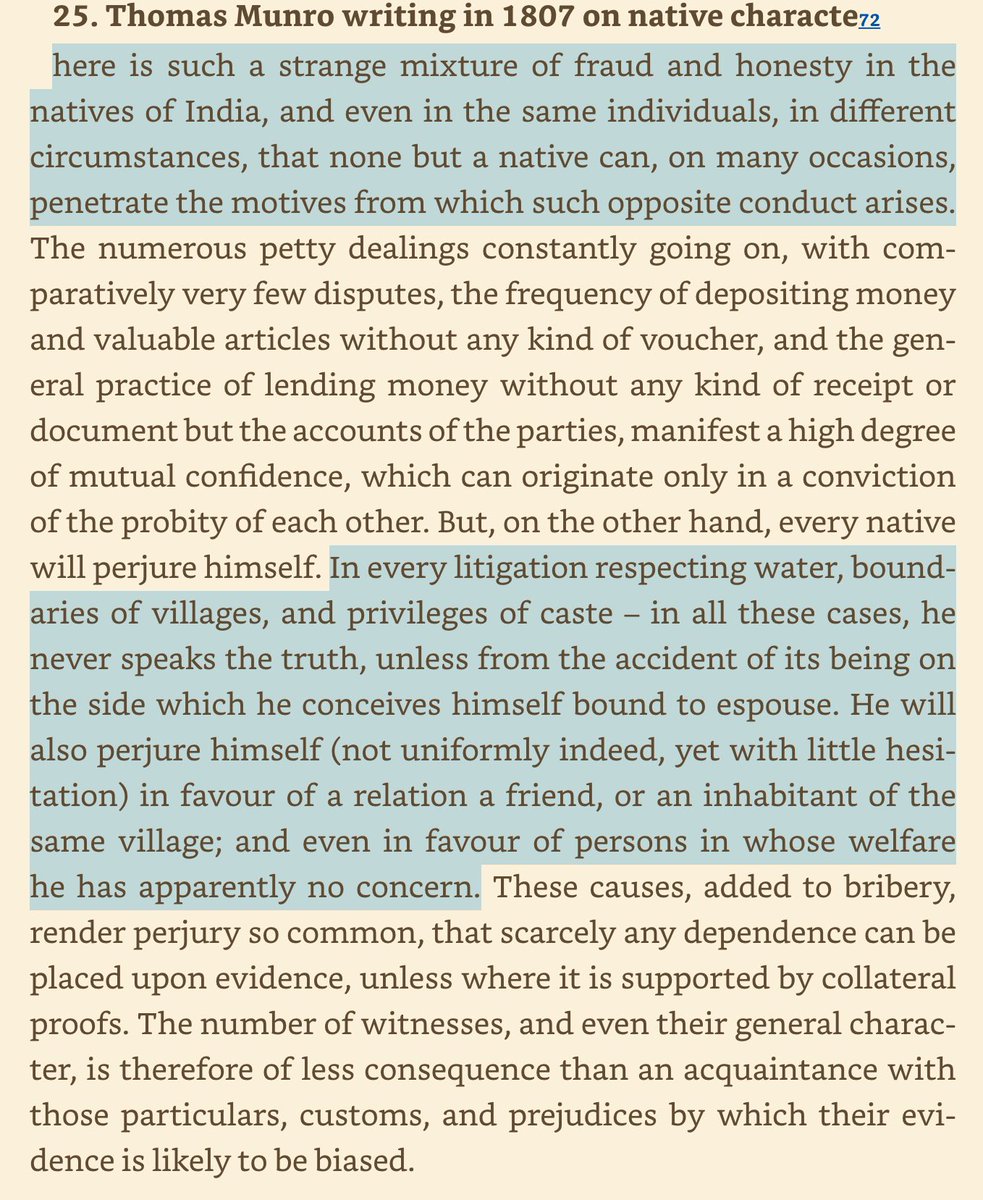
India’s unique simultaneous mix of high & low trust culture bewildered European travelers. They soon gleaned how much of it was dependent on caste, family, region, etc…
Hindus would quickly take to participating in other religion’s rituals without much discrimination. Probably a reason so many Hindu customs bleed into other religious traditions in India.


Europeans assumed India to be a massively wealthy land due to the flow of luxury goods but many who visited were shocked by the widespread poverty & concentration of wealth.


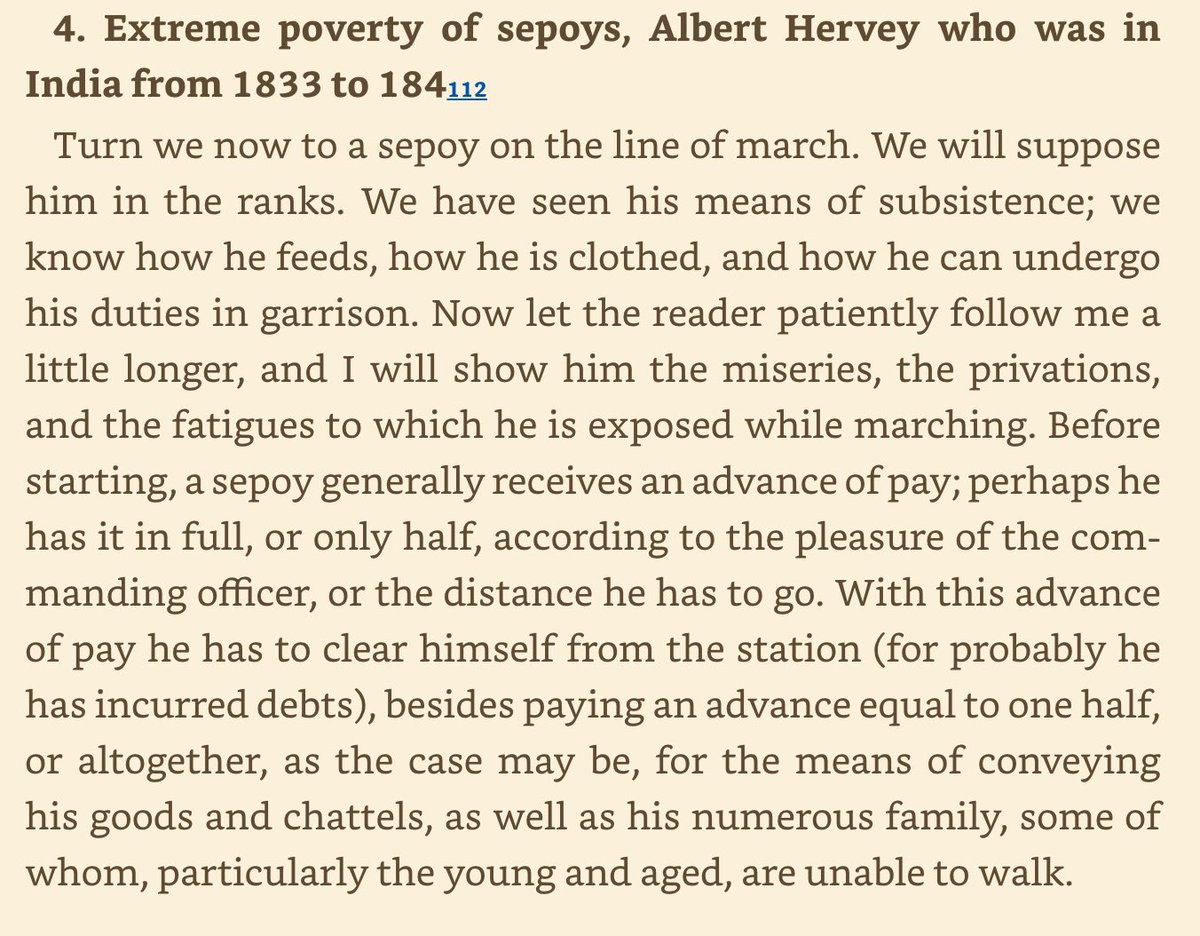
The sepoys of the British East India Company were extremely poor with their meager lifestyle detailed.


Europeans lamented that India’s caste system meant they had to hire so many different servants for each occupational duty corresponding to its respective caste. As a result, they’d have a whole regiment of servants.


Jats, Ahirs, Gujjars, & other peasant castes used to mix freely apparently. With the ascendency of Jat military success though, distinctions began to emerge and castes solidified.

Jat Hinduism was pretty much indistinguishable from other Hindus contrary to modern Jatitva narratives. The militarized peasants found much martial success. Eventually, they’d kept to their rustic ways in demeanor but lost their edge in warfare to the luxury of royalty.


The Marathas’ ranks swelled with their victories & plunder. Various castes would join their army & even the notion of the caste of “Maratha” changed with this great amalgamation of ambition.


Interesting that Alexander Dow, a Scottish army officer in the East India Company, identifies Marathas with Rajputs. He notes the paradox of terror they wrought upon the Mughals but the exceptional peace & justice of their own domains.

Maratha intent was the expulsion of Muslim rule & restoration of Hindu sovereignty in the subcontinent. Their vision would be undone by Panipat, wars with the English, & ultimately internal feuds.
Observations on Sikh religious practices, with particular emphasis on overlap with Hinduism even in worship. Muslims who wanted to join Sikhism had to drink from a vessel that had been contaminated with boar bone, tusks, or blood.


You come across repeated instances of Sikhs being praised for their generosity, commitment to truth, & disposition for military endeavors.


The advantage of the Sikh Misls & particular trouble they gave the British came from a few sources. Firstly is their powerful use of cavalry & muskets. Secondly is their austere lifestyle which gave them more endurance in battle versus other more luxurious Indians. And lastly is
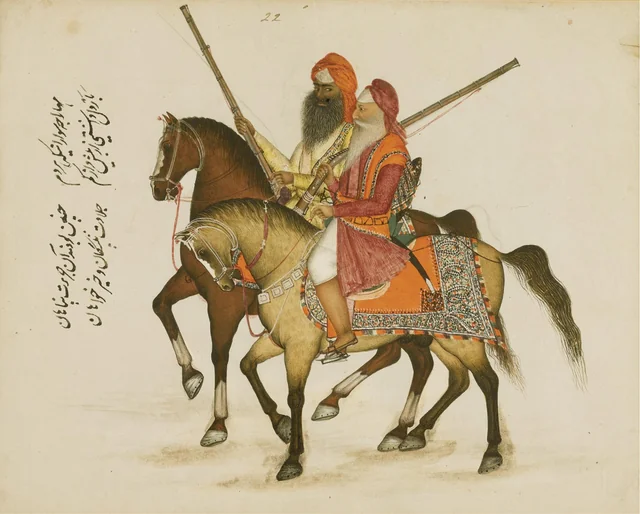


Maharaja Ranjeet Singh firstly had to subdue the Akalis who could prove to be troublesome within the empire. He then composed irregular regiments of them as shock troops. Once during a failed invasion of an Afghan position, Singh sued for peace. In the middle of the negotiation,


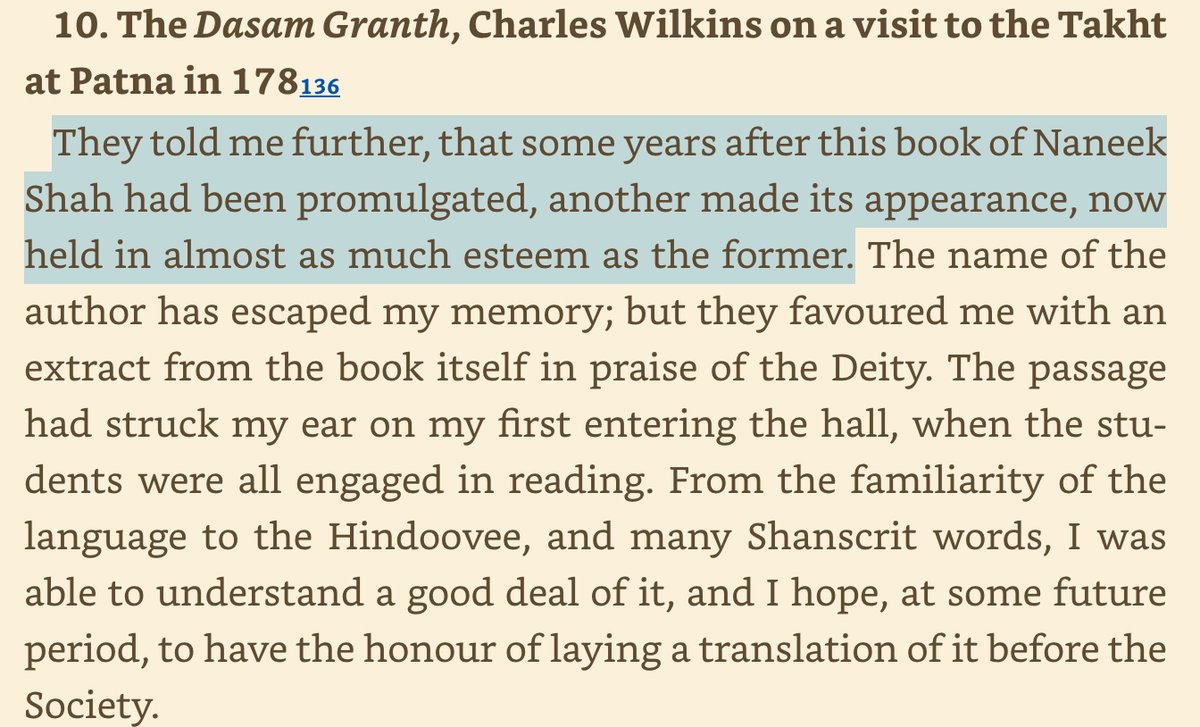
The Dasam Granth was held at equal esteem as the Guru Granth Sahib (?) - makes sense that this was at the Patna Takht considering Guru Gobind Singh's birthplace.
Explorer William Moorcroft on the hunt for Kashmiri shawls notes the unique environment of Kashmir upon conquest by the Sikhs. Not too kind words for Kashmiris but most interesting is the religious dynamic - not much mind for Pundits/Mullahs, some degree of pluralism amongst the


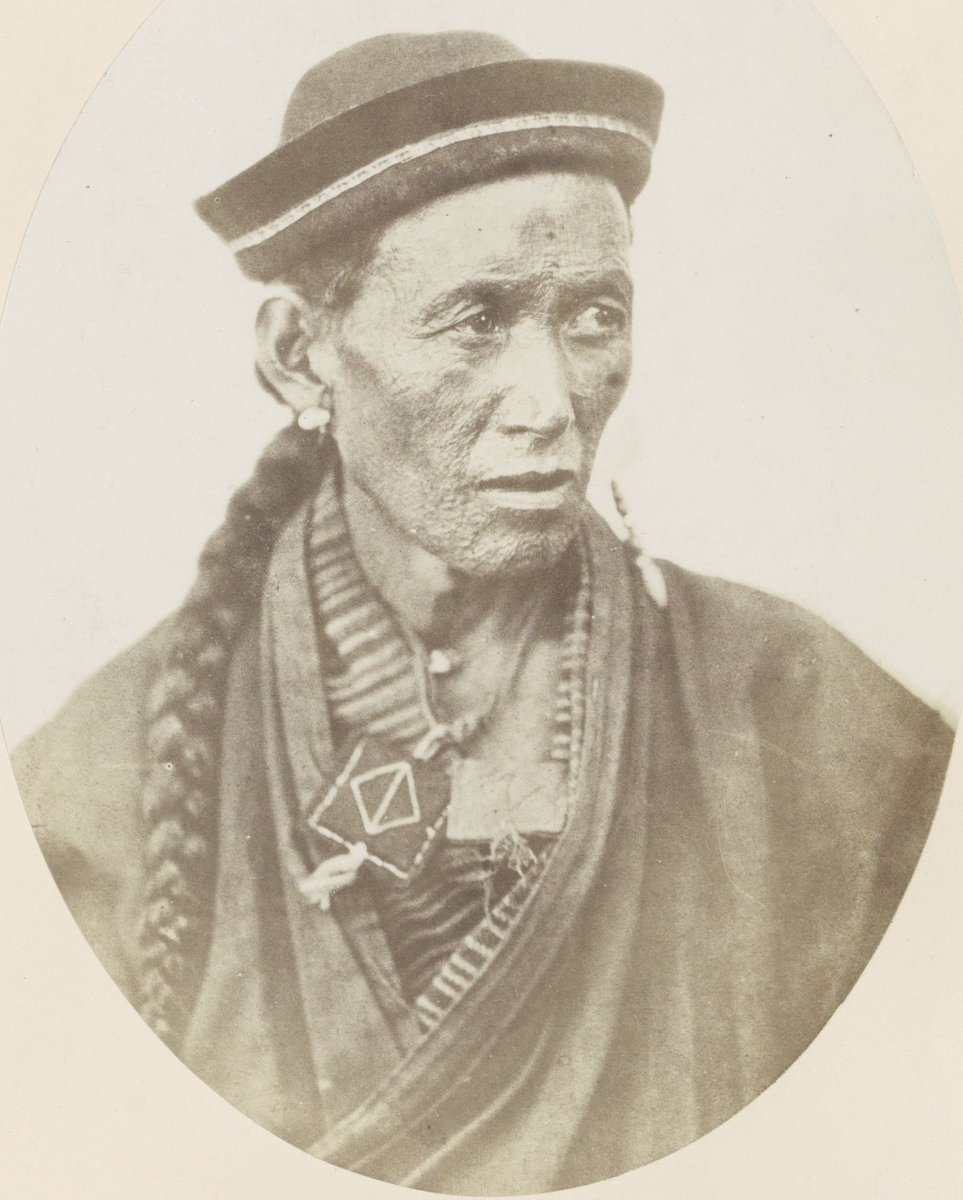
The Himalayan Bhutias apparently claim descent from Timur Lang despite being Buddhist now.