
Andrej Karpathy recently dropped a 3-hour masterclass on how ChatGPT really works. It's one of the best lectures I've seen on LLMs. Here are my key takeaways 🧵
1/ The Training Pipeline LLMs are built through a multi-stage process, with two major stages: 1. Pre-training (learning from internet data) 2. Post-training (learning from human examples)
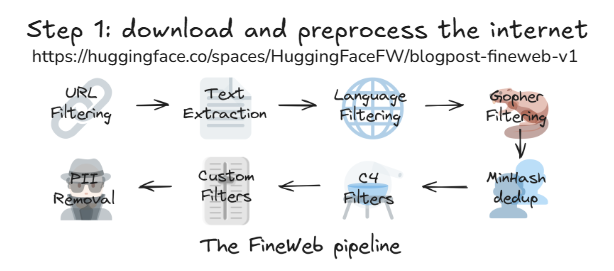
2/ Pre-training (Building a Base Model) Step 1: Data Collection → The first step in training an LLM is downloading and processing the internet. → companies like OpenAI, Google, and Anthropic gather massive amounts of publicly available text from sources like Wikipedia, Common
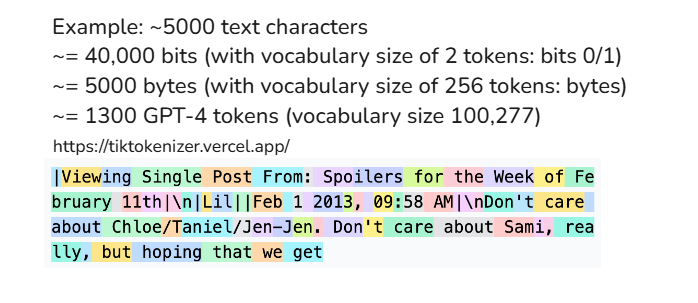
3/ Step 2: Tokenization LLMs don’t process raw text directly. Instead, they convert raw texts into a sequence of tokens It uses byte-pair encoding to create efficient token representations
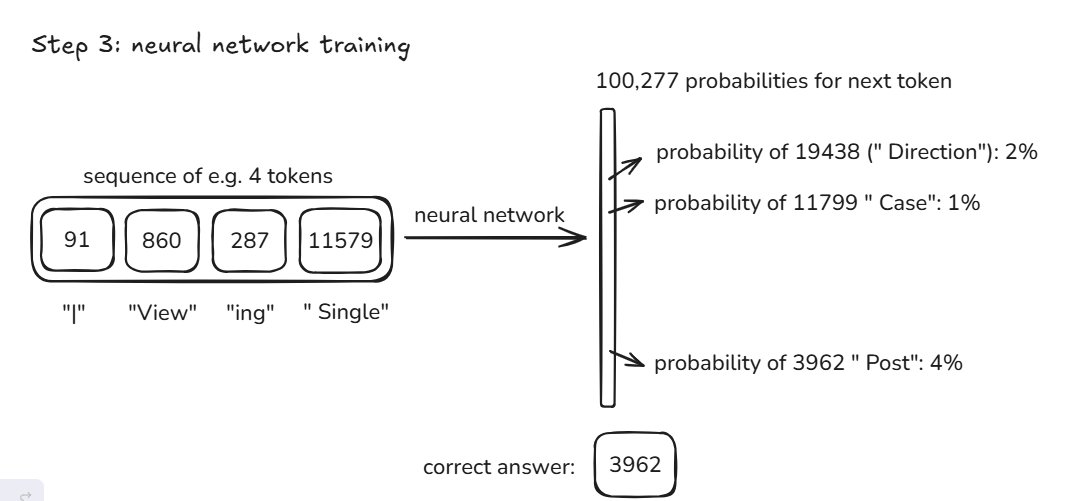
4/ Step 3: Training the Neural Network The model is then trained using next-word prediction: it takes a sequence of tokens as input and predicts the most likely next token. Training involves: → Random initialization - gradually improving predictions by adjusting weights. →
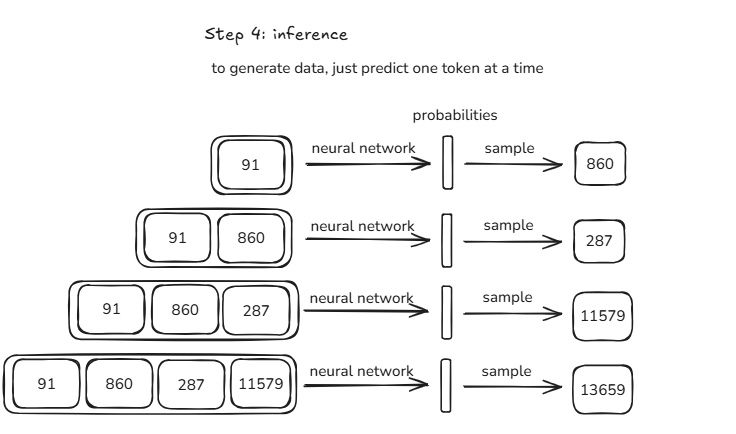
5/ Step 4: Inference Once trained, the model can generate text by predicting tokens step by step Text Generation Process → Autoregressive Prediction: The model generates text one token at a time. → Probability-Based Sampling: Multiple valid outputs exist, so responses may
6/ Post-training After pre-training, the model is still just an "Internet text generator." It can generate plausible-sounding text, but it’s not yet an 'assistant.' To make it useful, it goes through post-training
7/ Post-training techniques: → Supervised fine-tuning: Human labelers provide curated examples of high-quality responses. → Reinforcement Learning with Human Feedback (RLHF): Models are fine-tuned using human preferences to align responses with user expectations. → Safety
8/ Limitations of LLMs: → Hallucinations – They make up plausible-sounding but false information. → Context Limits – GPT models can “remember” only a certain number of tokens at once. → Biases – If training data has biases, the model will reflect them. → Lack of True
9/ How to get better responses from LLMs → Be specific – Vague questions lead to vague answers. → Use role-playing – “Act as an AI expert and explain X.” → Provide examples – Show the structure you want. → Break down complex queries – Step-by-step instructions work best. →
10/ What's next for LLMs → Longer memory – Some models can process 100K+ tokens at once. → Cheaper, faster models – Smaller, more efficient LLMs are emerging. → Multimodal AI – LLMs that understand text, images, and video. → Better safety & alignment – Reducing bias & halluci
11/ If you’re curious to learn more, I highly recommend watching the full video. @karpathy does an excellent job breaking down how LLMs like ChatGPT works
12/ Want a visual summary? Karpathy shared the exact file he created. 1. Download this file: 2. Visit Excalidraw .com 3. Import the file & explore the full lecture visually!
That's a wrap ✨ Hope you enjoyed it If you found this thread valuable: 1. Follow @0xmetaschool for more 2. Retweet the first tweet so more people can see it