
In 1983, Ritz-Carlton did the unthinkable: They gave every employee the power to spend $2000 without approval. Most thought this was a HUGE risk. But 40 years later, this one rule has revolutionized luxury hospitality forever. Here's the story behind the famous $2000 rule🧵:

It started in the early 1980s. Horst Schulze was brought in to revitalize the legendary Ritz-Carlton chain. His core belief would guide the Ritz for decades: Luxury wasn't about opulent spaces. It was about making people feel at home.


Guests didn't just want luxury amenities. They wanted psychological safety. A place where they could trust their needs would be met instantly. Without hesitation. Without bureaucracy. Just like mom would handle it.
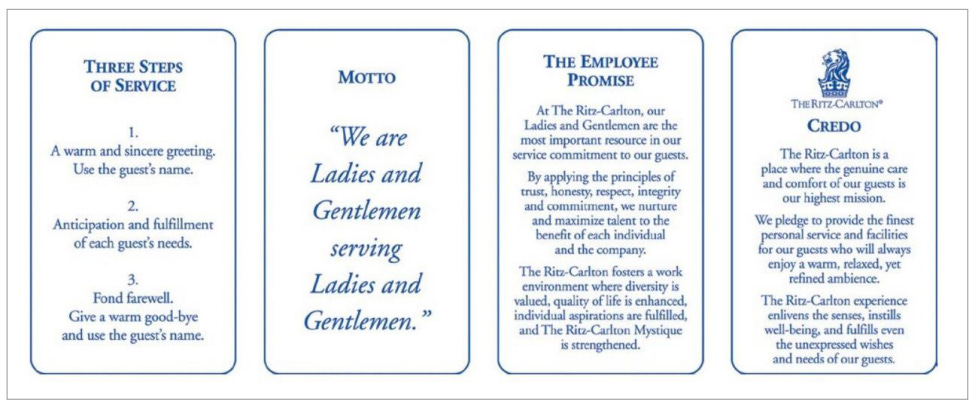
So Schulze made an unprecedented move: Every employee could spend up to $2000 per guest, per incident. No approval required. No questions asked. Traditional hoteliers thought he'd lost his mind.
Here's what made it work: Average lifetime value of a Ritz Guest: $200,000 Spending $2,000 per incident wasn't a cost—it was a strategic investment. But here's what most miss: The rule isn't about spending money. It's about trust.
The genius of the rule was simple: Schulze knew his staff had the skills. Now they had the authority to match. As he told his team: "We are ladies and gentlemen, serving ladies and gentlemen." This rule has created countless stories over four decades…
The Forgotten Laptop: A guest called in panic from Hawaii. His laptop—critical for tomorrow's presentation—was still at the Ritz in Atlanta. A housekeeper didn’t trust UPS to get it there on time. She flew to Hawaii, delivered it personally, and returned the same night.
The $600 Gamble: A server overheard two executives planning their annual conference. They were staying at another luxury hotel. He quietly comped their $600 dinner. A small gesture w/ perfect timing. They moved their yearly event—worth hundreds of thousands—to Ritz-Carlton.

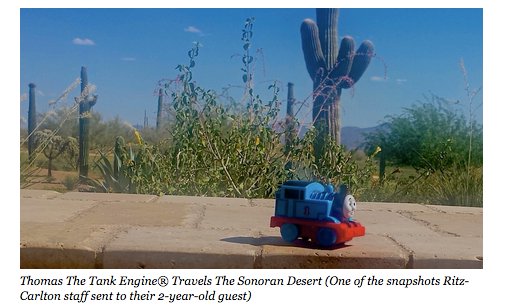
Thomas's Luxury Vacation: A family realized their worst nightmare after checkout: Their child's favorite toy—Thomas the Tank Engine—was left behind. Staff didn't just mail the toy back. They photographed Thomas enjoying the pool & getting spa treatments.
The Honeymoon Rescue: A wedding ring vanished into Cancun's sandy beach. Hours of desperate searching led nowhere. After the beach closed, staff bought four metal detectors. They searched through the night, refusing to quit. The newlyweds woke to find their ring waiting.
These stories reveal more than service excellence. They show how Ritz-Carlton was shaped by Schulze's vision: Making luxury feel like home. The $2,000 rule teaches us 3 timeless lessons:
1. Problems solved immediately become opportunities. When issues are addressed without hesitation, Minor frustrations don't become major complaints. Guests feel genuinely cared for. This builds unshakeable loyalty.
2. Create unexpected moments of delight. The rule isn't about damage control. It's about empowering staff to spot opportunities: To surprise, to delight, to go beyond fixing. Small gestures create lasting memories.
3. The greatest marketing isn't in the spending. Most solutions cost less than $100. But just having the rule builds trust. It shows guests the Ritz will always put them first. That's marketing you can't buy.
While we don't have a large onsite team like Ritz-Carlton... We've built Onera with similar principles. Our focus on guest experience shines through: - Instagrammable designs that inspire - Total immersion in nature - Curated romantic moments
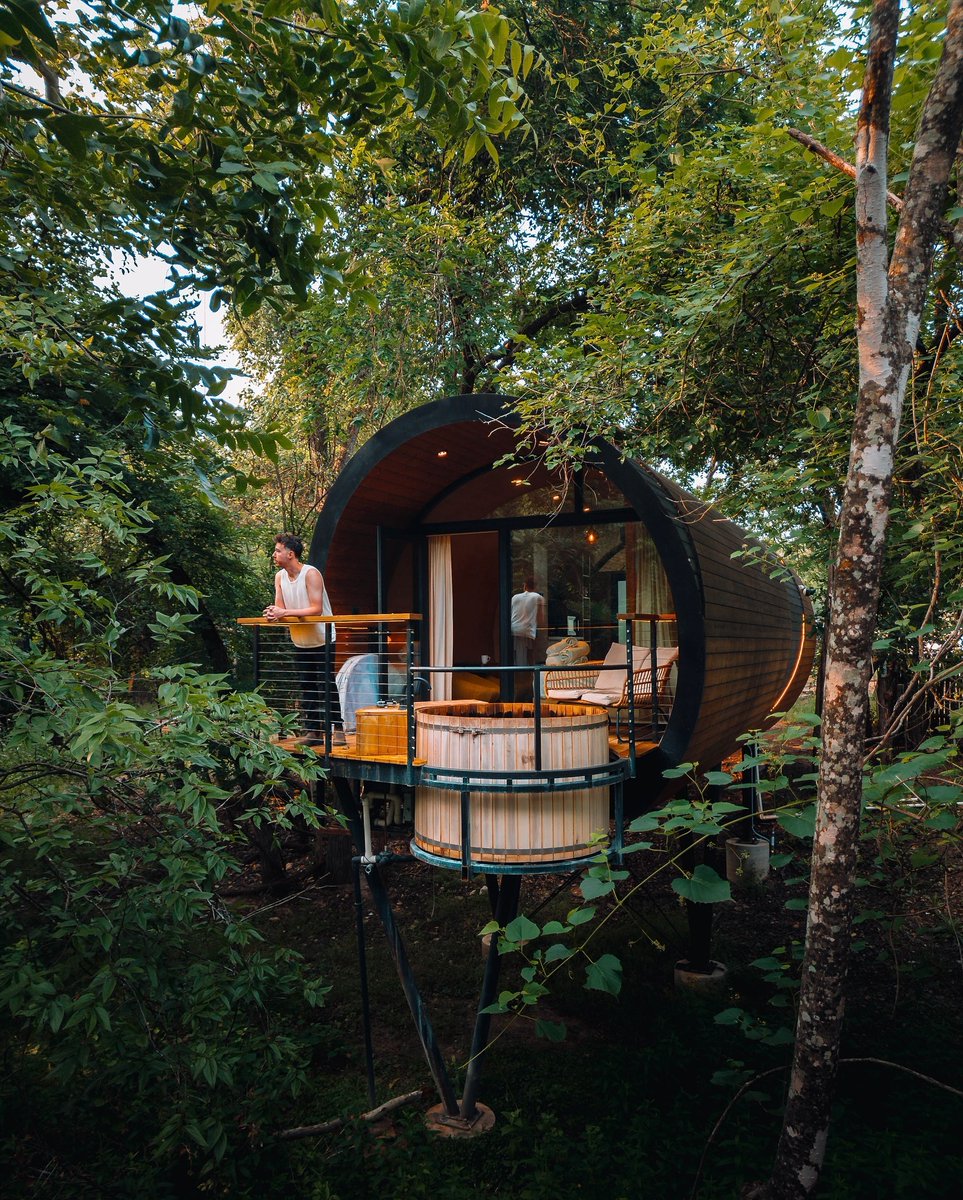
Every step of crafting an Onera property puts the guest first: Land selection: Will they capture amazing photos here? Design choices: What will truly inspire them to stay? Experience curation: What creates the perfect romantic escape?

Whether at Ritz-Carlton or Onera, one truth defines modern luxury: Travelers don't want transactions. They want experiences worth remembering. They want to feel like their experience is all that matters.
If you enjoyed this and are looking to navigate the future of hospitality and hospitality marketing– Consider joining my weekly newsletter: https://stayoasi.ck.page/bwnew...
Follow for more hospitality secrets: @uniquestaysguy Repost if this changed how you think about hospitality 🙏
@uniquestaysguy Amazing thread. Thanks for writing this up!
@RobertMSterling Thank you!
@uniquestaysguy Awesome thread
@jackmurphylive Thanks!
@uniquestaysguy This was a fantastic read I'd heard about this but never in quite this detail!
@CarolWalshReal1 Amazing story of unreasonable hospitality!
@uniquestaysguy Great lesson and story that applies to all entrepreneurs and small business owners about building a culture of customer excellence and experiences, and trusting employees with the tools to make that happen.
@SBECouncil People, culture and service. So important for all companies and all so intimately related.
@uniquestaysguy great post, Ben. Thanks for sharing.
@JeremyGlantz Thank you!
@uniquestaysguy Totally fascinating but one question - I feel like Four Seasons does the same, but maybe even to a greater extreme. Who did it first? And would you say today that Four Seasons does it better?
@morganlinton Four Seasons offers incredible hospitality though I don't think they have the $2000 rule. They are driven by "The Golden Rule" - treat others as you would like to be treated. They focus on personalized service, anticipating guests needs and empowering staff to meet those needs.
@uniquestaysguy Most companies, management and employees are mainly focused on the next quarterly numbers these days.
@CapitalTzar It's a breath of fresh air to see someone going all-in on the guest experience!
@uniquestaysguy the biggest lesson is the private sector allocates capital for better than the public sector. This would never work if a DMV worker got $2000
@uniquestaysguy When I became a Ford dealer in 1996 going thru orientation Ford put us up at Ritz in Detroit. Part of it was going to a hands on training about the culture of the Ritz service. I remember the $2,000 on the spot allowance any employee was allowed to appease a customer. Seems like
@rgtnpt12 Such an amazing way to empower your team to do great work!