
From the strokes of a brush to the chisel on marble, these immortals gave us the world we know today. These legends didn’t follow the rules- they wrote them. Let's explore the immortal geniuses who shaped civilization: 🧵

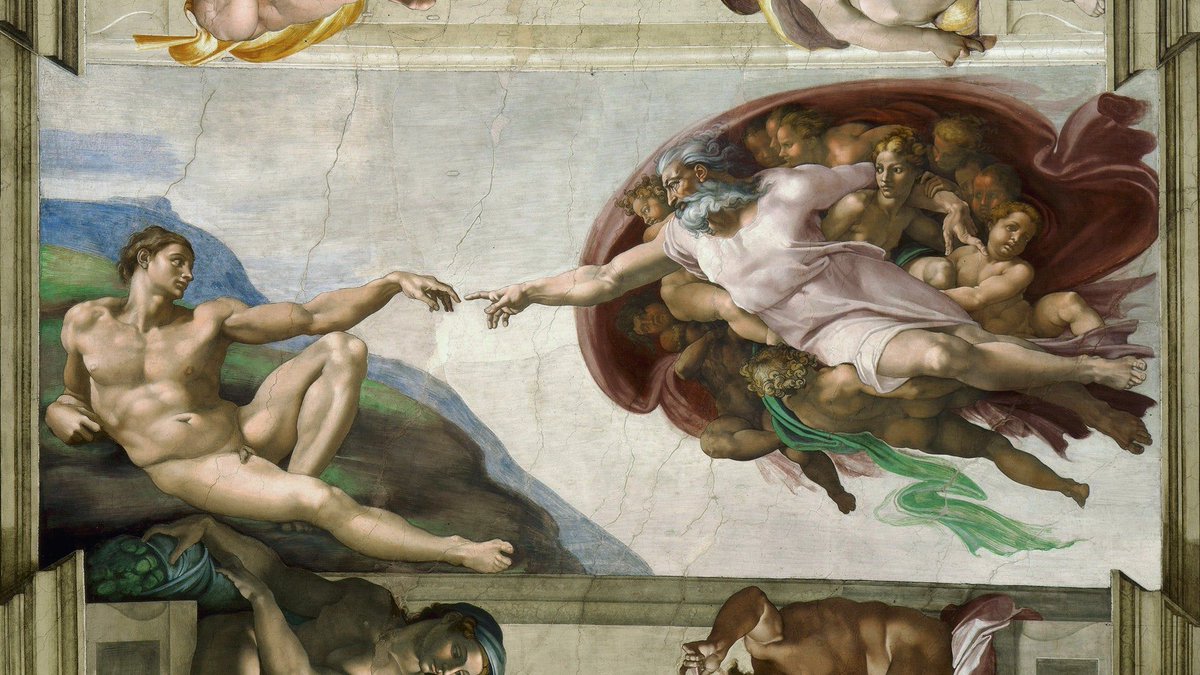
Michelangelo He was born in 1475 and displayed an early aptitude for art. At just 13 years old, he began sculpting under the support of Lorenzo de Medici, the legendary ruler of Florence. Michelangelo's talent soon gained him recognition across Italy. His monumental


William Shakespeare - was an English playwright and poet known for his profound insights into the human condition. His impact on literature and theater remains unparalleled. His works explore themes of love, power, jealousy with unparalleled depth, insight and mastery. He


Vitruvius - was a Roman architect, engineer, and writer. He is best known for his influential work "De Architectura," a comprehensive treatise on various aspects of architecture, engineering, and urban planning. This work still remains one of the most important sources of


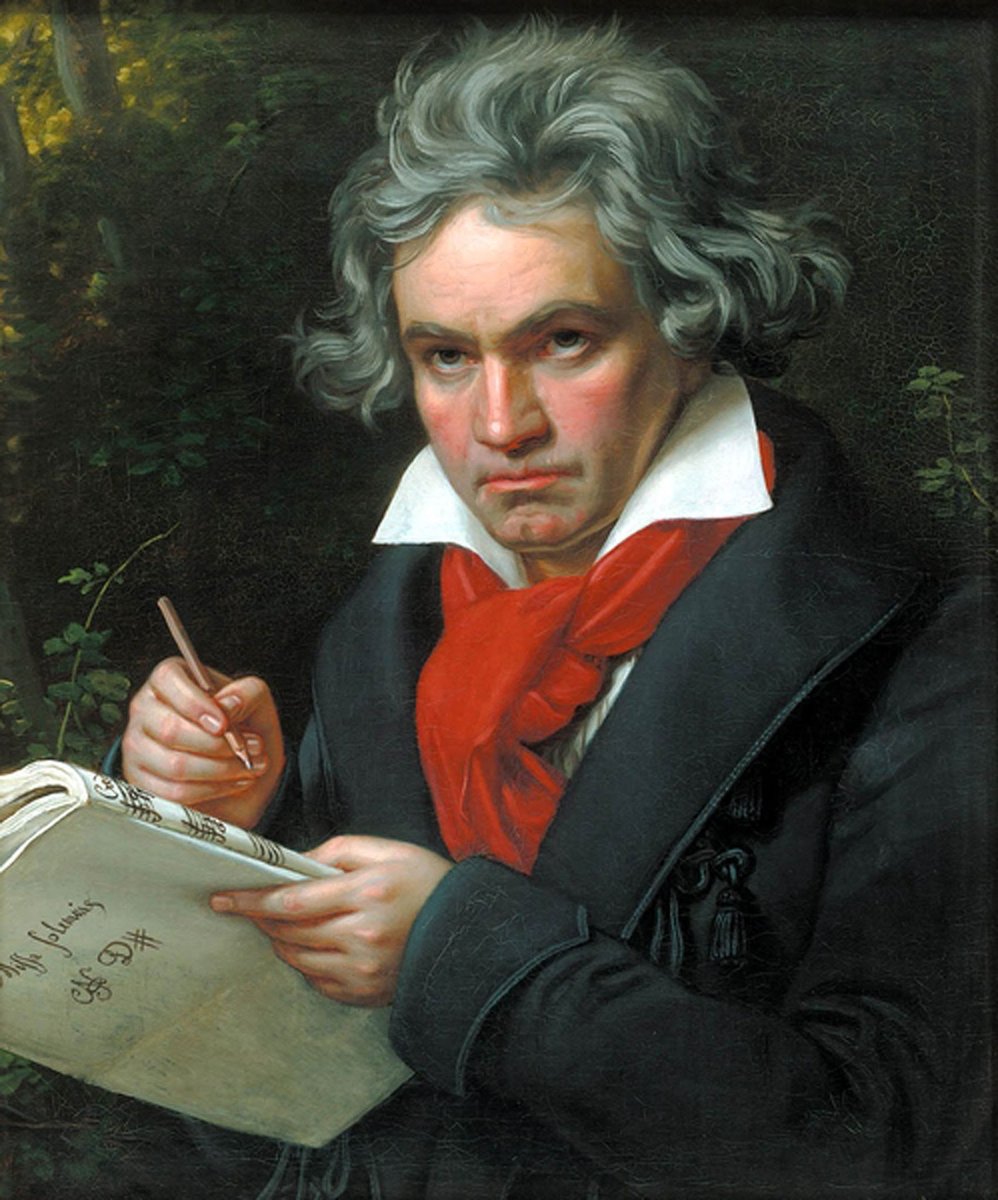
Ludwig van Beethoven - was a musical genius whose compositions revolutionized classical music. His early talent as a pianist and composer was evident from a young age. However, tragedy struck when he began to lose his hearing in his 20s, leading to deafness. Despite this

Raphael Sanzio - a painter and architect of the High Renaissance, was born on April 6, 1483, in Urbino, Italy. His artistic prodigy manifested at an early age, and by his teens, he was already a sought-after talent in the burgeoning art scene of Florence. Raphael honed his


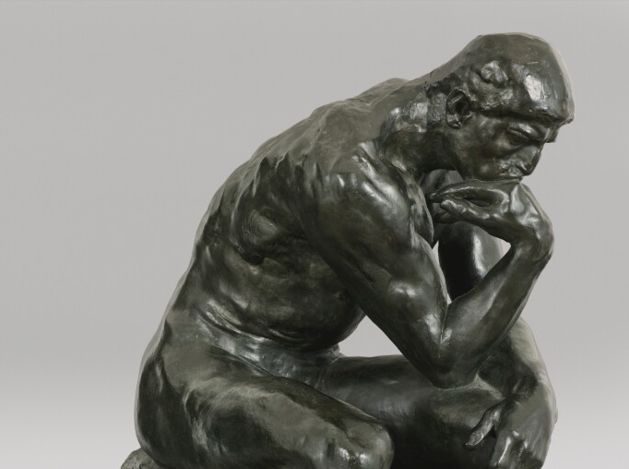
Auguste Rodin - was a visionary French sculptor known for revolutionizing the art form. His works, such as The Thinker and The Kiss, are iconic representations of the human mind and emotion. Rodin's mastery of texture and movement challenged traditional conventions. His


Geoffrey Chaucer - is often called the "Father of English Literature." His masterpiece, "The Canterbury Tales," is a collection of stories told by pilgrims on a journey. - offering a vivid panoramic keyhole of observation into medieval society. Chaucer's wit, humor, and


Hippodamus of Miletus - was a 5th-century BC Greek architect and urban planner, who revolutionized city design by introducing a grid pattern layout, now known as the "Hippodamian plan." He applied mathematical principles and considerations for civic functionality in his

Pyotr Ilyich Tchaikovsky - was a Russian composer renowned for his rich and emotive music. He was born in Votkinsk, and displayed early musical talent and received formal training at the St. Petersburg Conservatory. Tchaikovsky's compositions, including ballets like Swan

Rembrandt van Rijn - was a Dutch artist of the 17th century, and stands as a luminary in the realm of Baroque painting. He achieved unparalleled mastery in capturing the interplay of light and shadow, a technique that brought depth and emotion to his works known as


Donatello - was born around 1386 in Florence, Italy, and was a pioneering sculptor of the Renaissance. Apprenticed to Ghiberti, he later collaborated with Brunelleschi and became a key figure in the artistic rebirth of the 15th century. Donatello's innovative approach to


Mark Twain - was a literary genius of 19th-century America, who wielded his pen with unparalleled wit and insight. Twain's iconic works, including The Adventures of Tom Sawyer and Adventures of Huckleberry Finn, stand as American literary monuments. His prose, rich in


Imhotep - was an ancient Egyptian polymath who rose to prominence around 2600 BC. Revered as a genius, Imhotep was not only an architect but also a high priest, physician, and advisor to the pharaoh. His architectural innovations, such as the use of stone rather than

Gian Lorenzo Bernini - was an Italian sculptor, architect and painter who played a pivotal role in the development of Baroque art. He demonstrated talent from a young age, receiving early patronage from prominent figures, including Pope Paul V. Interestingly, he had a


Homer - was a legendary ancient Greek poet, and is credited with composing two foundational epic poems, The Iliad and The Odyssey. The Iliad unfolds during the Trojan War, chronicling the hero Achilles' wrath and the tragic conflicts among mortals and gods. It explores

Ictinus - was an ancient Greek architect renowned for his contributions to classical architecture during the 5th century BC. He is best known for his collaboration with Callicrates in designing the Parthenon. - a temple dedicated to the goddess Athena on the Athenian


Wolfgang Amadeus Mozart - was a prodigious Austrian composer born in 1756, and left a lasting mark on classical music with his extraordinary talent and prolific output. A musical prodigy from a young age, he composed his first symphony at the age of eight and went on to


Titian - was a Venetian painter of the Renaissance era, whose artistry echoed throughout the world of Western art. He lived from around 1488 to 1576 and is often referred to as the "sun amidst small stars" by contemporaries. Titian was a master of color, light, and


Polykleitos - was a renowned ancient Greek sculptor, who changed classical art with his groundbreaking contributions. He revolutionized the field of sculpture. - emphasizing mathematical precision and anatomical harmony. His masterpiece, the Doryphoros (Spear Bearer),

Walt Whitman - revolutionized American poetry with his groundbreaking collection "Leaves of Grass." Whitman celebrated American life. - embracing the common man and elevating everyday experiences to the realm of the sublime. His poetry, marked by free verse and a


Dinocrates - was a visionary architect of ancient Greece and was the technical adviser for Alexander the Great. Most notably, Dinocrates envisioned a colossal project to carve Mount Athos into a massive statue of Alexander the Great, a symbol of his grandiose imagination.

Jean-Baptiste Carpeaux - was a 19th-century French sculptor and painter who quickly gained recognition for his exceptional talent. Carpeaux's sculptures, including the celebrated Ugolino and His Sons, showcase his ability to infuse marble with an astonishing sense of


Leonardo da Vinci - was the epitome of Renaissance brilliance. A polymath of unparalleled genius in the 15th and 16th centuries and born in Vinci, Italy, in 1452, da Vinci's insatiable curiosity spanned art, science, anatomy, engineering, and more. Renowned for masterpieces


Antonio Vivaldi - was an Italian Baroque composer and violinist renowned for his innovative concertos and operas. He was born in Venice and learned music from his father and studied to become a priest. Despite being ordained in 1703, Vivaldi chose to focus on music,


Johann Sebastian Bach - was an 18th-century German composer and musician, who stands as a cornerstone of Western classical music. He is renowned for his intricate counterpoint and profound emotional expression. Bach's compositions, including the Mass in B Minor, Brandenburg

J.R.R. Tolkien - was a luminary writer, linguist, and philologist who captivated the world with his creation of Middle-earth. Renowned for his epic fantasy works, including "The Hobbit" and "The Lord of the Rings" trilogy and "The Silmarillion," Tolkien crafted a world teeming


@ClassicalAegis And best of all, they were all white Europeans. That is the source of their greatness.