
🧵 𝐌𝐞𝐠𝐚 𝐓𝐡𝐫𝐞𝐚𝐝: 𝐇𝐨𝐰 𝐑𝐚𝐦𝐩𝐚𝐧𝐭 𝐖𝐚𝐬 𝐒𝐡𝐢𝐫𝐤 𝐈𝐧 𝐓𝐡𝐞 𝐀𝐫𝐚𝐛𝐢𝐚𝐧 𝐏𝐞𝐧𝐢𝐧𝐬𝐮𝐥𝐚? 𝐓𝐡𝐞 𝐖𝐢𝐝𝐞𝐬𝐩𝐫𝐞𝐚𝐝 𝐓𝐞𝐬𝐭𝐢𝐦𝐨𝐧𝐲 A thread containing over 90 different sources, exposing the rampant practice of shirk, superstition and irreligiosity

𝟭) 𝗘𝘂𝗿𝗼𝗽𝗲𝗮𝗻 𝗲𝘅𝗽𝗹𝗼𝗿𝗲𝗿𝘀 In the journey of the French envoy Jan A’outr around the year 1150H, he reports on the shrines and the practices performed at them, as he visited some and witnessed these rituals firsthand.

The British advisor, Thomas Bertram, recounts what he witnessed of witchcraft and seeking help from demons during his time in southern Arabia. ❝People here throw bread on flowing waters to appease the “subiro” spirits hovering over it. The word, similar to its counterpart in


Thomas Bertram also mentions conflicts between the Bayt Zayyān tribe and the Qurait tribe to perform rituals here, with the Bayt Zayyān tribe invoking the spirits if their ancestors in battle. • He then said: ❝Many pagan beliefs and other spiritual doctrines still exist and
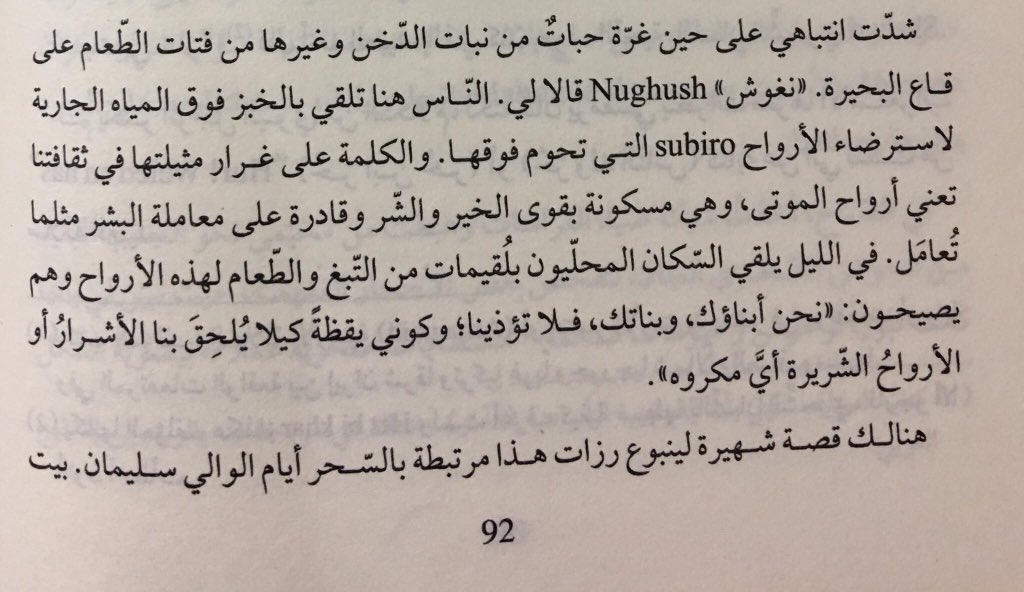

More examples include: - Swearing oaths by shrines and tombs, some of which date back to the pre-Islāmic period - Swearing by Allāh and lying was commonplace • Thomas Bertram said: ❝One of the distinctive characteristics of these tribes is also their addiction to swearing

The testimony of the German explorer (Heinz Von) on what he witnessed during his pilgrimage to Makkah in the year 1276H. ❝On the 24th of May, 1860, we arrived near the island of al-Nuʾmān, which is a long rocky coastline made up of dense layers of coral reefs extending along


• Heinz Von gives further description of grave superstitions around Makkah: ❝Before we left the shrine of Sabīl Aghā the scholar, we had to pay the customs of reverence and veneration for this saint whose shrine we stood by. A few pilgrims entered the tomb of this righteous


The testimony of the British officer (Woolstead) about what was happening in the coastal areas of the Arabian Peninsula in terms of manifestations of shirk, sorcery, and magic. ❝They also practice divination or fortune-telling through various means, where the soothsayer burns


𝟮) 𝗠𝘂𝘀𝗹𝗶𝗺 𝘀𝗰𝗵𝗼𝗹𝗮𝗿𝘀, 𝗵𝗶𝘀𝘁𝗼𝗿𝗶𝗮𝗻𝘀 & 𝘁𝗿𝗮𝘃𝗲𝗹𝗹𝗲𝗿𝘀 The Tree of Umm ʿAyāsh In the year 1120H, the pilgrim Murtaḍā ʿAlwān arrived at Wādī al-Sarḥān and saw people circumambulating a tree known among them as Umm ʿAyāsh. They told him that his


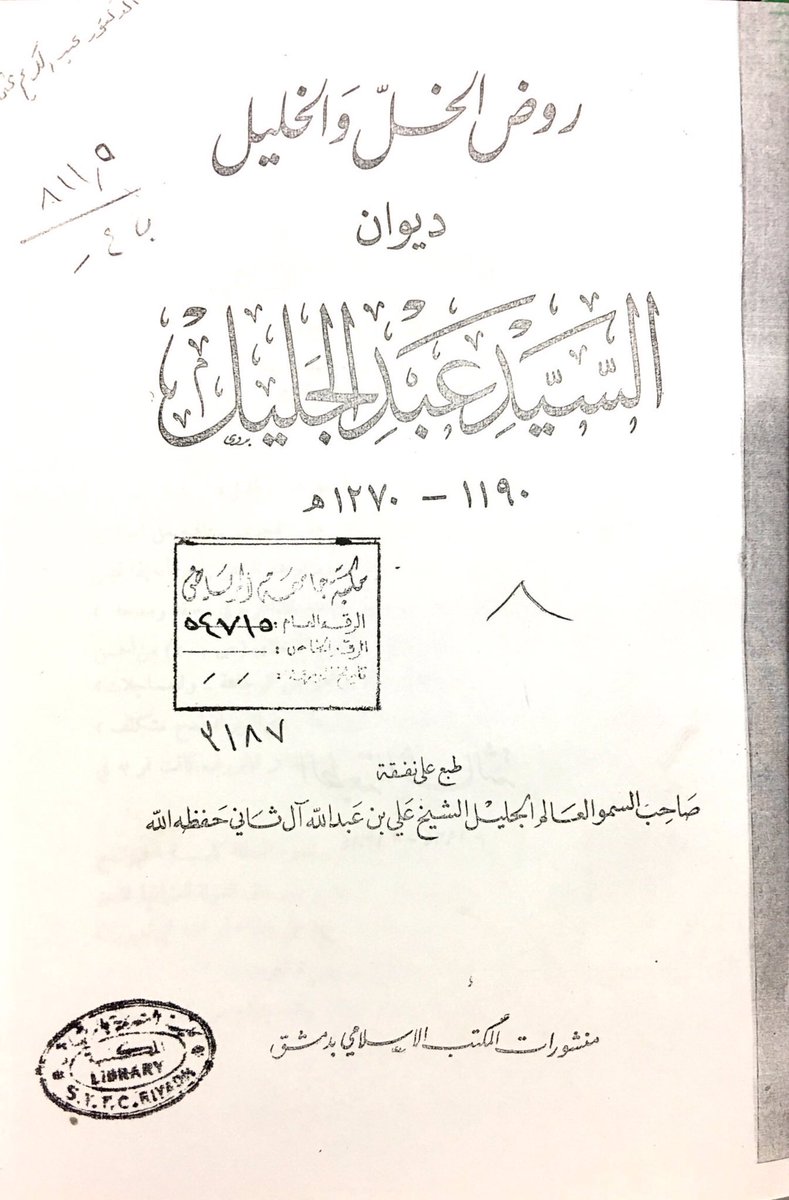
The testimony of Shaykh Sayyid ʿAbd al-Jalīl al-Ṭabṭabāʾī (d. 1270H). He was among those who witnessed the Daʾwah of Muḥammad Ibn ʿAbd al-Wahhāb and was enlightened by its light after Allāh. He praises Muḥammad Ibn ʿAbd al-Wahhāb and the effects of its Daʾwah on a people


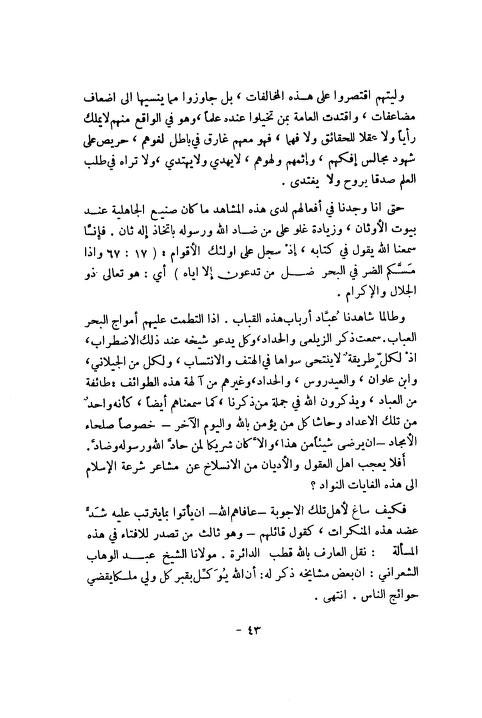
The observations of Yaḥyā Ibn Muṭahhar al-Ḥasanī regarding those manifestations, which he recorded during his pilgrimage journey to the hold land in the year 1211H. Some examples include: - An invoking the saints which the author classified as major shirk - The scholars were


In the year 1214H, Muḥammad Ibn Qurashī transcribed the book Iʾlām al-Muwaqqiʾīn by Ibn al-Qayyim for Shaykh ʿAlī Ibn Muḥammad Ibn ʿAbd al-Wahhāb. At the end of his copy, he composed a poem in which he acknowledged—after Allāh—the virtue of Muḥammad Ibn ʿAbd al-Wahhāb in


The testimony of the poet Ibn Ḥabshān, who lived during the time of the Daʾwah of Muḥammad Ibn ʿAbd al-Wahhāb, describing the widespread manifestations of shirk and its prevalence. He specifically mentions the deceptive sorcerer Tāj and his falsehoods, as well as the practice

This is another poem in which he depicts those dark and miserable conditions that were widespread at the time. Within it, he refers to the two idols of misguidance, Tāj and Shamsān.

Ḥusayn Ibn Mahdī al-Ṣanʾānī (d. 1187H) explaining the issue of grave and shrine worship and warning against it, a vivid portrayal of the reality during his time. • He said in one example: ❝How often have we witnessed the devotees of the lords of these domes: when the

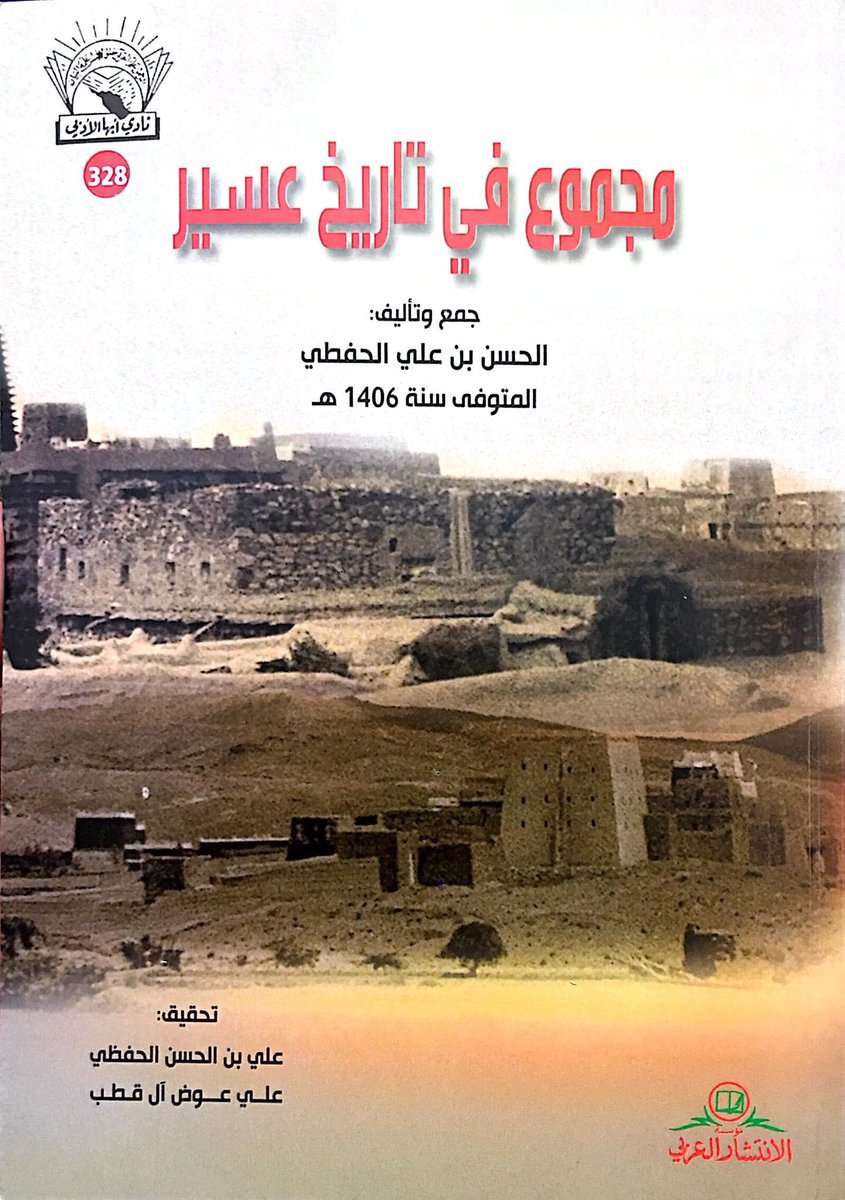
The testimony of the scholar Muḥammad Ibn Aḥmad al-Ḥafaẓī (d. 1237H), may Allāh have mercy on him, regarding the general condition, his praise for the call to monotheism, and his statement on its virtue after Allāh. He even authored a book on this subject.


The testimony of two scholars from the Āl Ḥafaẓī family regarding the general dark state before and during the emergence of the Imām who revived the call for monotheism: 1. The first is Muḥammad Ibn Aḥmad al-Ḥafaẓī, in a sermon and advice he wrote, which is stored in the

Here, Shaykh Mohammed Ibn Aḥmad al-Ḥafaẓī also mentions in his manuscript (Nafḥ al-ʿAwd Takmilah al-Ẓill al-Mamdūd) the impact of the call to monotheism revived by Muḥammad Ibn ʿAbd al-Wahhāb, in a precious statement: ❝With the beginning of the 13th century of the Hijrah,

The testimony of Shaykh Muḥammad Ibn Aḥmad al-Ḥafaẓī, may Allāh have mercy on him, regarding the manifestations of polytheism, innovations, and darkness that existed, and his gratitude to Allāh for the blessing of the call to monotheism, which, after Allāh, had great benefit

The scholar Shaykh Muḥammad Ibn Aḥmad al-Ḥafaẓī (d. 1237H) writes a heartfelt advice, in which he begins by praising and thanking Allāh for the blessings He has removed through His grace. He then emphasizes the virtue of the call to Tawḥīd, contrasting it with the

A part of a poem by Shaykh Muḥammad Ibn Aḥmad al-Ḥafaẓī that he sent to Prince ʿAbd al-Wahhāb Ibn Amīr, may Allāh have mercy on both of them. In it, he praises Allāh for the clarity and goodness of the revival daʾwah and their adherence to it. And the grandfather, Muḥammad


Another testimony also from the scholar Shaykh Muḥammad Ibn Aḥmad al-Ḥafaẓī, may Allāh have mercy on him: The letter of the scholar Shaykh Muḥammad Ibn Aḥmad al-Ḥafaẓī, in verse, which he directed to the people of Mukhālif al-Sulaymānī and its scholars, particularly


Evliya Çelebi, a man of high status and trust in the Ottoman sultanship, historian, and biographer, mentions in his journey to the Ḥijāz in 1082H the Ṣūfī lodges and the domes of graves that were widespread: - When in the Prophetic enclosure, people make duʾāʾ for various
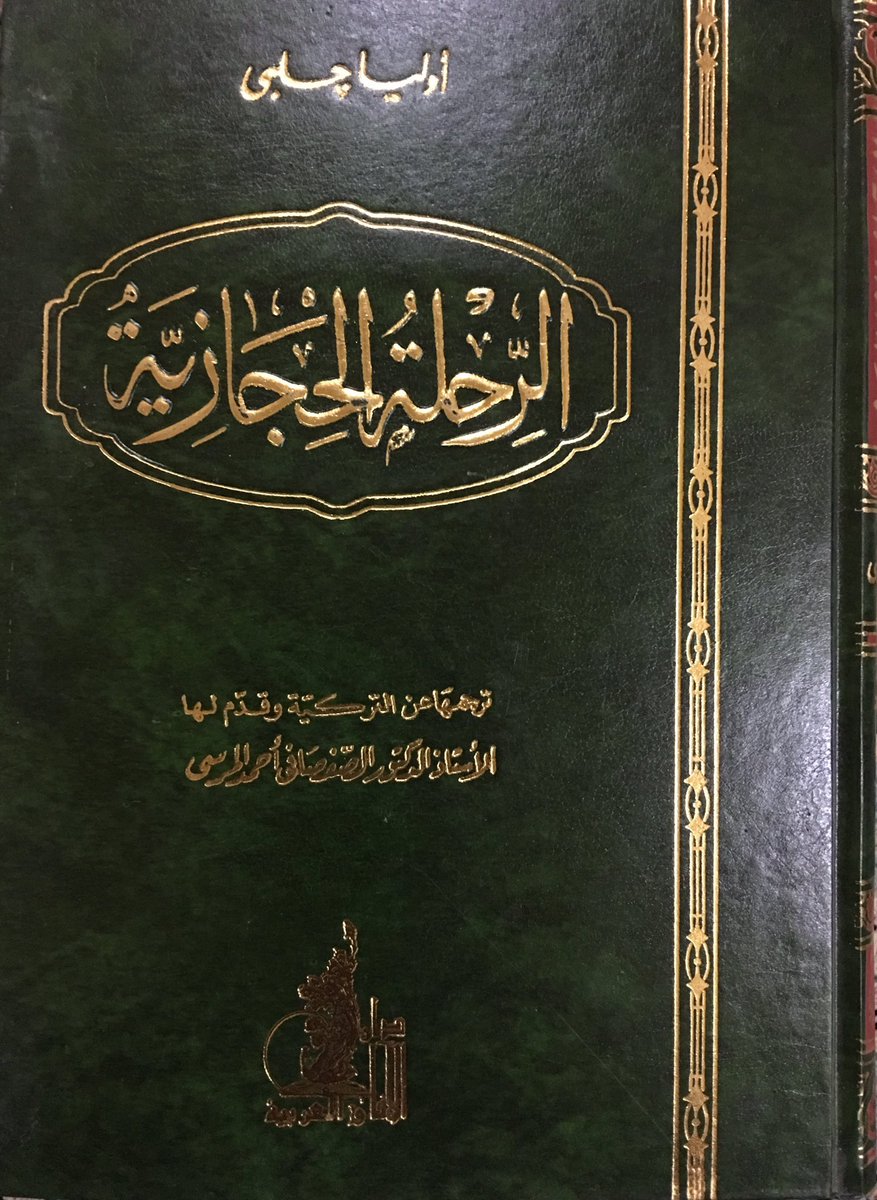

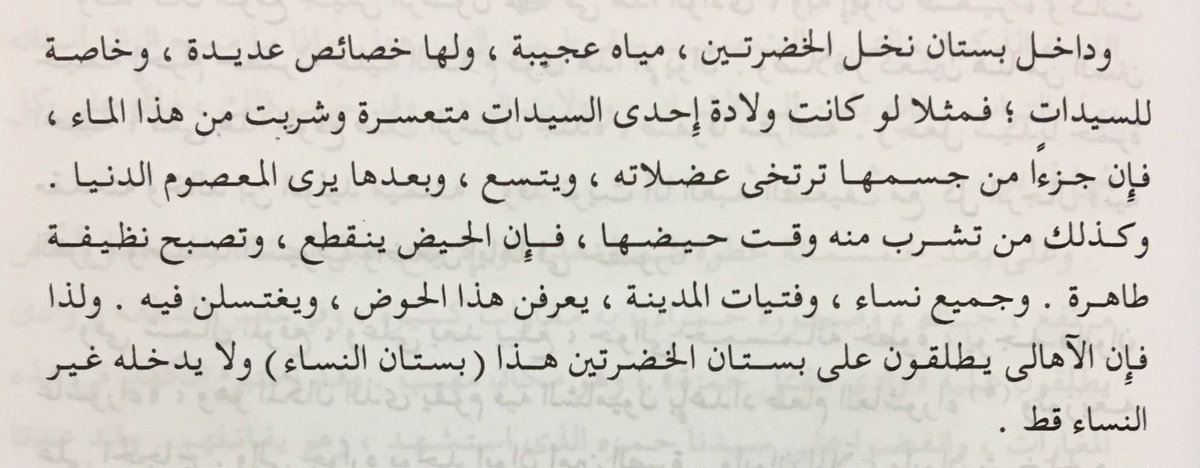
- At the shrine of Ḥamzah, place your sword inside the box to earn the reward of fighting the battle he was martyred in. - Soil that turned white because of the Prophet’s blood ﷺ, brushing your teeth with the soil will protect you from toothache. - After finishing Ḥajj, the


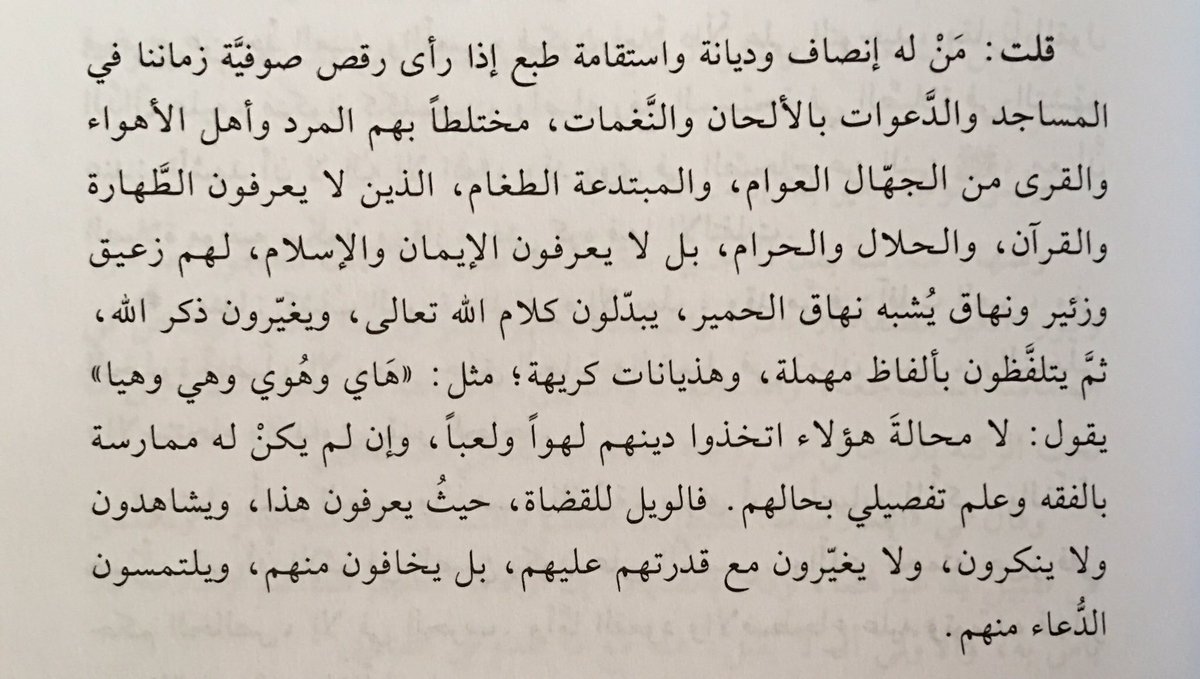
Al-Burkāwī criticized the silence of the scholars of his time about enjoining what is right, advising, and clarifying the truth. He touches upon the innovated practices of the Ṣūfīs. • He said: ❝I say: Who among those with fairness, piety, and uprightness of character, when
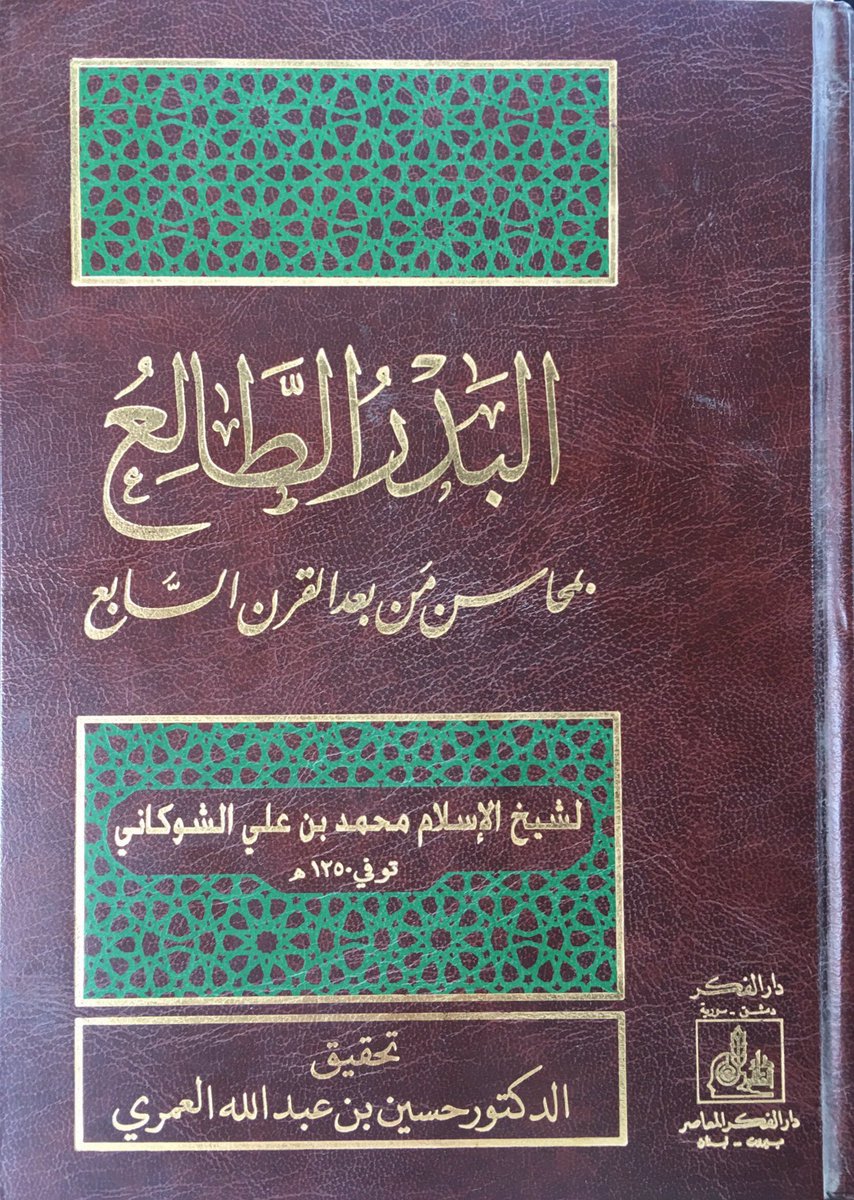
Imām al-Shawkānī mentioned that the people of Tihāmah had completely returned to ways of the pre-Islāmic polytheists, such as worshipping idols believing they bring them closer to Allāh.

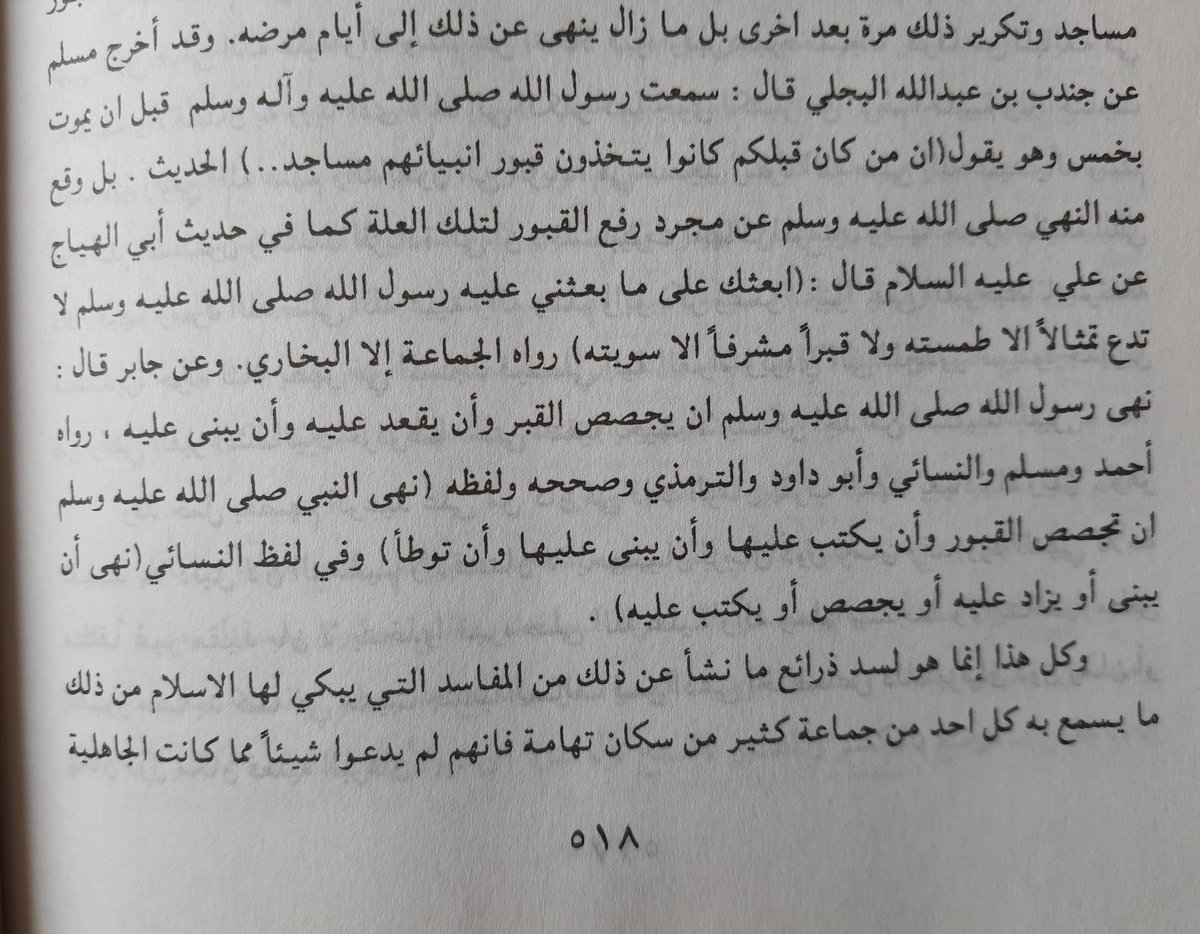

The testimony of al-Shawkānī about the deterioration of the general condition and religious situation in the Arabian Peninsula and Najd, and his mention of the widespread belief in asking the dead and the belief of its followers. ❝Saʾūd Ibn ʿAbd al-ʿAzīz Ibn Muḥammad Ibn


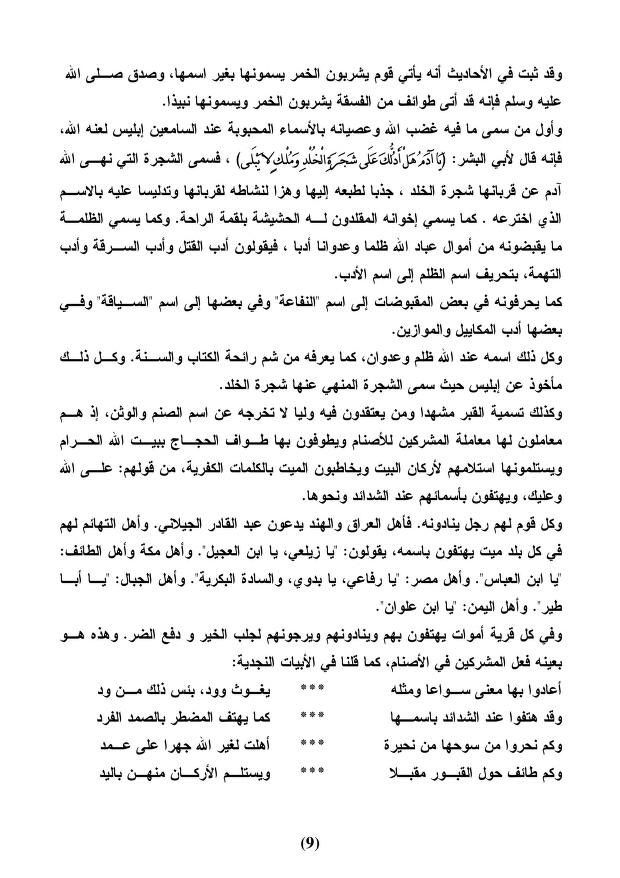
• Muḥammad Amīr al-Ṣanʾānī said: ❝Every group has someone they call upon: The people of ʿIrāq and India call upon ʿAbd al-Qādir al-Jīlānī. The people of Tihāmah in every village call upon a deceased figure, saying: “O Zaylaʾī, O Ibn al-ʿAjīl.’ The people of Makkah and Ṭāʾif
This documented journey was undertaken by al-Murādī in the year 1158H. The acts of shirk and innovation that the author witnessed are countless.

The notes of Murādābādī in 1202H during his pilgrimage journey to Makkah, detailing the shrines and tombs he visited and observed where people proudly exhibited manifestations of grave veneration. Anyone who couldn’t replay his debt for example would go to the shrine of Sayyid


The testimony of Imām al-Manṣūr of Yemen in his letter to Sharīf Ghālib Ibn Musāʾid, in which he informs him that the armies of Muḥammad Ibn ʿAbd al-Wahhāb have not yet reached their lands, and describes the situation of the people who have arrived there. ❝He has not
