
📰🤯In 1857, An absurd article appeared in the Scientific American Magazine… There was an Indian method of making ice —way before the refrigerator was invented. This is not an absurd claim of mystical powers in the east, but a scientific documented process! 📚History of ice making in India👉🧵(1/13)

2.Worldwide Ice trade: 🚢🧊Before the invention of refrigeration, Europe depended on natural ice 📌Ice was imported from Norway and was stored in underground icehouses 📌 Wealthy homes had private ice pits in basements This continued until artificial refrigeration emerged.

3.☀️🌴In India, this method was used in places like Allahabad and Kolkata despite their year-round tropical climate, 📌Even in winters temperatures never dipped to freezing point - It was impossible for ice to form naturally. 💡Yet an ingenious workaround was found…
4. Here’s the process: Step 1 - Freezing: 📌Pits: 3–4 shallow pits (30 sq ft area, 2 ft deep) were dug in open plains 📌Insulation Layer: The bottom was lined with 8–12 inches of dry sugarcane stems corn stalks —acting as insulation 📌Trays: Numerous flat earthen trays were arranged in rows over this layer
5. Freezing: 💧At sunset, boiled water was poured into the pans ❄️During the night, the water in each tray froze By dawn, the ice was carefully collected and transferred to a new pit

6. Step 2 – Compaction: 📌 The collected ice was stacked into a 15 ft deep pit 📌 Using rammers, ice was compacted into solid blocks 📌This pit had insulation layers beneath and above the ice block 🧶Insulation - layers of straw, coarse blankets, and a thatched roof
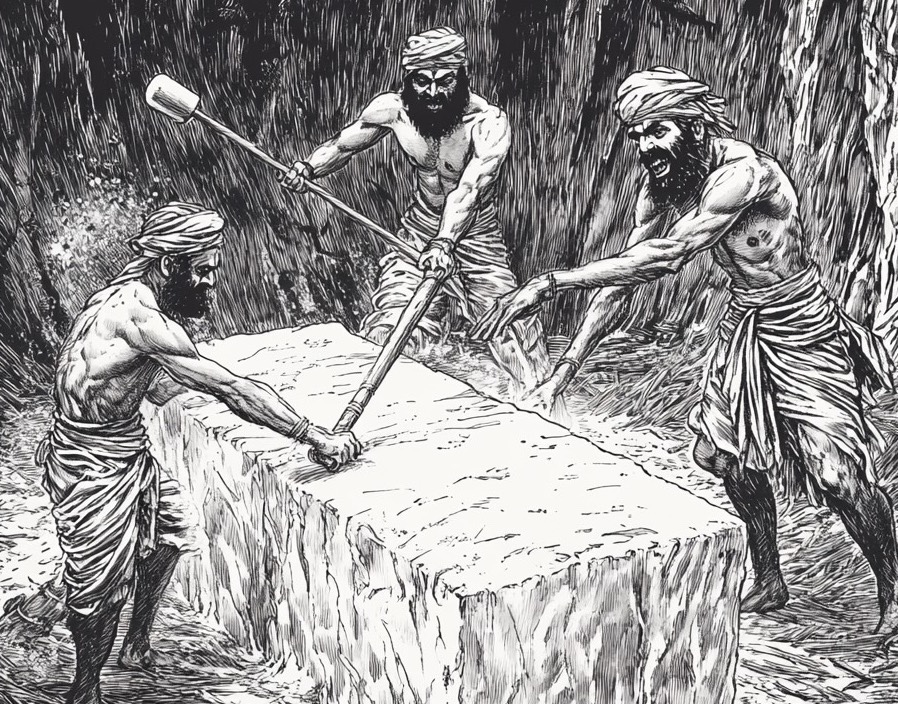
7. The Science : ✅During the winters the temperatures weren’t low enough → the earthen trays lowered the temperature by evaporative cooling ✅The mineral impurities were removed by boiling the water → lowering its freezing point ✅The insulated layer preserved the ice and cool temperature → barrier of heat on both sides
8. Depending on the weather, the ice formed into a perfect cake, or a partially frozen block 🚫🌦Ideally the weather should be calm with clear skies. 📌The ice was made in the winter and mostly sold to british officials and wealthy people for a good price, because storing was quite inefficient.
9.On a quick google search, other ice-making methods also seem to have existed before the invention of the fridge: • Egypt – Ice pits • China – Ice storage • Persia – Yakhchāls • Europe, China, Mughal India – Saltpetre based cooling However, most of these were storage systems, not methods to create ice.
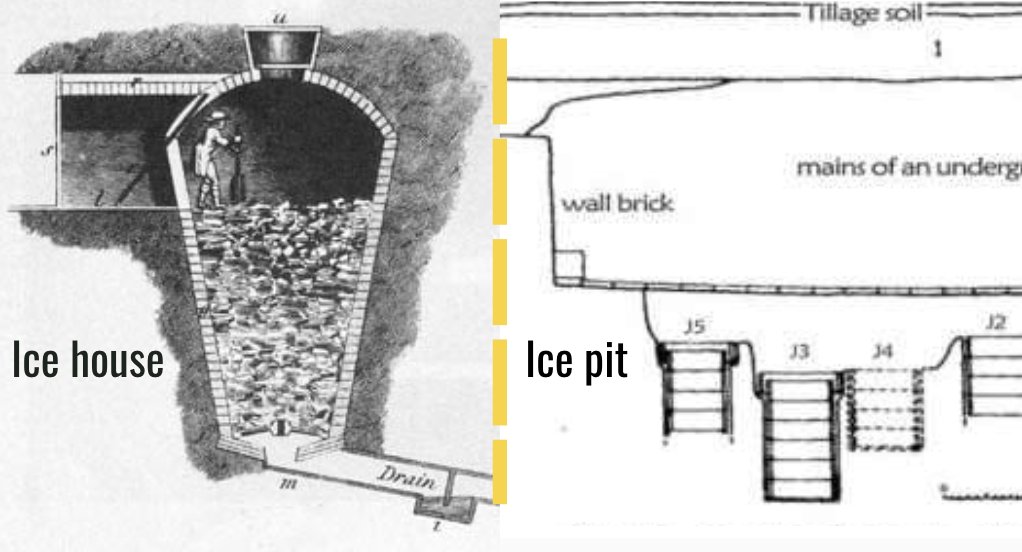
10. The Persian Yakhchal: 📌In winter, Persians poured water into shallow open-air pools 📌Thin ice sheets of ice formed overnight 📌The ice was collected and stored in yakhchals — massive, dome-like structures made from a special mortar

11. Saltpetre Cooling: 📌 Chinese craftsmen discovered this before the 10th century 📌 Saltpetre mixed in water created a cooling chemical reaction 📌 Mughals brought this technique to India... however, it was suited for small-scale cooling only.
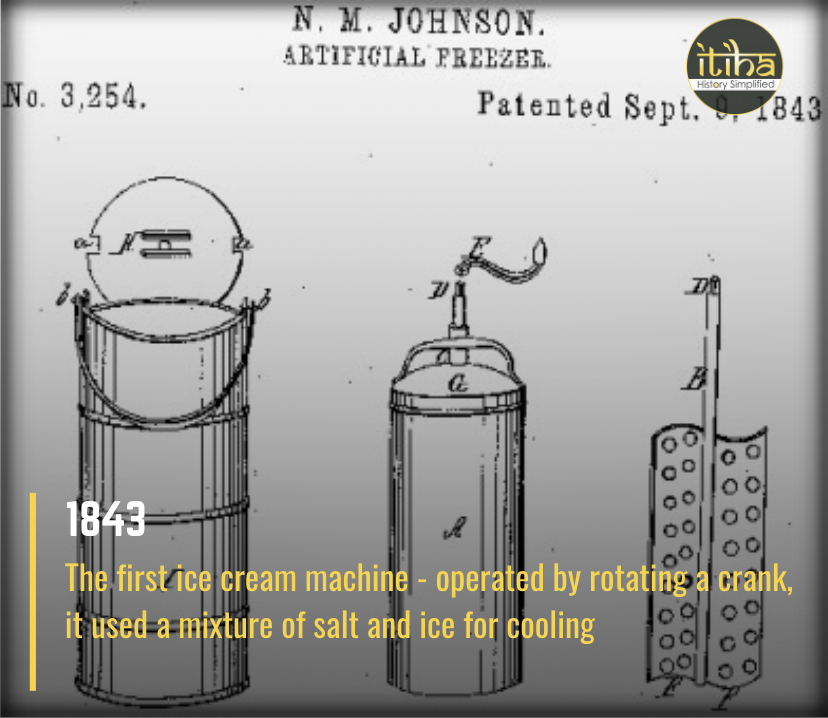
📄 1805: The first theoretical design for a mechanical cooling system was proposed. ⚙️ 1834: Jacob Perkins developed the first working refrigerator capable of freezing water. Meanwhile, 📚1775: Robert Barker recorded the Indian ice-making method in Allahabad 🗞️1857: Scientific American published “The Process of Ice Making in the East Indies”, detailing this technique.
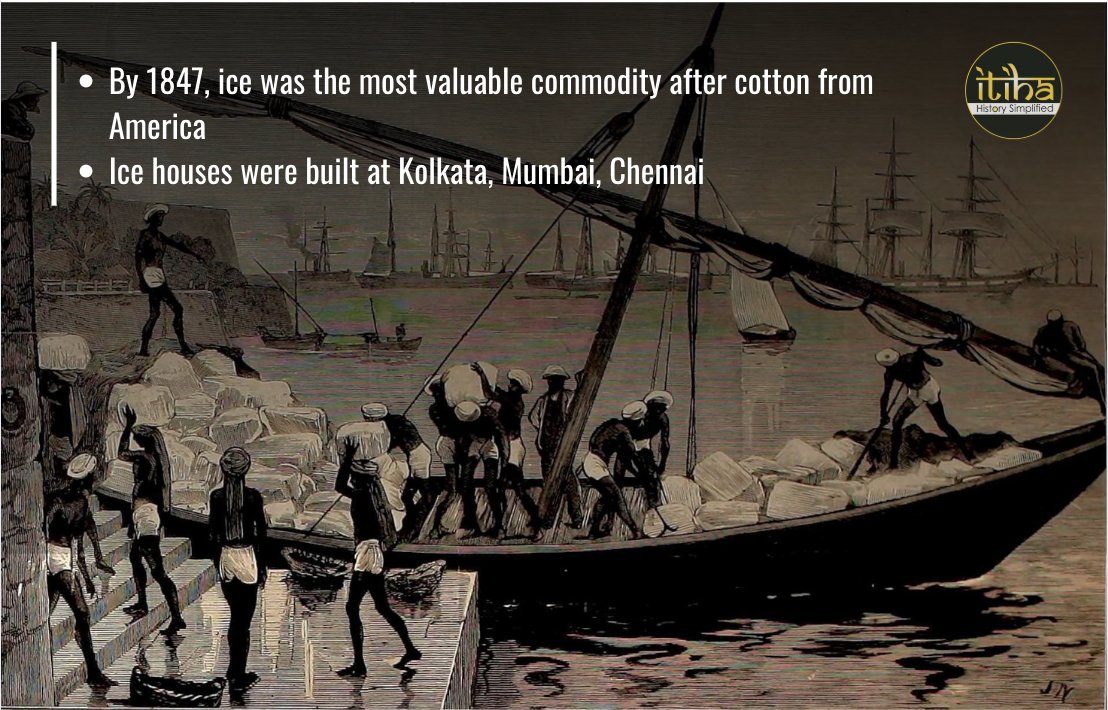
📌 In addition to this method, there was a similar method used in Bengal to make hooghly ice - a sort of slushy, unhygienic ice. 📌🚢However the main source of ice in British India remained to be ice blocks shipped from America.
Sources: 1.10.9.1857 - Scientific American Magazine Vol. 13 No. 10 2.Indian science and tech in 18th century - (Dharampal collected writings vol - 1) 3.https://economictimes.indiatim... 4.https://www.reddyice.com/the-c... 5.Wanderings of a Pilgrim in Search of the Picturesque (1850), Fanny parkes 6.https://www.telegraphindia.com...