
Ever walk into a room and forget why? That’s not random. It’s cortisol, driven by your daily stress. And it’s erasing memories you’ll never get back. But there are 9 simple fixes, most people still get wrong:🧵

This isn't random forgetfulness. This is your brain under biochemical attack. Cortisol, your stress hormone, doesn’t just affect mood or sleep, it shrinks your memory engine: The HIPPOCAMPUS And it does it faster than you think:
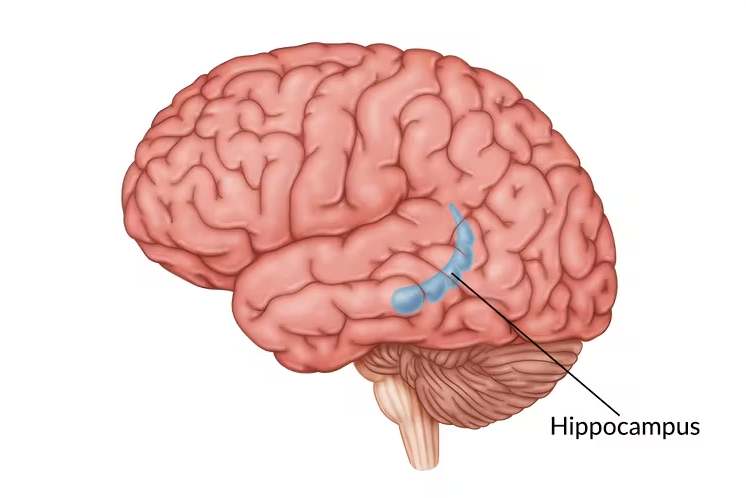
When cortisol levels stay high, it disrupts hippocampal repair. This means: • Decreased recall • Lost short-term memories • Poor learning retention • Foggy, confused thinking Every stress spike lowers your cognitive clarity.

The hippocampus isn’t just a memory center. It’s a core part of your identity. When it breaks down, you don’t just forget things, you forget yourself. But you can take it back with these 9 strategies, to protect your brain and restore clarity:👇
1 | Cut caffeine by 50% Caffeine spikes cortisol. Especially when consumed in the first hour after waking. Delay your first cup and reduce the dose. Your adrenal system, and brain, will thank you.
2 | Walk before 9AM Morning sunlight regulates your circadian rhythm and lowers cortisol. Just 10 minutes of movement outside triggers cortisol suppression and serotonin production. It’s one of the fastest natural resets.

3 | Eliminate multitasking Multitasking triggers micro-stress responses. Every context switch spikes cortisol. Deep focus, one task at a time, reduces brain inflammation and restores memory consolidation.

4 | Use the 4-7-8 breathing method • Inhale for 4 seconds • Hold for 7 • Exhale for 8 This pattern activates your parasympathetic nervous system and halts cortisol production in under 60 seconds.
5 | Block blue light after 8 p.m. Blue light disrupts melatonin and increases nighttime cortisol. Wear blue-light blockers or switch to red/amber lights at night. It’s not about sleep. It’s about giving your brain time to repair.

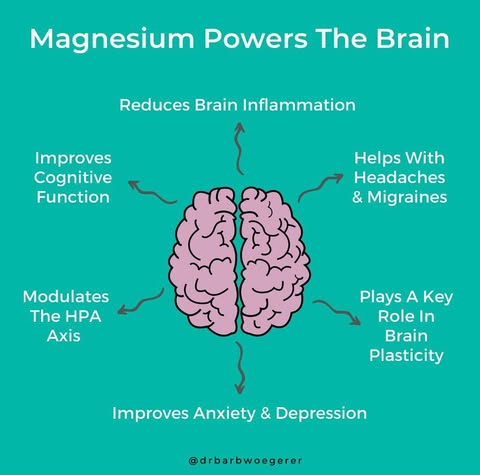
6 | Take 400mg of magnesium glycinate at night Magnesium regulates the HPA axis, the system responsible for cortisol output. Most adults are deficient. Supplementation helps calm the brain and rebuild hippocampal function.
7 | Cut alcohol for 14 days Alcohol increases cortisol for up to 24 hours after drinking. Even a glass of wine can disrupt hippocampal neurogenesis. A 2-week break is enough to reset your system.
8 | Reconnect with real humans Oxytocin (the bonding hormone) directly blocks cortisol. In-person conversation, hugs, or even a shared laugh can reverse stress chemistry instantly.

9 | Focus on deep sleep over long sleep 90% of hippocampal repair happens in deep sleep stages. Prioritize a cool, dark room and cut screens 90 minutes before bed. But even if you do these already, why do you still struggle? 👇
Because here’s the deeper problem: Cortisol isn’t just a reaction to life, it's a signal. Your brain is screaming for change. And unless you fix the root systems behind your stress, the damage continues. What are those systems?
I know, because I’ve been there. For years I lived with cortisol overload: • Constant exhaustion • Fading memory • A fog I couldn’t shake I recoded my brain by how I work, rest, and think. Now I help others do the same:↓
If you’re foggy, stressed, or burned out: You need a brain that works for you again. Join my newsletter for science-backed strategies to reverse stress, sharpen focus, and reclaim your time. Plus my FREE burnout guide here: https://thebr.me/xt-sub
Thanks for reading! Enjoyed this thread? Follow me @thebrainrecode for more. Retweet the post below to share this with someone who needs to see it.