
Almost HALF of all football matches are decided by pure luck - not skill. UK's top statistician discovered this same randomness controls your entire life. Most fight this chaos. The elite weaponise it. Here's how to master uncertainty and win: 🧵

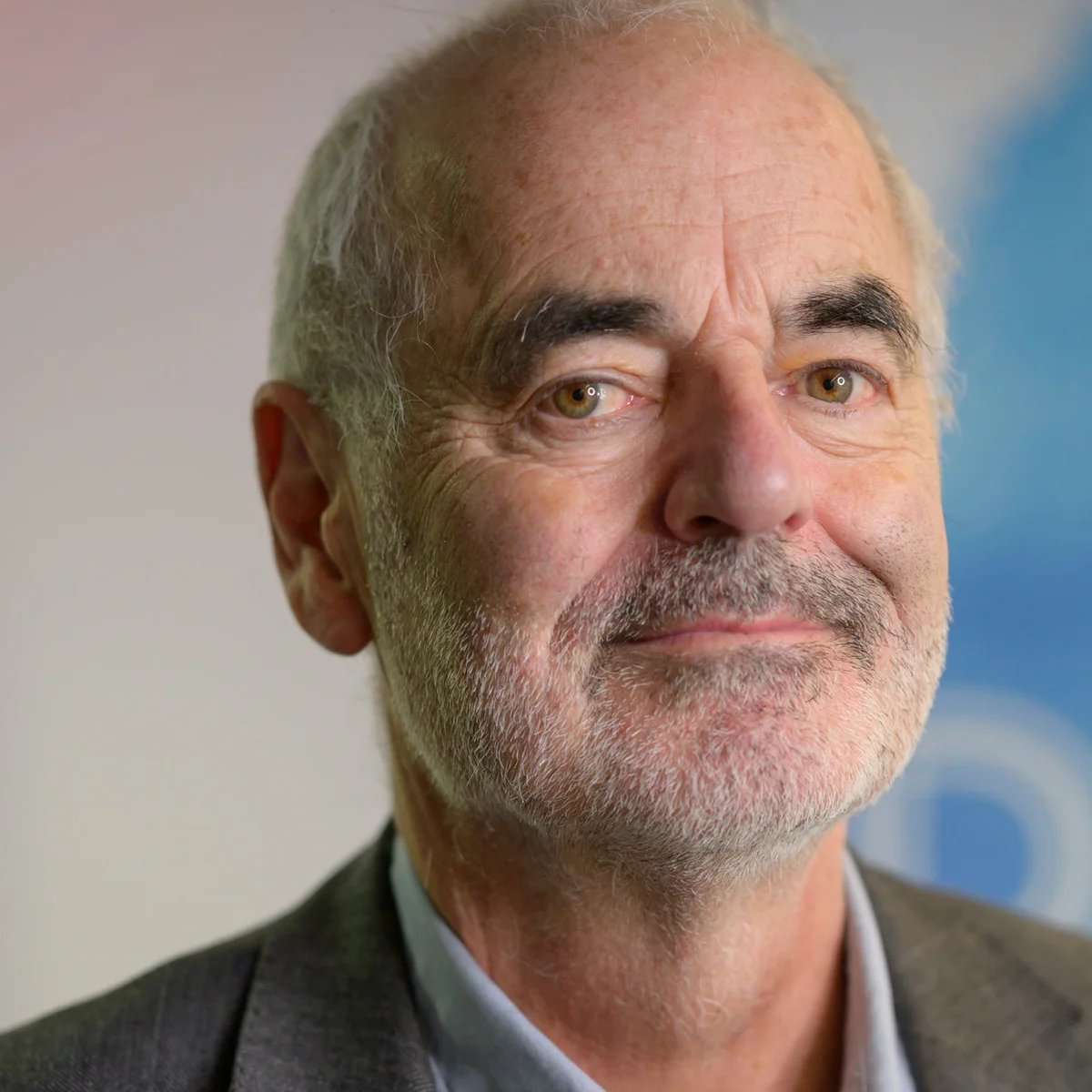
Sir David Spiegelhalter's research revealed a shocking truth: At the highest levels of football, ~40% of match outcomes are determined by pure chance. A deflected goal. A referee's call. A lucky bounce. But his Cambridge research found this pattern extends far beyond sports:
The same randomness shapes your entire life: • Career advancement • Investment returns • Business success • Even relationships People with moderate talent and good luck consistently outperform brilliant people with bad luck. This creates an uncomfortable reality:
In Spiegelhalter's simulations with equal talent distribution: • Top 20% held half of all wealth/success • Half stayed stuck at their starting position • 8 people owned more than 3.6 billion others Not from skill differences. From compounding luck.
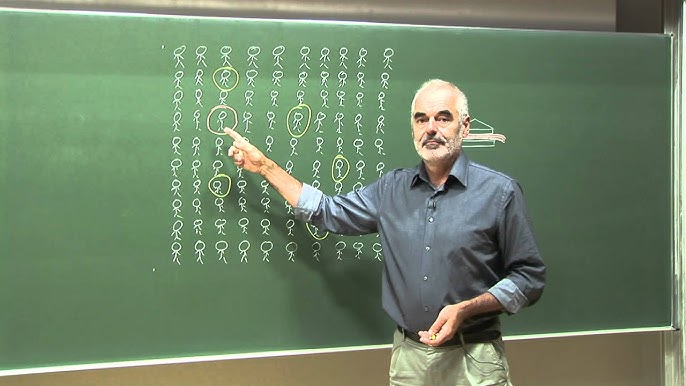
What separates those who thrive from those who struggle? Not fighting randomness - but weaponising it. Spiegelhalter's research shows 3 key approaches that turn uncertainty from enemy to advantage:
1. Probabilistic thinking Stop making binary yes/no decisions. Instead, assign percentage probabilities to outcomes. "This has a 70% chance of success" vs "This will succeed." This single shift improves decision accuracy by 31% according to Cambridge data.
2. Bayesian updating Smart leaders constantly revise beliefs as new evidence emerges. Example: Amazon doesn't predict market trends. They run 21,000+ simultaneous experiments that adapt in real-time. This approach beats traditional forecasting by 3-5X.
3. Decision trees with multiple scenarios The elite prepare for 3 possibilities: • Best case • Worst case • Most likely case This prevents both overconfidence AND excessive pessimism. F1 teams use this to win races despite constant uncertainty.
Companies that thrive don't just predict changes. They build systems flexible enough to adapt when predictions fail. The top 1% convert data chaos into revenue through: • Real-time analytics • Scenario planning • Reversible decisions
The greatest advantage isn't eliminating uncertainty - it's building systems that thrive because of it. Those who embrace randomness outperform those fighting against it by 3-5X in virtually every field. Making better decisions means embracing probability.
Want to learn more about mastering uncertainty in your career and life? Sir David Spiegelhalter's "The Art of Uncertainty" releases Sep 2024. Follow @Sion_Smith for weekly insights on turning randomness into advantage.
Video credits: - Chance, luck, and ignorance: how to put our uncertainty into numbers - David Spiegelhalter - People of Science with Brian Cox - Sir David Spiegelhalter - David Spiegelhalter | The Art of Uncertainty | 5x15