
Working under Sam Altman showed me why most founders fail at scaling. I applied his operational thinking to scale my startup ColdIQ from $0 to $4M ARR in just 2 years. The counterintuitive lessons you won't find elsewhere: 🧵

Lesson #1: "A startup should perpetually operate at the edge of instability." Most founders try to build perfect systems. But operational perfection is actually premature optimization that kills innovation. The tension of "controlled chaos" is where breakthroughs happen.

At ColdIQ, we always made sure to do things that don’t scale before building systems. Before investing time in automation, we first obsessed over solving the problem manually: so we truly understood how to fix it the right way. Understanding came first. Systems came later.
Lesson #2: "Make the cost of mistakes really low, then make a lot of mistakes." Sam believes most startup success comes from volume of experiments, not avoiding failure. His Y Combinator model incentivizes rapid testing at the intersection of "bad ideas" and "brilliance."
When we started signing clients at ColdIQ, we charged a modest $1.5K/month. As results improved, so did our pricing. No pricing survey. No frameworks. Just consistent delivery and steady increases with every new client. Cheap failures > expensive perfection.
Lesson #3: "Avoid formal management structures until you hit ~25 employees." Sam warns that early-stage startups lose their innovative edge when they introduce management layers too soon. Bureaucracy dilutes the urgency of direct problem-solving.
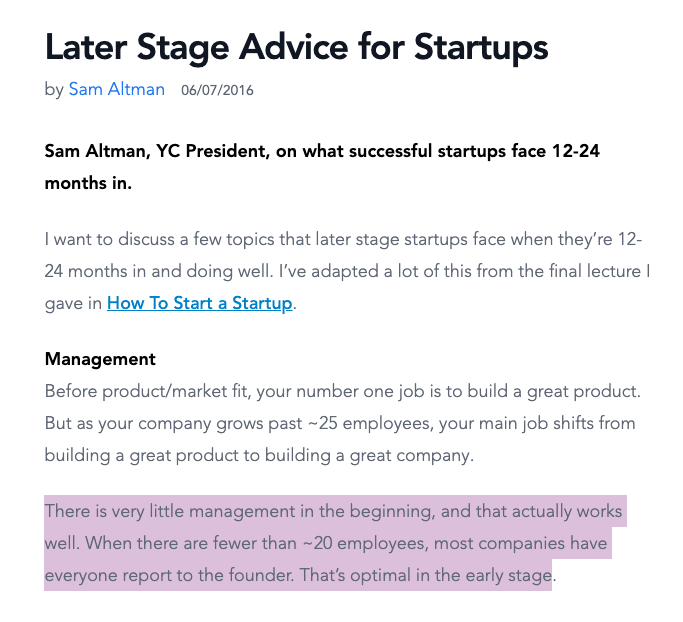
In the beginning, we did everything: sales, onboarding, delivery, fixing inboxes. We stayed close to every client and every campaign. Only once we passed $25K/month did we start hiring operators and stepping back. ColdIQ was built hands-on, not hands-off.
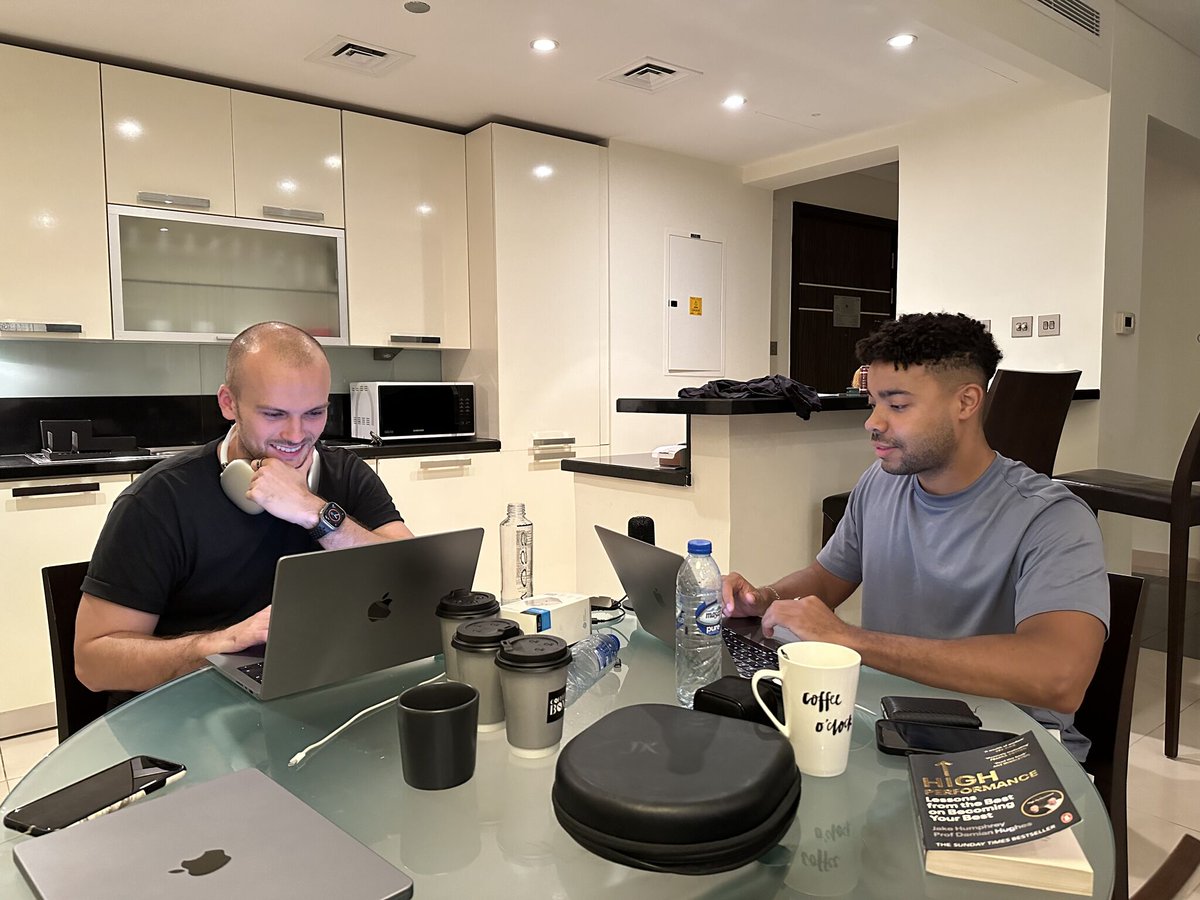
Lesson #4: "Scaling begins with a product so compelling that users become evangelists." Sam points to Y Combinator's most successful companies, Airbnb and Dropbox, as examples of startups that perfected their product before scaling marketing.
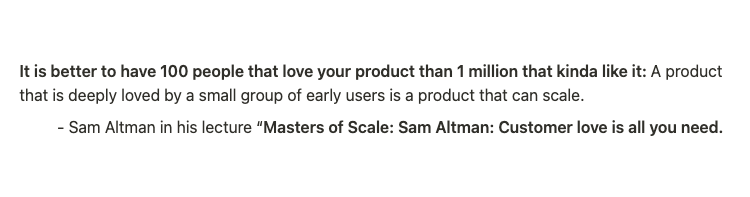
We took the Y Combinator approach at ColdIQ: Perfect the product before scaling marketing. By prioritizing email deliverability and technical infrastructure, we created something clients couldn't help but share because it actually worked. Users sold our product for us.
Lesson #5: "Target complex, unsexy problems that others dismiss as intractable." Sam invests in startups tackling messy challenges others avoid, like Stripe's early focus on payment APIs or OpenAI's safety research. These create the deepest moats.
At ColdIQ, we embraced the complex challenge of tackling deliverability. After millions of messages & countless technical nightmares, we built Email-Infra-as-a-Service: handling domains, DNS configurations, & warm-up because solving difficult challenges creates the deepest moats.

Lesson #6: "Early-stage startups thrive through flat hierarchies and founder-led execution." Sam emphasizes that in the beginning, every team member should directly contribute to product or customer goals. Premature specialization creates bottlenecks.
When scaling ColdIQ, we kept our team structure completely flat for the first year. Each hire was expected to wear multiple hats and solve problems directly, not just report them. This created a culture of ownership that continues today, even with 25+ team members.
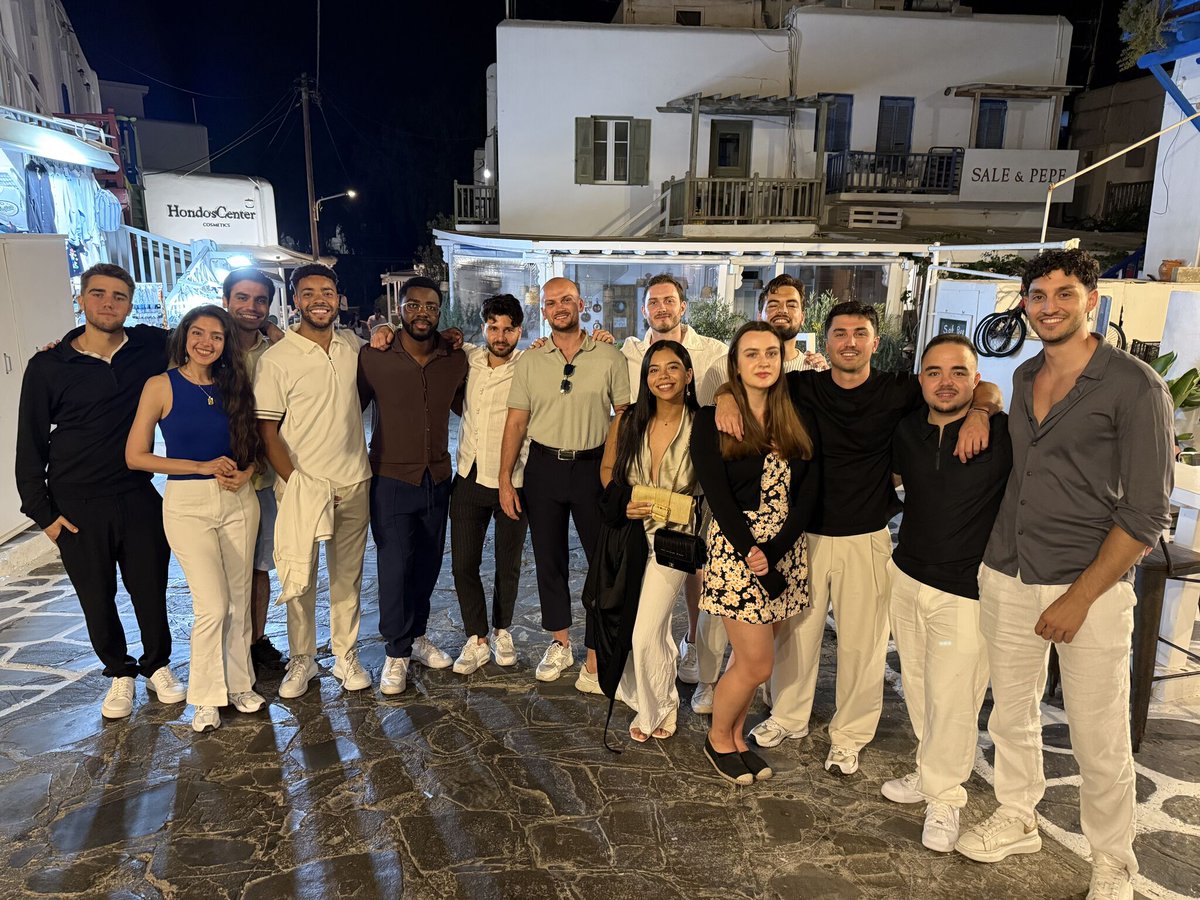
Thanks for making it to the end! A little about me: I scaled ColdIQ from a Berlin apartment during COVID lockdown to a $4M ARR business in 2 years. Today, we’re a 25+ person team, working across 10 countries and helping 200+ businesses grow through outbound.

RT the first tweet if you found this thread valuable. Follow me @itsalexvacca for more threads on outbound and GTM strategy, AI-powered sales systems, and how to build profitable businesses that don't depend on you. I share what worked (and what didn't) in real time.