
Nassim Taleb doesn't predict the future He builds a life where the future can't hurt him. How? By setting up asymmetric bets where he can’t lose. Here’s how he uses optionality to win in business, life & investing:

1. What is Optionality? Optionality means having choices that allow you to benefit from upside while limiting your downside. Taleb defines it simply: “If you have options, you don’t need to predict.” It’s not about being right— It’s about having the right to act when opportunity strikes.

2. Optionality is asymmetric by design The idea: Make small, low-risk bets that have massive upside and limited loss. Examples: An angel investment in a startup A free newsletter that attracts business Building skills that open future doors You pay little. The reward can be life-changing.

3. Optionality thrives in chaos Taleb’s core thesis: The world is complex, nonlinear, and mostly unpredictable. Trying to forecast the future is a loser’s game. Instead of guessing, build a system that benefits from surprise. This is what he calls being “antifragile.”
4. The Barbell Strategy: Taleb’s favorite framework Optionality = exposure + protection. Taleb’s strategy: 90% in extremely safe, low-risk assets (e.g. cash, bonds) 10% in highly speculative, high-upside bets (e.g. startups, crypto, options) This way, you can’t blow up. But you still get exposure to wild upsides.
5. Optionality in Venture Capital Venture capital is built on this: Most startups fail A few break even One becomes Uber, Airbnb, or Stripe Optionality says: don’t try to pick the winner. Just position yourself to own a piece of the winner when it appears.
6. You can apply this in your career Here’s how to build personal optionality: Learn high-leverage skills (writing, coding, storytelling) Start projects with high upside, low cost (newsletters, niche YouTube channels, digital products) Expand your network — each relationship is an option Each one is a free lottery ticket for your future.
7. Optionality works in business too Businesses can add optionality by: Testing new product ideas in small batches Letting teams experiment and fail cheaply Opening partnerships with minimal commitment Staying asset-light and remote When the market shifts, optional businesses adapt fast.

8. Optionality ≠ having many options Taleb warns about the “optionality fallacy”: Not all choices are real options. Only the ones with asymmetric payoffs matter. Scrolling Netflix? Not optionality. Publishing online daily? Optionality. You don't know which post will change your life.
9. Why do most people ignore this People love certainty. They want predictions, guarantees, and roadmaps. But Taleb’s message is the opposite: → Stop predicting. → Start positioning. Optionality is about exposing yourself to positive randomness. It’s uncomfortable—but powerful.
Optionality means designing a life where: • You don’t need to know the future • You can survive bad luck • You’re exposed to massive upside from good luck “The best plan is to not have a plan.” — Nassim Taleb Because the best opportunities are the ones you never saw coming.
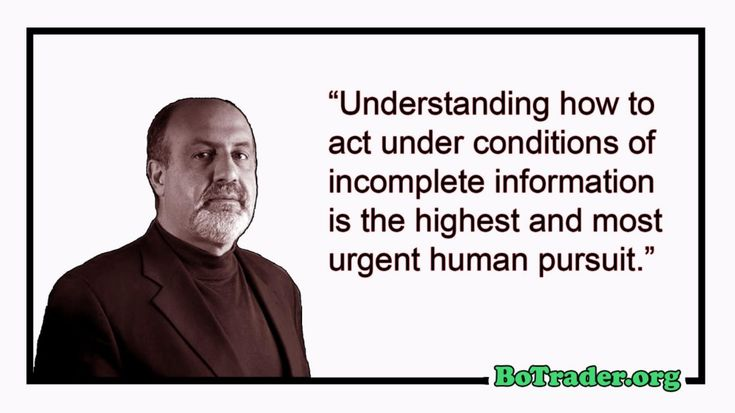
I hope you've found this thread helpful. Follow me @yasminekho for more. Like/Repost the quote below if you can: