
Venezuela should've been the richest country on Earth... But its corrupt leaders turned fortune into failure. Today, 80% of the economy is gone & 7 million have fled. Here's how to destroy a nation with 3 reckless decisions:🧵
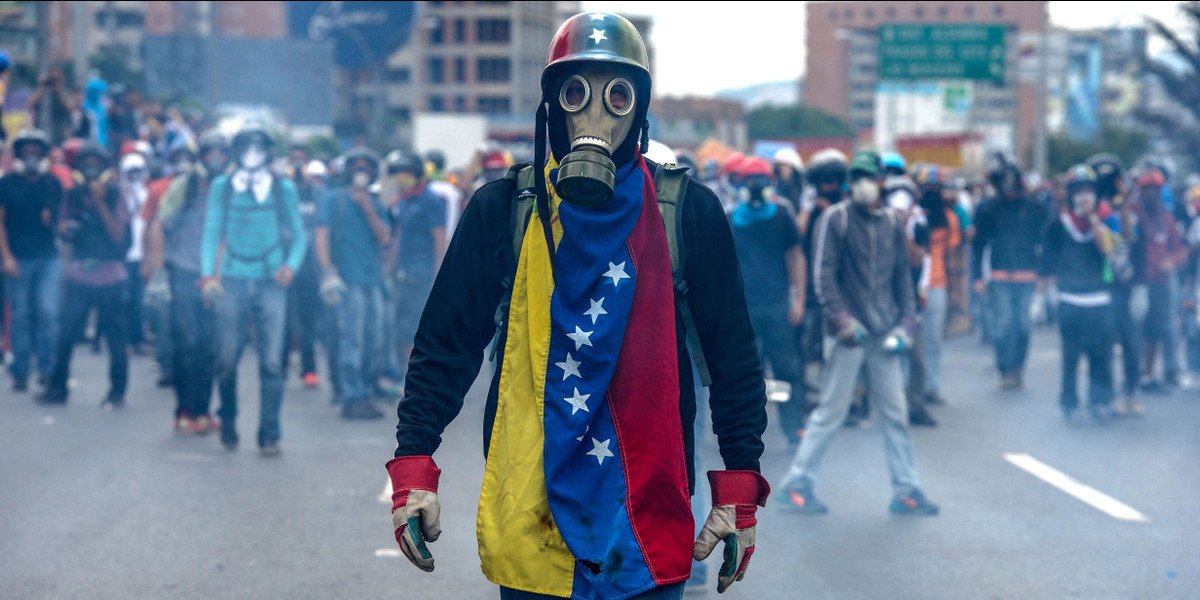
Venezuela sits on 303 billion barrels of oil - the world's largest reserve. Bigger than Saudi Arabia. Bigger than Canada. This should have made it one of the wealthiest nations on earth. Instead, it's a cautionary tale of how to squander natural resources... On an epic scale:
In the 1970s, Venezuela was Latin America's richest country. Its GDP per capita rivaled European nations. The discovery of massive oil reserves promised even greater prosperity. So what went wrong? How did such potential turn to ruin?
Let me put this in perspective. In 1999, Venezuela produced 3.5 million barrels of oil daily. By 2023, it dropped below 1 million - despite having more oil than any other nation. This collapse didn't happen overnight. It was methodical destruction:
Decision #1: Nationalizing oil without reinvestment. In 2007, Hugo Chávez fully nationalized Venezuela's oil industry, claiming it would benefit all citizens. But unlike successful national oil companies in Norway or Saudi Arabia... Venezuela made a fatal error:
They treated oil wealth as an ATM rather than an asset requiring care. Instead of reinvesting in equipment, technology, and expertise, they milked the existing infrastructure until it collapsed. Oil fields aren't perpetual motion machines - they need constant attention.
PDVSA (Venezuela's state oil company) became a political patronage network. Professionals were replaced with loyalists who lacked technical ability. Critical maintenance was deferred, and advanced extraction technology neglected. The goose laying golden eggs was strangled...

After a 2002 oil workers' strike, Venezuela fired 18,000 experienced engineers and technicians - the very people who understood how to maintain production. This brain drain accelerated the collapse. You can own oil reserves, but without expertise, they stay in the ground.
The corruption was breathtaking. Over $70 billion disappeared from PDVSA through embezzlement and fraudulent contracts. Money meant for maintaining wells funded luxury lifestyles for connected officials. Wells declined. Equipment failed. Production plummeted.
Venezuela's heavy crude in the Orinoco Belt is challenging to extract and process. It requires specialized technology and expertise - precisely what was lost through politicization of the industry. As equipment deteriorated, they wasted billions of barrels.
Decision #2: Implementing price controls that defied economic reality. Venezuela set artificial prices for essential goods, believing this would make life affordable for citizens. Instead, it destroyed the very foundation of a functioning economy.
Price controls created perverse incentives throughout the economy. When gasoline was priced at $0.01/gallon (not a typo), smuggling networks thrived. Venezuela lost $10B annually as subsidized fuel was smuggled to neighboring countries. Why produce when smuggling pays more?
The government forced private businesses to sell products below production costs. Basic economics: when selling a product costs more than you can charge, you stop producing. Farmers couldn't afford to grow food. Factories couldn't manufacture goods. Supply chains collapsed.
The ripple effects devastated the economy. By 2018, 75% of Venezuela's businesses had closed their doors. New labor laws made firing workers nearly impossible, so companies stopped hiring altogether. The non-oil economy withered by 70% as regulations strangled production.
As shelves emptied, black markets thrived. Basic necessities disappeared from stores but appeared on the street at 10x price. The poor - who price controls were supposed to help - suffered most as the formal economy disintegrated. Everyday life became a struggle for survival.

Decision #3: Printing money to cover massive spending gaps. When oil prices plummeted in 2014, Venezuela's budget collapsed. Instead of reducing spending, they chose a disastrous alternative: Running the printing presses day and night.
This is Economics 101: When you dramatically increase money supply without increasing goods and services, each unit of currency becomes worth less. Venezuela expanded money supply by 20-30% MONTHLY - guaranteeing hyperinflation. It's economic suicide in slow motion.
The government manipulated exchange rates, creating a 1,000,000% gap between official and black-market rates. This currency manipulation destroyed businesses that couldn't access dollars at official rates and crushed ordinary citizens' savings. The middle class vanished quick.
By 2018, inflation reached 63,000% annually. Your month's salary couldn't buy a week's groceries. People carried cash in bags, not wallets. Prices changed hourly. Saving became impossible. The currency became so worthless that people crafted handbags from their notes.
The human consequences were devastating. Hospitals couldn't afford medicine. Schools couldn't pay teachers. Public services collapsed. GDP contracted 65% between 2013-2021 - a deeper collapse than the Great Depression. Malnutrition and preventable diseases soared.
The final result? A mass exodus of 7.7 million Venezuelans - a quarter of the population. Families walked hundreds of miles across borders seeking survival. Human capital fled en masse.
This tragedy wasn't caused by war, natural disaster, or external blockade. It was methodical self-destruction through terrible policy - proving that resource wealth alone doesn't equal prosperity. Institutions, expertise, and sound policy matter more than what's underground.
The contrast with other oil-rich nations is striking. Norway parlayed its oil into a $1.4 trillion sovereign wealth fund. The UAE built gleaming cities and diversified beyond petroleum. Saudi Arabia is transforming its economy while maintaining a strong oil sector.
I've spent my life in oil. I've seen how responsible resource management transforms economies - and how mismanagement destroys them. Venezuela's collapse wasn't inevitable - it was the predictable result of corruption, populism, and economic illiteracy.

The oil industry teaches that wealth comes from the ground. But Venezuela shows a more important lesson: even the richest resources can't overcome catastrophic leadership. This isn't just history - it's a warning for all resource-rich nations.
In the oil patch, we say: "Good fields, bad management." Venezuela had the best fields in the world. But terrible management turned potential prosperity into poverty. A country that should have been wealthier than Dubai became poorer than Haiti - all from three disastrous decisions.
Oil wealth is like a flame. It can light a city or burn it down. The difference comes down to stewardship - how carefully you tend that flame, who you trust to manage, and whether you use it to build something lasting. Venezuela shows what happens when that trust is betrayed.
This lesson shapes everything I do in the energy business. That's why at ROCKS Energy Capital, we don't just extract value - we protect it. This approach matters now more than ever.
For over 35+ years, our family E&P company has been sending monthly revenue payments to oil & gas owners and investors. Now I'm sharing everything I've learned about building wealth in energy. Join 10,000+ investors getting my free weekly insights: http://www.theoilpatch.co
Video/Image Credits: - Youtube: How Socialism Wiped Out Venezuela’s Spectacular Oil Wealth - ReasonTV - Youtube: How Venezuela's oil industry collapsed l FT - Financial Times - Youtube: Venezuela, 1922: The discovery of Big Oil - CGTN America - Youtube: The collapse of Venezuela, explained - Vox - AFP/Getty Images - FEDERICO PARRA - venezuelanalysis - AFP - JUAN BARRETO - Reuters - Christian Veron