
🧵History Of Dedollarization Special thanks to @ankitatIIMA 1/ The US dollar has ruled global finance since World War II. But today, more and more countries are trying to move away from it — a trend called dedollarization. Let's dive into the history of dedollarization: A thread
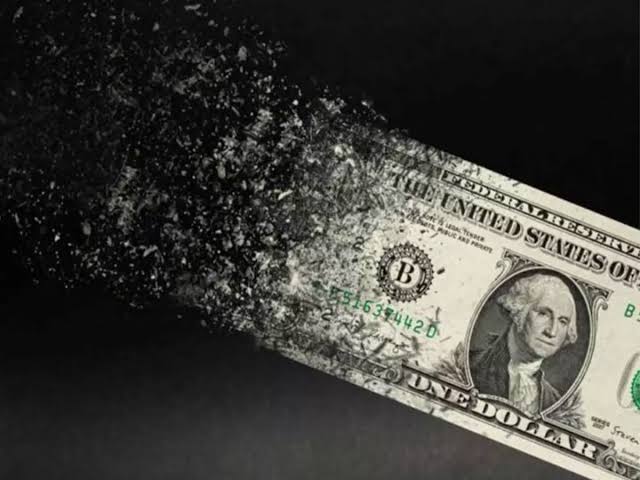
2/ It all began with the Bretton Woods Agreement in 1944. The US, with the largest gold reserves, pegged the dollar to gold ($35/oz), and other currencies pegged themselves to the dollar. The dollar became the world's reserve currency.
3/ But by the late 1960s, cracks appeared. The US was printing dollars to fund wars (Vietnam) and welfare, but gold reserves couldn’t keep up. Countries like France started demanding gold instead of dollars.
4/ 1971: The first major 'dedollarization' shock. Nixon ended the dollar’s convertibility into gold — the Nixon Shock. The dollar became a fiat currency. Confidence in the dollar dropped — some countries started seeking alternatives.
5/ 1970s-80s: Oil saved the dollar. The US struck deals with Saudi Arabia: Sell oil only in dollars Recycle the dollars into US assets (Treasuries) Thus, the petrodollar system was born, reinforcing dollar dominance.
6/ 1990s: The unipolar moment. After the Soviet Union collapsed, the dollar reigned supreme. Even former communist states began trading and saving in dollars. Dedollarization efforts were minimal — the dollar looked untouchable.
7/ 2000s: First signs of serious dedollarization. Russia and China began building gold reserves. Euro emerged as a rival currency. Iraq tried to sell oil in euros — and faced US invasion soon after. (Coincidence?)
8/ 2010s: Acceleration. US sanctions weaponized the dollar — cutting countries off from SWIFT payments. Russia, Iran, Venezuela, and others started trading in other currencies. China launched the Petroyuan (oil trading in yuan).
9/ 2020s: A multipolar currency world is emerging. BRICS countries discuss creating a new currency. Bilateral trade deals in yuan, rubles, rupees. Central banks worldwide diversify reserves — more gold, more euros/yuan.
10/ But dedollarization is slow. Over 50% of global trade is still invoiced in dollars. The US has the deepest, most liquid markets. Trust in US institutions (despite everything) remains high.
11/ In short: Dedollarization is real. But it's a slow erosion, not a sudden collapse. The dollar’s biggest threats are internal (debt, deficits, political instability).