
Meet Dr. Daniel Lieberman. The Harvard professor who exposed the truth behind popular health norms. Turns out, most "expert" advice is nonsense. And yes, your doctor might still push it. Here are his 7 shocking insights that will make you rethink everything: 🧵
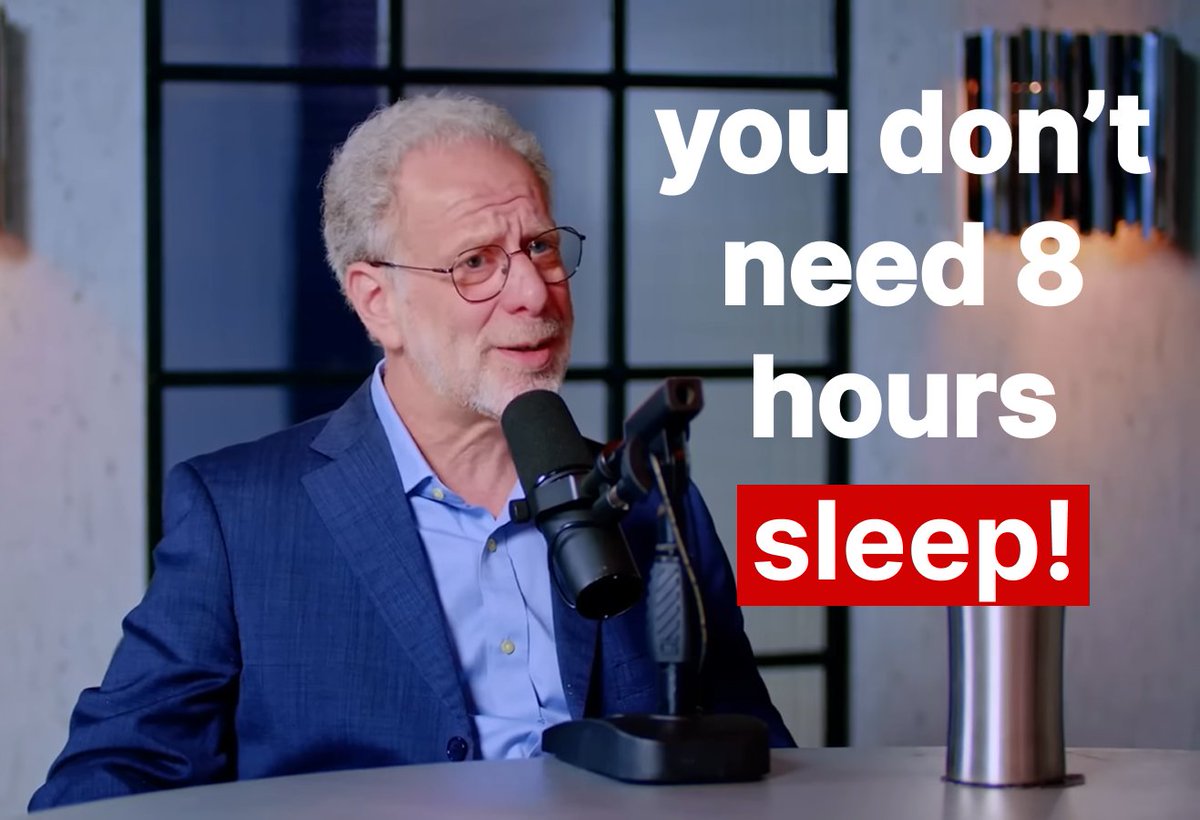
Daniel Lieberman is a Harvard scientist who studies how humans evolved to live. He’s spent decades researching ancient humans and tribes. In a recent podcast, he shared 7 wild insights about your lifestyle. Some of them might flip your entire view on health. 👇
1. You don’t need 8 hours of sleep Lieberman studied people living without modern tech—no lights, no alarms. They sleep just 6–7 hours a night with no naps in between. Yet their minds stay sharp and their bodies stay healthy. The reason for this?
Turns out, the “8-hour rule” started during the Industrial Revolution. It was never based on science. Many studies show that 7 hours is the sweet spot for most people. What matters most is having a consistent sleep schedule. And that’s not the only myth about rest…
2. Sitting isn’t bad The issue isn’t sitting—it’s sitting too long without moving. In tribal life, people sit often, but they move every 10–15 minutes. These short bursts of movement wake up the body and keep it healthy.
3. Exercise won’t help you lose fat fast (by itself) Working out is amazing for your heart, brain, and mood. But it’s not a magic fix for losing weight. Your body adapts and burns fewer calories over time. But there’s a hidden benefit to it:
Exercise plays a huge role in keeping weight off once you’ve lost it. People who stay active after dieting are far more likely to maintain results. Diet helps you lose fat. Exercise helps you lock it in.
I struggled with my weight most of my life. Then I discovered a simple way to lose fat and keep it off. If you’ve tried everything and still struggle, get my FREE weight loss guide here: https://craigbrockie.com/weigh...
4. Retirement might be dangerous Retirement is a modern idea—and Lieberman believes it can hurt you. You sit more, move less, and lose muscle. This speeds up aging, both in the body and the brain. He also busts a common myth we’ve all heard before:
5. Sugar doesn’t cause cancer You’ve heard it before: “Sugar feeds cancer.” That’s not totally false, but it’s not the full story. The real villain is something much less talked about.
When you eat sugar, insulin rises to store that energy. And if you store too much, fat cells swell until they rupture. That damage triggers inflammation. That’s the silent trigger behind most chronic diseases. But there’s a natural way to fight it 👇
Research shows there’s a natural supplement that can effectively help lower blood sugar: Berberine. It activates AMPK—your body’s switch for fat-burning and insulin control. When AMPK is on, you burn fat, improve insulin sensitivity, and regulate energy better.
I developed ULTIMATE Berberine to support healthy blood sugar levels. It offers 9.6x higher absorption than standard Berberine—greatly enhancing the effects. Check it out here to upgrade your health today: https://www.amazon.com/dp/B0CT...
6. Running doesn’t ruin your knees A lot of people avoid running because they think it’ll wreck their joints. But the problem isn’t running itself. Lieberman says it can strengthen your knees and lower the risk of arthritis. The real issue is this:
Most people land on their heels because of cushioned shoes. That impact shoots to your knees. Barefoot or minimalist shoes help spread out the impact across the leg. Lastly, there’s one big lie about another kind of exercise…
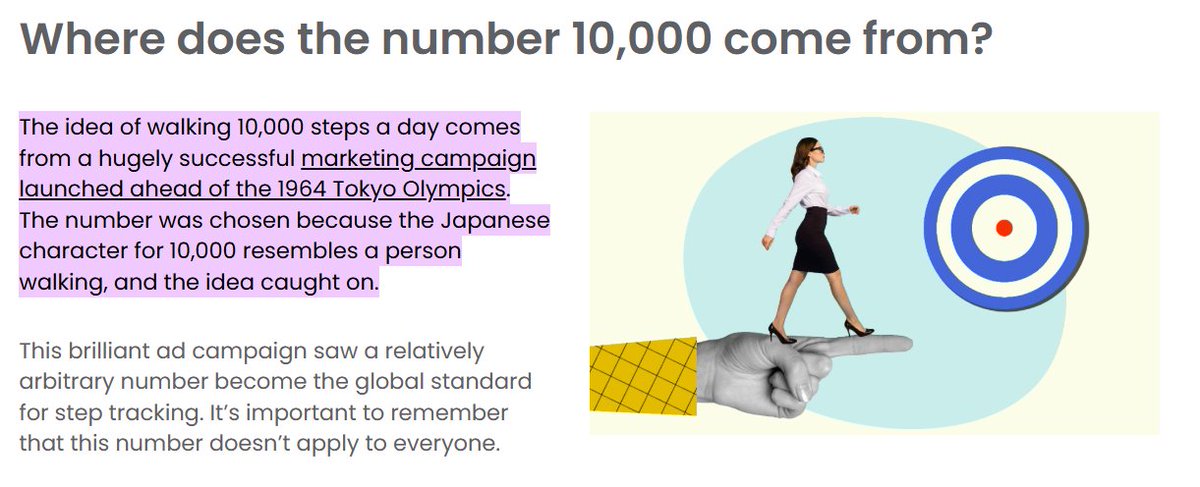
7. You don’t need 10,000 steps This number comes from a Japanese ad in the 1960s. There’s no science behind it. The benefits flatten out after 7,000–8,000 steps per day. Lieberman suggests that it’s better to walk regularly than to chase a number.
Lieberman’s research uncovers a simple truth: Much of what you believe about health isn’t based on science. It’s built on culture, tradition, and guesswork. Sitting. Sugar. Rest. They’re not evil. It’s the way you use them—and how often—that makes or breaks your health.
Thanks for reading! If you found this thread useful, give it a retweet so others can also benefit from it. And follow me @craigbrockie for science-based insights to improve your health and longevity.
30 years ago, I lived with chronic pain & crippling anxiety. Conventional doctors had no answers. I founded Ultimate Health to guide others through the struggles I faced. Sign up for my newsletter to learn how to heal, take control & live your best life.https://craigbrockie.com/newsl...
Video Sources: https://www.youtube.com/watch?...
@karlmehta For sure Karl
@ChuckFarrell20 big Y
@RottiAngela Essentially do things that are natural for humans (going into nature, eating unrefined, natural foods etc)
@GrannySwope 💯💯
@atreidium @threadreaderapp hope it helps mate
@_MystiqueMuse Lieberman's work aligns with growing academic interest in evolutionary biology to reassess modern health norms through the lens of ancestral adaptations. Interesting to see how the changes in our society directly affect how we see health 💯💯