
In 1984, Alex Rogo had 90 days to save his dying factory. His machines ran at "maximum efficiency," yet they still lost millions. A chance meeting taught Alex what Harvard Business School never could. One constraint was killing everything—and it's probably destroying your

The issue wasn't lack of efficiency. His factory looked great on paper—robots running non-stop, busy workers, record output levels. Yet customer orders were late, inventory piled up, and costs kept rising. His boss was clear: fix it in 90 days or we close the plant.
Alex's marriage was failing too. Julie had moved out with the kids, tired of his constant absence. Everything was unraveling when Alex met his old physics professor, Jonah, at an airport. After hearing about the plant's problems, Jonah asked one game-changing question:
"What is the goal of your manufacturing plant?" When Alex answered with standard metrics—efficiency, productivity, cost-cutting—Jonah shook his head. "The goal is to make money. By increasing throughput while reducing inventory and expense." But how?
The breakthrough came during a Boy Scout hike. Despite careful planning, the line of scouts spread out, with gaps forming around Herbie, the slowest boy. The entire troop moved only as fast as Herbie could move. This was Alex's eureka moment.
Just like Herbie limited the troop's pace, specific "bottlenecks" limited his factory's output. No matter how fast other processes ran, the system moved only as fast as its slowest component. Improving efficiency elsewhere was often counterproductive.

Back at the plant, Alex found his "Herbies": an NCX-10 machine and heat treatment ovens. These constraints determined the factory's true capacity—not the sum of all machines running at "maximum efficiency." Solving this required a counterintuitive approach:
Alex cut batch sizes, prioritized bottleneck operations, redeployed older equipment to support constraints, and - most shocking - deliberately left some machines idle when running them would overload bottlenecks. The results were dramatic:
Late shipments vanished. Inventory dropped by millions. Throughput increased without new investment. The plant became profitable. All by focusing on constraints instead of blanket "efficiency" improvements. This approach transforms procurement too:

In procurement, most teams focus on better prices, faster cycle times, and happier stakeholders. Yet we still see many escalating inflationary/tariff prices, long RFx and contract timelines, and unhappy stakeholders. Sound familiar?
The problem: we are optimizing individual components without identifying true throughput constraints. Your procurement bottlenecks might be approval delays, supplier limitations, information breakdowns, or misaligned expectations—not where attention is focused.

Companies using this constraint-focused approach have seen amazing results: • Significant cost reductions or cost containment - 10%+ across all spend • Reduced cycle times for RFxs and contracts • More sourcing and contracts throughput • Most important, happier stakeholders
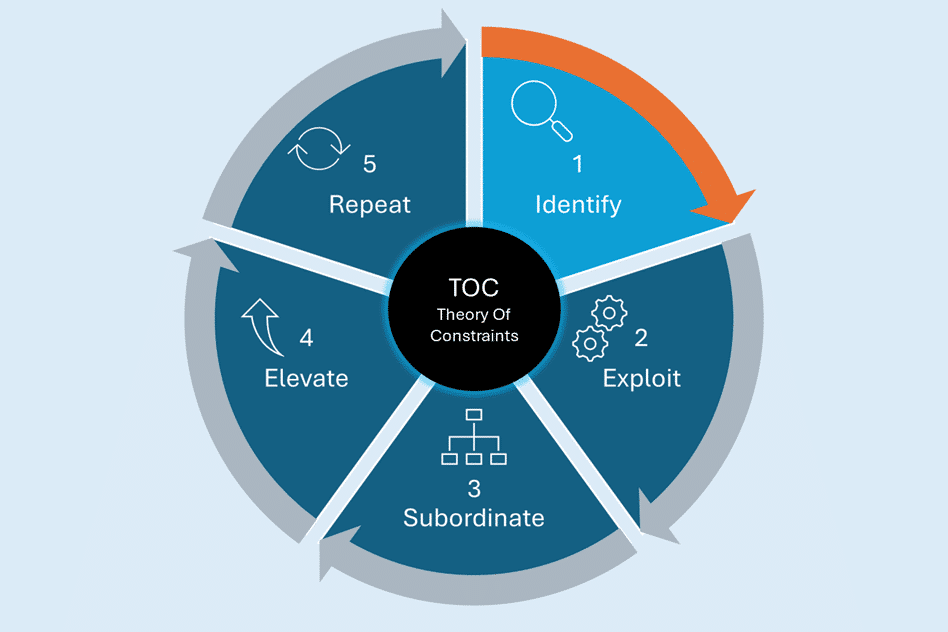
Once you fix one constraint, another emerges—requiring ongoing vigilance. This isn't a one-time fix but a continuous process: 1. Identify the constraint 2. Exploit it fully 3. Subordinate everything else 4. Elevate the constraint 5. Repeat
My 25+ years in procurement taught me something crucial: most teams don't know where their true constraints are. They focus on symptoms (poor spend visibility, stakeholder resistance) rather than the underlying system constraints causing these issues.
After transforming procurement at Fortune 500s companies across all industries, the superhuman procurement professionals at Summit have developed a systematic approach to finding these hidden "Herbies." We call it the Procurement Maturity Model Diagnostic.
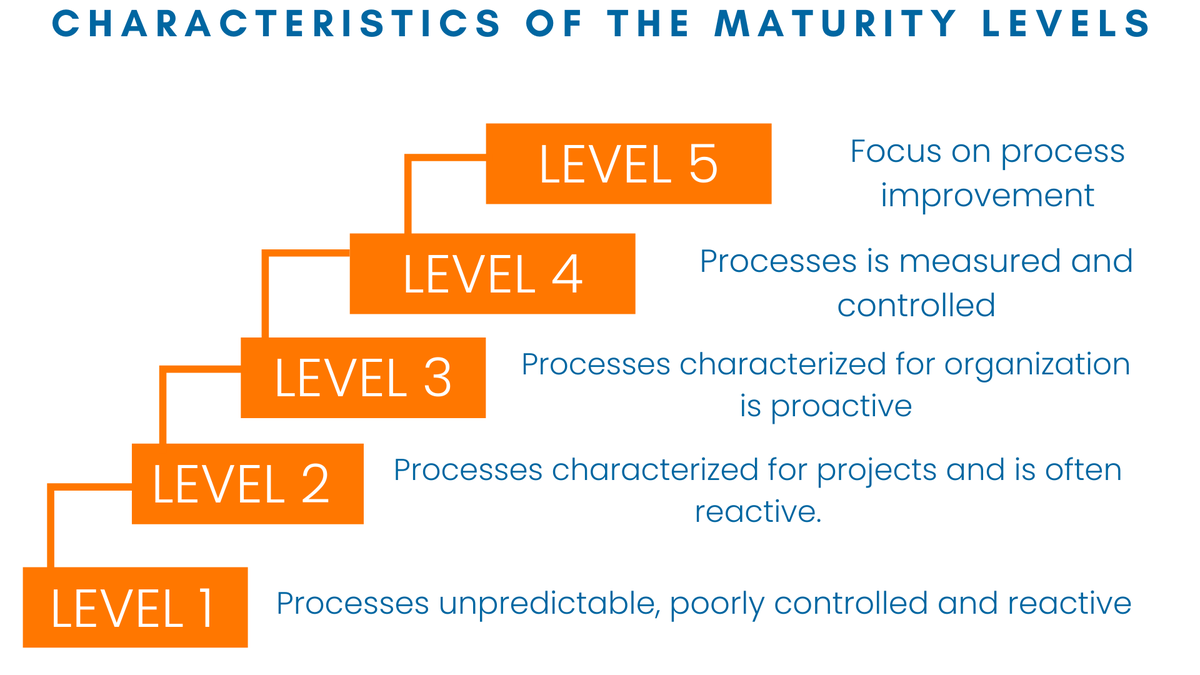
Unlike traditional assessments, our diagnostic maps your end-to-end procurement flow, finds true process bottlenecks, provides a constraint-elimination roadmap, and delivers quick wins while building long-term capability.
Ready to find and fix your procurement "Herbies"? Follow me on Linkedin and DM me "Herbie": https://www.linkedin.com/in/al...