
How to become the most popular president in the world ⬇️ Most people think @nayibbukele has a 91% approval rating because he defeated the gangs. In reality, it’s BECAUSE he was so popular that he could fight the gangs in the first place. Here’s how he built his reputation 🧵

Bukele began his political career at 30 as mayor of a town south of the capital. From the get-go he broke with tradition, putting his name on banners in big letters, creating a new brand—the Nayib Bukele brand. His party, the leftist FMLN, became secondary to this character.


Bukele built his town a library and a clinic, established access to clean drinking water, and eradicated illiteracy. The small-town mayor grew into a minor celebrity across El Salvador. In 2015, he became mayor of San Salvador—widely considered a stepping stone to presidency.

Mayor Bukele swung from casual IG posts to political showpieces, scattering his fingerprints across town: renovations, redesigned seals, his slogan on cyan signs, newly installed city lights for a cosmopolitan feel. His critics called them vanity projects. His fans rejoiced.


Throughout the years, Bukele repeatedly clashed with the FMLN. He believed (and publicly voiced) that they’d become the very thing they’d once fought: sluggish, complacent, and corrupt. His attempts to reform his party from within failed and culminated in his expulsion in 2017.

For the FMLN, expelling Bukele would prove fatal. Remember—he’d branded his politics around his name rather than the FMLN. Today, his followers weren’t beholden to his party; their loyalty was to him. Within a month, he’d created a new party, taking the FMLN voters with him.

In 2019, despite multiple smear campaigns and an attempt to put him behind bars, Bukele became president, shattering decades of bipartisanship. Although he was now the most powerful man in the country, he was by no means all-powerful, as he’d just invaded enemy territory.
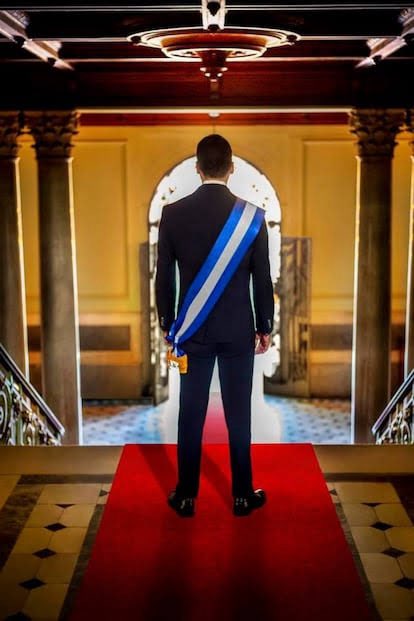
The opposition-controlled Congress and courts tripped Bukele up every step of the way. So he used the only power he had: the support of the people. Anything he got done was through public pressure. His opposition claimed he was “ruling through Twitter.” Which was kind of true.

Actual power came with the 2021 parliamentary elections, when he won a majority in Congress. His Assembly appointed a new Supreme Court, paving the way for Bukele to rule freely. He now controlled the state—with the blessing of his people, and to the horror of the establishment.


But it was this power which gave Bukele a fighting chance against the gangs: After the 2022 MS-13 retaliation, he declared a State of Exception, decreed several new laws, and launched a full-scale gang crackdown. For that, he needed a supermajority in Congress—which he now had.

Still, there’s another angle to Bukele’s popularity: his strategic broadcasts to the rest of the world. He methodically put El Salvador on the map with the very same strategy he’d used before: the underdog defying the establishment. Except this time, the stakes were higher.

The small nation of El Salvador became relevant not just for cleaning its house, but because Bukele made the world watch them do it. He habitually poked the bears. Rejected shadow rulers. Challenged authority. Said the quiet part out loud. Tested the edges of the Overton Window.

To convert the attention from this behavior to popularity instead of disrepute, you need to cover your bases. Plus thick skin and charisma. Bukele likes breaking rules, but he tries to break the “right” rules, rules that outstayed their welcome or harm those they should protect.

If you ask Bukele’s voters why he’s so popular, you’ll often get a simple answer: because he does as he says. If you ask his fans overseas, they’ll tell you it’s because he embodies long-lost leadership qualities and doesn’t let the establishment walk all over him. If you ask

I hope you enjoyed the thread, have a great day 😊