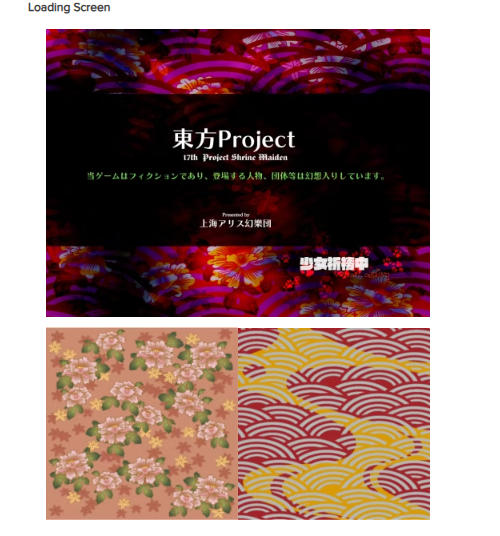
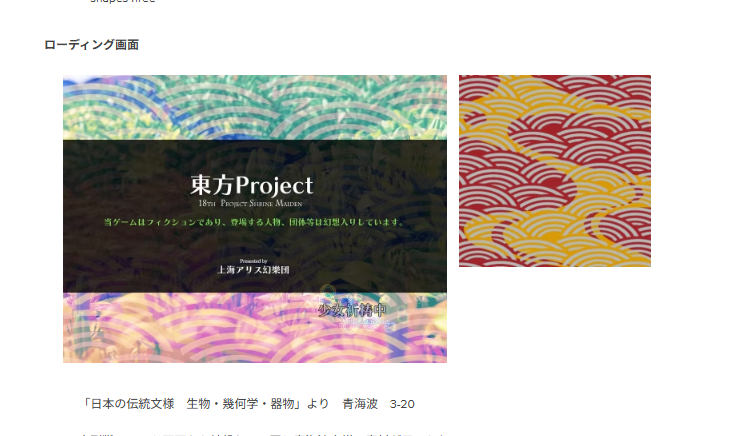
I understand why some people are upset, and I also understand why some people aren't. I think the main issue with the topic in general is that one's own opinion on GenAI is colored by how it's been pushed/presented to them, creating a disconnect between cultures. (1/?)
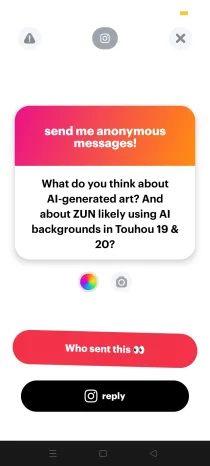
A lot of how AI and GenAI has been presented in English speaking countries, especially the US, is techbros and tech companies constantly saying on how they will replace artists and other creative jobs, which has irrevocably given people the association that AI = bad. (2/?)
This even extends to other types of AI that are unrelated to GenAI and LLM. There's an incredibly huge public distrust of AI in general, especially since it has shown negative influence on society by making some individuals heavily reliant on AI for even simple tasks. (3/?)
However, if you haven't been exposed to AI techbros constantly declaring it to be the death of artists, it does sorta open up the possibility of viewing it as another simple tool, especially if the ethical concerns of it being trained using stolen material is absent. (4/?)
AI is supposed to take the boring and menial jobs, allowing humans to handle the creative side of things; but the opposite is happening with GenAI. But depending on how one operates, it is possible for it to handle a task that one considers boring and menial. (5/?)
Having had to search up the internet for free assets that can be used without having to worry about licensing fees, special agreements, among other additional conditions; it often ends up feeling less like a creative task and more of a trial of patience and luck (6/?)
So I can definitely see that being able to just finish the "searching" part in mere minutes, forget about it, and then move on to the parts that I actually enjoy, is in fact using AI "the way it's meant to be used". That said, I can also see the argument against it. (7/?)
Being able to create what you need out of what you're able to find, even if what you found wasn't what you wanted, is in itself an example of a creative endeavor. ZUN may have relied heavily on stock assets, but what he did using those stock assets was incredibly creative. (8/?)
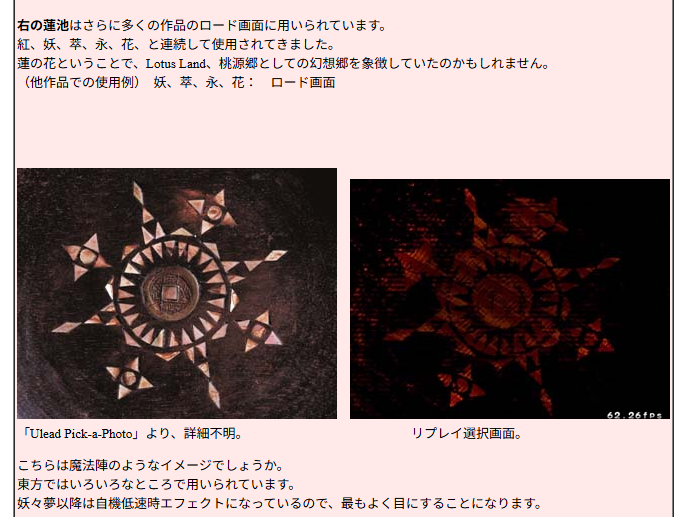
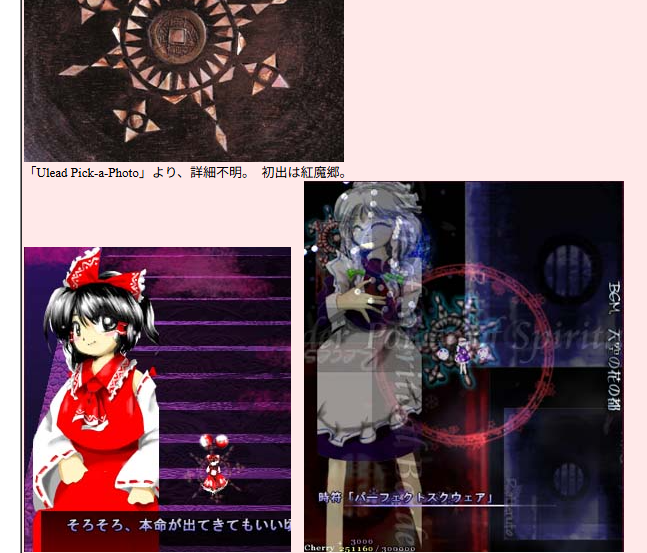
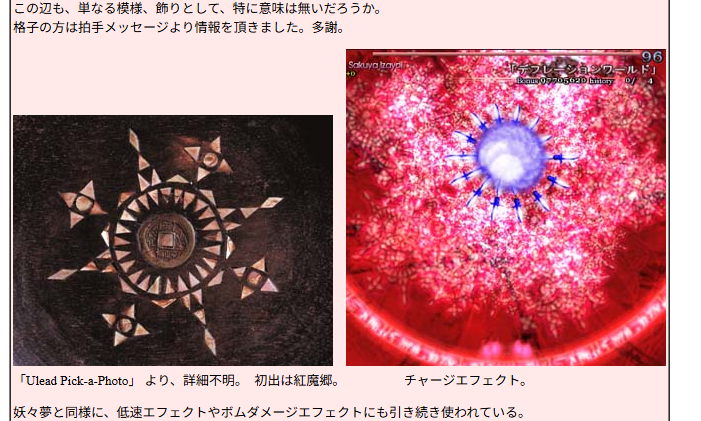
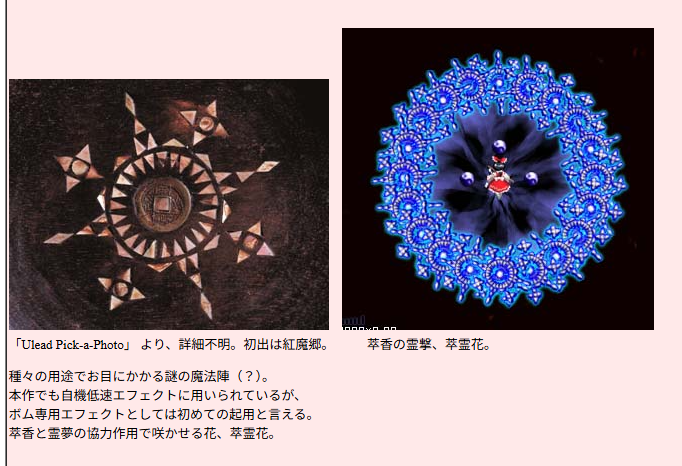
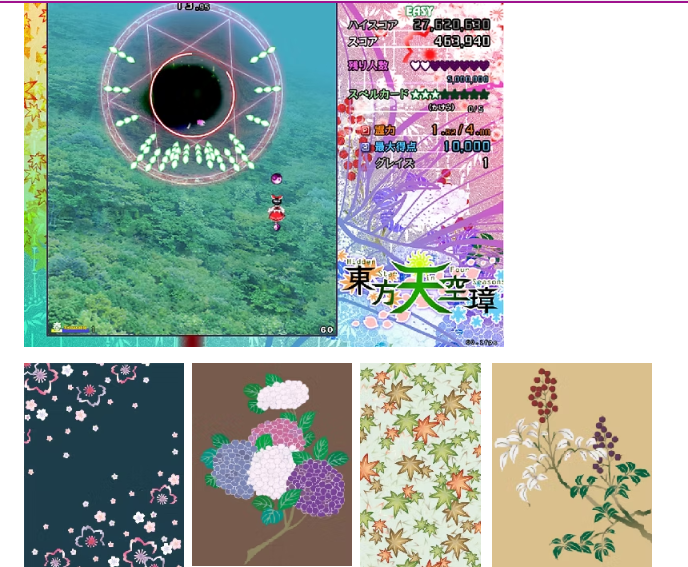
He especially managed to get incredible mileage out of this stock photo of a magic symbol. It's been used for player character aura, spell card effects, bombs, among others. Not to mention how creative he gets in making stock images look like presentable backgrounds. (9/?)
Whether it be cropping images in just the right way to make it look like something else, or layering multiple images together and adding filters on top in order to give them a different vibe, a good amount of creative problem solving was put into these backgrounds. (10/?)
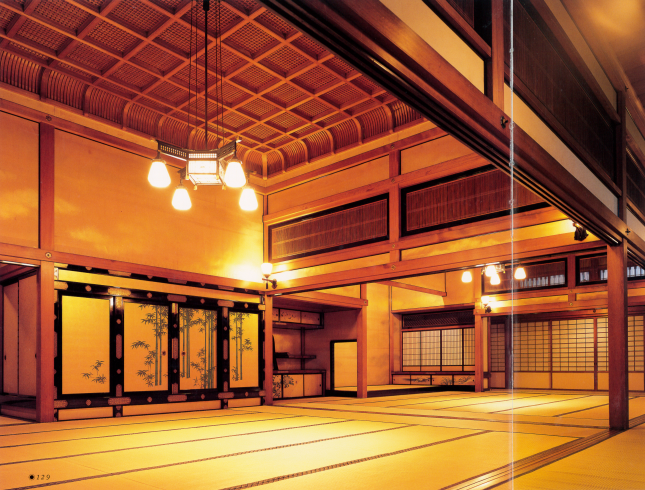
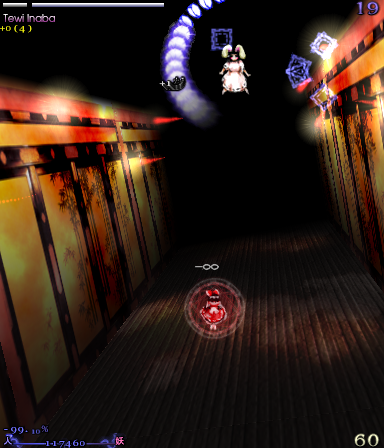
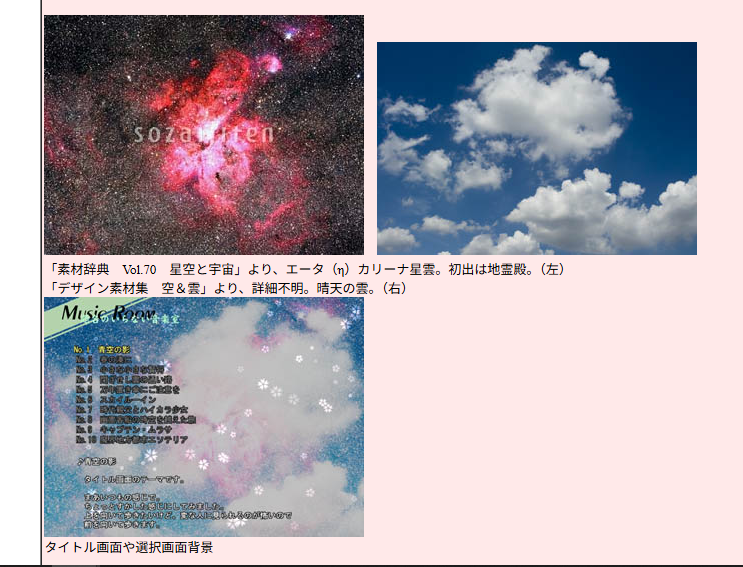
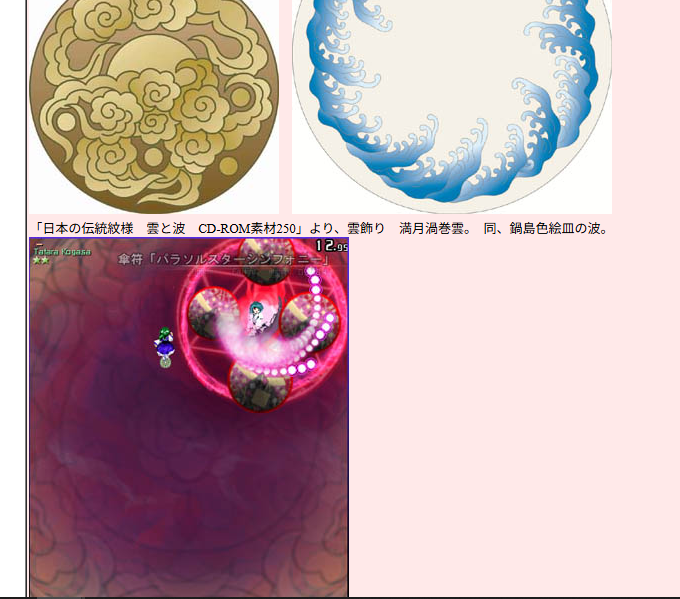
One of the coolest examples of this maybe Stage 6 of UFO, Houkai. The otherworldy appearance it has with its weird glowing shapes on the ground is actually created out of simply putting a filter on top of stock images of clouds and flowers. (11/?)
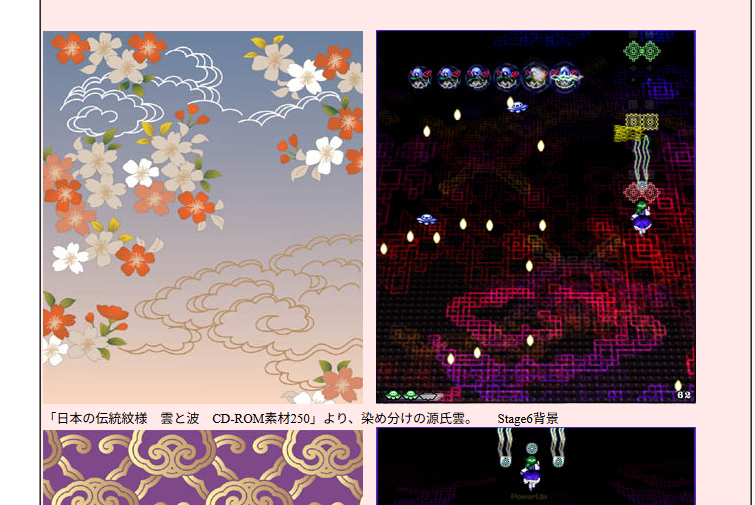
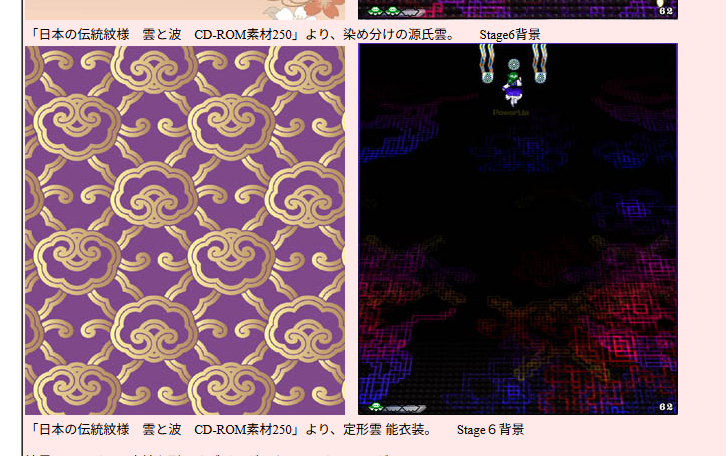
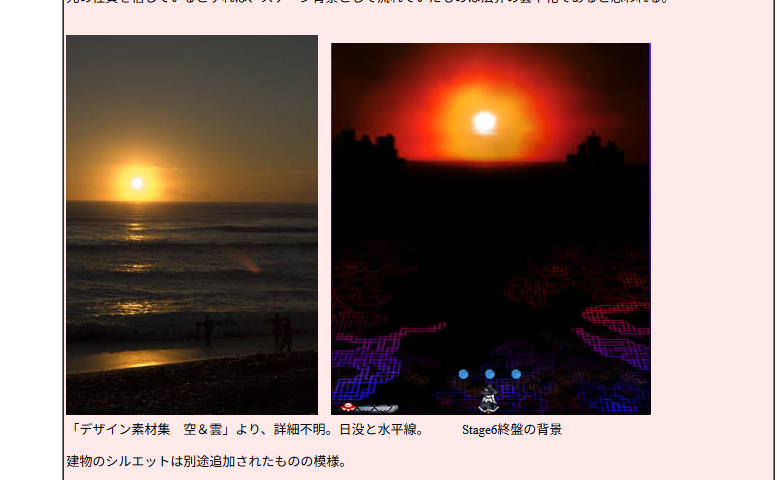
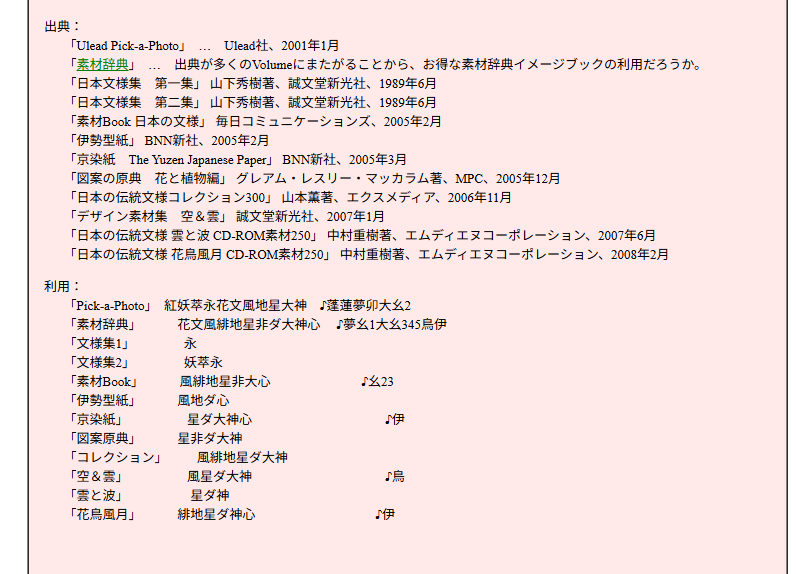
Even if it wasn't intentional; even if in perhaps in his mind, he was simply "settling" or "compromising" with what he had; these stock-images have more or less become part of Touhou's artistic direction, especially with many of the images coming from the same source. (12/?)
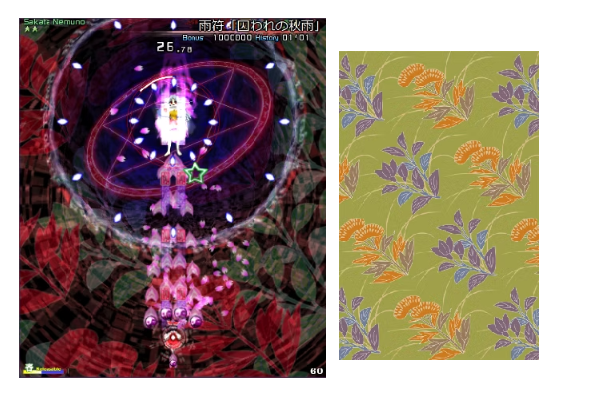
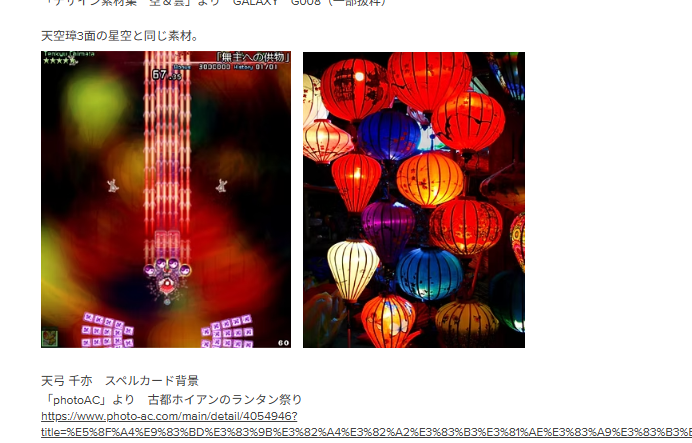
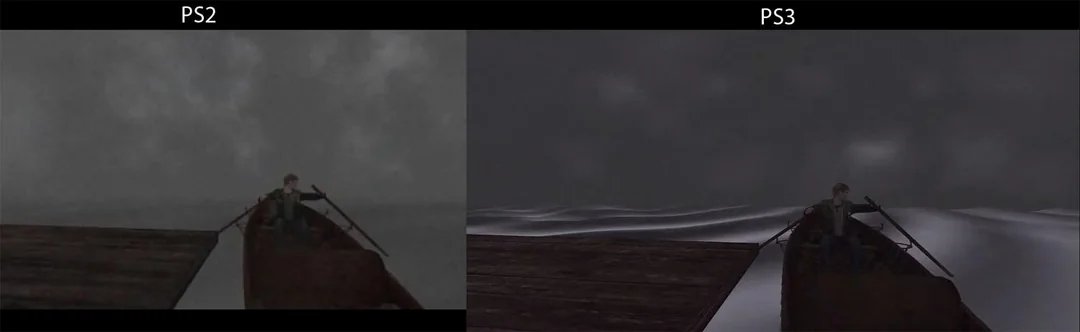
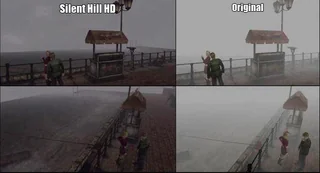
It reminds me of how many games in the PS1-PS2 era tried to hide loading and or low fidelity assets through various trickery; such as Silent Hill's famous fog being a way to allow the game to load assets without them suddenly popping up on the screen or hide imperfections. (13/?)

It's often said that limitations breed creativity and innovation. Touhou backgrounds are yet another example of that. A lot of creativity was used to disguise how certain assets were reused. For example, the Eirin's spell BG is actually the Saigyou Ayakashi, upside down. (14/?)
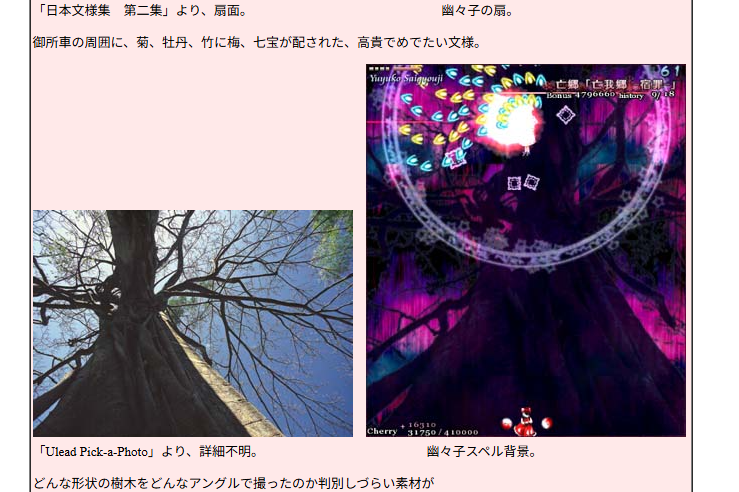
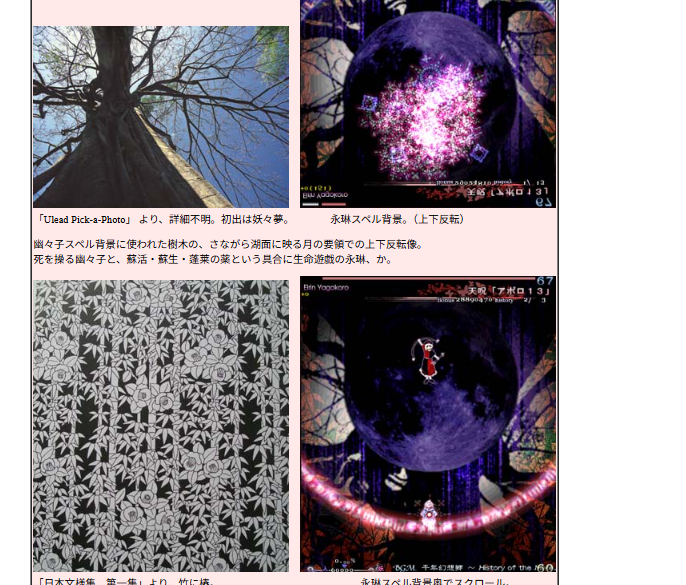
But then there's also the argument, that with the effort put into making these backgrounds, it definitely does take up a good chunk of development time away from other parts of the game. With how ZUN makes games, that's definitely something that can happen. (15/?)
He has stated before that the near-yearly development cycle he does isn't just a matter of conveninece or timing, it's actually about the limit of how long he can keep his motivation up. The longer he spends on a single project, the lower his motivation gets. (16/7)
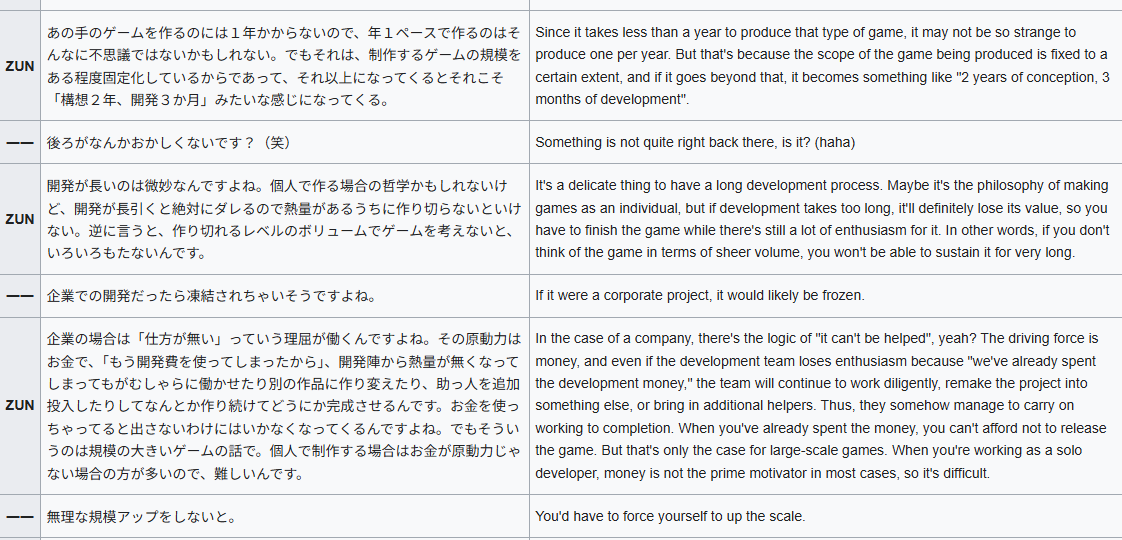
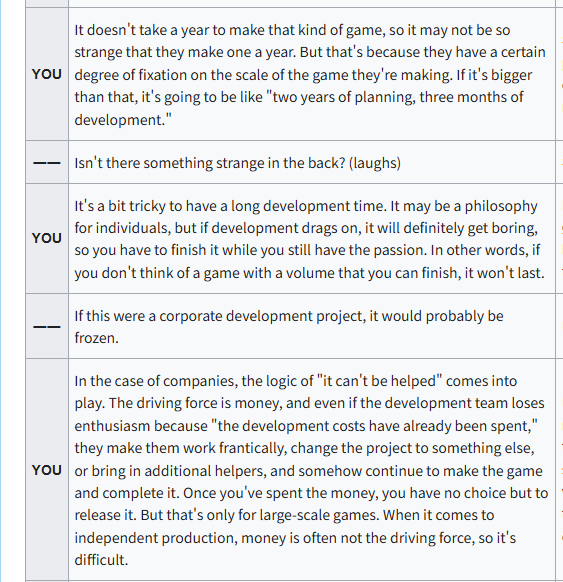
So for him, time is very much a limited resource, and if generating the backgrounds using AI allows him to allocate more time to the parts that he enjoys working on, it would make sense why he would use that option. (17/?)
There's an argument to be made that he could also just hire people to work on the backgrounds instead, especially since Alphes, Makoto Hirasaka, Kiisan, and Unabara have all done art for him in the past. (18/?)

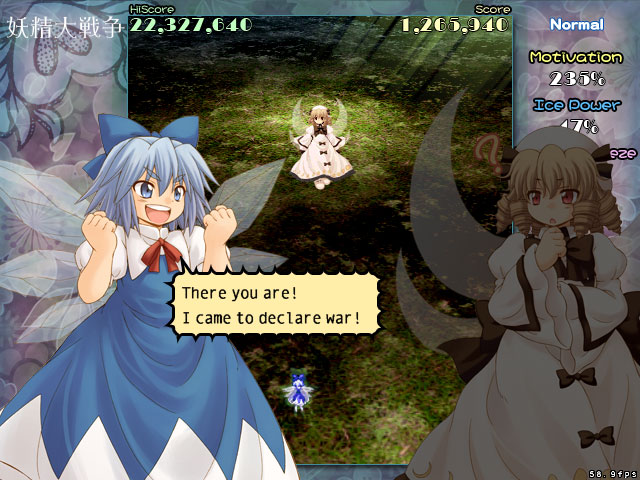
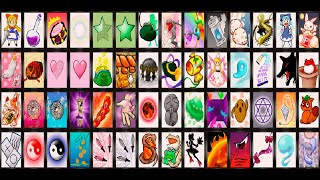
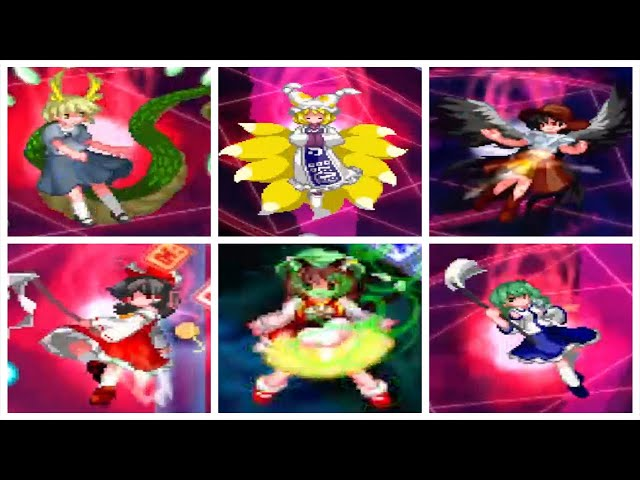
But that's predicated on him actually wanting to hire other people to work on the background, and he has stated that he's not fond of working with others when it comes to game development. Even with Tasofro, he tends to just leave them to do their thing. (19/?)
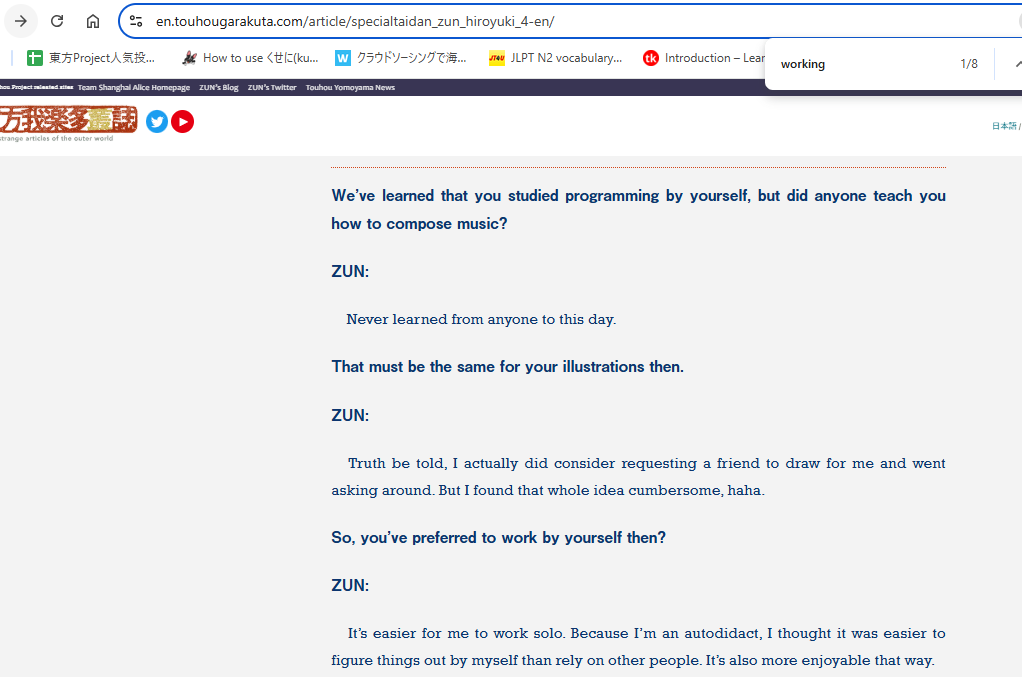
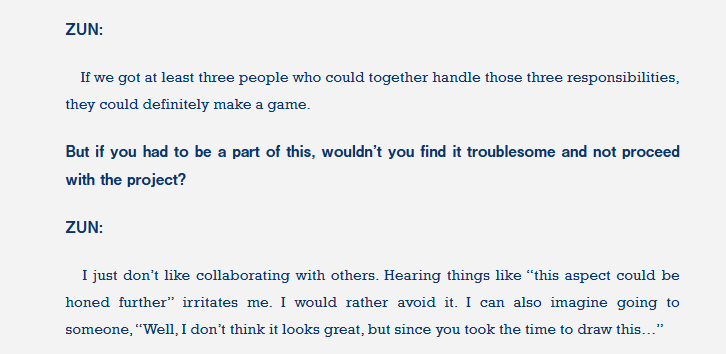
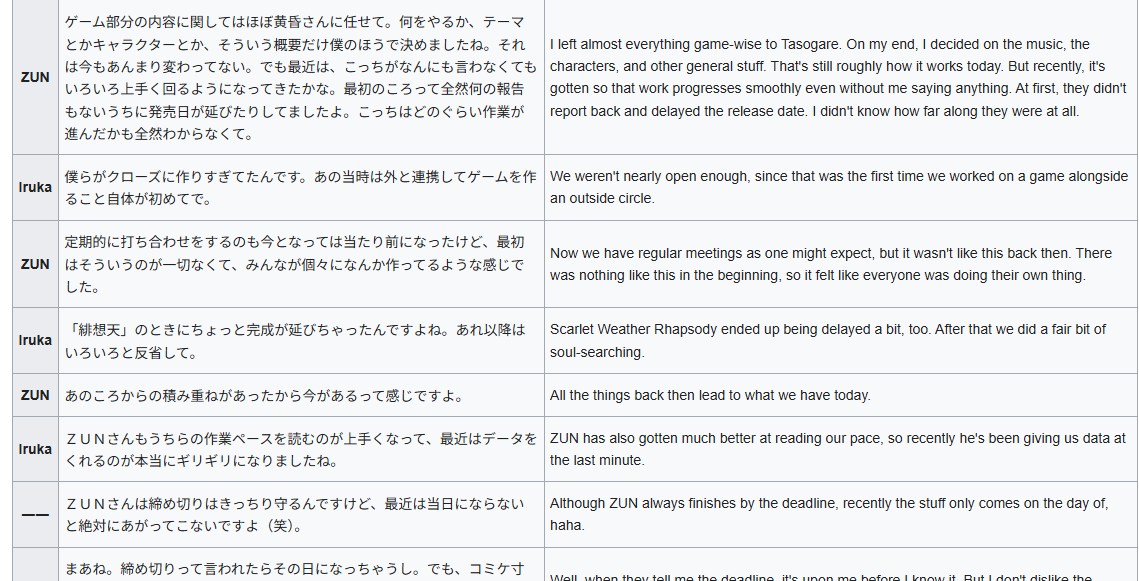
So it's clear that having others help him out on working on Touhou mainline games isn't something that he considers doing regularly, and really only does in special circumstances and only with people he's familiar with. He probably wouldn't want to do it every game. (20/?)
There's also the argument that it would probably be better for the game to have less content and less polish, if it meant that every aspect of the game was made without any shortcuts. (21/?)
But using royalty free-assets is already considered a shortcut. Sometimes, the presence of a stock asset or royalty free music in a game is taken as a red flag that someone is cutting corners in development. What difference does it make to use one shortcut over another? (22/?)
There is the ethical issue, but with ZUN specifically going for Adobe Firefly due to them (supposedly) training on works that they're allowed to train on, it's likely that he did consider the ethical angle on things. (23/?)

One could bring up the issue of crediting sources, and that with AI, there's essentially no source. But that's somewhat moot, since the stock-image backgrounds were never credited to begin with, which is why people had to sleuth for them (24/?).

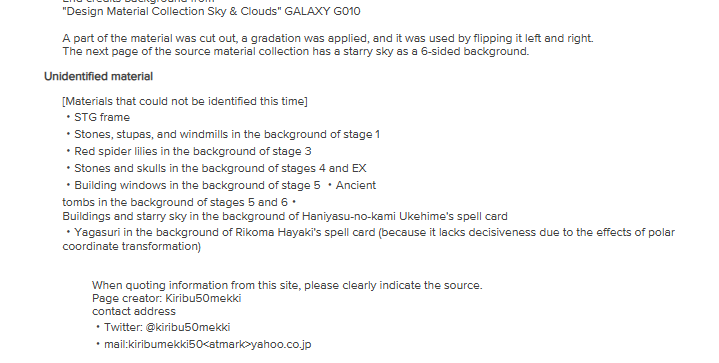
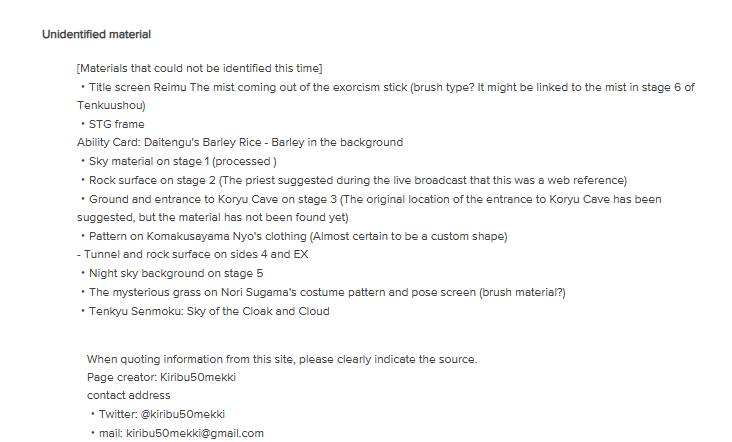
He doesn't draw the backgrounds nor does he ask other people to draw for him. He also never credited asset sources to begin with. He wants to use time saved by AI to work on other parts of the game. (25/?).
With the caveats above, I can see an argument that that is indeed "having the AI do the menial task while you do the creative ones". It is not much different from what he's already doing with the backgrounds. (26/?)
Of course, there's still the question of environmental impact. While it's unknown how well Adobe Firefly fares compared to other GenAI, GenAI in general is known to be a highly energy intensive resource. (27/?).
And while we, as well as the people who attended the GTP stream do have the context of him using AI that's (supposedly) trained on data that does not infringe on copyright, other people do not. (28/?).
And this can be seen as an endorsement of GenAI in general, instead of (supposedly) ethical GenAI. At the very least, he could definitely add that to the disclaimer on Steam (29/?).
There's also the natural concern that excusing usage of it in one aspect of development could lead to one slowly excusing usage of it in every other aspect of develpment. He may only use it for backgrounds now, but what of the future? (30/?)
And while I've already said this before, I do think that the usage of multiple assets from the same source had inadvertently given Touhou a unique visual identity to its backgrounds and UI elements, and it would be a shame to see that go away. (31/?).