
On the origins of the Finns: Ethnogenesis and how the ancestors of the modern day Finns conquered the "Finnish peninsula" and settled the barren wilderness. 1/25

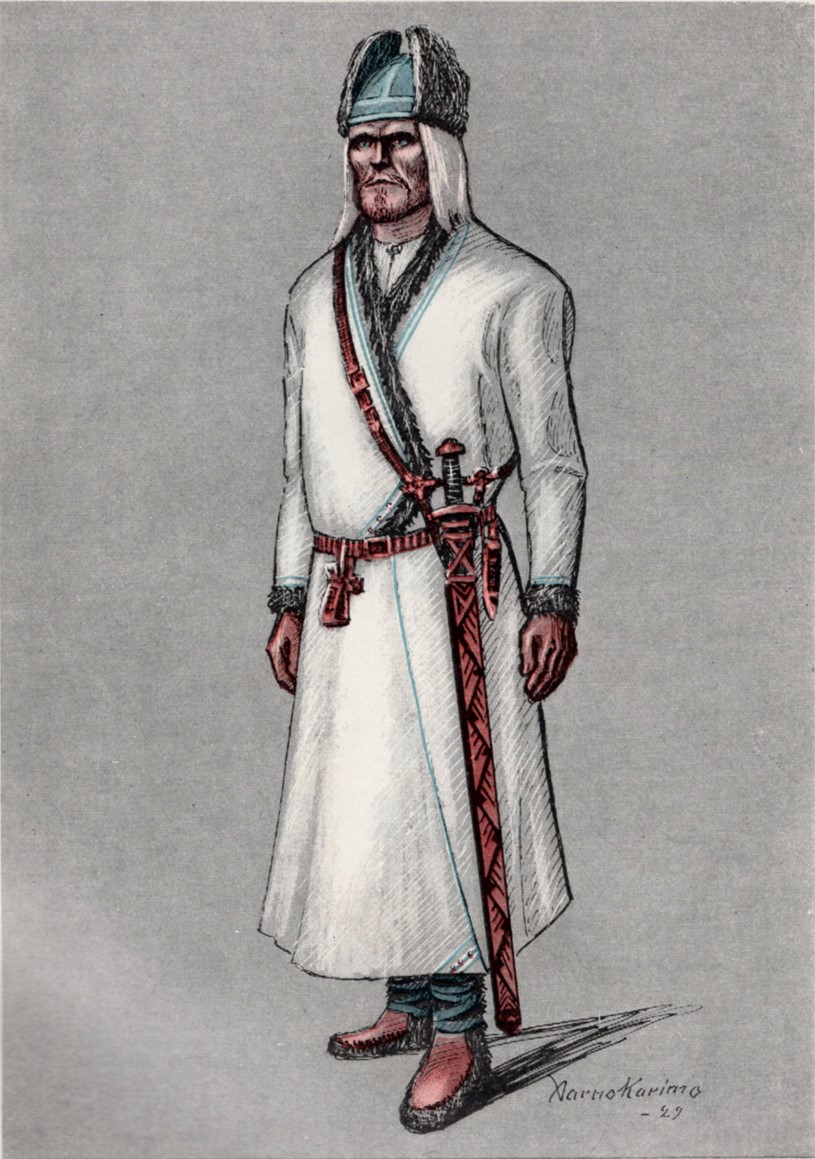
A few centuries before the time of Jesus, lucrative fur trade and taxation of the Sami people had made the cold and barren northern forest attractive for settlers. Competition ensued on who could secure the fur trade networks.

Proto-Germanics, likely of Gotlandic origin founded a colony in Finland for around 3-4 centuries. We will refer to these people as the “Untamo/Untamala-ns”, as their name survives to this day. The Finnic Kalevites eventually conquered and assimilated them around 100-200 ad.

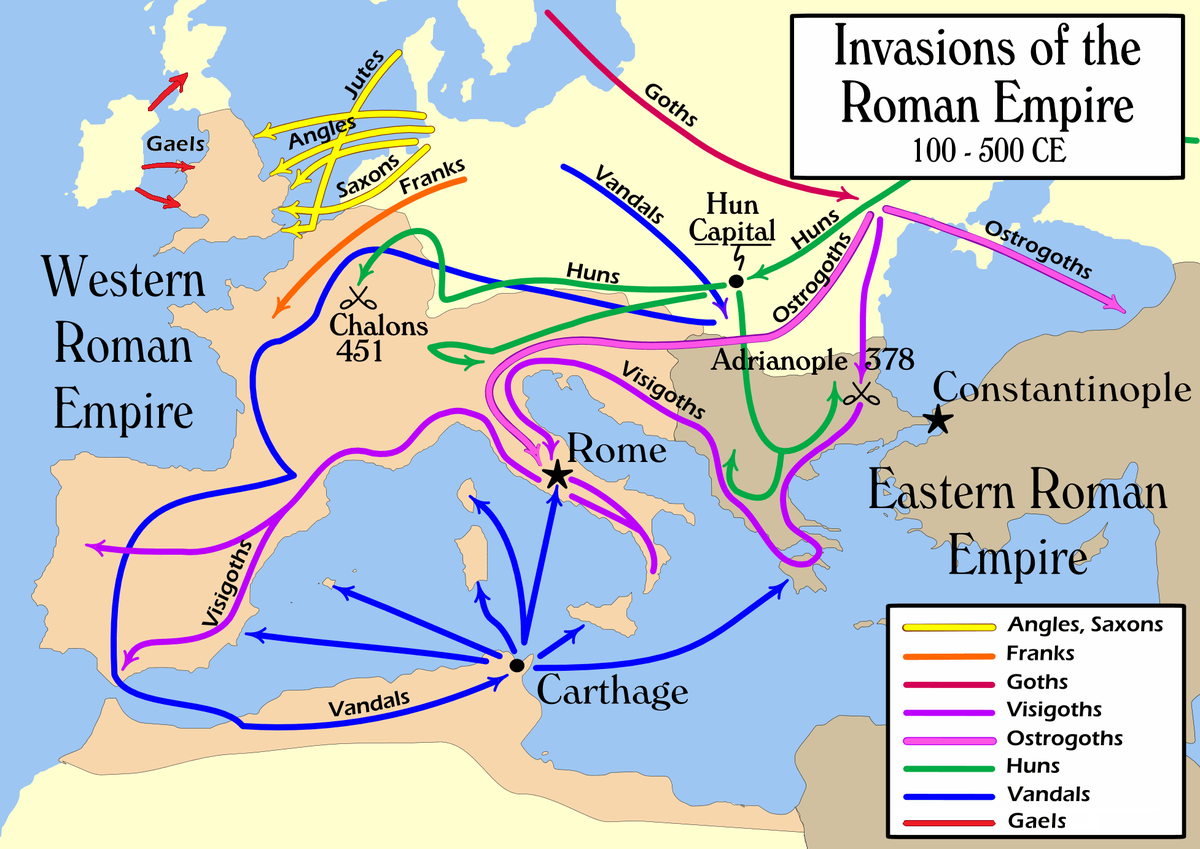
The Untamalans were of the same seafaring continuum of people who would leave Gotland, sail the baltic sea & colonise south, conquer the Slavs, and finally have a role in the fall of the western Roman empire and be known as the Goths.
The Kaleva, or “Kalevites”, were a Finnic priestly-warrior-smithing dynasty that ruled the Baltic for well over a millennium. During the Previous millennium they had migrated from the Volga & conquered the Baltic peoples, & finally settled the more uninhabited lands further north

Huge portion of the surviving Finnish traditional epic poetry most likely has its origins in these times. There are multiple layers of mythology and gods attached to the kings named after them. It's very likely that wars of Kalevala with the Pohjola refer to these proto-Germanics

There's extensive toponymical, etymological and archeological proof of the famous story of Kullervo having its origin in telling of conflict between the Kalevites and Germanics in Finland. Ultimately the Untamo were assimilated by the Kalevites and the populations fused.

This smaller proto-Germanic element in modern day Finns shows as an extensive arsenal of proto-germanic loanwords, and in genetics, like the I1 haplogroup being prevalent. East Finns have significantly less Germanic ancestry because a large portion of theirs come from the Sami

After the conquest, a new dominion was founded in Finland, by the name of "Kainuu" or "Kvenland". It persisted for the rest of the first millenium ad. These people were ancestral to the modern day Tavastians. Sources mention the Kalevite dynasty rule continuing with them.
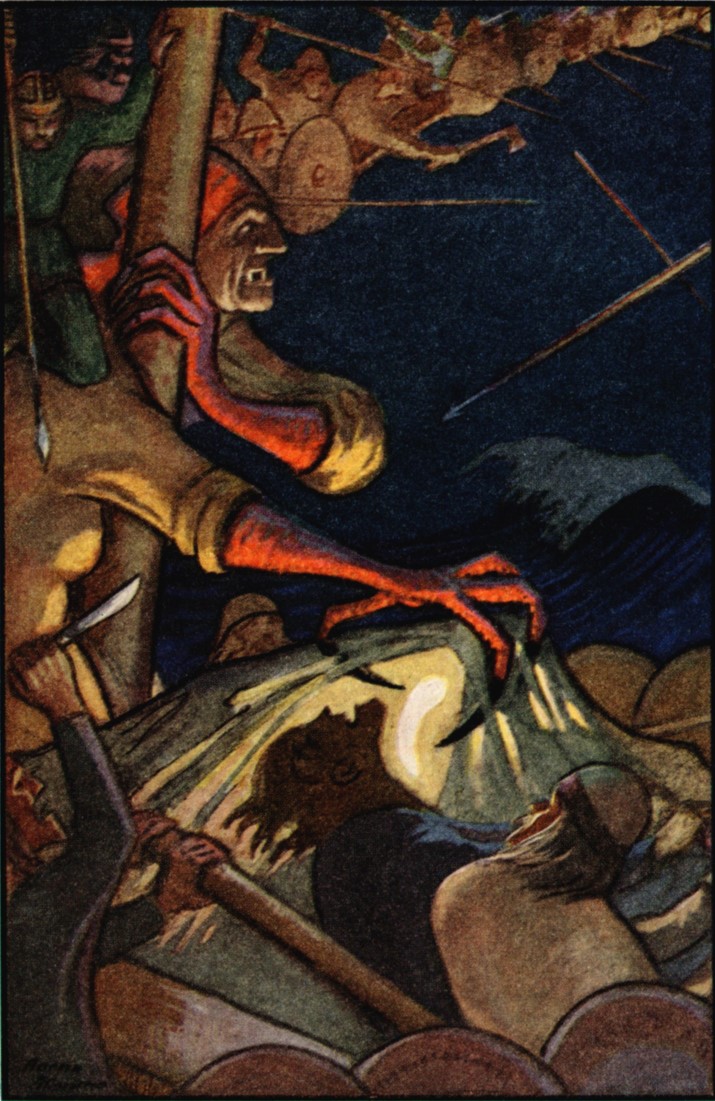

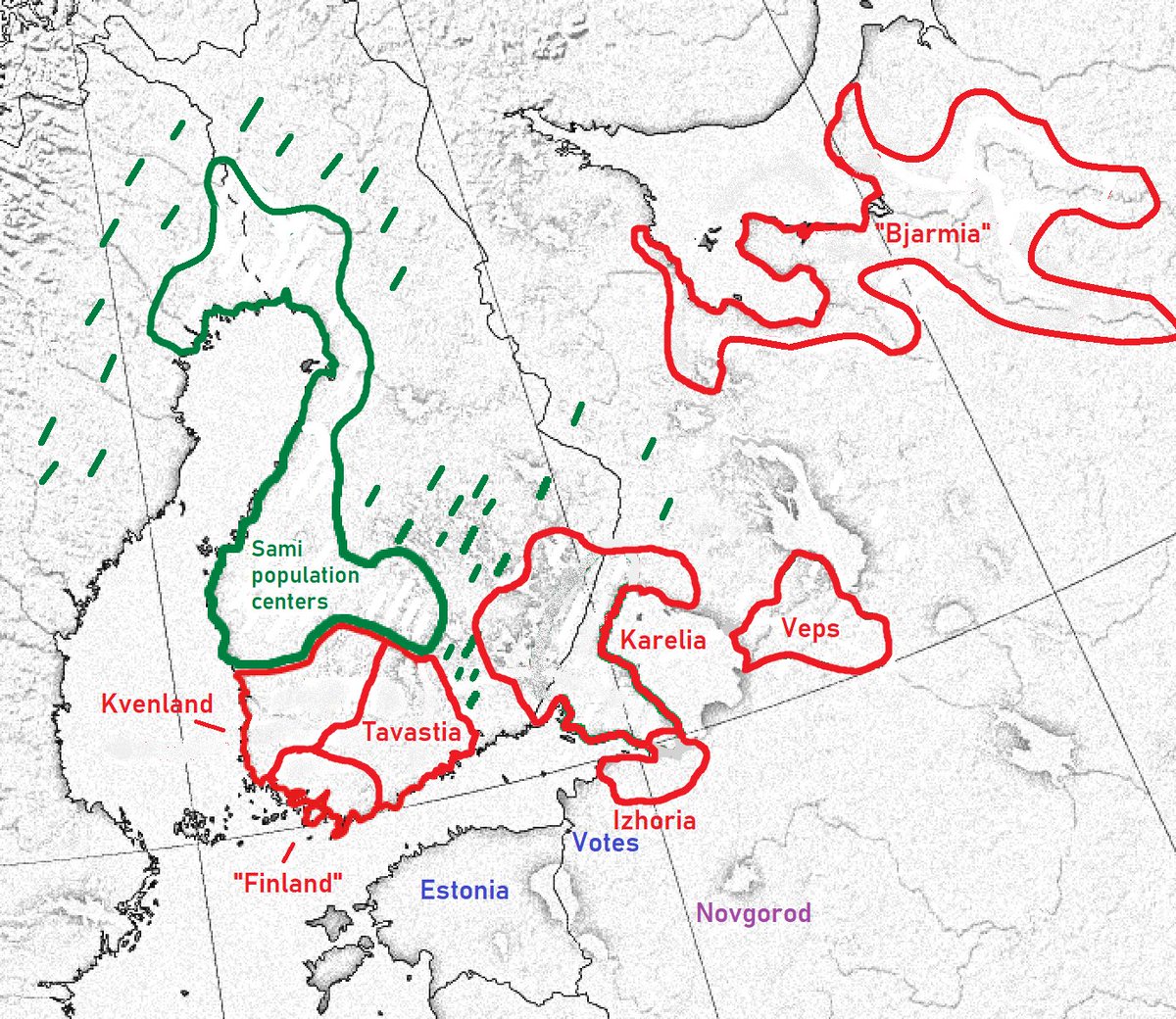
For the time & size of Kvenland’s population, the areas that it had influence over were immense, as north as Norway & the Arkhangelsk region. Kvenland was surrounded by vast wilderness important for fur, & Sami Tribes which the Kvens at varying capacity waged wars against & taxed


After the 600’s, the trade in the Volga & Perm attracted the Finns’ attention to the east. An eastern conquest & migration founded Karelia, and the Veps + Bjarmia, which the slavs referred to as Chuds. These people became independent & The karelians rivaled the western Finns.


We know of Bjarmia from the viking Sagas, & that it existed for hundreds of years up until the 1200’s as a very wealthy land enriched by commerce with the Perm and Volga Bulgaria, until it mysteriously vanished, perhaps because of climate or Mongol invasions killing trade.


Toponymy & archeology show that they inhabited the coasts of the White sea. Vyg, Onega, Dvina & Pinega rivers. Genetics show that modern day Speakers of the Pomor dialect are descended from them. Citations tell of refugees going as far as Norway when the land perished.


At some point later on Kvenland faced a new large-scale migration from Estonia, that gave birth to the modern day Finns proper and Rauma people. To this day their dialect sounds a lot like Estonian. They pushed the Native Tavastians inland. Multiple distinct dominions developed.


The Tavastians and Karelians held a blood feud with each other for centuries. Tavastians waged war against Karelians, Votes and Novgorod. Foreign states found influence in Finland because of the power struggles between different Finnic dominions.

Western Finns looked out for support from the west, while Karelians from the east. Karelians launched multiple attacks against Sweden. The Swedish capital of Sigtuna was wiped out by Finnic pagans in in 1187. A new capital had to be built, Stockholm.


Kvenland, which now encompassed Vakka-Suomi and Satakunta, was christened voluntarily quite early in the 1100s and was under Swedish influence. Historical narratives tell of violent crusades against Finns proper and Tavastia in the 1200s, but their validity is likely very false.


Famous legend of Lalli tells of the death of Bishop Henry in the hands of a local peasant named Lalli. The legend likely has gone through peasantification over the centuries, and was originally about a local lord having revolt.

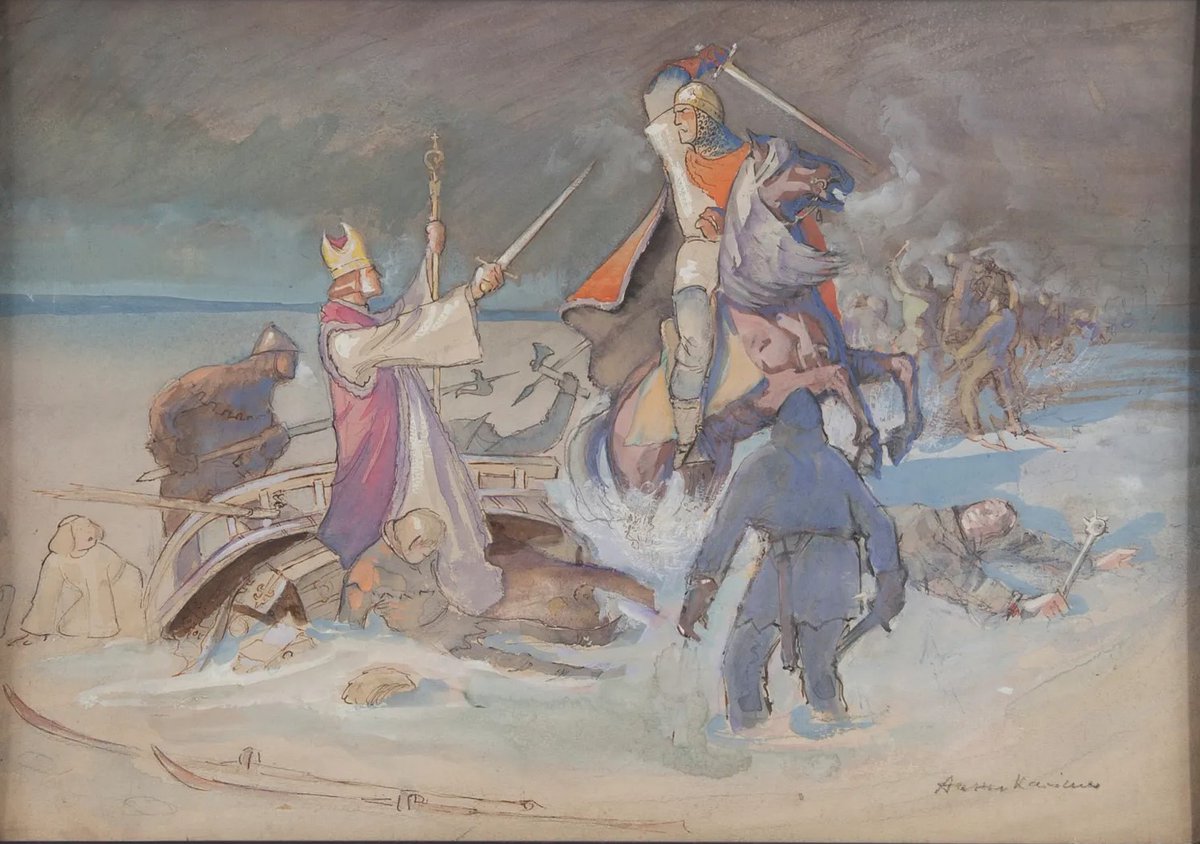
The crusade against the Tavastians most likely didn’t happen. All evidence shows that western Finns were in a mutually beneficial alliance with Sweden. During the 1200’s, Tavastians launched multiple conquests, first against the Samis, then joined the crusade against Karelians.


In the 1280’s, Tavastian “Birkarl” Chieftains conquered the Sami fortifications in ostrobothnia, central Finland and southern Lapland. Tavastian and Swedish migrants replaced the sami people, and they were expelled inland, and put under Birkarl Taxation for hundreds of years.

The modern Finnish Ostrobothnians were born of this migration. Fennoswedes were also born of migrations on the side of these conquests. The ostrobothnian Fennoswedes on the lands taken from the Samis, and The Uusimaa-fennoswedes in connection to the crusade against the Karelians


The treaty of Pähkinäsaari between Sweden and Novgorod effectively cut the Karelians into two separate, eventually very different groups. Catholic and later Lutheran “Finnish” Karelians and orthodox eastern Karelians who would develop the Karelian language.

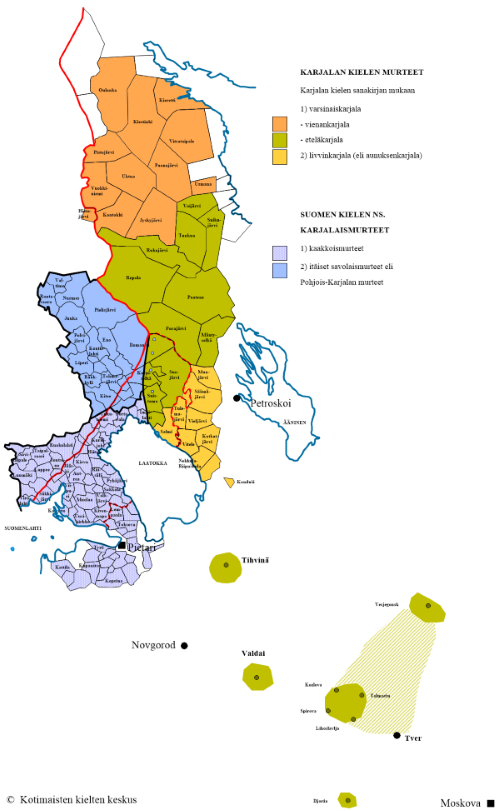
a new population emerged in the Saimaa. Savonians would settle the wilderness with aggressive slash and burn agriculture, in the 1600s began a rapid expansion of settling conquered or previously uninhabited lands. Forest Finns and the Ingrian finns emerged from these migrations


The 1500’s and 1600’s had been brutal in terms of Finnish infighting. The Ostrobothnians and Savonians waged war with the East Karelians. The east Karelians were displaced from almost the whole Region of Käkisalmi, and moved north and to Tver, becoming the Tver Karelians.


One of the most significant changes to Finnish Ethnography happened recently, when the whole population of Karelia had to be evacuated after the winter war, and the Karelians assimilated to the rest of the Finns. Russians have basically now destroyed this whole ethnicity.


Thanks to @jurgenfug @Jahustaja @armas_aallontie @ vaski for help with this thread