1. There are a few inaccuracies in this explanation. 2. What has been explained here is how most missiles work. It does not explain why Brahmos is a game changer. Here's a little explainer thread. I will keep it super simple
Let's first understand what's wrong in the explanation: 1. Increasing the speed of the air, does NOT increase it's pressure/temperature. Bernoulli's principle states that the opposite is true. When speed increases, pressure falls. This is the reason why aircrafts can fly.
Inaccuracy 2. The wings of Brahmos are fixed. They don't move. Only the fins at the back move. Besides these inaccuracies, every cruise missile in the world sucks air, compresses it, adds a fuel-mist, the burnt gases exhaust through the back and propels the missile forward.
Every cruise missile has a seeker in the front to target moving targets, has a navigation system which figures out where it is, a flight computer to compute course corrections & control system which moves the fins to correct flight course. Then what's special about Brahmos?
The answer is speed. Brahmos flies 3 times faster than other cruise missiles. This means, 1. it gives its the adversary 1/3rd the time to detect & intercept it 2. But more importantly it has 9 times more kinetic energy.

9 times more energy means: 1. The intercepting missiles also have to have proportionally more energy 2. Brahmos can use this extra energy for making evasive maneuvers All of this combined, it means that Brahmos is virtually not interceptable.
US, Israel and China are trying to build systems to intercept supersonic cruise missiles with limited success. It's possible, but extremely difficult. India is also trying to build defenses against supersonic cruise missiles because China is close to acquiring them .


So this devastating speed is amazing, but why are there so few supersonic cruise missiles (CMs) ? 1. We need special kind of engines for this aka ramjets. 2. The world is leapfrogging to hypersonic CMs, i.e. 2x the speed of Brahmos where interceptions would be near impossible.

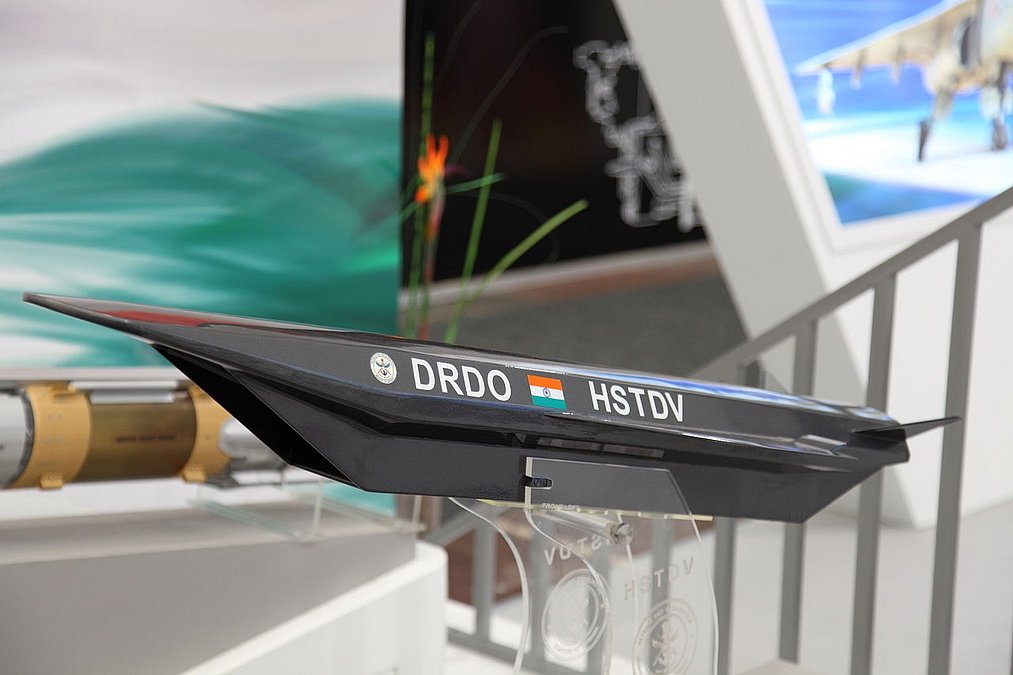
But among current cruise missiles, Brahmos sits at the top. So, let's understand it. All other cruise missiles use a turbofan/turbojet engine. This is the same engine used in the aircrafts we fly in. While incredibly efficient, there's a problem it can't fly supersonic.

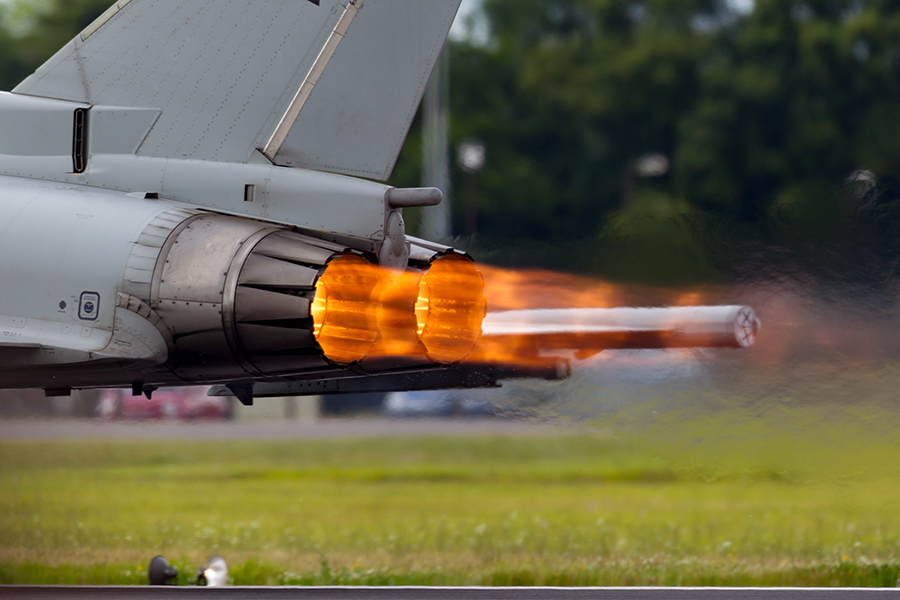
To fly supersonic, one must use an afterburner like the ones that fighter jets use which is highly inefficient, needs high maintenance and is prone to failures. Brahmos overcomes this problem by using a ramjet engine, and some cool tricks.
Ramjet engine is shown in the figure. Don't worry about the details. The first beauty of the engine is that it NO MOVING parts. Think about it. And engine with NO MOVING parts. It uses its own high speed to generate more speed!
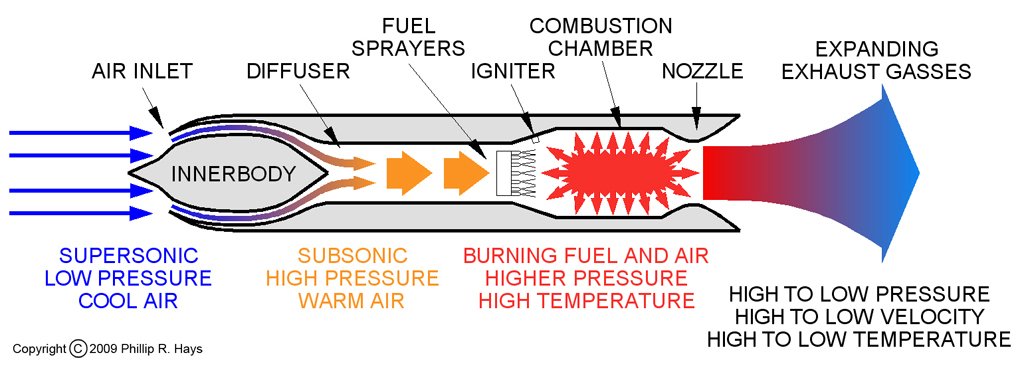
Now consider only the first two parts. The inlet and the diffuser. Because the missile is flying supersonic, the entering air is at (relative) supersonic speed. This air is first sped up faster and then slowed down in the diffuser actually to subsonic speeds.

When the air slows down, its pressure & temperature rises sharply, i.e. it gets compressed. The fuel sprayer introduces a fine spray of kerosene & an igniter sets the hot compressed air-fuel fixture on fire. The combusted gases expand through the rear pushing the missile faster.

So, a ramjet engine uses its own speed to compress the air without using any moving parts all! This makes it extremely light and robust engine. The trick lies in extremely complex aerodynamics and materials required. The Russians cracked this best & we have borrowed it.
Now why spray the fuel. This is the same as in your car engine or any combustion engine. This makes the fuel burn faster and more cleaner giving higher efficiency nothing extraordinary about that. The differentiating part is the use of liquid fuel itself (kerosene).

India has other ramjet engine based missiles. Another star of this "war", the Akash missile also uses a ramjet engine but it uses solid fuel. This allows Akash to be in a forever ready state to fire, but solid motors are like Diwali rockets. They have no throttle-ability.

By using liquid engines, Brahmos can optimize its speed based on the distance of the target and the maneuvers that it must undertake. The most common thing that it does it flies as low as possible avoiding detection by enemy radar, and may pop up close to the target.
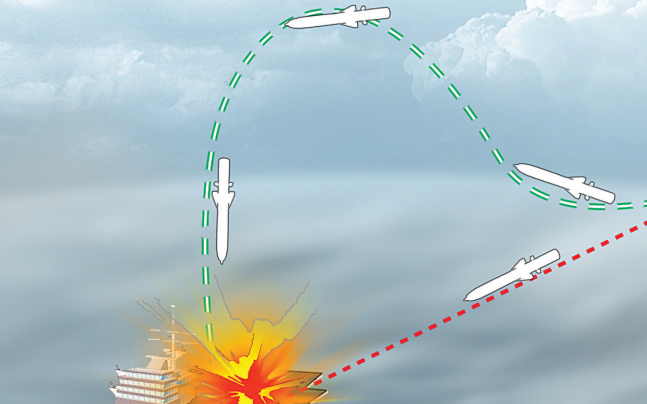
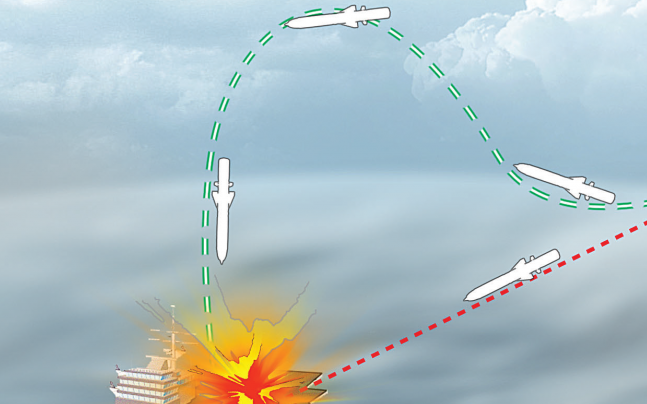
Imagine detecting it when it 10 kms away. It is flying at you at ~1 km/sec. you have 10 seconds to react. It may fly straight. Or pop up, or do S maneuvers in horizontal or vertical plane. Now you can see why it is SO difficult to intercept it.
All this speed & energy that the ramjet provides is amazing, but it has a shortcoming. It cannot start the missile. In fact it cannot work upto 1.5 Mach(speed of sound So, the Brahmos needs another motor, a booster to get upto that speed. And here comes another of its beauties
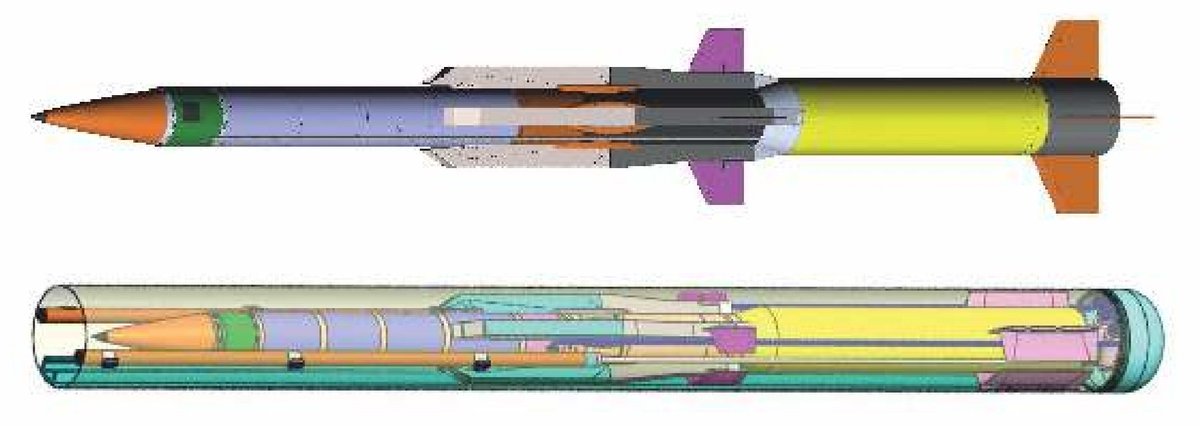
Most missiles using boosters have it hanging out of the back part. Not in Brahmos. Remember our ramjet. That diffuser & combustion chamber is large empty space which is not used until the ramjet engine is used! The booster is packed in there!

In Brahmos, the liquid fuel for the ramjet (sustainer), fuel sprayers, igniters are all placed radially along the walls of the diffuser. The green space labeled the sustainer is the combustion chamber. This clears up the space right in the middle where the booster motor goes!

This booster motor complete its own fins which actually have thrust vector controls. This allow the missile to launch vertically and maneuver aggressively towards any desired direction. It's probably the heaviest missile with thrust vector control. https://www.youtube.com/watch?...
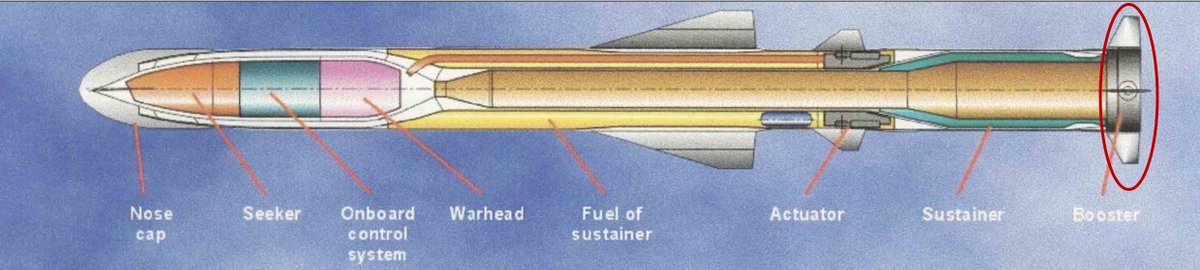
Here, you can see the booster manufactured by Godrej and the TVC vanes in white (picture courtesy @ajaishukla).
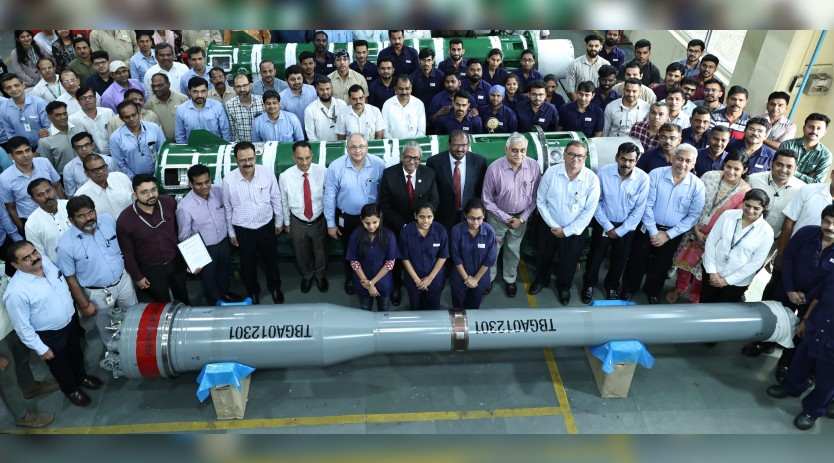

@ajaishukla This booster is solid. Why? Solid motors are not as efficient as liquid motors, but they are very dense (compact), and they can provide extremely high thrust. This is used to accelerate the missile to 1.5M (ignition speed of the ramjet as soon as possible.
@ajaishukla Once the solid fuel is burned out, the casing (empty shell) of the booster is ejected along with its TVC fins. This is what you have seen strewn along the sands of Rajasthan.
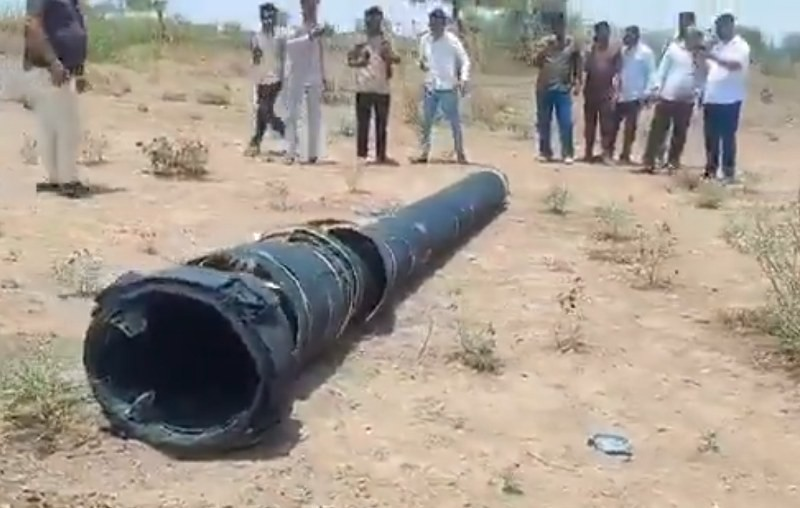
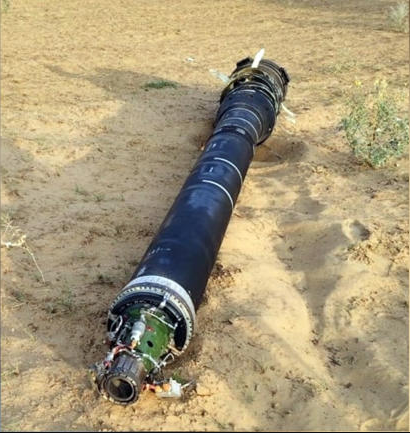
@ajaishukla What remains is the cruise missile with an empty diffuser where the air & ramjet fuel can be mixed and burned in the combustion chamber. Notice that the cruise missile doesn't use the fins at the back which are discarded with the booster. It uses the ones just behind the wings.

@ajaishukla This is done for best controls at supersonic flight speeds. I did not go into the nose caps which will become a long discussion in itself. But the nose cap allows it to be launched from land, sea, air and even from submarines.

@ajaishukla As you can see Brahmos is optimized in every way imaginable for one purpose: speed and therefore survivability But this speed comes at a price. It's 2-3x heavier than other cruise missiles. It's range is about half of other cruise missiles. And price, literally it is expensive.

@ajaishukla These limits the number of platforms that can carry this missile, extremely large 12x12 trucks can carry 3. Our largest aircraft can carry only 1. And our largest destroyers (Vishakapatnam class) can carry only 16! We need some lighter and cheaper alternatives.


@ajaishukla One such alternative is called Brahmos M/mini/light/next generation. It is supposed to be 1.5 tons. But I have heard about it for 1.5 decades during which I have heard 4 different names. So I have given up hope.

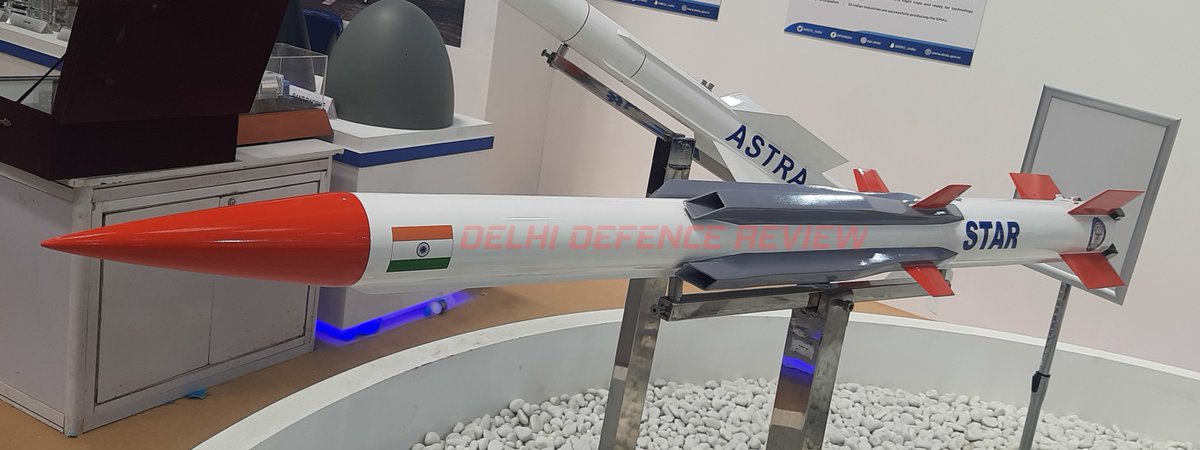
@ajaishukla I think the Russians aren't playing ball & Indians don't have the full design know-why to develop Brahmos M on our own. I'm more interested in the STAR missile. This is a complete inhouse design starting from Akash but with a liquid ramjet engine. It has started limited testing.