
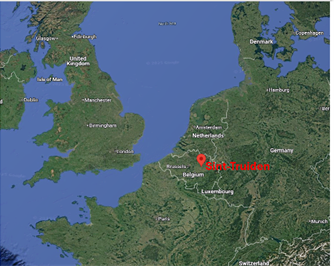
Discover our results of the largest ancient DNA study ever conducted on a single burial site 🧬: 400 skeletons from the Belgian city Sint-Truiden (8th–18th century). A unique glimpse into 1000 years of genetic history. (1/9) @CHG_CME @KU_Leuven

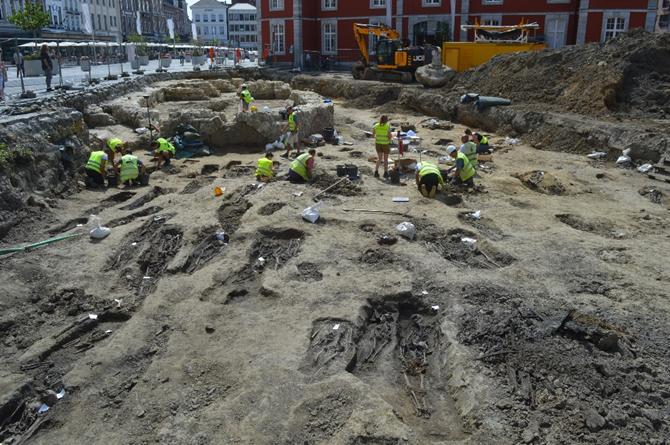
In 2019, more than 3000 skeletons were excavated beneath the Groenmarkt in Sint-Truiden, the historic cemetery of the Church of Our Lady. For centuries, it lay also in the shadow of the influential abbey of Saint Trudo (†693). (2/9)
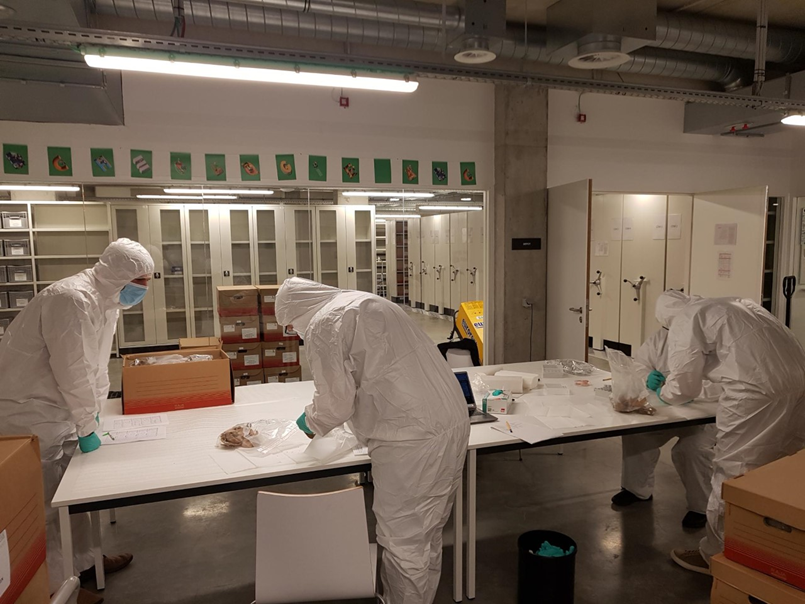
Teeth from 400 individuals were sampled as sterile as possible for ancient DNA. The result: a genetic timeline of a millennium, spread across the entire cemetery. (3/9)
The earliest inhabitants (8th–10th century) were remarkably genetically diverse (red on PCA). We even found 5 individuals with ancestry similar to medieval Irish or Scots. (4/9)
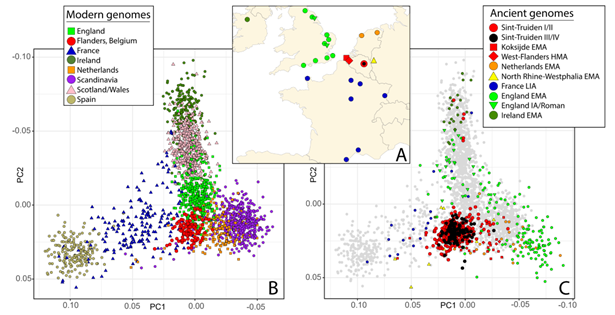
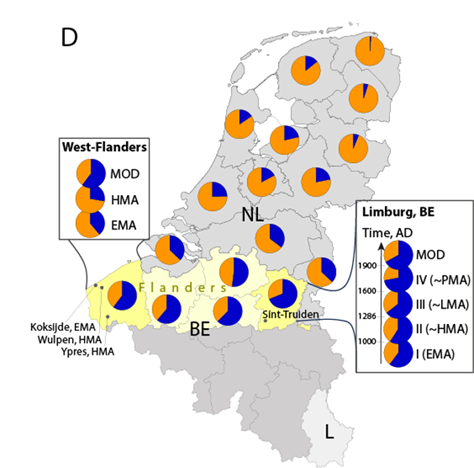
From 11th century onward, population became genetically more homogeneous—similar to today’s people from region. This was result of centuries of mixing between ‘Gallic’ (blue) & ‘Germanic’ (orange) groups, shaping north-south genetic gradient still visible in Low Countries. (5/9)
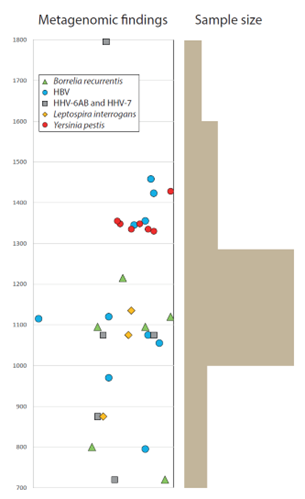
For the first time, we found direct evidence of the plague in medieval Flanders: Yersinia pestis DNA in five individuals from 14th century. They were scattered across cemetery—not in mass graves. No historical record from 14th-century Sint-Truiden mentions the plague than. (6/9)
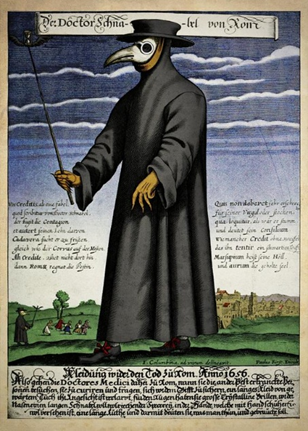
The plague left no significant impact on the population’s genetic makeup. We also found no evidence of lasting changes in immune gene diversity. Other pathogens linked to poverty and poor hygiene were detected too, including Borrelia and Leptospira. (7/9)
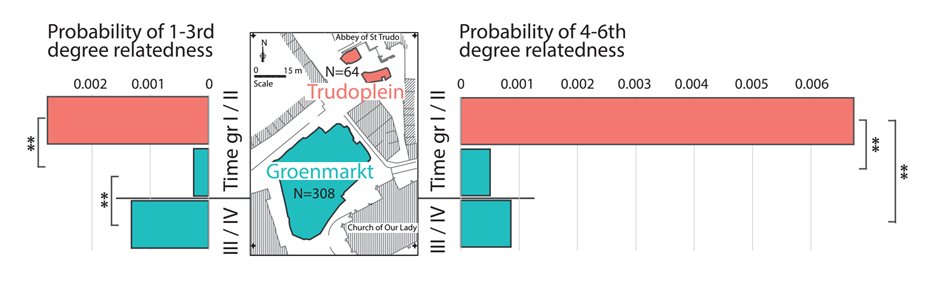
We found few family ties among the 400 individuals—far fewer than in medieval Cambridge (UK). Only near the abbey, in the cemetery’s oldest part, were relatives more often buried together. Likely a reflection of social status. (8/9)
For first time, we could reconstruct migration, family, urban development & epidemics in one medieval town in Flanders. (9/9) Many congrats to Owyn Beneker, Toomas Kivisild, Christiana Scheib & all co-authors Thanks to @FWOVlaanderen and @vioe https://genomebiology.biomedce...