I get this question a lot. I don't have strong views on how transmasc people should dress, but since I often get the question, I've thought about it a bit. Will share some thoughts in this thread. 🧵
My general feeling is that this question often approaches the idea of style from a perspective I don't share. I don't believe in approaching dress first from the perspective of body type. For instance, there are a lot of guides online that break down body types like this.

I disagree with this perspective because they always seem to be about forcing the person into one narrow ideal. So if you're short, they tell you how to wear certain things to give the illusion of height. Or if you're heavy, they say how you can dress to hide your weight.

IMO, this approach gives ppl insecurities. It also doesn't lead to interesting outfits bc the person is trying to hide. I often use my friend @DavidLaneDesign as an example of a stylish guy. David isn't trying to hide he's a big guy, he dresses to express an idea


In this specific instance, the question is often first: "how do I dress to hide my hips?" And it's true that, in classic Western aesthetics, the Platonic male form is often represented by the Statue of David (shoulders broader than hips) and Platonic female is Venus (the inverse)


From here, we can understand one of the benefits of tailoring (e.g., suits, sport coats). Since these coats are built from layers of haircloth, canvas, and padding—which are stitched together using pad stitching and darts, and then shaped through ironwork—we get shapes like this

The shape of the outfit above is not the natural shape of the wearer underneath. Often, canvas and padding are stretched over the shoulder to extend the shoulder line. This is one of the ways we can create the illusion of a v-shaped figure even when there isn't one.
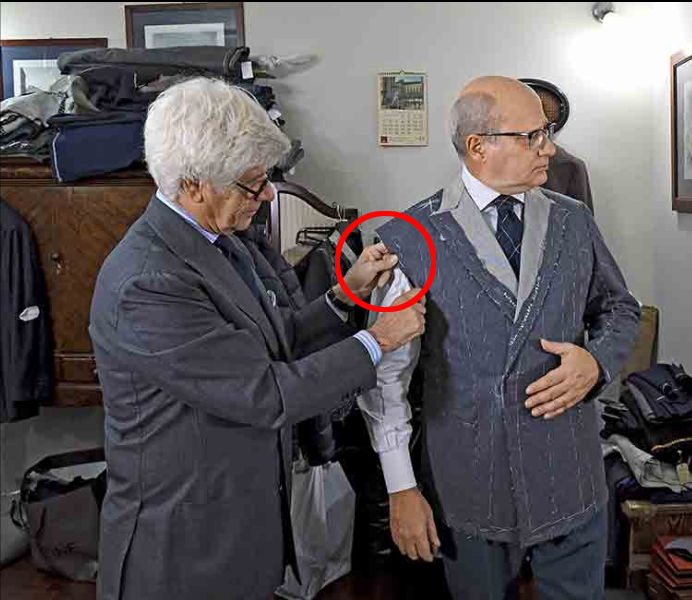
You can see the effect here: the slight dip on this man's shoulder reveals the extension. This jacket is dipping because it's made with a softer canvas and minimal padding. The jacket is also a bit old, so the padding has drooped and the extension has revealed itself.
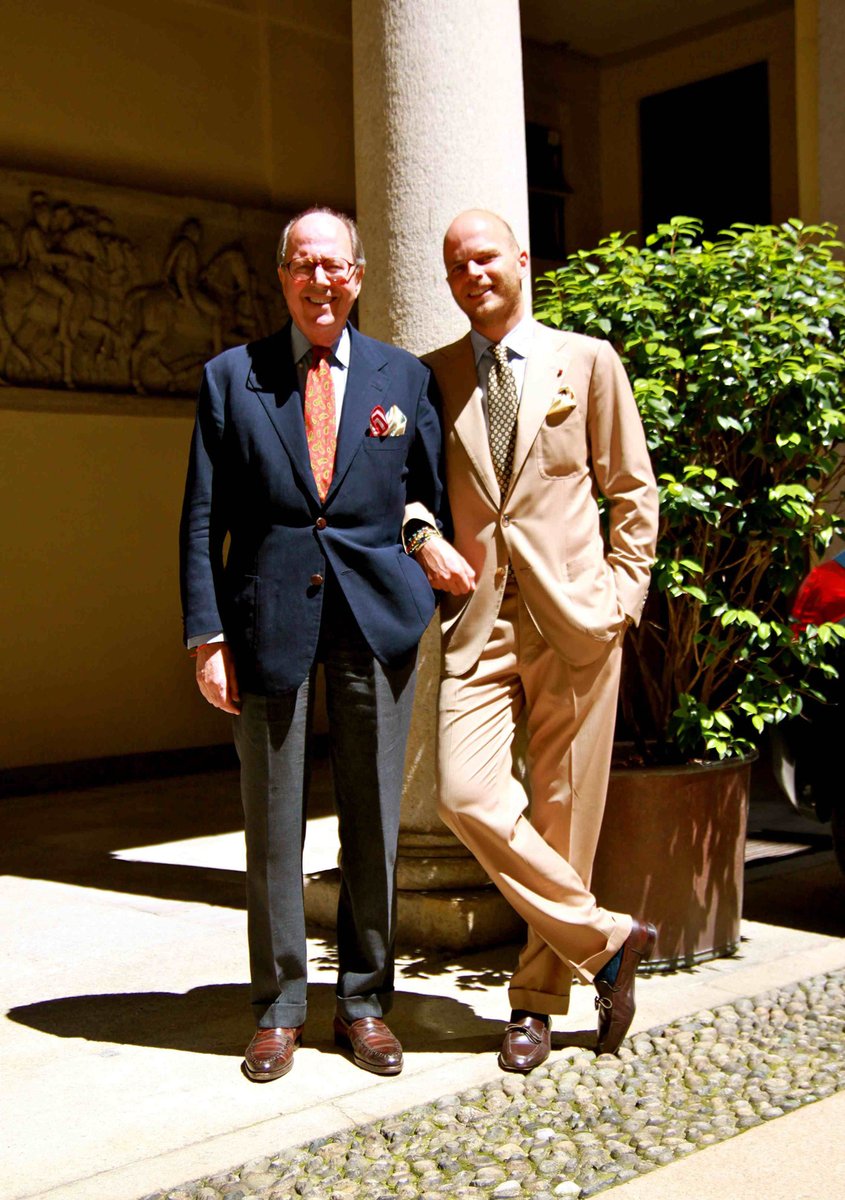

However, that's just one aesthetic (classic tailoring). It's not the only aesthetic. Just as there's English but thousands of other languages, each governed by their own rules. The visual language of masculinity isn't just about reproducing that Statue of David form.
For instance, fighter pilots historically wore big jackets that they could layer over their uniforms. But since they were sitting in a plane the whole time, the jackets were cut short, so they wouldn't be uncomfortable when the wearer is seated. This gives a rounded silhouette.
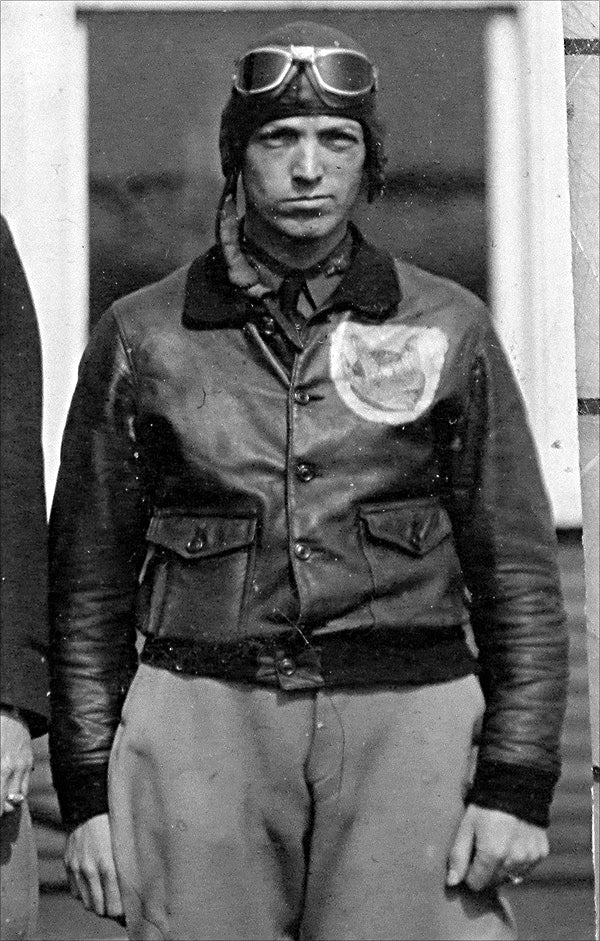
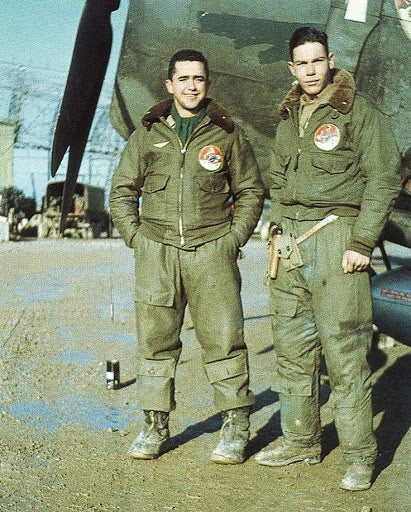
This bubble shape can still look very masculine. It's not about broadening the shoulders and making the hips look smaller by comparison; it's a completely different silhouette, but references ideas about masculinity that draw from a different tradition (war).


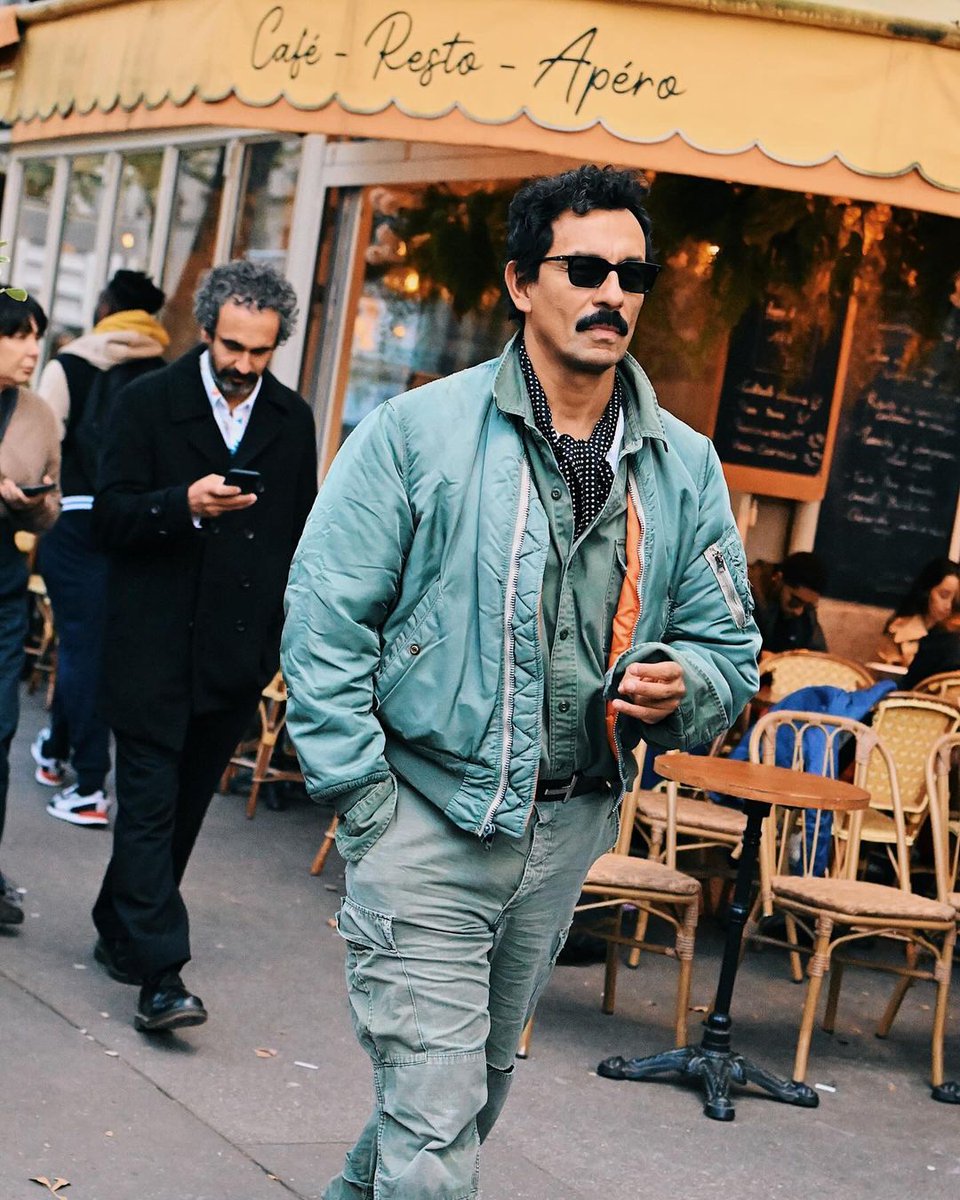

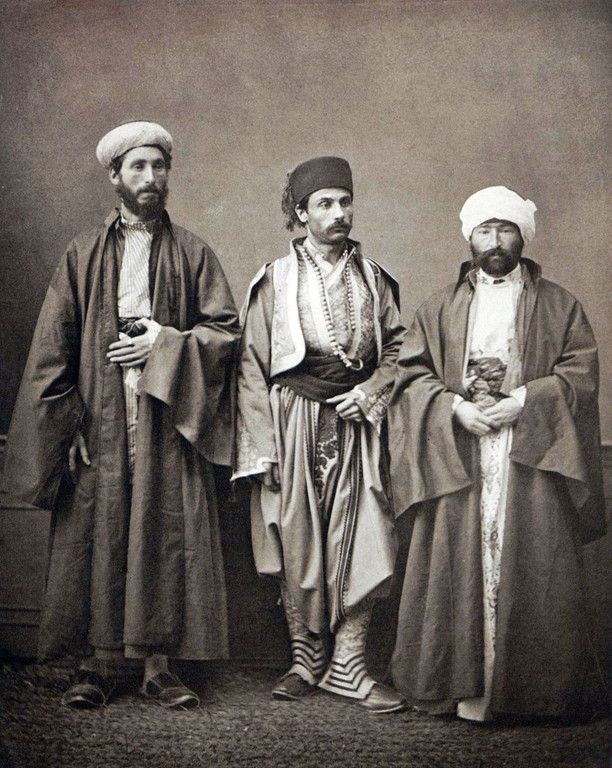
There are also lots of aesthetics that are not about reproducing Western notions of gendered form! These can be just as equally masculine or even androgynous, but come from a different aesthetic perspective and history. @the_rosenrot has written a lot about this.

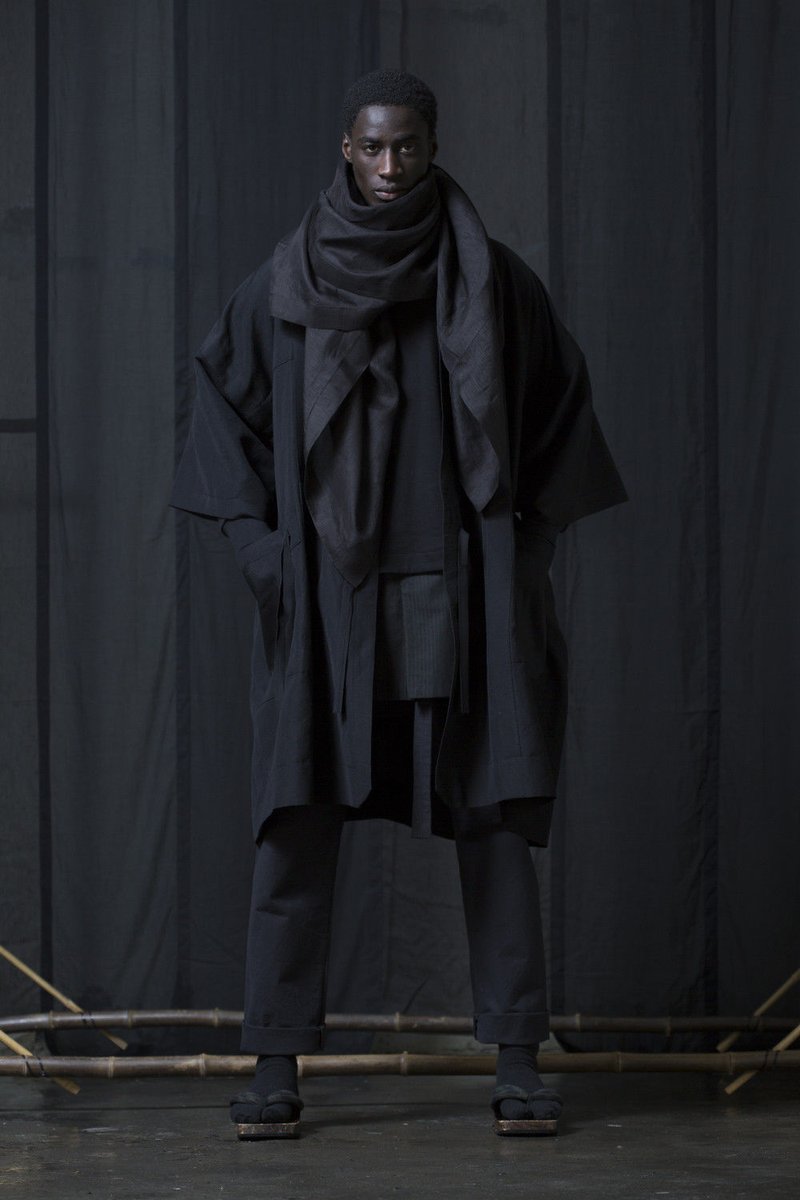
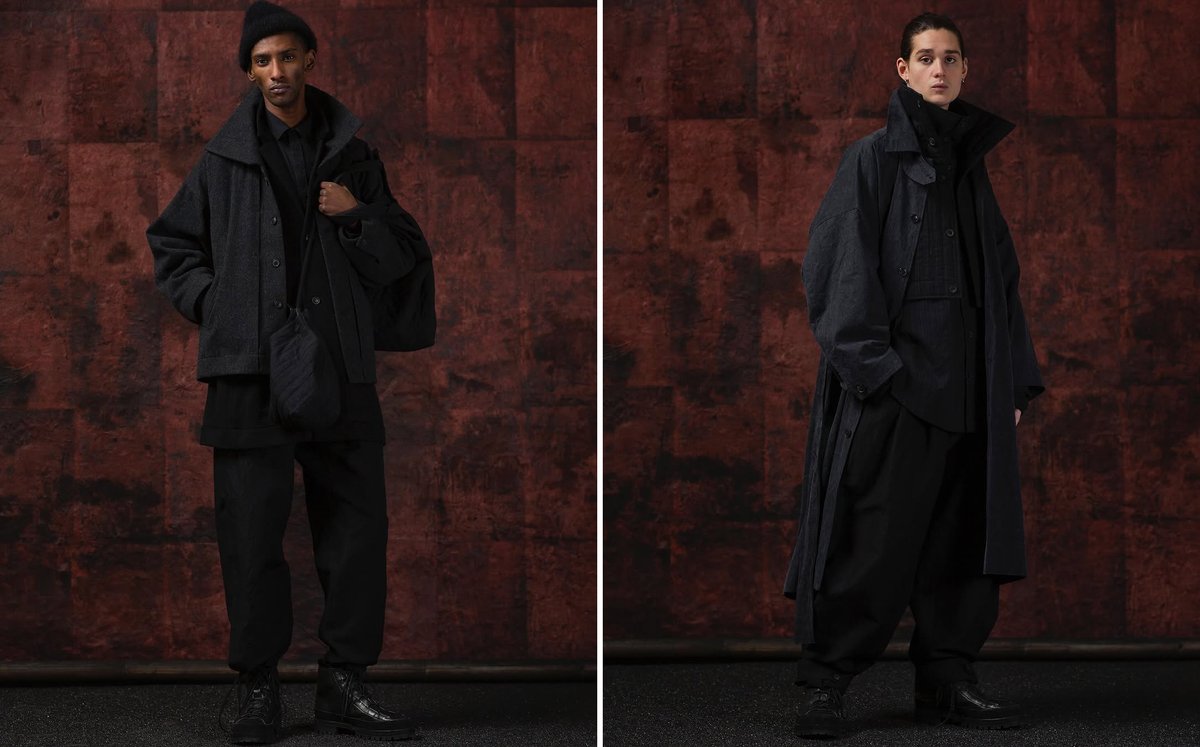
One of my favorite designers in this space is Jan Jan Van Essche. You can see how some of these oversized, drapey silhouettes echo some of the ideas above. This is not about hiding the hips and extending the shoulders or drawing from Western military history.


IMO, instead of approaching this from the perspective of body type, I encourage you to approach this first the perspective of aesthetic language, which is rooted in culture. Every aesthetic language will have its own ideas about desired silhouettes.
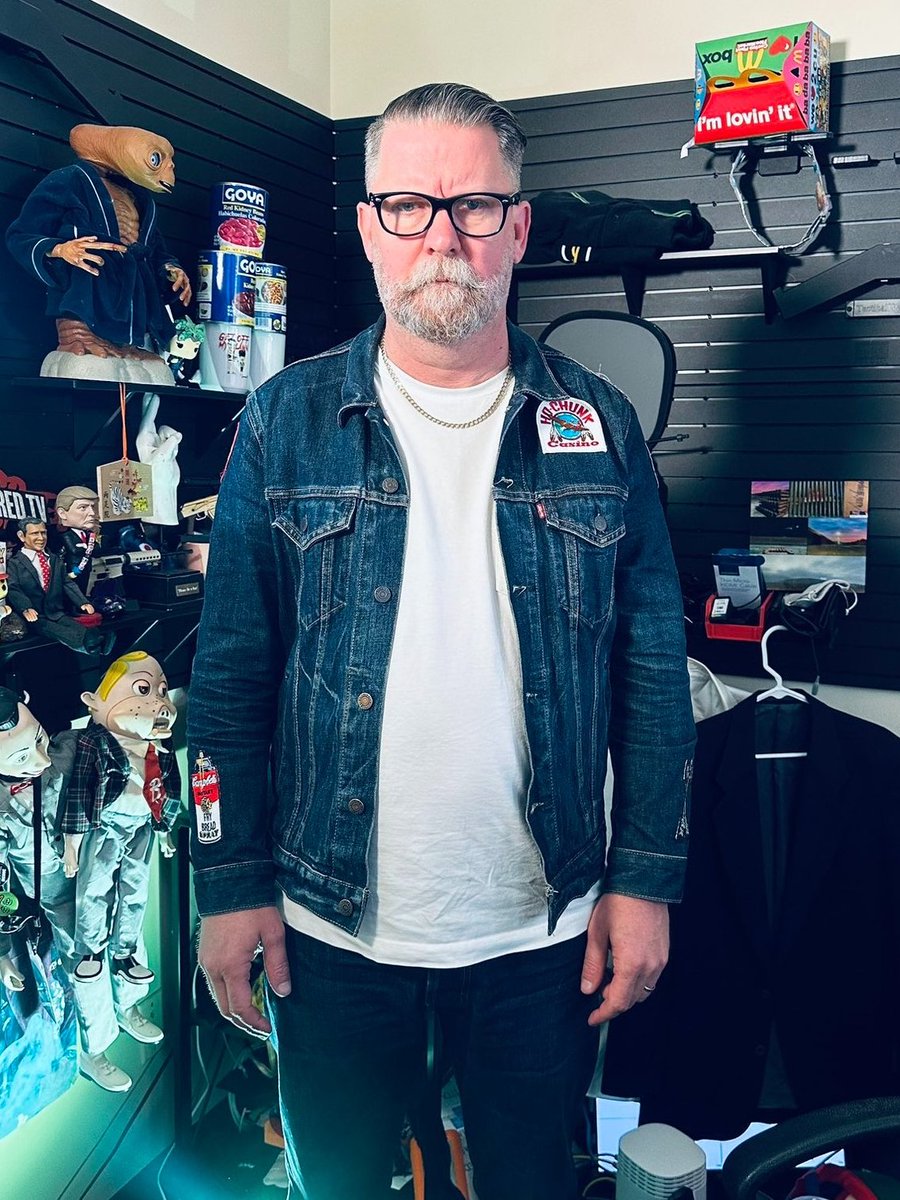
That said, I do think it's helpful to pay attention to some things. Lots of men have narrow shoulders and wide hips, as you can see on Gavin Mcinnes.
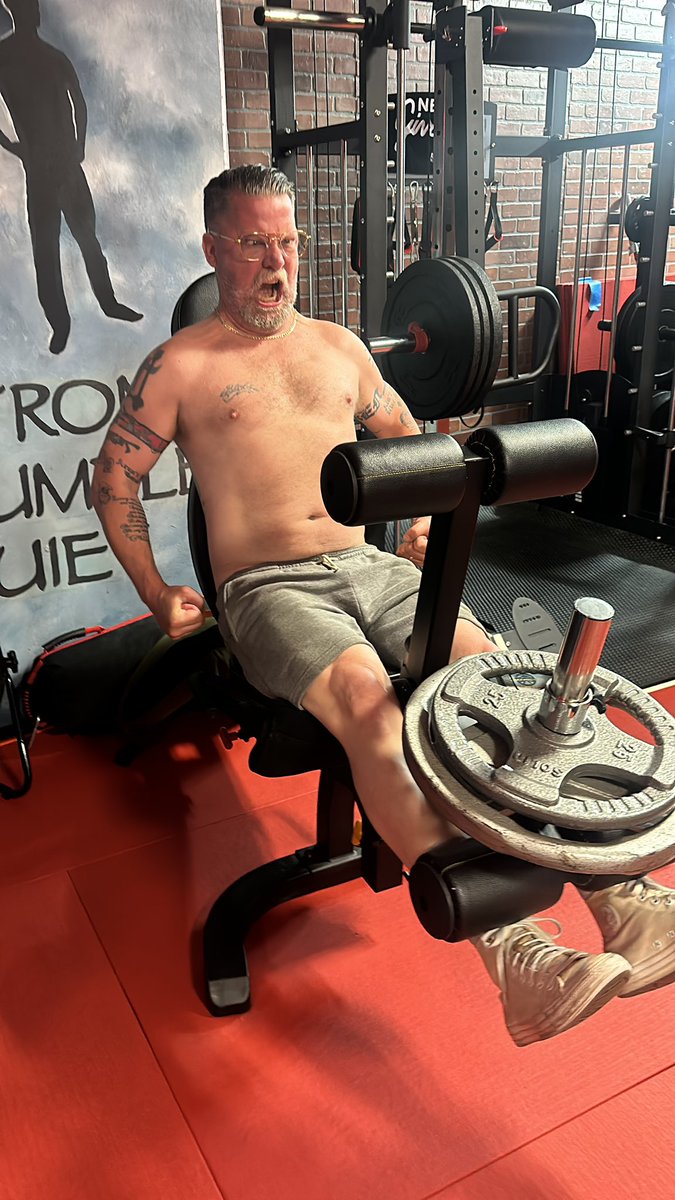
In these situations, it helps to pay attention to a few things. If you can't wear a tailored jacket (e.g., suit jacket or sport coat), which is built with shoulder padding, try to layer with some kind of outerwear. The shape of the jacket can matter a lot.
This is not a one-to-one comparison bc I can't put Gavin in a different jacket. But the narrow shoulders on the Levi's Type III trucker jacket—combined with the cropped length—give him a Venus silhouette. He should get a Lee 101 trucker, which has wider shoulders.
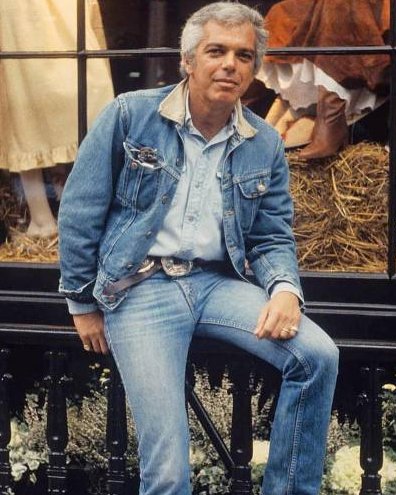
Same idea here. The man on the left is wearing a bomber with shoulder seams that sit right on the shoulder bone. Jacket is straight through the body. If he has narrow shoulders, this jacket will reveal this. Jacket on right has dropped shoulder seams and round body


Don't think about the shape of your body. Think about the shape of your clothes. Different clothing shapes can form different silhouettes. Choose an aesthetic language and think of how masculinity is expressed in those traditions. Does not have to fit classical ideals.
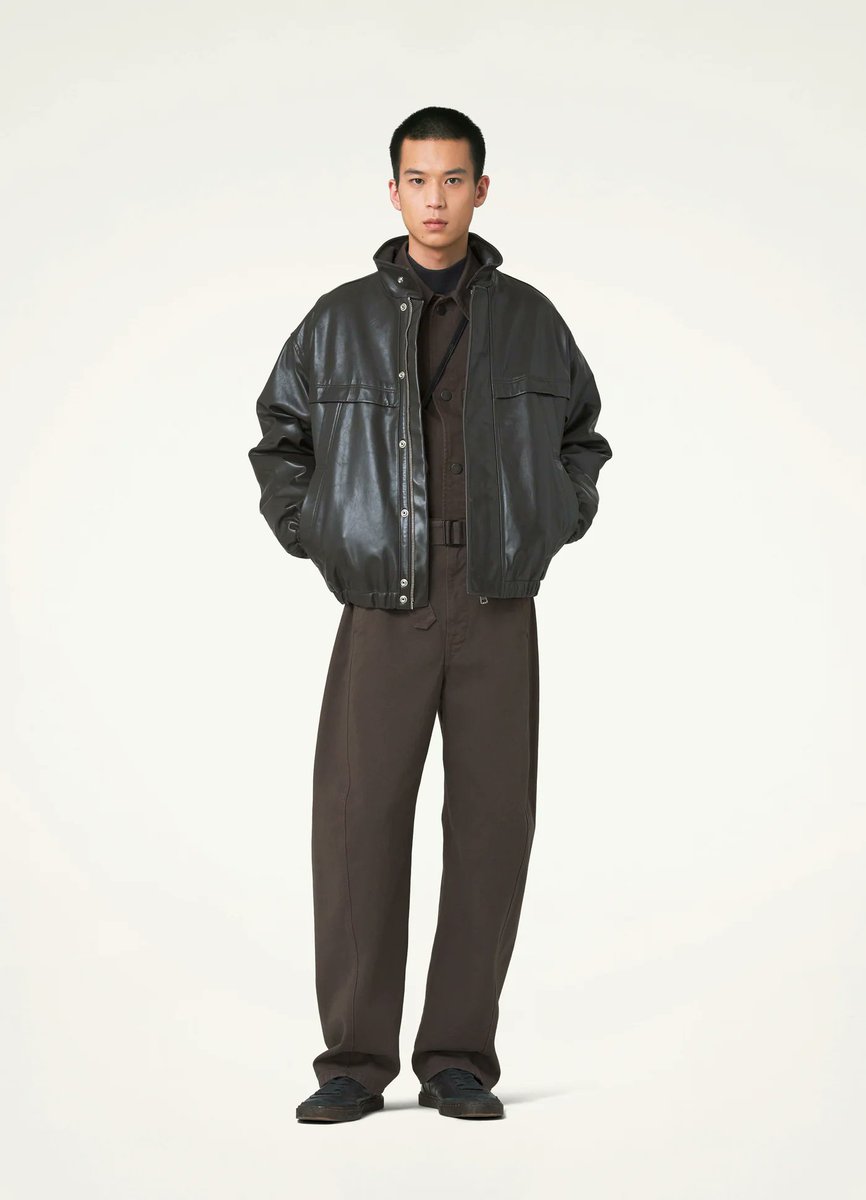
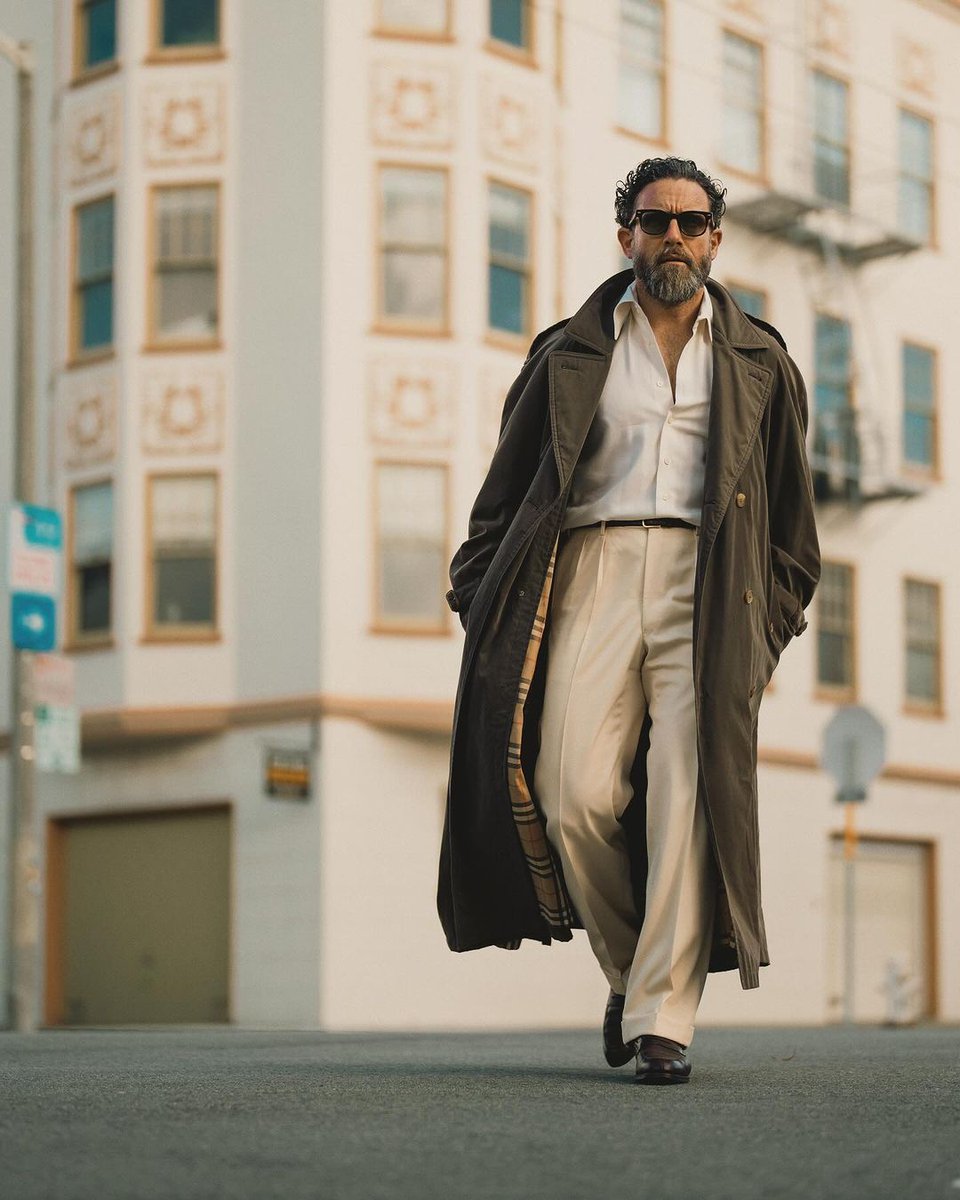
When people ask me how transmasc people should dress, I feel the process is not that different from other men. First, you have to figure out what kind of aesthetic language resonates with you. Then identify the history and contours of that language.
There are many ways for men to dress and many expressions of masculinity. Just as there are many spoke languages, there are many different aesthetic languages, each legitimate in their own right. A post about this here for those who want to read more: https://dieworkwear.com/2022/0...