
This is going to be a long thread about schizocollage, a kind of maximalist digital art that involves combining wildly different styles and references in a single image.

The style developed organically in NFT communities, and it has some things in common with older work by artists like Parker Ito and Tabor Robak, who have in recent years released schizocollage NFT collections of their own
back in 2009 the artist Charlie White published a great essay on digital collage in Artforum. He traced its legacy from dada and the surrealists through its spread via mass media and craft store supplies that made it an accessible hobby…
to the aesthetic of high school locker interiors and teenagers’ bedroom wall in the late 20th century. https://www.artforum.com/featu...
White wrote about contemporary artists like Richard Hawkins who were making collage with a self-consciously juvenile aesthetic, whose work (like teen collage) pulled references together to express a messy coherence of the self
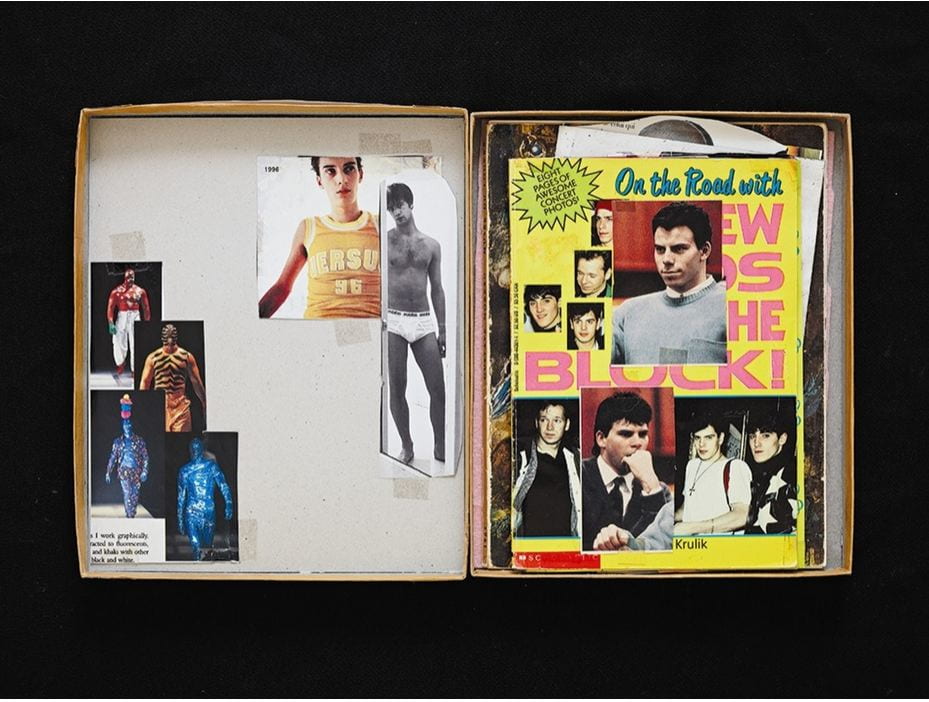
he also discussed Polyvore, a web 2.0 platform that encouraged teen girls to make moodboards of stuff they like. It was meant to evolve into a digital marketplace for clothes and accessories but never took off
Shortly after that, an emerging generation of artists were making digital collage that wasn’t about self-expression. it was a maximalist collage for expressing the internet's pluralistic chaos
Parker Ito (@creamydreamy) made paintings that alluded to digital collage and used its techniques to compose them. He often documented them on his website with collage, too, mixing install shots with found pictures and gifs
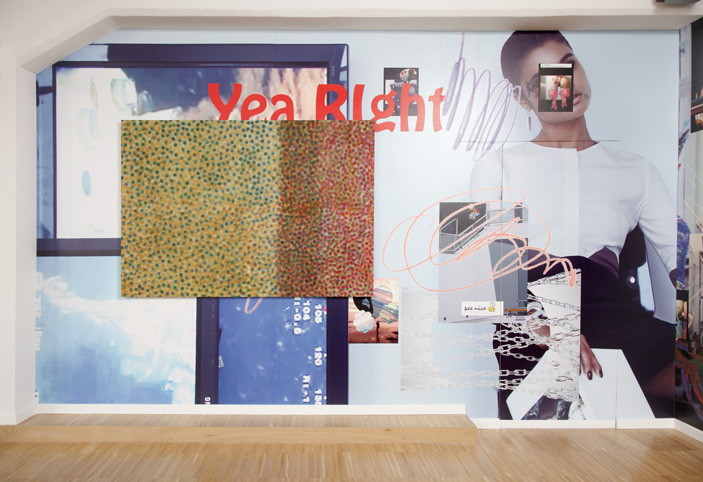
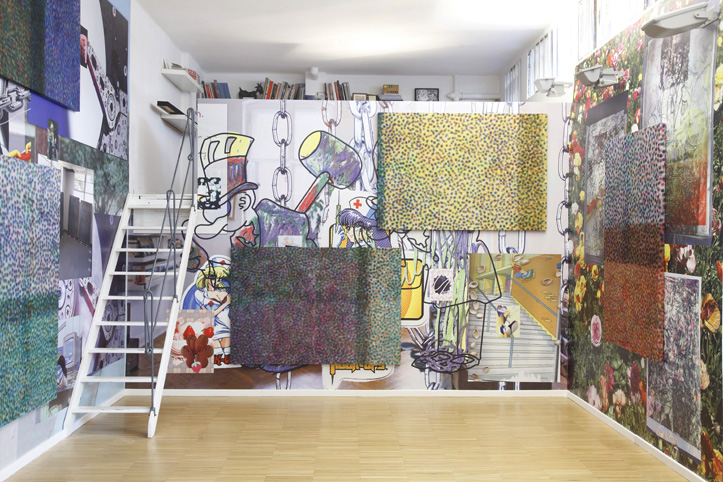
His net art piece Tasteless Maximalism is probably relevant here too https://parker.sex/archive/tas...
I really like how he described this practice last year in an interview with Dean Kissick for Zien: “paintings that feel like a lot of different things simultaneously.” https://artofconversation.zien...
In fall 2021 a crypto investor I’d known a decade earlier when he was a writer/editor told me I should look at Bonklers, a project by Remilia with art by Sprite Bonkler aka Henry Sprite, released in daily auctions
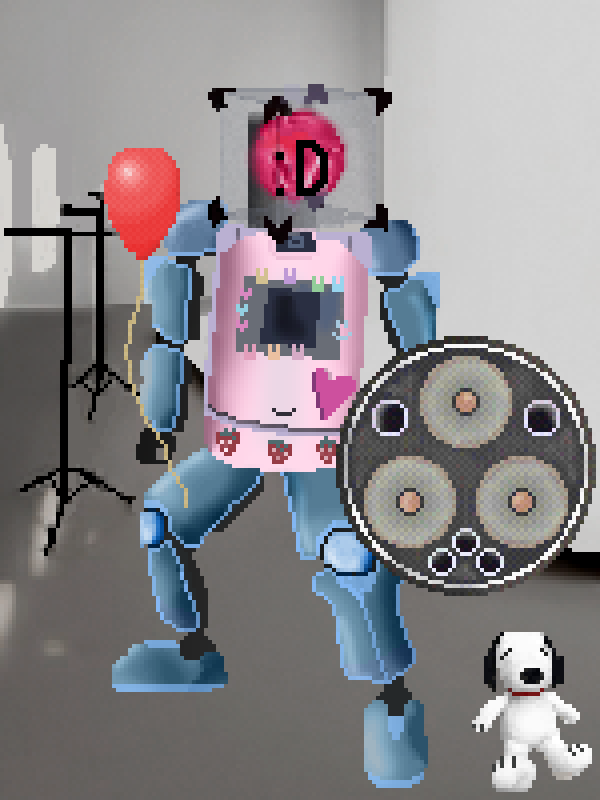
I liked the tension between chaos and order in how these robot figures were depicted. They have an overall pixelated look but the individual body parts and the background project different aesthetics and references
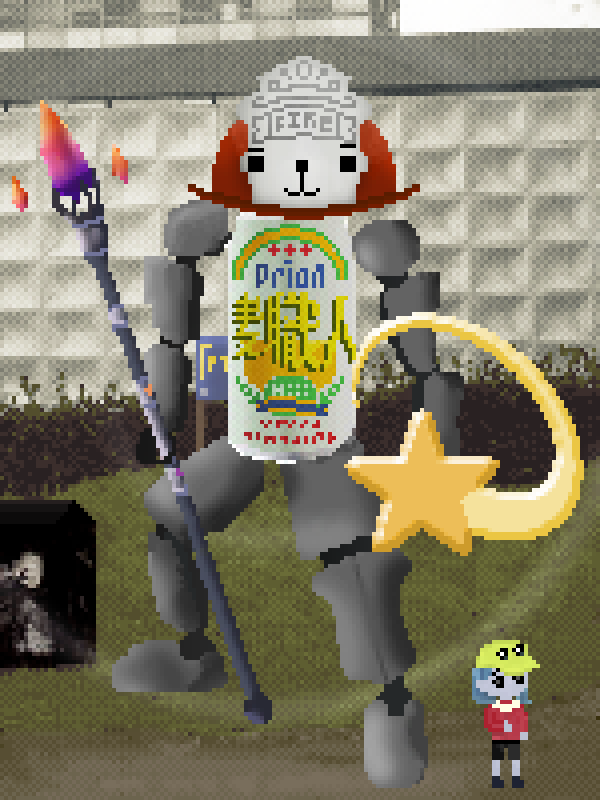
This stylistic plurality persists in other Remilia projects, like Miladies, with their neo-chibi line drawings and blurry idylls in the backgrounds
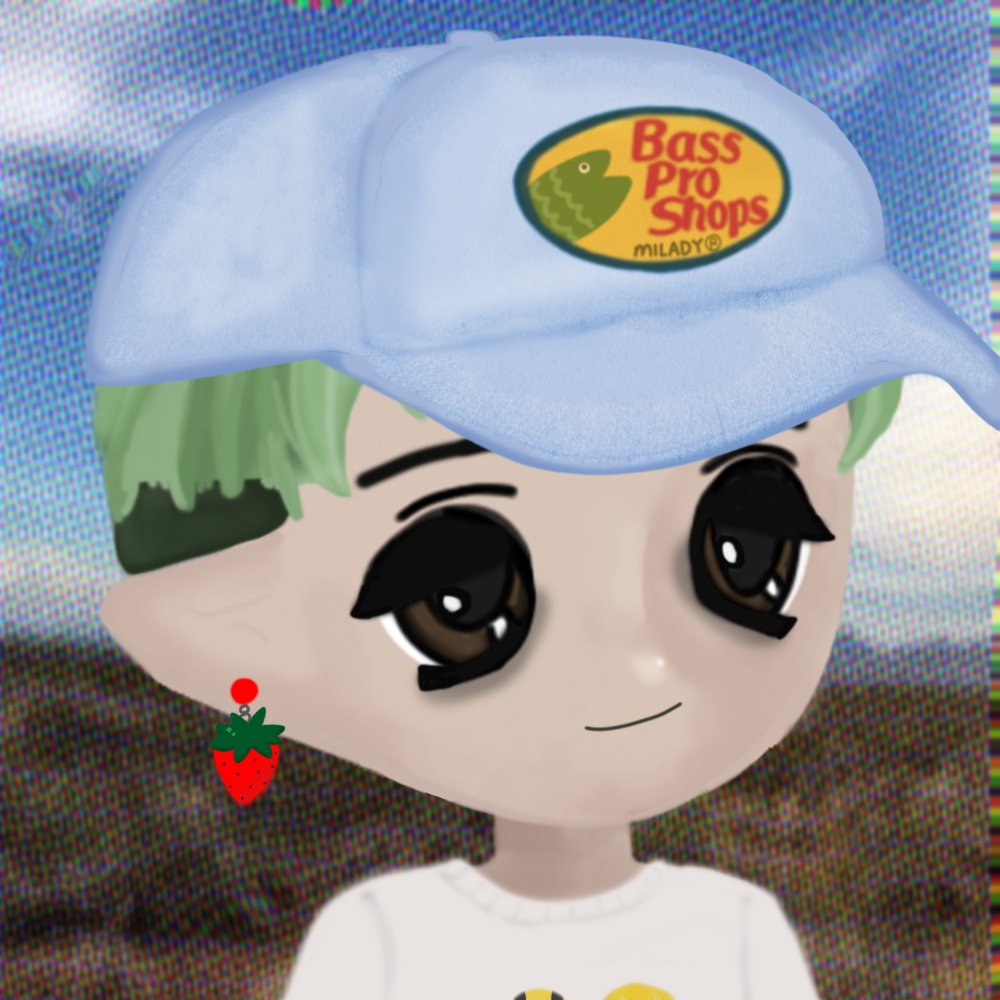
Miladies are a PFPs but also critiques of PFPs. Remilia recognized how weird and cult-like it is for people to yoke their online identities to near-identical images
I’m no expert on youth culture, but on the New Models podcast they often talk about how kids these days don’t develop their identity through affiliation with a subculture but by sampling lots of different looks and references https://newmodels.substack.com...
Miladies take this way of being cool and splice it with the process of making PFPs—the randomized combination of traits in little digital portraits
The traits on a CryptoPunk are more or less arbitrary (bald, earring, alien head) the Milady traits are references to streetwear.

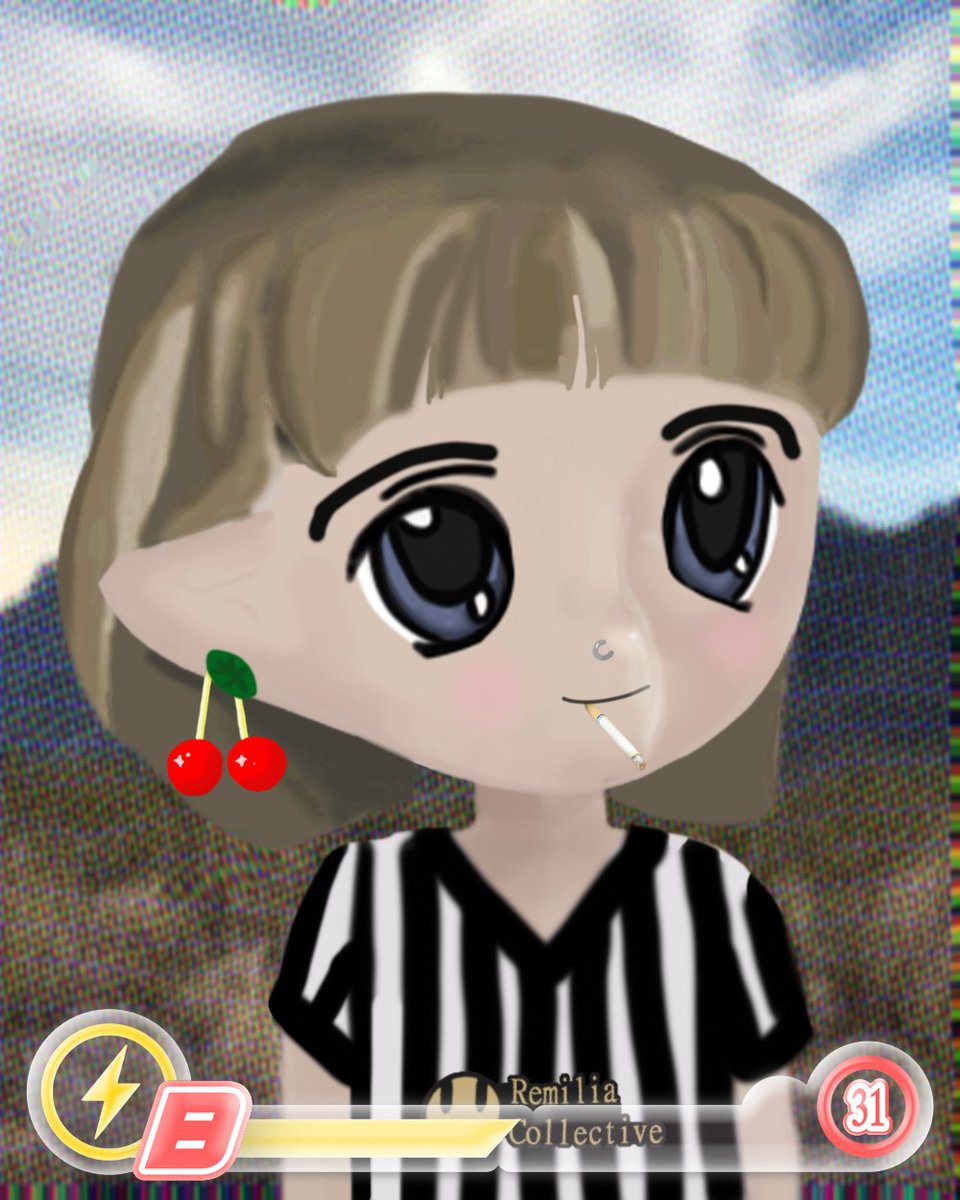
While NFTs from other collections became prized for having rare traits, Miladies were assigned “drip scores” rating how well they combined various accessories
Remilia’s conceptual approach to identity performance through PFPs extended into a collective online performance, initiated by Remilia’s founders and eagerly taken up by Milady holders, where repellent or just annoying ideologies got mixed and matched like digital accessories
I don’t want to get into a discussion of Remilia’s cancellation cycles—I was never involved in any of them and I’m not interested in researching them enough to say anything worthwhile
The best account of Remilia drama I’ve seen is on http://cuckcore.de, where it's illustrated with the Bro Explaining meme. The author knows how tedious it is to rehash the story of feuding online cliques but keeps at it anyway. a true hero https://cuckcore.de/fellaworld...
http://Cuckcore.de also is a hub and an archive for Gay NFTs, a schizocollage splinter group of artists who appreciate the visual language of Remilia and take it further aesthetically without engaging in the social messiness of Remilia’s schizoid identity performances
Mifella is a direct response to Milady, still neo-chibi style but with boys, which is maybe a rebuttal to the Milady boys using female pics and names for their online identity
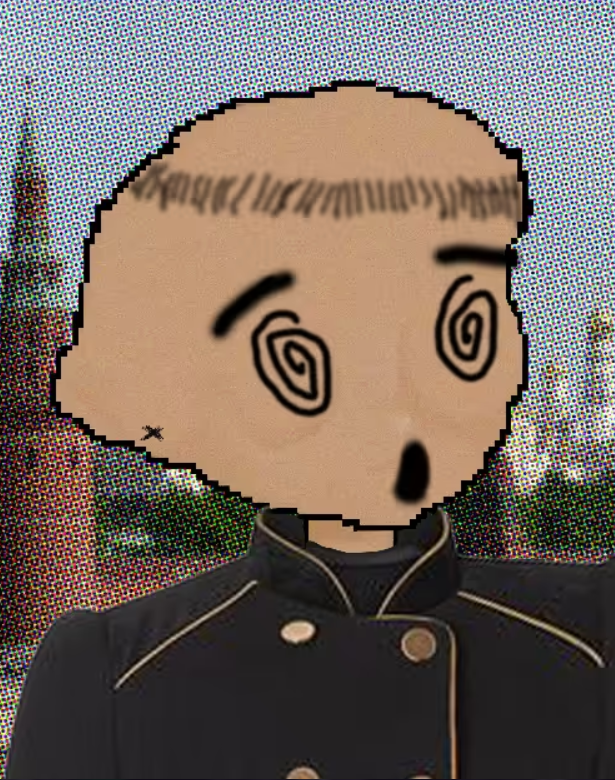
Mainstream PFPs tend to have crisp vector graphics. Remilia NFTs broke away from that with smudged, pixelly art and contrast foregrounds and backgrounds.
Mifella doubles down on the play with texture. The facial features vary from hard to soft. The traits involved aren’t just accessories but the prickly, rasterized backgrounds that depict places like Pulkovo Airport and the Kremlin
If Milady and Mifella complicate the trait logic of PFPs with cultural references and bristly textures, Drifellas explore it by using so many traits that it’s almost impossible to single any out for identification
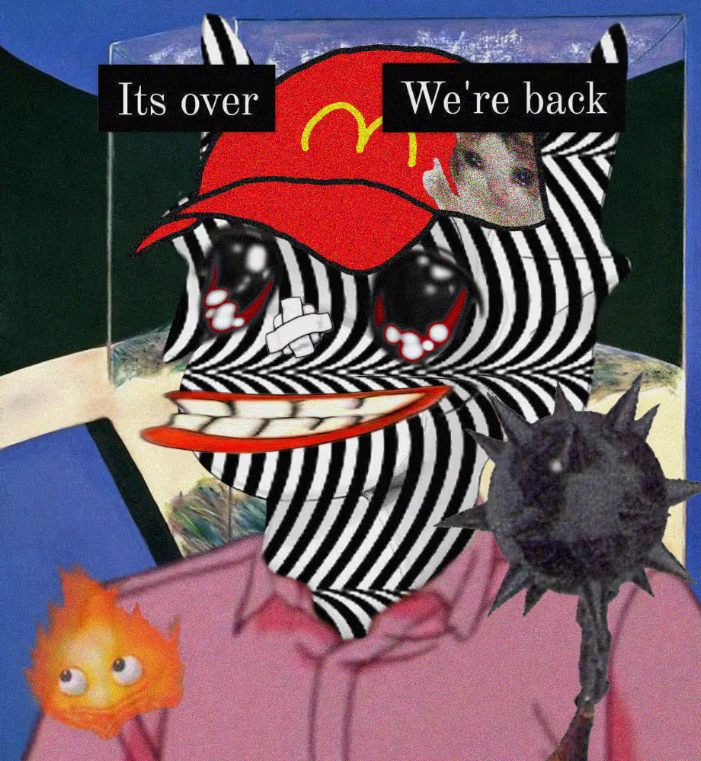
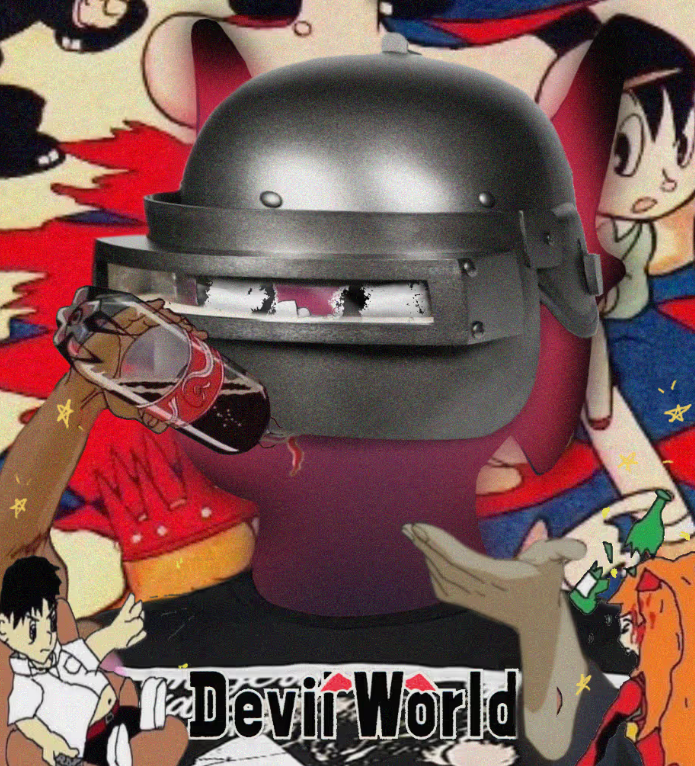
The traits overtake the figure—in some of them you can just barely make out the contour of the baby dragon faces embedded inside the collage
In Drifellas digital collage stops having anything to do with expressing the self. It’s about the self being consumed by the teeming crowd of references it’s able (or almost able) to recognize
It’s been interesting to see artists who were making net art and post-internet art enter the NFT space and put their take on the schizocollage aesthetic, mixing and layering disparate styles without necessarily adopting the PFP format
Tabor Robak’s Broken Printer, released on Verse in 2024, layers styles and aesthetics. They don’t really have any identifiable references besides eras of digital art; the variations of pixelation and line feel like callbacks to the 90s and 00s
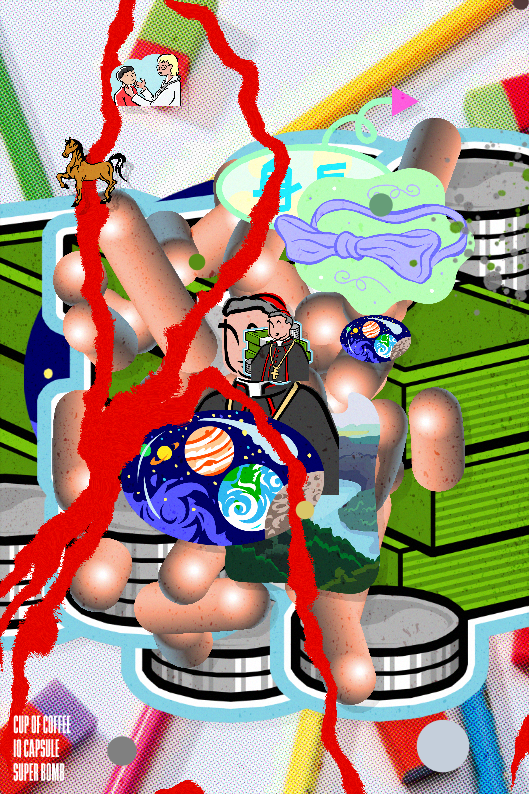
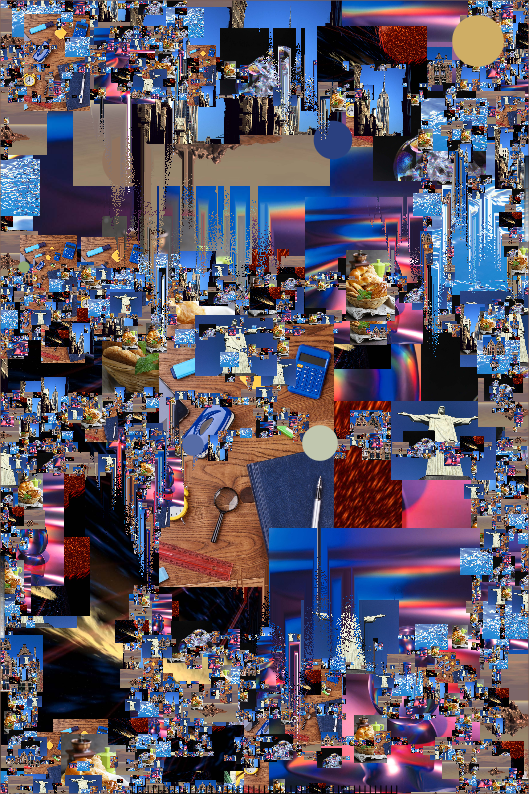
Broken Printer can’t be mistaken for a PFP. There are no figures. They have nothing to do with identity. they’re about the experience of technology and shared experiences