
NICOTINE: The Most Lied-About Molecule in Medicine They let us believe it causes cancer. They didn't tell us that it enhances focus, improves metabolism, and protects your brain. Time to expose the real story and the science Big Pharma buried 🧵:

1. Nicotine is not the same as Smoking Nicotine is not the villain. Smoke is. It’s a natural compound found in tomatoes, potatoes, and eggplant. Its structure closely resembles acetylcholine, your brain’s signal for calm focus. @hubermanlab
Nicotine binds to receptors called nAChRs. These regulate: • Dopamine (motivation) • Glutamate (learning) • GABA (relaxation) • Serotonin (mood) This isn’t just an addictive molecule. It’s a fast-acting neural modulator.

2. Cognitive Effects Nicotine improves cognition almost immediately. It boosts: • Working memory (UCLA, 2012) • Attention span (Nature, 1998) • Processing speed (Psychopharmacology, 2000) But how? @maxlugavere
It amplifies signals in your prefrontal cortex. The part of the brain that handles focus, judgment, and working memory. It sharpens thought without overstimulation.
3. Brain Protection Nicotine increases BDNF, a protein involved in memory, plasticity, and brain repair. BDNF: a protein involved in brain repair and learning

Higher BDNF levels are linked to stronger long-term cognition. • 30% lower Parkinson’s risk (Annals of Neurology) • Delayed Alzheimer’s onset (J. Neurochemistry) • Fewer Tourette’s symptoms (NEJM) This isn’t fringe science. It’s peer-reviewed and reproducible.
Nicotine also reduces brain inflammation by modulating microglia. Microglia are immune cells that clean up cellular damage. Less inflammation = slower cognitive decline.
4. Metabolic Benefits Nicotine activates AMPK. It's an enzyme that tells your cells to burn fat and use energy more efficiently. It mimics fasting signals at the cellular level.
The result: • Increased fat oxidation (Cell Metabolism) • Better insulin sensitivity (Diabetologia) • Lower visceral fat AMPK is the same pathway targeted by drugs like Metformin. @ThomasDeLauer
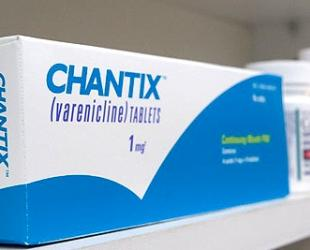
5. Why You Never Heard This: Because you weren’t supposed to. 3 reasons: A. Guilt by association: Smoking harms but nicotine isn’t smoke. B. Regulatory bias: The FDA approves synthetic drugs (like varenicline) but denies benefits of natural nicotine. And finally..
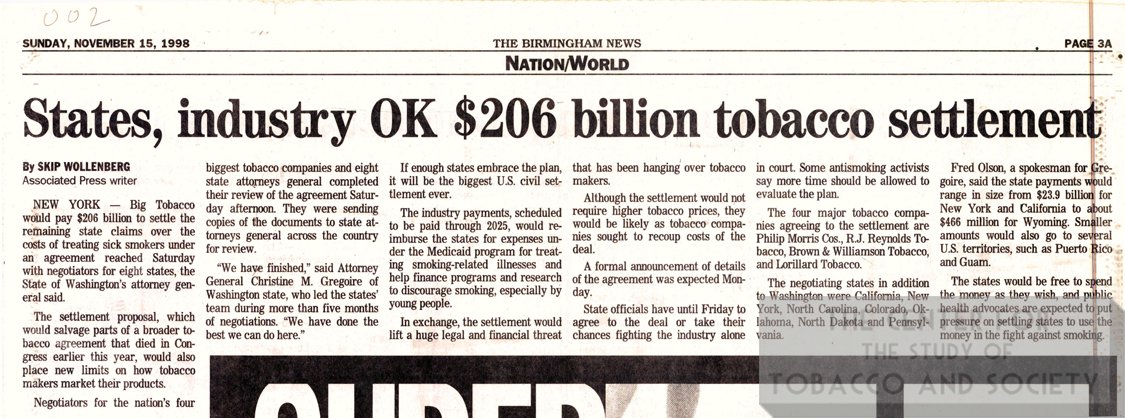
C. Pharma profits: Nicotine patches and gum generate over $1.3 billion per year. After the 1998 tobacco settlement, public health messaging was legally bound to portray all nicotine as harmful, regardless of delivery method. Even patches and gum.
I wish someone had explained this to me 20 years ago. It would’ve changed how I saw caffeine, nicotine, even ADHD meds. We were told to fear nicotine. Then prescribed drugs that work the same way, but with more side effects.
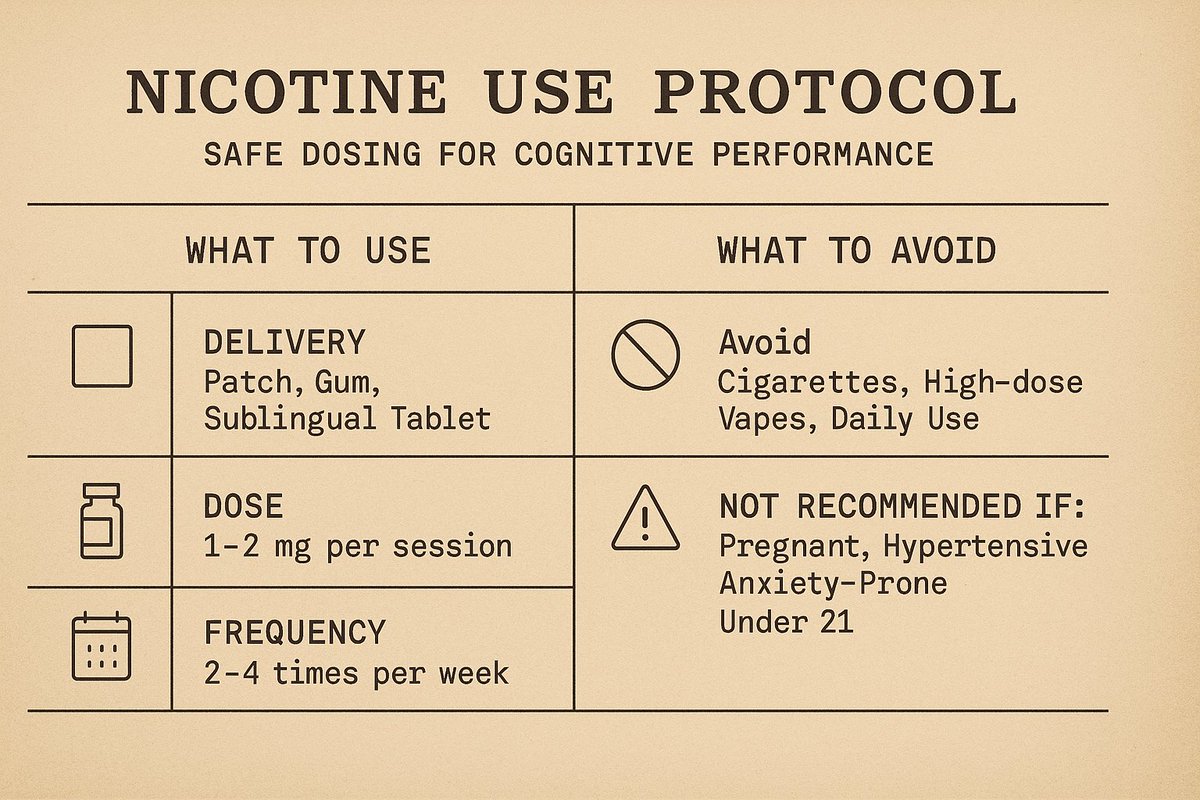
6. How to Use It Safely Nicotine isn’t harmless. But it can be used strategically. Clean delivery methods: • Patch • Gum • Sublingual tablets Avoid: • Cigarettes • High-dose vapes • Daily use without breaks Start low: 1–2 mg per session Use 2–4x per week Cycle to avoid
The Bottom Line: Nicotine isn’t harmless. But it’s not what you were told either. Do your research. If this thread challenged what you’ve been told, it did its job. Follow @DrShayanSen for more evidence-based threads. Bookmark & share it if it made you think.