
“Your Karma Is Your Fate” — The Eternal Law of Sanātana Dharma 🔥 You are not the victim of luck. You are the creator of your destiny, through your Karma. Let’s know how Karma shapes your past, present, and future in the light of the Vedas, Gītā, and Upaniṣads. A Thread 🧵

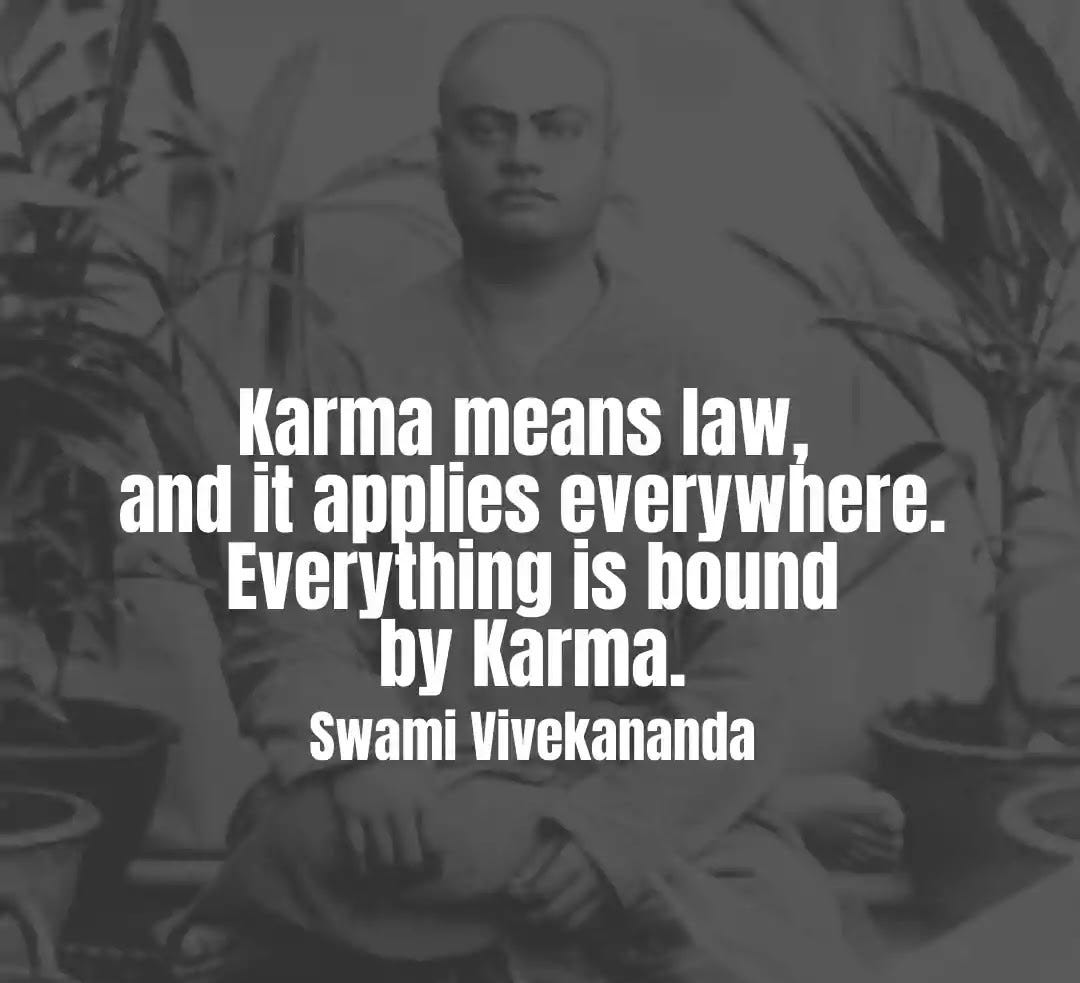
📌 What Is Karma? Karma means action, not just physical, but: — Thought — Speech — Intention Every action becomes a seed. That seed must bear fruit: today, tomorrow, or in the next life. Karma is not punishment. It’s consequence.
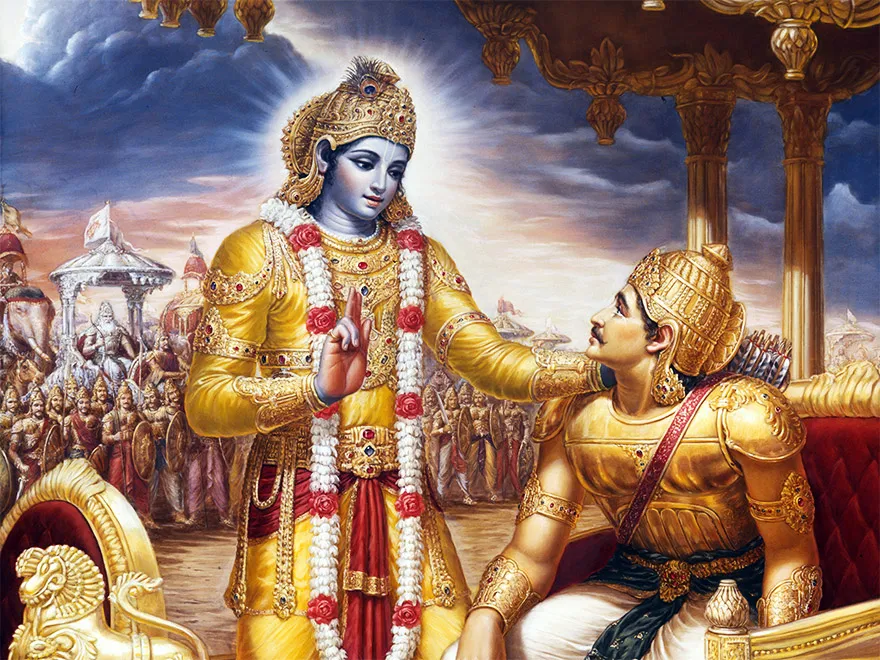
📌 What the Scriptures Say 👉 Bṛhadāraṇyaka Upaniṣad 4.4.5 "As a man acts and as he behaves, so does he become. A man of good deeds becomes good. A man of bad deeds becomes bad." 👉 Bhagavad Gītā 4.17 "You must understand the nature of all three: recommended action, wrong


📌 Karma Creates Your Reality Your Karma decides: — The body you are born with — The family and society you enter — Your talents, fears, and desires — Even your health, wealth, and relationships This is not fatalism. This is the precision of Dharma. 👉 Your life is a mirror
📌 Types of Karma Sanātana Dharma classifies karma into 3 kinds: 👉 Sanchita – Stored karma from past lives (your karmic bank) 👉 Prārabdha – Karma being experienced now (your current fate) 👉 Kriyamāṇa – Karma you’re creating right now (your future fate) What you're facing

📌 Why Bad Things Happen to “Good” People? Because karma works across many lifetimes, not just one. You may be: A kind person now But paying off past-life karma The Bhagavad Gītā (2.14–2.15) reminds us: “Even the wise suffer, but they rise by turning pain into awakening.”

📌 You Can Change Your Destiny Fate is not fixed. Karma is a law of cause and effect, and you are always free to choose. How? 👉 By doing Kriyāmāṇa Karma (right action now) 👉 By following Dharma 👉 By purifying your saṁskāras through Tapas, Dhyāna, and Jñāna Every moment
📌 Karma Is Not Just External You don’t have to do something to create karma. — A thought of hatred = karma — A desire of greed = karma — A wish for someone’s downfall = karma This is why mind-control and self-mastery are essential in Yoga and Vedānta.
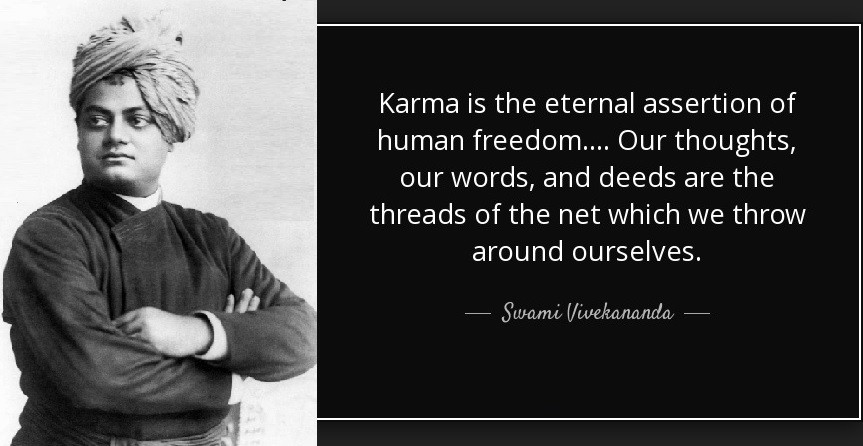
📌 Can Karma Be Burned? Yes. 👉 Patanjali says: Yoga burns saṁskāras — the mental traces of karma. (Yoga Sūtra 2.10) 👉 And Shree Krishna says in Gītā 4.37: “Just as fire burns fuel to ashes, so does the fire of knowledge burn all karma.” Thus: Jnana (Self-knowledge) is
📌 Karma Binds, But Also Frees Karma is both the cause of Saṁsāra and the key to Mokṣa. It depends on: — Whether it is done with attachment — Or with detachment Karma done with ego → binds you Karma done without ego → frees you 👉 Bhagavad Gītā 2.47: “You have the right
👉 So basically... — Karma = action, intention, consequence — It operates across lifetimes — Your current life is your own creation — But you are not trapped, you can change your karma — Through dharma, yoga, and wisdom - you attain mokṣa — Then karma ends. And freedom begins
Loved this thread? Follow @_TheSanatani for more. Join me on Telegram for fastest update: https://t.me/SanataniPatriots

🙌 𝐉𝐮𝐬𝐭 𝐚 𝐬𝐞𝐜𝐨𝐧𝐝... Dear friends, If my work brings you value — if it deepens your connection with Sanātana Dharma, please support me at— 🇮🇳 UPI: TheSanatani@axl 🌍 https://ko-fi.com/thesanatani Dhanyavād 🙏