
90% of “nervous system hacks” are useless. They ignore the most powerful nerve in your body: The vagus nerve. It regulates stress, energy, digestion...and modern life destroys it daily. Here’s how to activate it properly (no cold plunges needed): 🧵

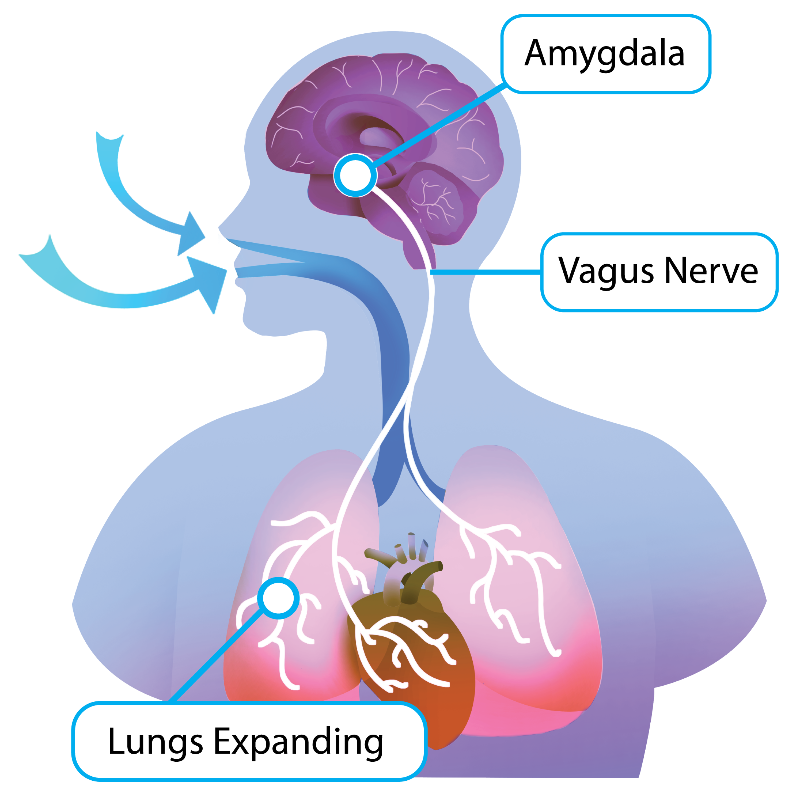
Think of the vagus nerve as your body’s secret control panel. It stretches from your brainstem down to your gut, connecting your brain, heart, lungs, and digestive tract. When it weakens, symptoms surface silently until they take over.
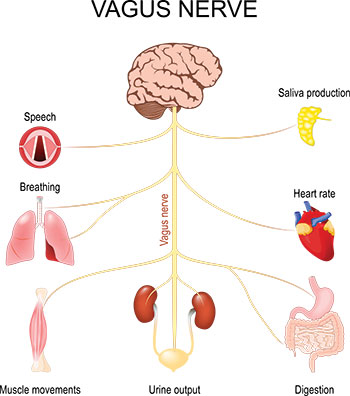
It runs the parasympathetic nervous system (the “rest and digest” mode). Strong vagal tone = calm, focused, energized. Weak tone = anxiety, bloating, fatigue, inflammation. Your health depends on its strength.

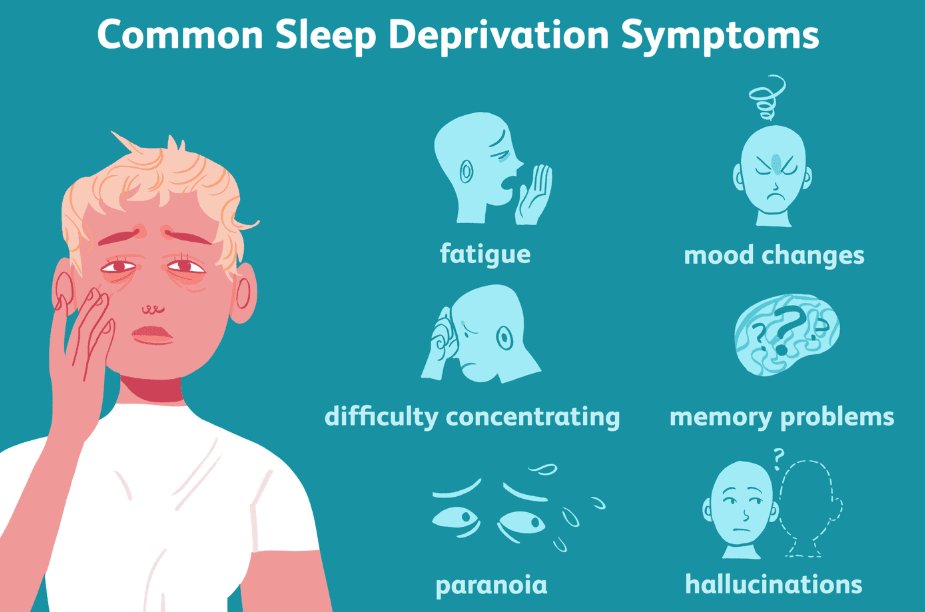
Modern life crushes it daily. • Constant noise • Excessive caffeine • Doomscrolling • Poor sleep • Social isolation All of it overstimulates the sympathetic nervous system and fries your vagus tone.
And that’s why most “nervous system hacks” don’t work. They throw you into an ice bath for 30 seconds… Then you go back to stress, screens, and cortisol. What you need is consistent vagus nerve training. Here are 7 tools that actually stimulate the vagus nerve👇
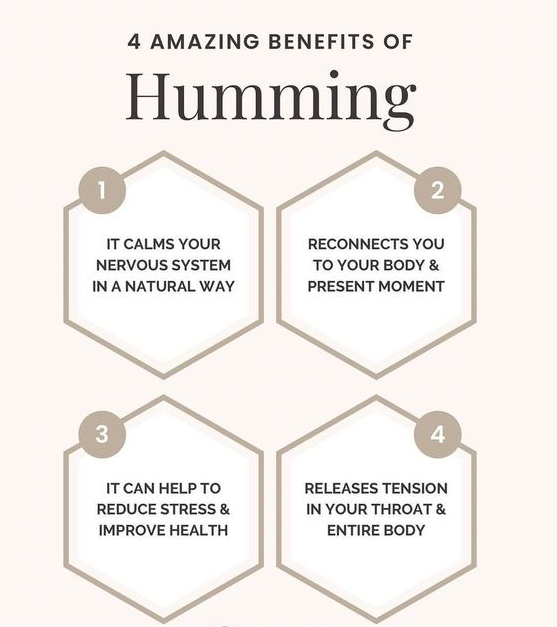
1. Humming or chanting Vocal cord vibration stimulates the vagus via the laryngeal branch. Studies show slow, repetitive vocalization boosts parasympathetic activity. Do it for 5 minutes in a quiet space: Inhale deeply, then hum on the exhale.
2. Gargling Activates muscles in the throat tied to vagal pathways. It’s been shown to improve vagal tone and even reduce inflammation in some clinical contexts. Use warm water, gargle forcefully, and repeat daily.
3. Slow, extended exhalations This breathing pattern increases heart rate variability, a key marker of vagal tone. Try 4-6 seconds in, 8-10 seconds out. Do 10 cycles, 2–3 times daily.
4. Cold face exposure Applying cold to the face triggers the diving reflex, engaging the vagus and lowering heart rate. Use a cold pack or splash cold water for 30 seconds, especially around the eyes and cheeks.
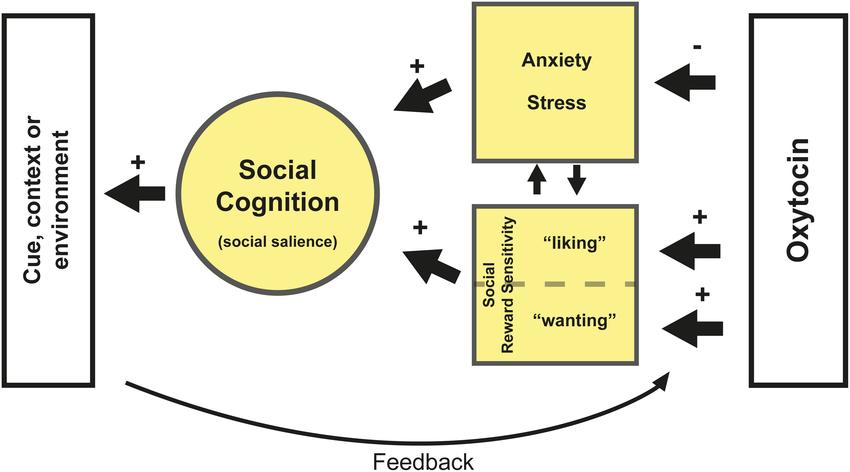
5. Eye contact and safe connection Positive social interactions raise oxytocin and parasympathetic activation. Regular eye contact and calm conversation with trusted people measurably improve vagal tone.
6. Singing or laughing Both involve deep diaphragmatic engagement which activates vagal afferents. Singing at a steady pace or laughing deeply creates similar patterns to therapeutic breathwork.
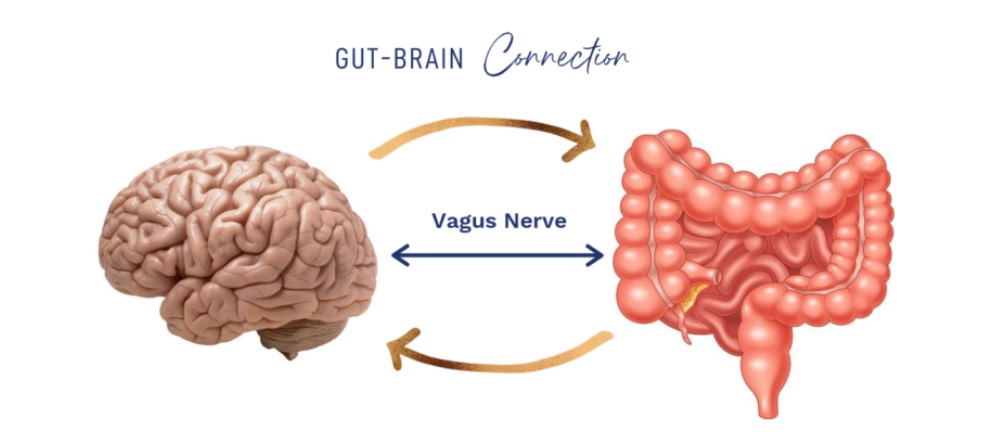
7. Improve gut health The gut-brain axis runs through the vagus. Fiber, fermented foods, and probiotics help maintain a diverse microbiome, which supports vagal signaling to the brain.
The daily behaviors that damage vagal tone include: • High caffeine • Poor sleep • Multitasking • Ultra-processed food • Endless input (no silence) Each keeps your body in survival mode.
Here’s a simple daily routine to start restoring vagal tone: • Morning: cold water splash, slow exhale, 2-min hum • Midday: one social check-in + light movement • Evening: gargle + breathwork + limit screens Repeat daily for cumulative effects.
I spent years in corporate real estate, leading teams under pressure. On the outside, I looked in control. Inside, I was constantly tense, overstimulated, and burned out. Mindset hacks didn’t work. Learning how to reset my stress response changed everything.↓
I help high-performing founders, execs, and operators reset their stress... Without apps, hacks, or meditation. Stuck in chronic stress and want calm, clarity, and control again? Book a free discovery call and I’ll walk you through it step by step: https://calendly.com/tomzyd/di...
Not ready for 1:1 work, but stuck in stress? You need a nervous system that doesn’t collapse under pressure. Start with this protocol and reclaim your calm: Used by 100+ professionals to restore peace and sleep again. 30% OFF today → https://bit.ly/tbr-xthc
Follow @thebrainrecode for more science-backed health upgrades. Share this thread, someone you love needs this. What’s one insight from this thread that hit hardest? 👇