
We've all heard about microplastics. But few know about its more toxic derivative: Nanoplastics. Scientists say they can reach human blood, cells, and even unborn babies. Here are 7 ways to protect yourself (bookmark this): 🧵
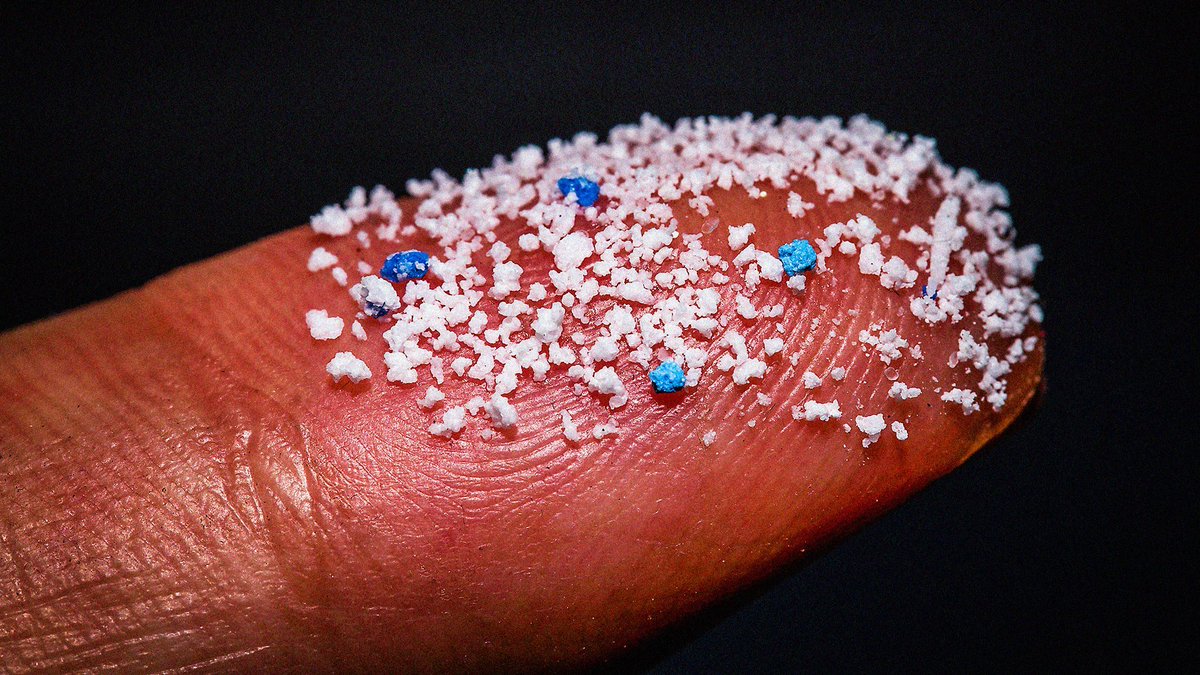

Nanoplastics are plastic particles smaller than 1 micron wide. That's 1/1,000th the width of a human hair. Unlike microplastics, these are way smaller and can penetrate almost every biological barrier in your body. That's exactly what makes them so dangerous...
Once they're inside, they don't pass through. They stay inside you. Lodged in your organs, inflaming tissues, and slowly leaking toxic chemicals. Here's how they're damaging your health:
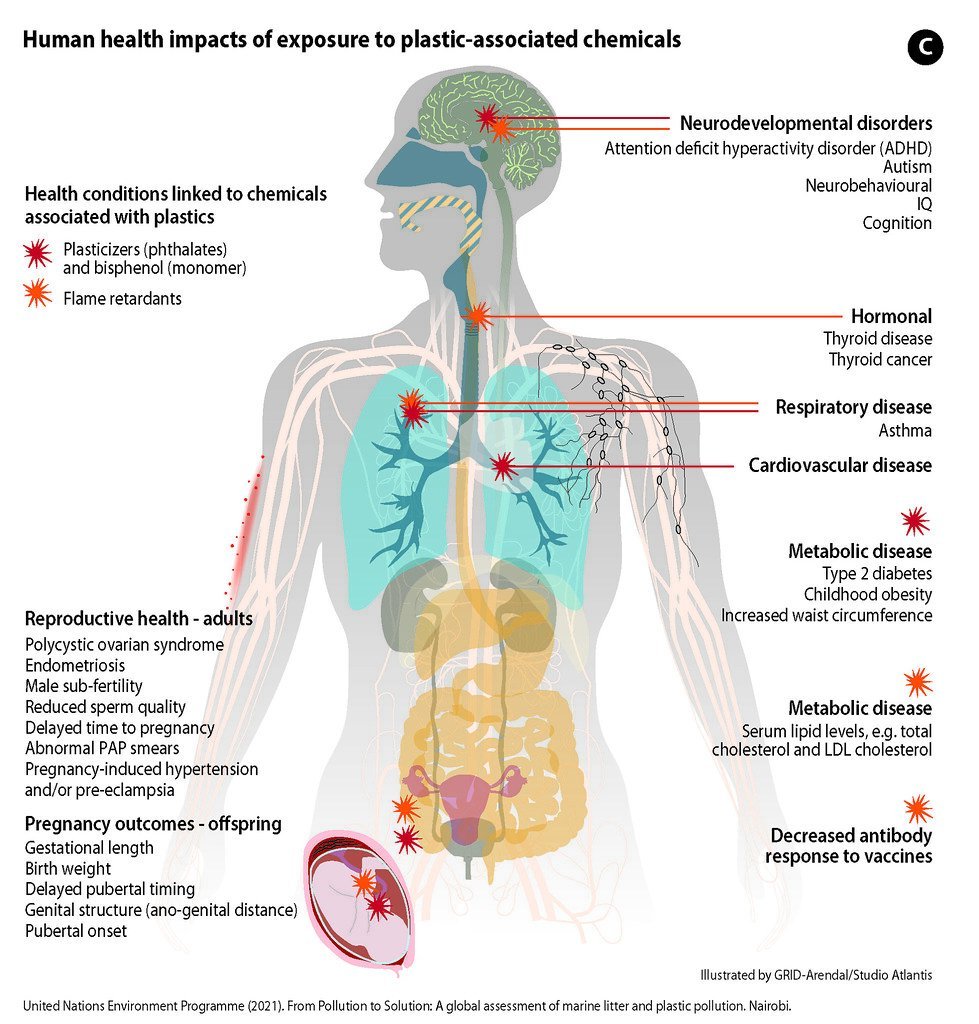
They Harm Your Brain Nanoplastics are small enough to cross the blood-brain barrier. Animal studies show they cause: • Brain inflammation • Cognitive decline • Behavioral changes Some scientists even think they might play a role in Parkinson's and Alzheimer's.
They can Cause Fertility Problems Nanoplastics disrupt hormones and damage reproductive tissues. Studies show they can lead to weaker eggs and more miscarriages in women, and weaker sperm and smaller testes in men. So how do you limit exposure?
The truth is: It's tough. Nowadays, plastic is almost everywhere: It's in our food, water, air, body products, plastic packaging, and more. But some simple habits can still help reduce the damage. Here are 7 things you can do to protect yourself daily:
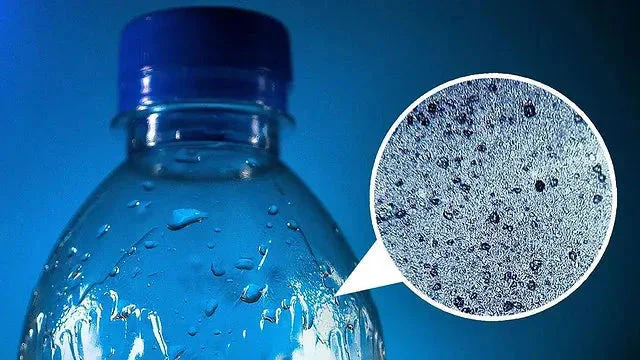
1. Stop drinking from plastic bottles A 2024 study found 240,000+ nanoplastics per liter in bottled water. Switch to stainless steel or glass water bottles. Even reusable plastic bottles shed particles over time, especially when scratched or heated.
2. Don't heat food in plastic Microwaving plastic containers makes them shed even more particles. And these go straight into your food. Instead, use glass or ceramic containers. Avoid takeout boxes, plastic wrap, and food storage containers too.
3. Filter your tap water Use a reverse osmosis or nanofiltration filter to reduce plastic levels in your drinking water. Basic pitcher filters don’t catch the smallest plastic particles.
4. Wash synthetic clothes properly Clothes made from synthetic fabric shed hundreds of thousands of plastic fibers with each wash. Use a microfiber-catching laundry bag or install a washing machine filter. This keeps these fibers from getting into your water.
5. Cut back on processed and packaged foods Plastics leach into food—especially fatty and salty products. Buy fresh, whole foods. And store them in glass, not plastic.
6. Check body product labels Avoid products with: • Acrylates • Polyethylene • Polypropylene These are often added to body scrubs, toothpaste, and cosmetics—and can contain nanoplastics.
I’m building an AI coaching companion with AI Vision that’s just like a real trainer: • Guides with personalized plans • Analyzes your exercises as you workout • Corrects your form in real-time • Tracks your fitness journal Join 40,000+ others here: https://download.impakt.com/yr...
I hope you've found this thread helpful. Follow me @HakimBawa for more. Like/Repost the quote below if you can: