
China’s $500 million AI cluster was shut down overnight—by NVIDIA. A "routine" driver update burned out 12,000 GPUs. Accident? Insiders say otherwise. Here’s the shocking tech sabotage story no one’s talking about 🧵


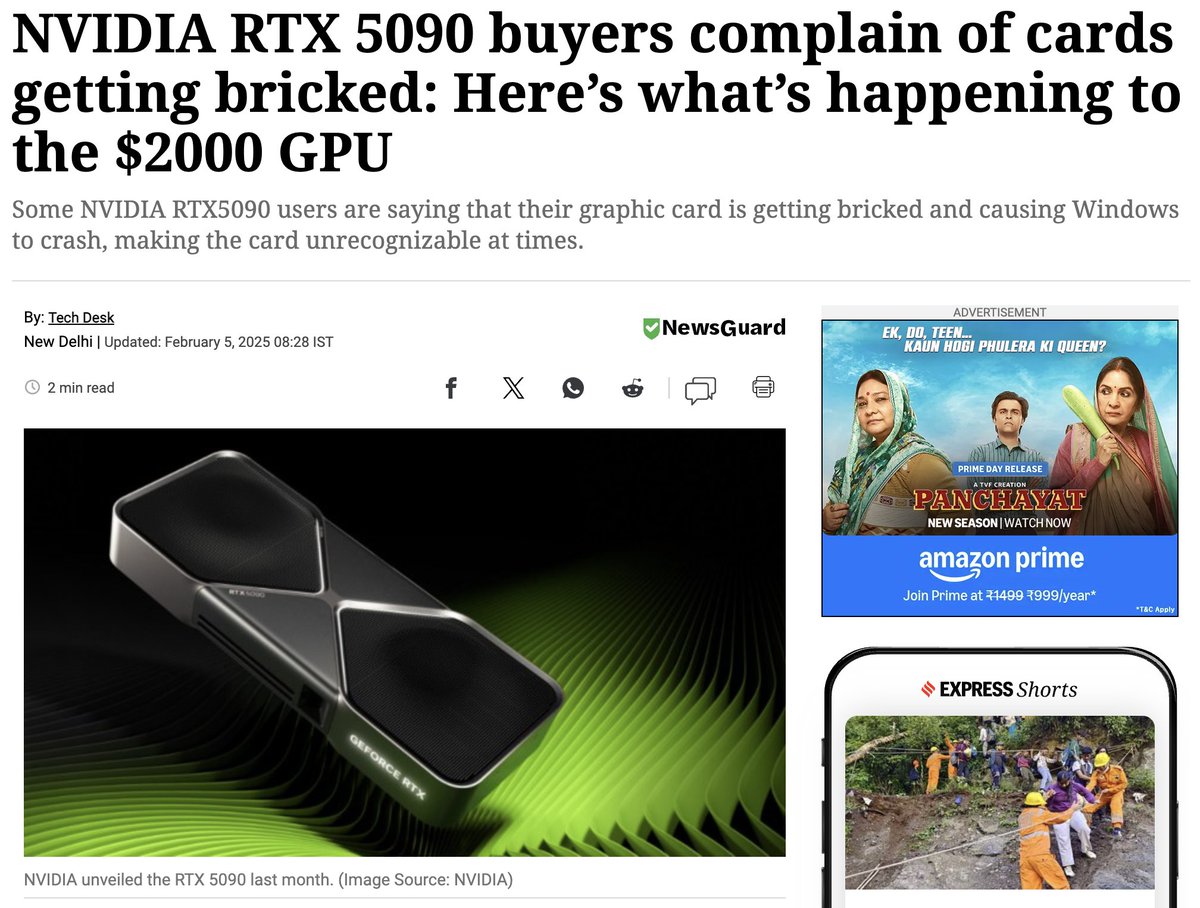
On January 30, NVIDIA quietly pushed driver version 572.16, supposedly a standard update for their new RTX 5090 & 5090D GPUs. Within hours, chaos erupted on forums worldwide—GPUs went dark, permanently bricked. Coincidence? Insiders aren't buying it...

Users from Reddit to Baidu reported their \$4,000 GPUs instantly became "unrecognizable" after the update. Consumer outrage was swift—but this wasn't about gaming PCs. Something far bigger was happening behind closed doors:

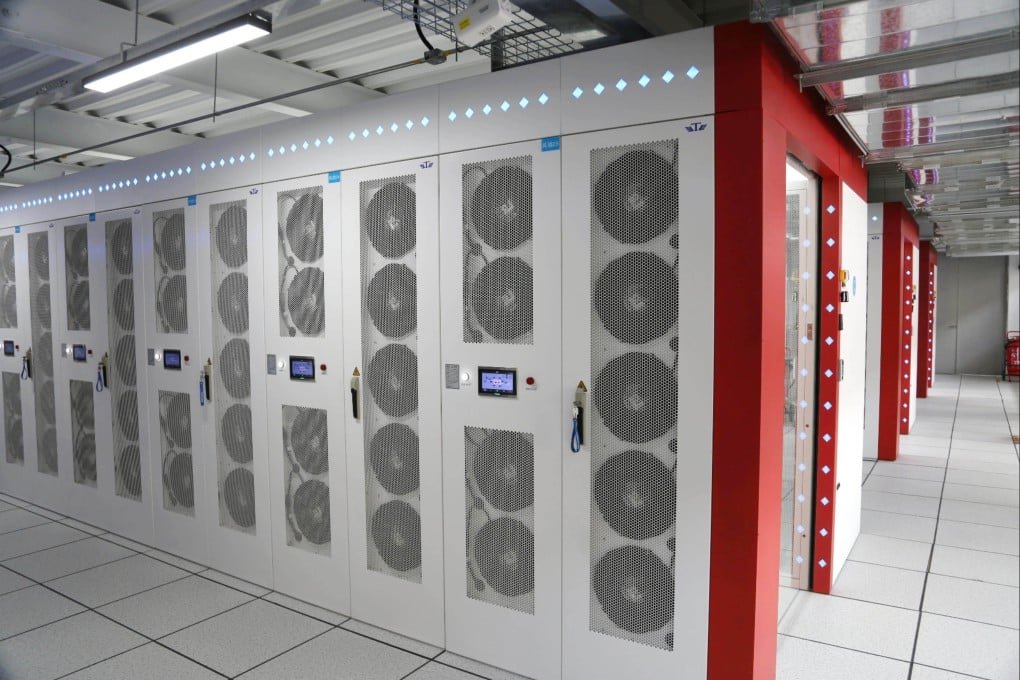
China's AI research clusters run on over 12,000 NVIDIA GPUs each, specifically the RTX 5090D variant made just to bypass strict U.S. export laws. The scale matches perfectly with a Chinese state-affiliated paper detailing clusters of exactly 12,288 GPUs. These GPUs are China’s lifeline for AI dominance—and NVIDIA had just crippled them.
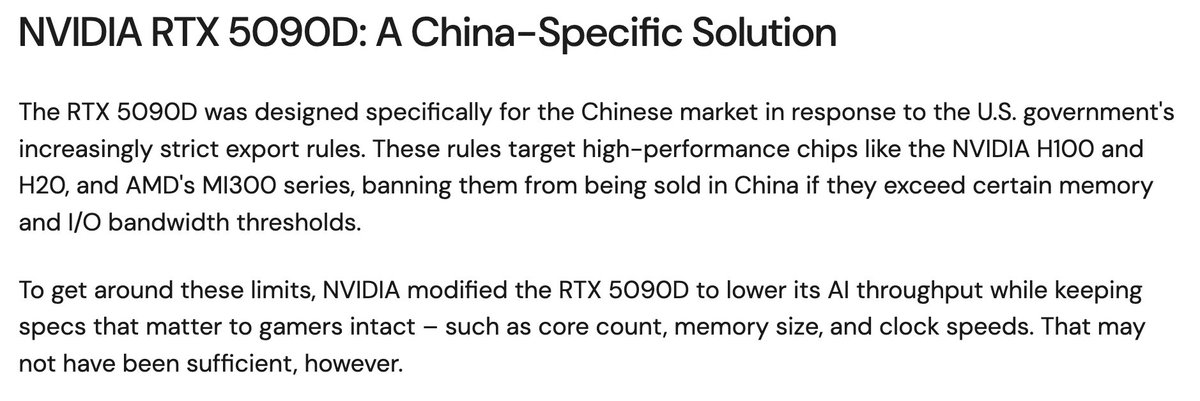
Why did the GPUs brick? NVIDIA quietly raised the GPU voltage by 80 mV to stabilize performance—a minor tweak, or so they claimed. But engineers quickly discovered voltages spiked dangerously high, burning out vital chips permanently.
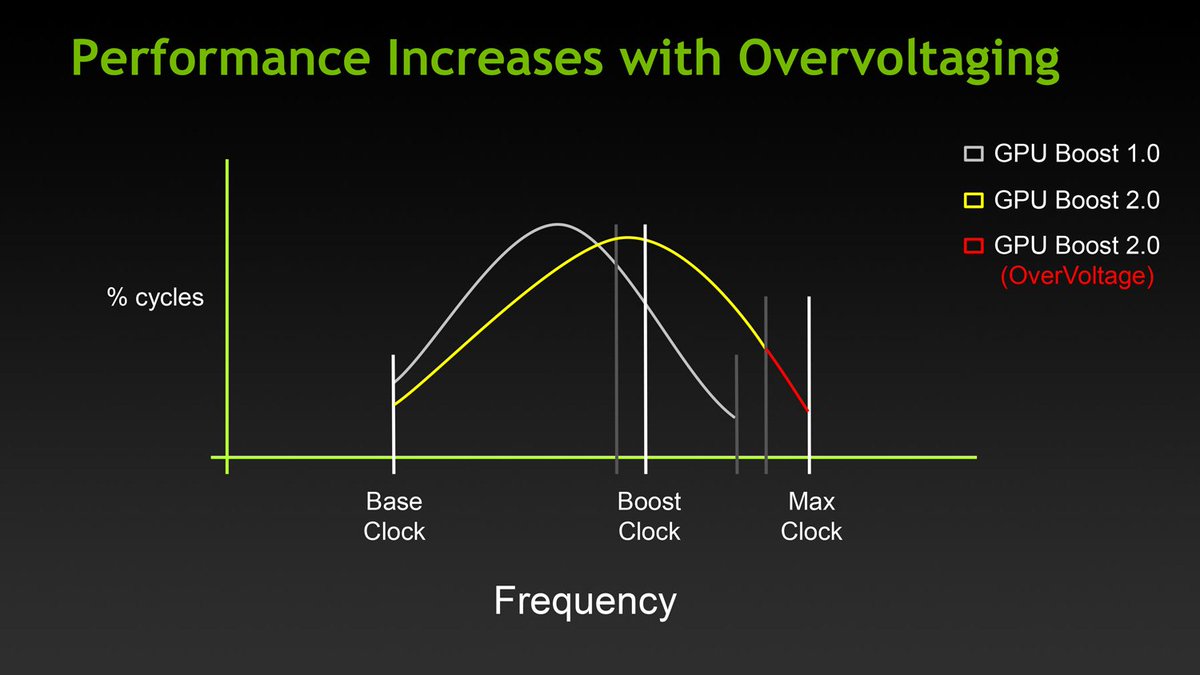
Experts from NVIDIA’s own forums confirmed that voltage spikes reached dangerous levels—enough to blow circuits designed for cheaper export-spec GPUs. Suddenly, China’s massive AI clusters were at risk. For Beijing, the timing couldn't have been worse. The outage lasted a grueling 36 hours, a full training epoch lost—catastrophic in a global AI arms race. And the political implications are clear:
U.S. lawmakers have openly discussed embedding remote kill-switches into exported AI chips. And this suspicious driver update looks exactly like the "kill switch" in action. NVIDIA, facing backlash, scrambled to issue a new driver—quietly removing the dangerous voltage tweak.

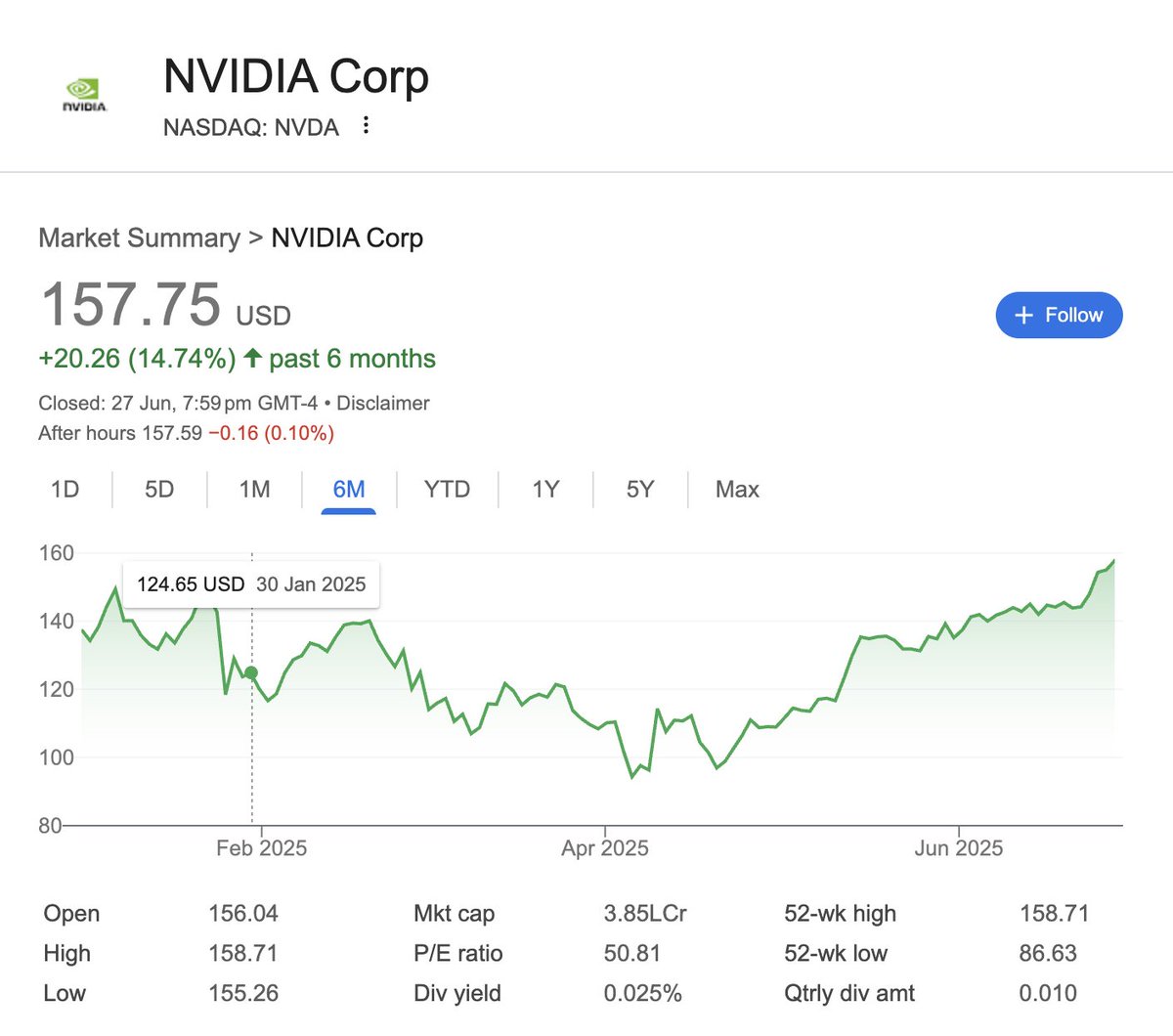
Yet damage was done: NVIDIA admitted to "low-volume hardware failures," a carefully vague confession. Meanwhile, NVIDIA’s share price remained unscathed—because no public admission about China’s losses surfaced. But insiders knew the truth: the world’s largest GPU maker had just flexed its geopolitical muscle.
Was it intentional sabotage? The evidence stacks up: - Means: NVIDIA’s driver update had kernel-level access and could silently deploy damaging firmware. - Motive: Crippling China’s AI infrastructure provides the U.S. with an enormous competitive advantage. - Opportunity: The RTX 5090D GPUs had just shipped, all vulnerable to a synchronized software attack.

Analysts, however, remain skeptical. NVIDIA risking its corporate reputation seems unimaginable. Yet the reality remains: the incident exposed a devastating vulnerability.
Here's the real story no one's talking about: Beijing believed hardware was a safe bet—stable, secure, and untouchable. NVIDIA proved them wrong overnight. One small software tweak brought a multi-billion-dollar AI supercomputer cluster to its knees.
This isn't just about GPUs. It's about the new era of geopolitical leverage: Tech supremacy, not armies, decides power. NVIDIA’s quiet move revealed the terrifying truth:

Even trillion-dollar industries can be instantly destabilized by the hands behind everyday software. NVIDIA’s subtle tweak sent a clear, chilling message—hardware dominance means nothing without control over the code running it.
One quiet update. Thousands of GPUs bricked. China’s institutional power and billions invested? All meaningless compared to a single company’s hidden leverage. The future of AI competition just shifted—permanently.
I’m Shawn, a Generative AI Consultant passionate about building AI-driven solutions. I write about AI, startups, and the future of work.

If you found these insights valuable: Sign up for my free AI newsletter! https://the-unbound-ai.beehiiv...
I hope you've found this thread helpful. Follow me @shawnchauhan1 for more. Like/Repost the quote below if you can: