
A "healthy" snack was secretly poisoning a 63-year-old woman. Doctors were baffled as her kidneys started to fail. Worse, the culprit is likely in your kitchen right now. 👇

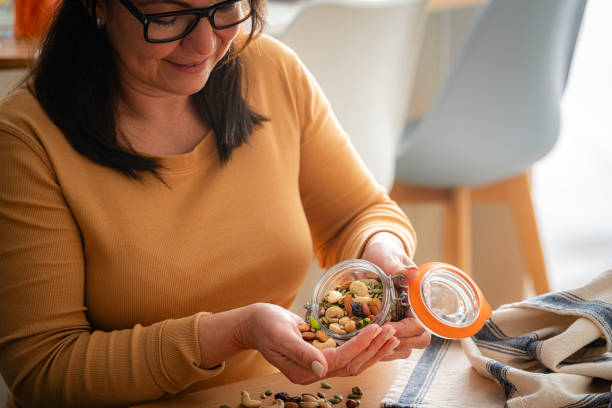
Meet Nancy. To improve her diet, she ditched her nightly chip habit for cashews. A simple, healthy choice. Or so she thought. 👇
Weeks later, a crushing exhaustion took over. Coffee didn't help. She was just dragging through each day. Her doctor ran some blood work. The results were alarming. 👇
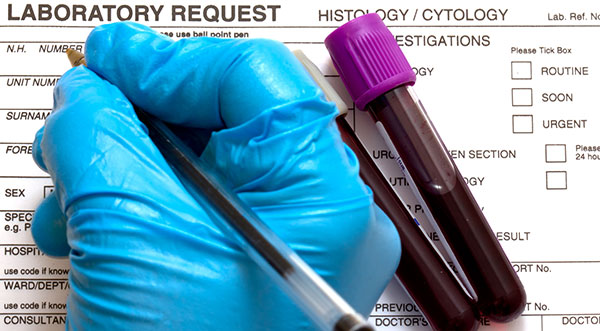
Her kidney function was flagged as "abnormal." Just 8 months earlier, it was perfect. A second test confirmed it wasn't a lab error. Nancy's kidneys were only working at 25% capacity. 👇
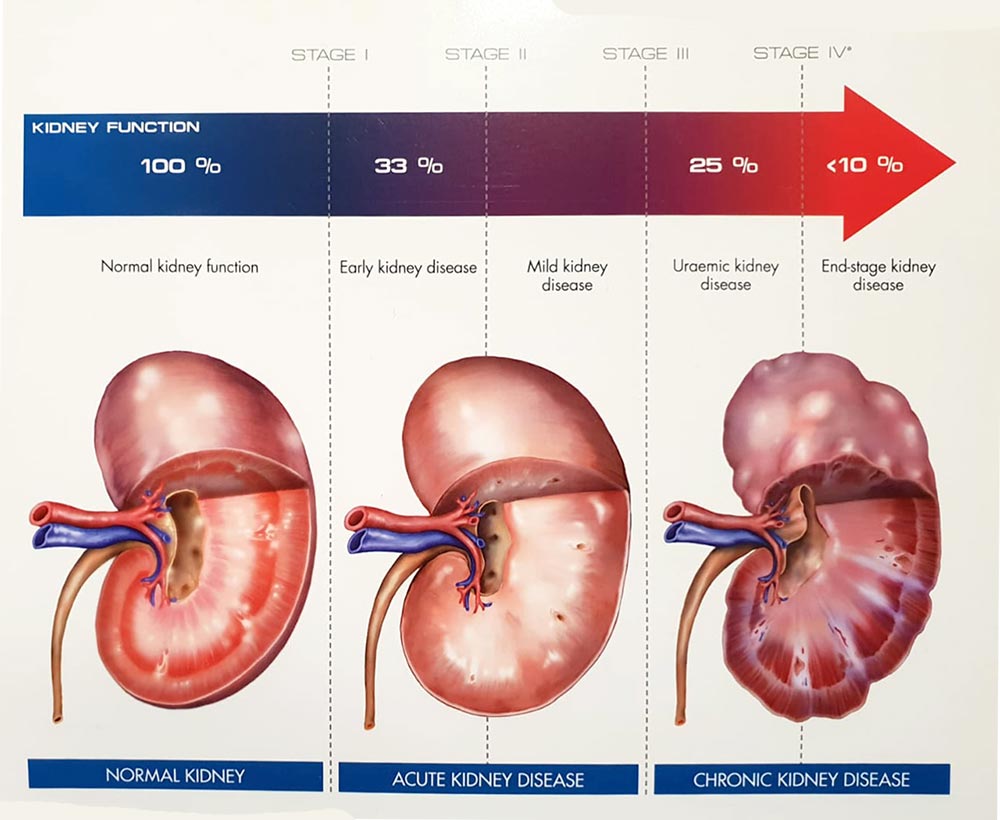
But the clues didn't add up. Usually, a damaged kidney leaks protein or blood into the urine. Nancy's urine sample was pristine. Meanwhile, her kidney function dropped to just 20%. Time was running out. 👇
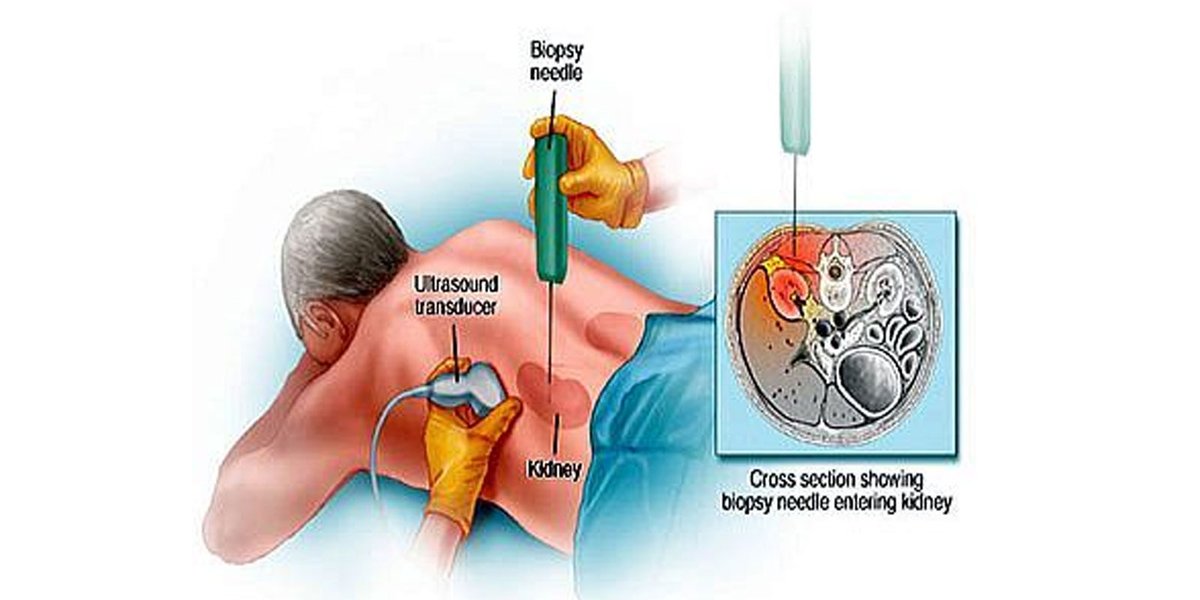
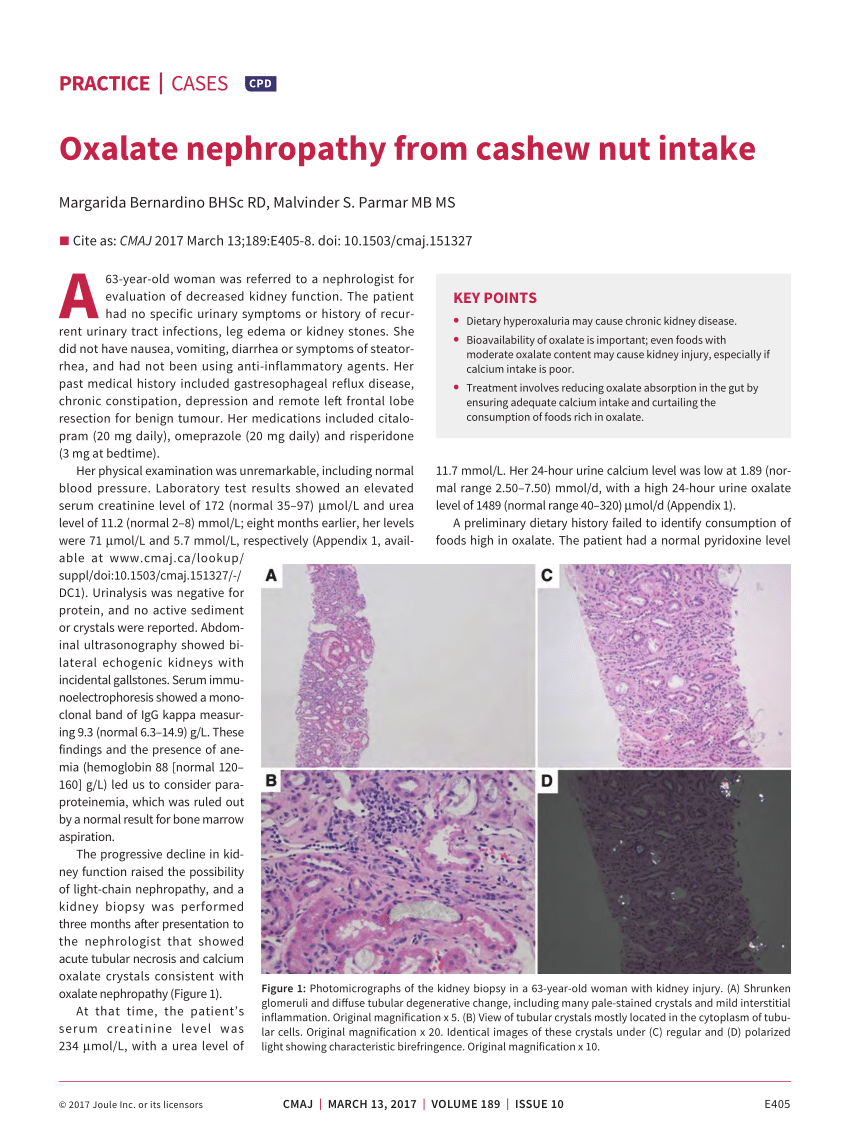
With things looking dire, doctors performed a kidney biopsy. They examined a tiny piece of her kidney under a microscope. At first, it just looked like general damage. But then, they switched to a polarized light. 👇
The kidney sample lit up like it was sprinkled with glitter. Those shimmering specks were the culprit. They were calcium oxalate crystals. The villain had a name: Oxalates. 👇
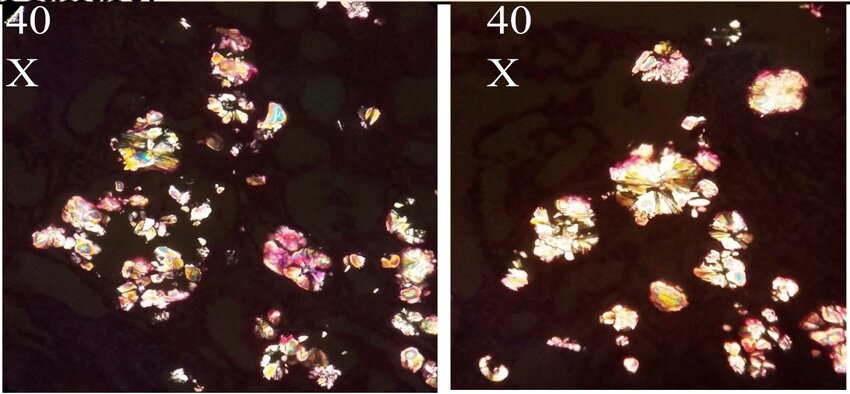
Oxalates are "anti-nutrients" found in many "healthy" foods like fruits, vegetables, and nuts. They offer no nutritional benefit. When they build up, they form crystals that damage your organs. But why were they building up in Nancy? 👇

A dietician uncovered the critical mistake. Nancy was eating 1 kilogram of cashews a week—a food loaded with oxalates. But that wasn't the whole story. The real problem was a hidden deficiency. 👇
Nancy's diet was extremely low in calcium. This was the fatal combination. Calcium acts as a bodyguard. It binds to oxalates in your gut and flushes them out before your body can absorb them. No calcium meant the oxalates had a free pass to wreck her kidneys. 👇
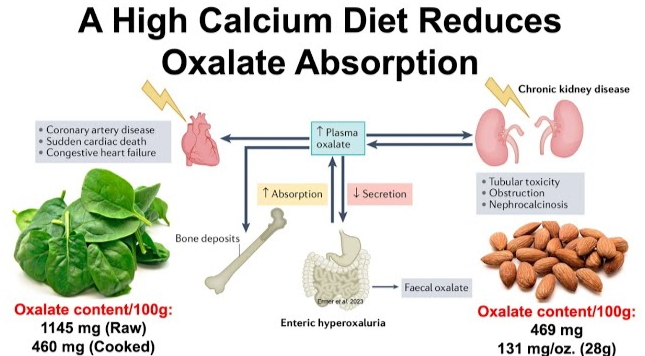
The solution was simple, but the damage was done. Nancy immediately cut out the cashews and added a calcium supplement to her meals. Her kidney function improved, but never fully recovered. She now lives with chronic kidney disease. A life sentence from a "healthy" snack. 👇 Credit: Canadian Medical Association Journal
Nancy's story shows that even "healthy" foods can have dangerous downsides. Instead of chasing trendy diet hacks, focus on proven principles and moderation. You can start by understanding how your body responds to fundamental wellness tools. 👇

Learning how to support your body's natural detoxification and recovery systems is key. Our visual guide to heat therapy breaks down the science of how tools like saunas can help optimize your health. You can get our free Sauna e-book here: https://hydragun.ac-page.com/g... 👇
Have you ever been shocked by a hidden danger in a "healthy" food? Follow @thehydragun and 🔄RT the first post to help more people understand this critical health lesson. https://x.com/thehydragun/stat...