
Ahead of the expected proscription of Palestine Action - the first time a protest group has been legally redefined as terrorist - I went through the Hansard of the 2000 Act they're being banned under. Turns out MPs were assured the law wouldn't be applied this way. Thread 🧵🔽

Not to be considered a final statement, but useful context for what MPs are being told the Bill will apply to, is the government's consultative document. This is what it says about expanding terrorist offences to include property damage:

Second reading of the Terrorism Bill, 14 December 1999. Asked whether the inclusion of "property damage" in the bill applies protestors who destroy property. Home Secretary indicates this would only apply where serious violence to *individuals* is involved.
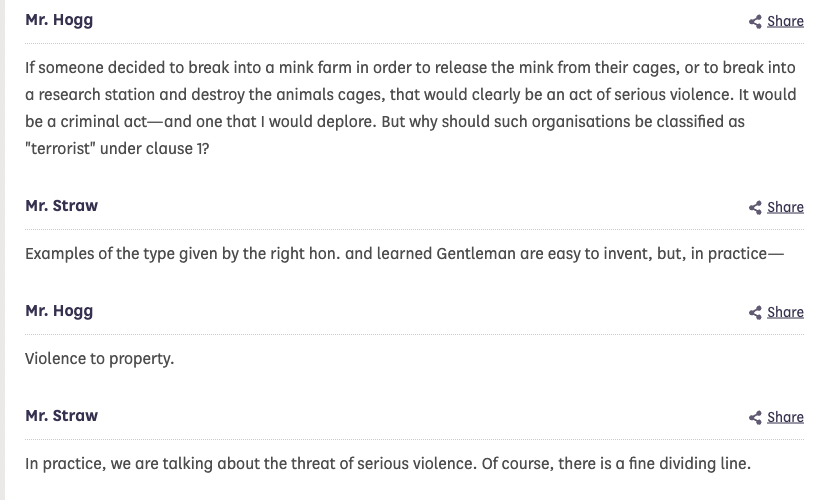
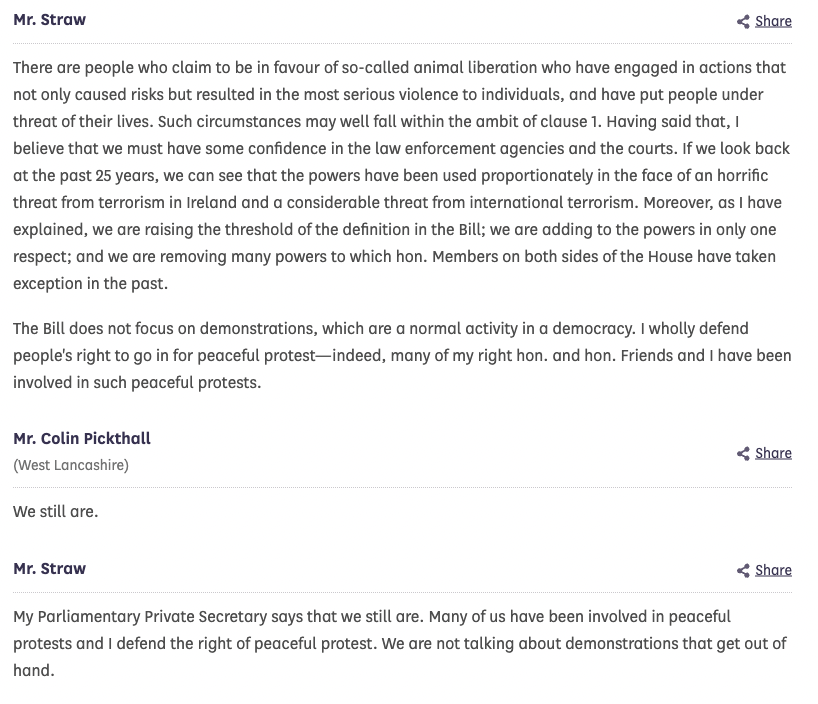
(As an aside this was during the time period where the ALF and other animal rights activists carried out bombings, which should be borne in mind here and in other references to animal rights activism)
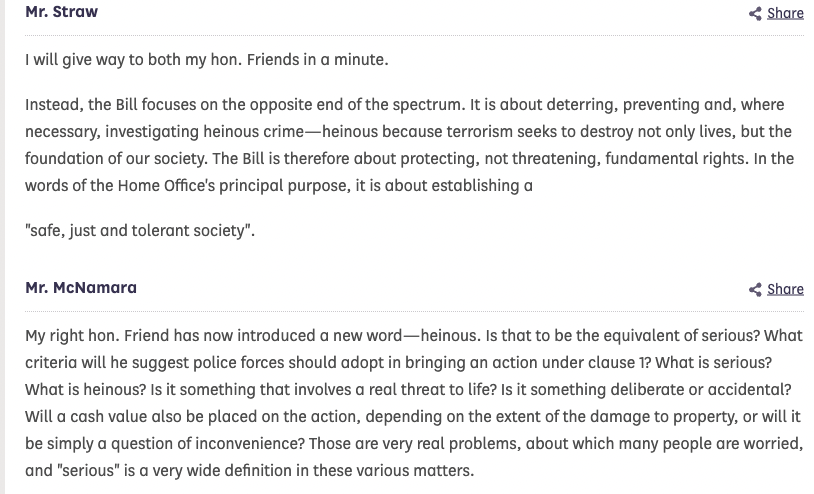
Second reading of the Terrorism Bill, 14 December 1999. Home Secretary Jack Straw replies to concerned MPs by insisting the act will apply not to protests but to crimes which seek "to destroy not only lives, but the foundation of our society."
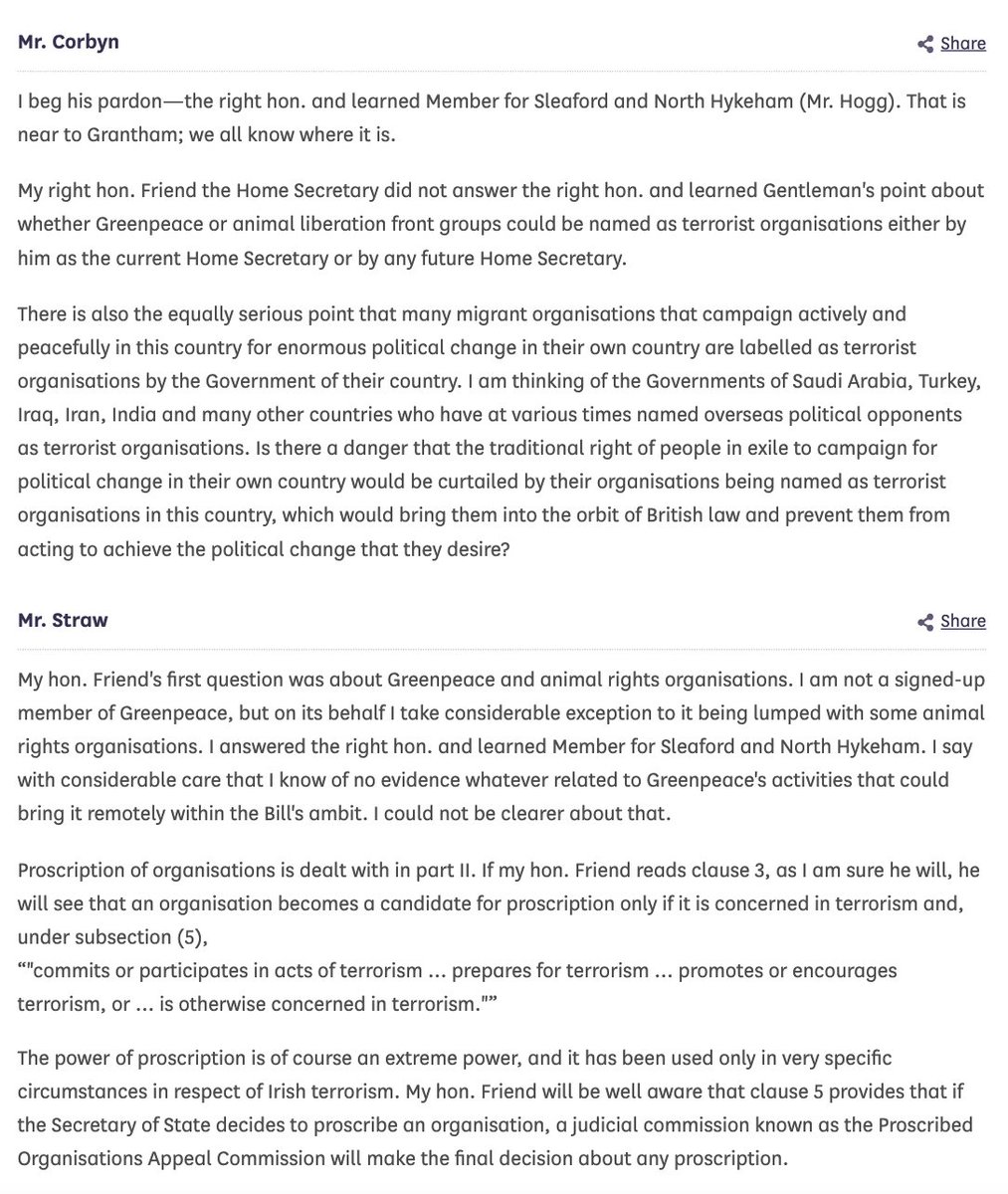
Second reading of the Terrorism Bill, 14 December 1999. Home Secretary Jack Straw responds to a query about proscription by referring to it as an "extreme power" "used only in very specific circumstances," like the armed conflict in the north of Ireland.
Second reading of the Terrorism Bill, 14 December 1999. Home Secretary Jack Straw states that the bill *raises* the threshold for an offence to be considered terroristic and justifies the expanded definition by reference to a future nerve gas attack on the London Underground.

Second reading of the Terrorism Bill, 14 December 1999. Home Secretary Jack Straw responds to an MP asking if supporting international protests involve property damage would be counted as supporting terrorism: "Not even remotely".

Second reading of the Terrorism Bill, 14 December 1999. Home Secretary Jack Straw lists examples of terrorism offences: "murder, explosives offences, conspiracy to cause explosions, unlawful possession of firearms and so on."
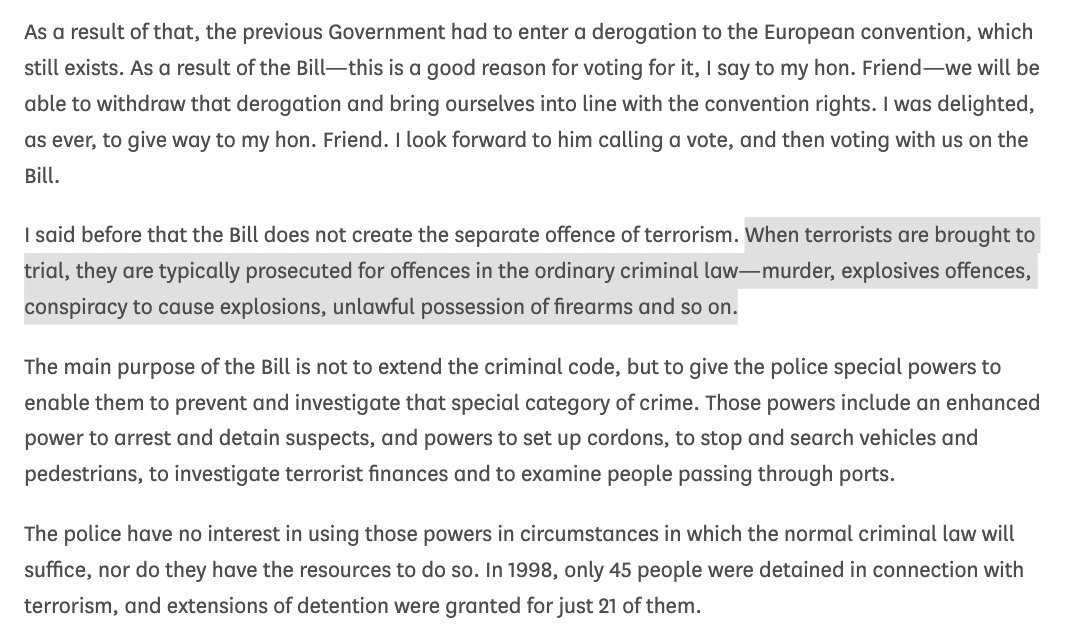
Second reading of the Terrorism Bill, 14 December 1999. Home Secretary Jack Straw responds to MPs concerned the act will apply to domestic protest by using the example of a deadly bomb attack by animal rights activists. The act, he says, is about saving "innocent lives".

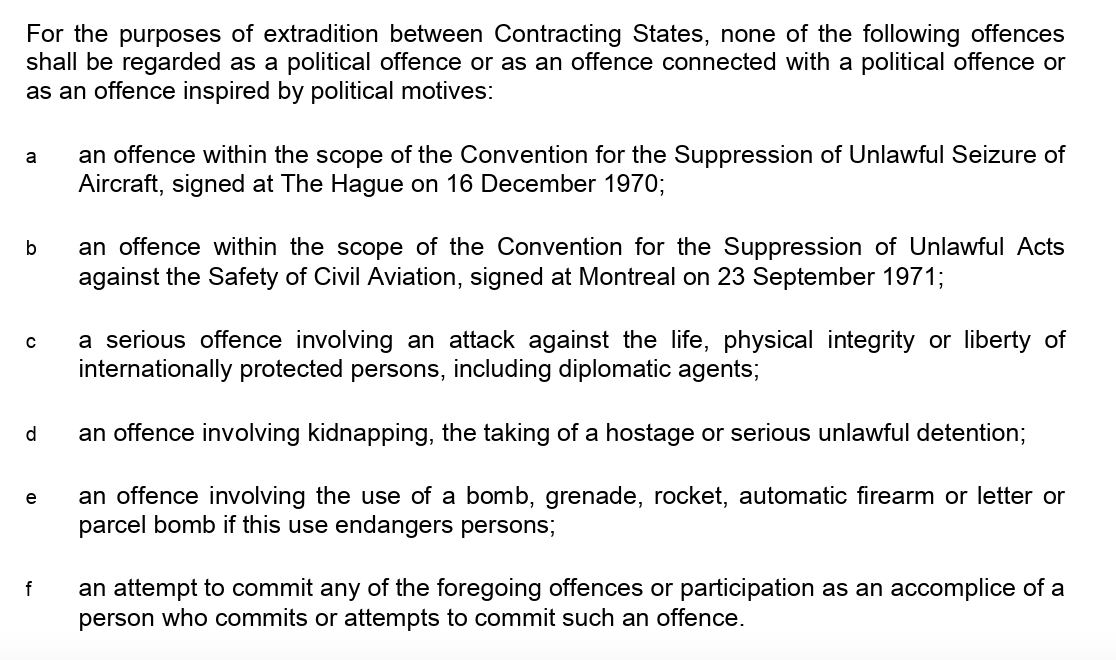
Second reading of the Terrorism Bill, 14 December 1999. Home Secretary Jack Straw tells MPs that the bill is consistent with the provisions of a 1978 which incorporated the European Convention's on Terrorism's definitions into UK law. That definition, for reference, on the left.

Third reading of the Terrorism Bill, 15 March 2000. Home Secretary Charles Clarke responds to an MP citing a Ploughshares action against a military submarine by stating "we do not have any intention of seeking to apply this legislation to any domestic action".


20 March 2000. Introduction of the Terrorism Bill to the Lords. Lord Bassam, speaking, for the government, describes the bill as applying to a "uniquely cowardly and barbaric class of crime;" those that "seek not only to destroy lives but the foundation of society itself."

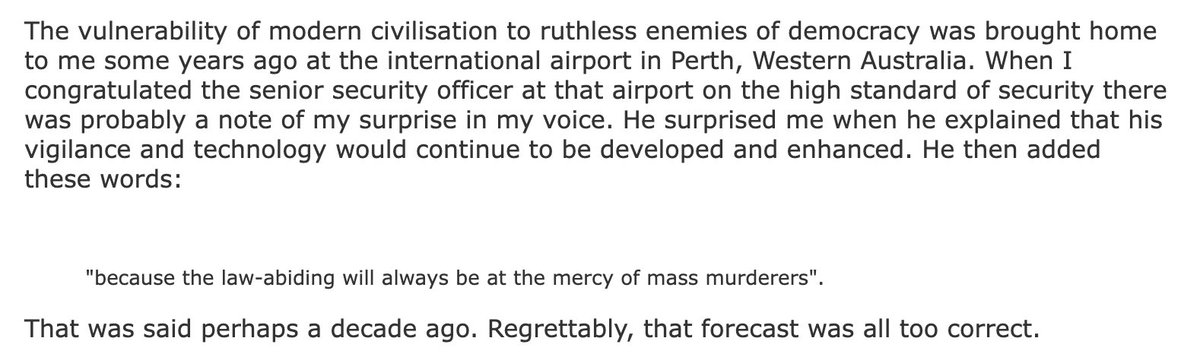
20 March 2000. Introduction of the Terrorism Bill to the Lords. Lord Bassam, speaking for the government, concludes his introduction by speaking of "mass murderers" who seek to destroy democracy.
6 April 2000. Third reading in the Lords. Lord Bassam rejects an exemption for protest actions by reference to "protest which endangers life or creates a serious threat to public safety".

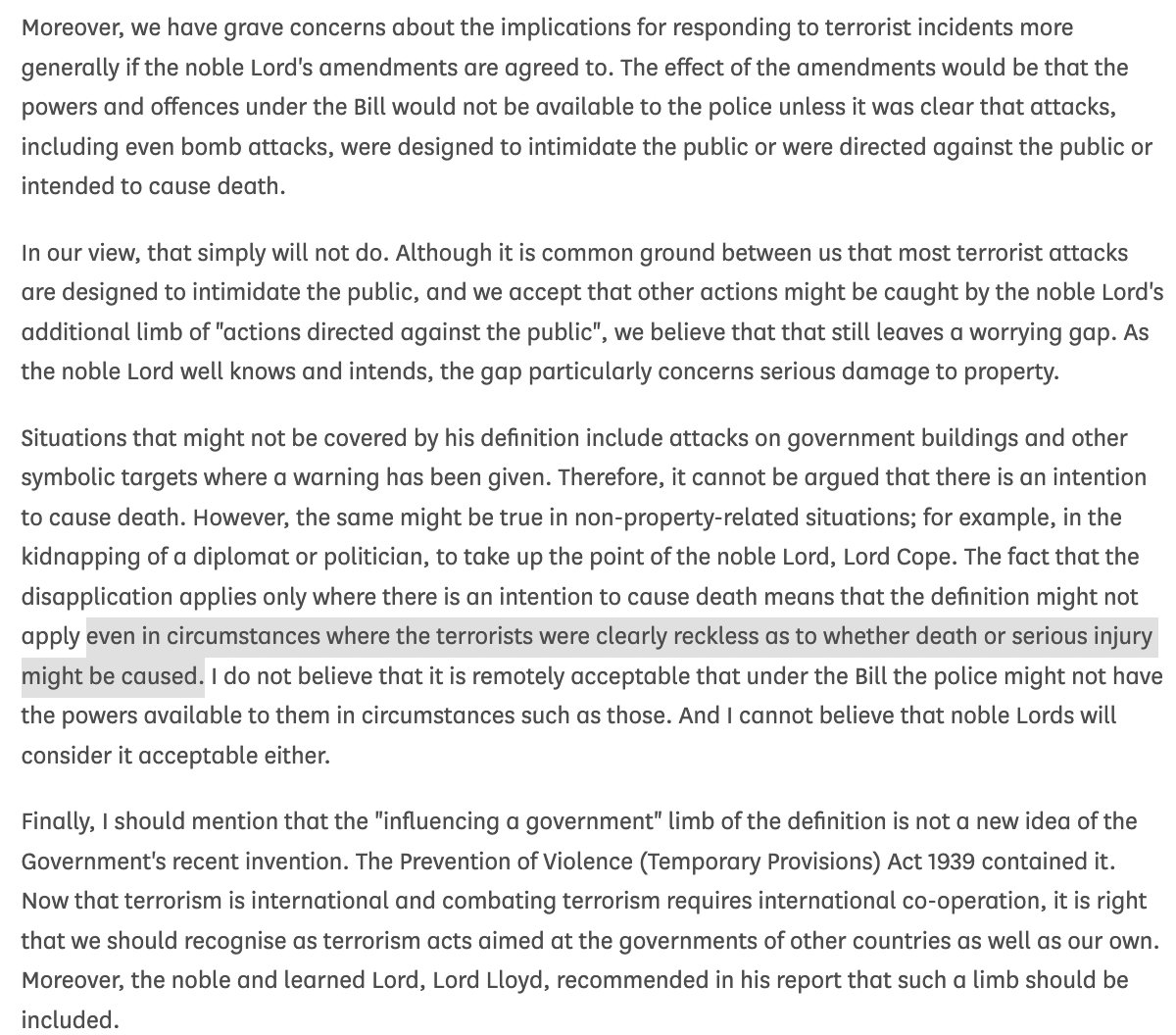
6 April 2000. Second reading in the Lords. Lord Bassam defends the inclusion of property damage in the bill by reference to attacks on property "where terrorists were clearly reckless as to whether death or serious injury might be caused"
10 July 2000. Commons considers amendments. The final comment by an MP before the 2000 Terrorism Act becomes law is by @MikeGapes, replying to those concerned the Act will be applied in future to "non-violent direct action." No such thing, he tells the house, will ever happen.

@MikeGapes A final note: the critics of the bill from all parties have been proven entirely right,& correct to distrust a government which refused to amend the Terrorism Act in a way consistent with what the House was told they understood terrorism to be - armed, life-threatening violence.
@MikeGapes Given that Palestine Action's proscription is being justified by an understanding of terrorism as somehow detached from armed violence, it matters that this is dramatically other than the understanding of terrorism outlined by the government which passed proscription into law.
@MikeGapes My own view is that terrorism is so politicised a term it's impossible to define it legally in a way that both covers all eventualities & will prevent misuse. Such laws tend inevitably to the legislation of hypocrisy. As at least some of our representatives in 2000 understood.

@MikeGapes [unroll link h/t @sunlit_upland ]