Vedanga Jyotisha – The World’s Oldest Astronomy Manual 🔥 Written by Rishi Lagadha over 3,000 years ago. Long Before the West… a Vedic Rishi mapped the Universe, to align our lives with cosmic rhythm. Let’s uncover what modern science still can't grasp...🧵

When the ancient Rishis performed Vedic rituals, timing wasn’t random. Yajñas had to be done at exact cosmic moments... when celestial energies were in perfect balance. 👉 But how could they tell when those moments arrived? They needed a cosmic calendar. That’s when Rishi
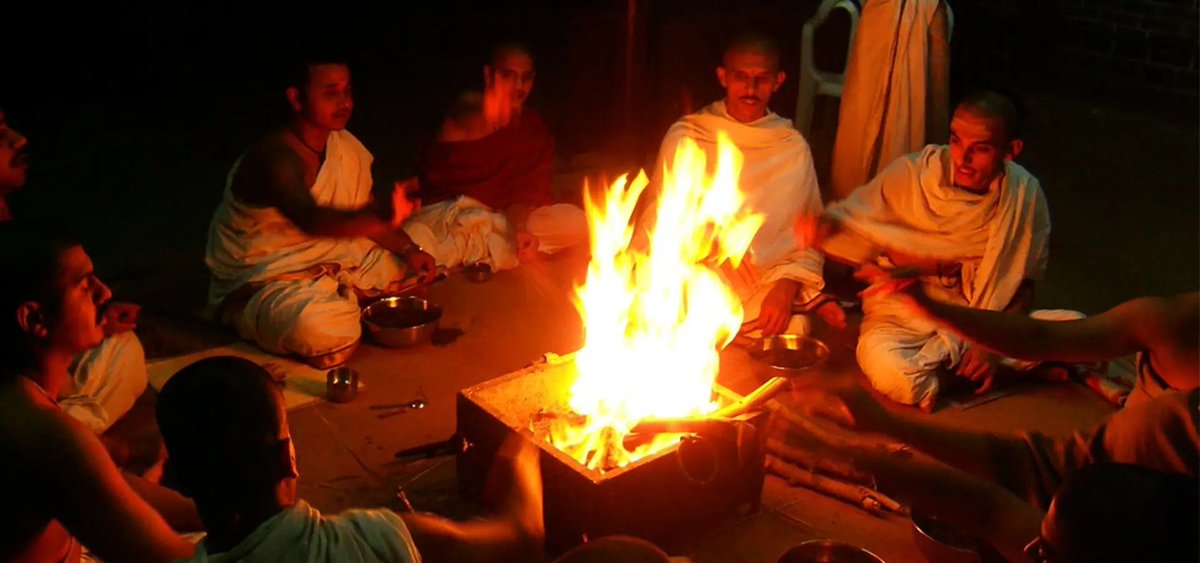

👉 Rishi Lagadha wrote the Vedanga Jyotisha... the oldest surviving text on Indian astronomy. Composed around 1400–1200 BCE, Found in both Rigveda and Yajurveda, Its goal was... to calculate sacred time (Kāla) for rituals. It wasn’t astrology. It was spiritual astronomy.


👉 The word Jyotisha means: "That which deals with light (Jyoti)" "That which illuminates our path" Rishi Lagadha wasn’t stargazing randomly. He was aligning human action with Ṛta... the universal order.
Quote from Rigveda 1.164.35 — “...अ॒यं य॒ज्ञो भुव॑नस्य॒ नाभि॑:।” “This Yajña is the navel (center) of the universe.” The entire universe revolves around sacred timing. 👉 And that timing depends on: — Sun — Moon — Stars
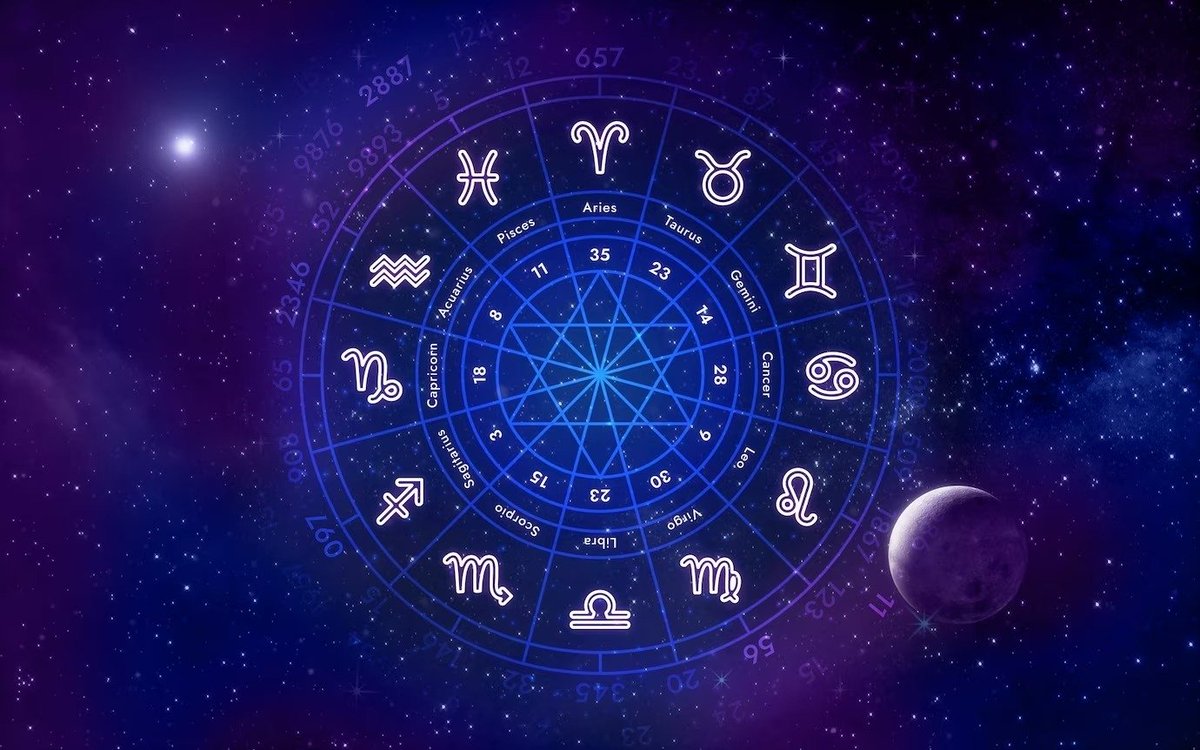
📌 So what did the Vedanga Jyotisha include? 👉 Solar & lunar calendar 👉 Division of a year into two Ayanas (Uttarāyana and Dakṣiṇāyana) 👉 6 Ritus (seasons) 👉 12 Māsas (months) 👉 27 Nakṣatras (lunar constellations) 👉 30 Tithis (lunar days) 👉 5-fold time unit called
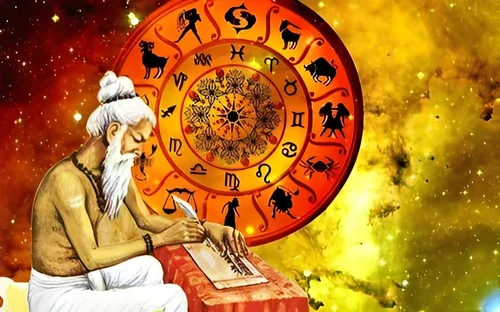
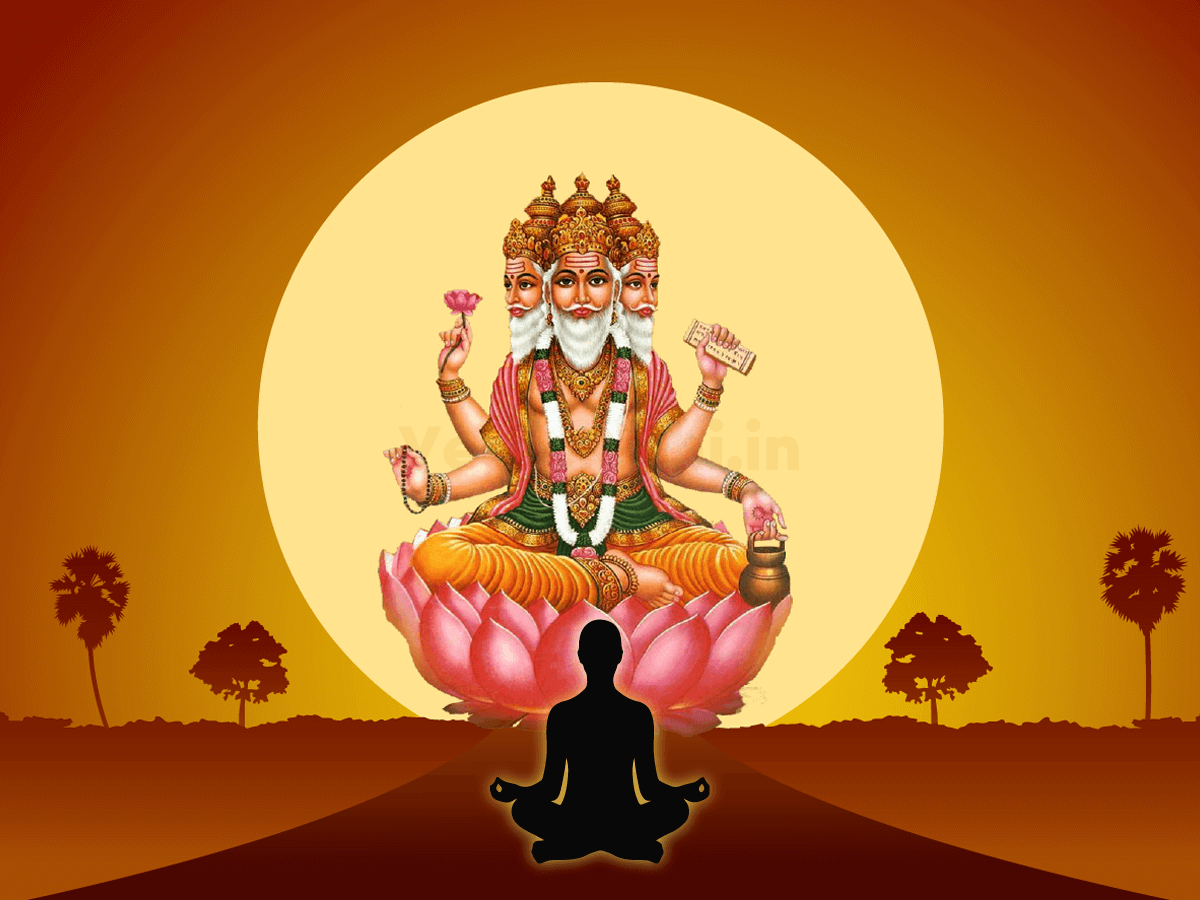
👉 Rishi Lagadha also divided the day into 30 Muhūrtas... each lasting 48 minutes. Each Muhūrta was linked to a specific quality of energy. Even today, when we say “Brahma Muhūrta”... it comes from this system.
📌 What about stars? The Vedas already mentioned the 27 Nakṣatras. But Rishi Lagadha defined which constellations mark the seasons... and where the solstices occur. This knowledge was crucial for agriculture, rituals, and health. He turned the sky into a sacred clock.
👉 Unlike modern astronomy, Rishi Lagadha’s Jyotiṣa wasn’t just about prediction. It was about alignment, syncing life with the rhythm of the stars. Not to conquer nature, but to live in harmony with it. His system said: “Don’t act whenever you like. Act when the cosmos
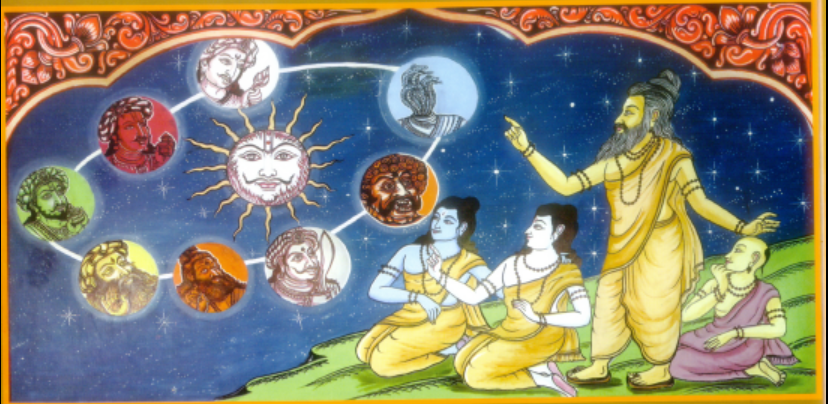
👉 The most brilliant insight? Time is cyclical, not linear. — The Sun’s journey marked the outer rhythm — The Moon’s cycles shaped the inner one Together, they formed a living calendar of consciousness This is what we call Yuga Dharma.

📌 Is it relevant today? Absolutely. Every modern Pañcāṅga, every eclipse chart, every Vedic astrologer still uses Rishi Lagadha’s framework. He gave us the blueprint. Others just added layers.

And here’s the most astonishing part: 👉 Without telescopes 👉 Without computers 👉 Only with inner stillness and observation Rishi Lagadha mapped a calendar so precise that it still works 3,000+ years later. Modern scientists are still in awe.
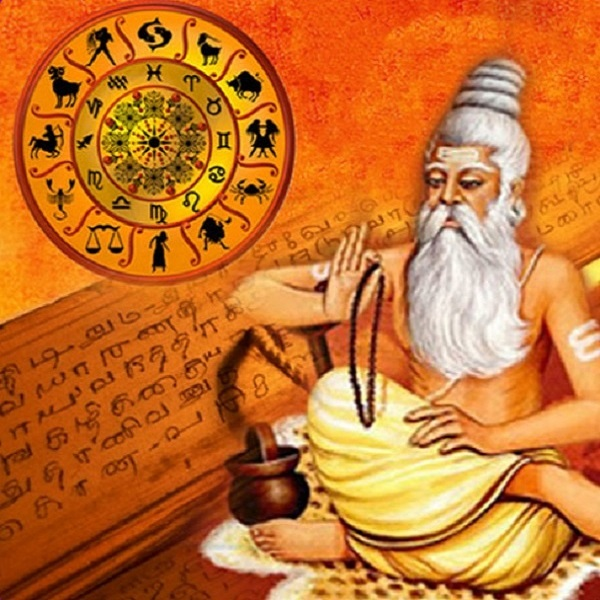
👉 Rishi Lagadha showed us... Time is divine rhythm. When you tune into it, you walk in step with the universe. That’s the true legacy of Vedanga Jyotisha.
Loved this thread? 👉 Follow @_TheSanatani for more threads on the timeless wisdom of Sanātana Dharma. 👉 Join me on Telegram for fastest update: https://t.me/SanataniPatriots 👉 If my work genuinely brings you value, please support me at— TheSanatani@axl / https://ko-fi.com/thesanatani