
THE ULTIMATE MICRONUTRIENT GUIDE. A detailed discussion on the importance of over 25 vitamins, minerals and their bioavailable sources. Thread 🧵




*Standard disclaimer that nothing in this thread should be used as a substitute for medical advice* First of all, vitamins are organic substances that are generally classified as either fat soluble or water soluble. Fat soluble vitamins such as: vitamin A, vitamin D, vitamin E

Before we get into the functions of each one, why they are so important, where you can get them from and so on, here are some important notes👇 Note 1: Your micronutrient needs partly depend on your macronutrient split. And it's quite easy to understand since different


Now let's talk about the nutrients. 1)Vitamin A (Retinol) Vitamin A is an essential micronutrient meaning that our bodies cannot manufacture it and therefore it has to be included in our diet. Vitamin A from food is stored in the liver until required by the body and is

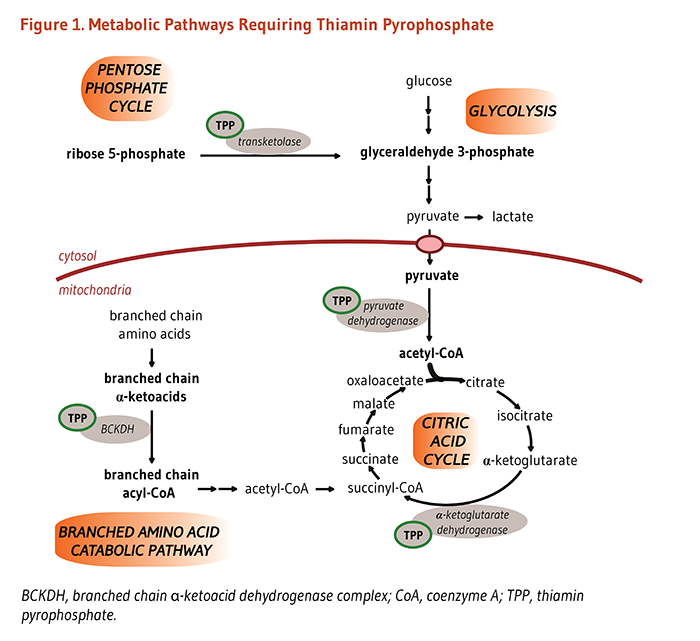
2)Vitamin B1 (Thiamine) Thiamine: Helps the body's cells change carbohydrates into energy. Plays a role in muscle contraction. Plays a role in the conduction of nerve signals. Is essential for the metabolism of pyruvate. Is essential for GABA. Boosts CO2. Lowers lactic acid.
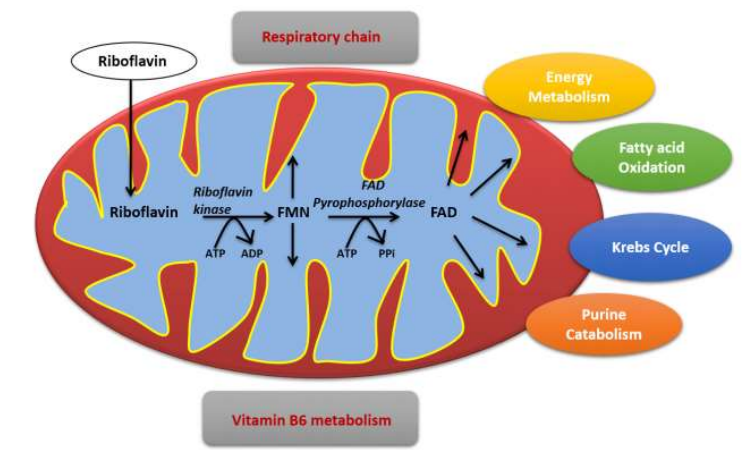
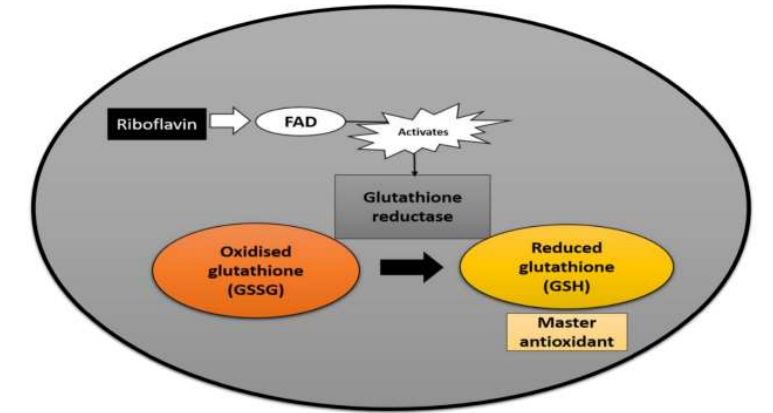
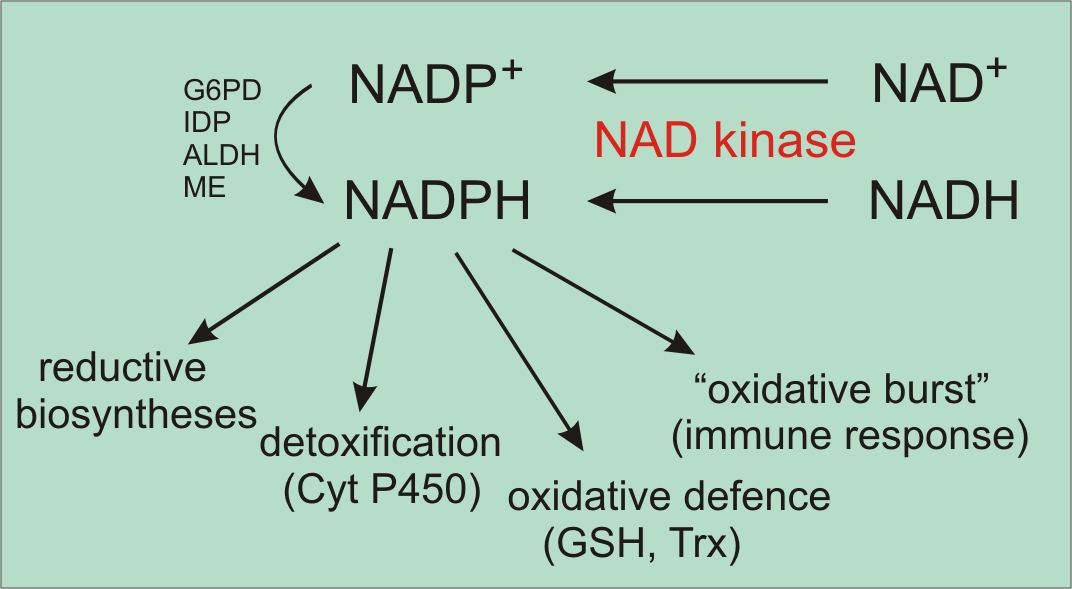
4)Vitamin B3 (Niacin) Niacin is one of the eight B vitamins, and it’s also called vitamin B3. There are two main chemical forms of niacin: 1)Nicotinic acid 2)Niacinamide (sometimes called nicotinamide) One of the key role of niacin in our body is to synthesize the coenzymes
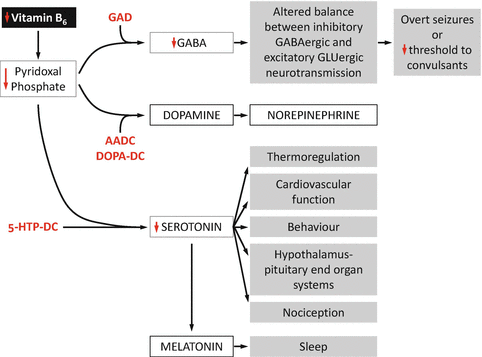
6)Vitamin B6 Pyridoxal 5’ phosphate (PLP) is the active coenzyme form and most common measure of B6 blood levels in the body. PLP is a coenzyme that assists more than 100 enzymes to perform various functions, including the breakdown of proteins, carbohydrates, and fats;
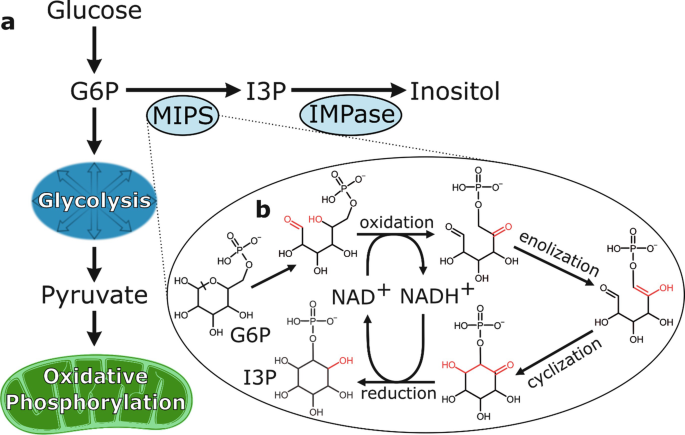
8)Vitamin B8 (Inositol) Although inositol is referred to as vitamin B8, it is not a vitamin but a sugar that plays a structural role in the body as a major component of cell membranes and is necessary for blood sugar control. In addition, it affects the regulation of serotonin
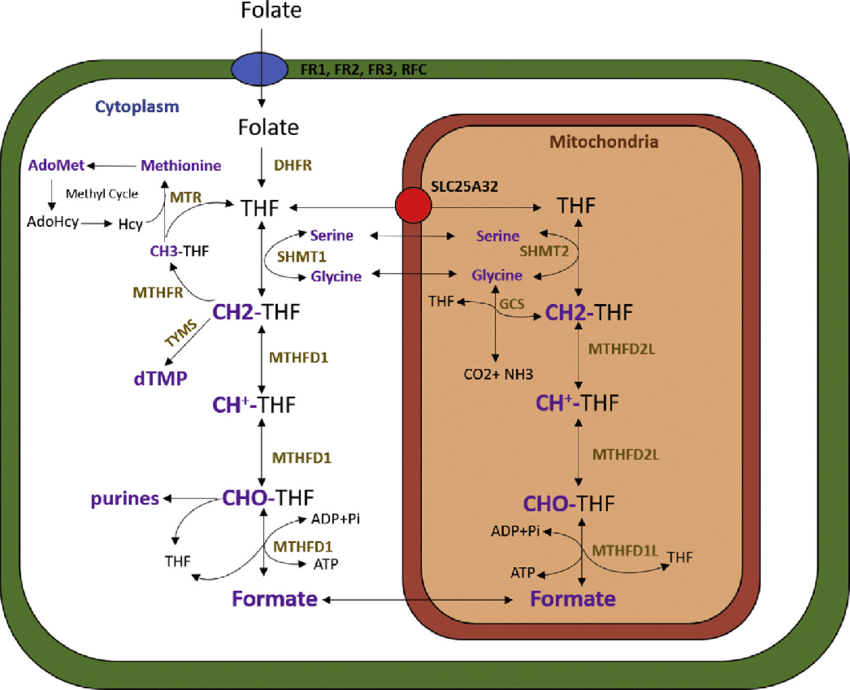
10)Vitamin B12 Vitamin B12 is needed to form red blood cells, DNA and it helps in the function and development of brain and nerve cells. Vitamin B12 binds to the protein in the foods we eat and the hydrochloric acid and enzymes in the stomach unbind vitamin B12 into its free
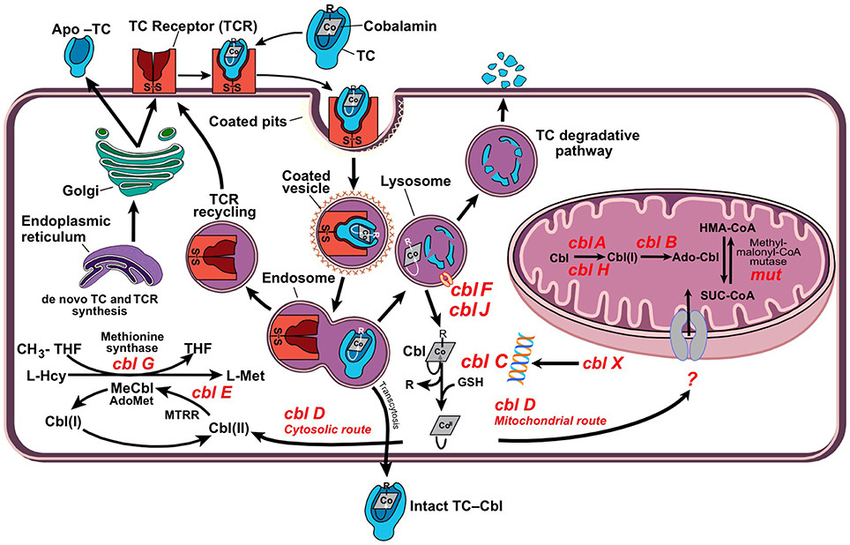
10) Beta carotene /cryptoxanthin Vitamin A precursor, an antioxidant if used at the times when sunlight is outside, crucial for things such as our lungs but in general you won't ruin your health id you neglect this one compared to the rest of the micronutrients (get enough zinc,

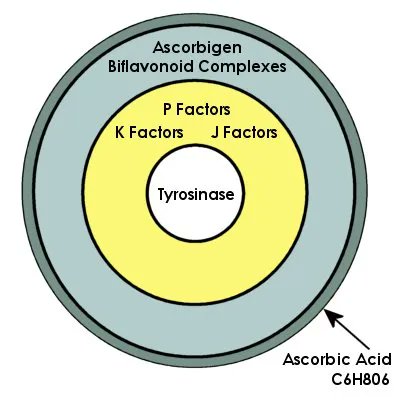
12) Vitamin C From protecting our cells against oxidative stress, maintaining healthy skin, blood vessels, iron homeostasis, heart, improved nitric oxide function, glucose metabolism, blood volume regulation, bones and cartilage all the way to steroidogenesis, fighting
13) Calcium Calcium is a mineral needed for bone and teeth formation, nerve function, regulating heartbeat and helping muscles to contract. About 99% of the body’s calcium is stored in bones and the remaining 1% is found in blood, muscle, and other tissues. The body gets the

14) Choline Choline plays an important part in many processes in your body, including cell structure (make fats that support the structural integrity of cell membranes), brain development, cell messaging, fat metabolism (without enough choline cholesterol will buildup in the
16) Vitamin D https://x.com/Helios_Movement/...
17) Vitamin E Vitamin E is a lipid-soluble component in the cell antioxidant defense system and is exclusively obtained from the diet but vitamin E is heavily dependent on vitamin C, vitamin B3, beta carotene, selenium and glutathione. Vitamin E is one of the most effective


19) Vitamin K Vitamin K refers to a group (K1 and K2) of fat soluble vitamins which are found throughout the body including the liver, brain, heart, pancreas and bones and thus protecting each one of these. The first (K1) is called phylloquinone and found in green leafy
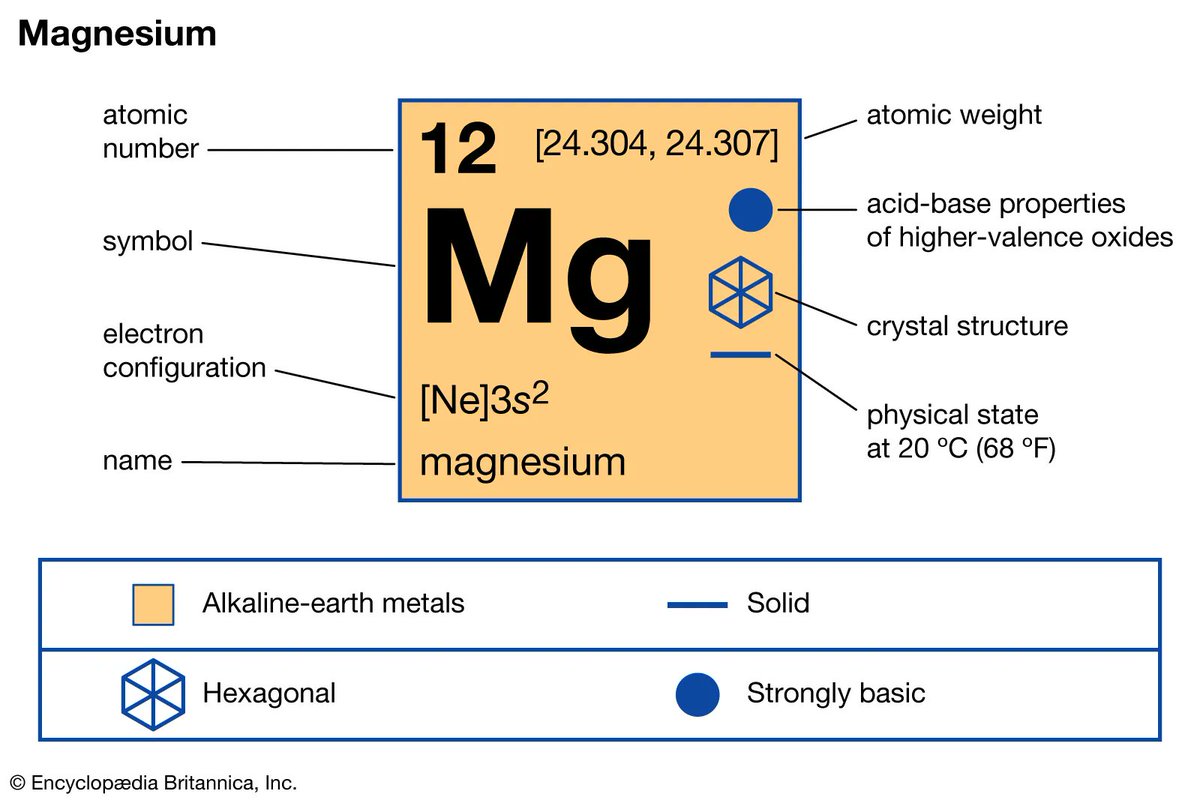
21) Magnesium Magnesium is one of the most abundant minerals in the human body. During digestion, three primary digestive enzymes turn food into nutrients that can be absorbed and assimilated by the body and magnesium plays a role in numerous enzyme systems throughout the body.
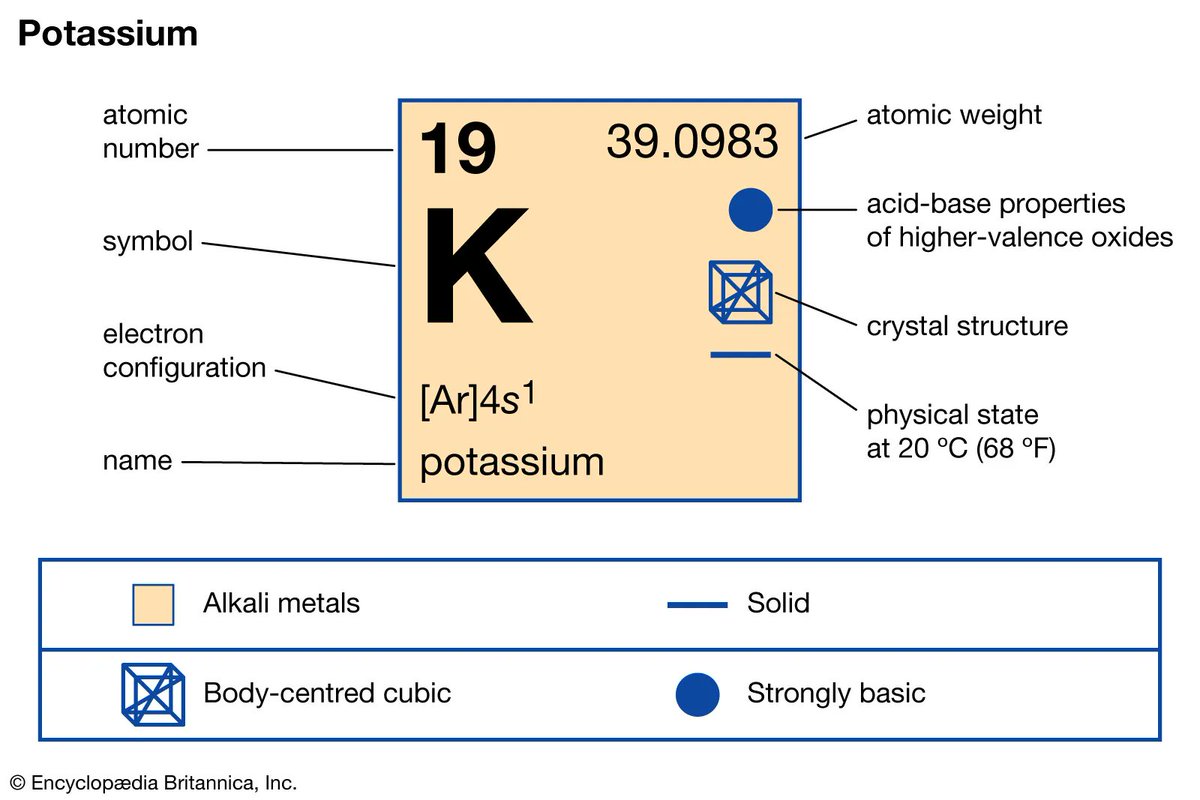
23) Potassium Potassium is an essential mineral that is needed by all tissues in the body. Its main role in the body is to help maintain normal levels of fluid inside our cells(*). Sodium, its counterpart that we will see in a second, maintains normal fluid levels outside of
26) Zinc Zinc is necessary for almost 100 enzymes to carry out vital chemical reactions that play a key role in the creation of DNA, growth of cells, building proteins, healing damaged tissue and supporting a healthy immune system. Because it helps cells to grow and multiply,
That's it. I hope that you learned something from this thread and enjoyed it. If you did, make sure to leave a like/RT. https://x.com/Helios_Movement/...
For more on a variety of health topics: https://fitandball.gumroad.com...
@Helios_Movement VITAMIN K2 would definitely call it the calcium director. Without K2 (MK-7), calcium is deposited in arteries, not bones. Cheeses!
@Helios_Movement Have you ever heard b17 ?
@Helios_Movement Telepathy is real. Dudeee I was talking to my gf about this topic last night. Thank you George !!!
@Helios_Movement Fantastic thread - thank you for sharing the biochemistry & food sources, as well as nutritional info Bookmarked!!
@Helios_Movement @thereaderapp unroll
@Helios_Movement @TruthArchiveAI save thread
@Helios_Movement @threadreaderapp unroll