
A Comparative Analysis of the ECRS Mk2 and AN/APG-81 Radars 1/25 Introduction to Modern Air Combat Radars Modern air combat demands advanced radar systems to navigate complex electromagnetic environments, support multi-role missions, and ensure platform survivability. This

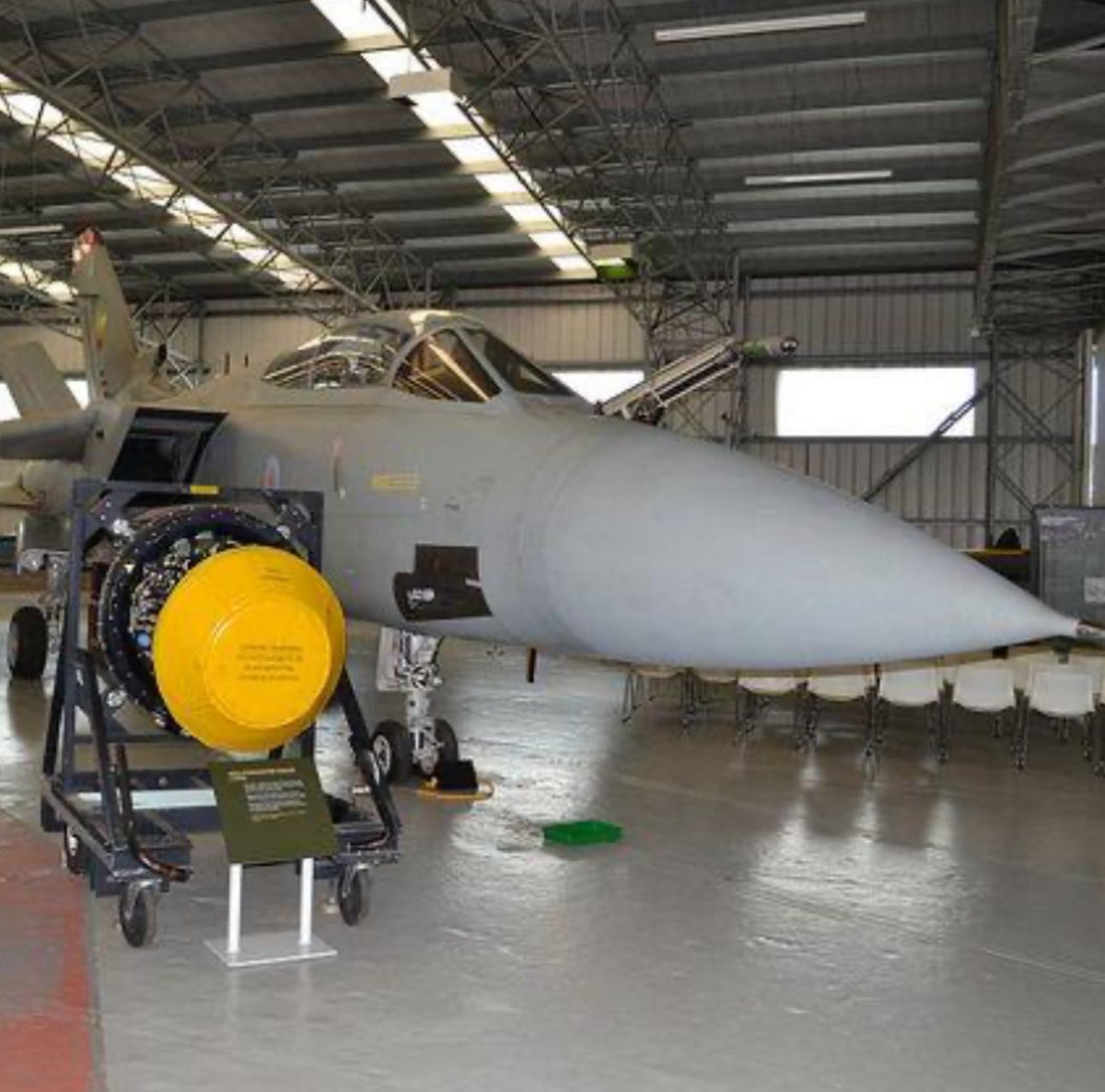
AN/APG-81 Development History 2/25 The AN/APG-81, developed by Northrop Grumman for the F-35, emerged from the 1990s Joint Strike Fighter (JSF) programme to replace platforms like the F-16. Requirements emphasised stealth integration, multi-role flexibility, and network-centric

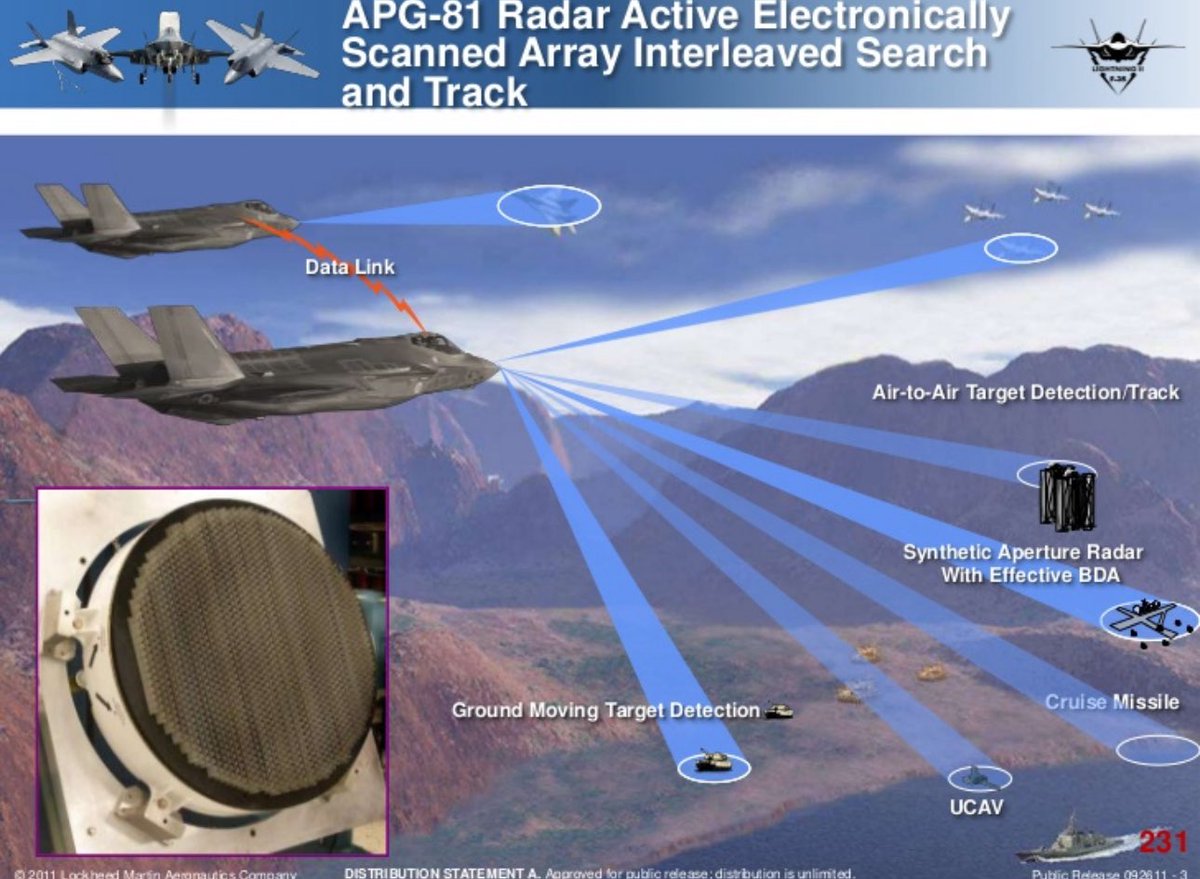
AN/APG-81 Design Features 3/25 The AN/APG-81 features a large aperture (~0.7 m²) and high transmit/receive module (TRM) count, enabling superior detection range and high-resolution Synthetic Aperture Radar (SAR). Its electronic warfare (EW) capabilities include jamming and

ECRS Mk2 Development Origins 4/25 The ECRS Mk2, developed by Leonardo UK for the RAF’s Eurofighter Typhoon, addresses the need to replace the mechanically scanned Captor-M radar. Initiated in the early 2000s, the European Common Radar System (ECRS) programme aimed to deliver

ECRS Program Divergence 5/25 The ECRS programme split into three variants due to multinational priorities: • ECRS Mk0: GaAs-based for Kuwait/Qatar, delivered by 2021. • ECRS Mk1: GaN-based for Germany/Spain, planned for mid-2020s. • ECRS Mk2: RAF-specific with wideband EW,

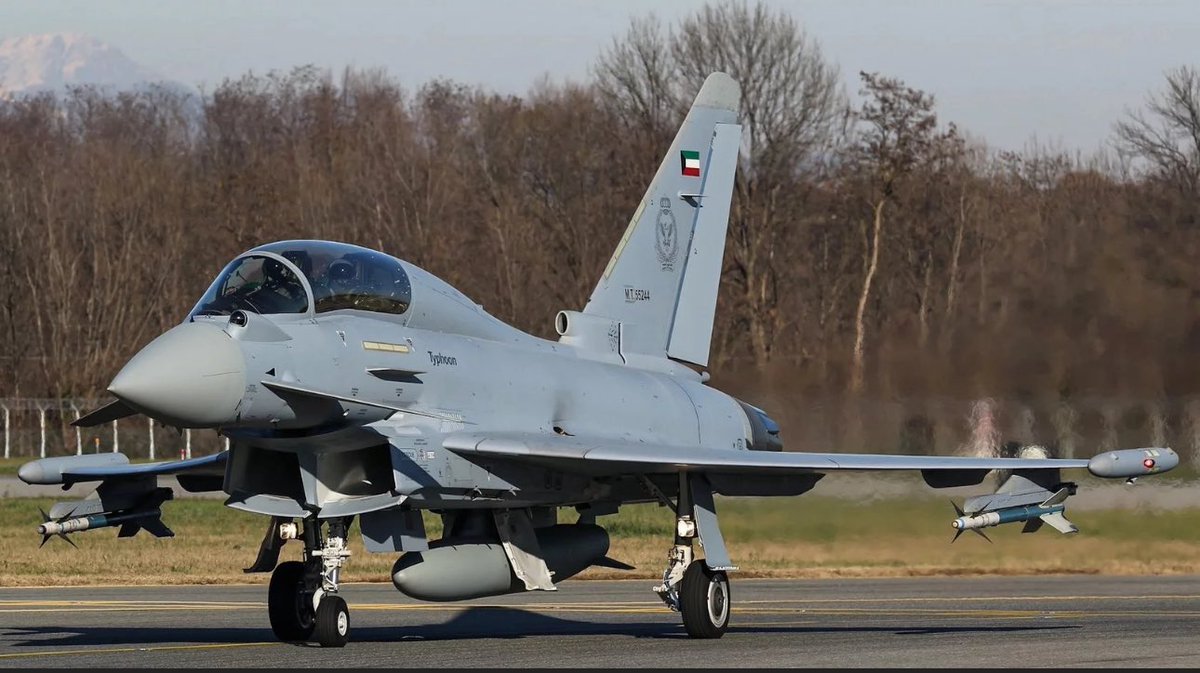
ECRS Mk2 Development Milestones 6/25 ECRS Mk2 development began with technology demonstrators (ARTS 2007, Bright Adder 2010). A £317 million contract in 2020 initiated prototyping, followed by £870 million in 2023 for integration. In June 2025, a £204.6 million funding award

ECRS Mk2 Recent Progress 7/25 The first ECRS Mk2 prototype was delivered to BAE Systems in April 2023, with ground testing completed by July 2024. A September 2024 flight trial demonstrated simultaneous target tracking and electronic attack. The critical design review (CDR) was

Economic Impact of ECRS Mk2 Funding 8/25 The £2.35 billion investment since 2020, including the June 2025 £204.6 million, sustains 1,300 UK jobs: 300 at Leonardo’s Edinburgh site, 100 in Luton, and 120 at BAE Systems in Lancashire. This funding reinforces the UK’s aerospace

ECRS Mk2 Design Features 9/25 The ECRS Mk2 features a multi-functional array (MFA) with GaN TRMs and a rotating positioner inspired by the Gripen E’s Selex ES-05 Raven radar. Its wideband electronic attack (EA) capabilities enable jamming and suppression of enemy air defences
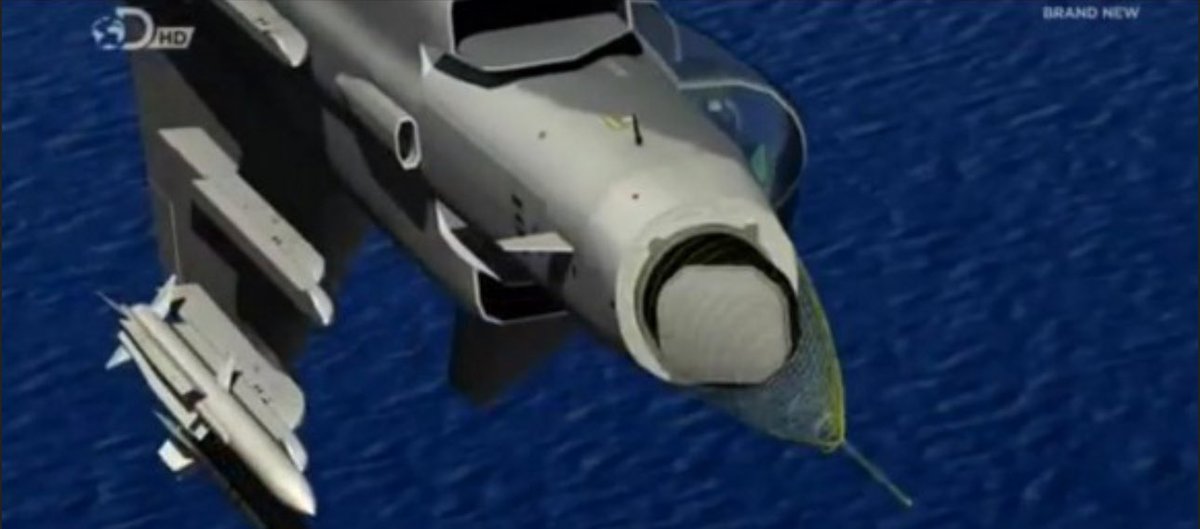

France’s RBE2 Radar Overview 10/25 France’s RBE2 AESA radar, developed by Thales for the Dassault Rafale, transitioned from PESA to AESA by 2012, achieving IOC in 2013. It supports air-to-air, air-to-ground, and limited EW functions, relying on the Rafale’s SPECTRA suite for

RBE2 Development and Future Plans 11/25 The RBE2’s smaller aperture limits detection range but suits the Rafale’s compact airframe. France’s centralised procurement enabled a faster timeline than the ECRS Mk2. Future upgrades focus on unmanned system integration and data fusion,

AN/APG-81 User Requirements 12/25 The AN/APG-81 was designed to meet F-35 requirements: • Low Observability: Compact design to minimise radar cross-section (RCS). • Multi-Role Flexibility: Air-to-air, air-to-ground, and EW capabilities. • Data Fusion: Integration with the
ECRS Mk2 User Requirements 13/25 The ECRS Mk2 addresses RAF needs for the non-stealth Typhoon: • Wideband EW/EA: Jamming and SEAD/DEAD capabilities. • Multi-Functionality: Simultaneous air, ground, and EW operations. • Sovereign Capability: UK control for strategic
Comparative Design Philosophies 14/25 The AN/APG-81 leverages the F-35’s stealth for passive detection and data fusion, with a compact design suited to its airframe. The ECRS Mk2 compensates for the Typhoon’s higher RCS with active EW, using a larger array and rotating
AN/APG-81 Strengths 15/25 • Stealth Integration: Optimised for low RCS, enhancing survivability. • Detection Range: Large aperture for superior range and resolution. • Data Fusion: Seamless sensor integration for networked warfare. • Mature Deployment: Operational since
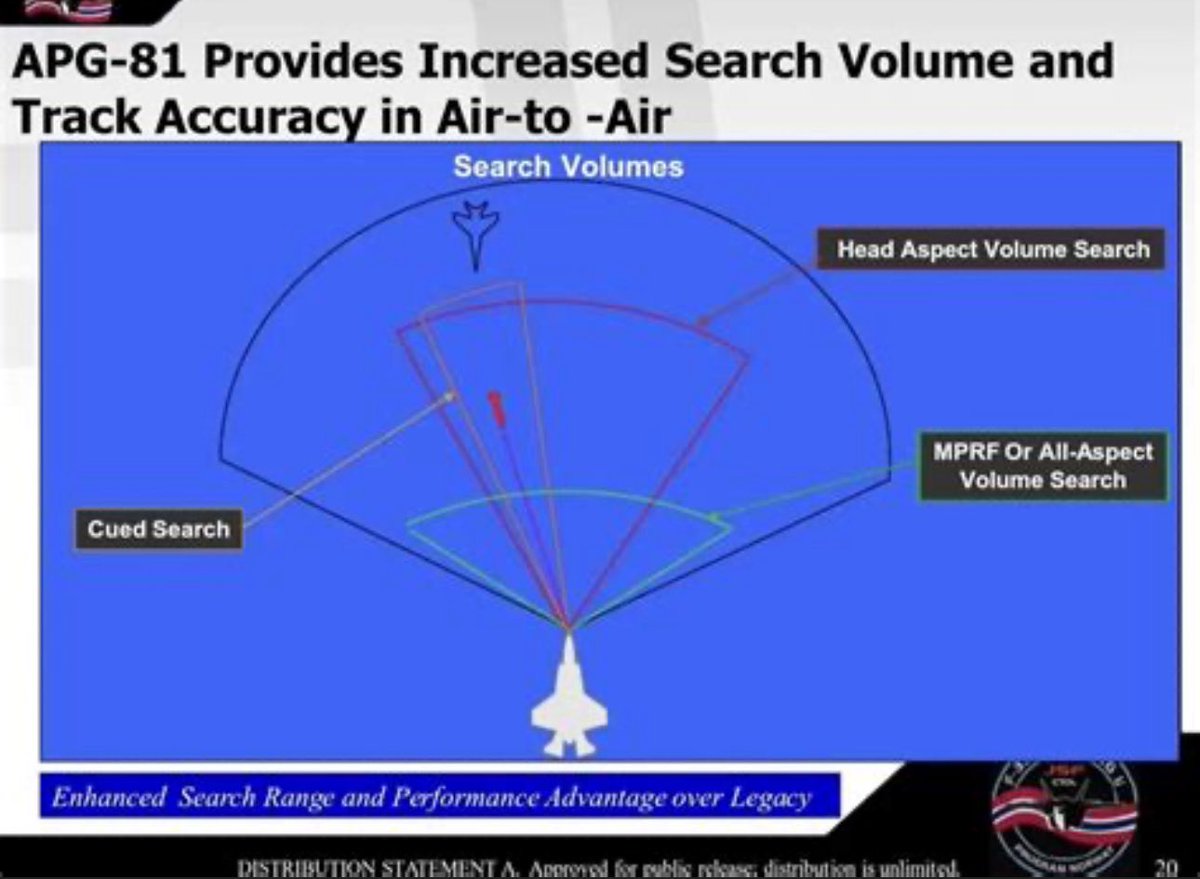
AN/APG-81 Weaknesses 16/25 • Limited EW Scope: Robust but less extensive than ECRS Mk2’s wideband EA. • Platform Dependency: Tailored to the F-35, limiting retrofit potential. • Cost: High production and maintenance costs due to F-35 integration.
ECRS Mk2 Strengths 17/25 • Advanced EW/EA: Wideband jamming and SEAD/DEAD capabilities. • Flexibility: MFA supports simultaneous air, ground, and EW tasks. • Retrofit Potential: Compatible with 107 Typhoon Tranches 2 and 3. • Sovereign Control: UK-led design supports
ECRS Mk2 Weaknesses 18/25 • Delayed Timeline: IOC in 2030, lagging behind RBE2 and APG-81. • Non-Stealth Platform: Relies on EW due to Typhoon’s RCS. • Cost and Complexity: £2.35 billion investment strains budgets.
RBE2 Comparison 19/25 The RBE2 balances rapid deployment and interoperability with SPECTRA but has a smaller aperture and limited EW scope compared to the ECRS Mk2. It lags behind the APG-81 in data fusion and stealth integration but benefits from a faster timeline, suiting

ECRS Mk2’s Prolonged Gestation 20/25 The ECRS Mk2’s nearly two-decade development reflects UK procurement challenges. Early demonstrators (ARTS, Bright Adder) were hampered by funding delays. Investments of £317 million (2020), £870 million (2023), and £204.6 million (2025)
British Procurement Challenges 21/25 The UK’s bespoke requirements for advanced EW and multinational Eurofighter collaboration added complexity, delaying the ECRS Mk2. Germany and Spain prioritised earlier AESA adoption (Mk0/Mk1), while the RAF’s focus on electronic dominance

Air Combat Doctrines 22/25 • AN/APG-81: Supports US stealth and networked warfare, excelling in air superiority, precision strikes, and ISR in high-threat environments. • ECRS Mk2: Aligns with RAF air superiority and flexibility, leveraging SEAD/DEAD and multi-role
Conclusion – AN/APG-81’s Strategic Role 23/25 The AN/APG-81 excels in stealth-driven, high-threat missions, leveraging the F-35’s low RCS and data fusion for air superiority, precision strikes, and networked operations. Its mature deployment since 2015 ensures reliability,
Conclusion – ECRS Mk2’s Strategic Role 24/25 The ECRS Mk2, enhanced by the £204.6 million funding in June 2025, prioritises electronic dominance and multi-role flexibility for the non-stealth Typhoon. Its wideband EA and SEAD/DEAD capabilities make it optimal for NATO air
Conclusion and Invitation for Feedback 25/25 The AN/APG-81 suits stealth-centric doctrines, while the ECRS Mk2 excels in electronic dominance for contested environments, complementing platforms like the F-35. The RBE2 offers a balanced alternative but lacks the Mk2’s EW scope.


