
I collaborated with @Lawlens_IN and collected a dataset of 50 most recent rape cases at Supreme Court from Dec 2024 to Aug 2025, and analysed it to reveal deep-seated systemic issues that demand attention. Here is what i analysed🧵
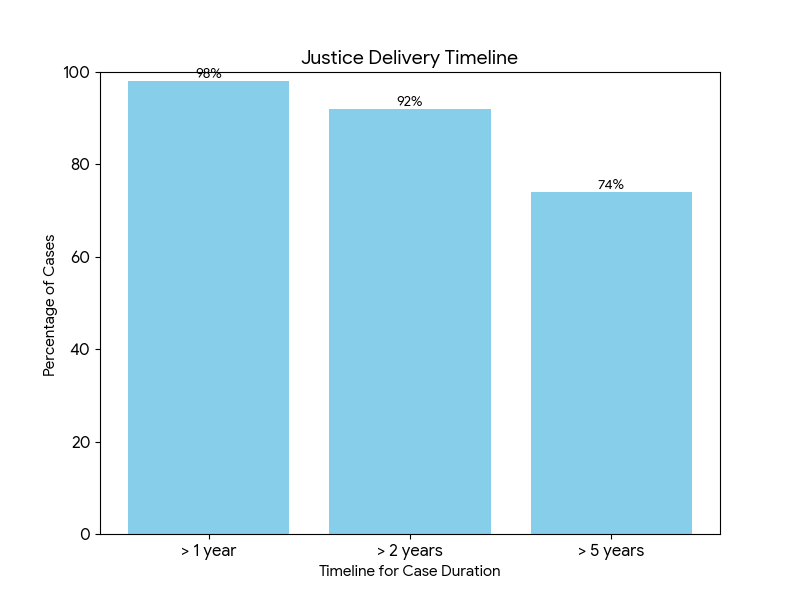
First, let's talk about time. Justice delayed is justice denied, and our data shows significant delays. The average case took 12.8 years for a final resolution. A few cases stand out as particularly extreme. One case, Lok Mal @ Loku vs The State Of Uttar Pradesh, took an
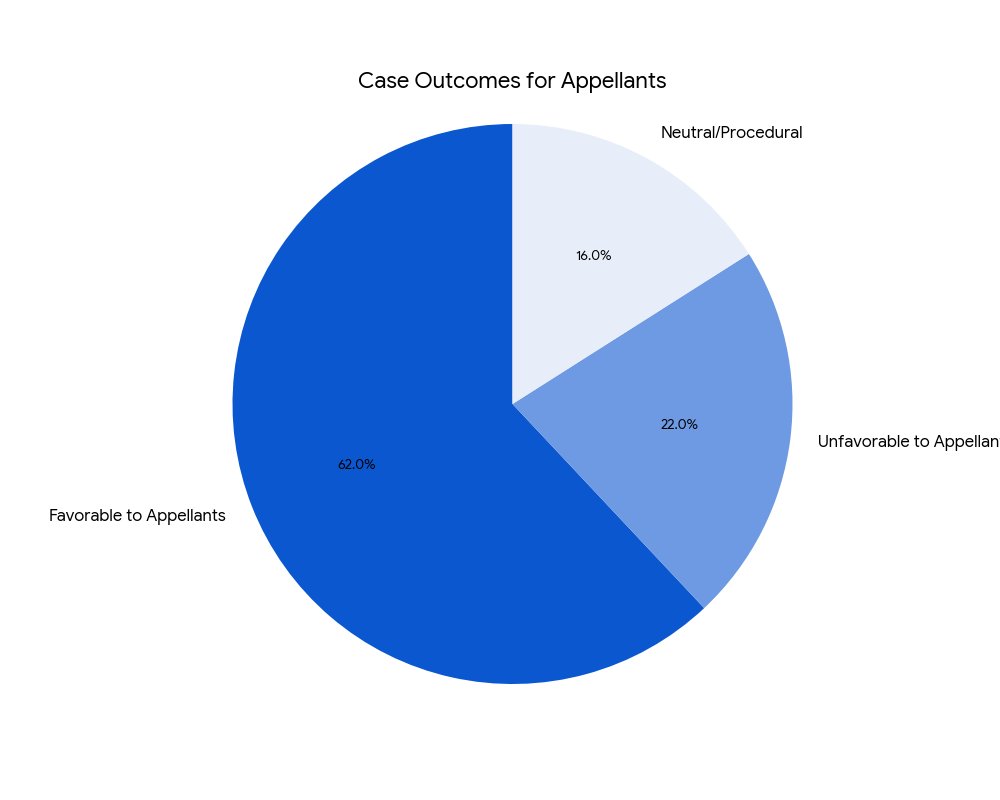
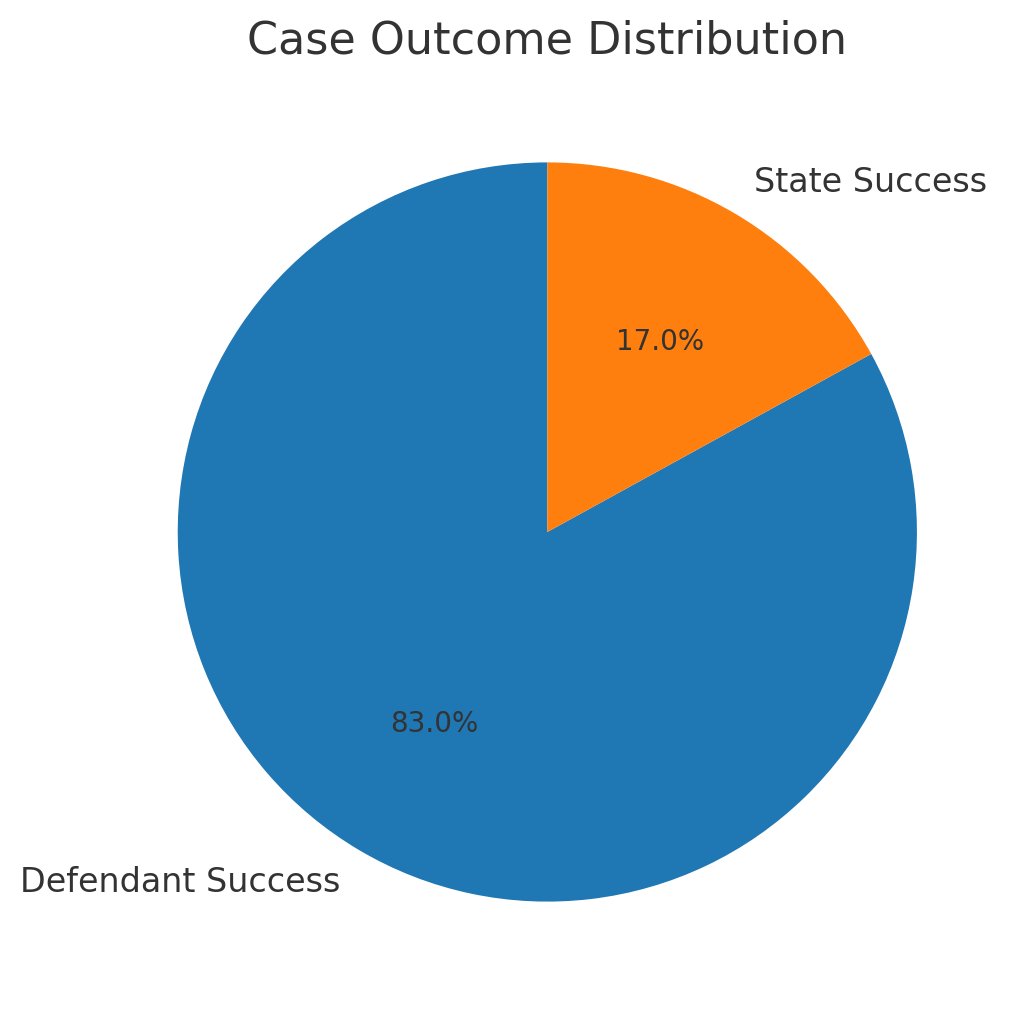
The Supreme Court often acts as a corrective mechanism for lower courts. This analysis shows just how much correction is needed. A staggering 62% of outcomes at Supreme Court were favorable to the appellants. This means convictions were overturned, sentences were modified, or
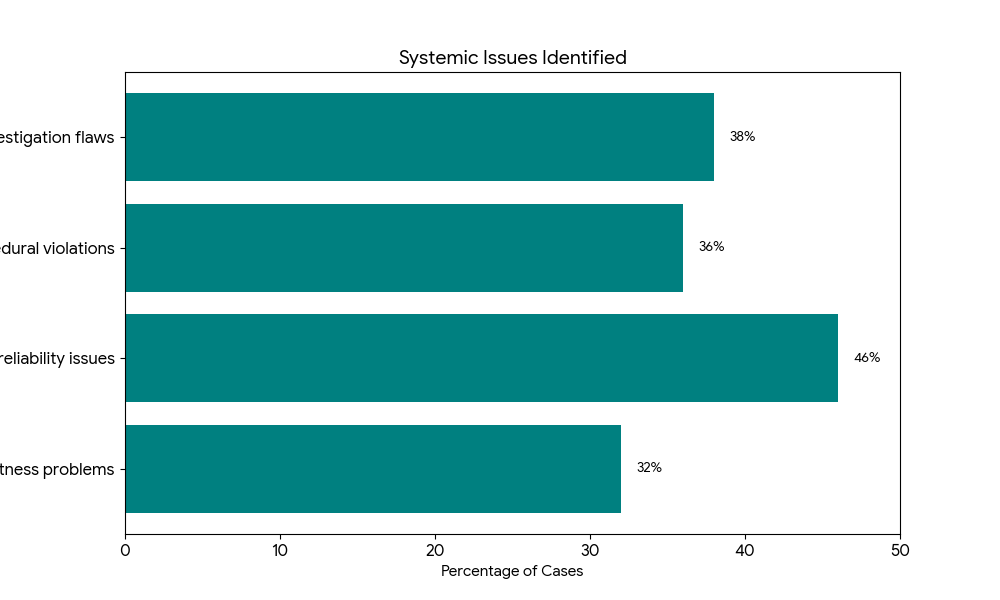
We looked at what led to these reversals. The data points to a consistent problem with evidence. 46% of cases involved issues with evidence reliability, while 38% had flaws in the initial investigation. Flawed investigations mean innocent people can be convicted, and the guilty
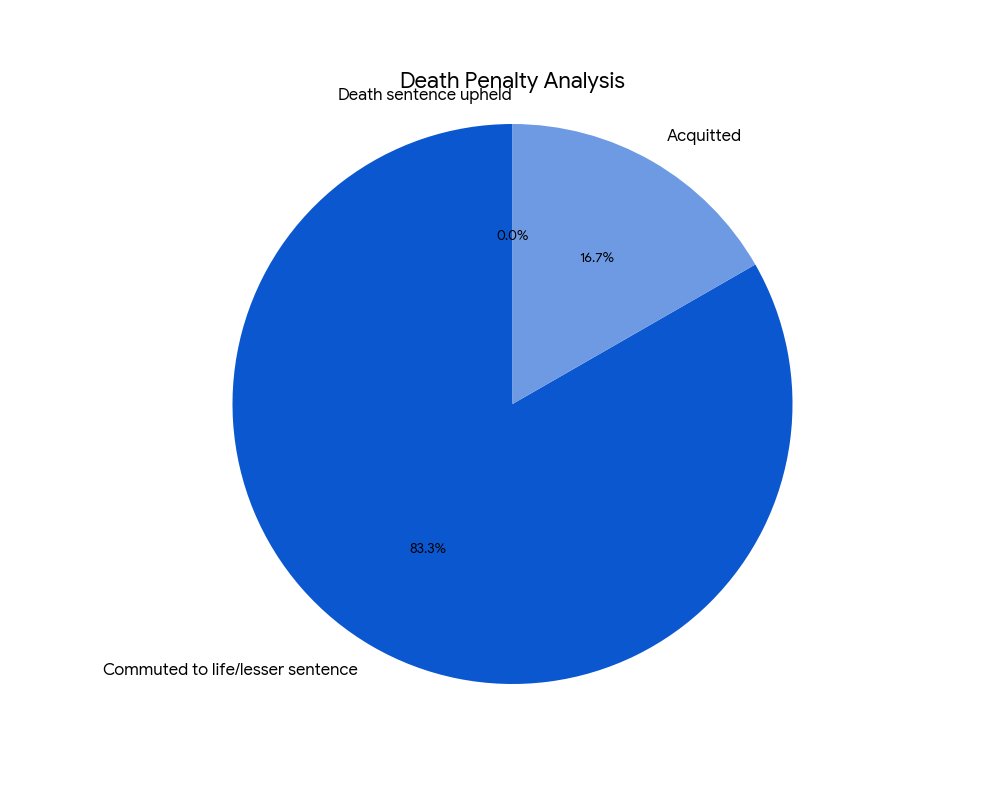
The analysis also provides insight into the application of the death penalty. Our dataset included 6 cases where a death sentence had been handed down. In 100% of these cases, the death sentence was either commuted to a lesser sentence or the defendant was acquitted.
Let's break down the crimes. All cases in the data were of Rape, in which 22% were related to murder. A specific subset of these cases involves allegations of rape under the guise of a "false promise of marriage." In our dataset, cases involving false pretext of marriage had a
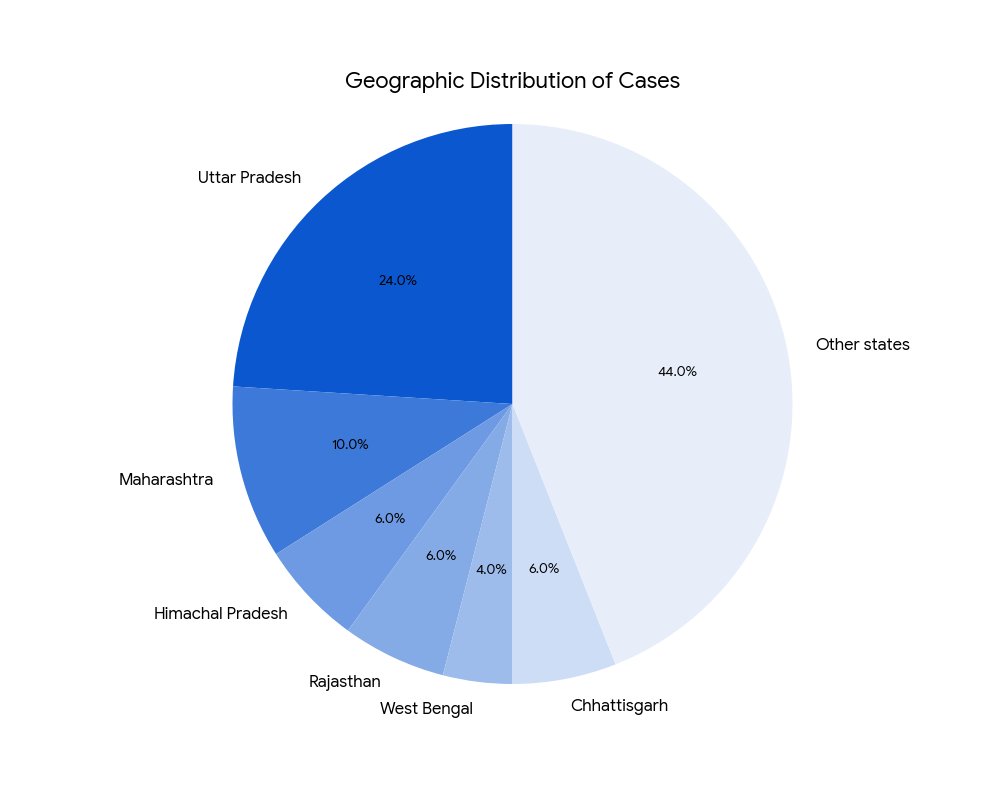
Another key finding is geographic disparity. Uttar Pradesh accounted for 24% of all cases, followed by Maharashtra (10%). The top 5 states collectively made up half the dataset. Why this disparity? It could be a higher crime rate, a more active appellate system, or even
The data on bail status is also revealing, though incomplete. Where data was available, bail was granted in 11 cases but denied in 4. The cases where custody duration was available, the average period was 8.9 years. The case of Chandrabhan Sudam Sanap vs The State Of Maharashtra
What are the main takeaways? Extreme Delays, High Reversal Rates, and Questionable Evidence Standards. These are not isolated issues but they are interconnected problems within the justice system. This analysis suggests the Supreme Court is bearing a heavy burden of correcting
This study took some time, but this was a good insight into the functioning of the system, and scope to improve them. Thanks to @akshay_lawlens and his amazing @Lawlens_IN for collecting the data. It has done a major chunk of the work, made things easier for me to analyse.
@DeadlyLaw @Lawlens_IN I'm afraid the fact that you've not mentioned even once examples of false rape cases being filed (extortion, misplaced anger, jealousy etc) - despite there being very strong observations made by the Courts on the very same issue - points out to an ingrained bias in your analysis.
@mynation_mumbai @Lawlens_IN Please I request, keep this biased this biased that away from my feed. This is an objective analysis of Data. I had to write short so I did not write what I could not quantify. Have discussed false FIRs many many times. This post is the latest one https://x.com/DeadlyLaw/status...
@DeadlyLaw @Lawlens_IN what pains me is the 17% conviction rate and the 100% commutal rate. Appeal always favours the defendant
@AltafBhutia @Lawlens_IN I see sir you are a prosecution officer. How has your experience been with the court if I may ask ? In your practice, have you encountered this issue of trial judges being unreasonably harsh with the prosecution?
@DeadlyLaw @Lawlens_IN Now do this for sc st act
@DeadlyLaw @Lawlens_IN Kindly also do an analysis for false rape cases filed in this period It will be a staggering number
@DeadlyLaw @Lawlens_IN Great