
Zebras don’t get ulcers. Zebras don't get strokes. Zebras don’t get cancer. Despite facing death daily, wild animals recover from stress instantly. Humans? We worry for years and get chronic disease. Here’s why stress is destroying your health—and how to break free:

When stressed, your body releases hormones (adrenaline and cortisol) which help: • Convert glycogen to glucose (blood sugar) • Accelerate heart rate and oxygen intake • Increase alertness and focus This gives you more energy, sharper reactions, and more muscle strength.
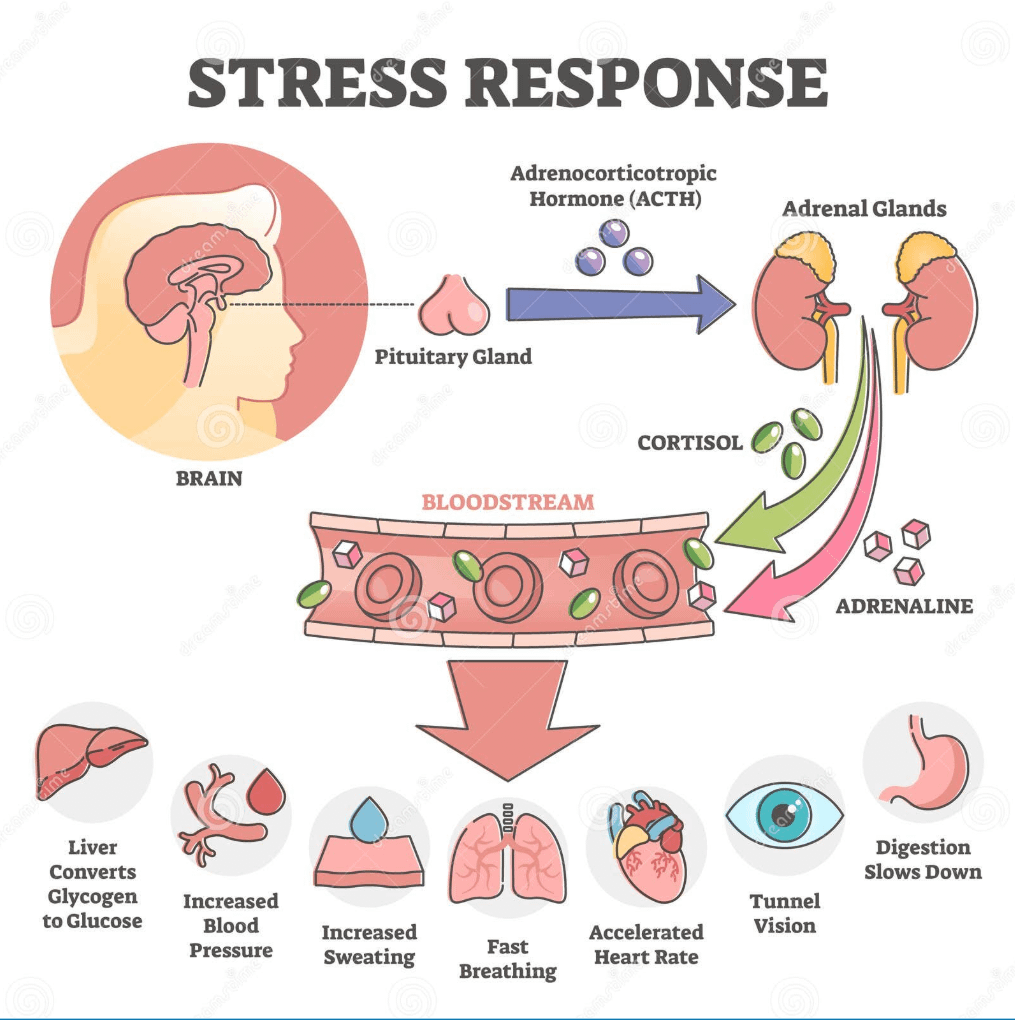
Realize this: Your body’s stress response isn’t the enemy — it evolved to help you survive. Get stressed → Enter “fight or flight” mode → Get extra energy → Get out of danger → Relax. At least that’s how it’s supposed to be…
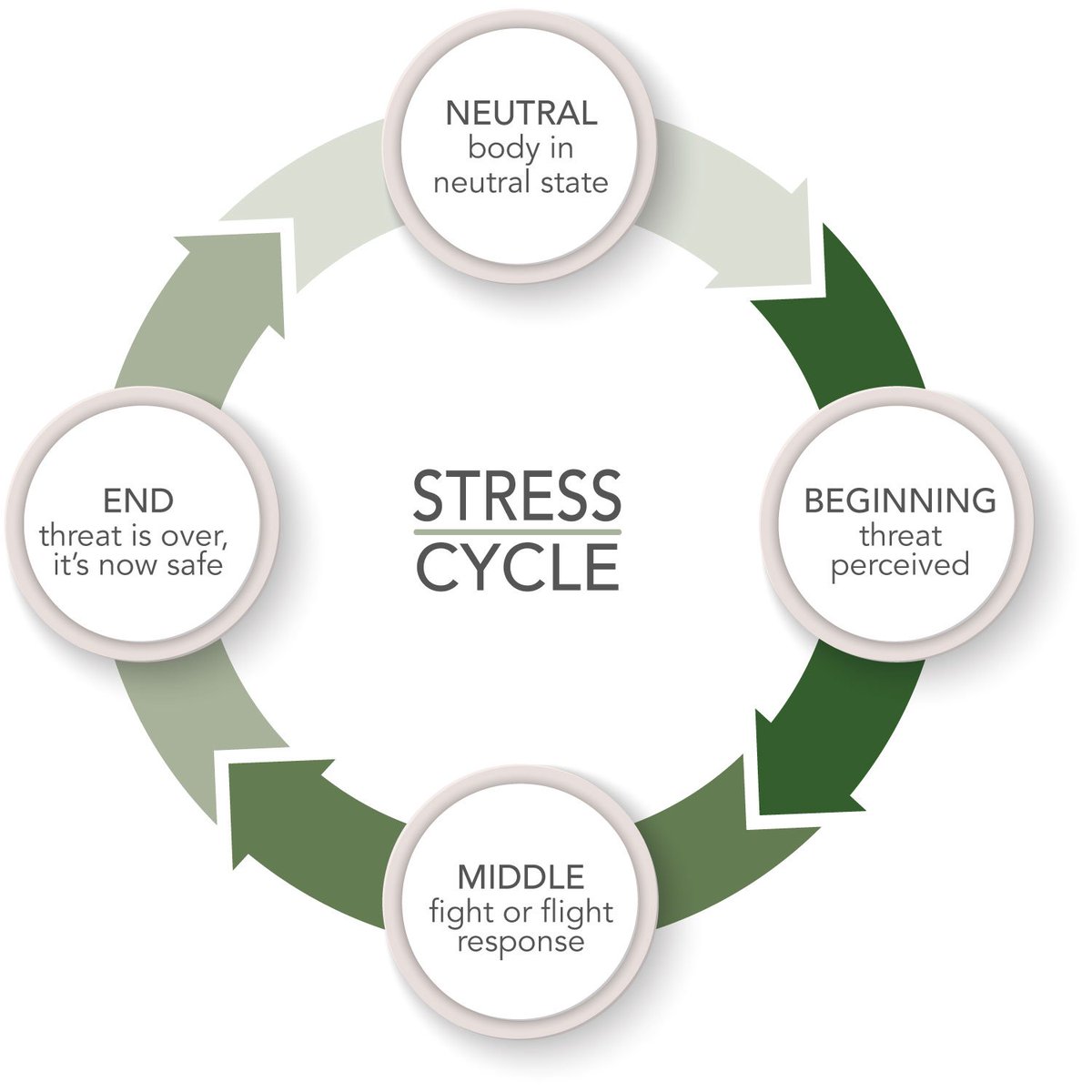
Here's the problem: Biologically, your body doesn’t know the difference between real (physiological) and imagined (psychological) threat. Worrying about your career, relationships, or political situation has the same effect on your body as being chased by a lion.
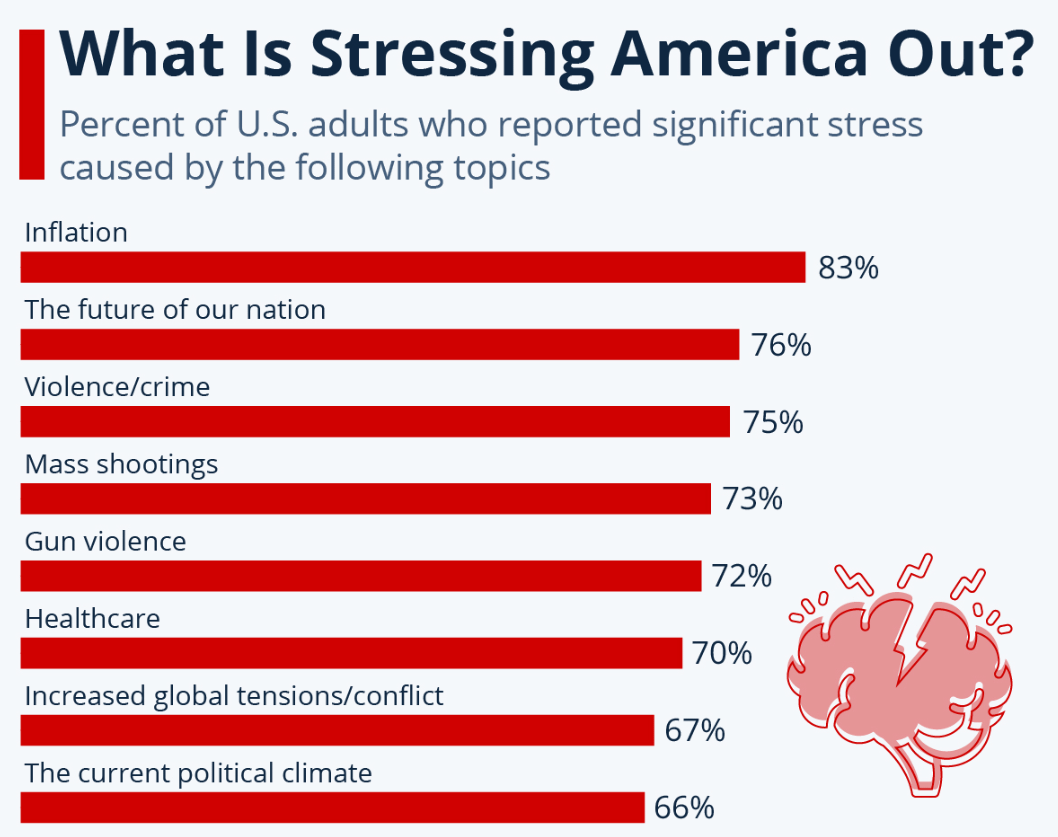
A U.S. survey showed that: • 83% of workers feel work-related stress • Stress increases risk of 75%–90% of diseases • 76% of adults suffer stress-related health issues As you can see, most worries come from predicting the future, not from the present. And that's the issue...
Wild animals face "Acute Stress" – either way, the situation is over in a few minutes. On the other hand, humans worry about work, money and relationships for weeks, months, or even years...

When you’re chronically stressed, the switch never goes off: • Low energy • Inflammation • Mood swings • High cholesterol • Digestive issues • Elevated heart rate • Hormonal imbalance The same mechanism that evolved to save you starts slowly killing you.
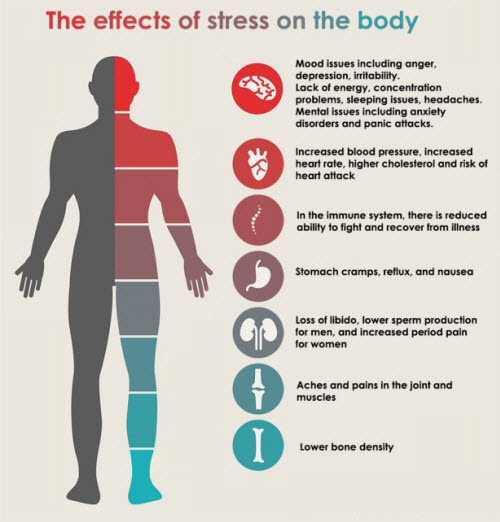
Dr. Robert Sapolsky’s research showed that chronic stress leads to: • Ulcers • Cancer • Strokes • Diabetes • Infertility • Insomnia • Depression • Alzheimer's If stress was classified as a disease, it would be the #1 killer in the world.
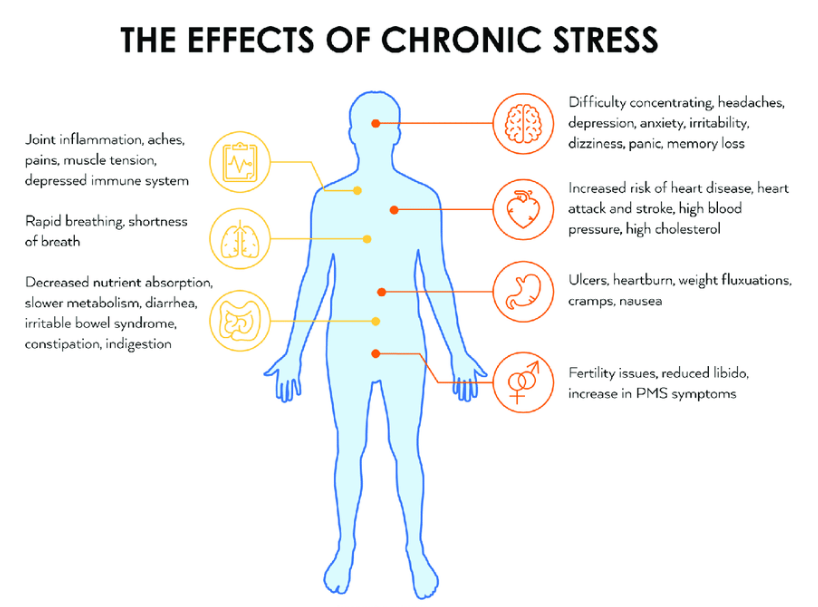
So, how do you avoid the chronic stress cycle? Sapolsky’s research uncovered 3 key factors in stress prevention: 👇
1/ Movement When you're stressed, physical activity serves as an outlet, lowering the stress response. More importantly, regular movement improves your mood, sleep, and cardiovascular health – all crucial factors for chronic stress prevention.
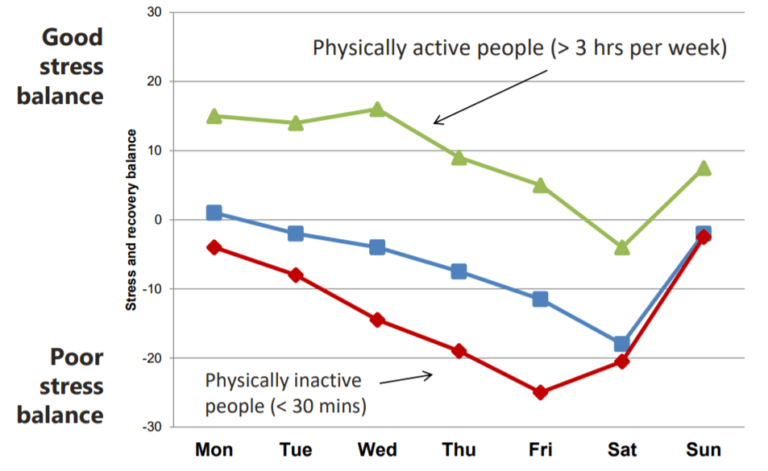
2/ Sense of Control The worst part about stressor is the unpredictability. Once we're ready for it, the stress response gets weakened and more manageable.
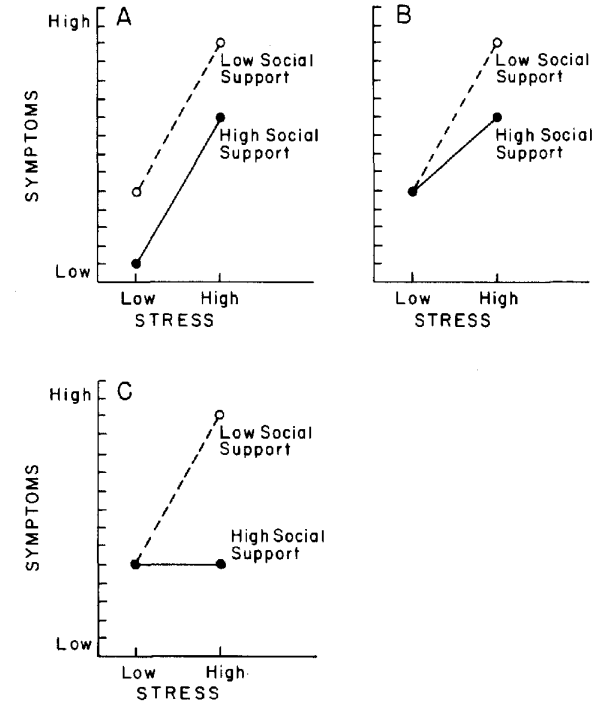
3/ Social Support Repeatedly, studies show a positive correlation between social support (family, friends, communities) and the level of experienced stress.
Zebra’s don’t get ulcers, because they turn their stress response off after a few minutes. Humans suffer because they stress for months or years, overthinking the past and worrying about the future. But you can break the chronic stress cycle, even if it's been there for years.
In last 25 years, I’ve helped 1000+ clients beat stress, even if nothing else worked for them. We achieved this by: 1) Facing the reality, instead of running from it 2) Learning to listen to your body and emotions 3) Building a lifestyle that permanently keeps stress at bay

If you want proven system to develop stress immunity: • Without taking any pills • Without meditating for 1 hour a day • Without resolving to any "quick fix" solutions Then click the link below to learn more👇 https://www.matthewlabosco.com...
And that’s it! Thank you for your time and attention. If this helped: 1) Follow @matthew_labosco for more educational content. 2) Repost this thread to help more people see it:
@matthew_labosco Zebras get cancer you absolute nimrod.
@froggiefarm While it's not impossible (only rare) for Zebras to get cancer, they won't get it from chronic stress – unlike humans, which was the main point of this thread.
@matthew_labosco Because zebras are eaten before any of those things happen.
@DarrylH628789 Of course. But if they escape, they instantly turn the stress response off. On the other hand, humans often stay in chronic stress cycle for months or years.
@matthew_labosco What do you think about breath work, does it work?
@Rosesherexx It does, but it's mostly a surface-level fix. Use it to get out of fight-or-flight mode, so that you can think clearly and solve the root cause.
@matthew_labosco @grok is this true
@matthew_labosco @grok Is that a logical comparison? I mean it like saying sloths are slow. Sloth sleep well. Sloth are cute. Despite chilling all day humans are not like sloths.
@matthew_labosco Zebras to my knowledge also do not take mRNA vaccines
@matthew_labosco You know what animals DO get the same weird diseases as humans? Our housepets, bc they live in same artificial environment thats killing us. For eg not grounded touching bare earth like all other animals, indoors with LED lighting lacking full spectra UV/visible/infared, EMF from
@matthew_labosco I'd like to see the data on zebras kept in zoos. Horses do get ulcers. I lost a top mare to a perforated ulcer. She had NONE of the classic risk factors as she was kept in a large grassy pasture with a pond to swim, shelter & longtime companions. A divorce led to my ex taking her
@matthew_labosco Because we replay threats in our minds long after they’re gone, our bodies never get the signal to stand down.
@matthew_labosco @grok Can you check I feel like there is something fishy about this analogy. What human fallacy is at play?
@matthew_labosco The zebra analogy is a useful metaphor for understanding chronic stress in humans, though it oversimplifies animal biology. While wild animals can experience illness, their acute stress responses contrast with humans’ chronic rumination. The lesson lies in adopting
@matthew_labosco There are benefits to not having a sizable prefrontal cortex. A lack of stress for those who can't really be stressed to the same degree is not a talent or skill, but a biologically based limitation--not all limitations are disadvantageous.
@matthew_labosco Love this book ❤️
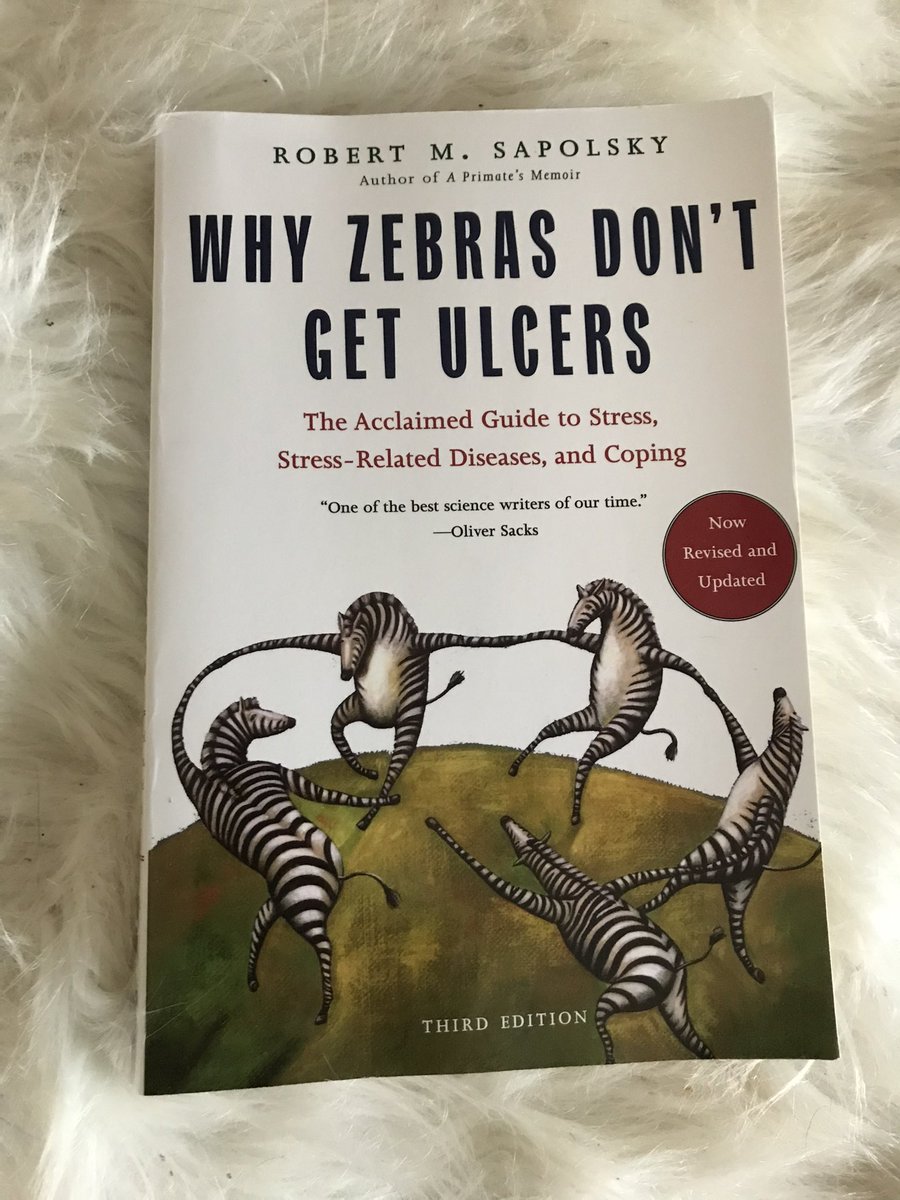
@matthew_labosco Great read.
@matthew_labosco Accepted !
@matthew_labosco @AlexThinkBright Because they get eaten by lions before they can get any of these things
@matthew_labosco They don't get ulcers because they are stupid and don't realise how much danger they're in, meaning their survival strategies are sub-optimal. The lions love how unstressed they are.
@matthew_labosco That’s just because they get eaten before developing this