
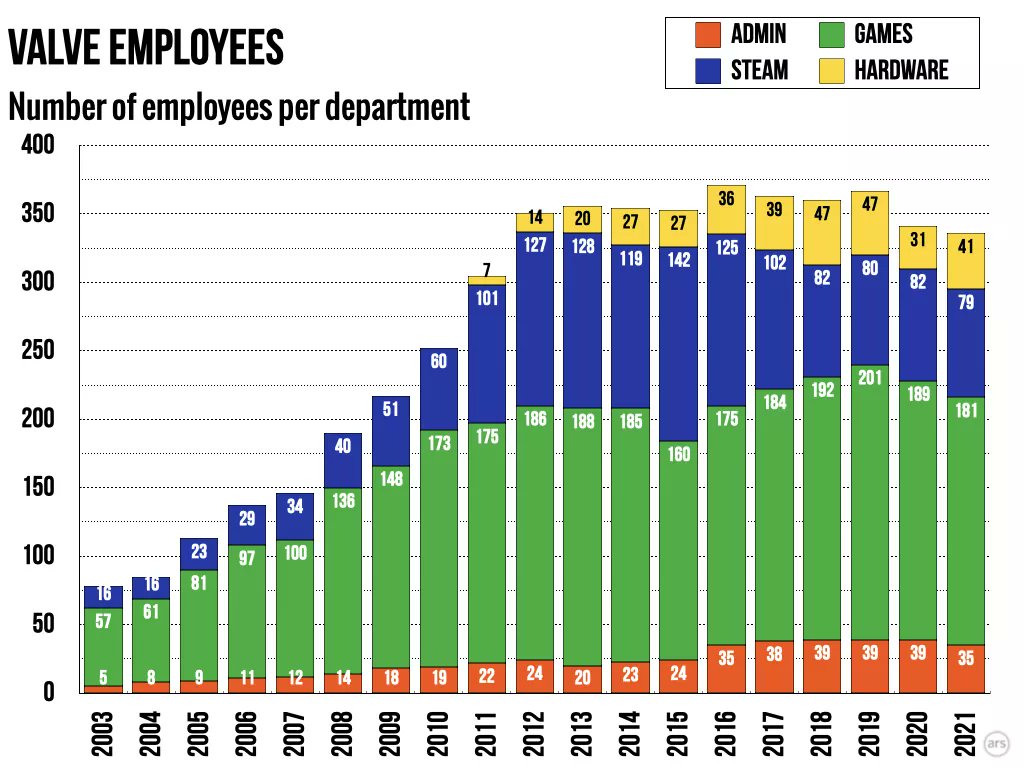
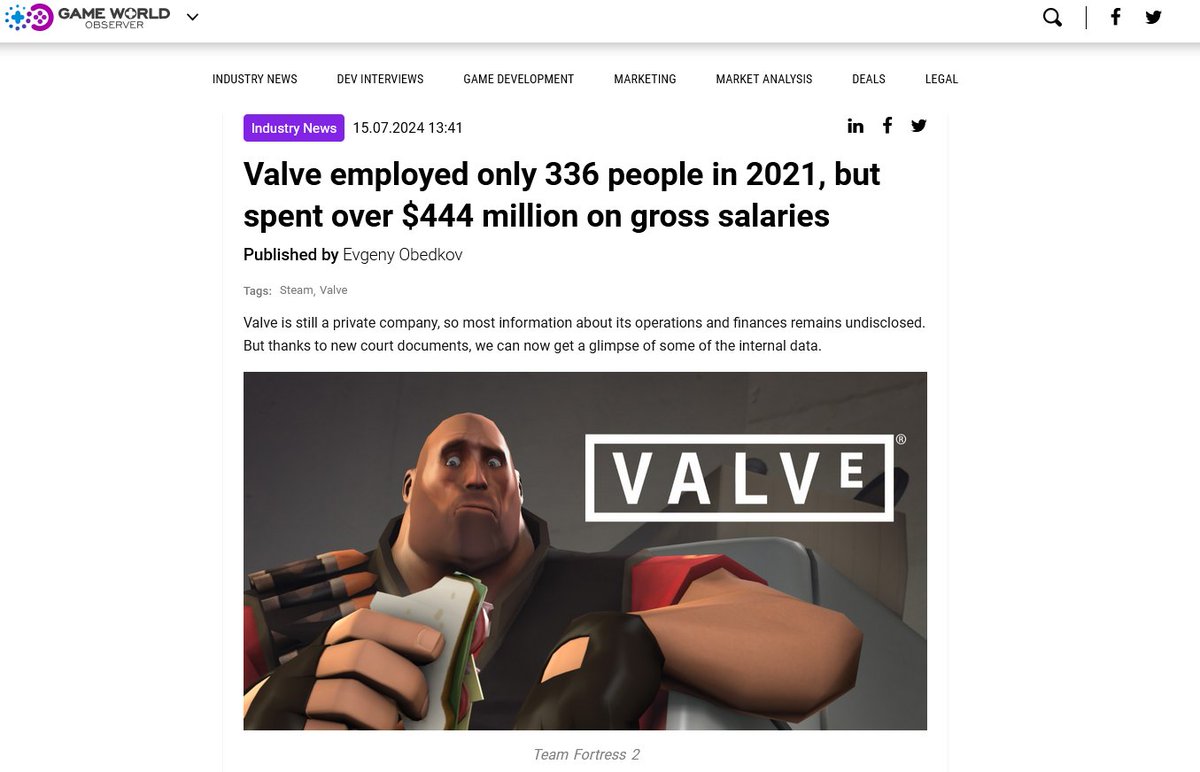
In 2021, leaked court documents revealed Valve employees make $1.3M a year. But they don't have any bosses, managers or a chain of command. Yet 336 employees generate $5 Billion a year while setting their own salaries. How they do it is insane: 🧵
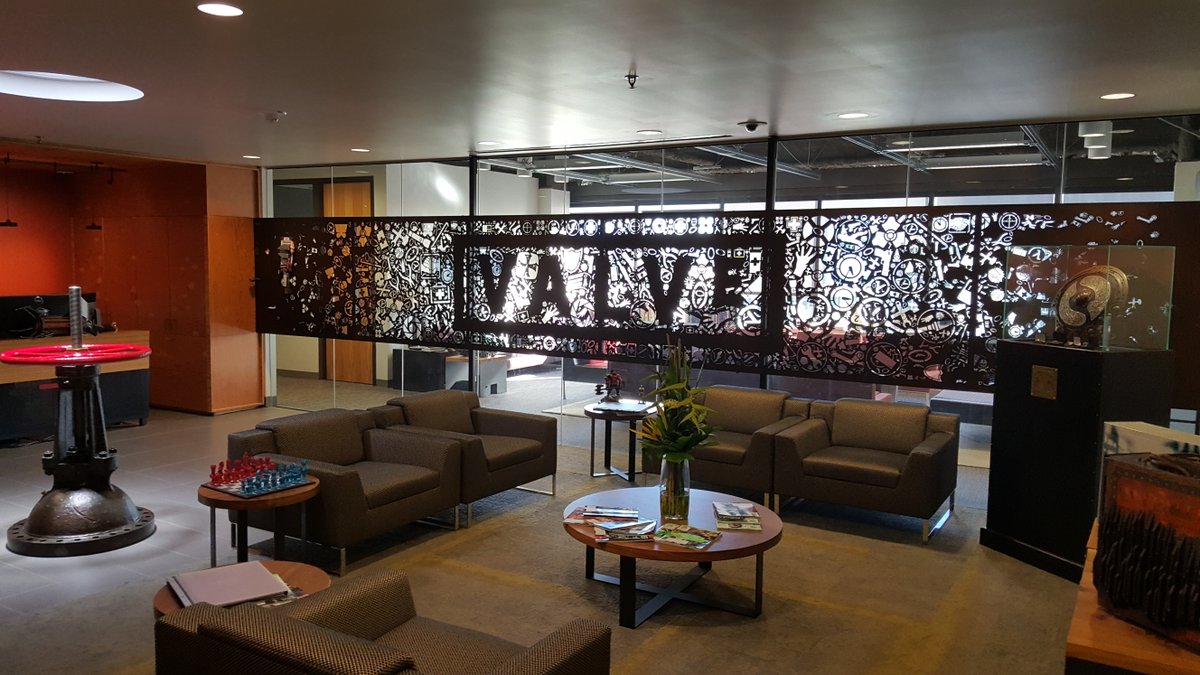
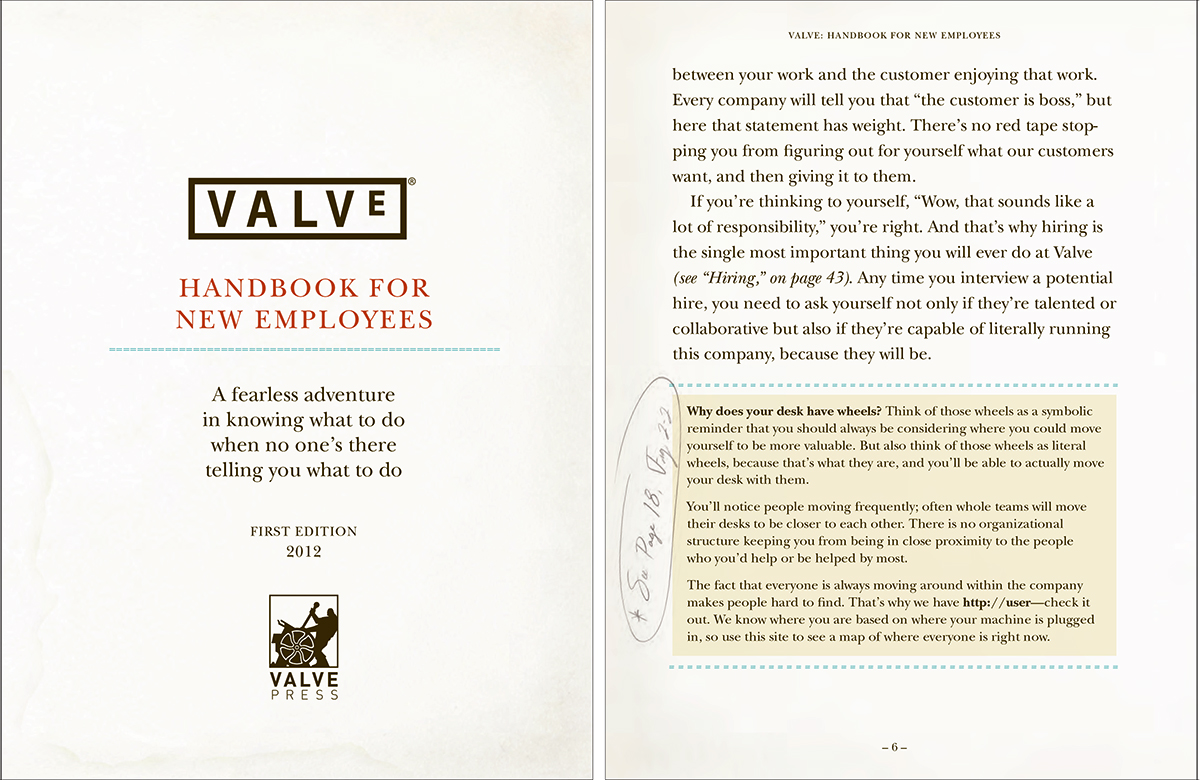
In 2012, Valve's employee handbook leaked online. A 56 page document revealed their philosophy ignored everything about modern business management. Co-founder Gabe Newell implemented this after 13 years at Microsoft convinced him bureaucracy kills creativity.
With just 336 employees, Valve generates more revenue per person than Google, Amazon, or Microsoft. Their 2021 leaked financials showed: • Admin staff: $4.5M average salary • Game developers: $1M average salary • Total revenue: $6.5 billion How is this possible?
Their secret is Steam. Their gaming platform runs almost entirely automated, printing money 24/7 with minimal human intervention. This financial independence lets them run an experiment with complete organizational anarchy.

No one tells new employees at Valve what to do at all. The handbook literally says: "decide what to work on... this is the hardest part." If you want help with your project, you must convince others. There's no approval process needed and developers can ship when ready.

It might sound great for the employees, but there's a catch. Ex-employee Jeri Ellsworth called it like high school with "popular kids who acquired power." Without official bosses, unofficial ones emerged. They're called barons and they control everything.
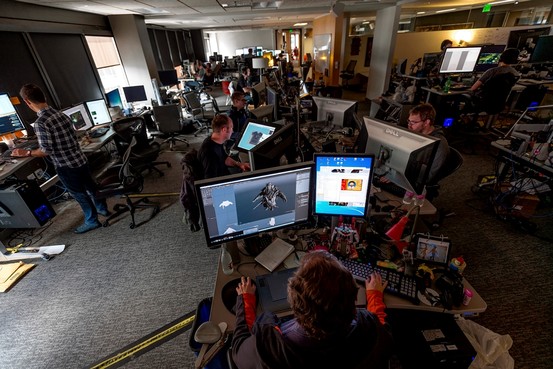
In the baron system, lower employees pledge loyalty to the veterans. These veterans guarantee good peer reviews. In return, you work on their projects. One employee said: "You opt out of this at your peril."
Average game developer salaries are $1.3M based on peer reviews and stack ranking, where employees rate each other. Your bonus can be 5-10x your base salary with no upper limit. But if the barons don't like you, you're finished.
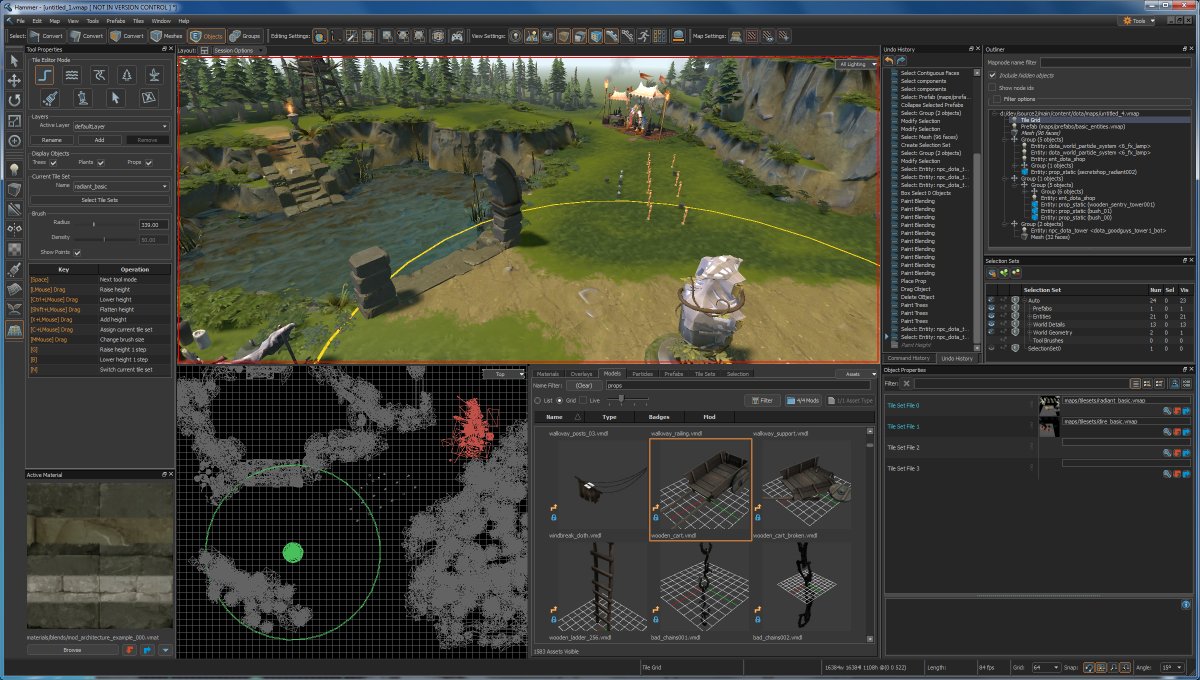
With this system, innovation from employees completely died out. Why would they risk working on Half-Life 3 when contributing to Dota 2 guarantees a million-dollar bonus? Projects can wander for 5+ years without shipping because no one has the authority to say stop.
This has created some notable disasters: • Half-Life 3: Never released • Team Fortress 2: Left to die • Left 4 Dead 3: Cancelled Countless projects never saw daylight.
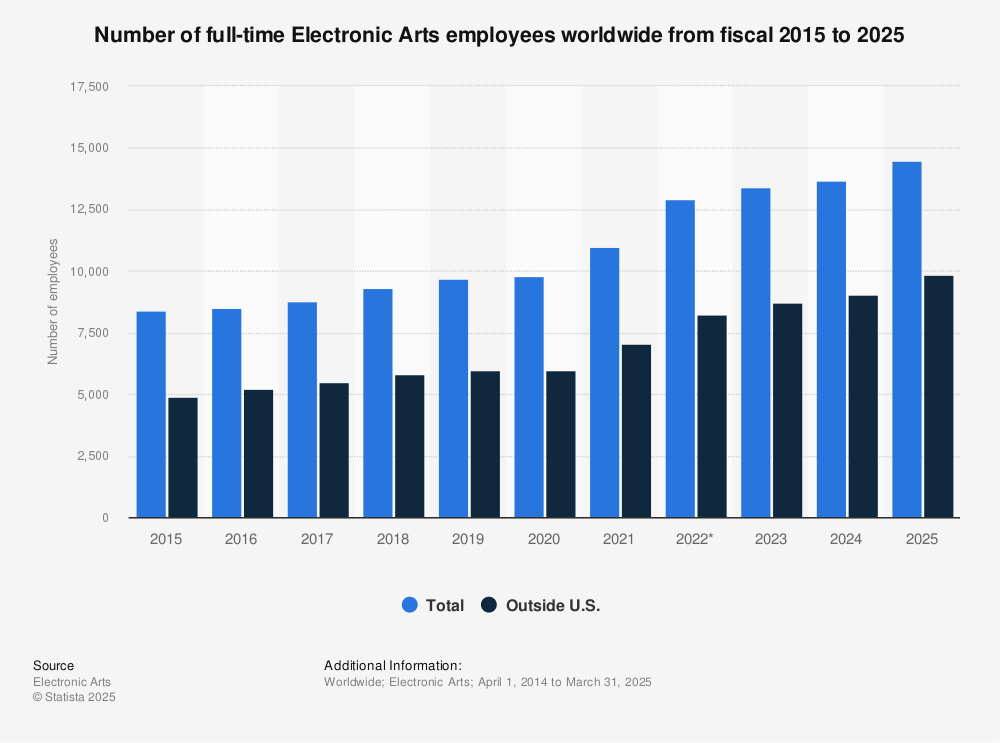
Between 2020-2022: Valve (336 employees): 2 games released EA (13,700 employees): 12+ major releases Ubisoft (19,000 employees): 15+ major releases Valve makes the same revenue as EA with 2% of the staff, but they barely ship products.
After the colossal failure of Artifact in 2018, everything changed. The "work on whatever you want" rule was now gone. Projects need approval from higher ups, the very managers the employee handbook claimed didn't exist.

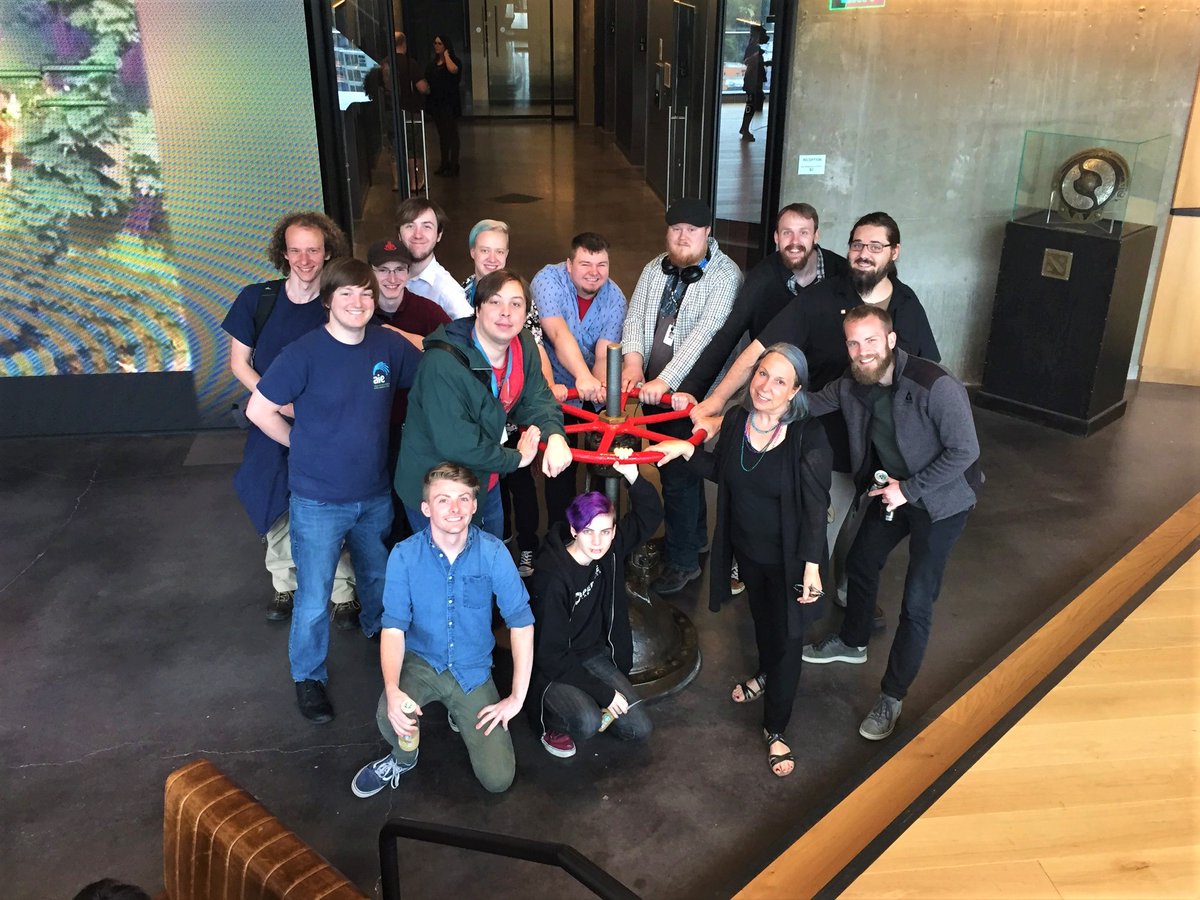
A company committed to eliminating hierarchy accidentally created a more rigid one. While Valve saw mixed results, they succeeded in attracting and retaining a small team of elite talent.
That's why Athena helps ambitious founders/CEOs gain back their time while scaling their company. Delegation is the scaling law of entrepreneurship. If you don't understand it early, you'll find it incredibly hard to scale your business. https://www.athena.com/?utm_so...
If you found this thread valuable: 1. Follow me @chr1stopherHo for more threads on entrepreneurship and delegation. 2. RT the linked tweet to spread the word.
@Chr1stopherHo Humans are fascinating - cool post
@Chr1stopherHo Wow - that IS insane.
@Chr1stopherHo basically valve figured out what everyone pretends open offices do but actually works because they removed all the people who would ruin it
@Chr1stopherHo Are they hiring?