
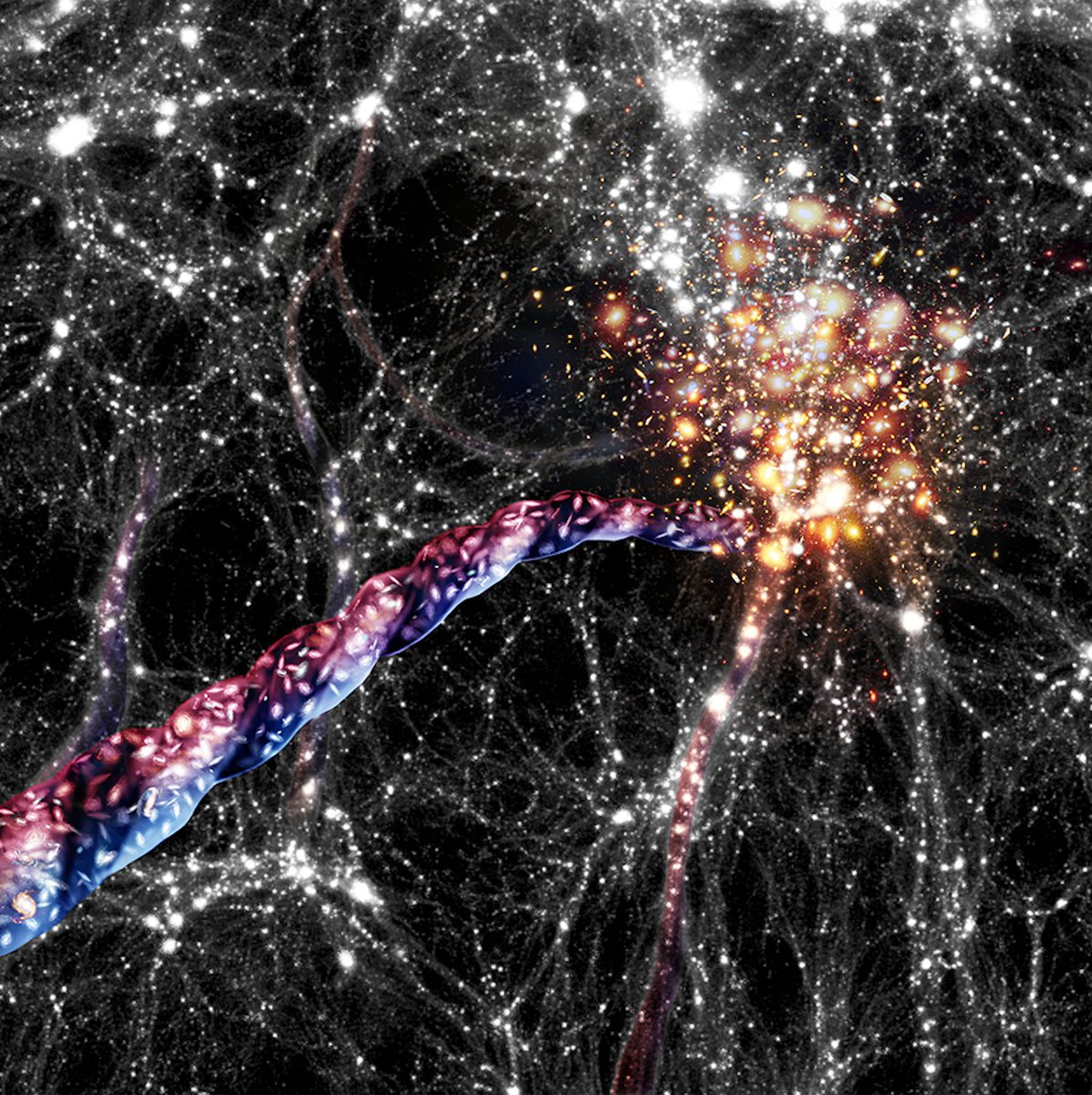
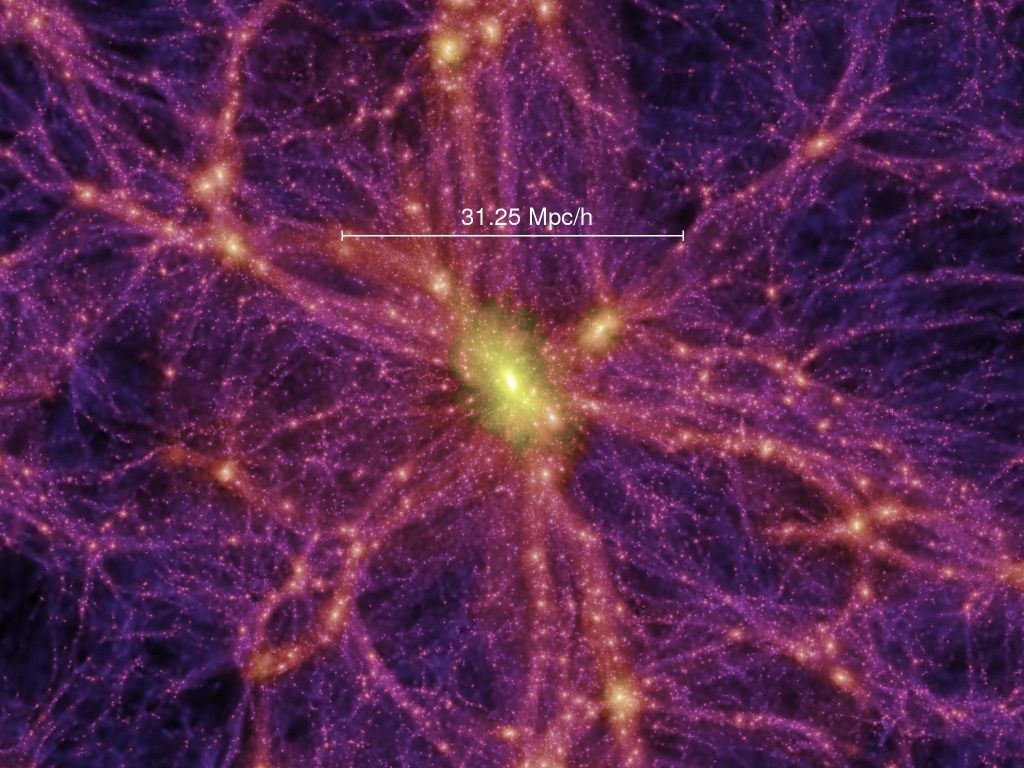
Gravitational collapse along one axis = star-forming accretion discs, planetary rings, disc galaxies. Gravitational collapse along two axis = filaments, strands of cosmic web, galactic spiral arms. Gravitational collapse along three axis = knots in the web, node, intersections.
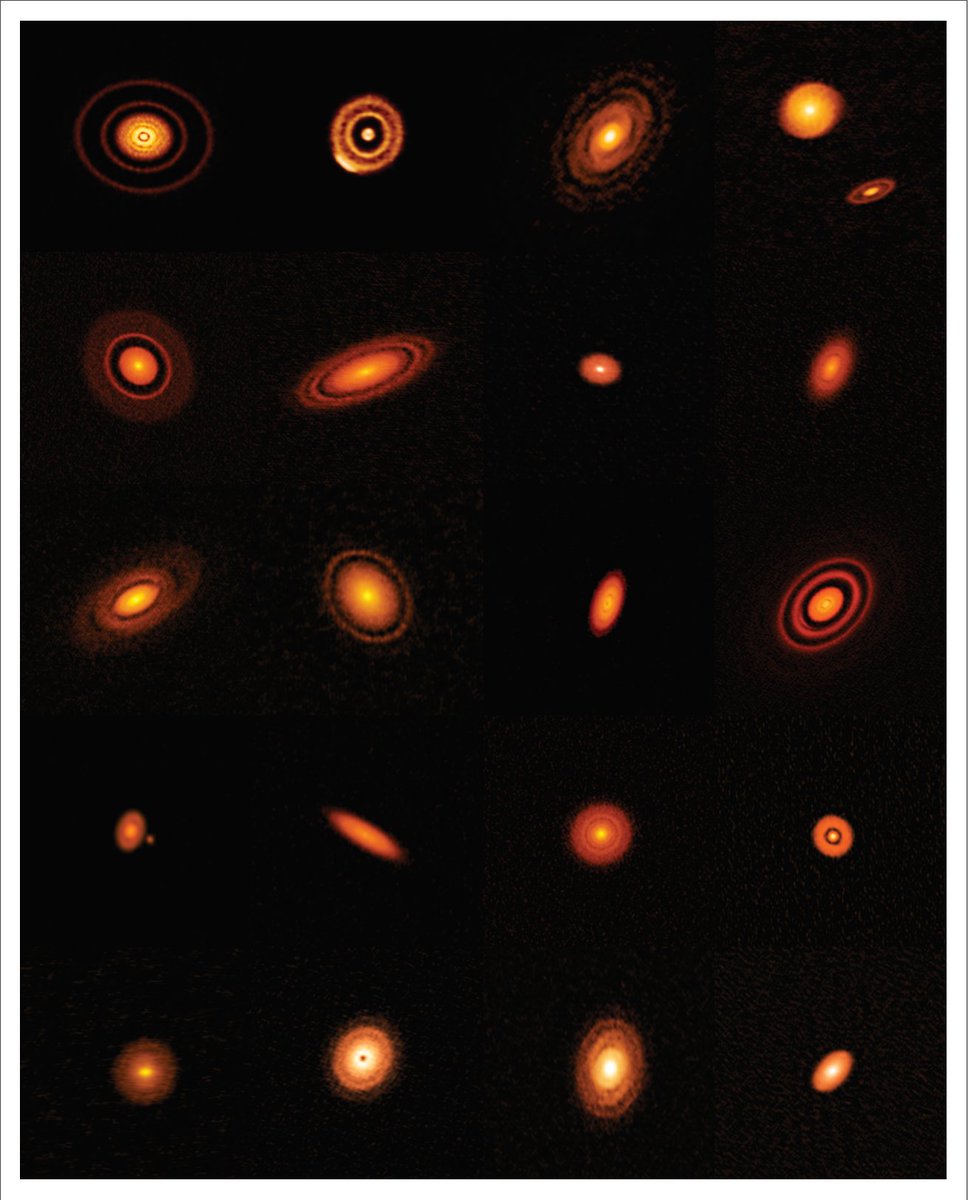
The first axis of gravitational collapse forms a disc of gas and dust, rotating around the center of gravity, matter slowly clumps into proto stars and proto planets that collect remaining gas, possibly colliding and combining in the process.
Now larger, planets orbit around the collected mass in the center, be it one or several surviving stars. Remaining dust forms planetary rings, collisions form moons, other moons are captured, condensed forms from the disc of matter, or condensed from the planetary rings later.
Conservation of angular momentum prevents a system from collapsing fully, allowing planets to safely orbit a center of mass. The system travels through spacetime, along its natural curvature. Occasionally they are redirected or accelerated by another mass or system passing by.
This takes place within a galaxy. A galaxy forms because of the first axis of gravitational collapse as well. A disc of gas and dust forms around a central mass which usually becomes a black hole. Regions of gravitational collapse along the second axis form.
Collapse along the second axis forms galactic spiral arms. It's also responsible for the filaments we call "cosmic web". These filaments are line-like regions of spacetime along which the galaxies flow as they orbit, towards intersections in the web where multiple lines converge.
These nodes are the product of gravitational collapse along the third axis. These are the points where lines are drawn to. Galaxies are funneled along these lines to be fed to extremely massive black holes as they dance around the center of mass. The point where the lines merge.
Black holes trap light because they bend space to a point where light can no longer travel in a straight line fast enough to escape. Within the event horizon, time continues to tick. At the singularity however, time appears to stop. This is where the arrow of time is redirected.
Traveling in a new direction, time results in an offspring universe, a new big bang, a white hole. Time only stopped at the singularity from a perspective of an observer traveling in that direction of time. Imagine the singularity as a second event horizon. One space, one time.
Just as the galaxies flow along line formations to reach higher density points we call nodes, the center of a spiral galaxy acts as the point/node where the galactic arms/lines meet. Collected gas and dust flows to this dense node where new star system formation continues.
Galaxies flow along these lines to be consumed by the immense black holes that either dance around the node or violently occupy the point in spacetime like a gaping mouth, consuming spacetime itself along with immense structures. Within wells, new realities will have been woven.
Extrapolating the pattern backwards implies a higher dimensional bulk space that contains our universe would begin gravitational collapse with a spherical form in its first axis, then the disc, line, and point. The spherical formation may be our expanding universe.
We observe the formation of discs first in collapse, then lines are revealed as dust/gas (in galaxy arms) or other discs (in cosmic web) orbit them. Lines lead us to points of intersection. But the points determine the position of lines and the lines determine the shape of discs.
Discs truly include almost every star system. Whether you can see it or not, the rotation of the stars creates discs of dust and gas. It's why the planets orbit the sun as more of a flattened plane. They formed from the collapsing disc of gas and dust that formed our young sun.
But the truth is revealed to us in reverse. For a point's rotation determines its lines through angular momentum, revealing the disc to us first before density converges upon the now thickening lines, which lead back to the point.