
Slavery is bad, like war; but throughout history, it has been a global practice, interwoven with human nature, economic incentives, racial motives and profit over the suffering of the weak. So is it a “White” or European thing? Here's the answer..

Slavery and the slave trade predate modern notions of race or European dominance, existing across cultures for millennia. It was driven by economic demand, warfare, and power dynamics, not exclusive to any one group.
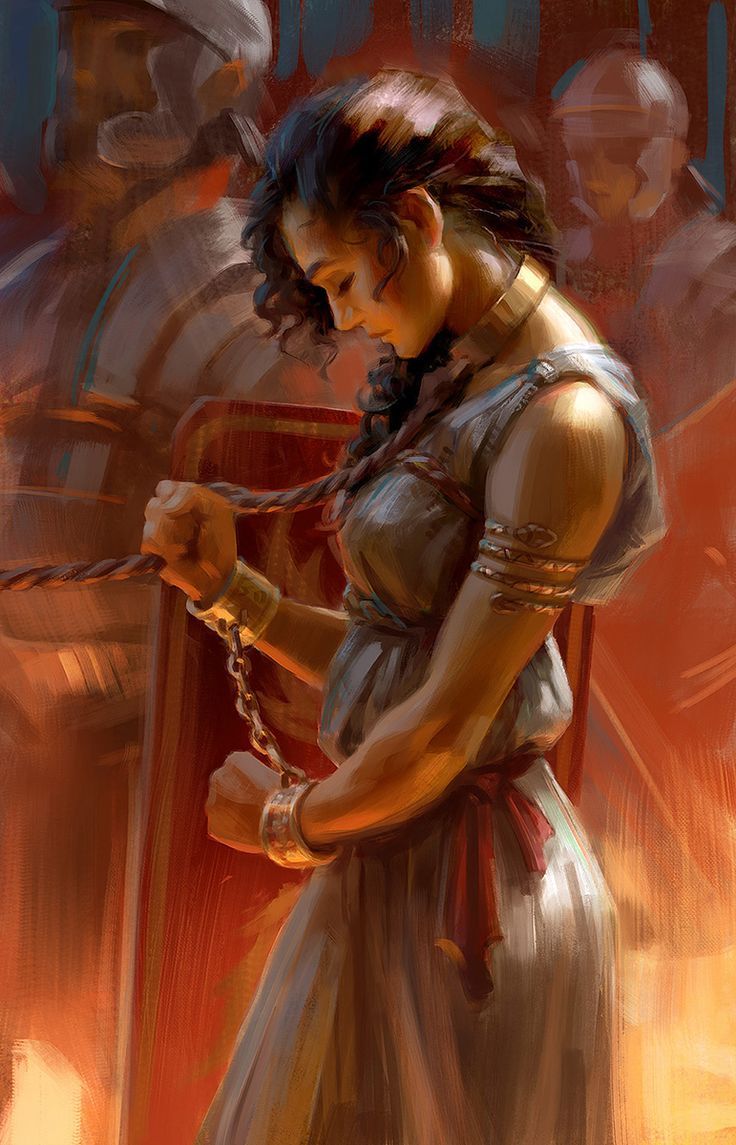
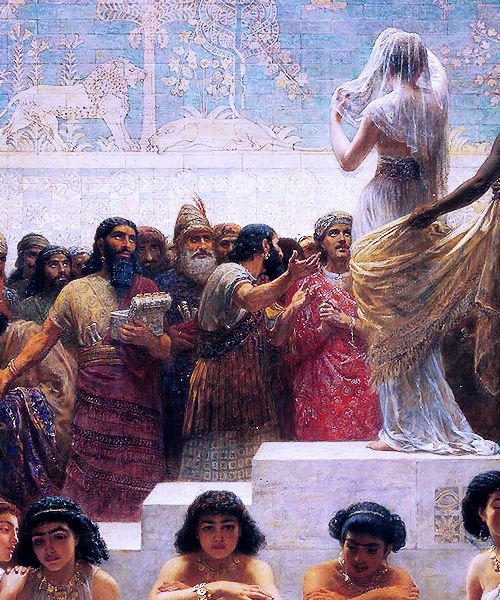
Mesopotamia, often called the "cradle of civilization," encompassed city-states and empires like Sumer, Akkad, Assyria, and Babylon in modern-day Iraq and surrounding areas. Slavery was a cornerstone of its social and economic systems. Most slaves were prisoners of war, taken
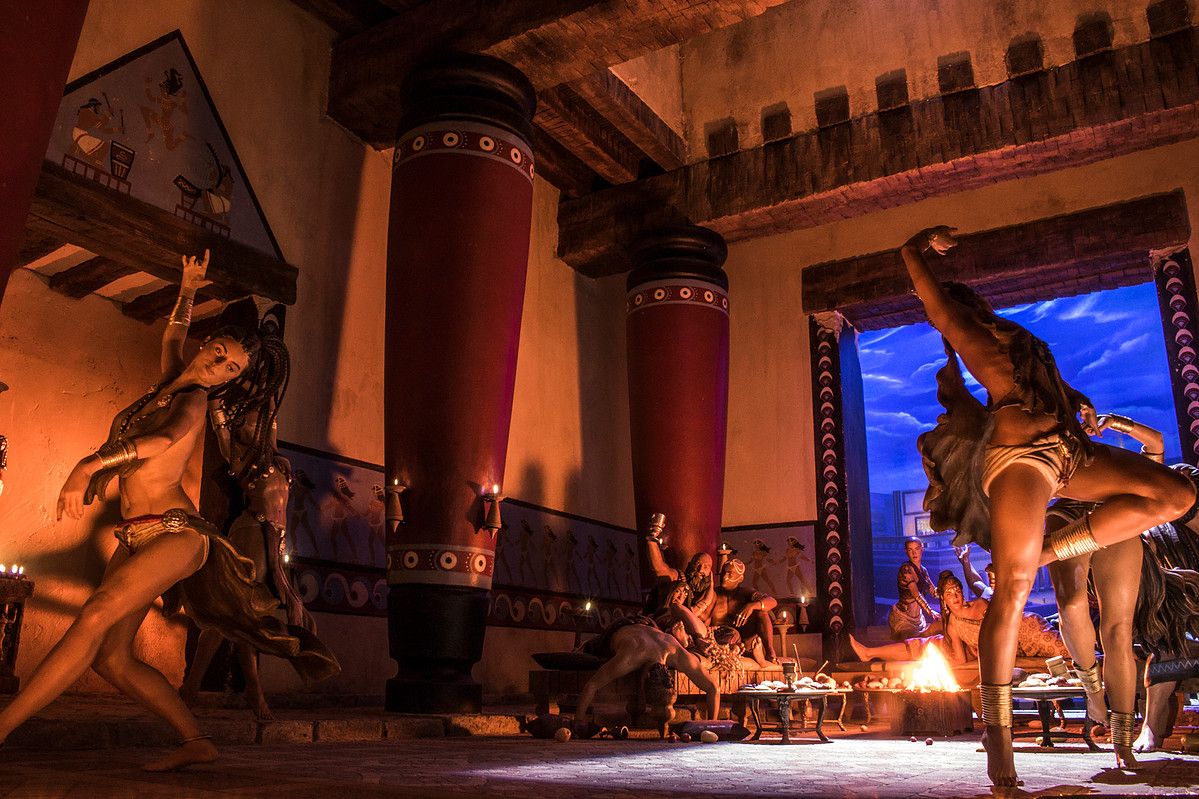
Individuals unable to pay debts could be enslaved, often temporarily, along with their families. This was common in Sumer and Babylon. Some slaves were convicted criminals or abandoned children sold into servitude. Slaves were traded within Mesopotamia and with neighboring
Slaves worked in agriculture, construction (e.g., ziggurats), and households. Elite slaves served in temples or palaces as scribes or administrators. The Code of Hammurabi (c. 1754 BC) regulated slavery, setting rules for manumission, punishment, and slave prices. For example,
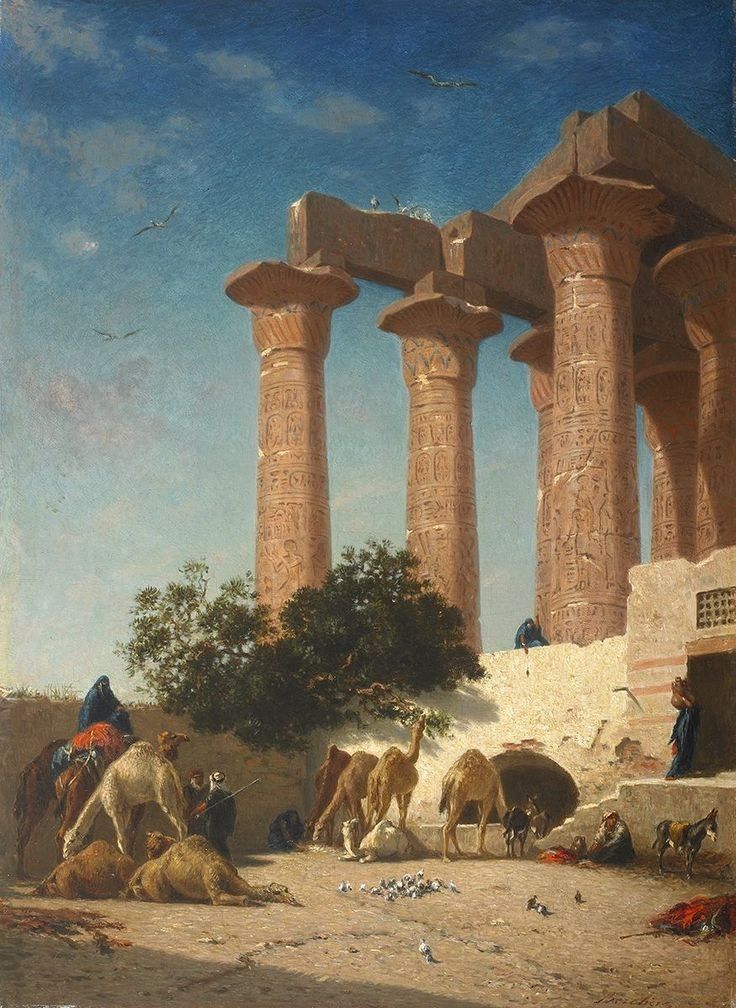
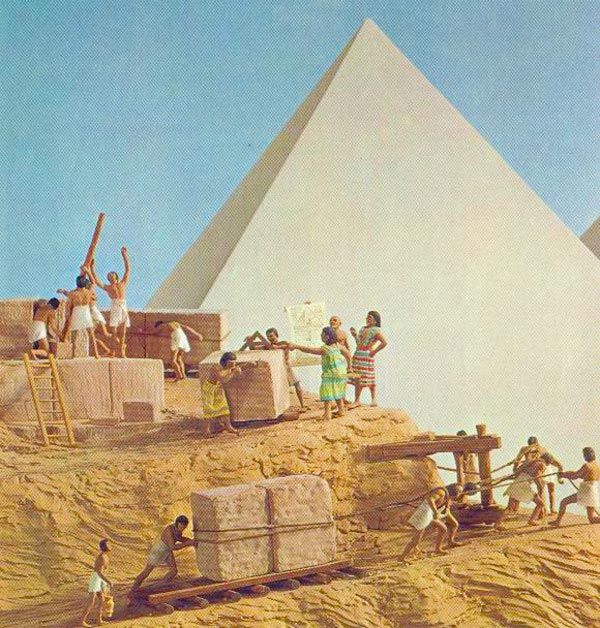
In ancient Egypt, slavery emerged as the Nile’s fertile banks birthed a civilization of monumental ambition. From the Old Kingdom’s pyramid builders to the New Kingdom’s imperial conquests, slaves were the muscle and sinew behind Egypt’s grandeur. Unlike the race-based chattel

The scale of slavery varied across periods. In the Old Kingdom, slaves were fewer, as corvée labor (forced work by free peasants) built pyramids like Giza’s. By the New Kingdom, imperial expansion swelled slave numbers, with estimates suggesting 10–20% of Egypt’s population
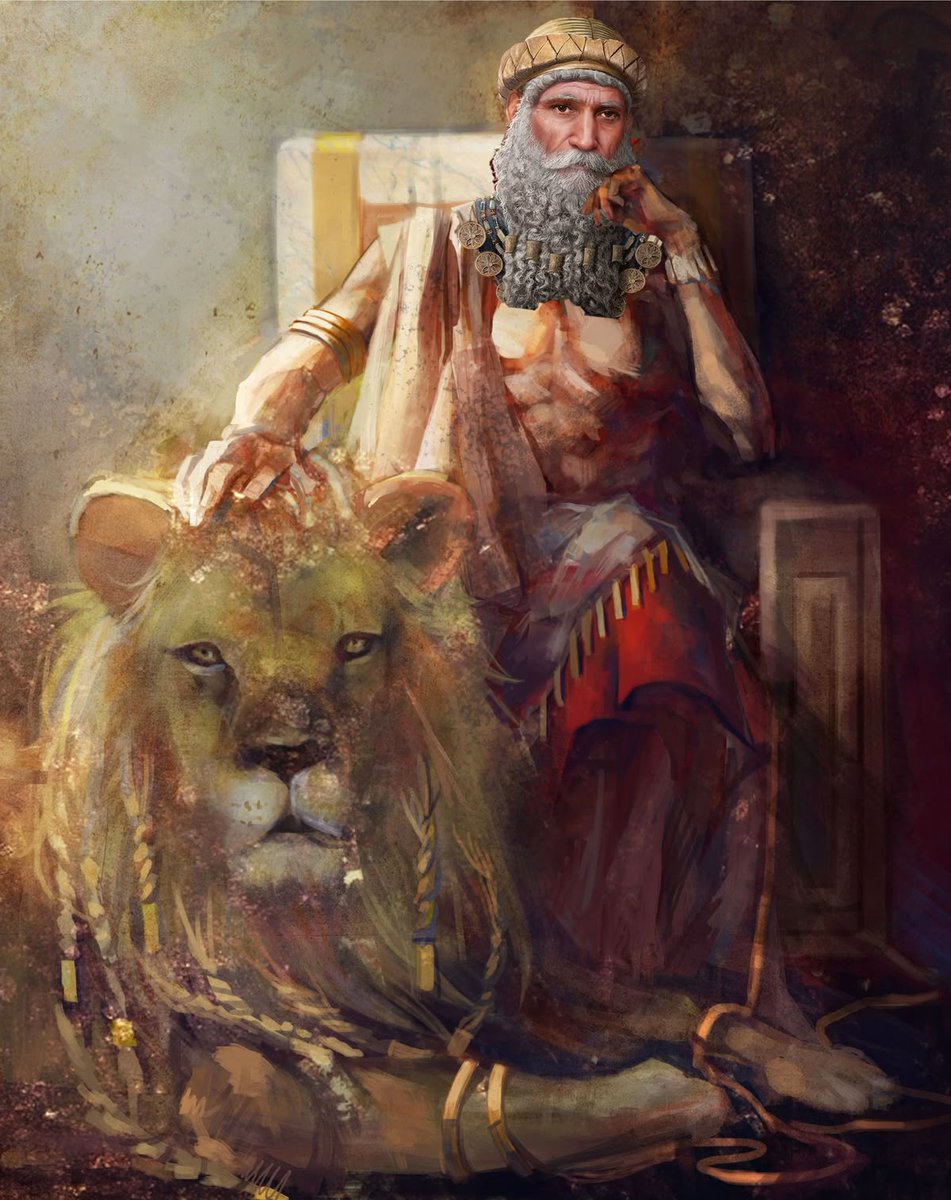
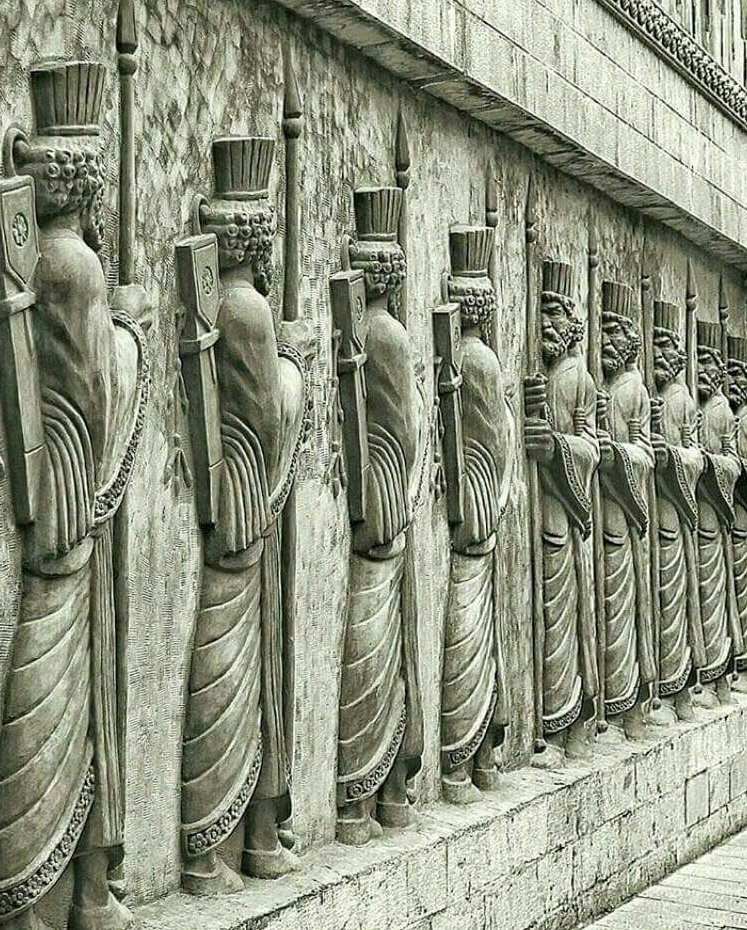
Slavery in Persia was deeply embedded in its social, economic, and military structures across its major empires. It was driven by conquest, trade, and economic needs, with slaves drawn from diverse regions and ethnicities, reflecting Persia’s vast imperial reach. Persia’s
Military campaigns, such as Achaemenid conquests of Babylon or Greece, supplied large numbers of slaves. For example, after defeating the Ionian Revolt (499–493 BC), Persians enslaved many Greeks. Conquered regions paid tribute in slaves, and trade routes (e.g., Silk Road)
Ancient Greece, particularly city-states like Athens and Sparta, relied heavily on slavery, especially during the Classical period (5th–4th centuries BC). Greek slavery was diverse and integral to the economy and culture. Captives from wars (e.g., against Persians or rival
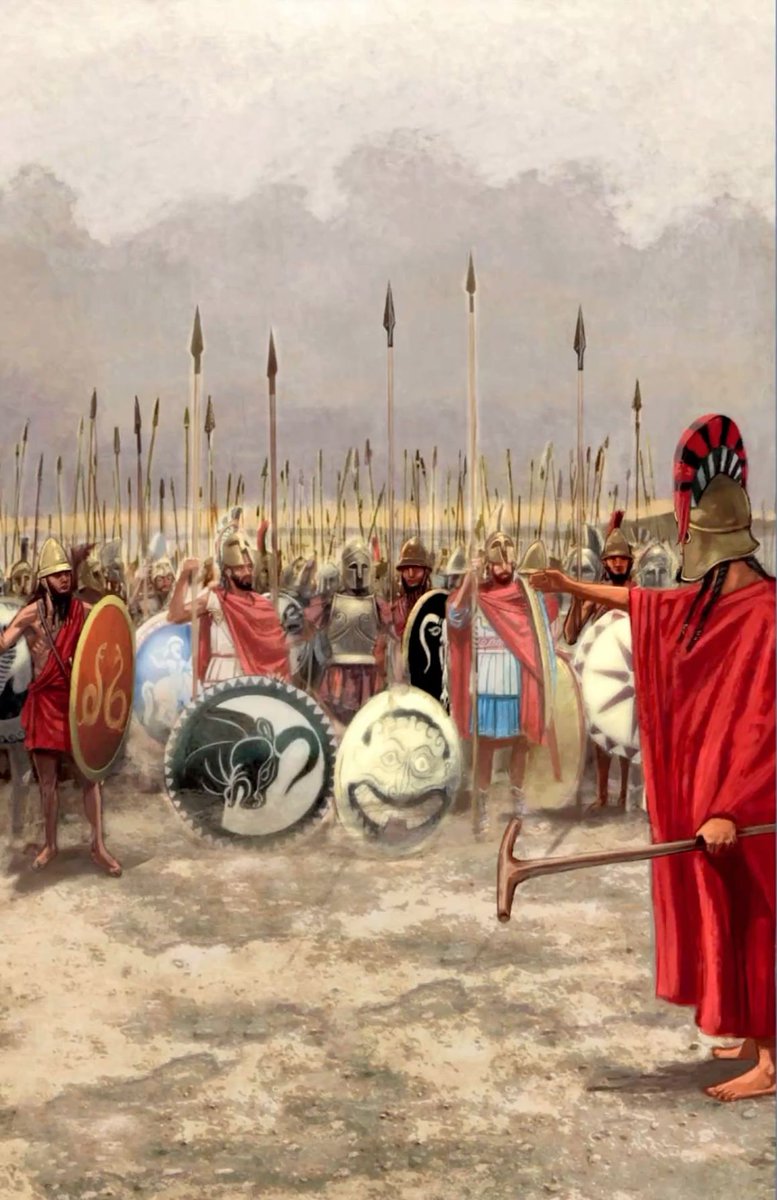
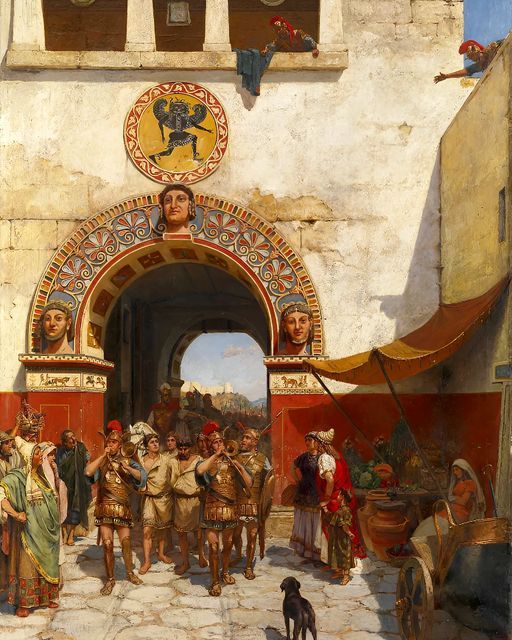
Slaves worked in agriculture, mining (e.g., Laurion silver mines), households, and as tutors or artisans. In Athens, public slaves (demosioi) served as clerks or police. Sparta’s helots, a unique enslaved class, were state-owned serfs tied to land, often Messenians subjugated
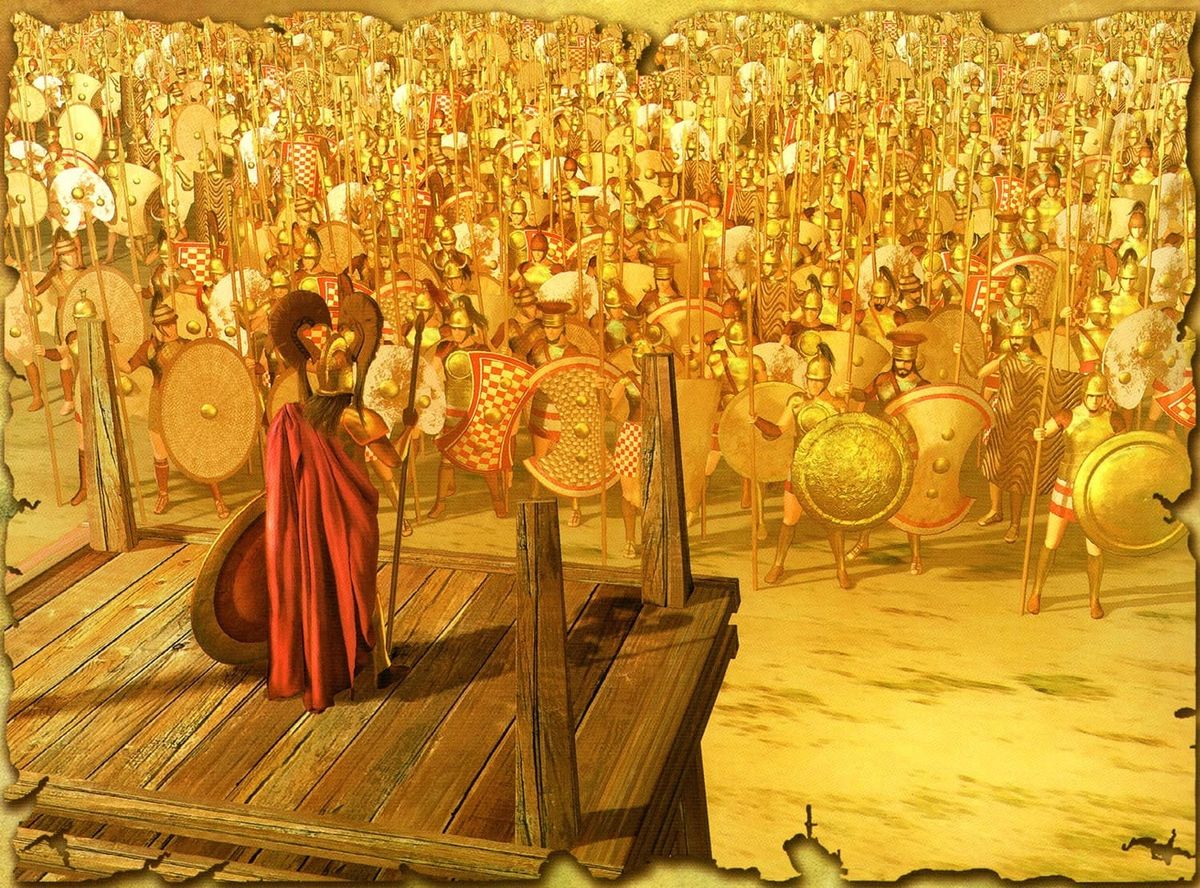
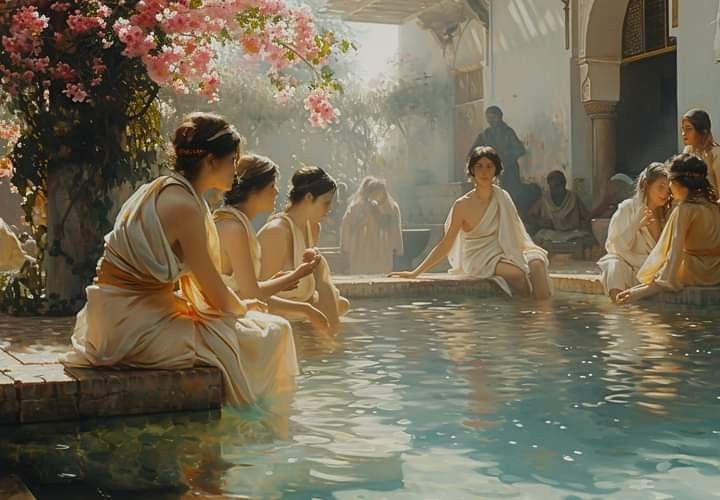
Rome adopted very similar practices but industrialized the system. Slaves comprised 30–40% of Italy’s population by the 1st century AD (estimates: 2–3 million slaves in a 7–10 million population). The empire’s economy depended on slave labor. Major slave revolts, like Spartacus’
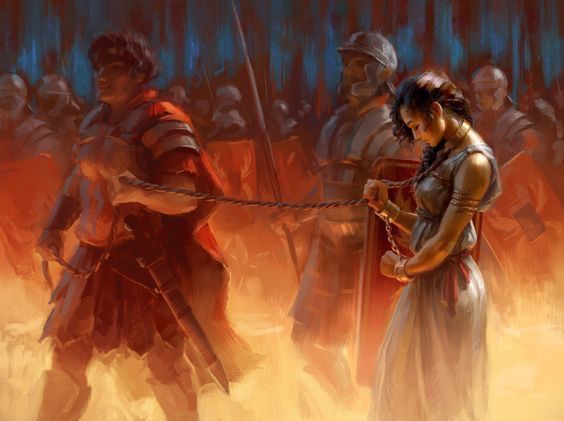

But then came the Muslims and particularly the Turks; they took it on a whole different level. The Ottoman Empire, from its rise in the late 13th century to its decline in the early 20th century, built a sprawling slave trade that was integral to its economy, military, and
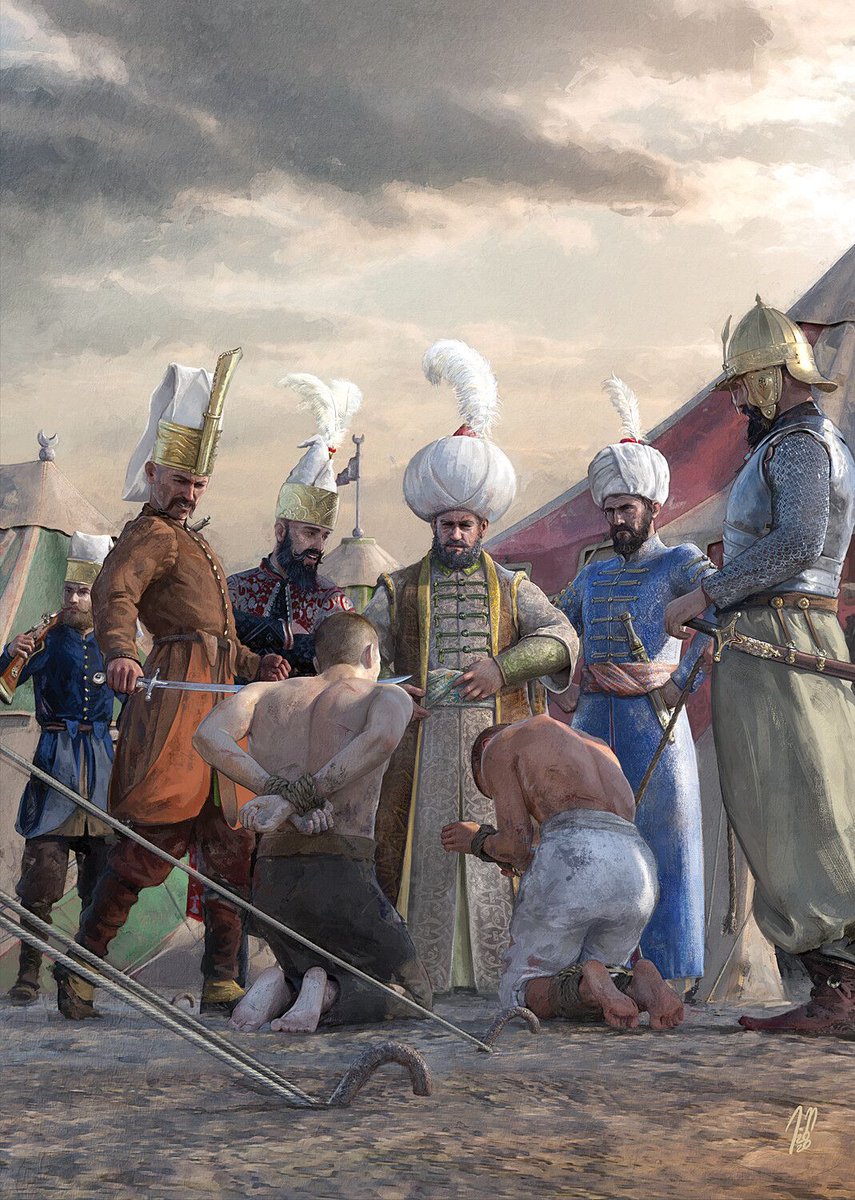
Ottoman slavery was diverse and flexible, often allowing social mobility. Europeans were a prime target, especially through the 15th to 18th centuries, as the empire expanded and its naval power grew. Coastal raids by Ottoman-aligned Barbary corsairs, operating from North
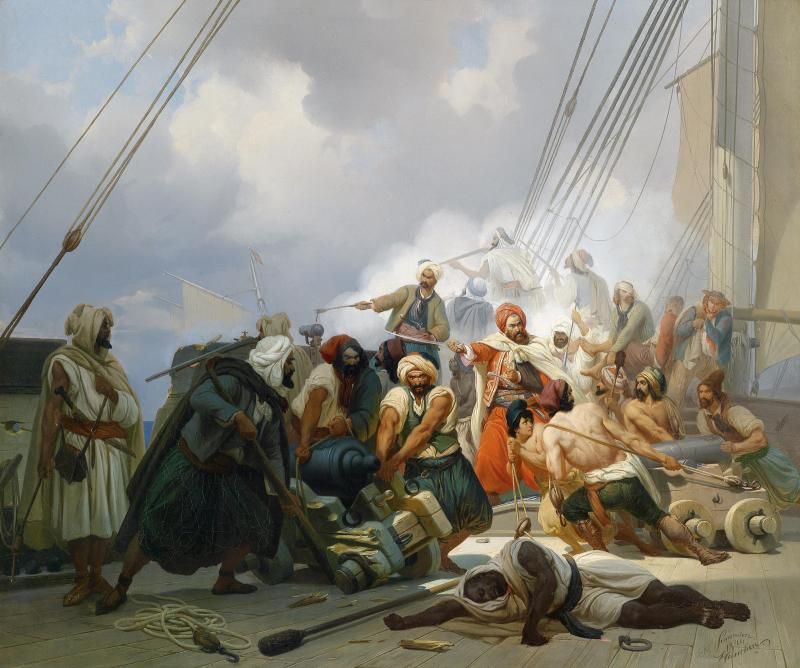
And if you think the turks targeted only the Greeks (who had already fallen with the fall of Byzantium) you are grossly mistaken. For instance, in 1631, corsairs raided Baltimore, Ireland, enslaving hundreds, many of whom were never ransomed. These raids targeted Spain, Italy,
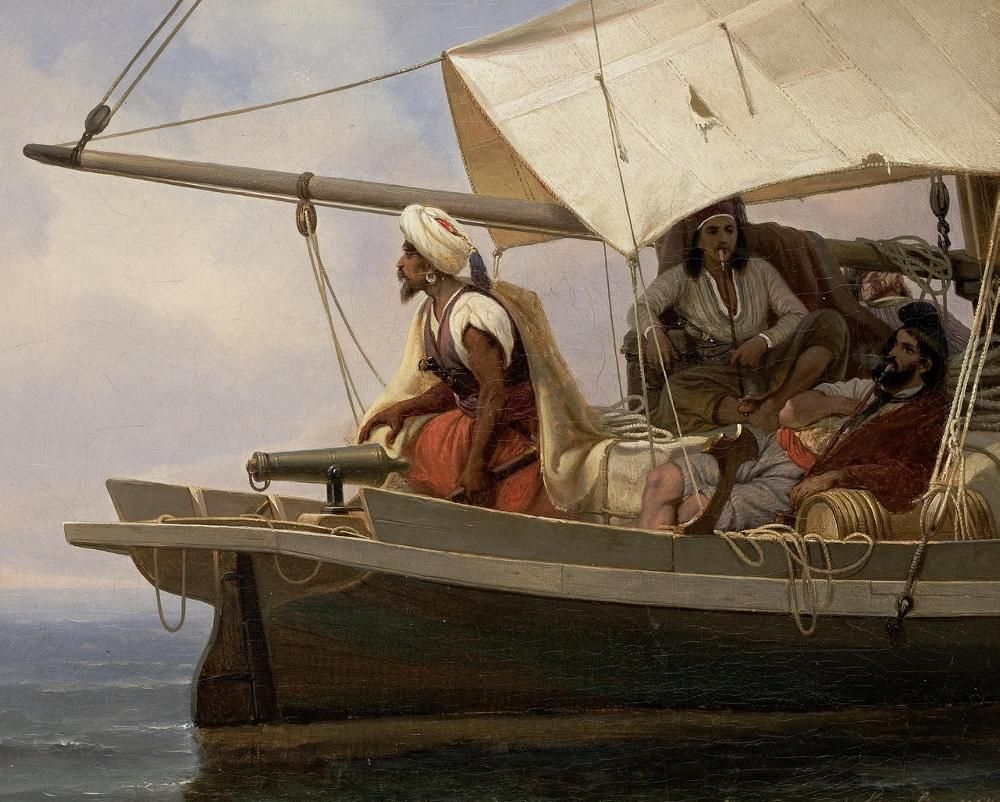
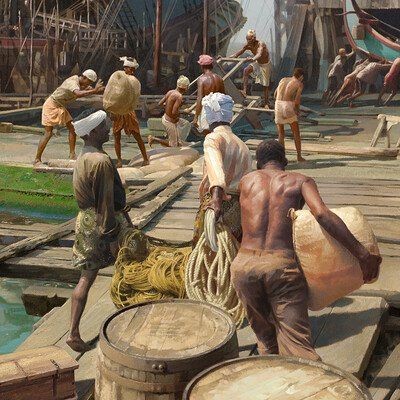
Slaves in the Ottoman system filled diverse roles: galley rowers endured brutal conditions, while others worked in agriculture, households, or harems, with women often serving as concubines. Markets in Constantinople, Cairo, and Algiers buzzed with trade, handling an estimated
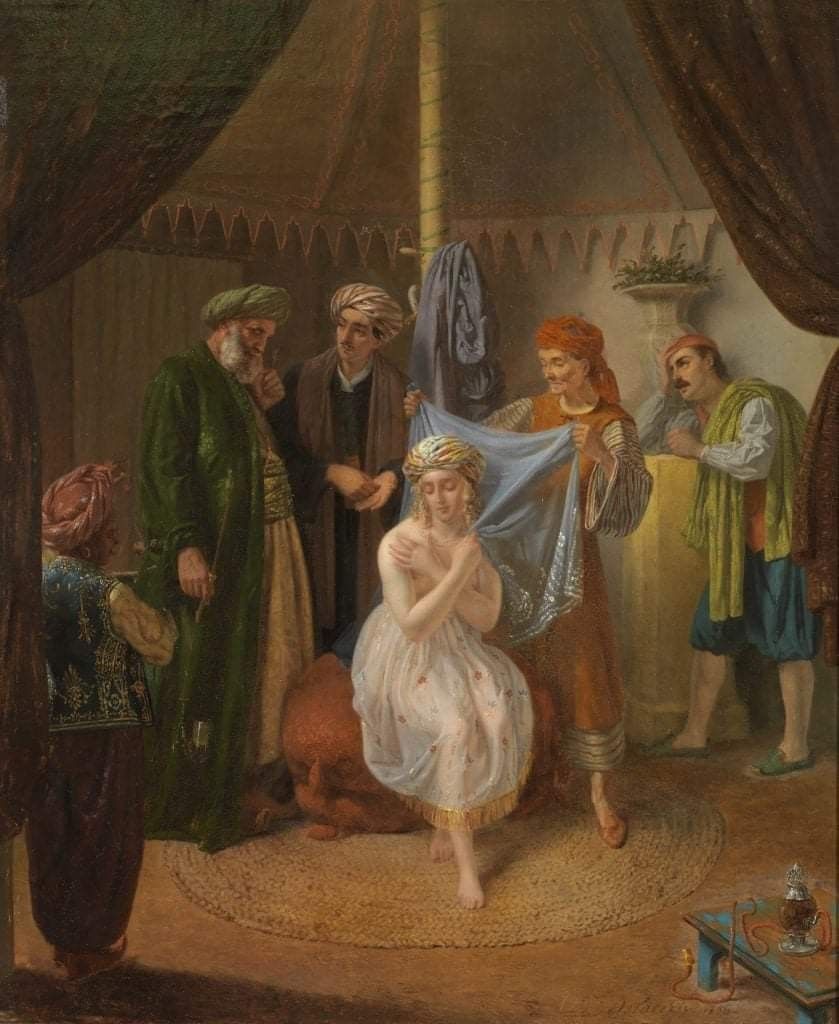
Religious difference played a key role—Islamic law permitted enslaving non-Muslims, making European Christians prime targets, though conversion could lead to freedom or better treatment. European captives like Miguel de Cervantes, enslaved in Algiers from 1575 to 1580, left
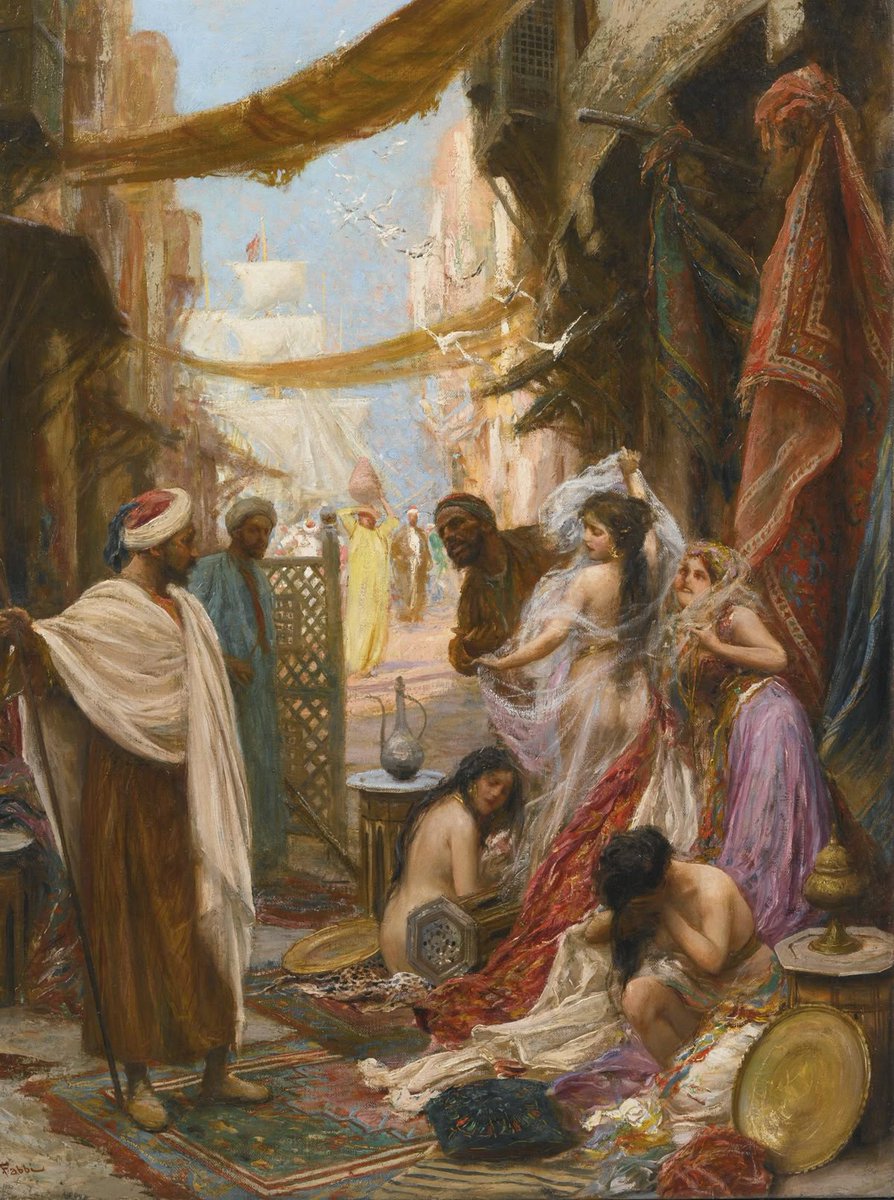
Ransom networks, run by religious orders like the Trinitarians, highlight the trade’s impact on Europe, as families and states scrambled to free captives. The Ottoman system’s scale and flexibility, allowing some slaves to rise to elite status, contrast sharply with the rigid,

The Barbary States—semi-autonomous North African polities under nominal Ottoman control—were a critical node in the slave trade, particularly for enslaving Europeans. From the 16th to early 19th centuries, Barbary corsairs, privateers operating from Algiers, Tunis, Tripoli, and
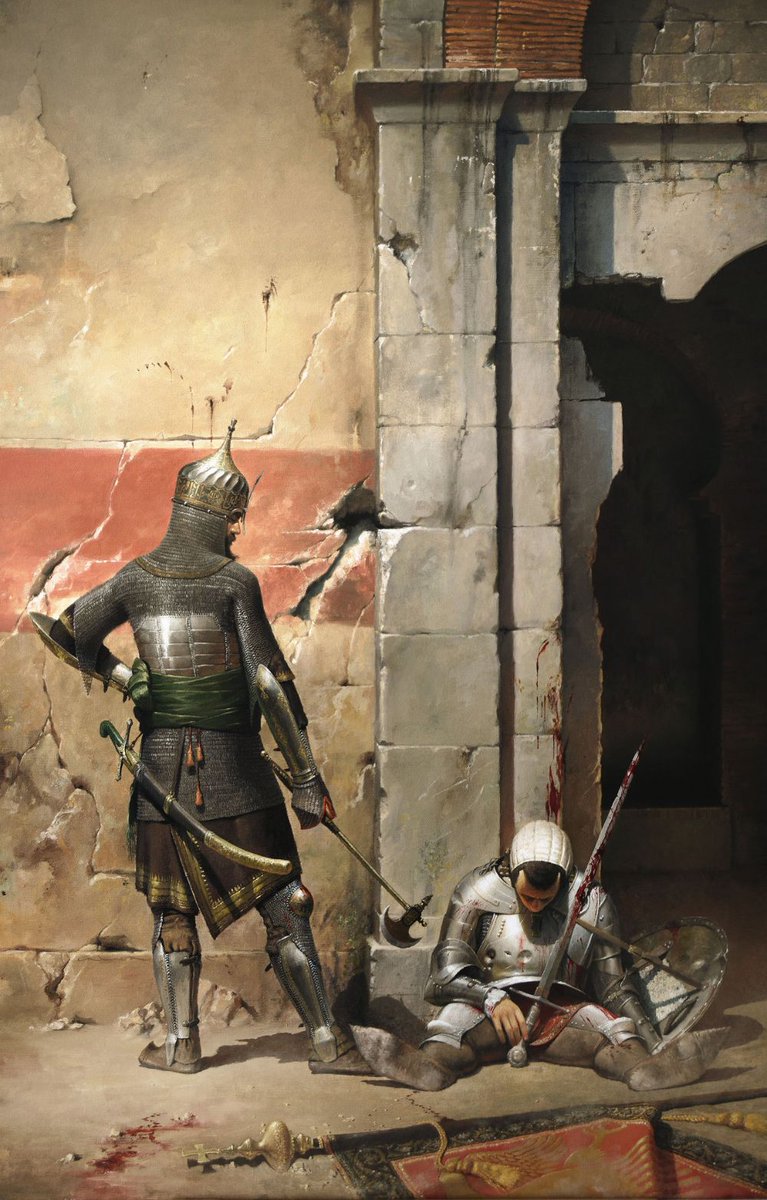
These attacks, peaking in the 17th century, targeted Mediterranean villages and ships, capturing an estimated 1–1.5 million Europeans, mostly Christians, who were sold in North African markets. The corsairs’ audacity was striking: they struck as far as Cornwall, England, and
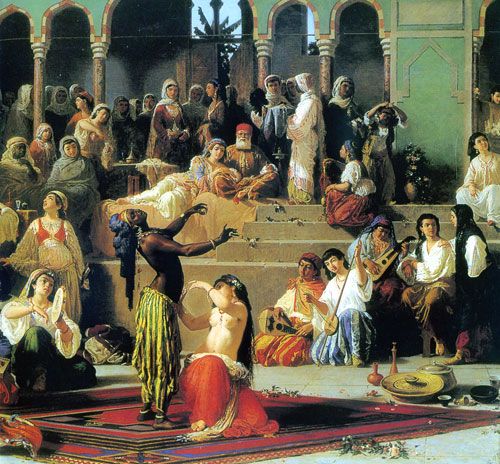
Captives faced varied fates—some rowed galleys in grueling conditions, others worked as laborers or servants, while a lucky few were ransomed by families or European states. Wealthy captives, like nobles or merchants, often fetched high ransoms, fueling the corsairs’ economy.
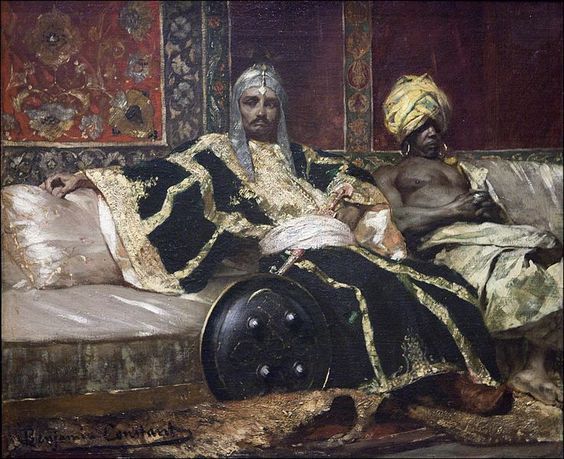
The Barbary trade’s impact reverberated in Europe, spawning captivity narratives that fueled anti-Islamic sentiment and diplomatic efforts, like treaties to curb piracy. By the 19th century, European naval power, culminating in France’s 1830 conquest of Algiers, dismantled the

The religious dimension, particularly in Ottoman and Barbary contexts, mirrors earlier Persian practices, like Sasanian enslavement of Christians, showing continuity in targeting religious “others.” Unlike the Atlantic trade’s racial fixation, these systems enslaved based on
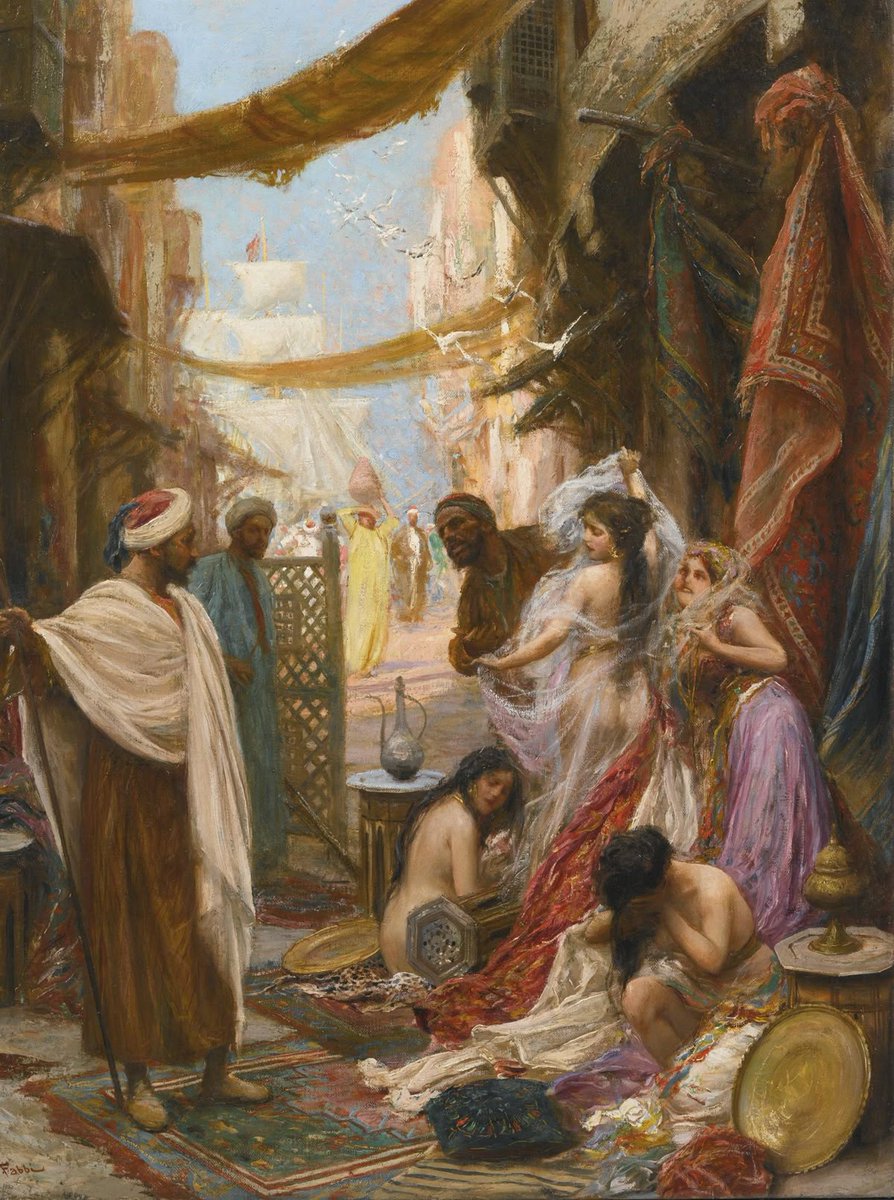
In Africa, slavery predated and coexisted with the Ottoman and European trades, rooted in indigenous systems that varied across regions and cultures. Long before European contact, African societies like the Mali, Songhai, and Kanem-Bornu empires enslaved people through warfare,
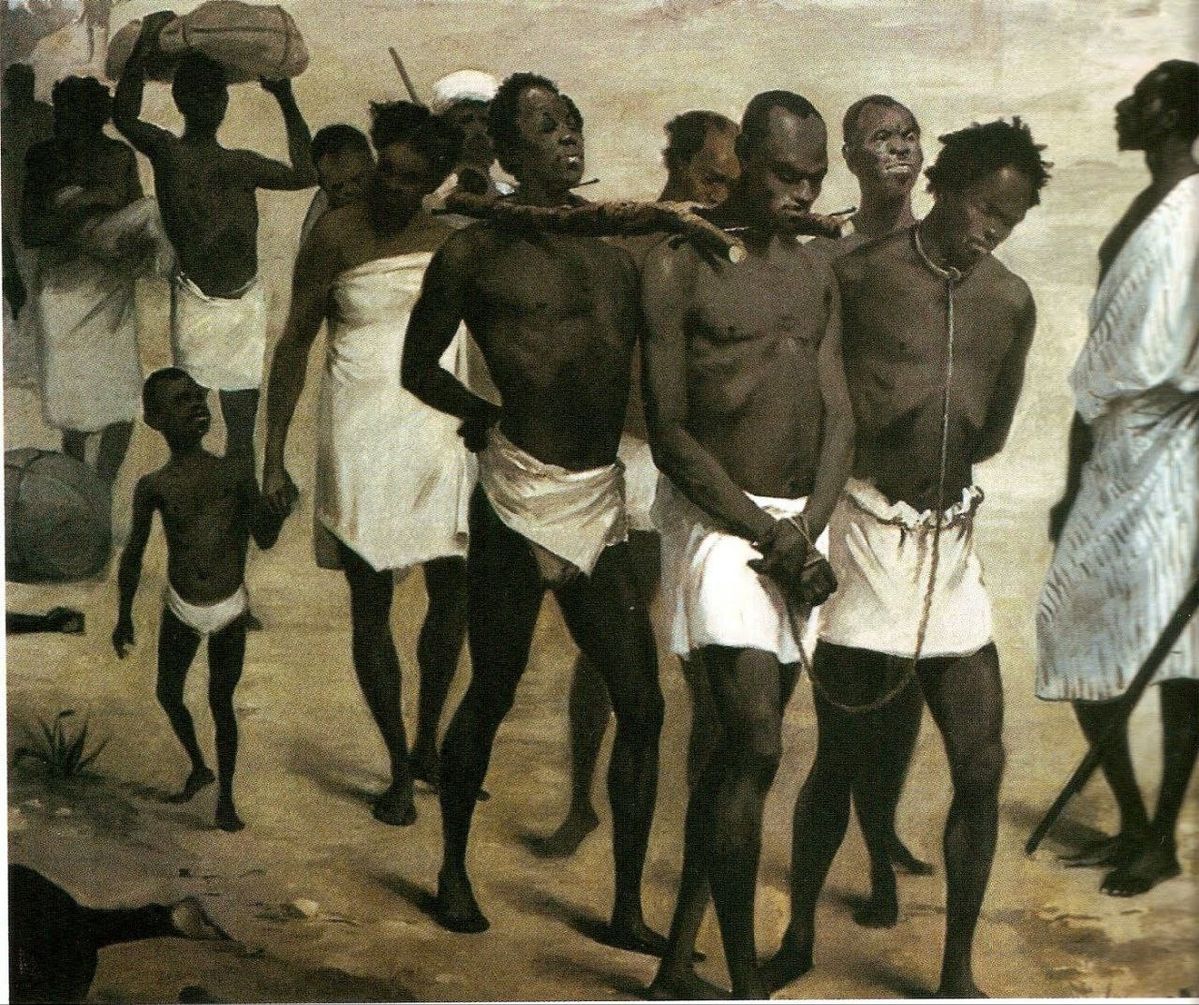
In West Africa, the Mali Empire (13th–16th centuries) used slaves for agriculture, gold mining, and domestic work, often trading them across the Sahara to North African and Middle Eastern markets. The trans-Saharan trade, active from the 7th century, moved millions of
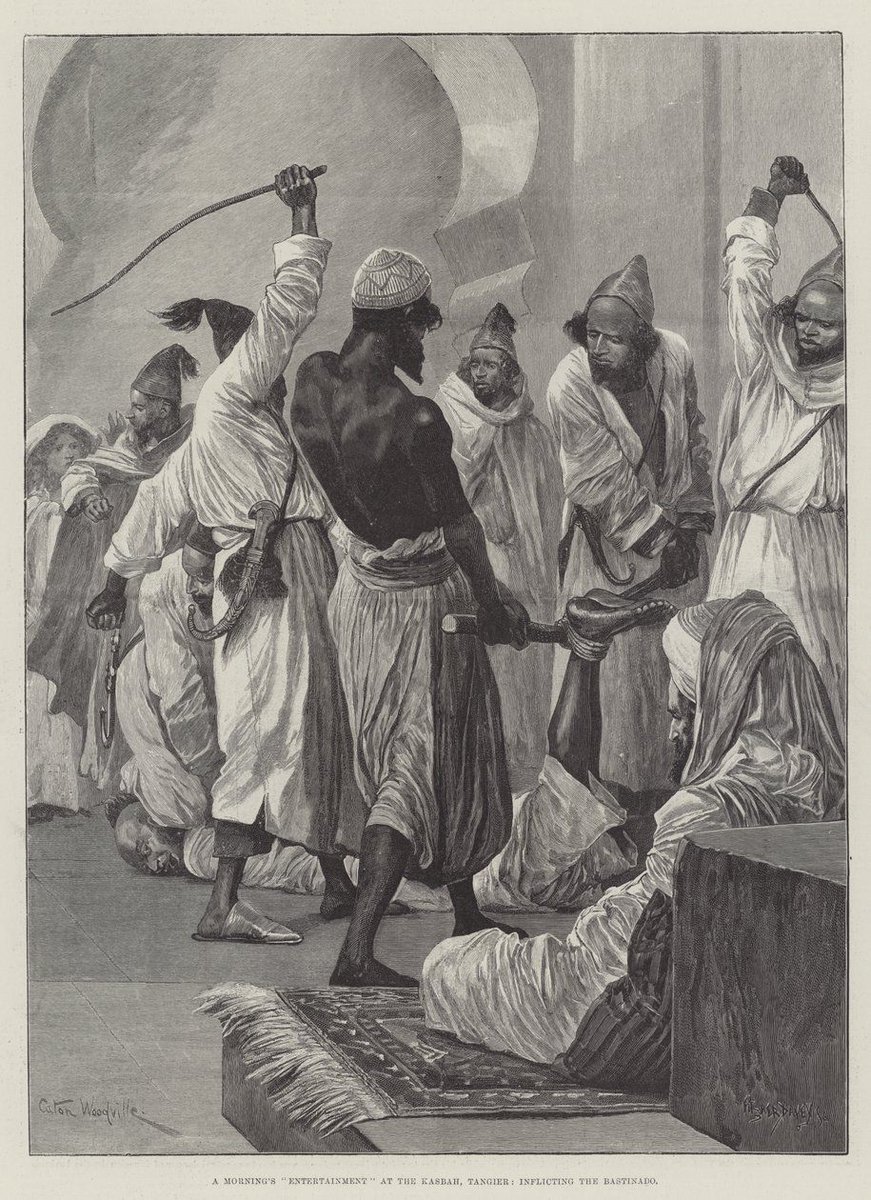
East Africa’s trade, centered on ports like Zanzibar, supplied slaves to Arabia, Persia, and India, with the Omani Empire playing a major role by the 18th century. Slaves were typically war captives, criminals, or debtors, drawn from diverse ethnic groups, not defined by race
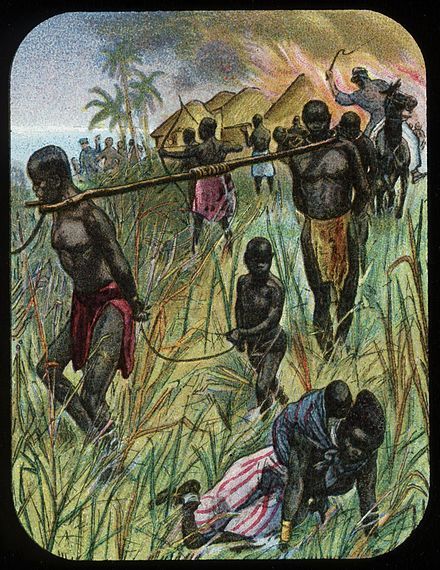
These three systems—Ottoman, African, and Barbary—intersected in profound ways. The Ottoman Empire linked African and European slaves through its vast markets, with North African ports serving as hubs for both trans-Saharan and Mediterranean trades. African slaves reached Ottoman
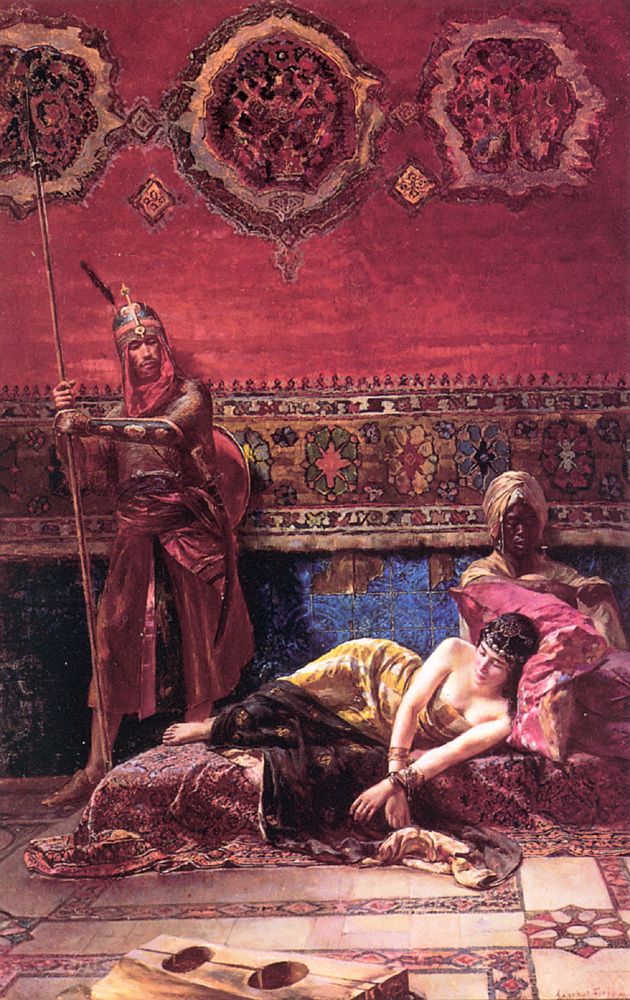
The arrival of Europeans in the 15th century intensified African slavery, as coastal states like Dahomey and Asante supplied captives to the Atlantic trade, often in exchange for guns and goods. The fluidity of African slavery, where status could shift over generations,
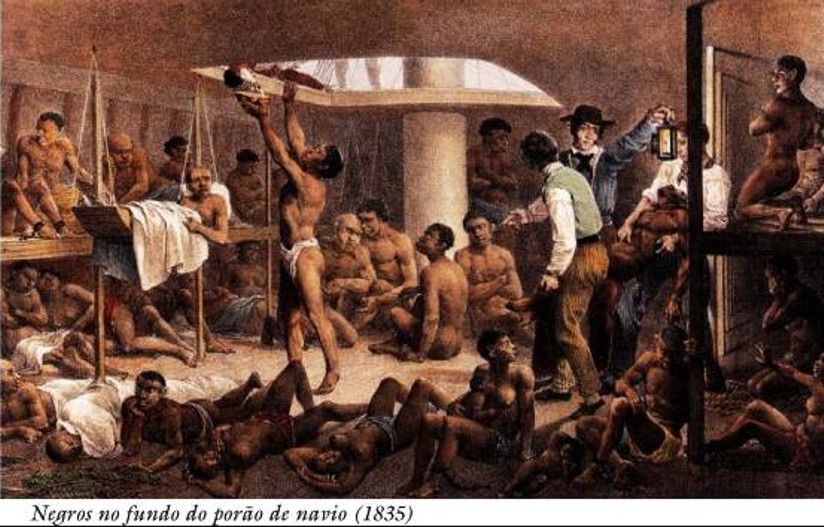
Africans played a central role in supplying slaves, but this requires nuance to avoid oversimplification. African societies had long practiced slavery internally, using war captives, debtors, or criminals as laborers, servants, or even family members. This was not unique to
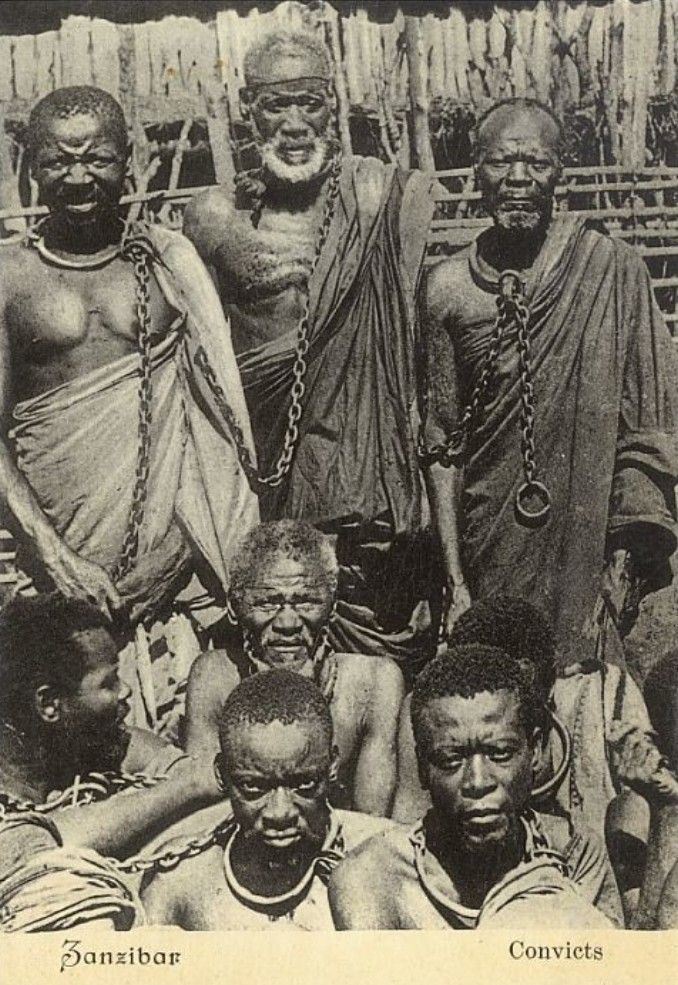
The Atlantic slave trade, the most infamous, ran from the 15th to 19th centuries, forcibly transporting 12 to 15 million Africans to the Americas. It began when Portuguese explorers reached West Africa in the 1440s, seeking gold but finding a lucrative trade in human captives.
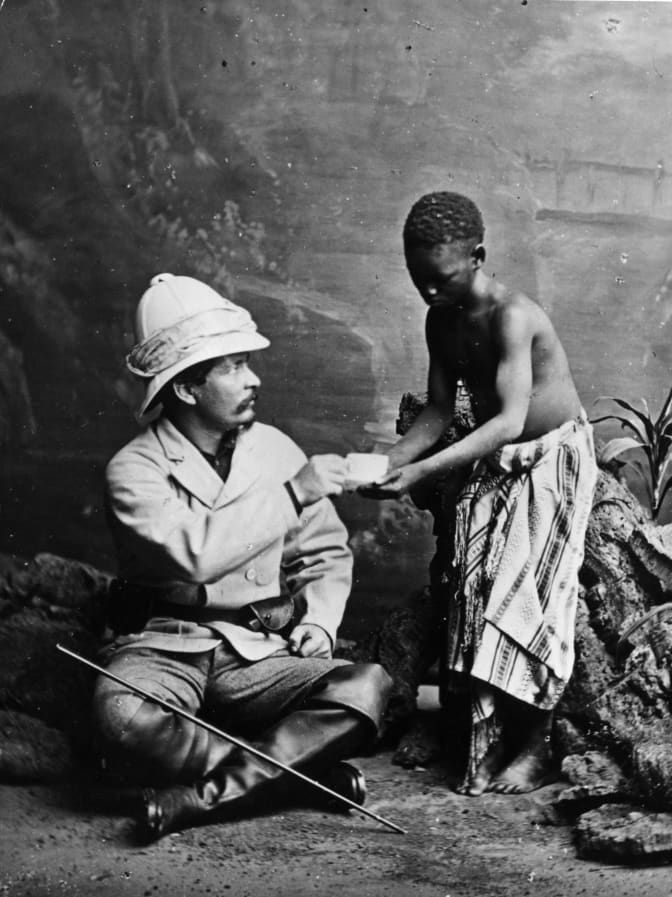
I won't even touch the extensive and highly elaborate slave trade systems of the the Far East (India, South East Asia, China etc), but i hope the thread illustrates the disturbing ties of slavery with all races and nations across the world. Some just did it more and worse.
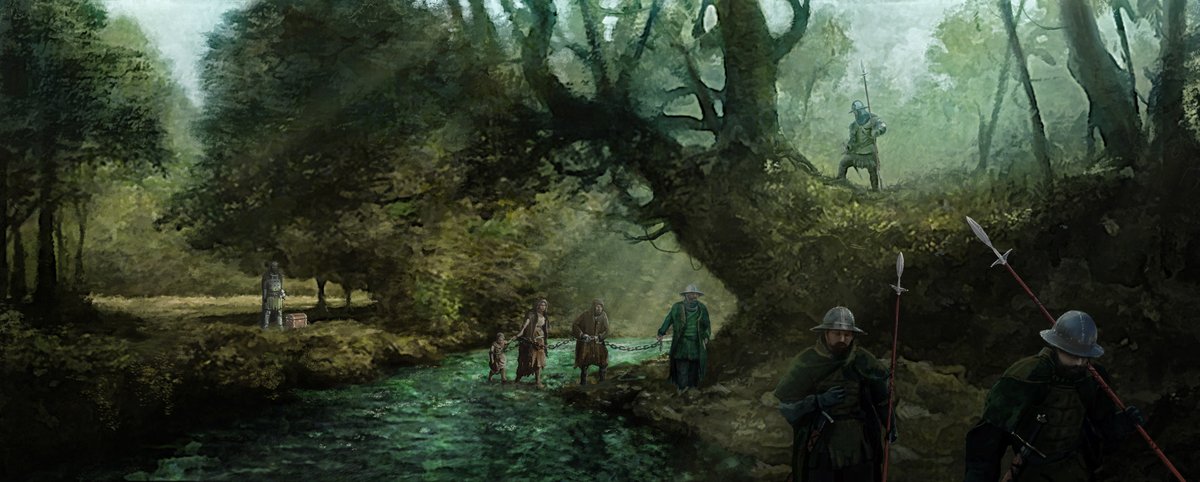
@thewolvenhour And here’s something to keep you up at night, we never truly go rid of slavery. We have just rebranded it. Just look at “Interns.” And is it truly a paying job if all you can afford to do is pay your bills?
@AnomiePhoenix slavery in its brutal form still exists; we just "forgot" about it in the west or rebranded it - as you said, AP
@thewolvenhour Superb thread and beautifully illustrated, for such an ugly subject!
@burman_chetan thanks CB! I have many more pictures, disturbing, ugly and deeply enlightening but i kept them for the subscribers section.. can't share them here..