
Thread: Historical Control of Gaza & the West Bank 🧵 These areas have never been part of an independent Palestinian state. In recent times, they have been controlled by the Ottoman Empire, Egypt, Jordan and Israel (1/20)

The Ottoman Empire ruled Gaza and the West Bank from 1517 to 1917. These areas were part of broader administrative regions, with no distinct Palestinian national identity or statehood during this period. (2/20)
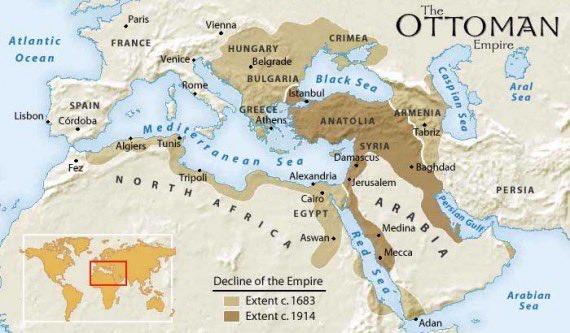
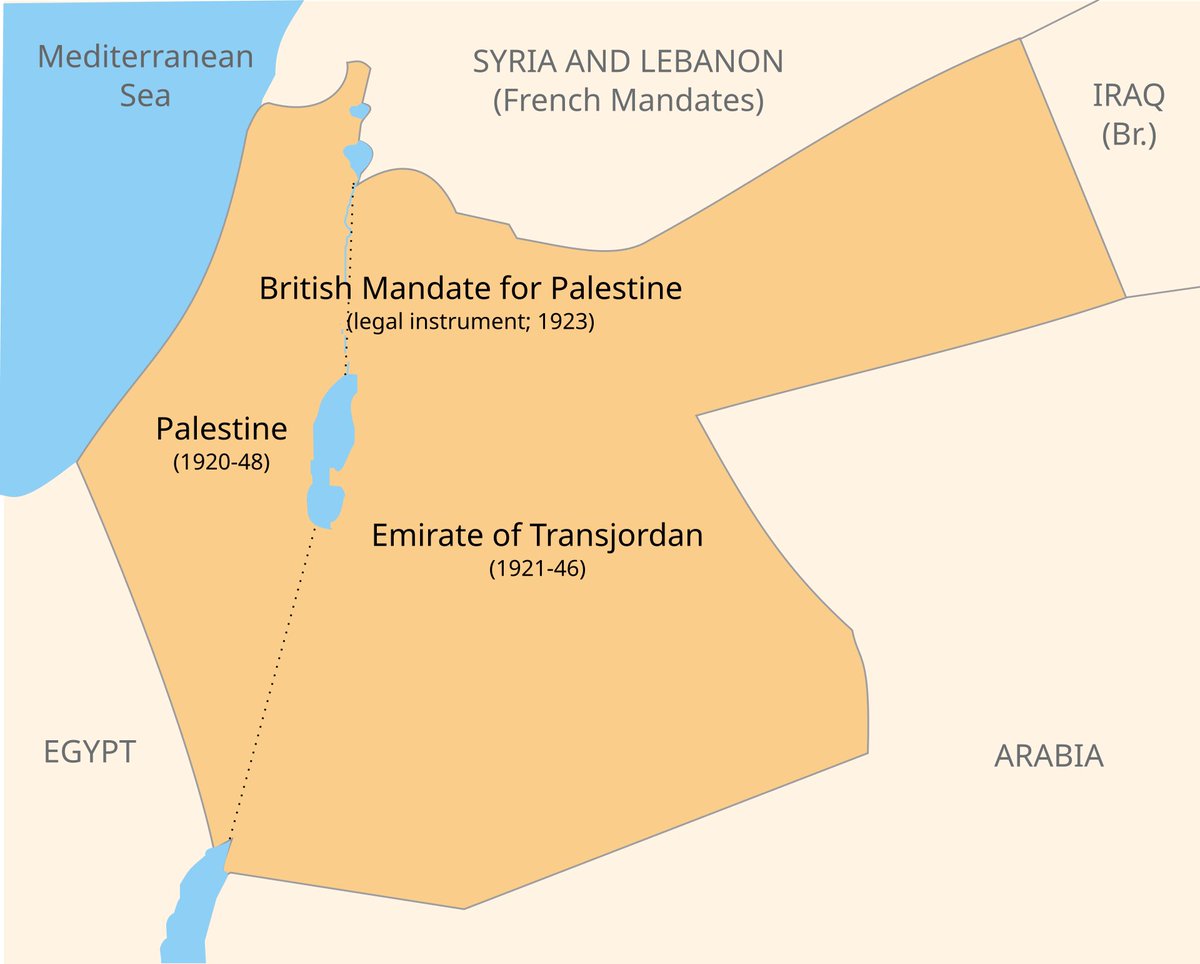
After WWI, the British Mandate (1920–1948) governed Palestine, including Gaza and the West Bank. The Mandate was established by the League of Nations to prepare the region for self-governance, but the Arab locals never accepted a two state solution (3/20)
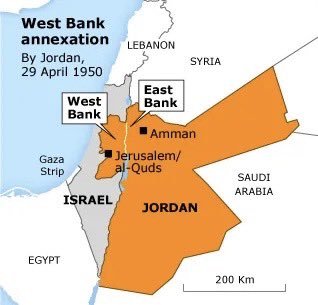
In 1948, after Israel’s independence, Egypt occupied Gaza, and Jordan annexed the West Bank. These territories were controlled by Arab states, not a Palestinian state, until 1967. (4/20)
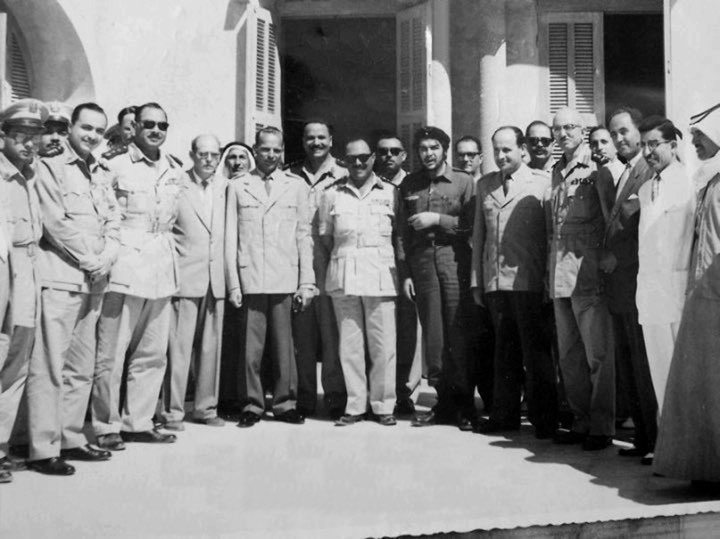
During Egyptian control of Gaza (1948–1967), there was no significant international movement for Palestinian independence in Gaza. The focus was on Arab unity, not a distinct Palestinian state. Here’s Che Guevara visiting Egyptian Gaza in 1959. The international communist
Similarly, under Jordanian control of the West Bank (1948–1967), there were no notable Palestinian independence movements. The region was integrated into Jordan, with residents granted Jordanian citizenship. The picture shows the Jericho Conference of 1948, when the local
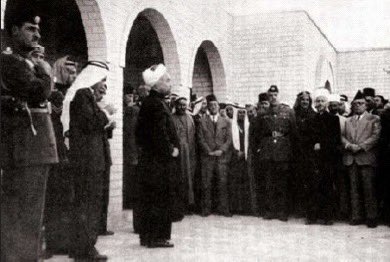
The lack of Palestinian independence movements in Gaza and the West Bank during Egyptian and Jordanian rule is notable. Palestinian national identity gained prominence later, particularly after they fell under Israeli control in 1967. (7/20)
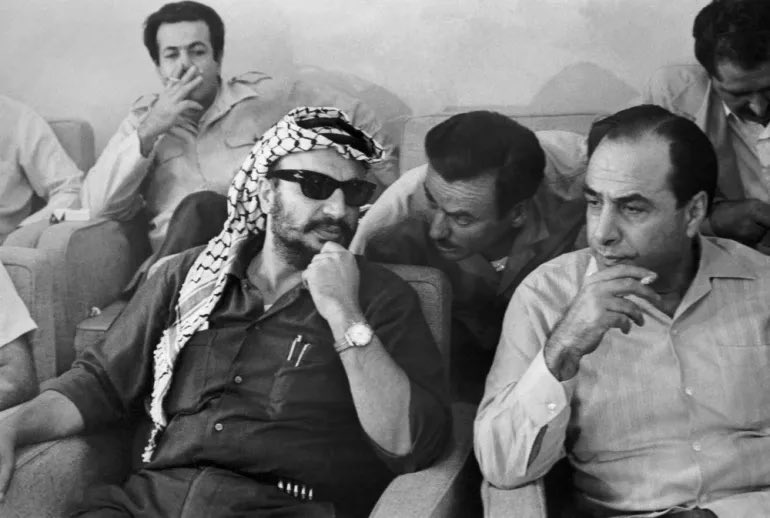
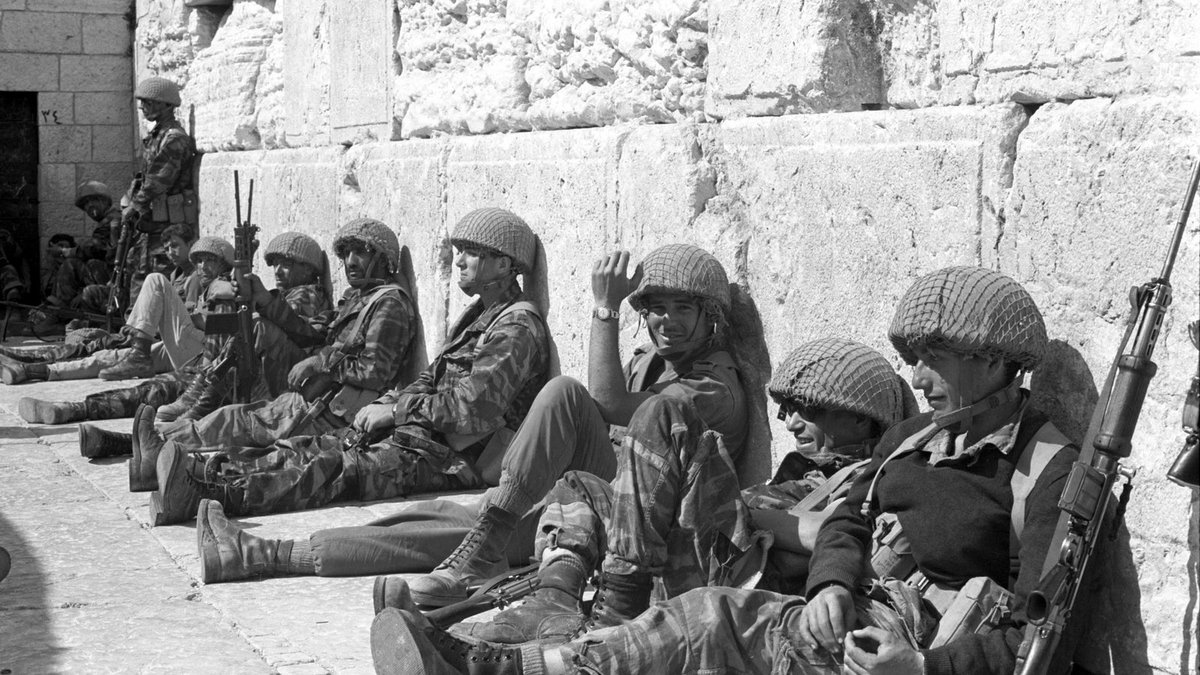
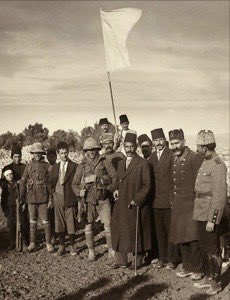
In 1967, Israel captured Gaza from Egypt and the West Bank from Jordan during the Six-Day War. This marked the start of Israeli control over these territories. The pictures shows Israeli troops in Jerusalem (8/20)
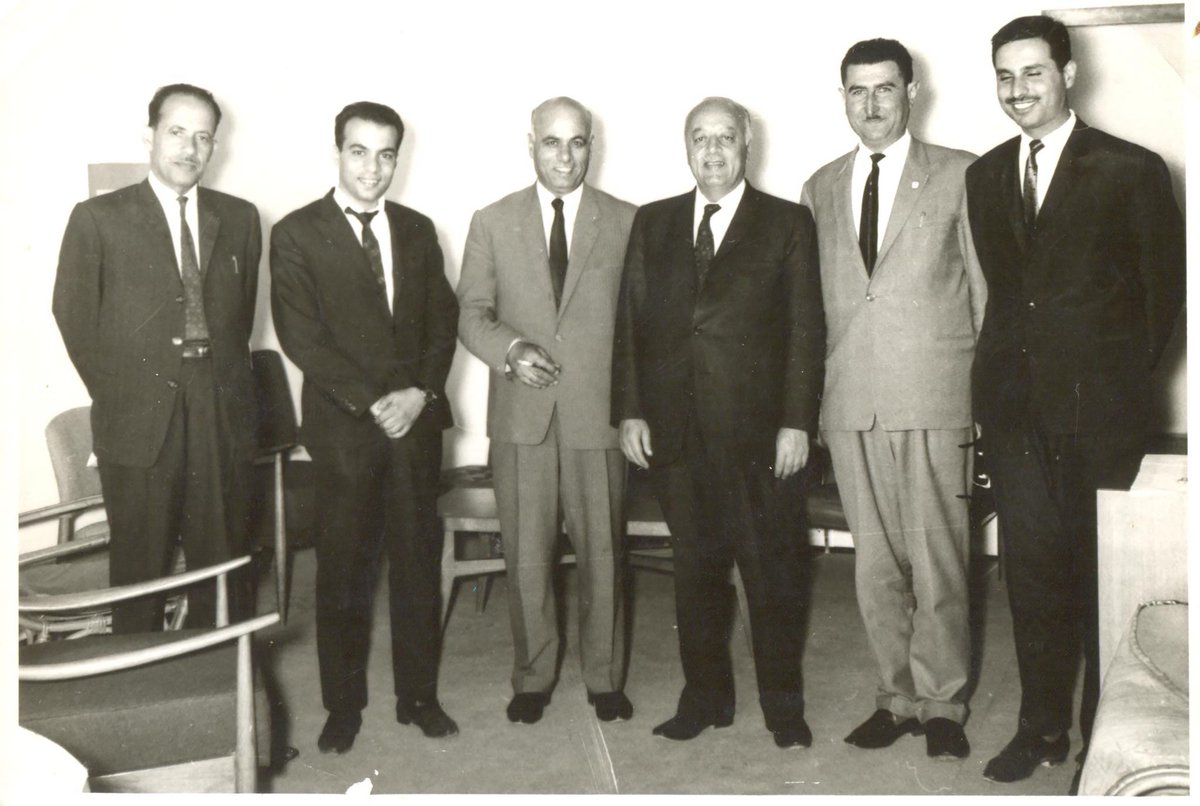
Before 1967, international calls for a Palestinian state were minimal. The PLO, founded in 1964, began advocating for Palestinian rights, but its focus was on challenging Israel, not Egypt or Jordan. The PLO’s original charter from 1964 was drafted in Moscow (9/20)
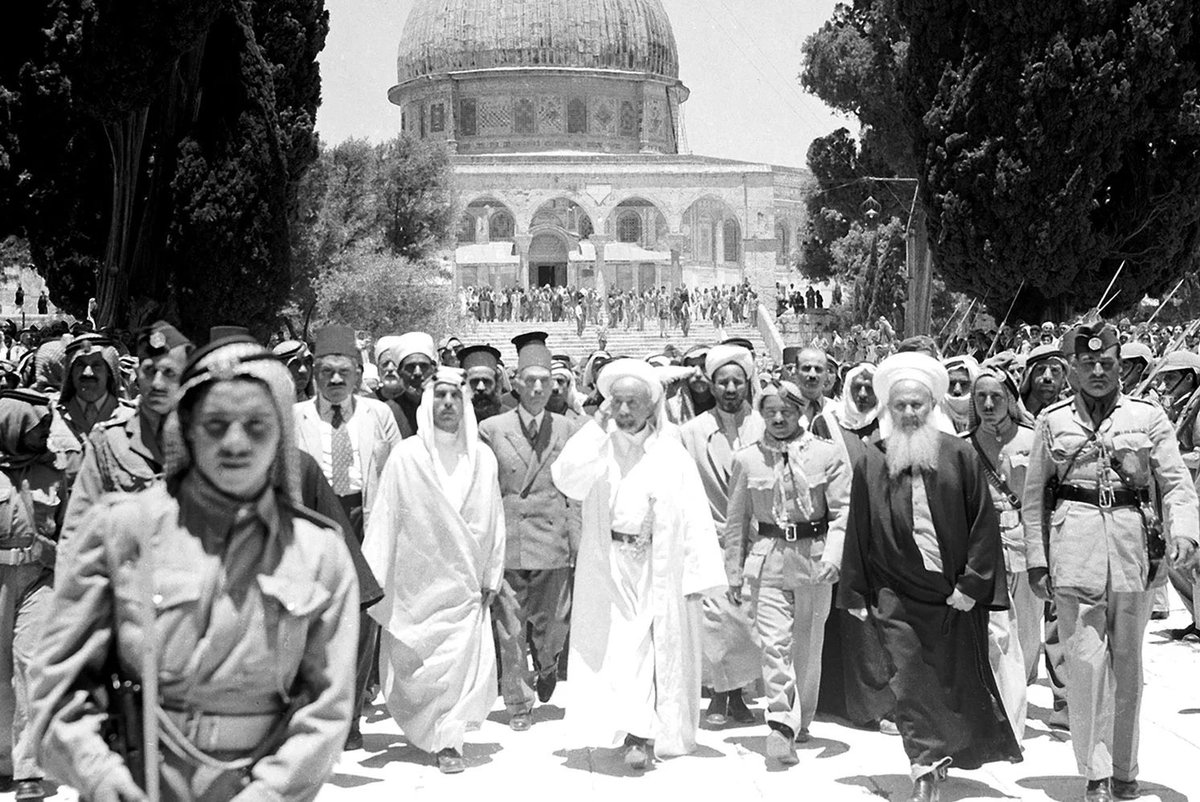
Under Egyptian and Jordanian rule, Gaza and the West Bank were not centers of Palestinian nationalist movements. Local grievances existed, but they didn’t translate into global campaigns for statehood. The picture shows Jordanian King Abdullah I in front of the Dome of the
The Sinai Peninsula, captured by Israel from Egypt in 1967, provides a contrast. Unlike Gaza and the West Bank, Sinai was returned to Egypt after a peace treaty in 1979. (11/20)
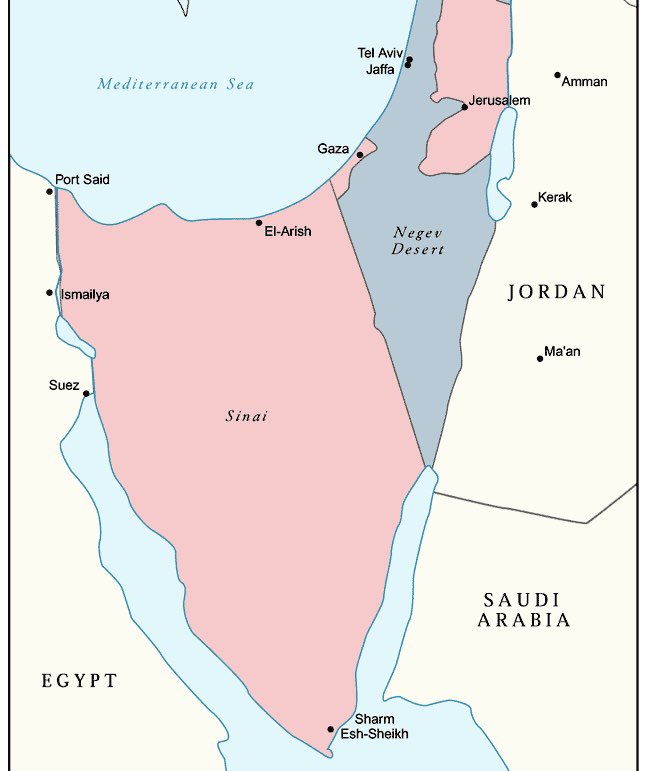
The Egypt-Israel Peace Treaty (1979) was a landmark agreement. Egypt agreed to recognize Israel, and Israel withdrew from Sinai, showing that peace agreements could lead to territorial changes. (12/20)
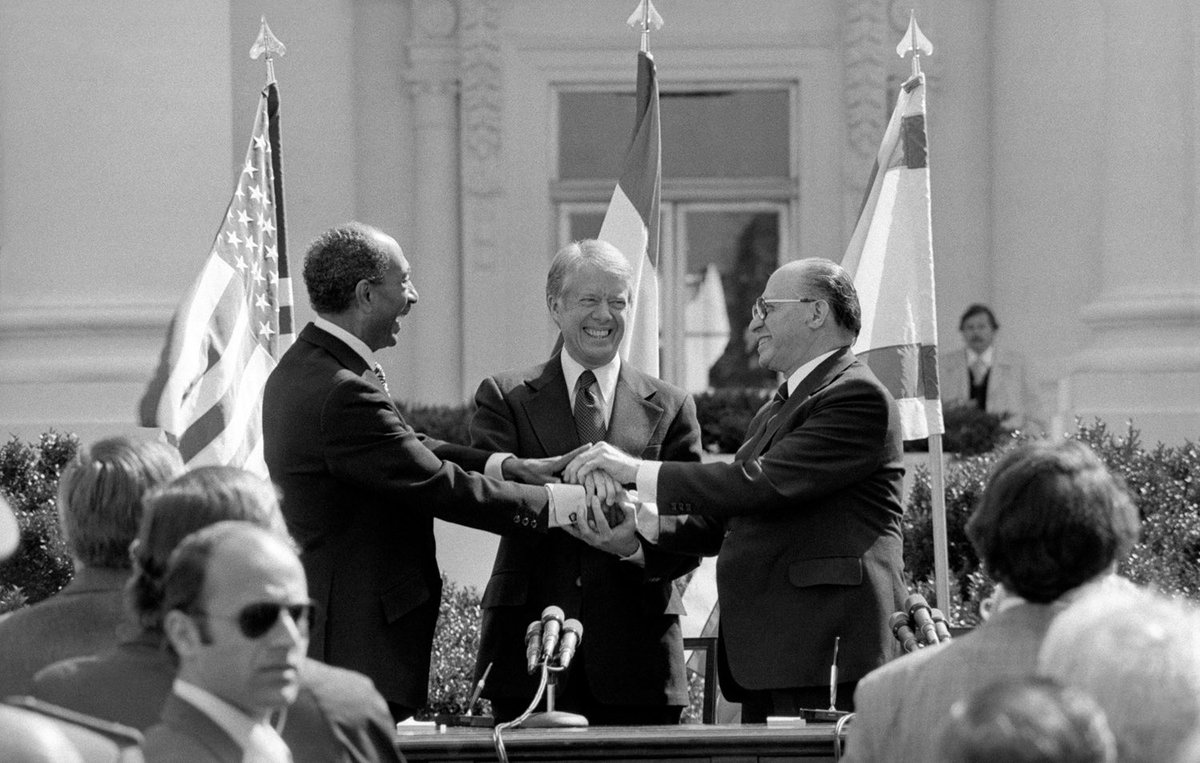
Sinai’s return to Egypt highlights a key difference: Egypt was willing to accept the existence of an Israel. The Palestinian never accepted a two-state solution. (13/20)

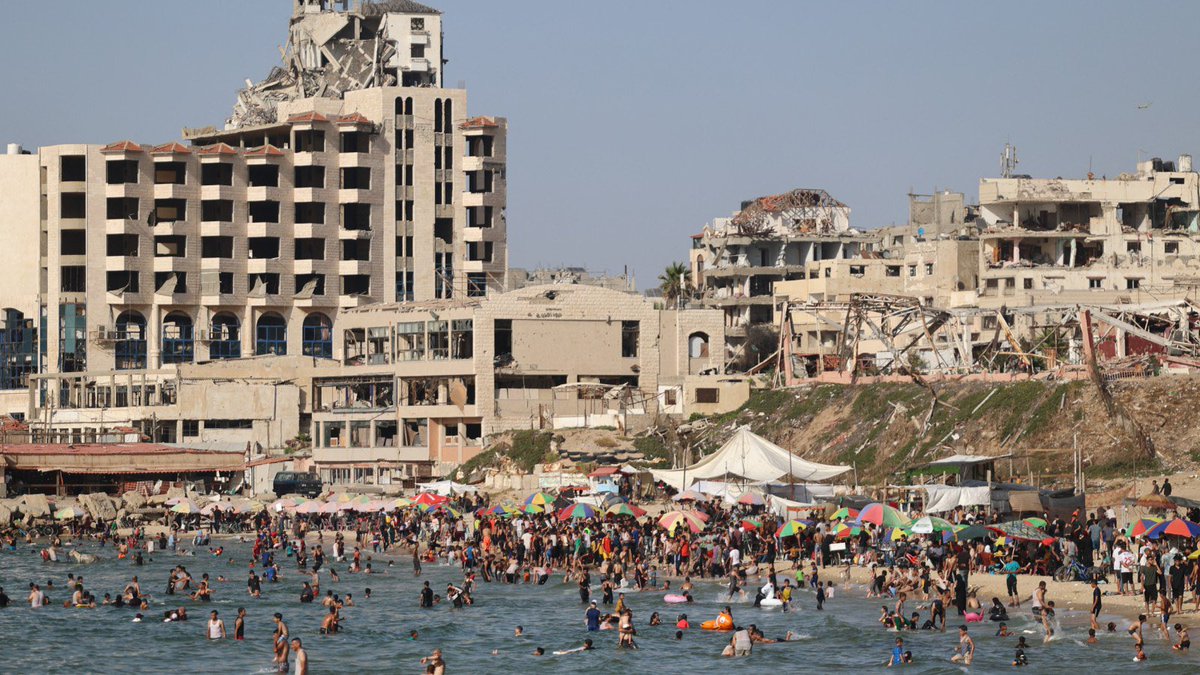
Gaza and the West Bank remain contested. Israel’s has been in control since 1967, but decided to withdraw from Gaza in 2005, giving the Palestinian there a chance at self-rule. They used it to plan the October 7th massacre for more than a decade. (14/20)

The Oslo Accords (1993) created the Palestinian Authority, granting limited self-governance in parts of Gaza and the West Bank. In 2000, Bill Clinton gave the Palestinians a chance to have an independent state. Arafat decided to turn it down. (15/20)
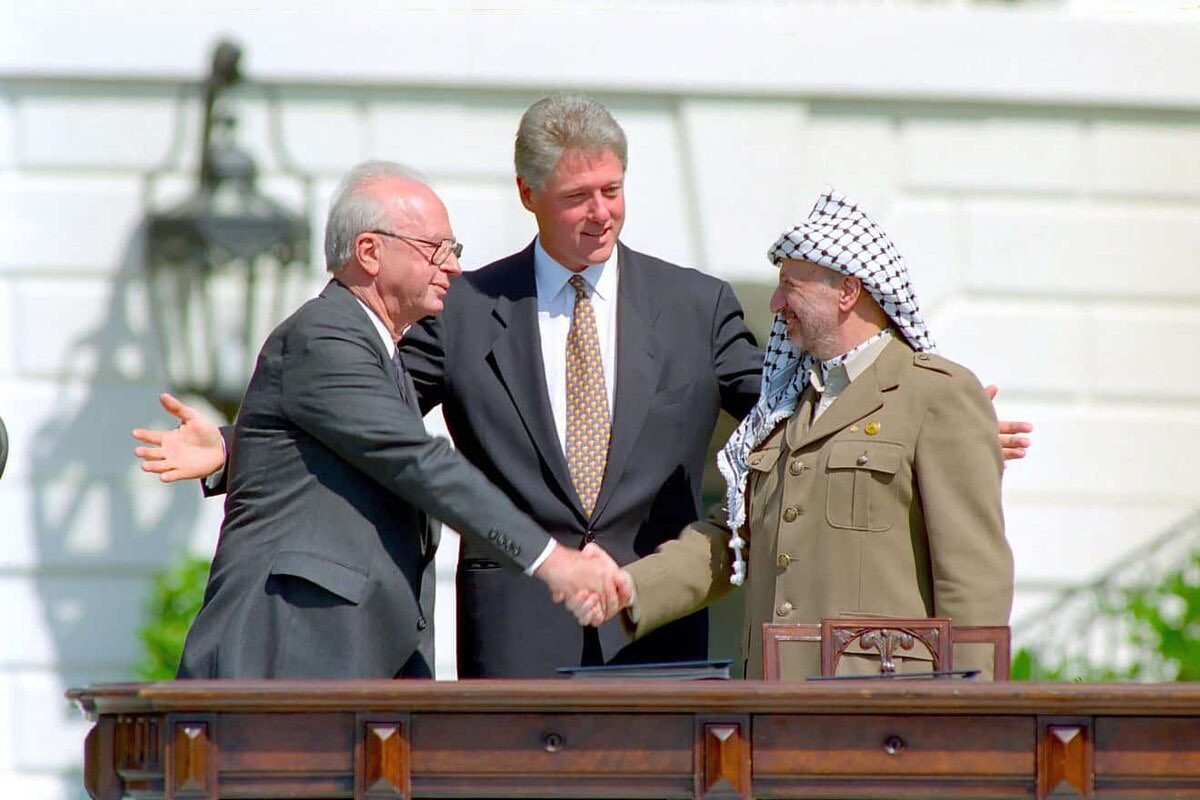
Historically, Palestinian statehood was not a major international issue under Ottoman, British, Egyptian, or Jordanian rule. It became prominent first after Israel’s control post-1967. (16/20)

The absence of a Palestinian state reflects the region’s history of external control. No power—Ottoman, Egyptian or Jordanian —established these areas as an independent Palestinian entity, or even an autonomous one. (17/20)
The Sinai case shows that peace treaties can resolve territorial disputes. The Palestinians had a chance in 2000, but didn’t take it. In 2006, they had their first election and elected Hamas. That wasn’t a vote for a peace treaty. (18/20)

With Hamas in power in Gaza, the Palestinians clearly didn’t want to unite under one political elite which would then seek a peace deal with Israel. Instead, the launched the October 7th Massacre, making a Palestinian independent state an impossibility for decades to come.

On October 7th, a decision was taken in the spirit of 1948, 1967, 2000 and 2005. Instead of taking steps toward accepting a two-state solution in exchange for their own independent state, the Palestinians opted for violence and wanting to wipe Israel off the map. Instead
@visegrad24 The map leaves out a century of British rule and modern Israeli colonisation.
@visegrad24 People should read the Old Testament, and not recently issued translations either. Return to the Old translations of the Bible.
@visegrad24 No nation calls its indigenous land “west bank. The natives call these regions Judea and Samaria.
@visegrad24 @threadreaderapp unroll
@visegrad24 O look a old map

@visegrad24 History is irrelevant. Bibi admitting to future ambition (greater Israel) is relevant.
@visegrad24 Here is the complete timeline. It has never belonged to an independent Palestinian Arab state. •Ancient Egypt (Canaanite/Egyptian): ~3300 – 12th century BCE •Philistines: 12th century BCE •Kingdom of Israel / Northern Israel: ~11th century BCE onward •Assyrian Empire: ~730
@visegrad24 Gaza will always be ruled by outsiders.
@visegrad24 Kingdom of Jerusalem***
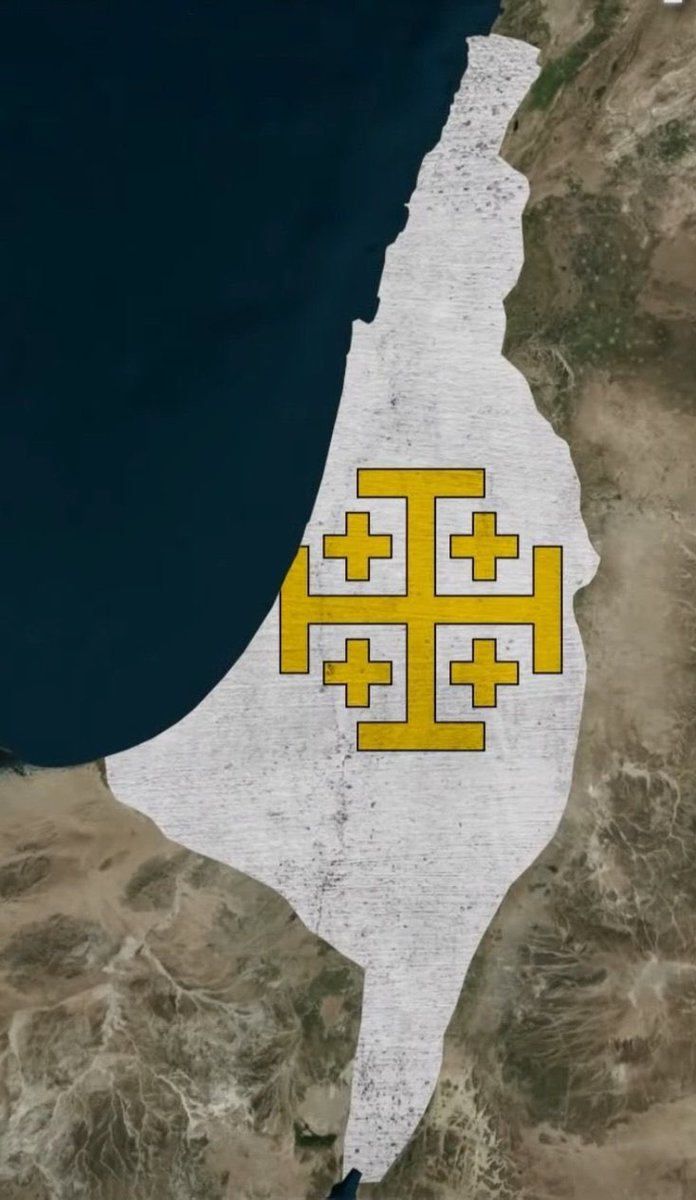
@visegrad24 They embody a blend of various cultures and identities, representing a fusion of all these nations. Their presence is more a matter of personal desire than rooted in historical context.
@visegrad24 Facts are facts. No getting around it.
@visegrad24 To think we could still had Sinai under our Wing.
@visegrad24 Tres intéressant Pour la meute #LFI et la horde #NFP Un peu de culture vous fera le plus grand bien Dt @RimaHas, @Portes_Thomas & le reste des crétins avinés
@visegrad24 Mind boggling
@visegrad24 Exactly.
@visegrad24 Pray for the peace of Jerusalem Raise your voice condemning deceptive antisemitism
